
Kansas City Fence Survival Guide: 8 Ways to Protect Your Fence & Gates During Storms
 Midwest Weather vs. Your Fence
Living in the Kansas City Metro, homeowners experience nearly every type of weather imaginable. One week it might be heavy rain, the next strong winds, and by winter you may have several inches of snow piling up along your fence line.
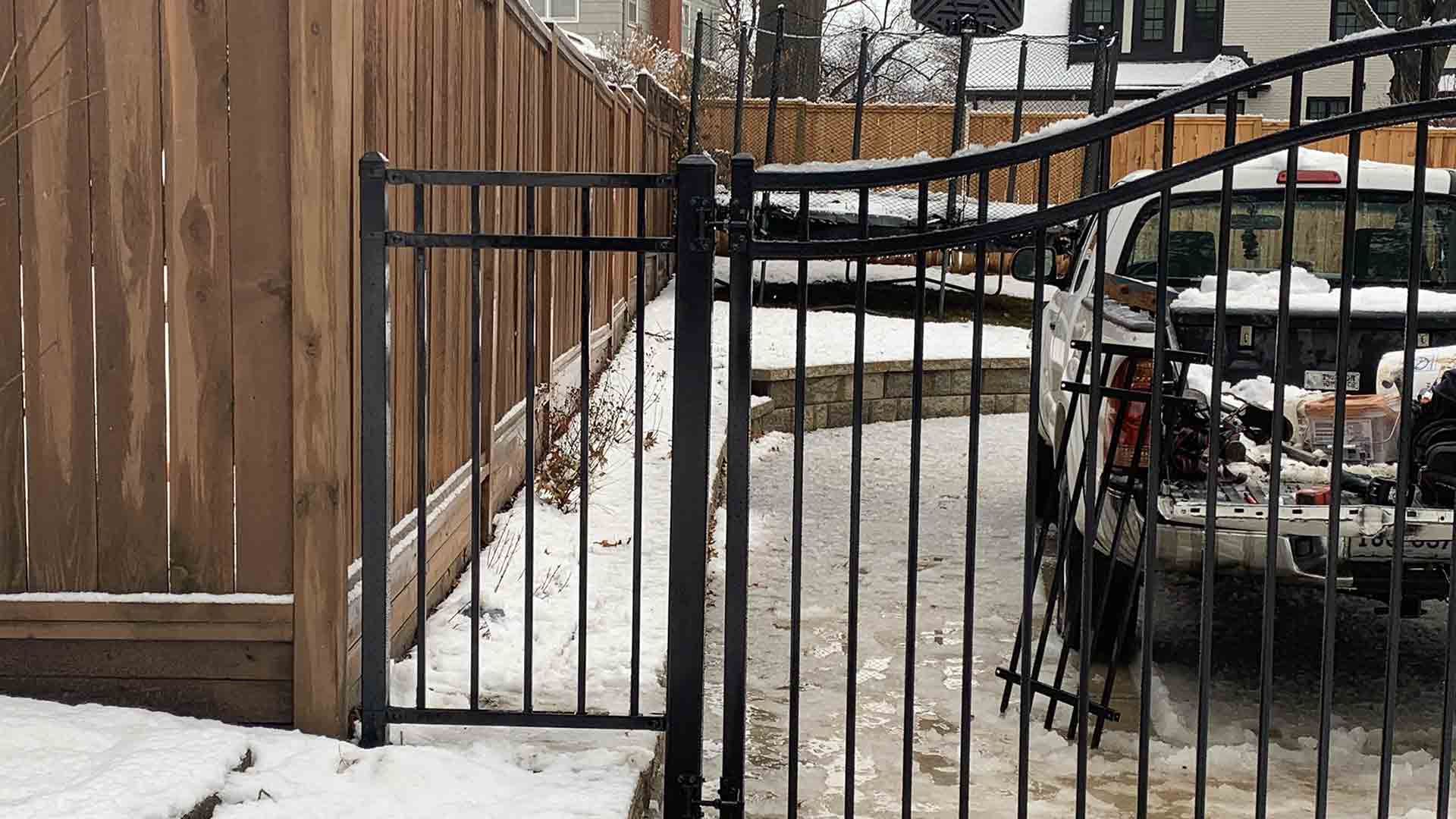
While fences are designed to be durable, extreme weather conditions can stress even the strongest installations. Gates may sag, posts may loosen, and panels can take damage from debris or snow buildup.
The good news is that with proper maintenance and preparation, you can significantly extend the life of your fence and avoid costly repairs.
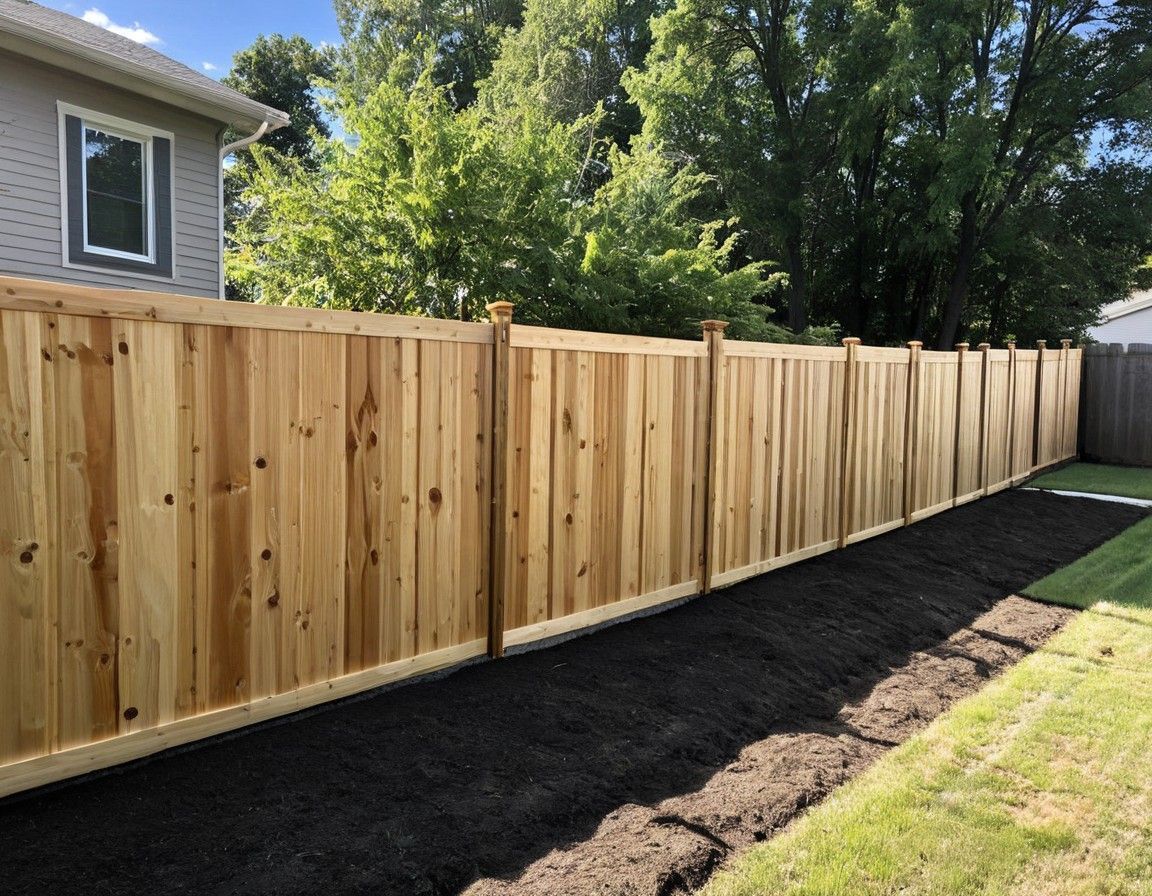
At Slagle Fence, we’ve installed thousands of fences throughout Kansas City, Lawrence, and surrounding communities, and we’ve seen firsthand what weather can do to poorly maintained fences.
Let’s explore the best ways to protect your fence and gates before, during, and after severe weather.
How Do You Protect a Fence During Bad Weather?
The best way to protect a fence during storms is to secure gates, inspect fence posts, remove heavy snow buildup, trim nearby branches, and regularly seal wood fences. Proper maintenance helps prevent wind damage, leaning posts, warped panels, and gate failure during severe weather.
8 Ways to Protect Your Fence During Storms
-
Secure gates and tighten hinges
-
Inspect fence posts for stability
-
Remove heavy snow buildup
-
Trim nearby trees and branches
-
Seal and stain wood fences regularly
-
Repair loose pickets or panels quickly
-
Lubricate metal gate hardware
-
Inspect your fence after every storm
What Damages Fences the Most?
The most common causes of fence damage include strong winds, heavy snow buildup, soil erosion around posts, falling tree branches, and loose gate hardware. Regular fence maintenance and inspections help prevent these issues and extend the life of your fence.
Do Fences Need Special Maintenance in Kansas City Weather?
Yes. Kansas City weather includes strong winds, freezing temperatures, heavy rain, and snow. These conditions can weaken fence posts, warp wood panels, and damage gates. Homeowners should inspect fences seasonally and reinforce posts to handle Midwest weather conditions. Continue reading for detailed steps to do your part in keeping your fence strong against storms year-round, and our frequently asked questions about fence maintenance.
Fence Maintenance Tips for Winter, Rain, and Wind
1. Secure and Maintain Your Fence Gates
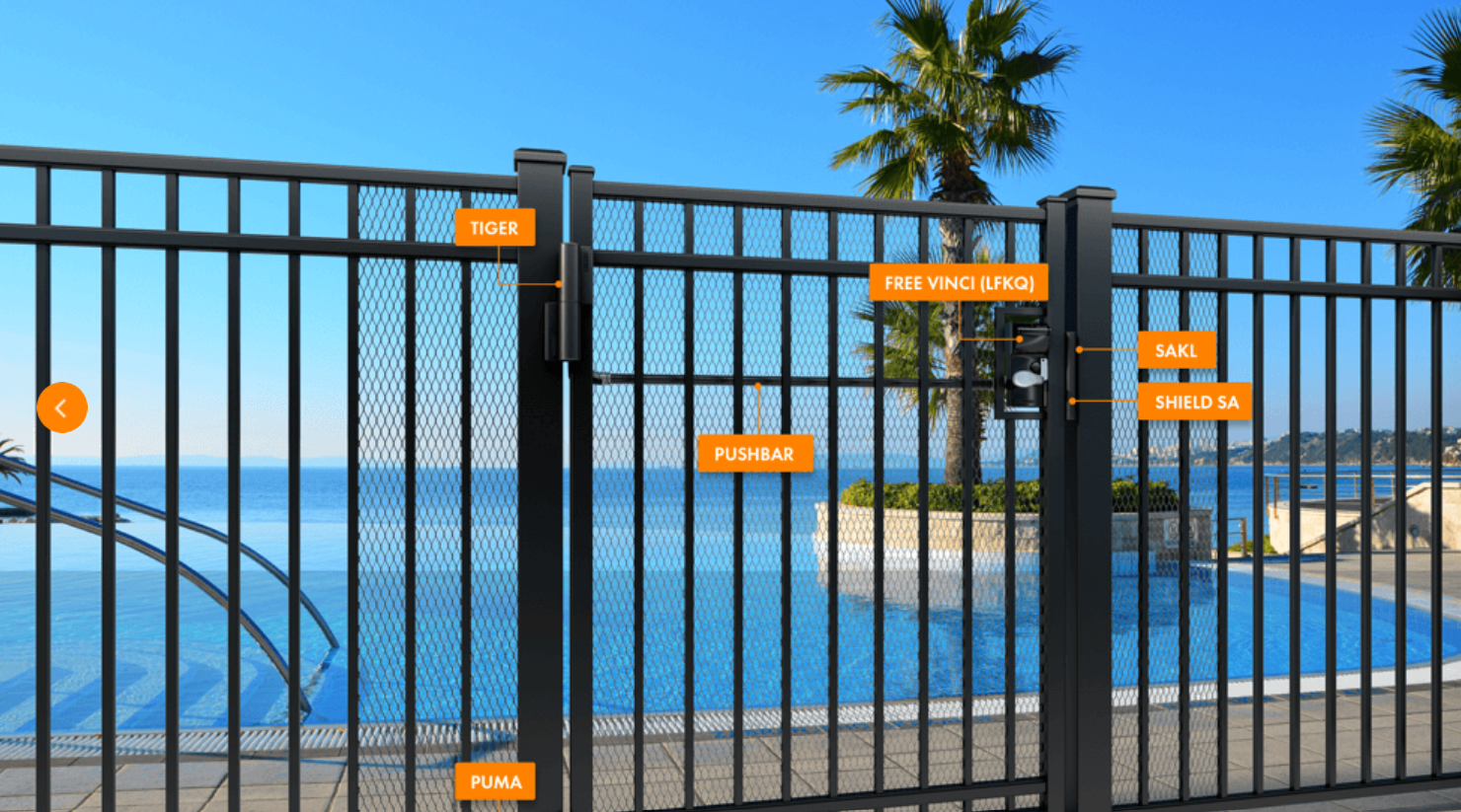
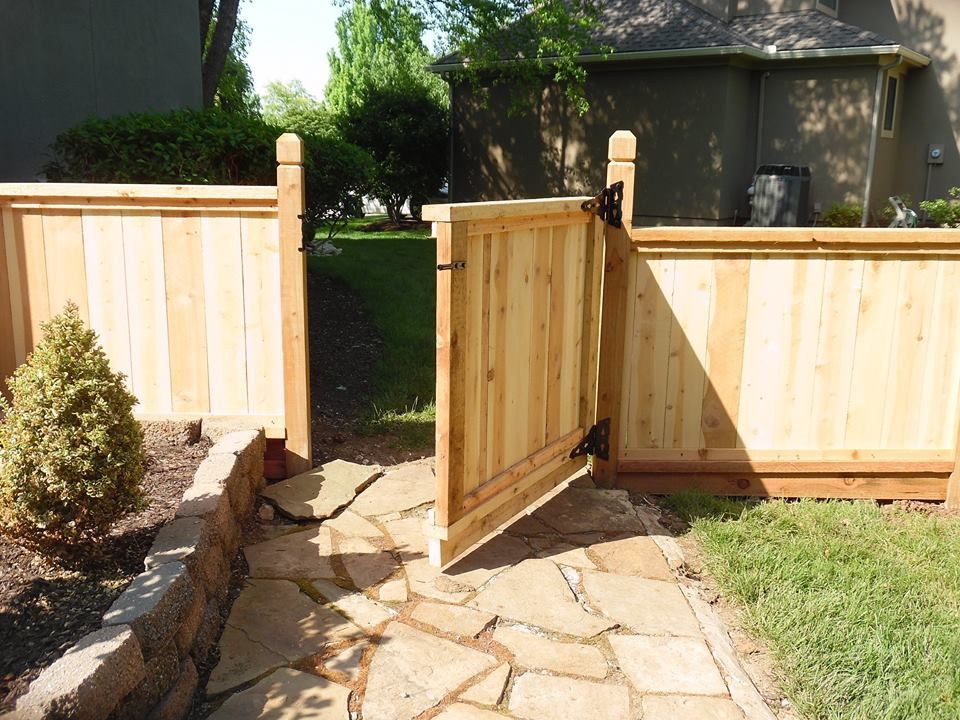
Fence gates are the most common failure point during storms.
Unlike the rest of your fence, gates move constantly. Strong winds can swing them open violently, putting enormous stress on hinges, latches, and gate posts.
Signs your gate needs attention
-
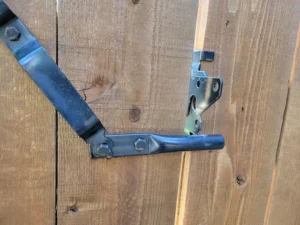
Gate drags on the ground
-
Latch no longer lines up
-
Hinges appear loose
-
Gate swings too freely in wind
Pro Tips
✔ Tighten hinge bolts twice per year
✔ Install self-closing hinges in windy areas
✔ Add a gate stop to prevent over-swinging
✔ Ensure latches close securely
A properly aligned gate reduces the risk of structural damage during storms.
2. Inspect Fence Posts Before Storm Season
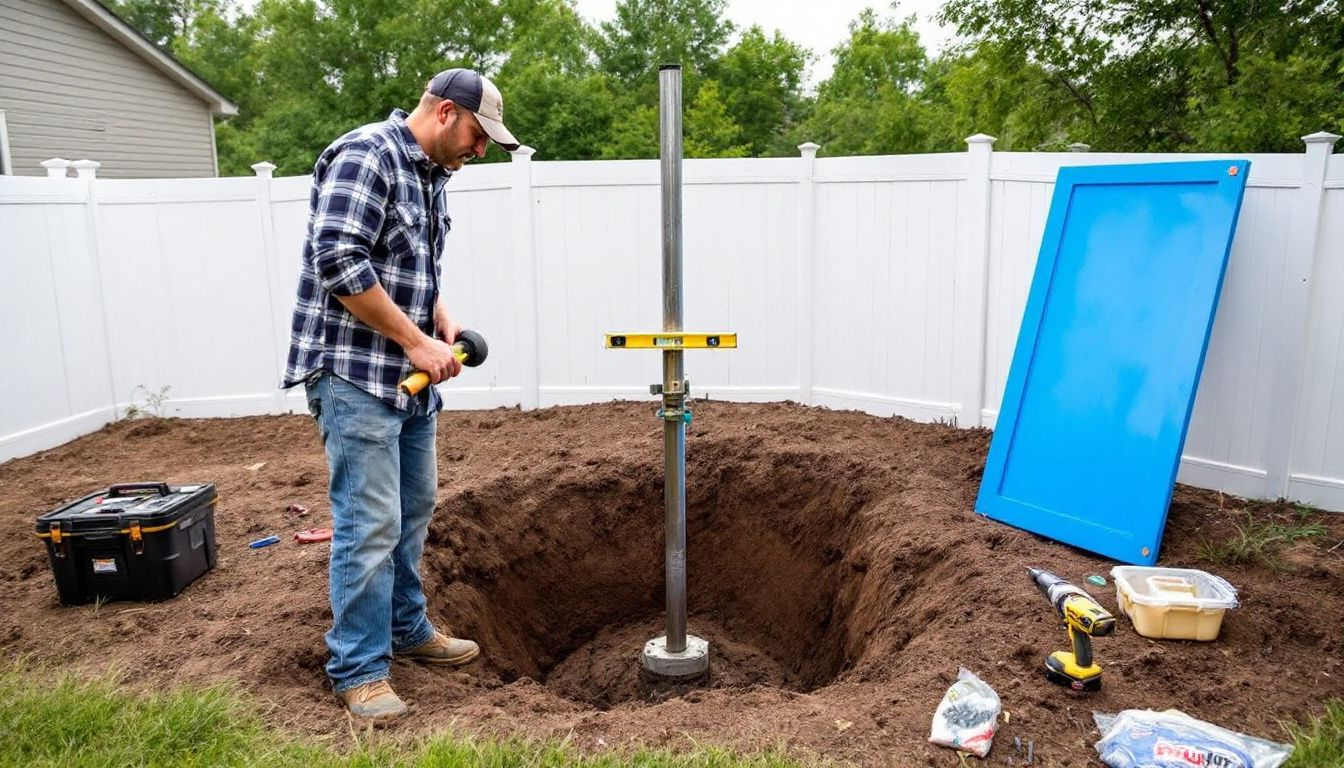
Fence posts act as the foundation of your entire fence system.
Heavy rain can soften soil around posts, while strong winds place pressure on the entire fence line.
Watch for these warning signs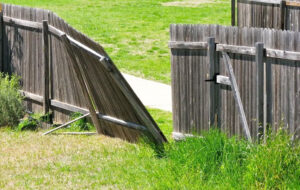
-
Leaning fence sections
-
Loose posts
-
Cracked concrete footings
-
Soil erosion around posts
Professional installers often recommend steel post upgrades inside wood fences because they provide far greater wind resistance than traditional wood posts.
If you’re unsure about the stability of your fence posts, our team at Slagle Fence can evaluate your fence and provide recommendations.
👉 Learn more about our team here:
https://slaglefence.com/about-us/
3. Remove Heavy Snow Buildup From Your Fence
Kansas City winters can dump heavy, wet snow that adds significant weight to fence panels.
While snow may look beautiful sitting on your fence, excessive buildup can cause:
-
Warping wood pickets
-
Bending chain link rails
-
Loose panels
-
Stress on fence posts
Best practice
Use a soft broom to brush snow off the fence after major storms.
Avoid:
❌ Metal shovels
❌ Ice scrapers
❌ Salt on wood fences
These can damage wood surfaces or protective coatings.
4. Trim Nearby Trees and Branches
One of the most common causes of fence damage during storms is falling branches.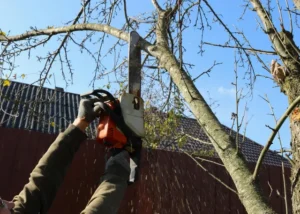
High winds can easily snap dead limbs or large branches, sending them crashing into your fence.
Preventative tree maintenance
-
Trim branches hanging above fence lines
-
Remove dead limbs before storm season
-
Keep bushes trimmed away from fence panels
Branches rubbing against a fence can also wear away protective finishes over time.
5. Stain and Seal Wood Fences
Wood fences require routine protection from moisture, sun exposure, and seasonal changes.
Without proper sealing, water can penetrate the wood, causing:
-
Rot
-
Warping
-
Cracking
-
Mold growth
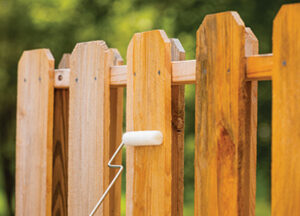
Fence staining tips
-
Wait 4–8 weeks after installation before staining new wood
-
Wash the fence first to remove dirt and open wood pores
-
Apply oil-based stain for deeper protection
Most wood fences should be re-stained every 2–3 years depending on weather exposure.
Proper sealing dramatically increases the lifespan of a wood fence.
6. Watch for Soil Erosion Around Fence Posts
Heavy rainstorms can gradually wash soil away from fence posts.
This often happens when fences run along: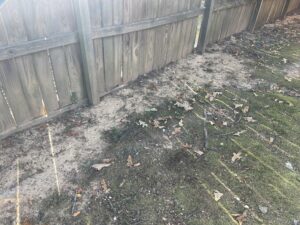
-
Sloped yards
-
Drainage areas
-
Retaining walls
-
Low spots in the yard
Quick fix
Add soil and compact it around the base of the post.
For serious erosion issues, installing gravel drainage or retaining edges can prevent future problems.
7. Repair Loose Boards or Panels Immediately
Even minor damage can become a major problem during the next storm.
Wind can get behind loose pickets and act like a sail, pulling entire sections apart.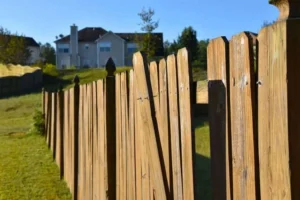
Simple repairs include
-
Replacing loose screws or nails
-
Reinforcing rails
-
Reattaching pickets
-
Tightening fence brackets
Catching these issues early can prevent major structural repairs later.
8. Lubricate Gate Hardware
Rain, humidity, and winter weather can cause metal hardware to rust over time.
Apply outdoor silicone spray or lubricant to:
-
Gate hinges
-
Latches
-
Drop rods
-
Sliding gate tracks
This keeps gates opening smoothly year-round.
9. Walk Your Fence Line After Major Storms
A quick inspection after bad weather can prevent expensive damage.
Look for:
✔ Leaning fence sections
✔ Broken pickets
✔ Loose hardware
✔ Bent rails
✔ Soil washout
If damage is caught early, repairs are usually quick and inexpensive.
Why Professional Fence Installation Matters
A professionally installed fence is designed to handle Midwest weather conditions.
Proper installation includes:
-
Deep concrete post footings
-
High-quality materials
-
Reinforced gate posts
-
Proper drainage considerations
When installed correctly, a fence can last 20 years or more with proper maintenance.
If you’re considering a new fence or upgrading your current one, working with experienced professionals makes all the difference.
Learn more about our services at Slagle Fence.
Final Thoughts: Protecting Your Fence Year-Round
Your fence is more than just a boundary—it protects pets, adds privacy, increases property value, and enhances curb appeal.
With regular inspections and simple maintenance steps, your fence can withstand Kansas City’s toughest weather conditions.
Remember these key tips:
✔ Maintain your gates
✔ Inspect posts regularly
✔ Remove heavy snow buildup
✔ Trim nearby trees
✔ Seal and stain wood fences
✔ Fix minor issues early
These small efforts can add years to the life of your fence.
FAQs About Fence Maintenance
How often should you inspect your fence?
You should inspect your fence at least twice per year and after major storms. Regular inspections help catch loose boards, leaning posts, and gate issues before they become expensive repairs.
Should you remove snow from a fence?
Yes. Heavy snow can add weight to fence panels and rails, causing bending or warping. Use a soft broom to gently remove snow buildup without damaging the fence surface.
How long should a fence last?
A properly installed fence can last 15–25 years depending on materials and maintenance. Regular staining, post inspections, and gate maintenance help extend the life of your fence.
What type of fence handles storms best?
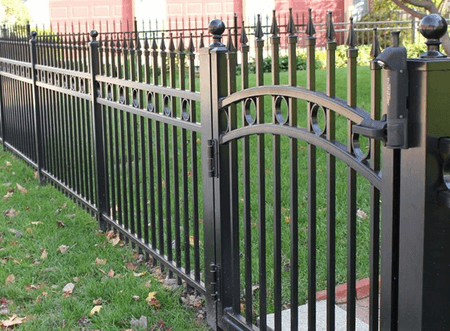
Steel and aluminum fences are typically the most weather-resistant because they are not affected by moisture or rot. Wood fences are durable but require regular sealing and maintenance.
Need Fence Help in Kansas City?
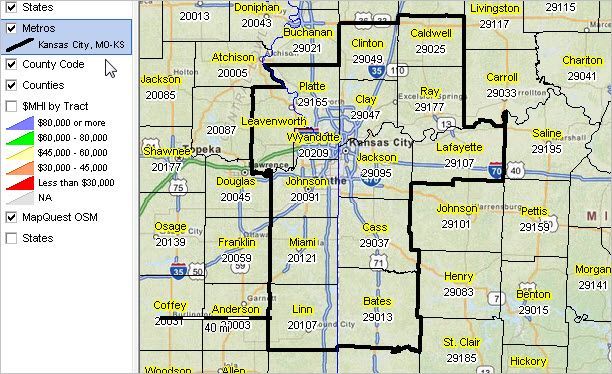
If your fence has taken damage from storms or you’re considering a new installation, the team at Slagle Fence is here to help.
We proudly serve:
-
Kansas City Metro
-
Overland Park
-
Shawnee
-
Lenexa
-
Olathe
-
Lawrence
-
and surrounding communities.
Visit https://slaglefence.com to request your FREE fence quote today.