Wood Fence Lifespan & Care | Slagle Fence Kansas City
A wood fence is more than just a boundary—it is an investment in your property’s beauty, privacy, and security. Whether you are a commercial business owner in Kansas City seeking to enclose a parking lot or secure a facility, or a homeowner in Lawrence looking to add charm and privacy to your backyard, the lifespan of a wood fence depends on several critical factors. At Slagle Fence, we specialize in designing and installing fences that not only look stunning but also endure for decades in the unique Midwest climate.
This in-depth guide explores how long a wood fence typically lasts, what influences its longevity, and how regular care can maximize your investment. By drawing on real-world examples from projects across the Kansas City Metro and Lawrence, we’ll show how the right materials, installation techniques, and maintenance practices can extend the life of your fence well beyond the average.
Average Lifespan of a Wood Fence
On average, a properly installed wood fence lasts 15 to 20 years. However, with high-quality materials and consistent upkeep, it’s not uncommon for wood fences to reach 30 to 40 years or more. Conversely, fences neglected after installation may show signs of deterioration in as little as 5 to 7 years.
Typical lifespans by wood type:
- Pressure-treated pine: 15 to 20 years with preservation; cost-effective but needs routine care.
- Spruce: 10 to 15 years; untreated versions may fail within 4 to 7 years.
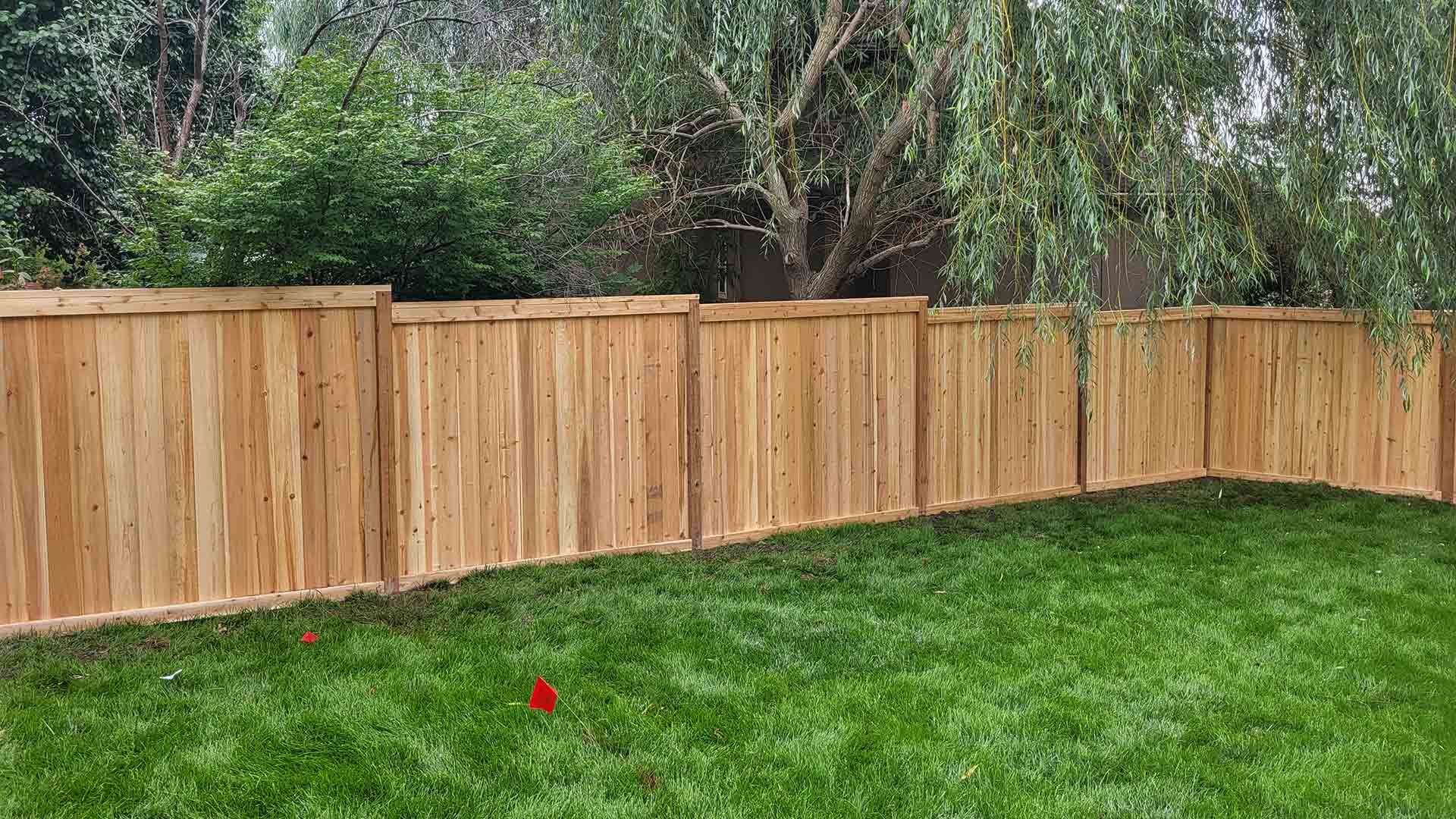
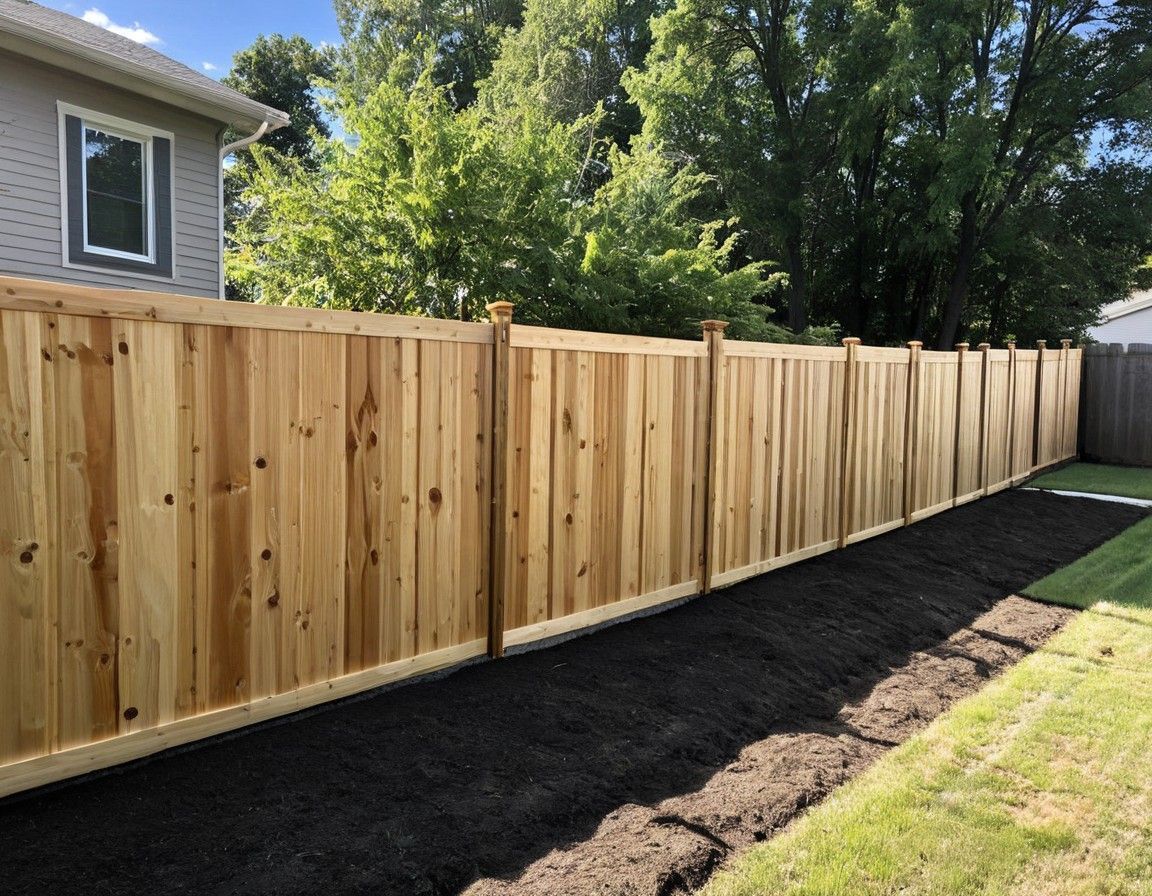
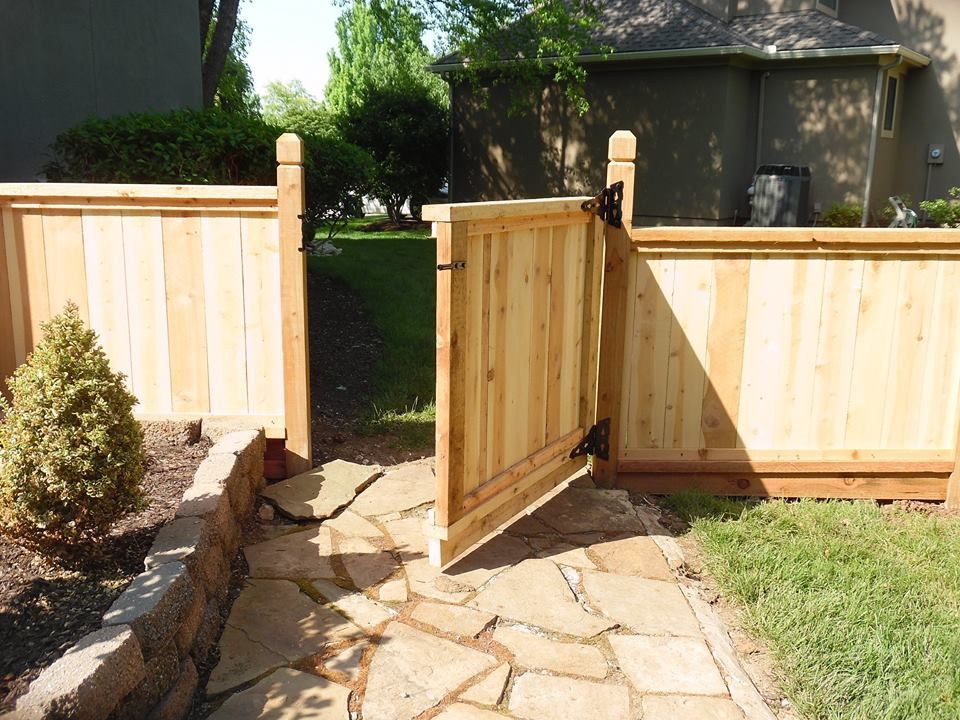
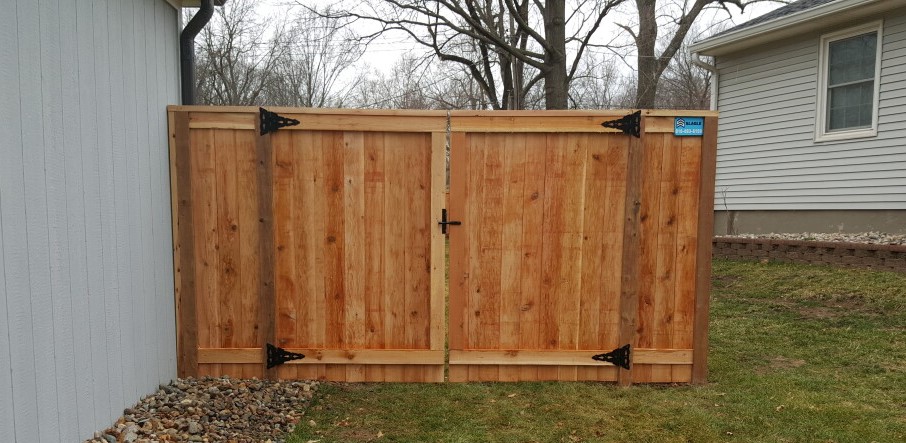
- Cedar: 20 to 30+ years; naturally resistant to insects and rot.
- Redwood and Cypress: 20 to 30 years; prized for beauty and durability.
At Slagle Fence, we have observed cedar fences in Lawrence neighborhoods lasting more than 25 years with proper staining schedules, while neglected spruce fences in Kansas City commercial lots failed after less than 10 years. These comparisons highlight the importance of wood choice and care.
 How Wood Species Affects Longevity
Wood is not created equal, and your choice directly influences how long your fence will stand.
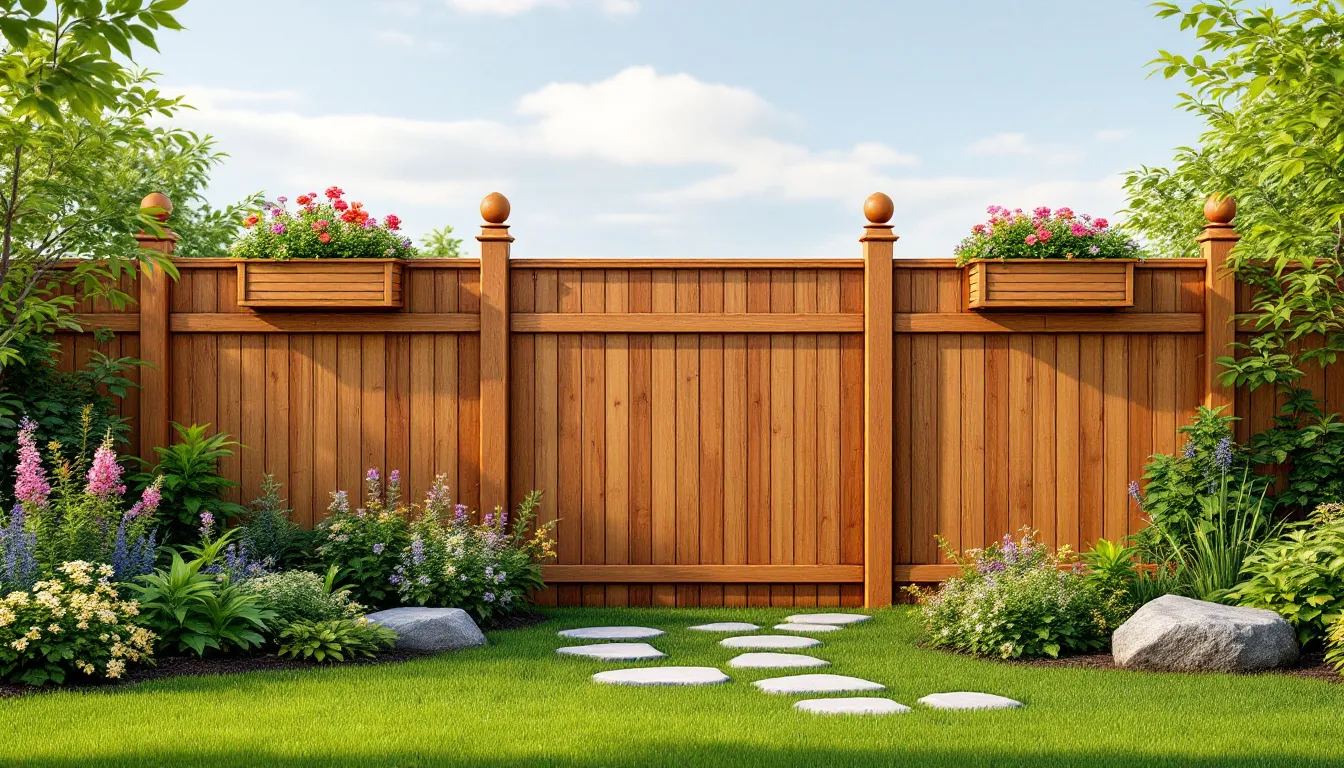
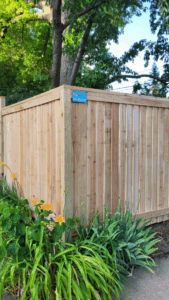
- Cedar, Redwood, Cypress: These premium options offer natural resistance to rot, decay, and insect damage. Homeowners often choose cedar in Lawrence residential areas for its balance of cost and performance. Businesses in Kansas City looking for a polished appearance that requires fewer chemical treatments also favor cedar and redwood.
- Pressure-treated Pine: Widely used for its affordability, this wood undergoes chemical treatment to resist rot and pests. For commercial properties requiring large perimeter fencing, it delivers long-term value when paired with professional installation and maintenance.
- Spruce and Untreated Pine: While budget-friendly upfront, these woods tend to break down faster in humid Midwest conditions. At Slagle Fence, we recommend them only when clients understand their limited lifespan or when fencing is needed for temporary enclosures.
Choosing the right species is the first step in building a wood fence designed to last decades rather than years. Read more here: Wood Fences: The Pros and Cons Every Homeowner Should Know
Climate and Environmental Impacts
The Midwest climate is both beautiful and brutal for wood fencing. Kansas City and Lawrence experience heavy rains, humid summers, and cold winters that put stress on untreated wood. Moisture is the biggest culprit of decay, as it encourages mold growth and allows pests such as termites to thrive.
- Rain and Humidity: Constant moisture penetrates untreated wood, leading to rot. Without sealing, even strong woods like cedar can break down prematurely.
- Dry Conditions: In drier areas, wood tends to last longer, often surpassing 30 years. However, sun exposure can cause fading, cracking, and splintering if not protected with stain or sealant.
- Insect Exposure: Termites and carpenter ants target vulnerable wood. Properties with soil contact around posts or dense vegetation are particularly at risk.
Slagle Fence uses proven strategies to fight these environmental challenges, including concrete post sleeves, gravel boards to separate wood from soil, and professional-grade sealants designed for Kansas weather.
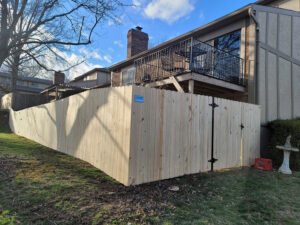
Installation Quality: The Foundation of Longevity
Even the best wood cannot overcome poor installation. The way a fence is built determines whether it survives harsh conditions or fails prematurely.
At Slagle Fence, we take pride in installation practices that maximize structural strength:
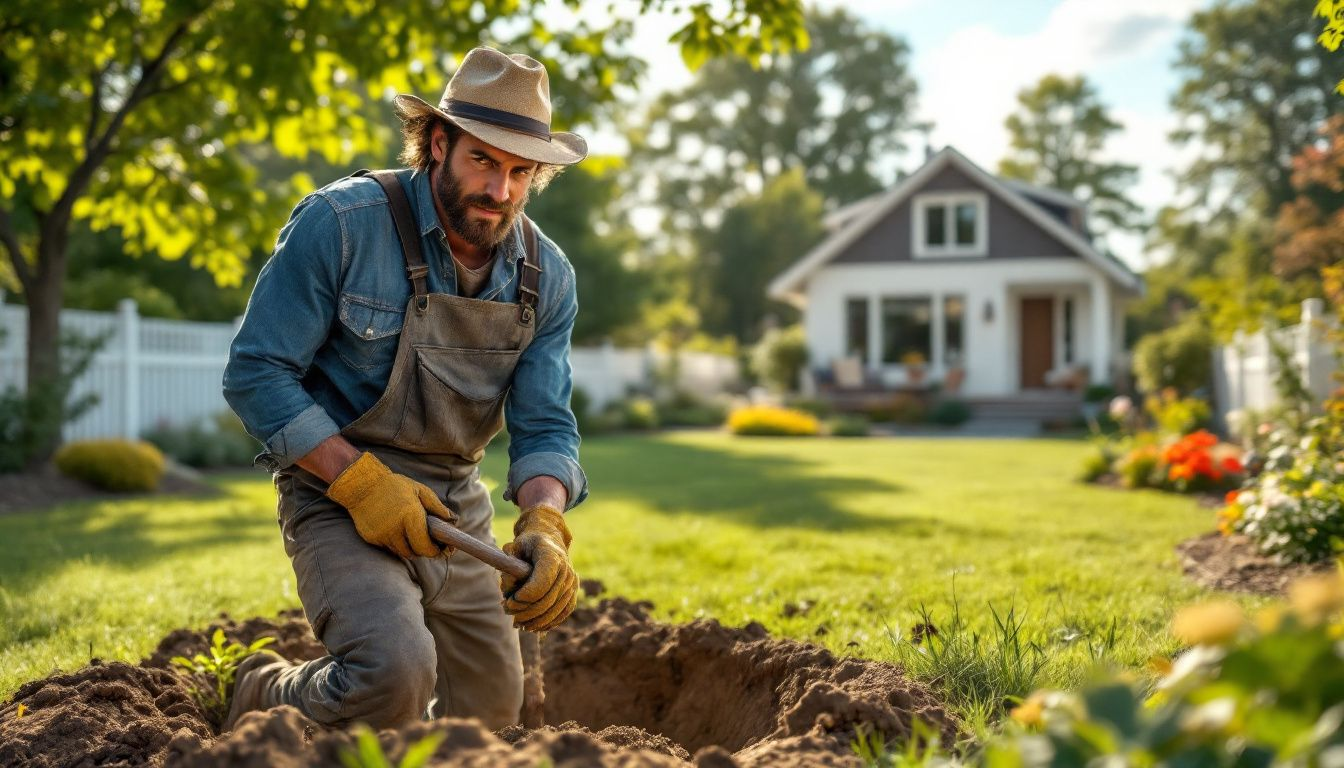
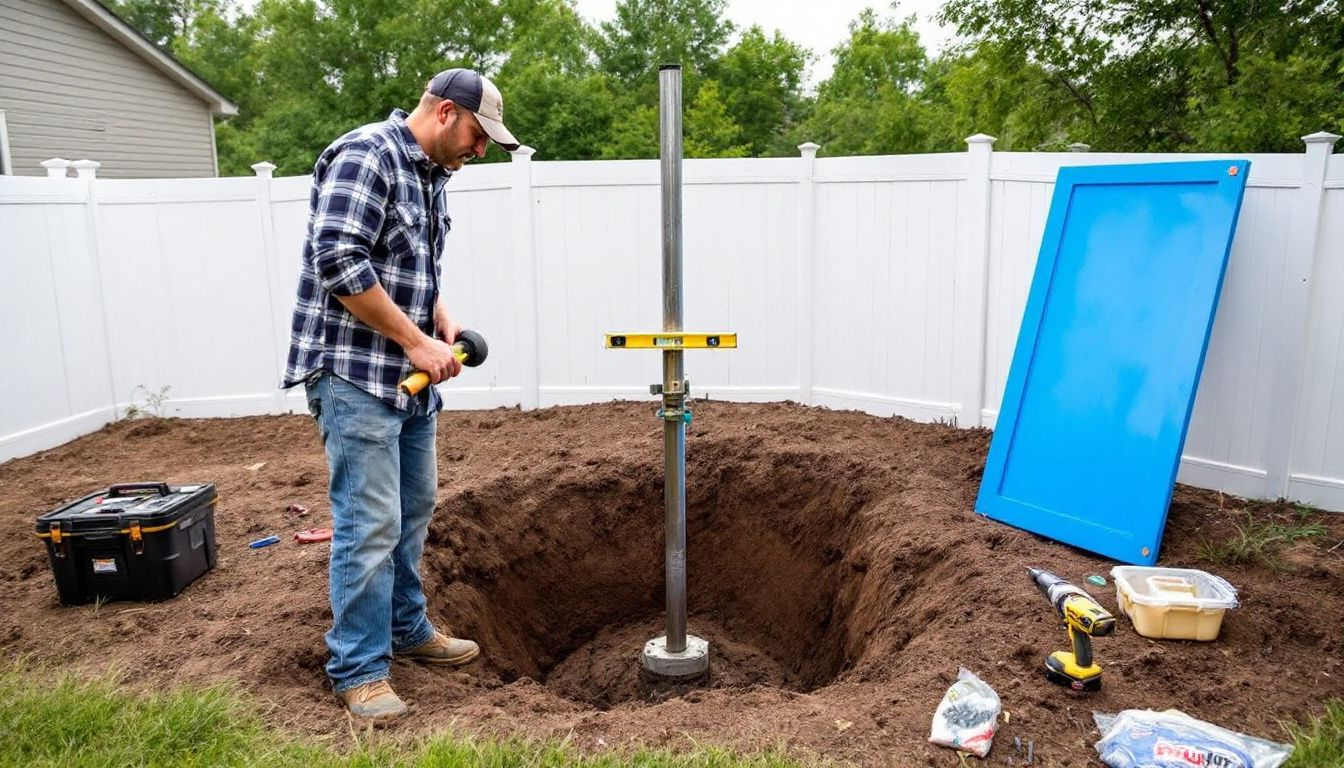
- Proper Post Setting: Posts are pressure-treated, set in concrete, and elevated above grade to prevent moisture damage. Drainage sleeves allow water to escape rather than collect.
- Quality Hardware: We use galvanized fasteners, nails, and screws to prevent rust and ensure stability.
- Soil Separation: Gravel boards and raised rails minimize contact with soil and vegetation, the two leading causes of rot.
- Professional Layout: Our team manages grading, permits, and design to ensure fences meet city codes and provide long-lasting stability.
For commercial clients in Kansas City, these practices prevent costly replacements of large perimeter fences. For Lawrence homeowners, they protect backyard investments and ensure fences add value rather than maintenance headaches.
Essential Maintenance Practices
Proper care can double or even triple the lifespan of a wood fence. Maintenance doesn’t have to be overwhelming, but it must be consistent.
- Sealing or Staining: Apply a protective stain or sealant every two to four years. This guards against UV rays, moisture, and pests.
- Expert tips for staining and sealing wood fences in Kansas City– Protect Your Investment: The Essential Guide to Staining & Sealing Your Wood Fence in the Kansas City Metro
- Annual Inspections: Walk the fence line each spring to check for loose boards, pest activity, or rot at the base of posts.
- Prompt Repairs: Fix small issues immediately before they spread. A single loose board may signal a structural weakness that needs quick attention.
- Cleaning: Remove mold, mildew, and dirt with gentle washes to preserve appearance and prevent decay.
- Vegetation Management: Trim back bushes and grass to reduce moisture contact and pest access.
Slagle Fence offers maintenance plans tailored for both residential and commercial customers, ensuring fences remain in peak condition year after year.
Knowing When to Replace vs. Repair
Even with the best care, wood fences eventually reach the end of their useful life. The key is knowing when to repair and when replacement is the better investment.
- Repair when only a few boards are damaged, posts remain solid, and the overall structure is sound.
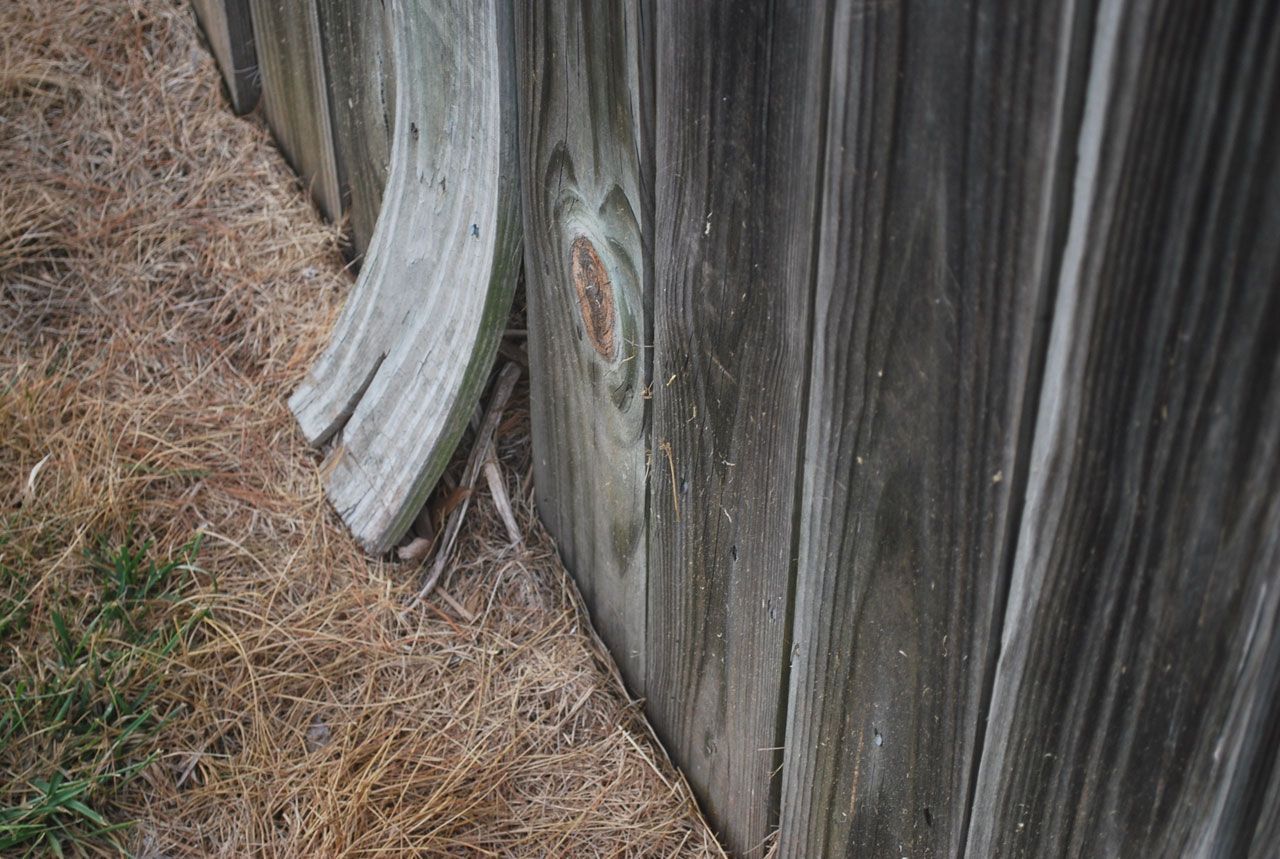
- Replace when multiple posts have rotted, panels are leaning, or decay is widespread after 20+ years.
A Lawrence homeowner may find that replacing a 25-year-old cedar fence not only restores curb appeal but also improves resale value. A Kansas City business may decide to replace aging perimeter fencing to strengthen security and reduce liability risks.
Extending Lifespan: Best Practices
To ensure your wood fence lasts decades:
- Choose premium woods like cedar or pressure-treated pine.
- Install posts properly with concrete sleeves and drainage solutions.
- Apply sealant or stain every 2–3 years.
- Conduct annual inspections and minor repairs.
- Keep vegetation trimmed and soil away from rails.
These best practices, paired with professional installation from Slagle Fence, create fences that meet or exceed their expected lifespan.
Why Work With Slagle Fence
Our reputation across Kansas City and Lawrence is built on quality, expertise, and long-term customer satisfaction.
- Premium Materials: We select woods suited to Midwest weather.
- Expert Installation: Posts, drainage, and fasteners handled by trained professionals.
- Maintenance Plans: Annual care designed to extend lifespan.
- Warranty & Support: Backed by our About Us promise to excellence.
From small residential yards in Lawrence to large commercial properties in Kansas City, Slagle Fence ensures every fence is built to last.
Real-Life Case Studies
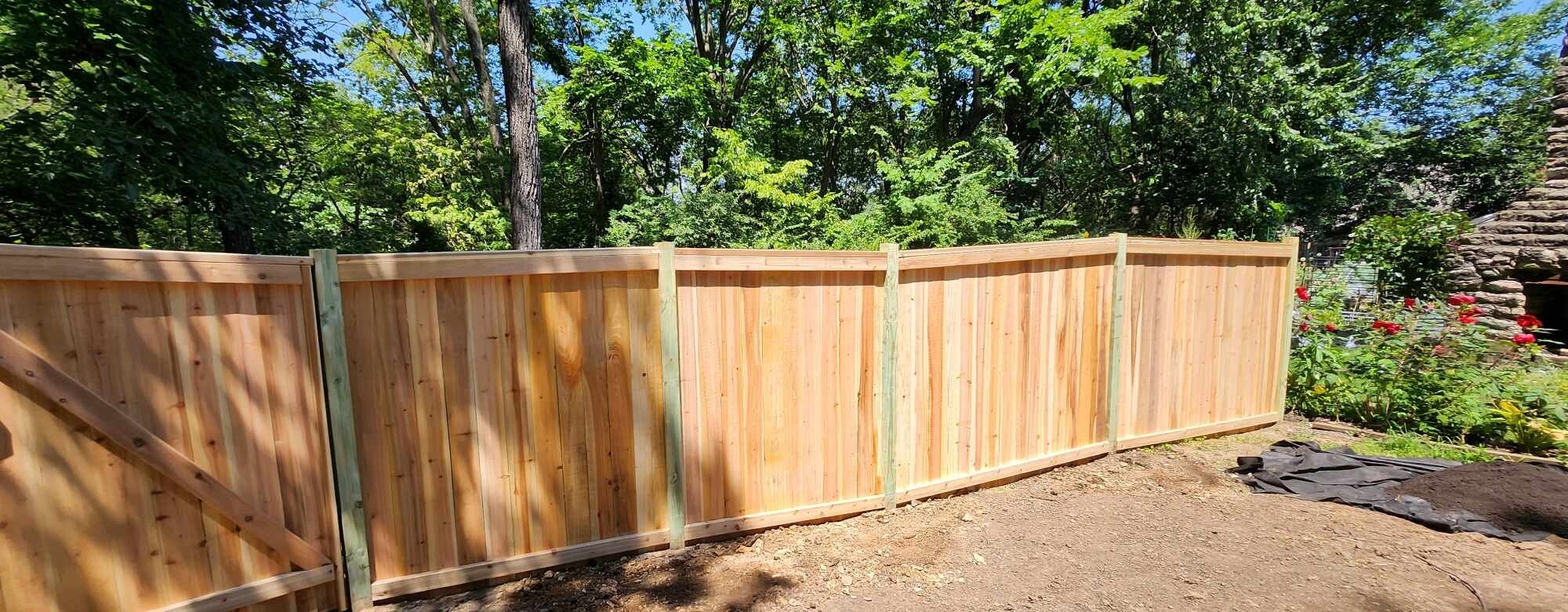
- Cedar Privacy Fence in Olathe: Installed by Slagle Fence, this fence has stood strong for over 25 years with scheduled staining and minimal repair.
- Pressure-Treated Pine in Prairie Village: Lasted 18 years before replacement, proving the value of maintenance.
- Neglected Spruce Fence in Kansas City: Lasted only 7 years due to lack of sealing, underscoring the importance of wood choice and upkeep.
These examples highlight how material selection and maintenance directly affect lifespan.

Comparing Wood to Alternative Fencing
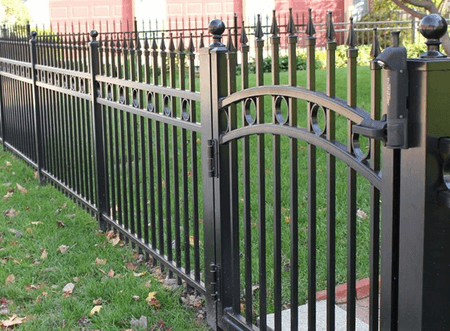
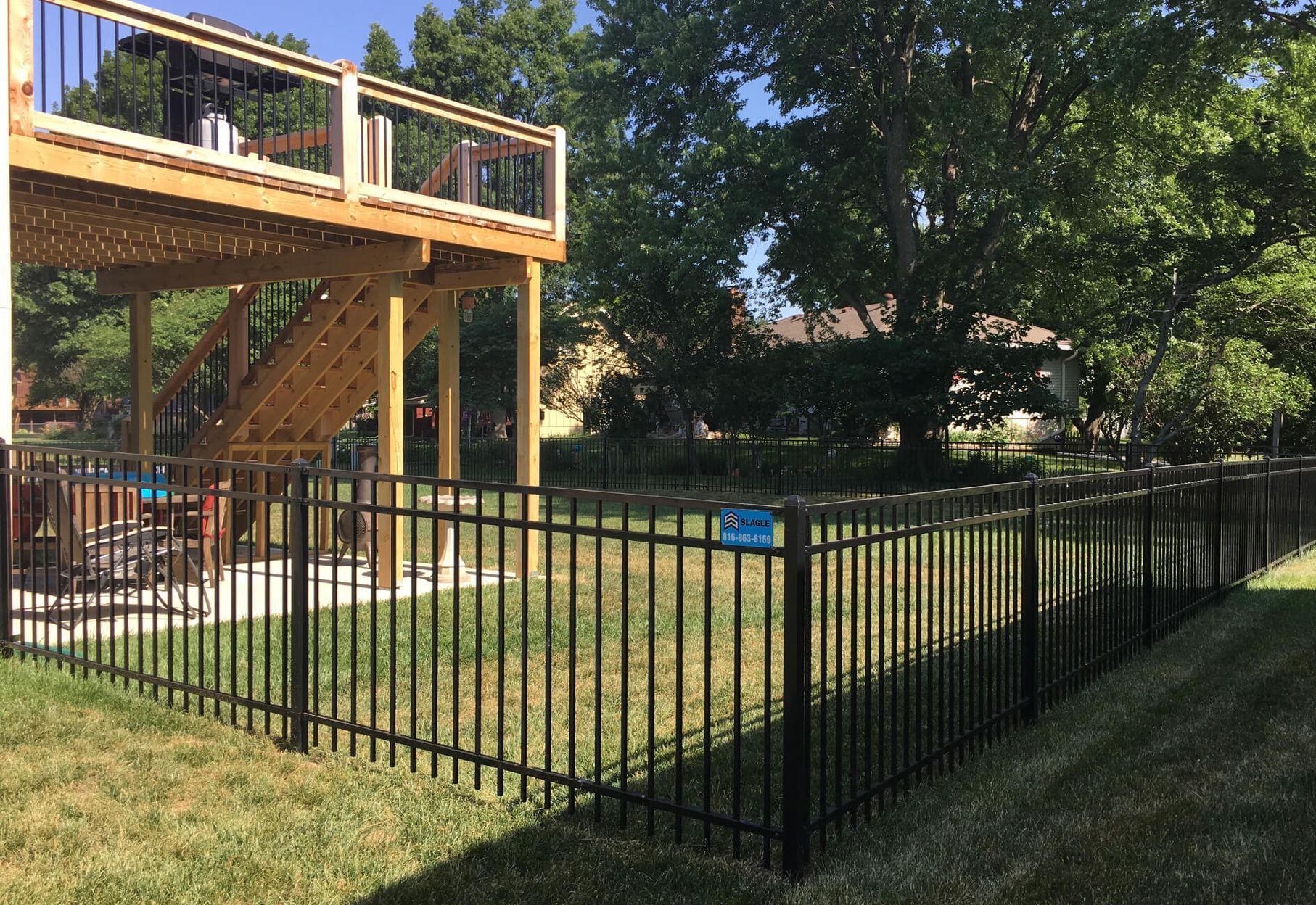
While vinyl, aluminum, and steel offer low-maintenance benefits, wood remains a top choice in Kansas City and Lawrence for its warmth, natural look, and customizable design.
- Wood Advantages: Natural beauty, repairability, and design flexibility.
- Alternatives: Vinyl offers longer life with less maintenance but lacks natural charm. Metal provides unmatched durability but often at higher cost and less aesthetic appeal for residential areas.
With Slagle Fence’s installation and care strategies, wood can rival the durability of alternatives while preserving the classic look homeowners and businesses love.
Conclusion: Building a Fence That Lasts
A wood fence should be expected to last 15 to 20 years, with premium wood and diligent care pushing that life to 30 or even 40 years. The key is making smart choices from the start—selecting the right wood, ensuring professional installation, and committing to regular maintenance.
At Slagle Fence, we combine premium materials, climate-specific strategies, and ongoing support to deliver fences that endure. Whether you’re a Kansas City business protecting your property or a Lawrence homeowner enhancing your backyard, our team ensures your fence is not only beautiful but built to last.
Ready to secure your investment? Visit our About Us page to learn more about Slagle Fence and schedule your consultation today.