If you’re planning a new fence in Lawrence and trying to figure out whether you need a permit, here’s the short version: you don’t, but that doesn’t mean there’s nothing to follow. The City of Lawrence is explicit on this point: you do not need a permit to put up a fence, but you do need to follow the city’s fence requirements, which cover height, placement, and a handful of safety rules that apply regardless of whether you’re hiring a contractor or building it yourself on a weekend.
That distinction trips up a lot of homeowners, because “no permit required” sounds like “no rules apply,” and that’s not quite right. This guide walks through exactly what Lawrence’s fence code actually says, what’s different if your property sits in unincorporated Douglas County rather than inside the city limits, and where the most common compliance mistakes happen.
No Permit, But Real Requirements: Lawrence City Code
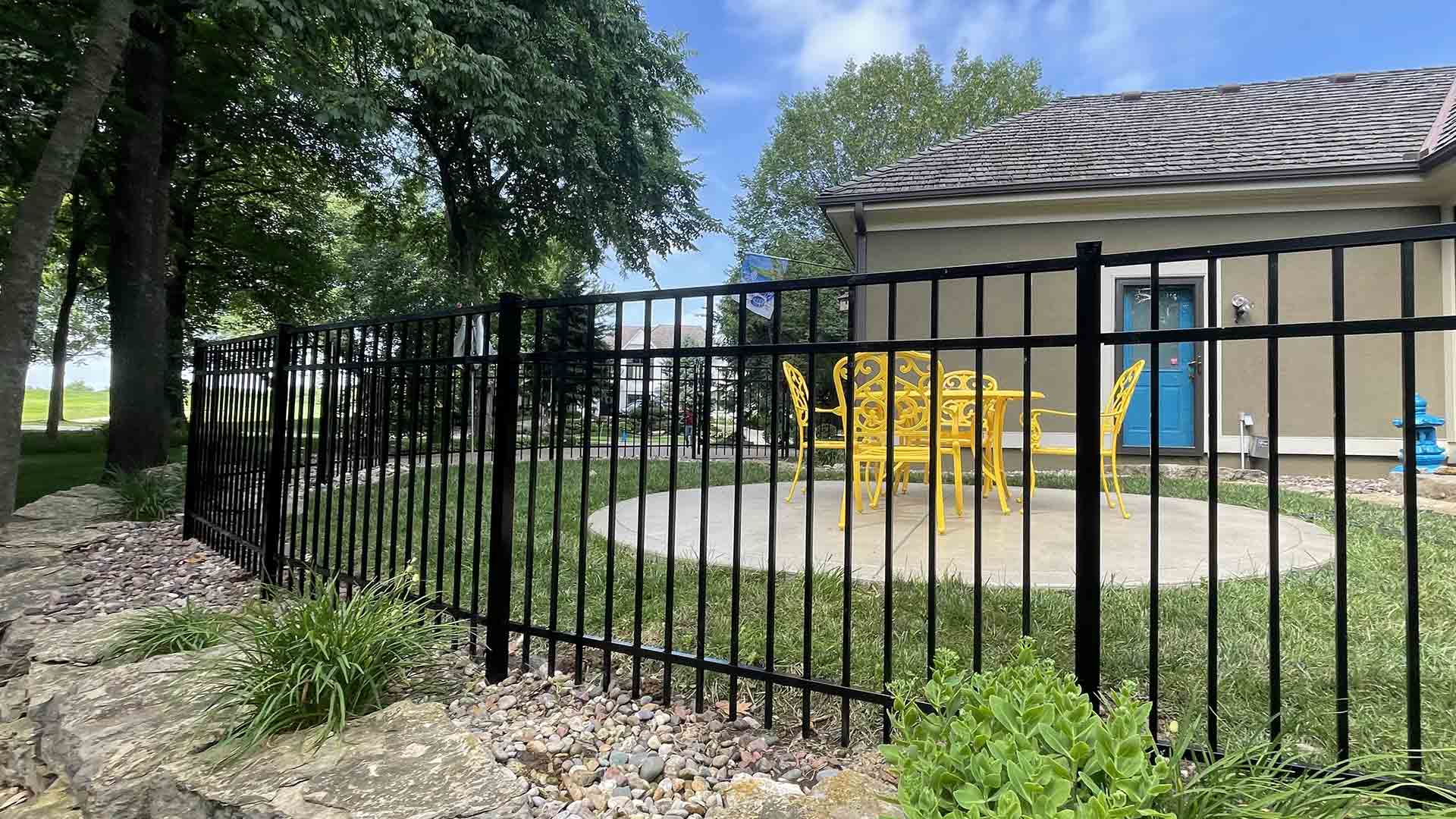
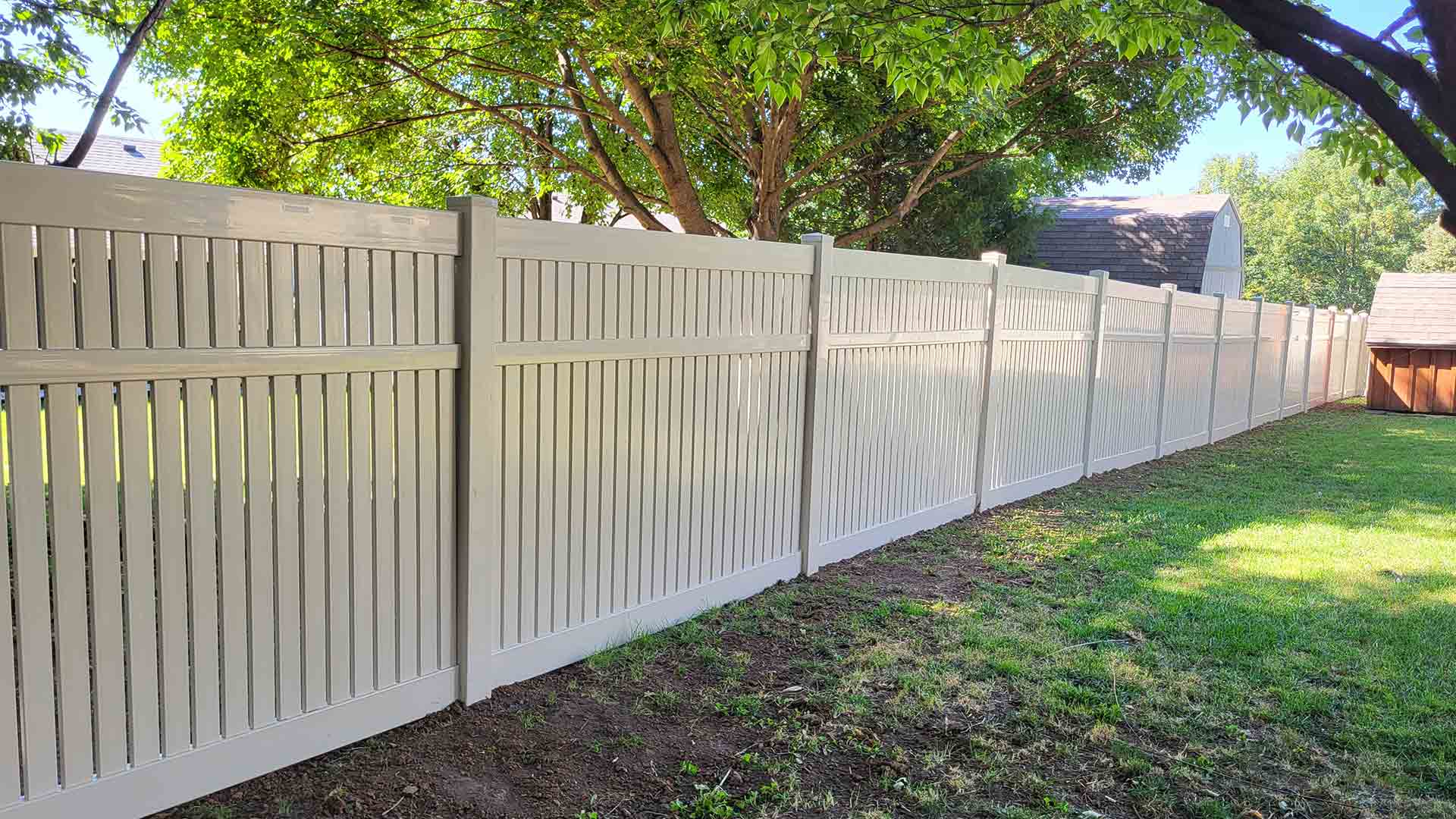
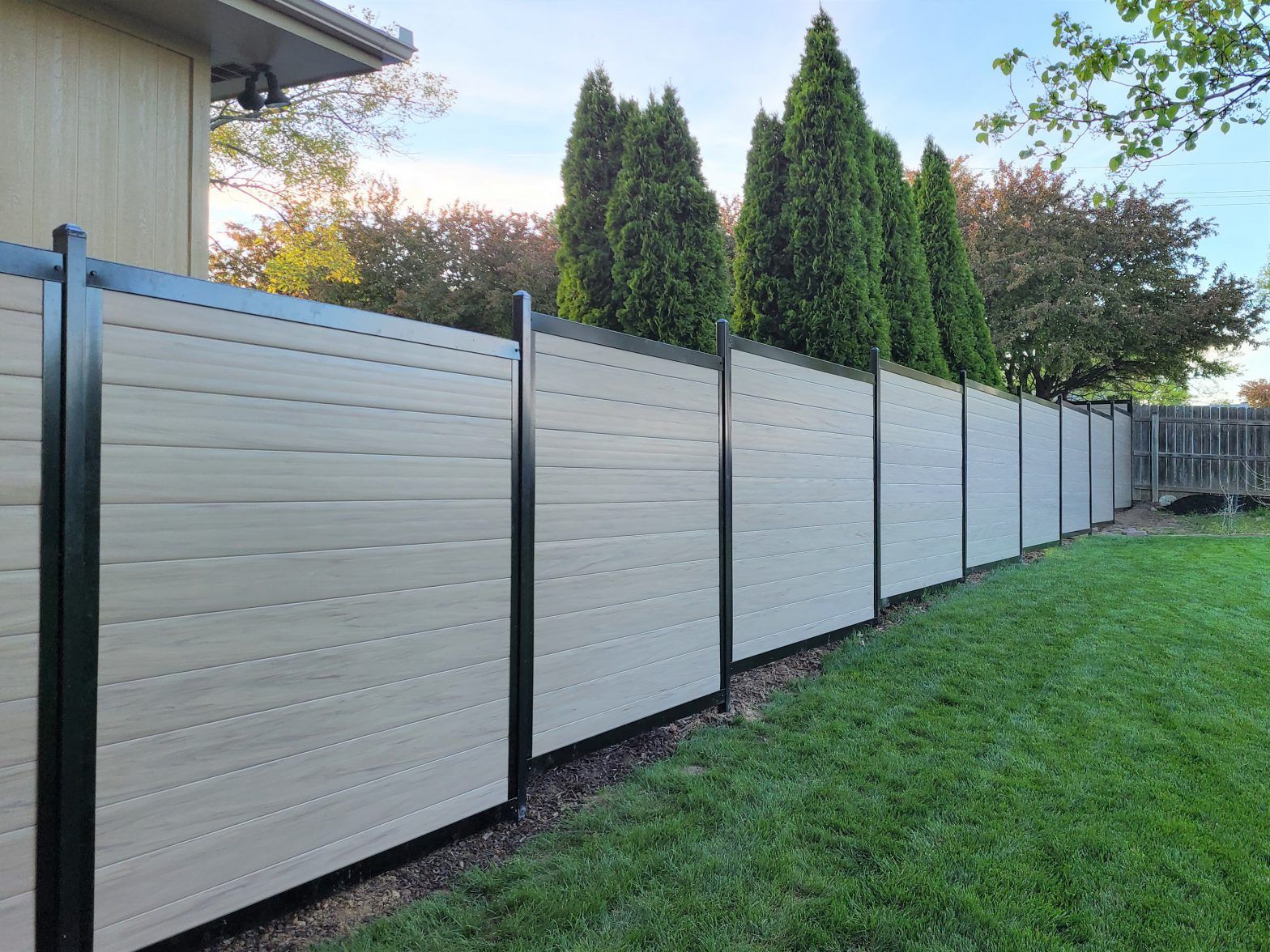
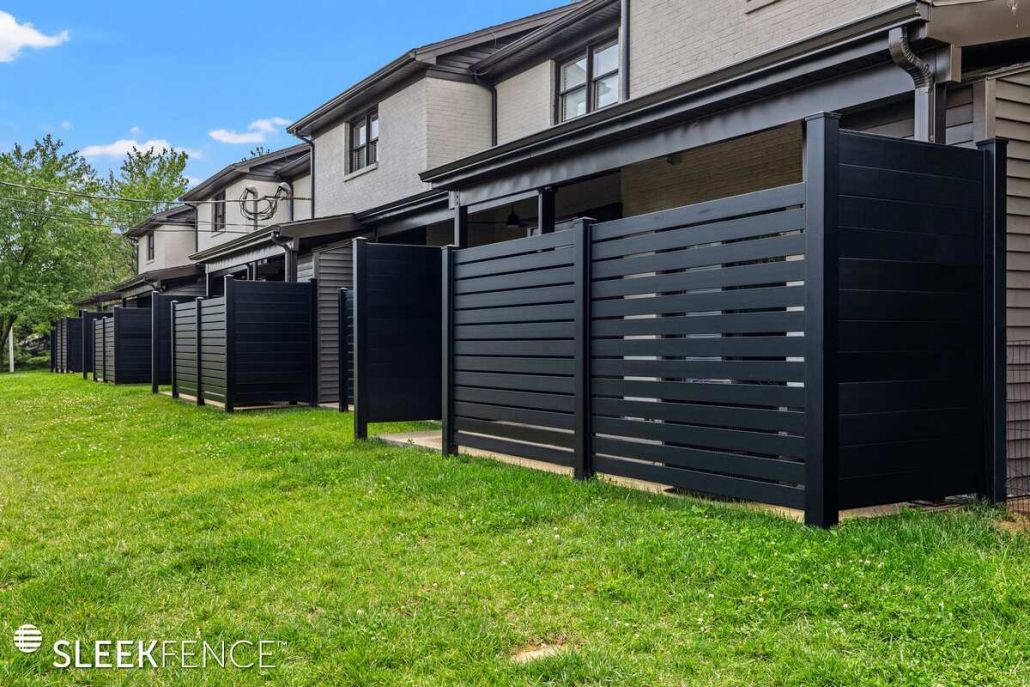
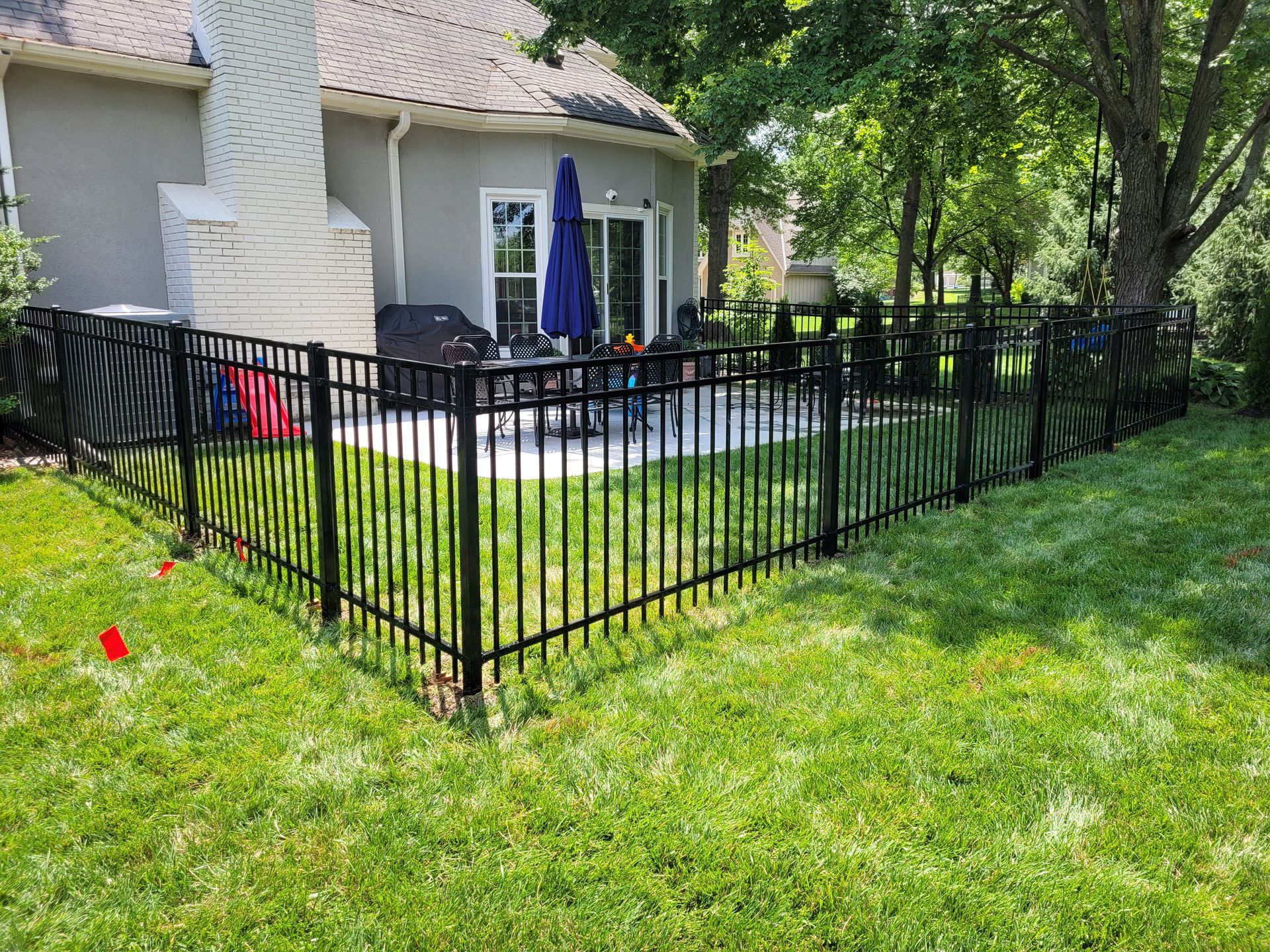
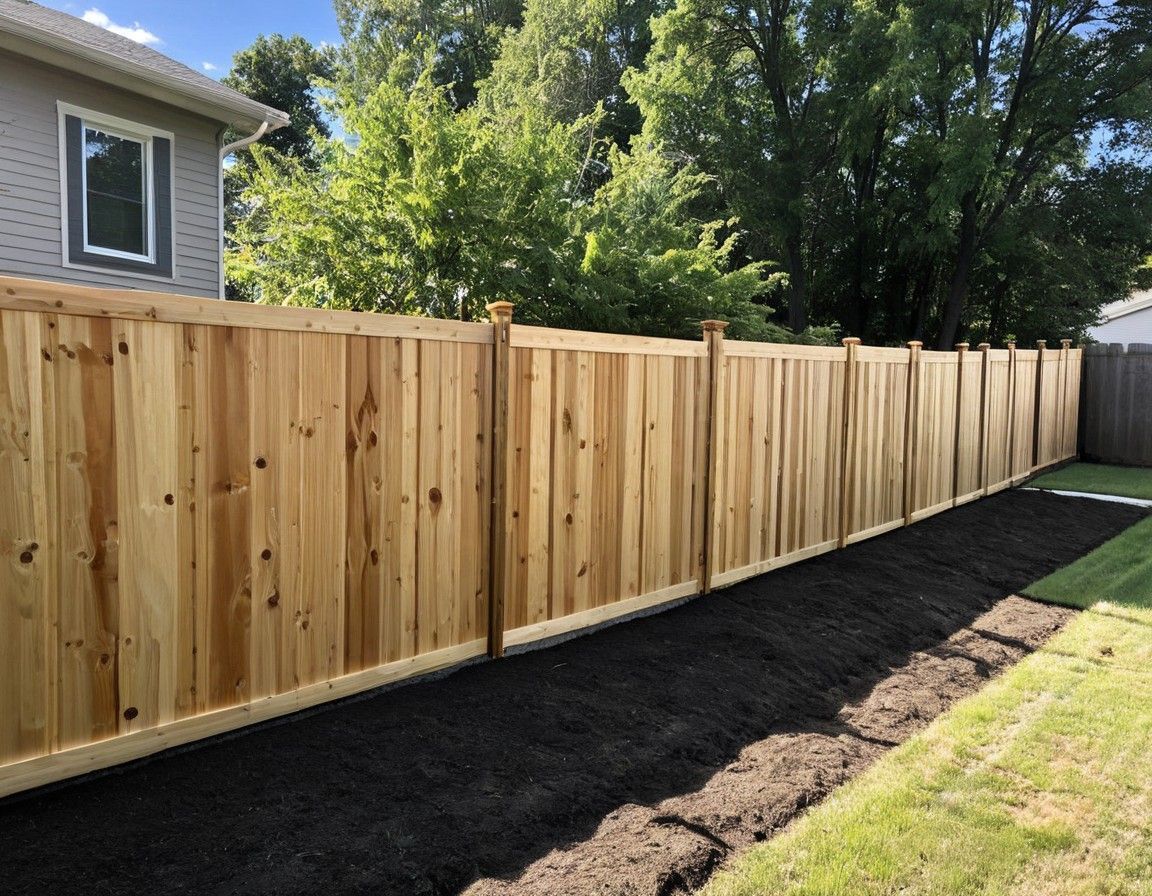
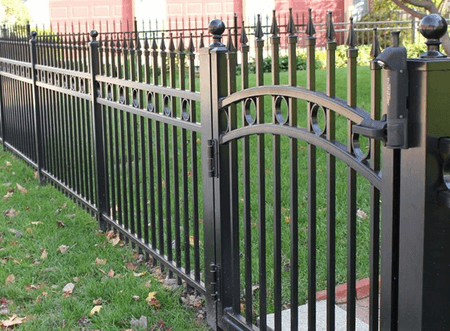
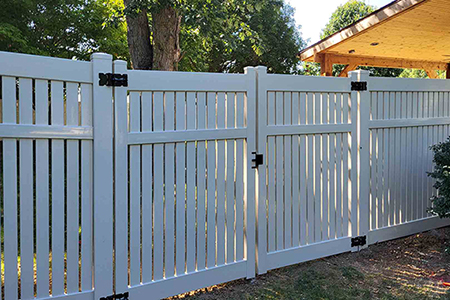
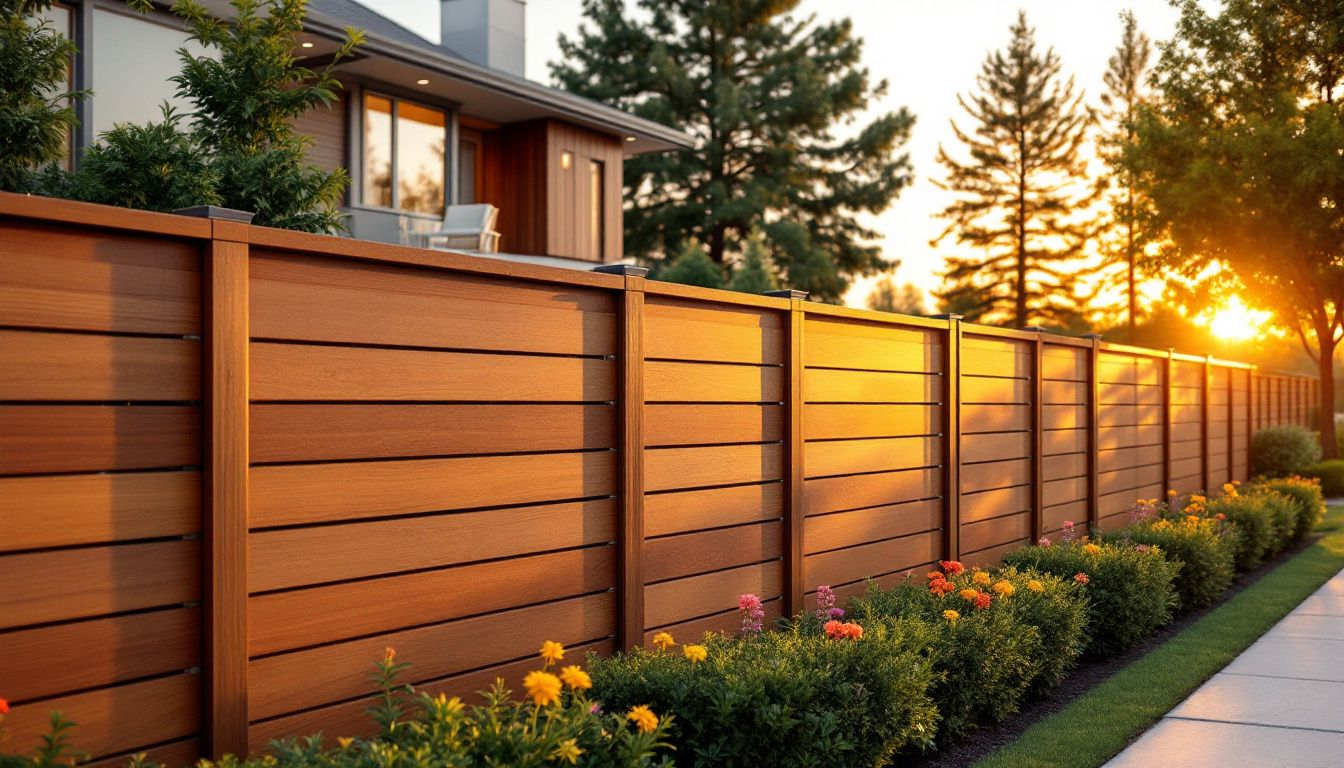
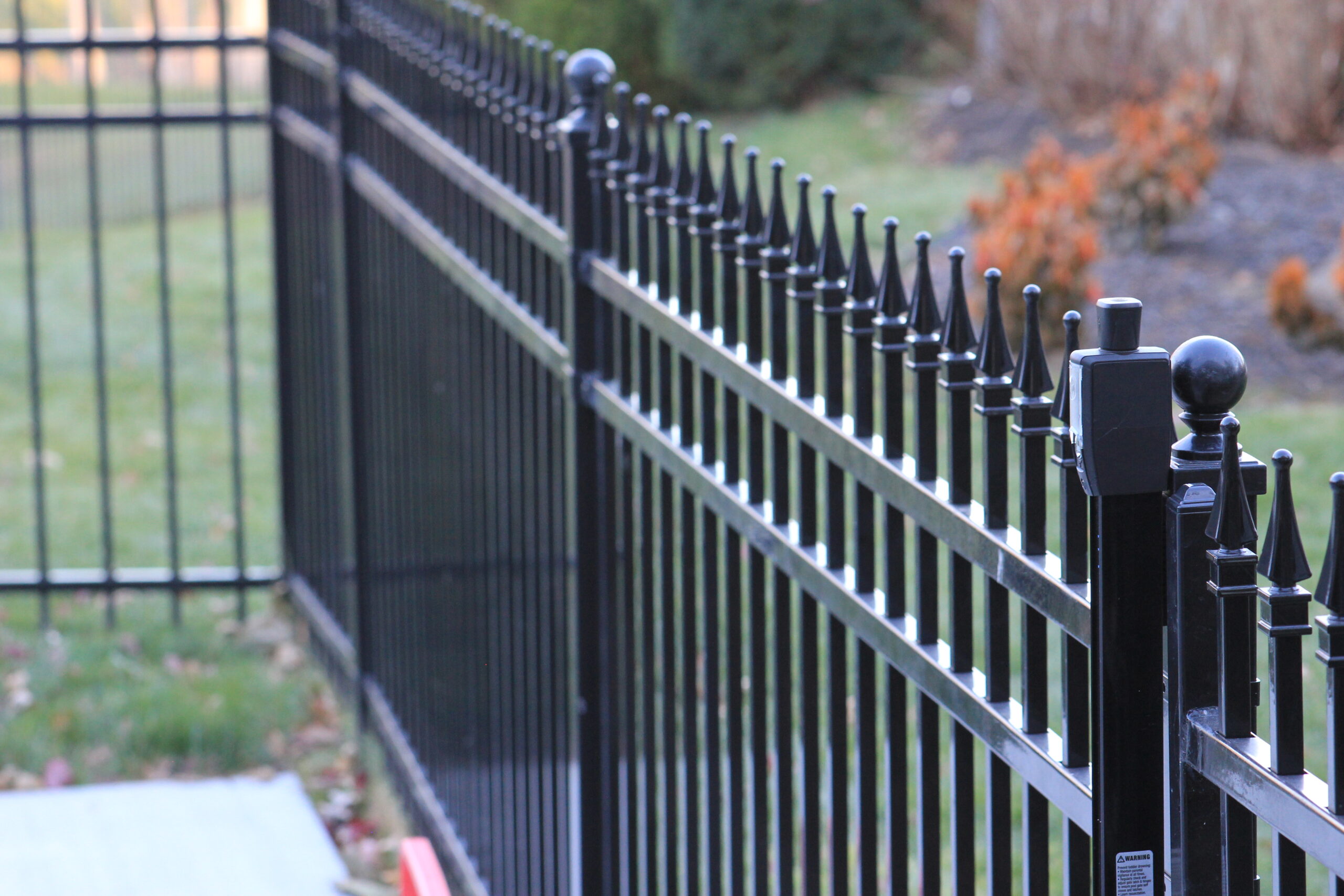
Lawrence’s fence regulations live in Chapter 16, Article 6 of the city code, under the section governing walls, fences, and other structures. The code defines six categories of fences for regulatory purposes: masonry walls, ornamental iron, woven wire, wood picket (meaning more than 50% open), solid fences (wood or metal less than 50% open), and hedges. Which category your fence falls into matters, because the height rules differ depending on both the fence type and where on your property it sits.
Front Yard Fences
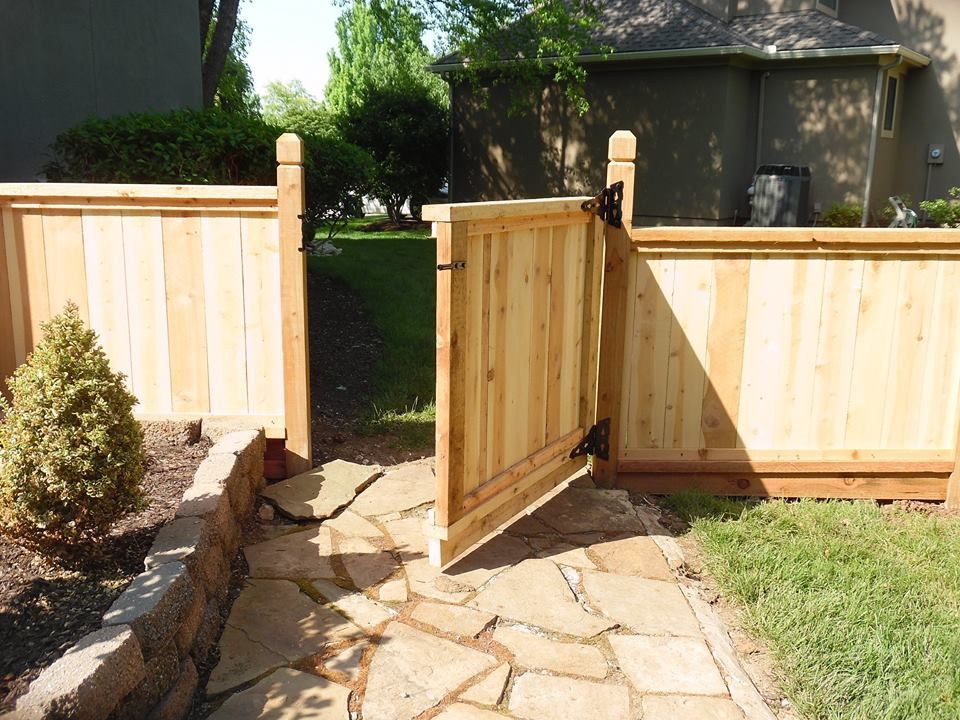
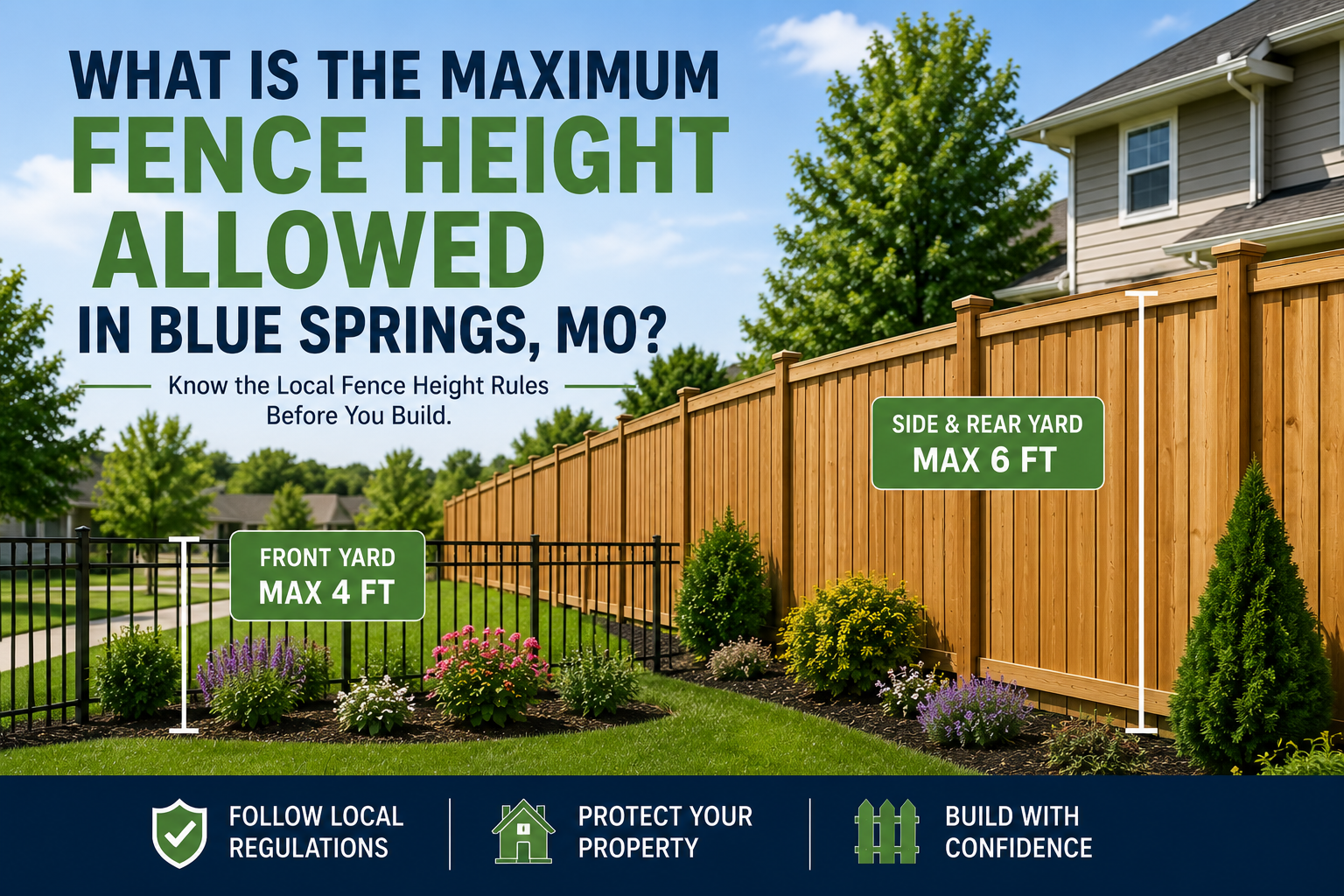
Fences erected in front of the front building line, essentially anything in your front yard, are limited to a maximum height of 4 feet for most fence types. The exception is masonry walls and solid fences (wood or metal less than 50% open), which are capped at just 3 feet in the front yard. This matters if you’re planning a solid privacy fence facing the street; the city treats open, see-through front yard fences more permissively than solid ones, likely for sightline and visibility reasons related to traffic safety and neighborhood character.
Side Yard Fences
Side yard fences get more nuanced treatment. Within the required side yard and behind the front building line, fences may be up to 4 feet tall up to the point where they reach the rear of the neighboring dwelling or the rear of your own dwelling, whichever point is farther from the front property line. Past that point, toward the back of the lot, side yard fences may go up to 6 feet. In practice, this means the portion of your side fence running alongside the front and middle of your house is height-limited to 4 feet, while the portion running alongside your backyard can go taller, up to 6 feet, once you’ve passed both houses’ rear walls.
Rear Yard Fences
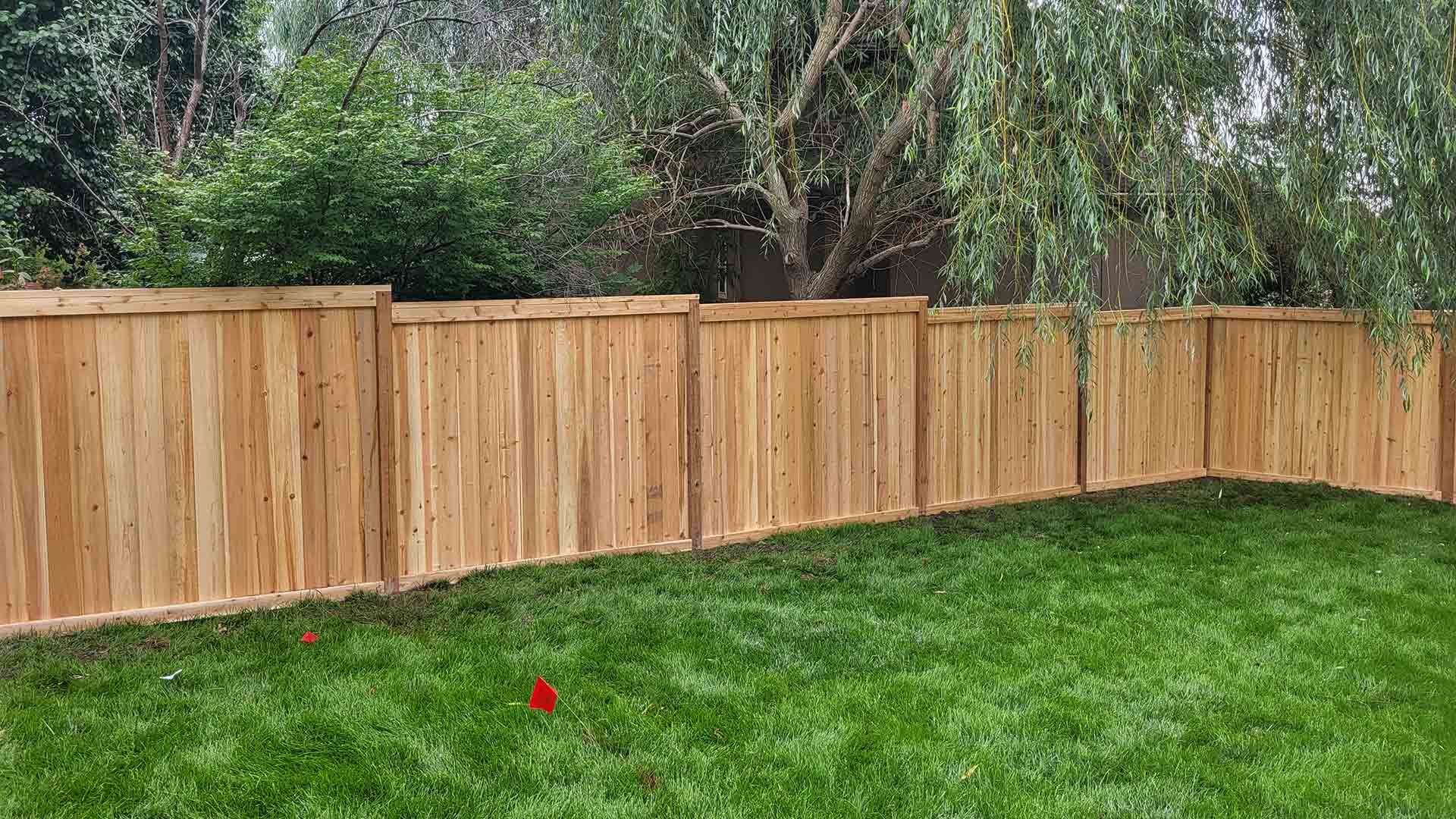
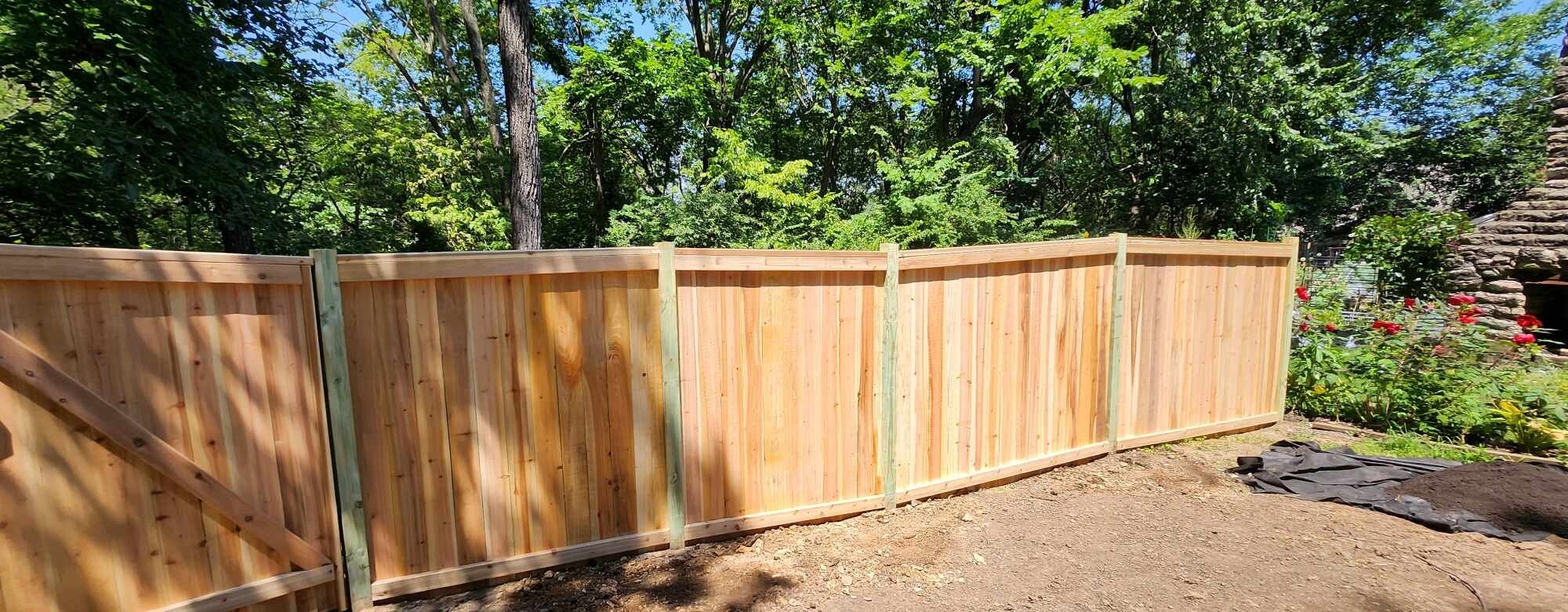
Rear yard fences, the ones most homeowners care about most since this is where backyard privacy fencing typically goes, can be up to 6 feet tall under standard rules. There’s also a provision allowing you to add up to 18 additional inches of height by placing plain or woven wire on top of the fence, which could theoretically bring a rear yard fence to 7.5 feet total, though this combination isn’t common in typical residential applications and is more relevant for properties with specific security or containment needs.
Barbed Wire and Electric Fences
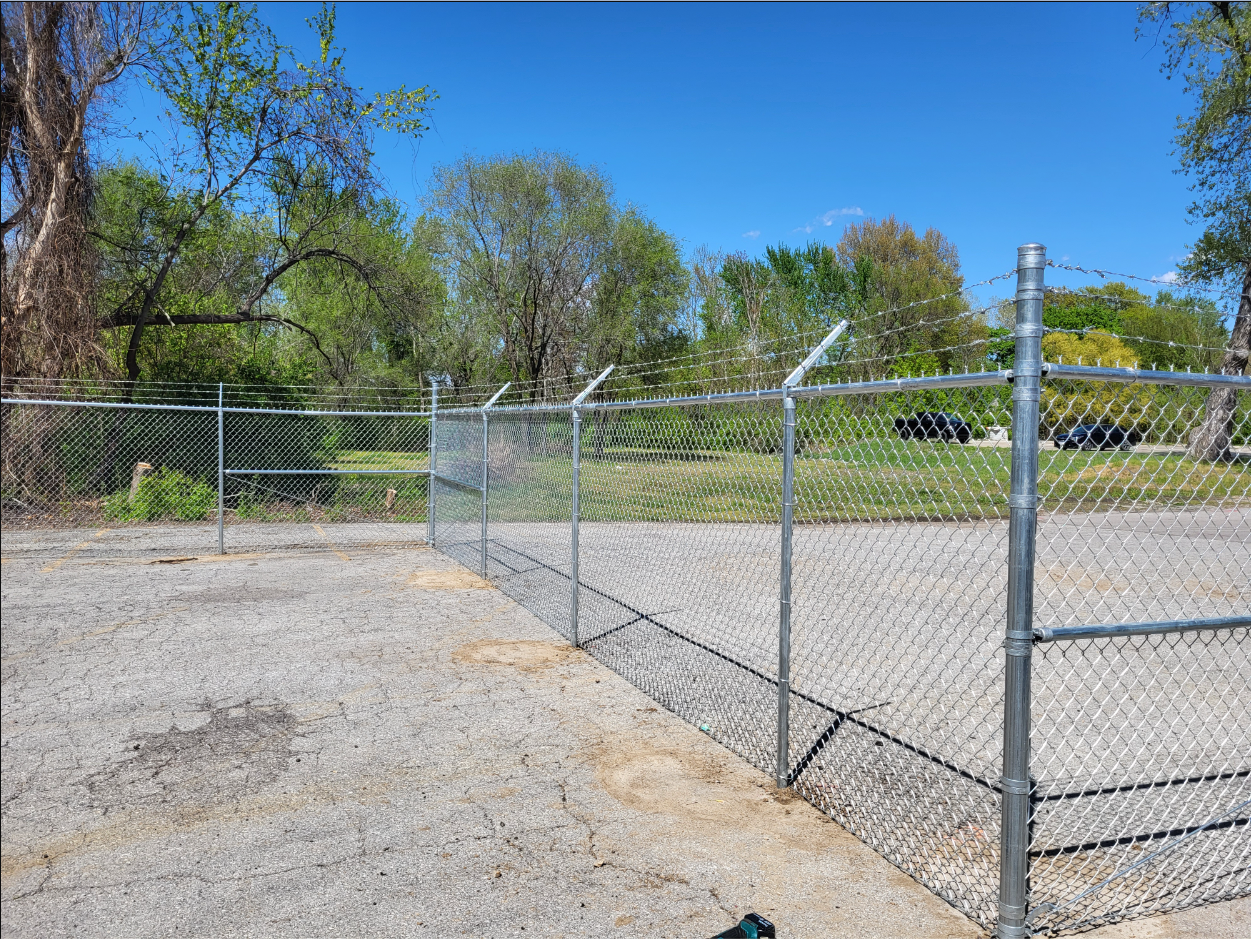
Lawrence prohibits electrically charged fences and barbed wire fencing within city limits, with one specific exception: barbed wire is allowed on top of a fence that is already more than 4 feet tall. This effectively limits barbed wire to commercial, agricultural, or specific security applications rather than typical residential backyard fencing, since most standard residential fences either don’t reach that height or aren’t the kind of property where barbed wire would make sense anyway.
Fences on Retaining Walls
If you’re combining a fence with a retaining wall, which comes up more often than you’d expect on Lawrence’s sloped lots, particularly in West Lawrence and the Alvamar area, the code specifies that height is measured from the grade of the low side. For ornamental iron, woven wire, and wood picket fences specifically, you’re allowed to build on top of a retaining wall up to 4 feet above the grade of the high side. Retaining walls themselves also have separate requirements: they need to be properly designed and drained to handle lateral pressure, and they generally shouldn’t be built in front yards if the Building Inspector determines they’d be unsightly or detrimental to neighboring property.
Fences Designed to Annoy Your Neighbors
This one is worth knowing about even though it rarely comes up: Lawrence’s code explicitly prohibits erecting or maintaining a fence, hedge, or structure for the purpose of annoying another person, or for the purpose of injuring someone by obstructing their view, blocking sunlight, hindering ventilation, or otherwise causing inconvenience. This is sometimes called a “spite fence” provision, and while enforcement is uncommon, it’s a real part of the code that could theoretically come into play in a serious neighbor dispute.
Variances
If your planned fence doesn’t comply with the standard height and placement rules, the Building Inspector has discretion to grant a variance if they determine public health, safety, and welfare will still be substantially served and neighboring property won’t be materially damaged. A variance can also be granted based on a written agreement between neighboring property owners, provided a certified copy of that agreement is filed with the Building Inspector. This gives homeowners a real path to build something outside the standard rules if there’s a legitimate reason and your neighbors are on board.
What Happens If Your Fence Doesn’t Comply
Any fence built in violation of these rules is officially declared a nuisance under the city code, and the property owner is required to remove it within five days of receiving notice from the Building Inspector. This is a relatively short window, which is exactly why it’s worth confirming your plan complies before installation rather than after, especially for taller privacy fences where a height miscalculation could mean tearing out and redoing significant work.
Douglas County: Different Rules Outside City Limits
If your property sits outside Lawrence’s city limits in unincorporated Douglas County, you’re working with a different set of rules administered by the county’s Zoning and Codes Department rather than the city. Douglas County’s general permitting framework requires building permits for most buildings and accessory structures, with agricultural buildings used strictly for farming purposes being a notable exemption.
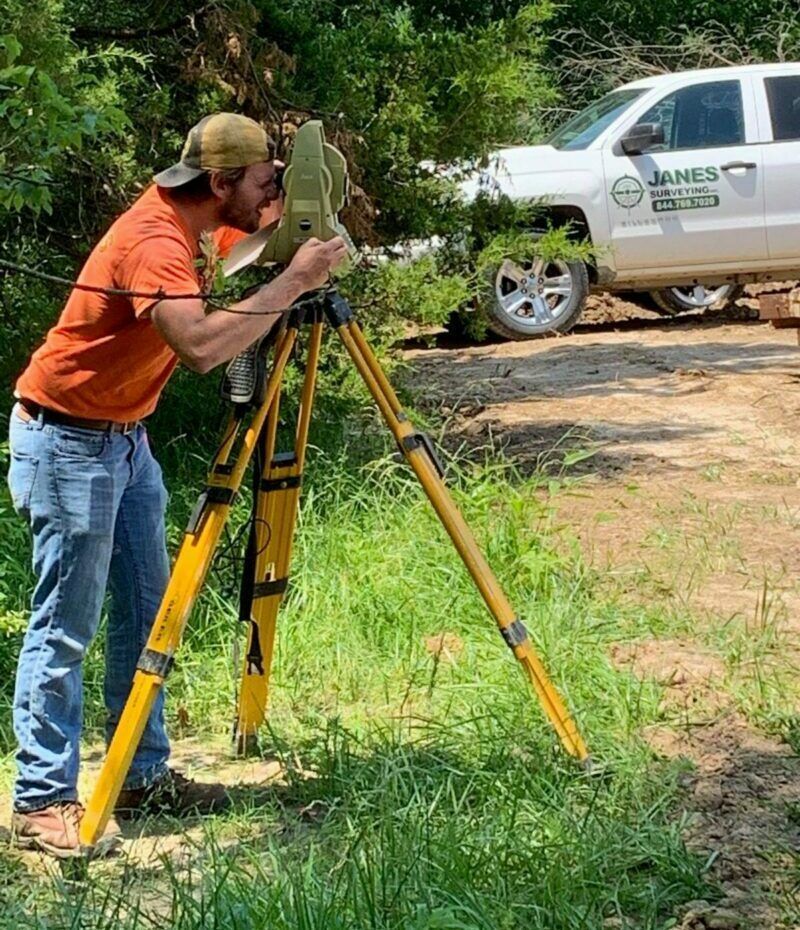
Where fences specifically are concerned, Douglas County’s guidance is similar in spirit to the city’s approach: before installing a fence, you should know your exact property boundaries and any easements on your land, since storm water drainage and utility easements in particular can restrict where you’re able to build. The county’s Property Viewer tool gives you a general sense of taxing boundaries, but it explicitly does not show easements (apart from roads) or zoning boundaries, so for any project where the exact property line matters, especially if you’re building close to it, you may need a licensed surveyor to locate your property corners with certainty.
Setback requirements in unincorporated Douglas County vary by structure type and road frontage classification, and the county’s zoning regulations spell out specific setback distances depending on which type of road borders your property. This is more relevant for larger structures and buildings than typical residential fencing, but if you’re building a substantial perimeter fence on rural acreage, particularly anything combined with gates, outbuildings, or agricultural fencing, it’s worth a call to the county’s Zoning and Codes Department to confirm your specific setback requirements before you start.
Working in HOA Communities
Neither the city nor county fence code is the final word if your property sits within a homeowners association, which is the case for parts of the Alvamar area and several other planned communities throughout Lawrence. HOA covenants often impose their own fence requirements, sometimes more restrictive than the city’s, covering everything from approved materials and colors to specific height limits or even requiring HOA design review before installation. These private covenants exist independently of city code and are enforced separately, so even a fence that fully complies with Lawrence’s municipal requirements could still violate an HOA agreement if you haven’t checked first. Always review your HOA’s specific fencing guidelines, and when in doubt, submit your plan for approval before installation rather than after.
Pool Fencing: A Special Case
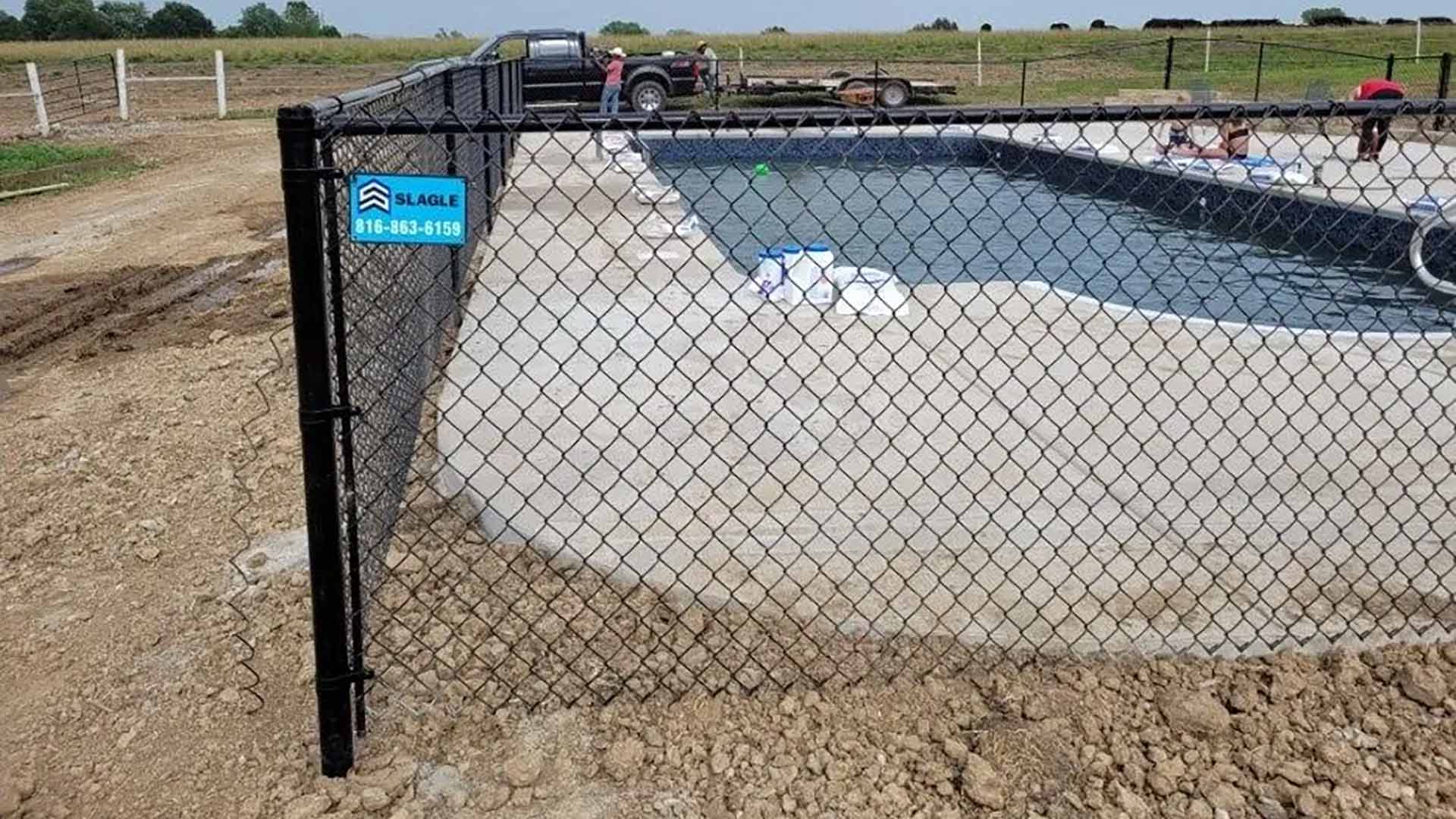
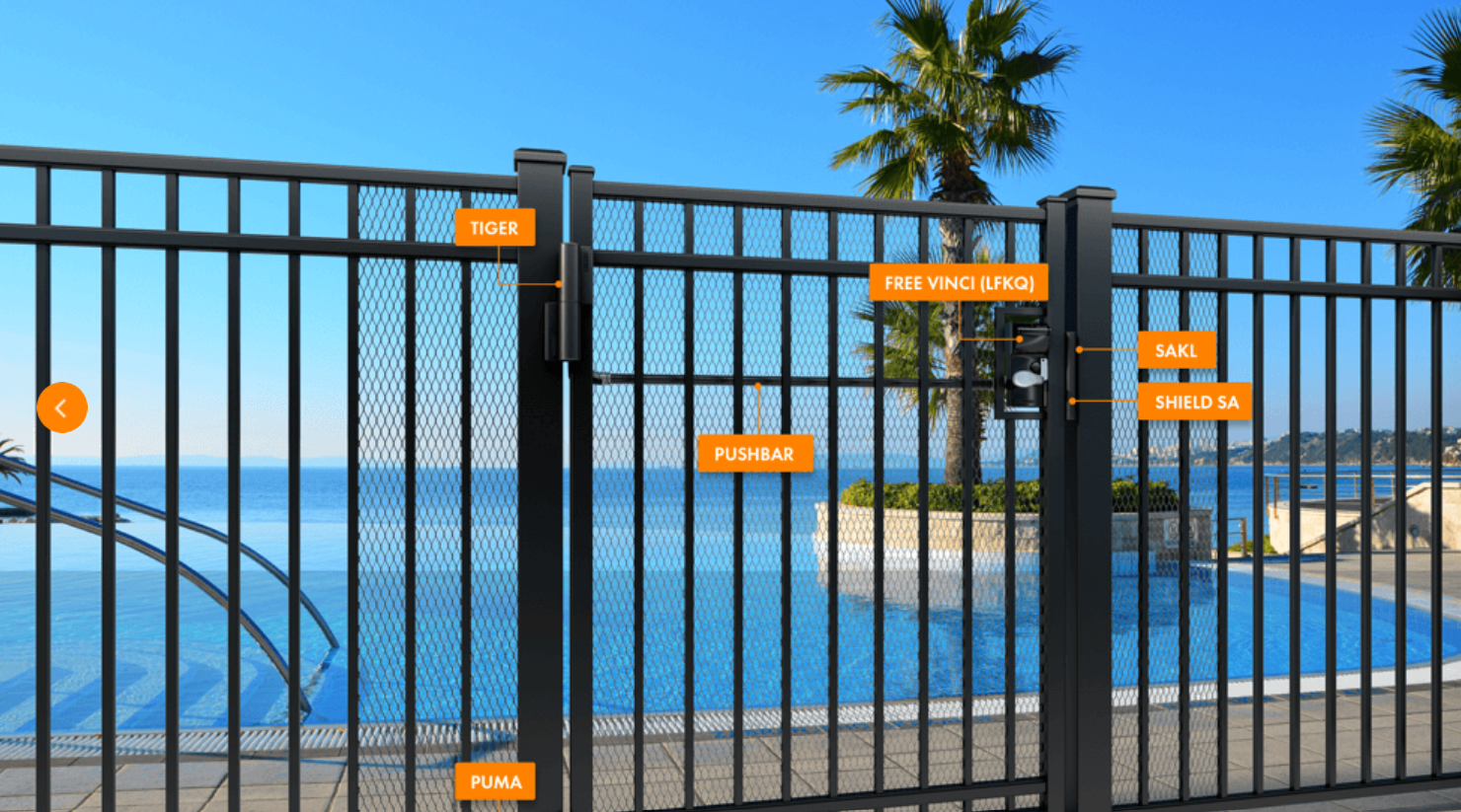
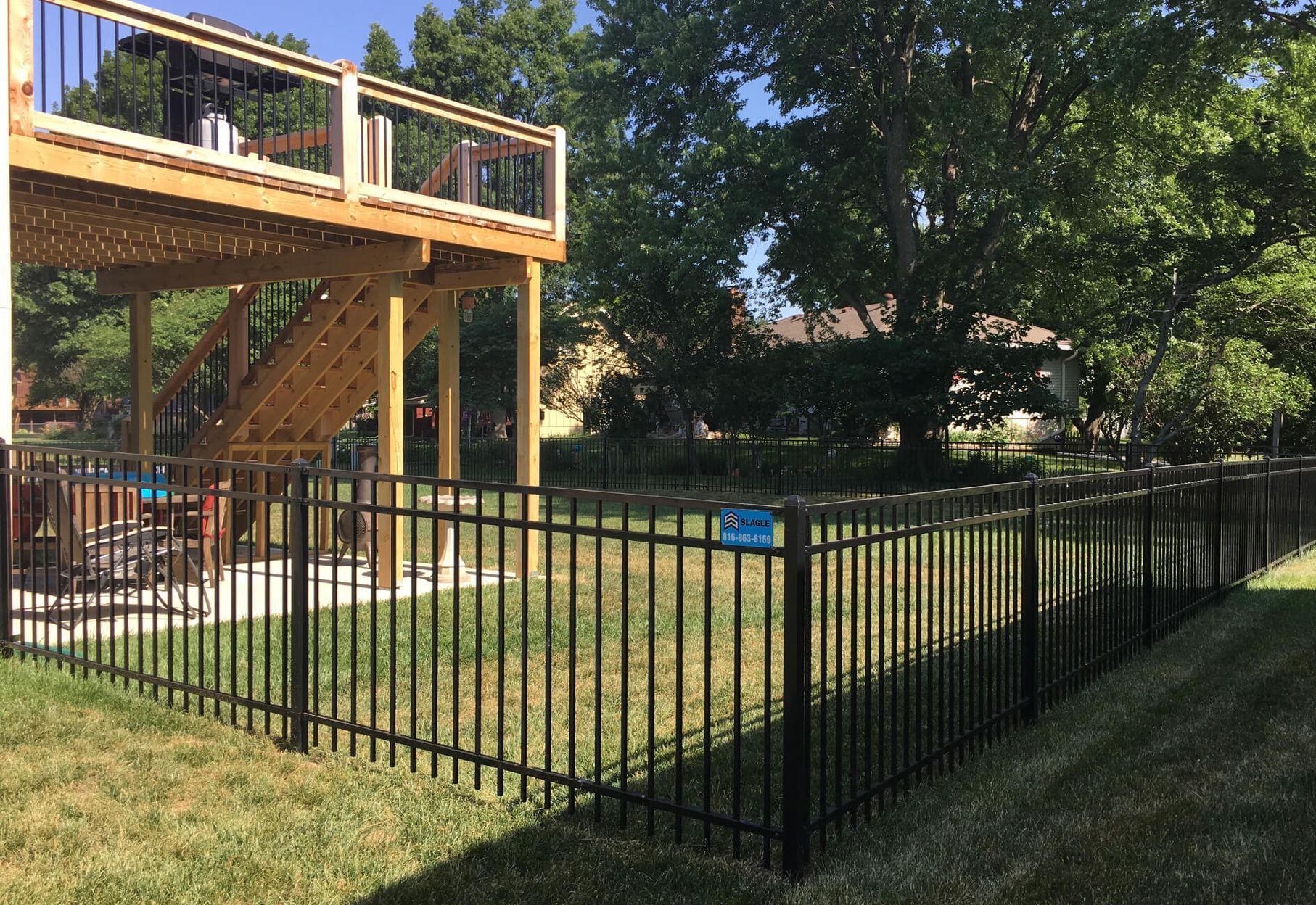
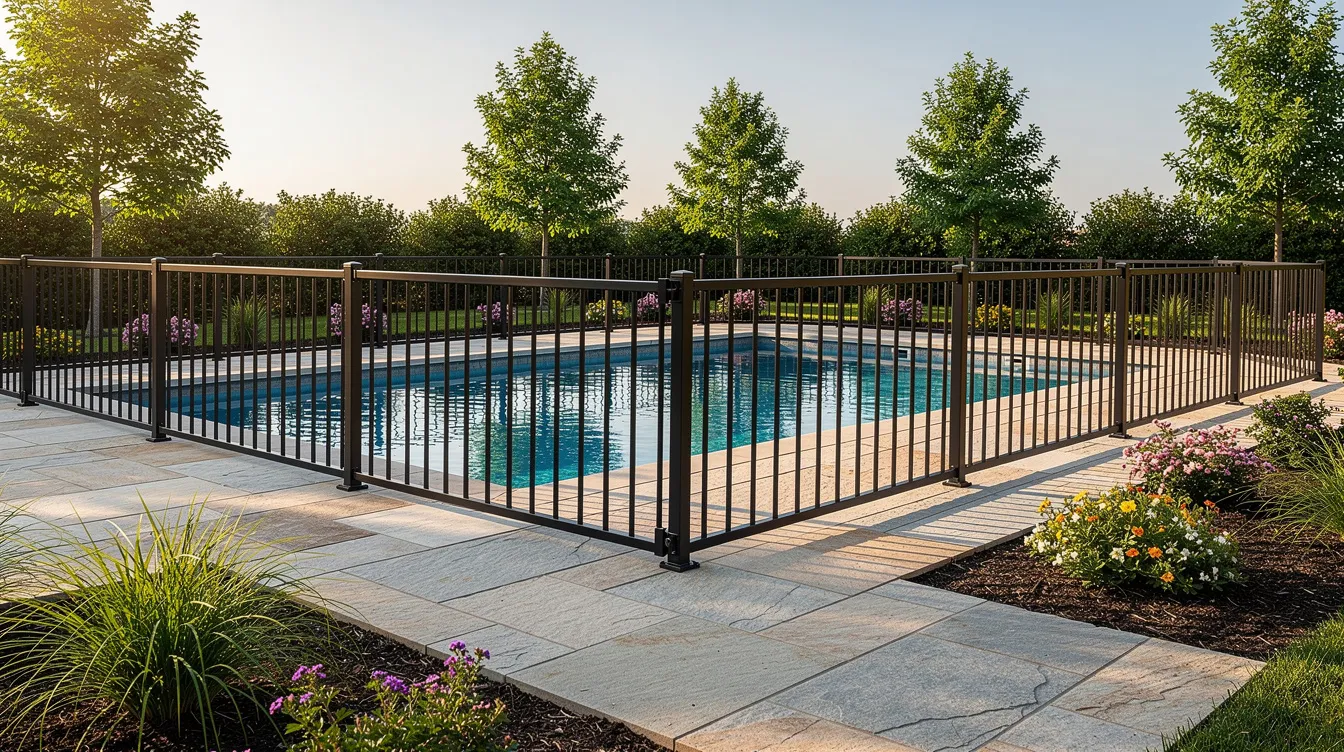
If your fence project is specifically about enclosing a swimming pool, there’s an additional layer of regulation beyond the general fence rules. A permit is required to build a swimming pool itself, and the pool must be enclosed by a privacy fence at least 4 feet in height. Additional pool-specific health and safety requirements are administered through the Lawrence-Douglas County Health Department, so if your project involves both a pool and a new fence, plan to coordinate both pieces, the pool permit and the compliant fence enclosure, together rather than treating them as separate projects.
A Practical Pre-Installation Checklist
Before breaking ground on a new fence in Lawrence, it’s worth running through a short checklist: confirm which category your fence falls into under the city’s definitions (masonry, ornamental iron, woven wire, wood picket, solid, or hedge), confirm your planned height against the front, side, or rear yard limits depending on where the fence sits, verify your property line if there’s any uncertainty about exact boundaries, check whether an HOA applies to your property and review its separate requirements, and if you’re in unincorporated Douglas County rather than within city limits, confirm setback requirements with the county directly. None of this requires a permit application, but all of it requires a little homework upfront that can save you from a costly redo later.
Frequently Asked Questions
Do I need a permit to build a fence in Lawrence, KS?
No. The City of Lawrence does not require a permit specifically for fence installation, but you must follow the city’s fence height and placement requirements under Chapter 16, Article 6 of the city code.
What’s the maximum height for a backyard fence in Lawrence?
Rear yard fences can generally be up to 6 feet tall, with the option to add up to 18 additional inches using plain or woven wire on top in specific situations.
Can I build a fence taller than 4 feet in my front yard?
Generally no, with most front yard fence types capped at 4 feet and masonry or solid fences capped at 3 feet. A variance may be possible in specific circumstances.
Is barbed wire allowed in Lawrence?
Only on top of a fence that’s already more than 4 feet tall. Standalone barbed wire fencing isn’t permitted within city limits.
What happens if my fence violates the height rules?
It’s declared a nuisance under city code, and you’ll be required to remove it within five days of receiving notice from the Building Inspector.
Do the same rules apply outside city limits in Douglas County?
No. Properties in unincorporated Douglas County fall under the county’s separate zoning and building permit framework, administered by the county’s Zoning and Codes Department, rather than the city’s fence code.
Does my HOA’s fence policy matter if my fence already meets city code?
Yes. HOA covenants are private agreements enforced separately from city or county code, and they can be more restrictive. Always check your HOA’s specific requirements in addition to municipal rules.
Do I need a permit for a pool fence?
You need a permit for the pool itself, and the pool must be enclosed by a privacy fence at least 4 feet tall, but this requirement is tied to the pool permit process rather than a separate fence permit.
Can I get a variance if my planned fence doesn’t meet the standard height rules?
Yes, the Building Inspector has discretion to grant variances if public health, safety, and welfare are still served, or based on a filed written agreement between neighboring property owners.
If you’re not sure how your specific property and project fit into these rules, a local fencing contractor who regularly works in Lawrence will typically know the relevant code sections from memory and can help you plan a design that’s compliant from the start.