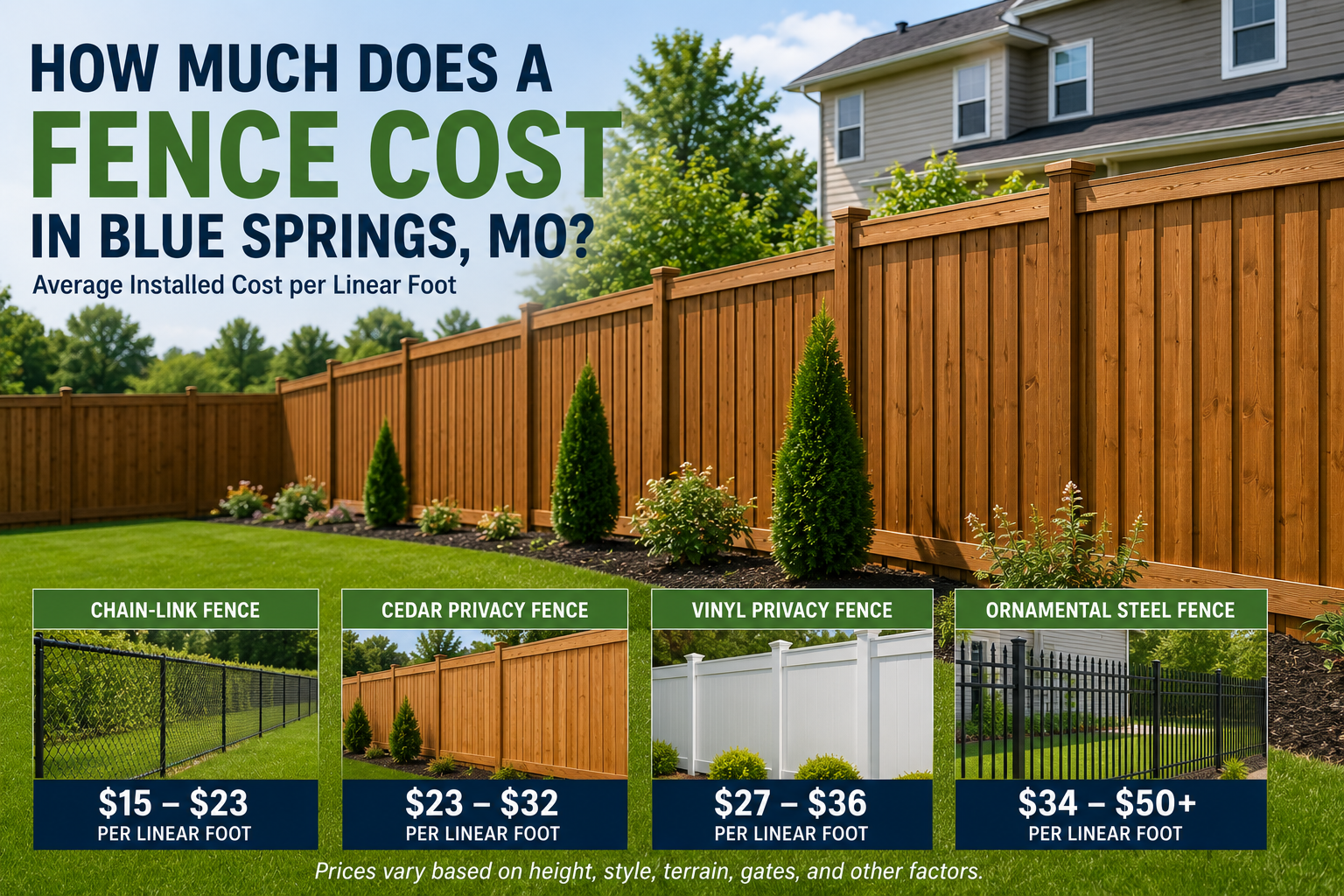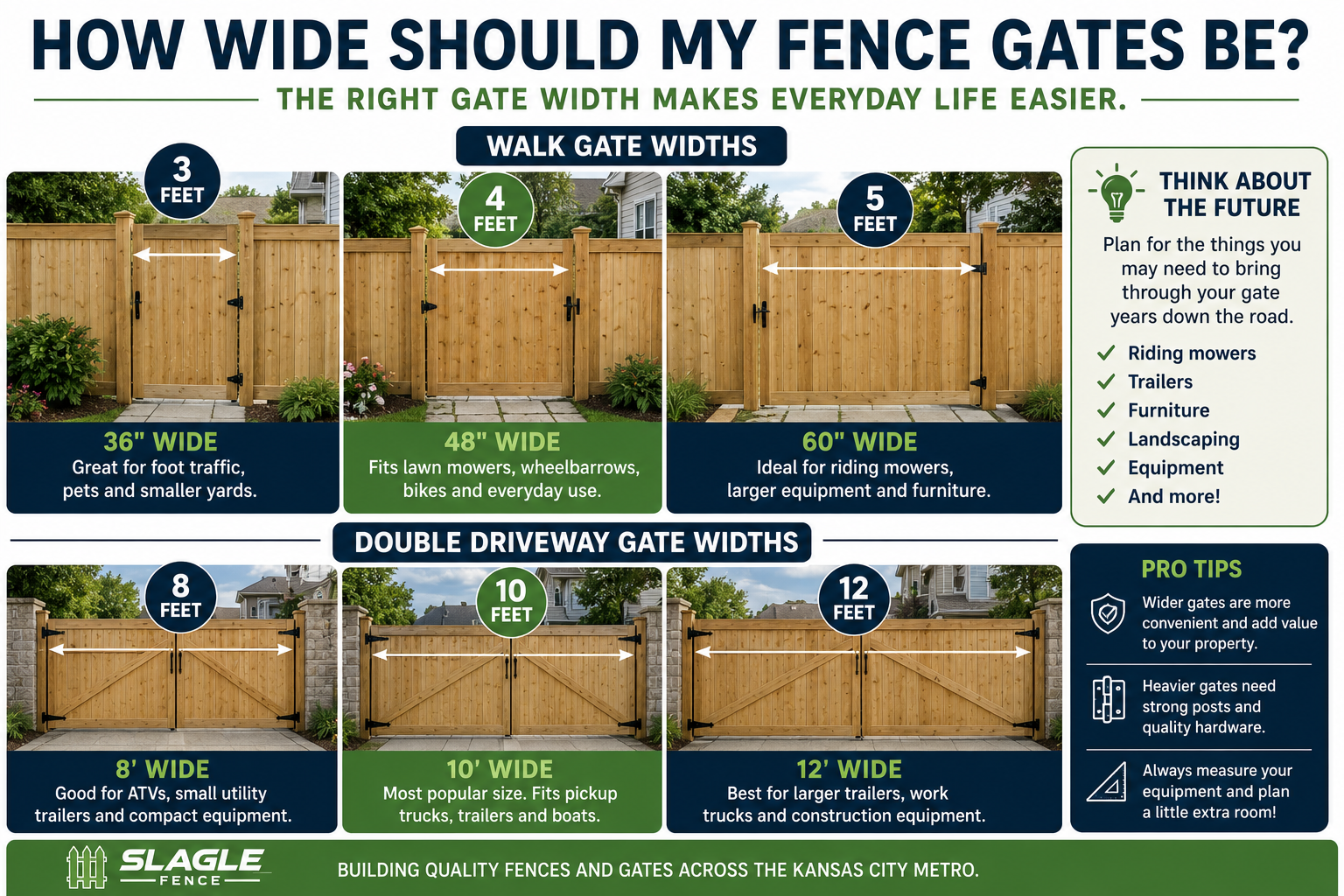
Lawrence isn’t one kind of town when it comes to housing, and that’s exactly what makes the “best fence” question more interesting here than in a more uniform suburb. Within a fifteen-minute drive you’ll find century-old homes in Old West Lawrence sitting on the National Register of Historic Places, sprawling acreage-style lots in the Alvamar area built around a golf course, brand-new construction in West Lawrence’s contemporary subdivisions, and classic mid-century neighborhoods like Sunset Hills and Prairie Meadows in between. Add in a significant population of KU-area rental properties and student housing, and you’ve got a city where the “right” fence genuinely depends on which part of town, and which kind of property, you’re talking about.
This guide walks through the major fence types available to Lawrence homeowners and where each one tends to make the most sense, so you can match your choice to your actual property instead of just defaulting to whatever’s most popular nationally.
Wood Privacy Fencing: The All-Around Default
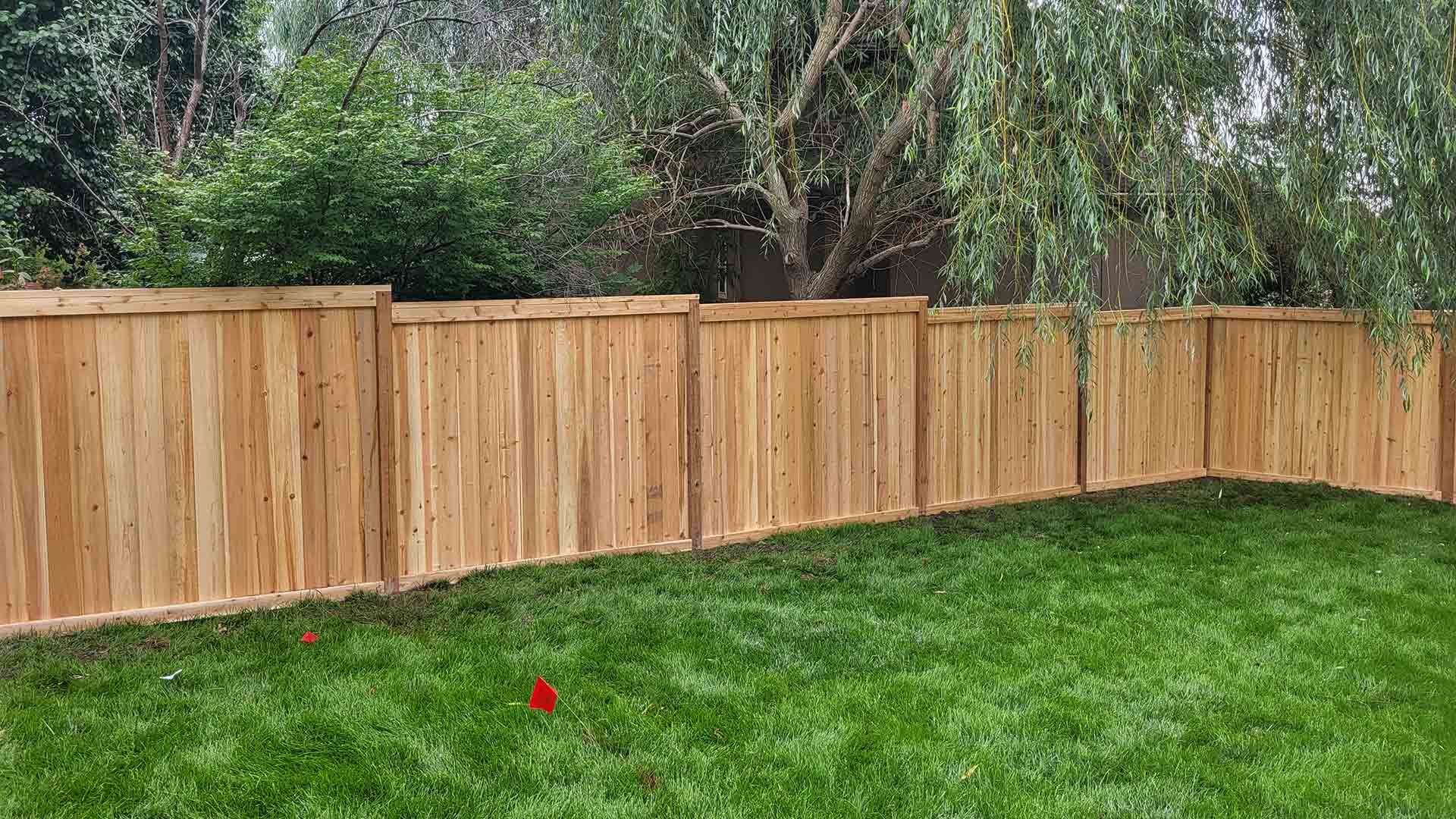
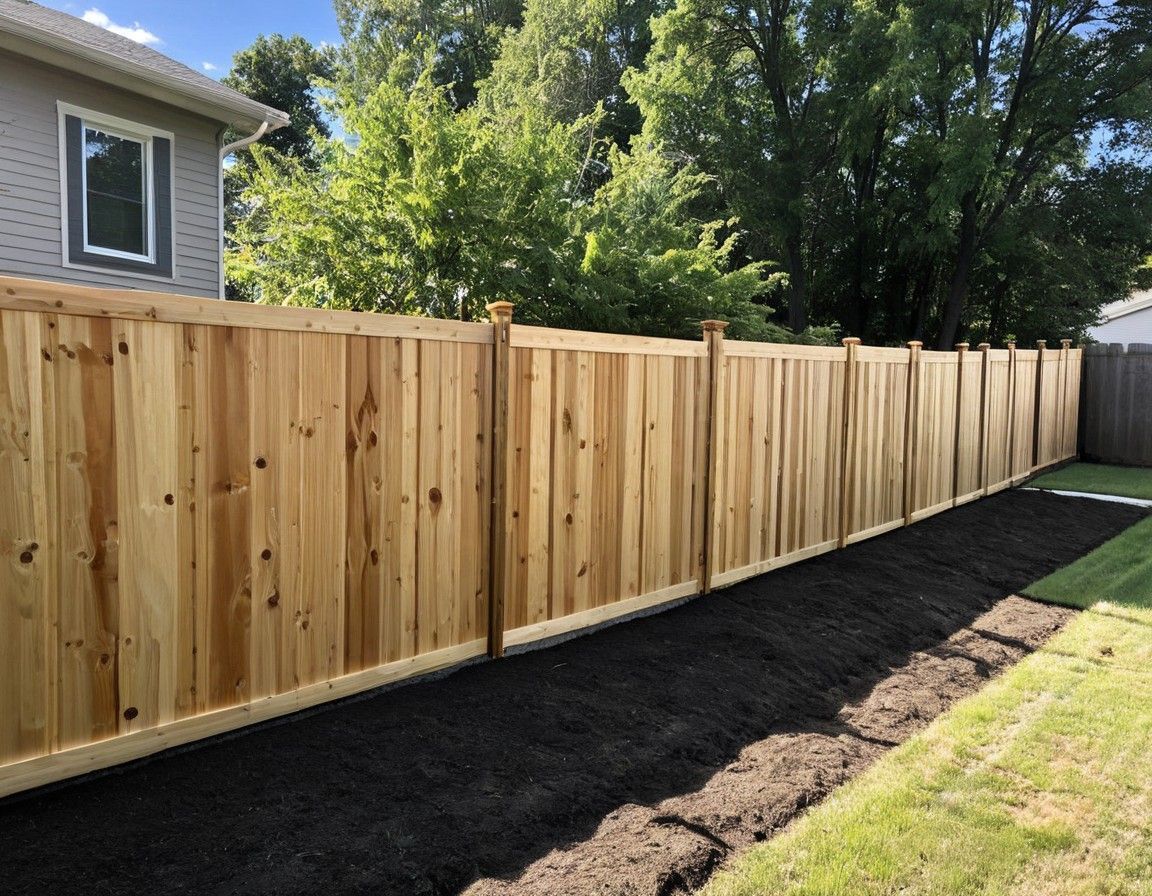
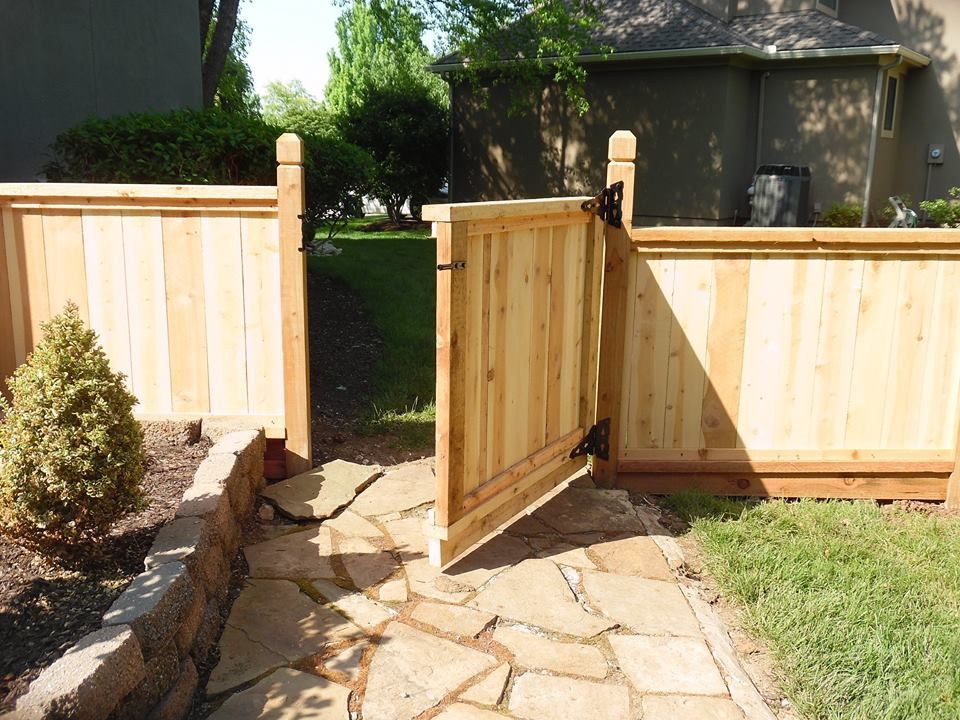
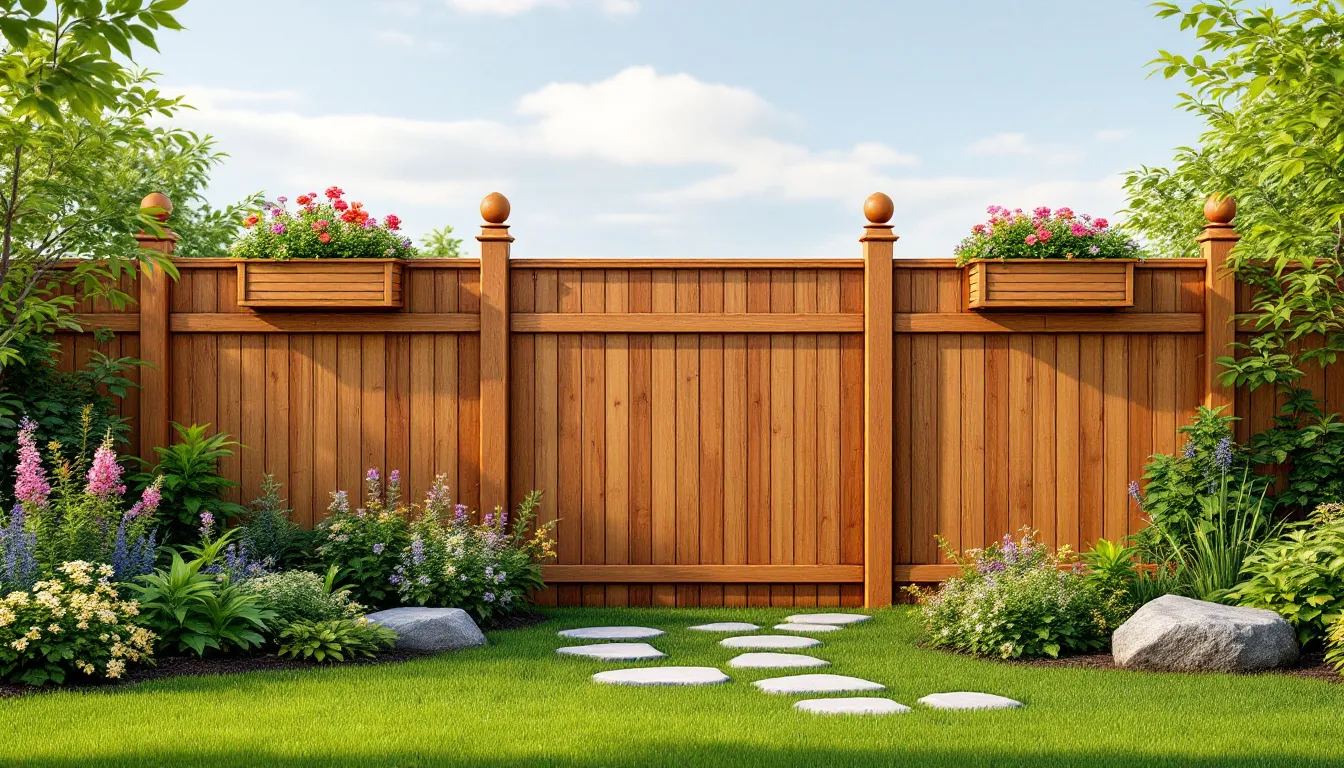
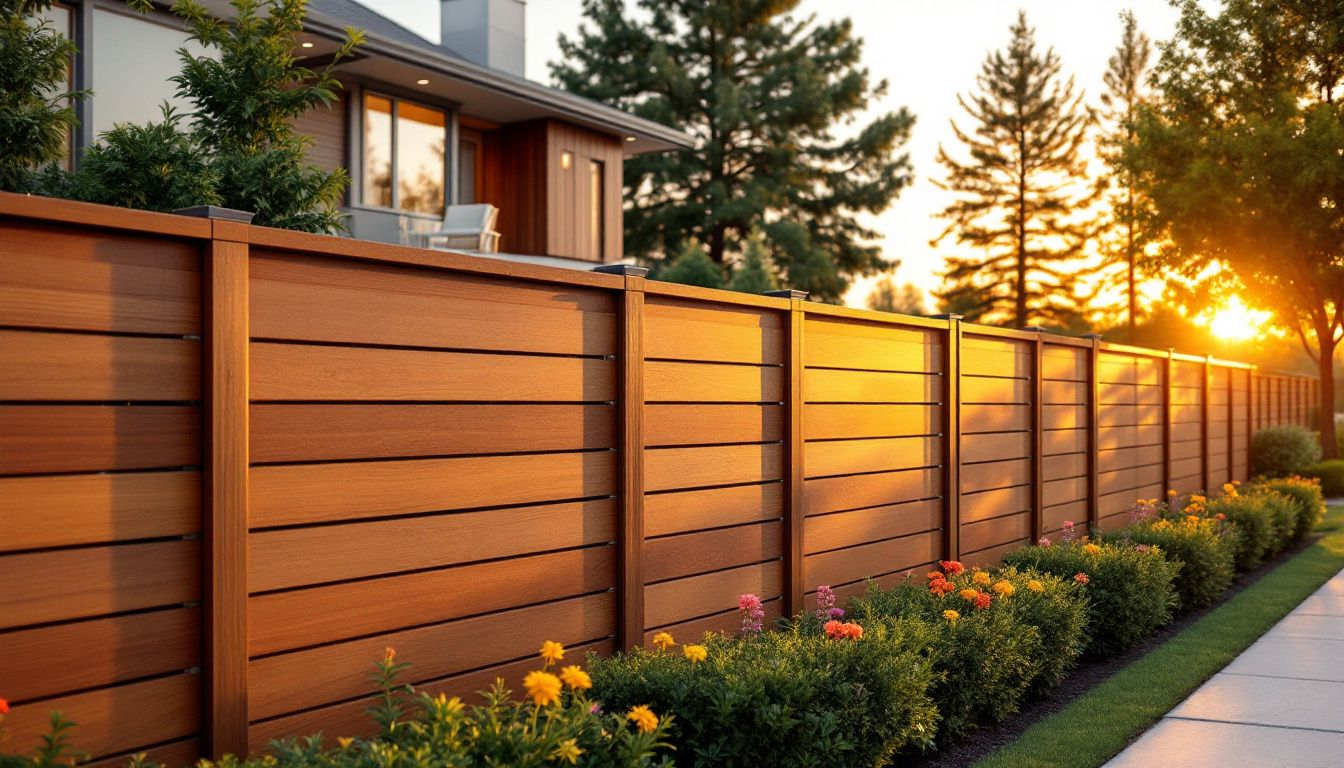
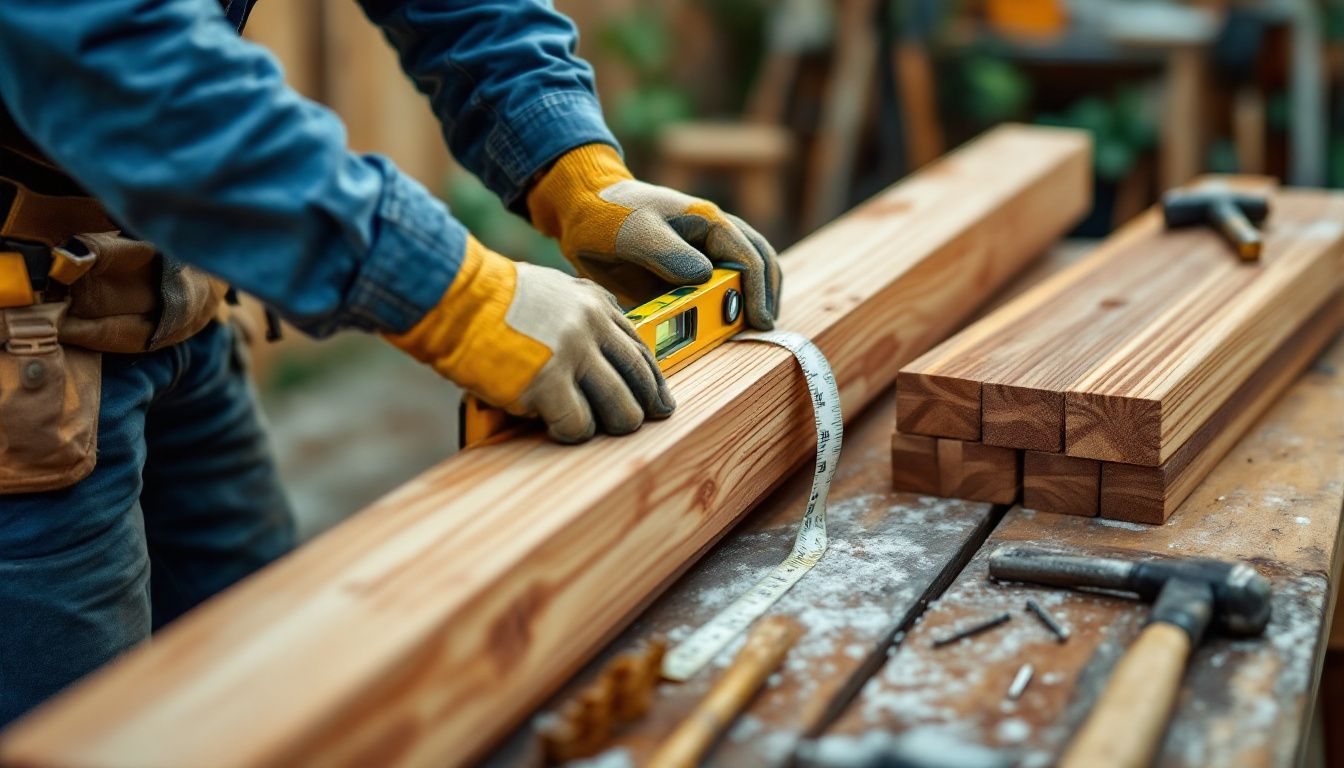
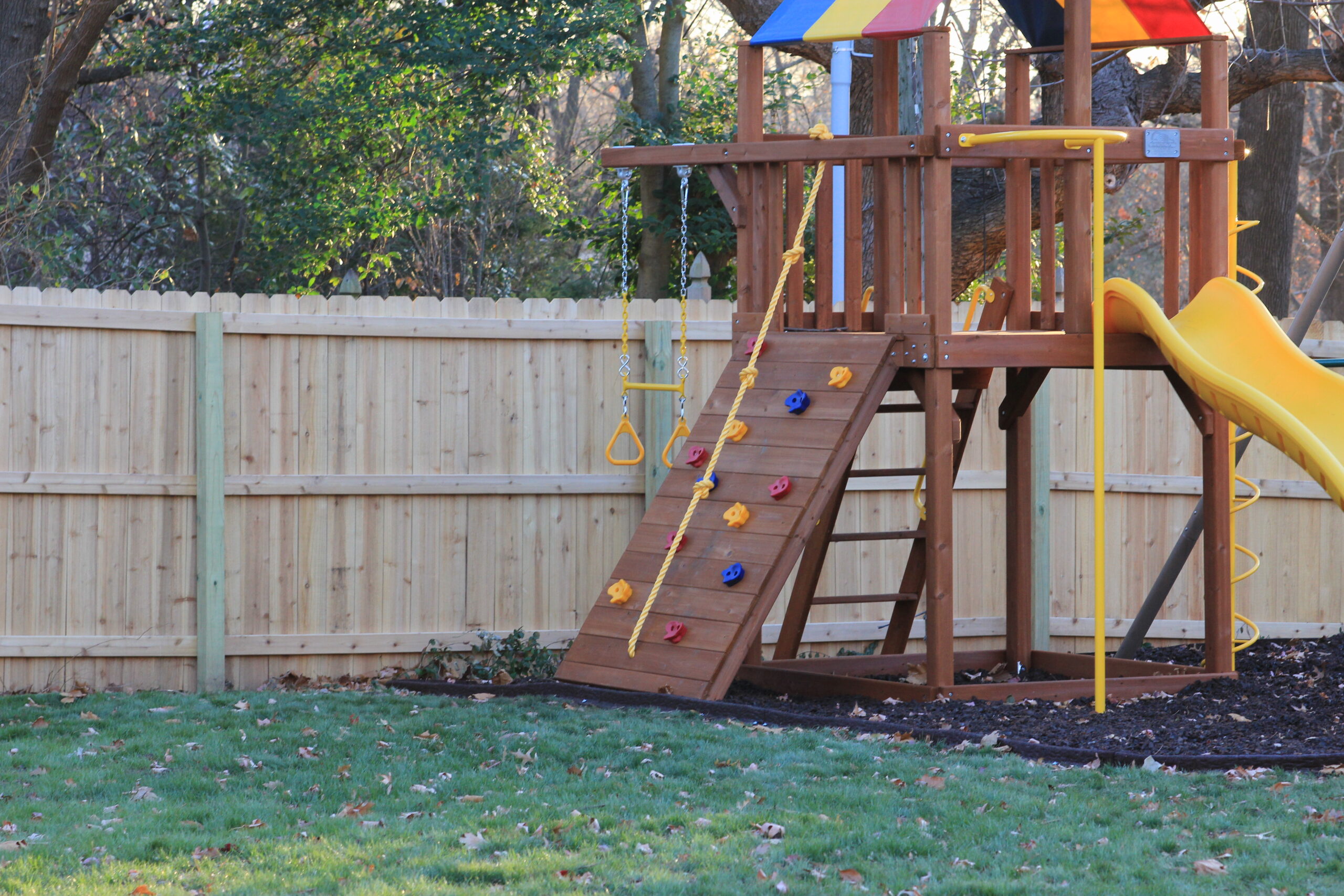
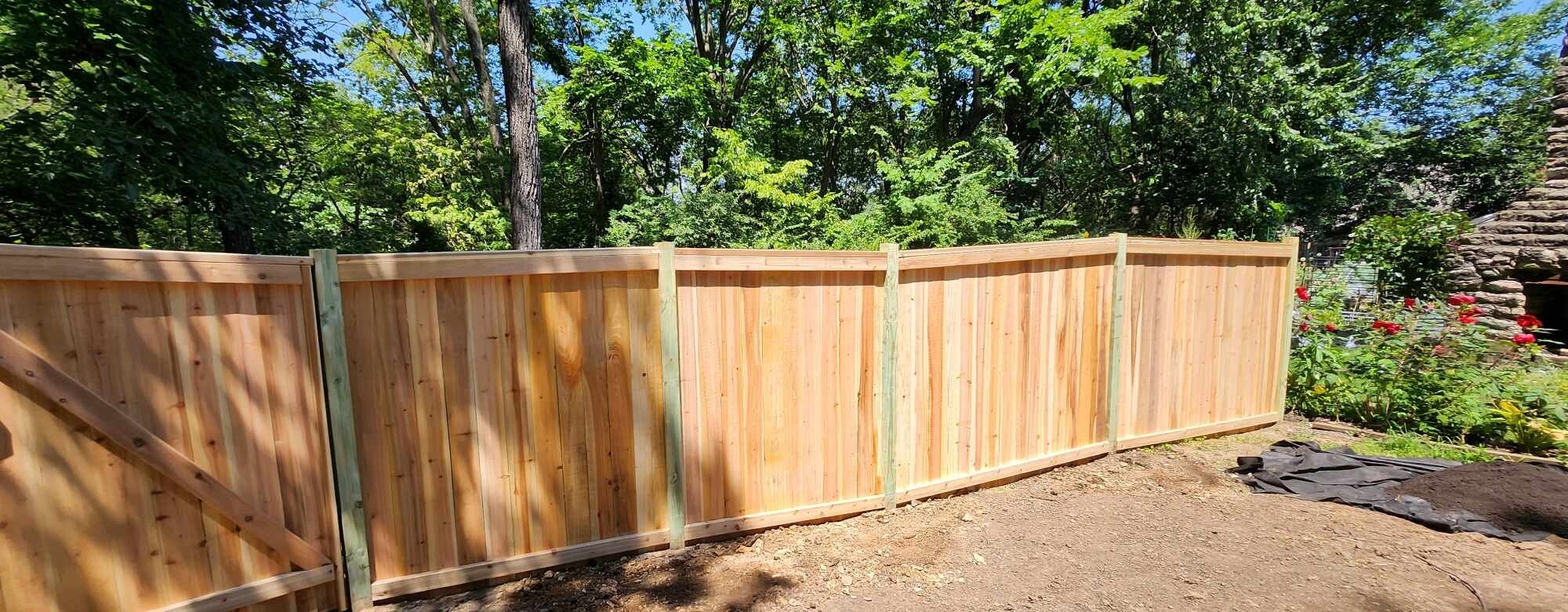
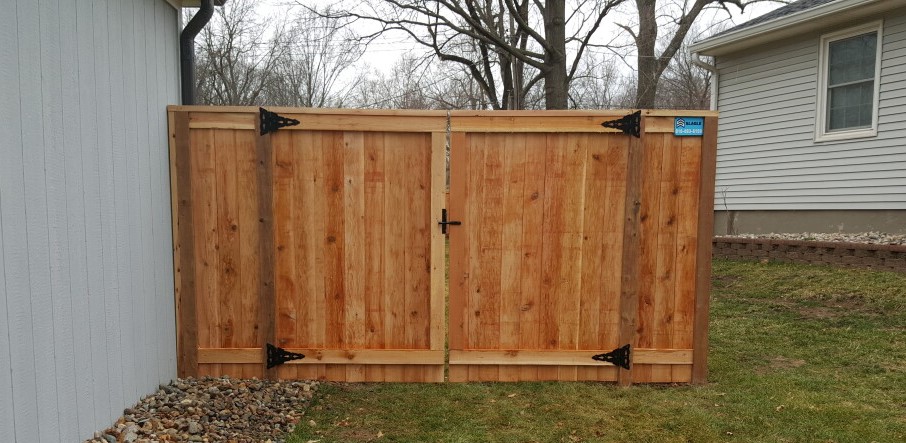
For most Lawrence homeowners, a 6-foot wood privacy fence remains the single most popular choice, and it’s popular for good reason. Wood works with nearly every architectural style in the city, from the Craftsman bungalows near downtown to the contemporary traditional homes filling in West Lawrence. It provides genuine privacy, it’s relatively affordable compared to vinyl or ornamental metal, and it can be stained or painted to match almost any home’s color palette.
In established neighborhoods like Sunset Hills, Prairie Meadows, and Deerfield, wood privacy fencing is already the dominant style on most blocks, which matters more than people think. A fence that clashes visually with everything around it, whether due to material, height, or color, tends to stand out in a way that doesn’t help curb appeal even if the fence itself is well-built. Matching or complementing what’s already established on your street is often the smartest design decision you can make.
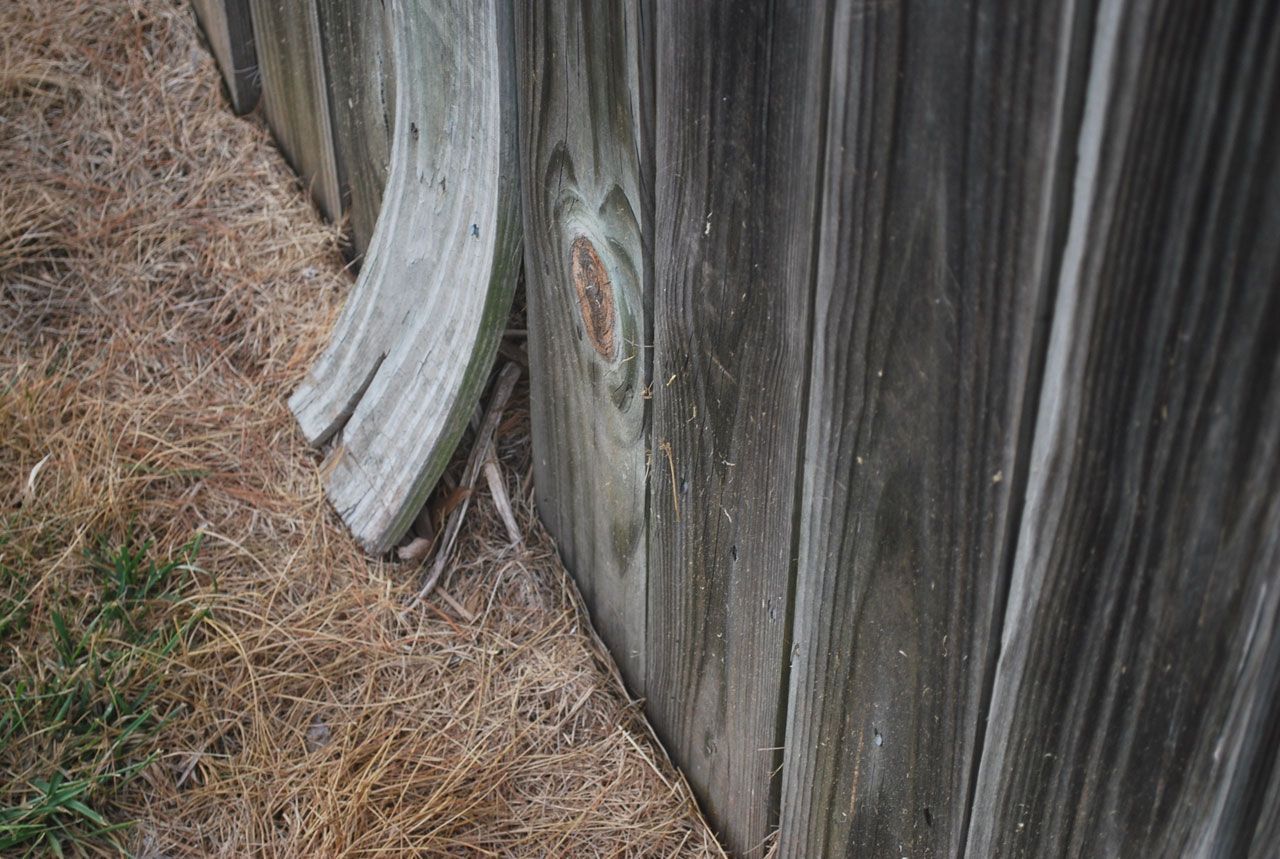
The main consideration with wood is long-term maintenance. Lawrence’s humid subtropical climate, hot, muggy summers and cold, occasionally harsh winters, with meaningful moisture year-round, means untreated or poorly maintained wood can show wear faster than in a drier climate. Cedar holds up significantly better than pressure-treated pine against rot and insect damage, and either species benefits from periodic staining or sealing, ideally every two to three years, to maximize lifespan. For homeowners willing to do that minimal upkeep, wood remains an excellent choice. For those who’d rather not think about it again after installation, that’s where vinyl starts to look appealing.
Vinyl Privacy Fencing: Low Maintenance for Busy Households
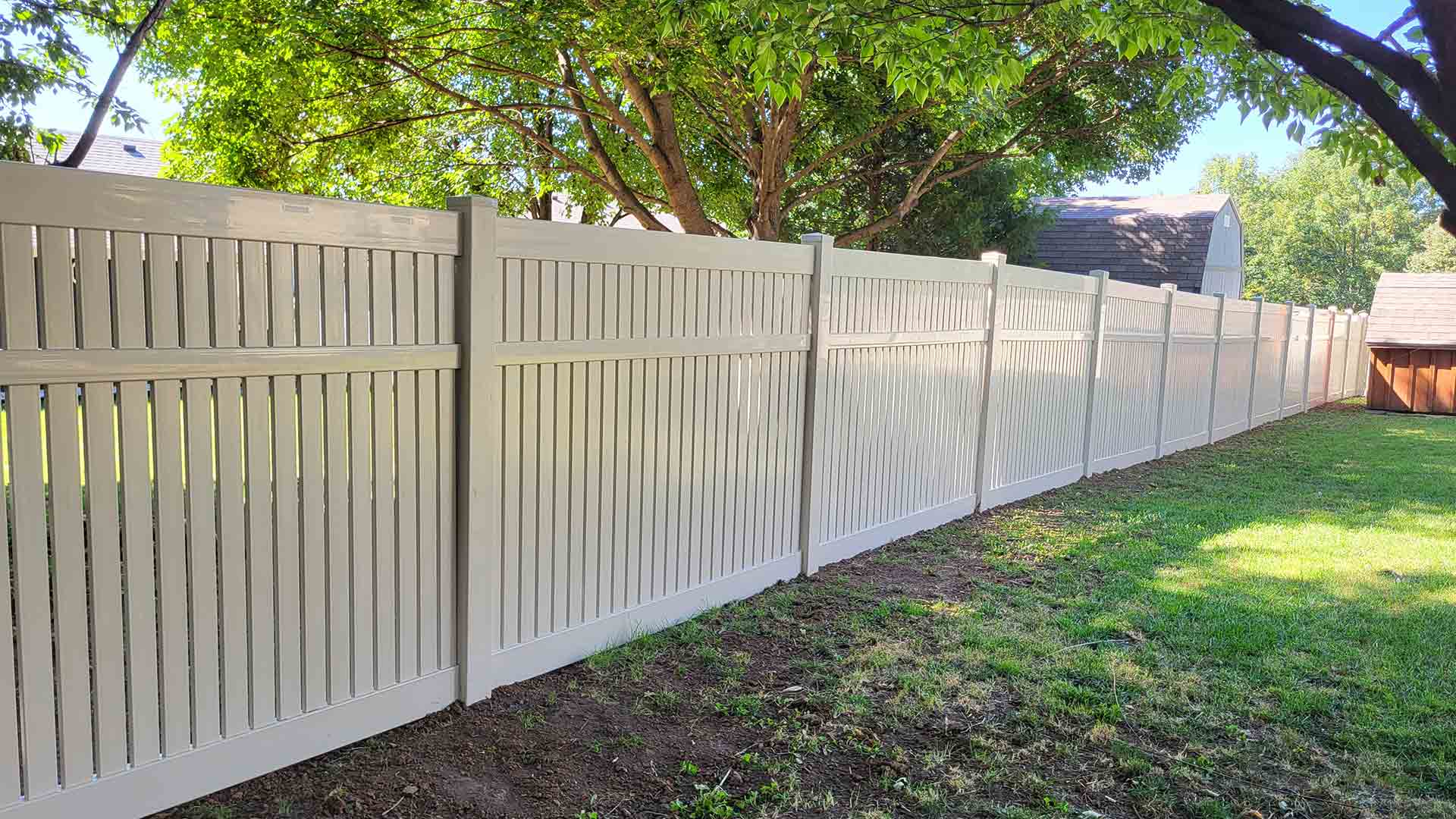
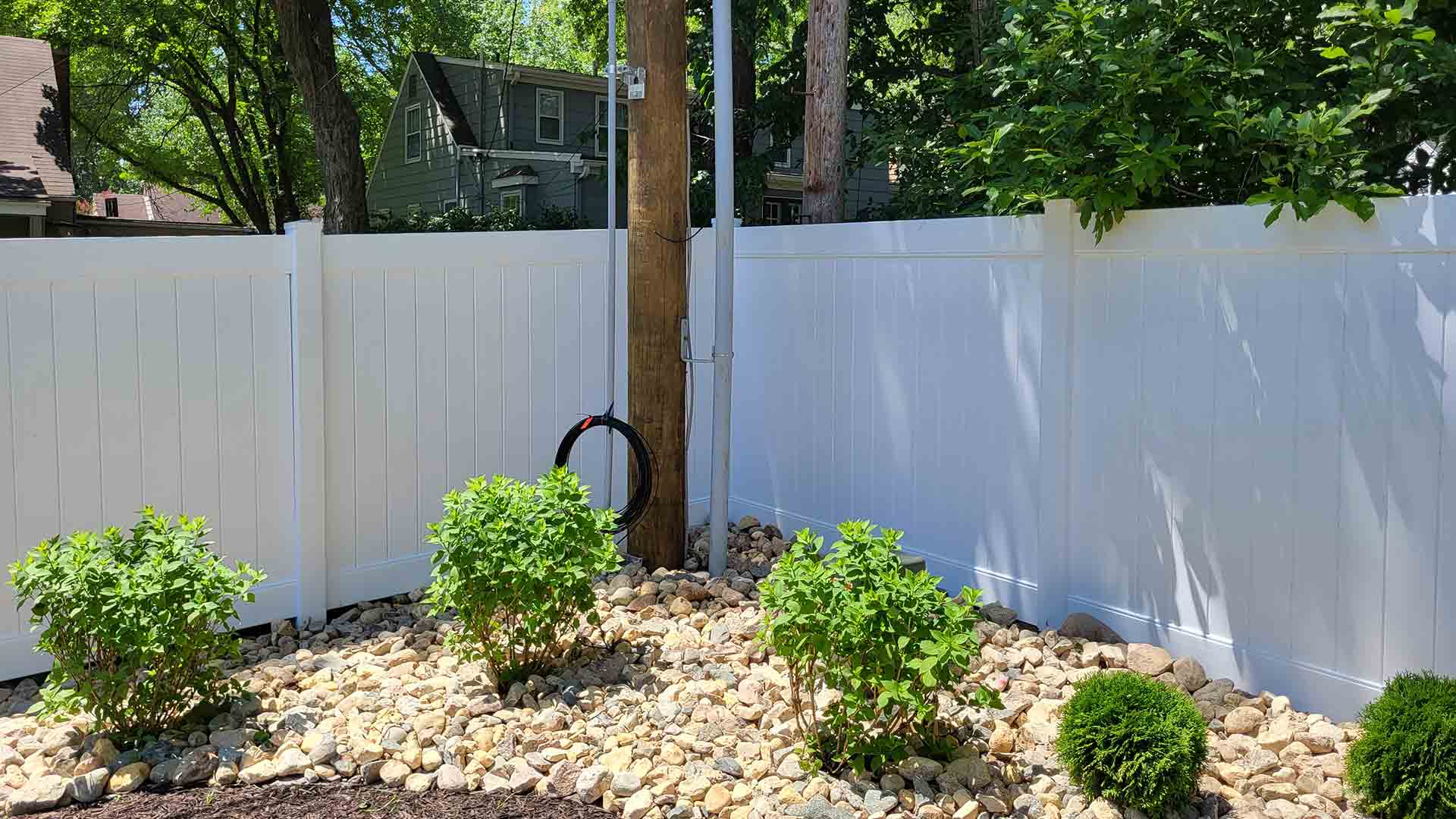
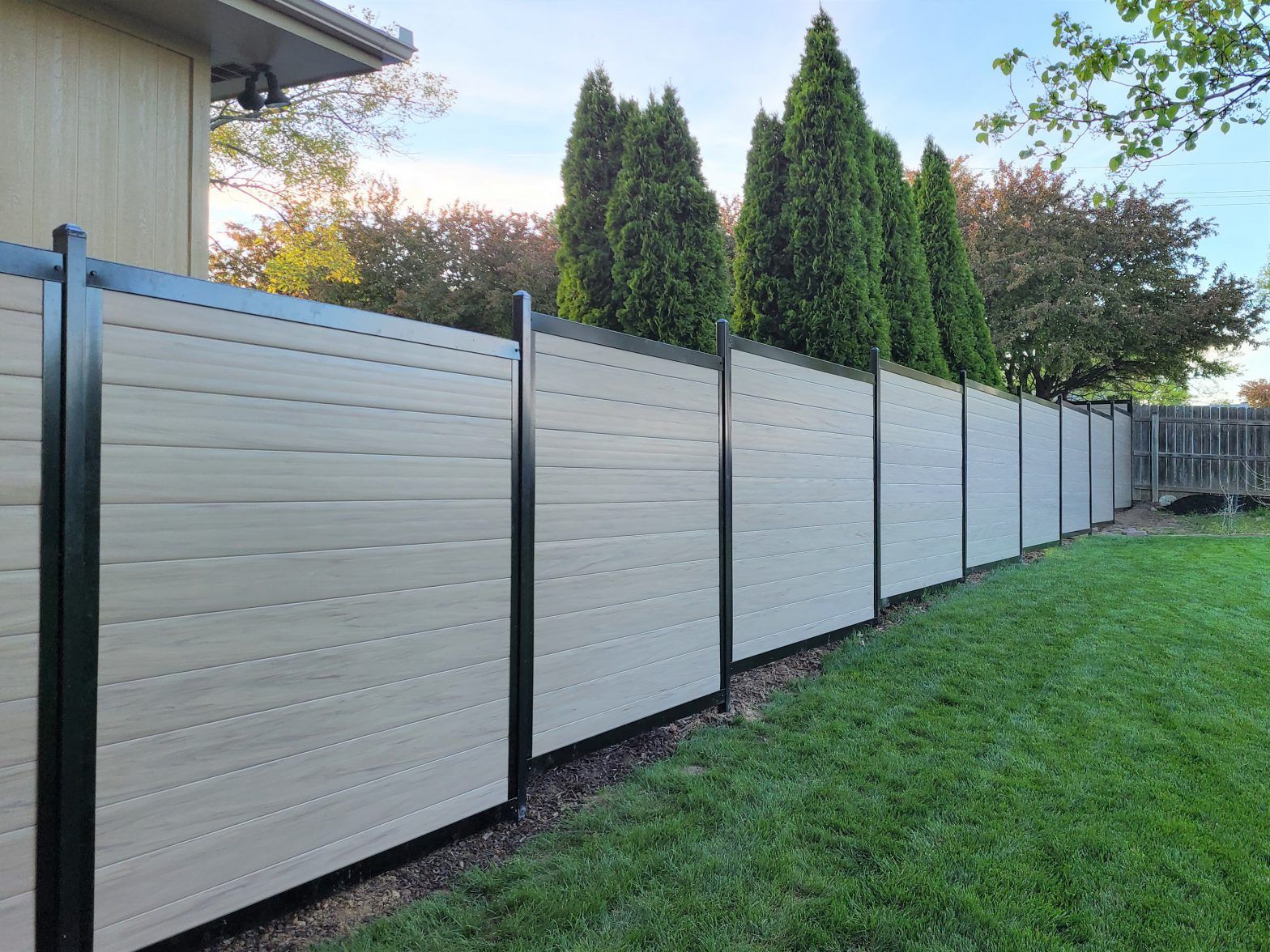
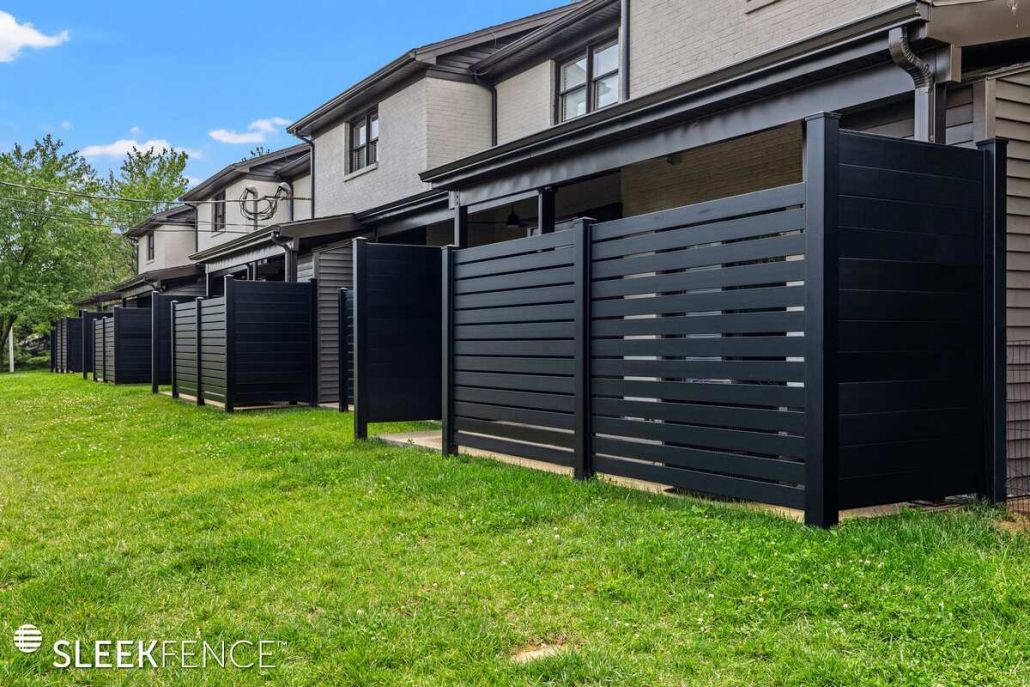
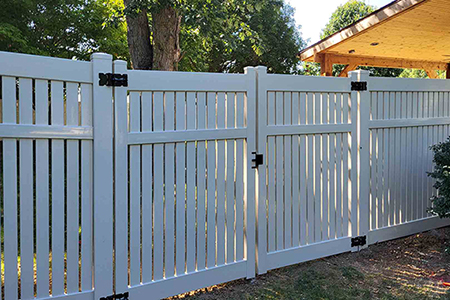
Vinyl has become increasingly popular in Lawrence’s newer subdivisions, particularly in West Lawrence developments where buyers are often making a long-term commitment to a home and want exterior features that won’t require regular attention. Vinyl doesn’t rot, doesn’t need staining, resists insect damage entirely, and holds its color well over time, even with Lawrence’s intense summer sun exposure.
It’s a particularly strong fit for properties near KU where homeowners are renting to students and want something that can withstand inconsistent tenant maintenance without degrading the way an unstained wood fence might. It’s also a smart choice for any homeowner who has dealt with a previous wood fence that warped, rotted, or needed frequent repairs and wants to avoid repeating that experience.
The tradeoff is mainly upfront cost and a slightly more limited range of architectural styles. Vinyl tends to look distinctly modern, which fits seamlessly with contemporary West Lawrence construction but can look slightly out of place against a 1920s Craftsman home in one of the city’s older, more historic neighborhoods. If your home has genuine architectural character worth preserving visually, that’s worth weighing against vinyl’s practical advantages.
Chain Link: Practical, Affordable, and Often Underrated
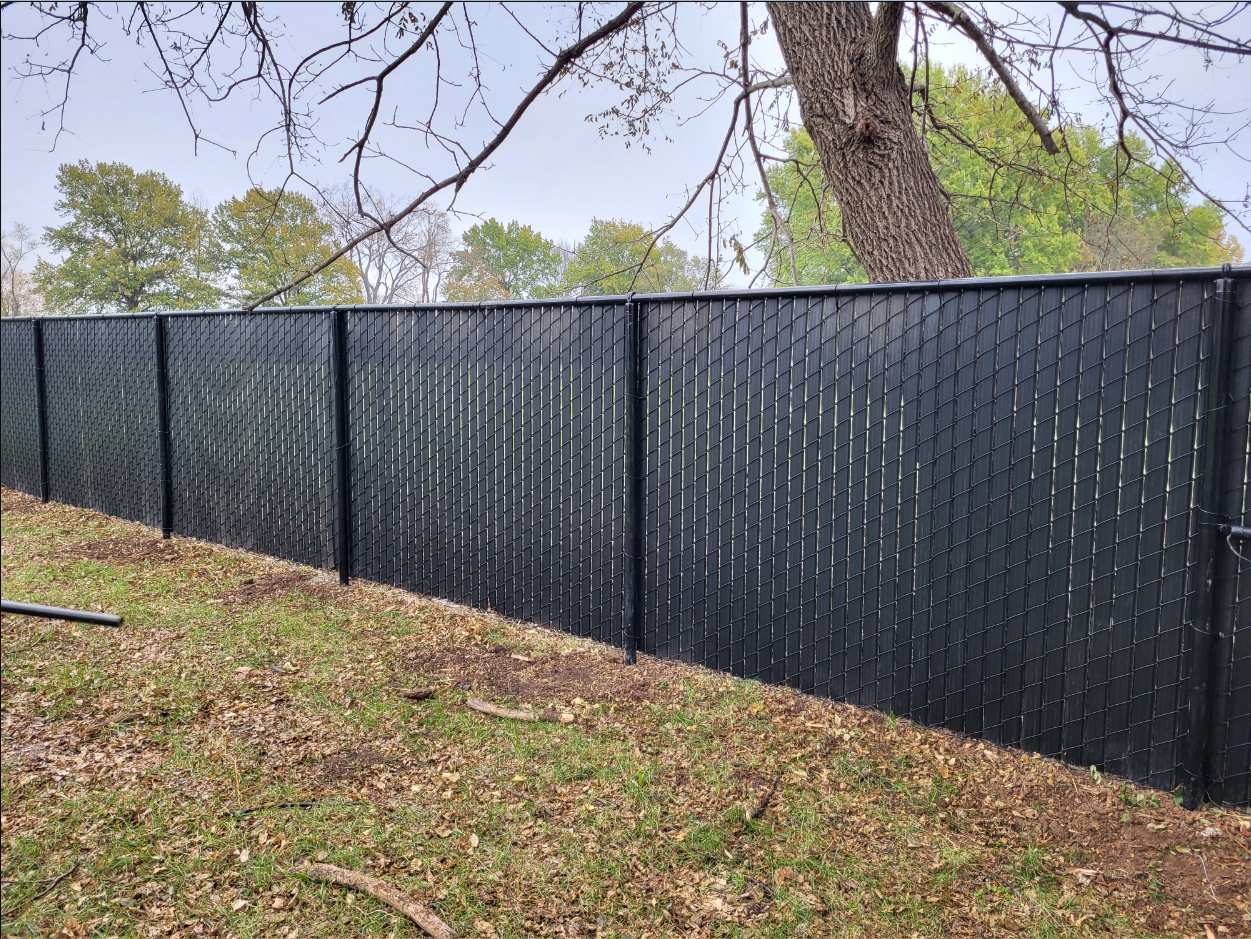
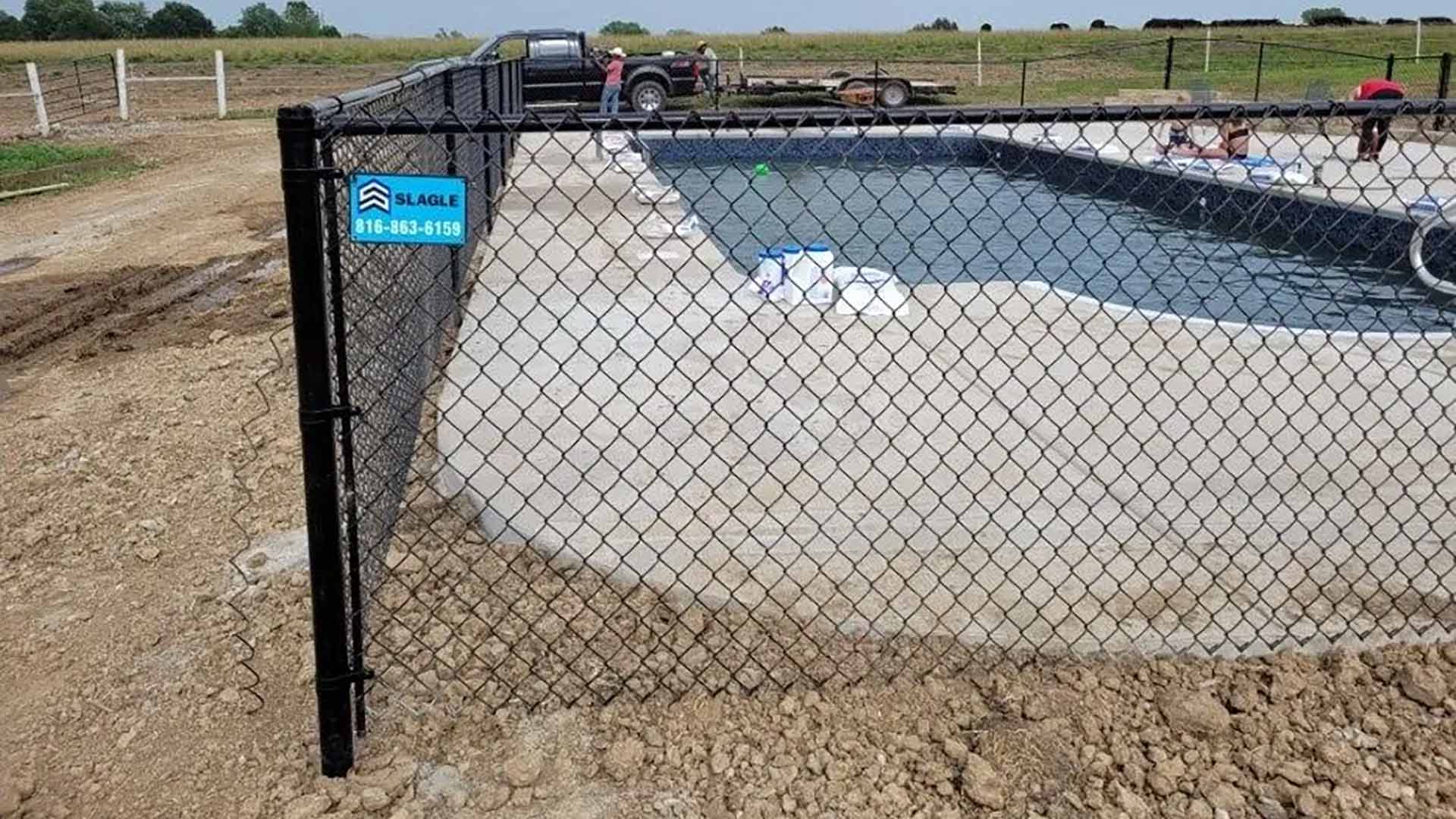
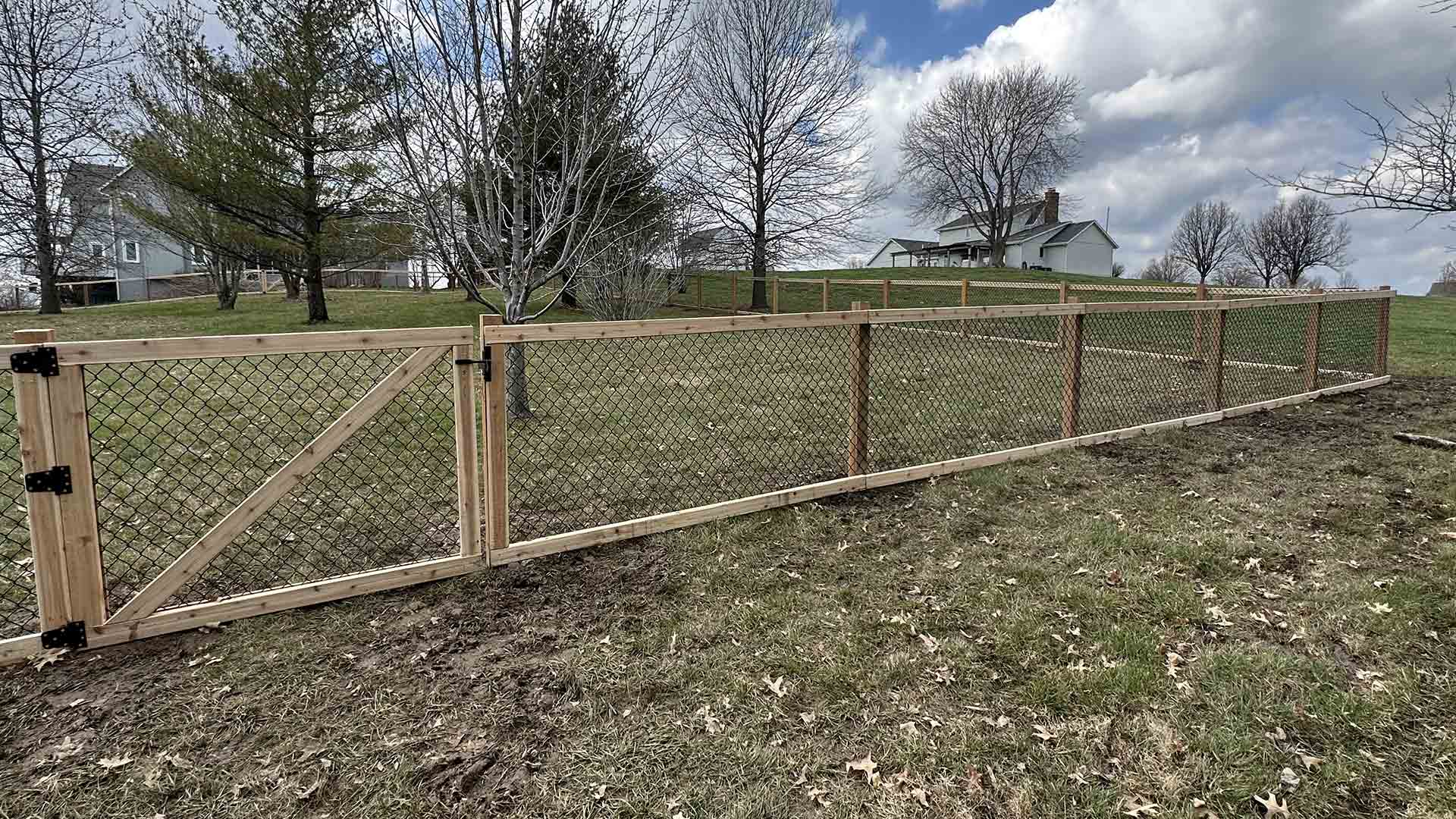
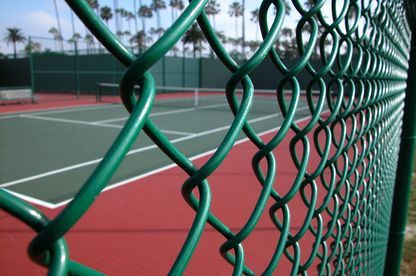
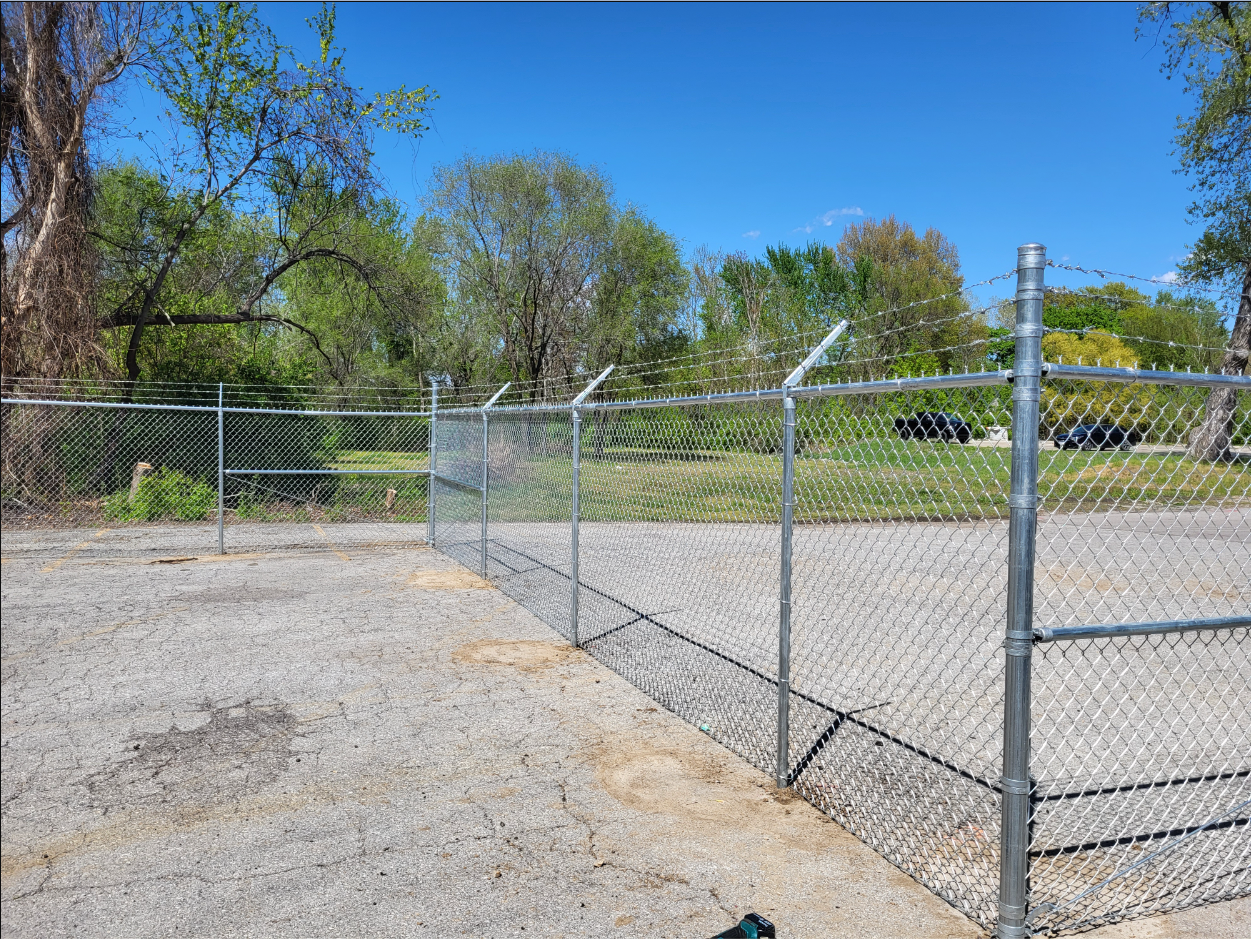
Chain link doesn’t get much love in design conversations, but it remains one of the most practical fencing choices for a meaningful slice of Lawrence properties, particularly larger lots, rental properties, and anyone whose main priority is containing pets or marking a boundary rather than creating full privacy.
For properties near Lawrence’s parks and trail systems, including areas adjacent to the Lawrence Levee Trail or larger lots on the city’s outer edges, chain link offers an affordable way to fence a large perimeter without the material cost of wood or vinyl scaling up dramatically with linear footage. It’s also fast to install, which keeps labor costs down, and it requires essentially no maintenance beyond occasional tension adjustments.
Where chain link falls short is privacy and aesthetics. If you’re trying to screen out a neighbor’s view, buffer noise, or create a more finished, intentional look for a front-facing yard, particularly in a more visually consistent neighborhood like Old West Lawrence, chain link usually isn’t the right call. It also tends to look less appropriate on smaller, tightly packed in-town lots where it can read as more utilitarian than the surrounding homes warrant.
Aluminum and Steel Ornamental Fencing: Open Visibility with Style
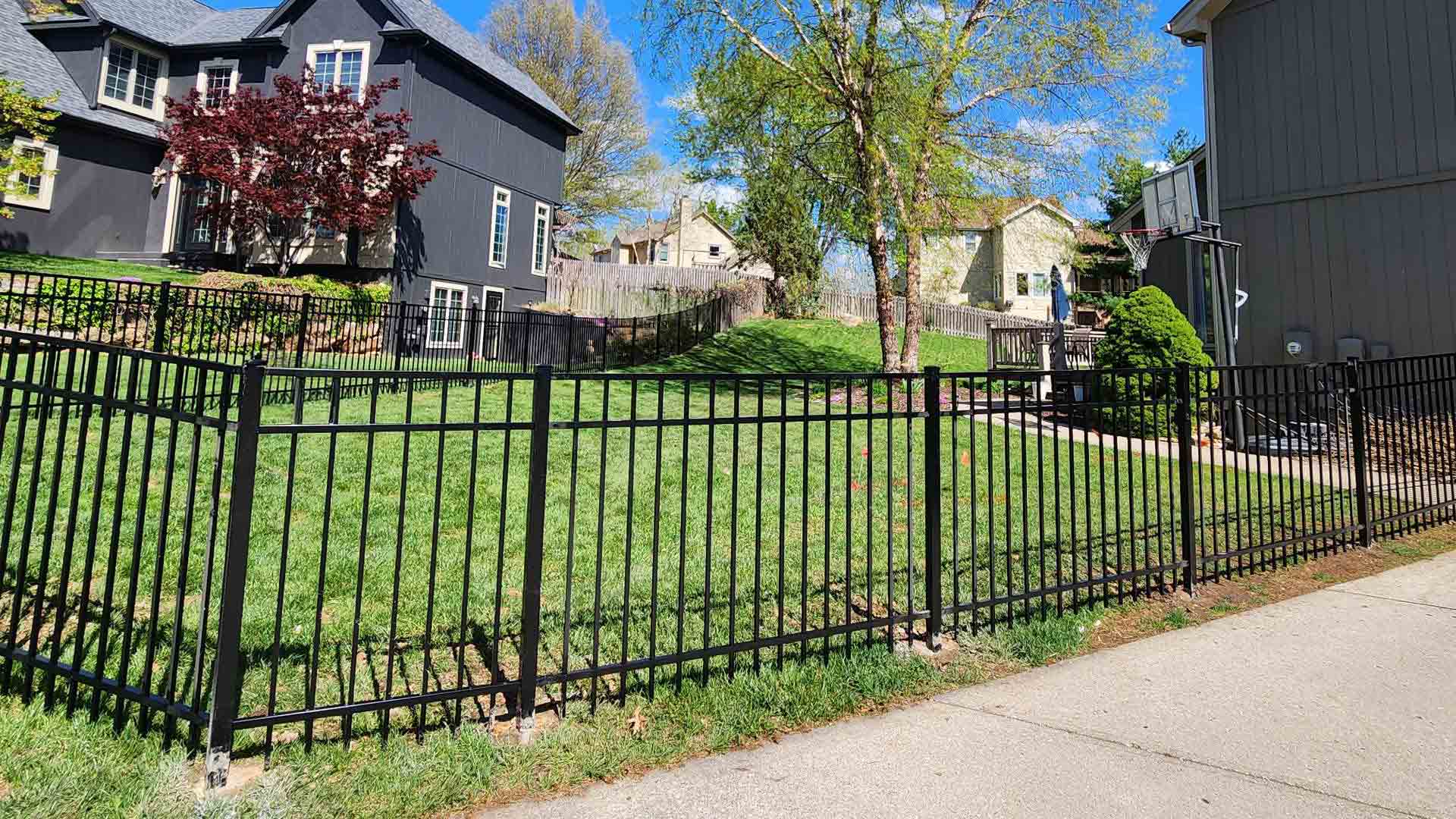
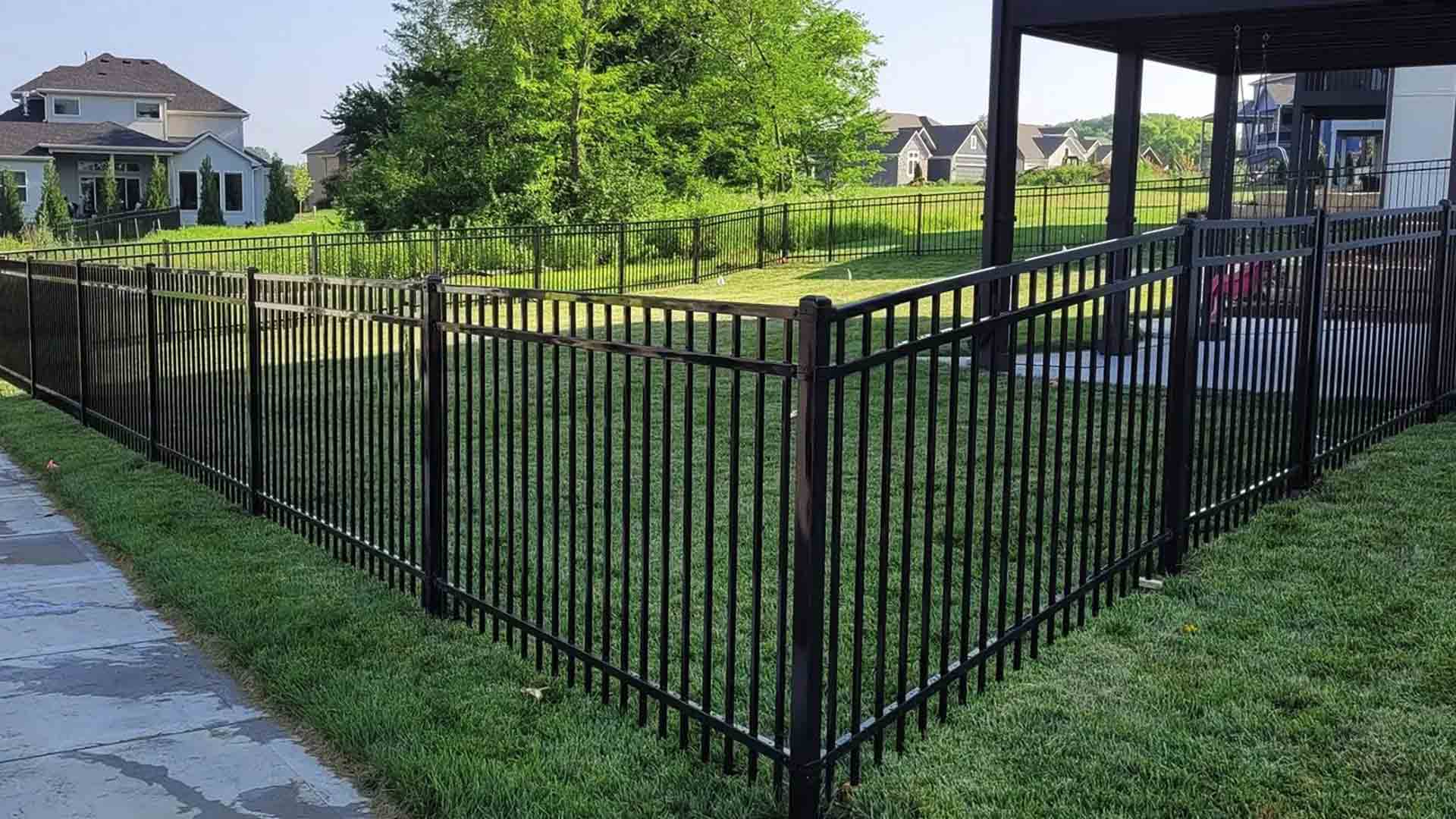
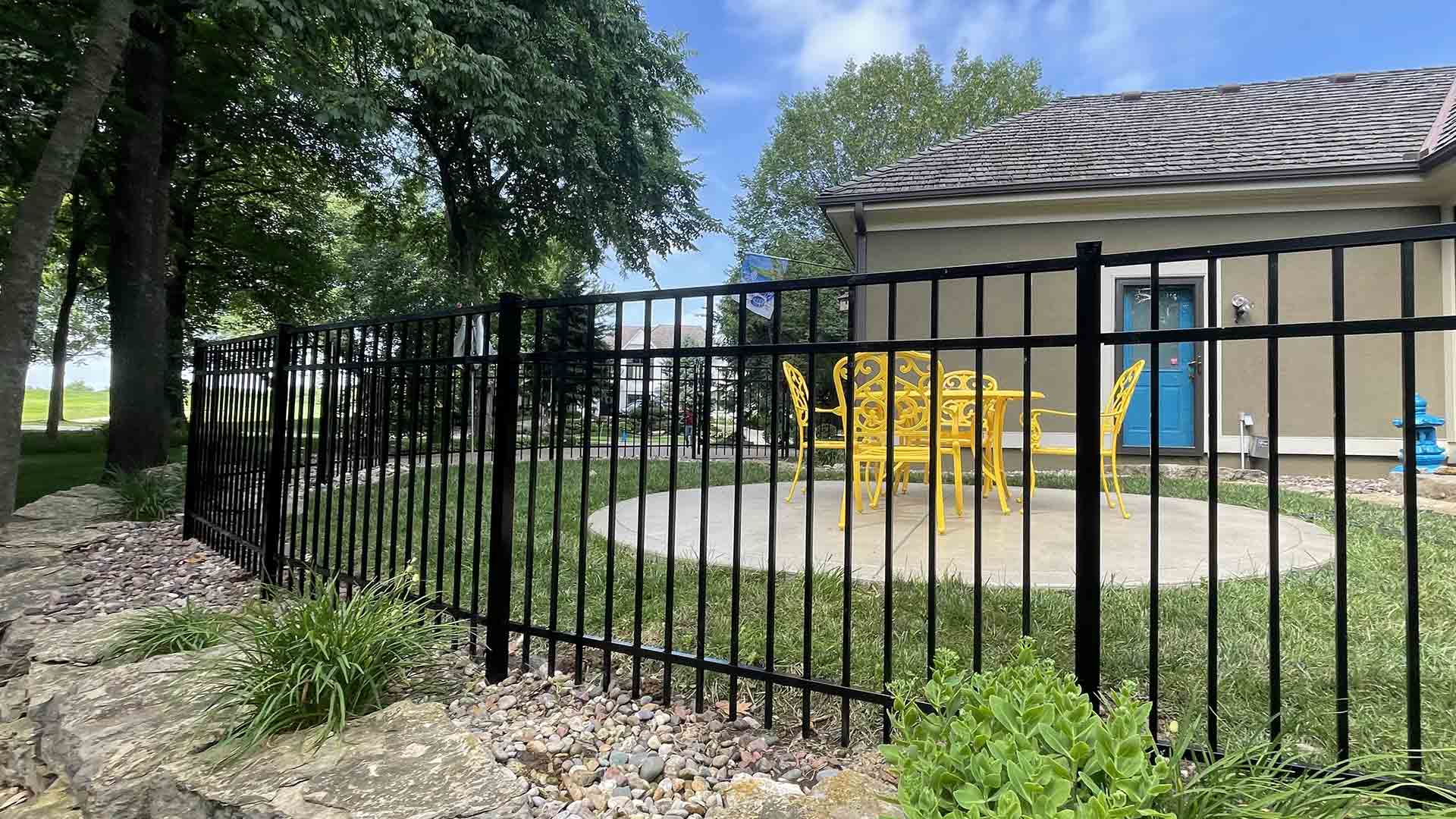
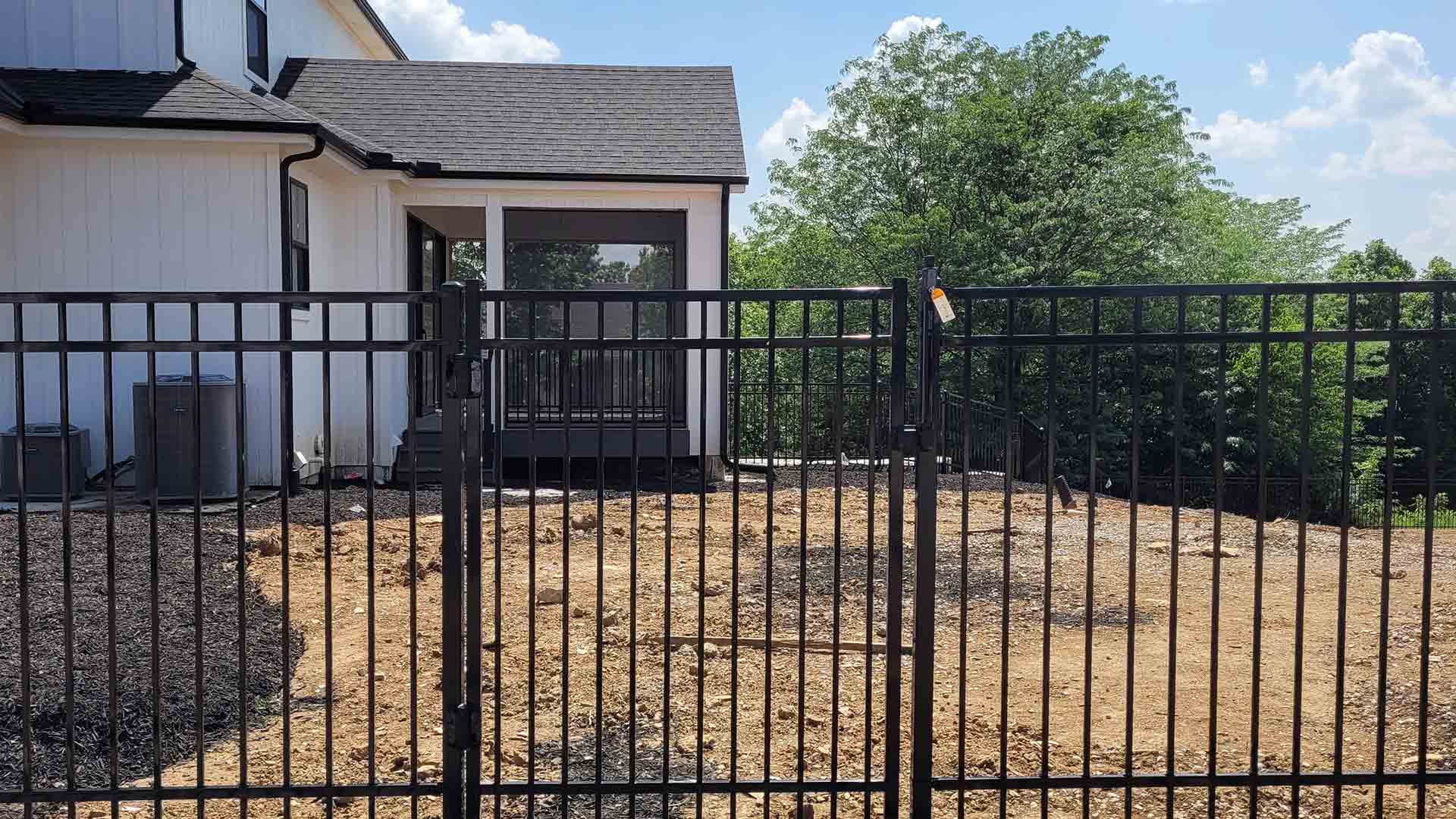
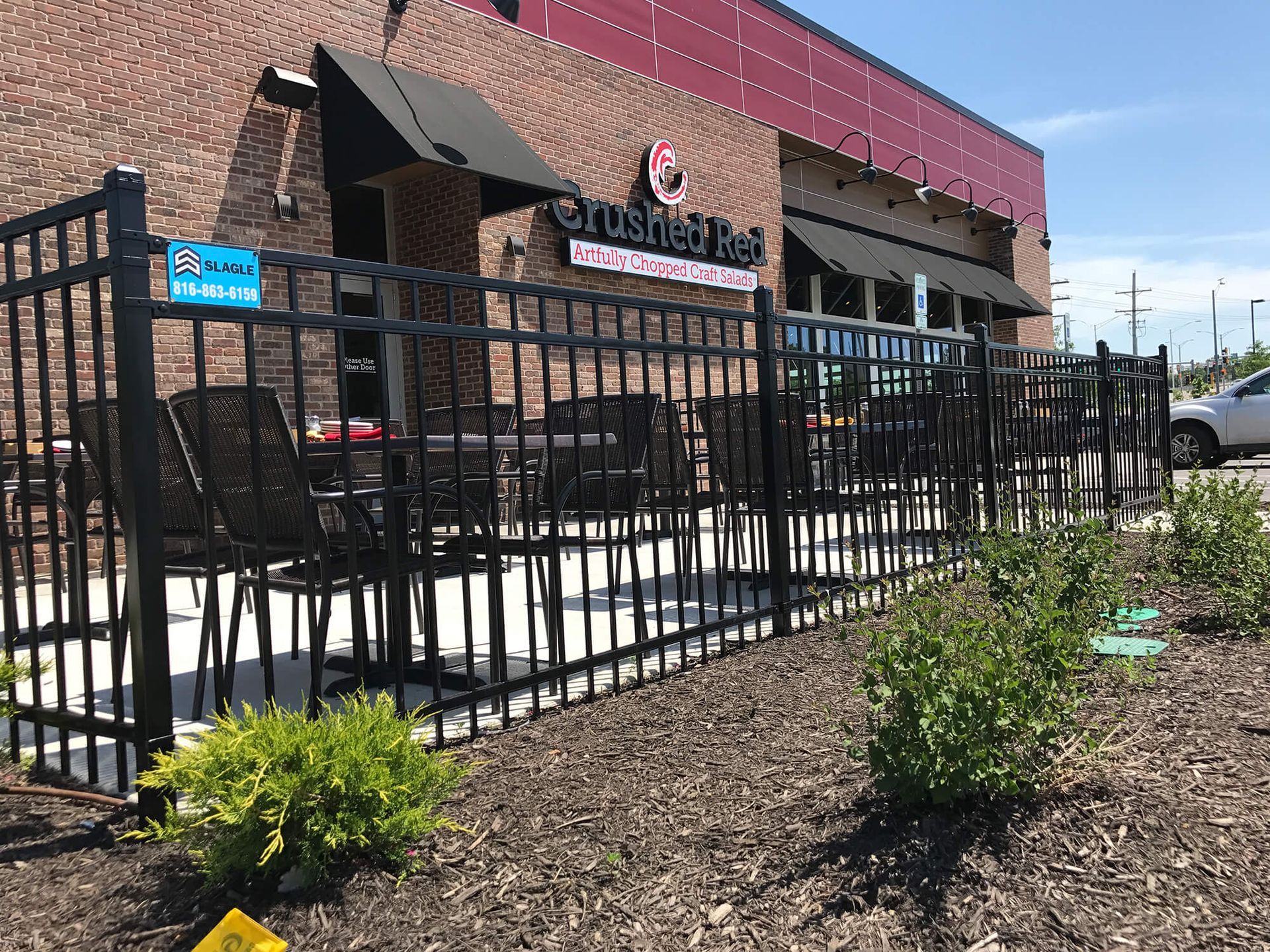
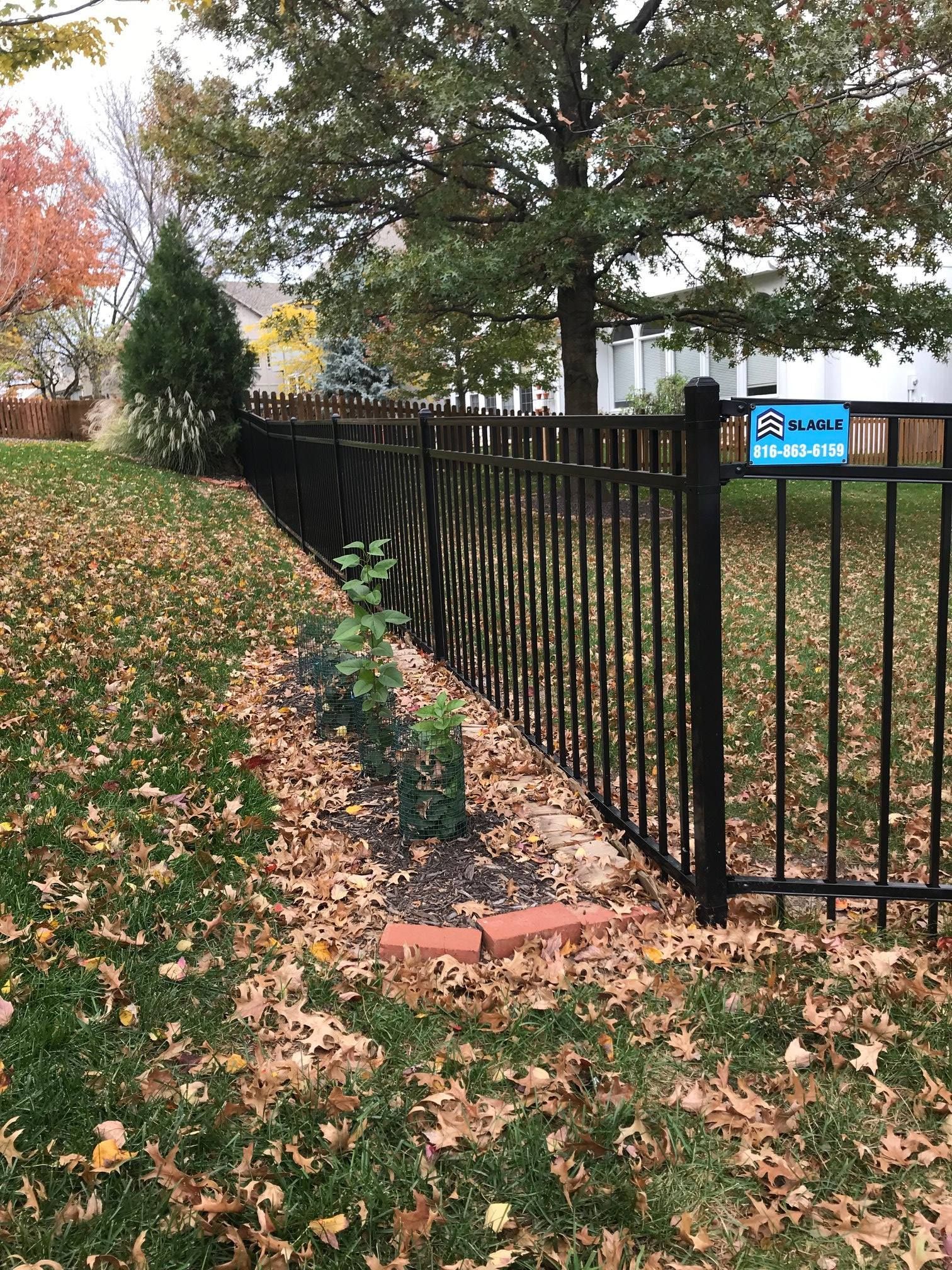
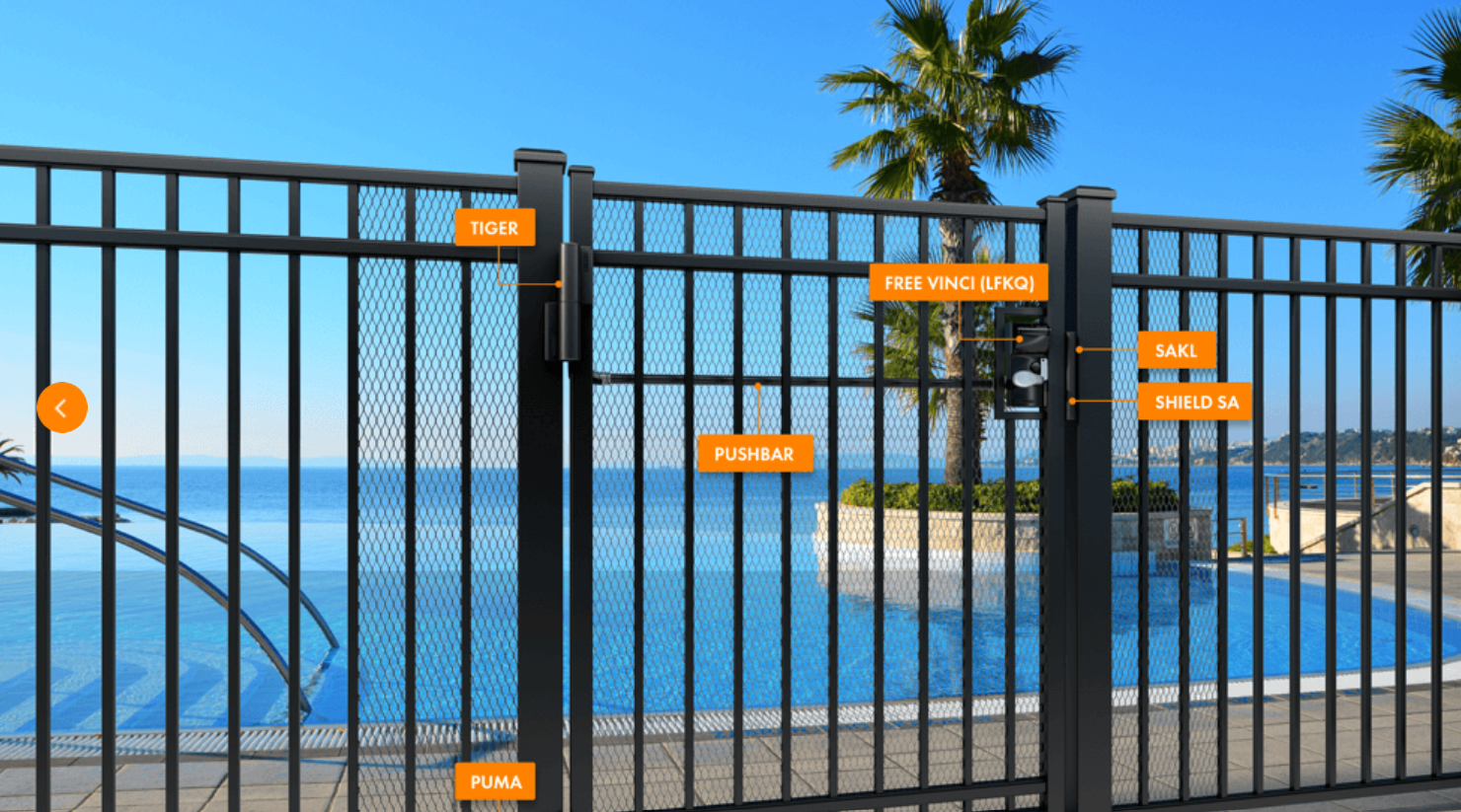
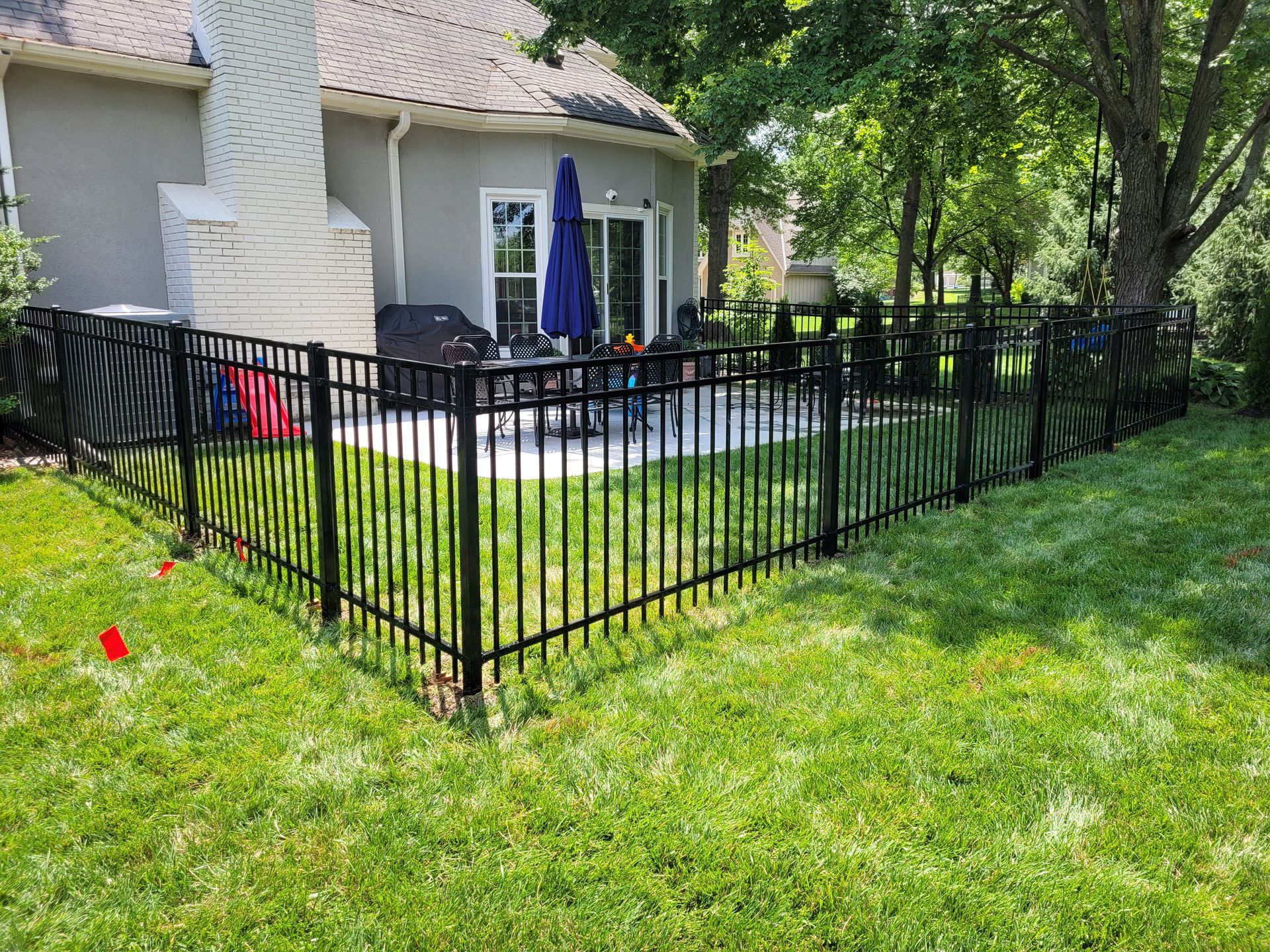
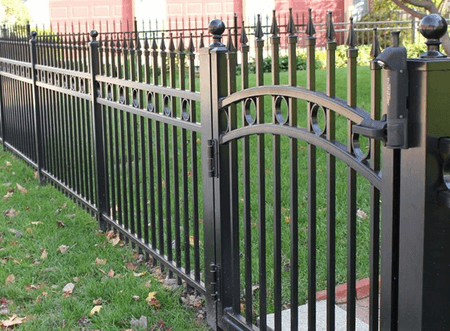
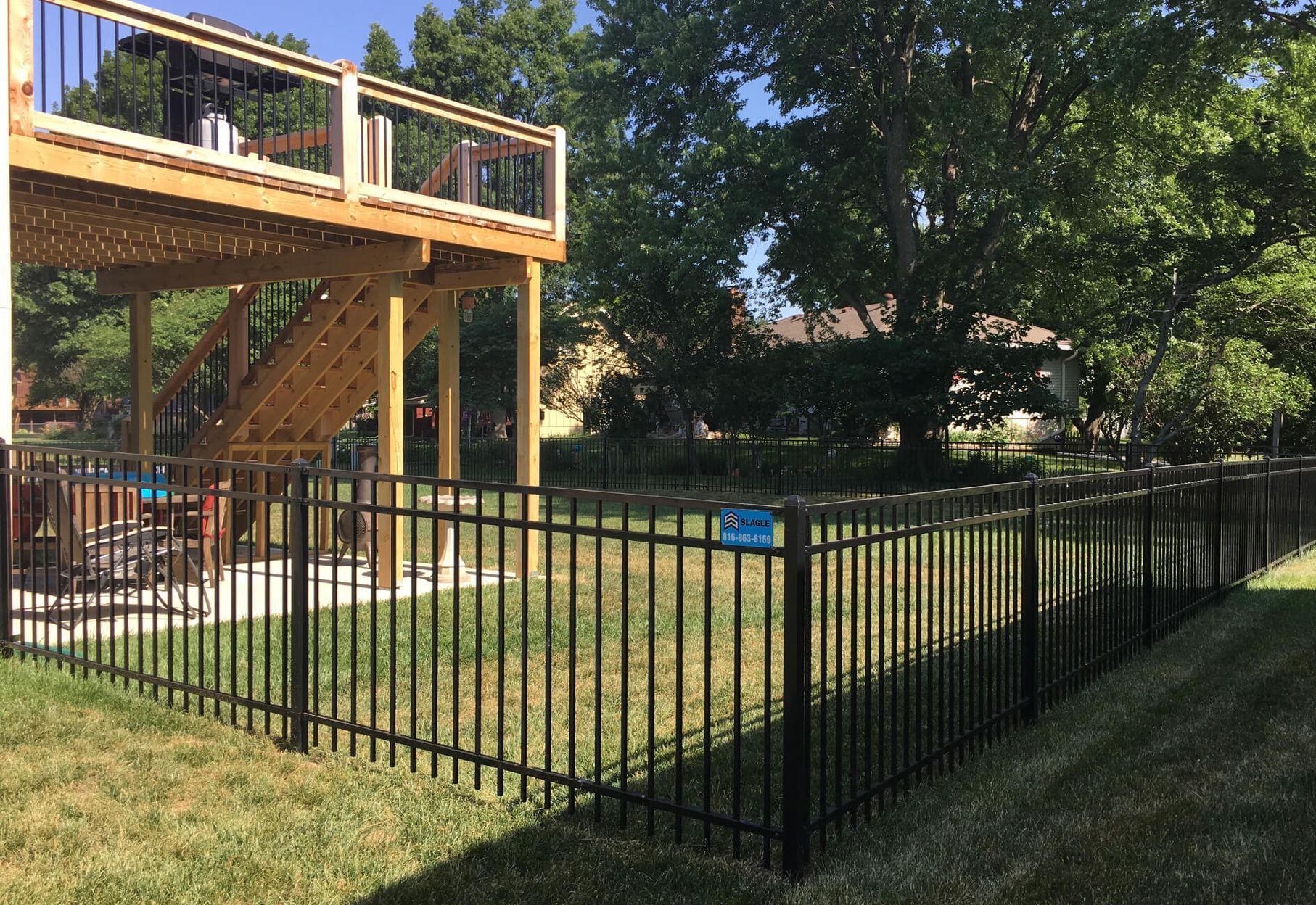
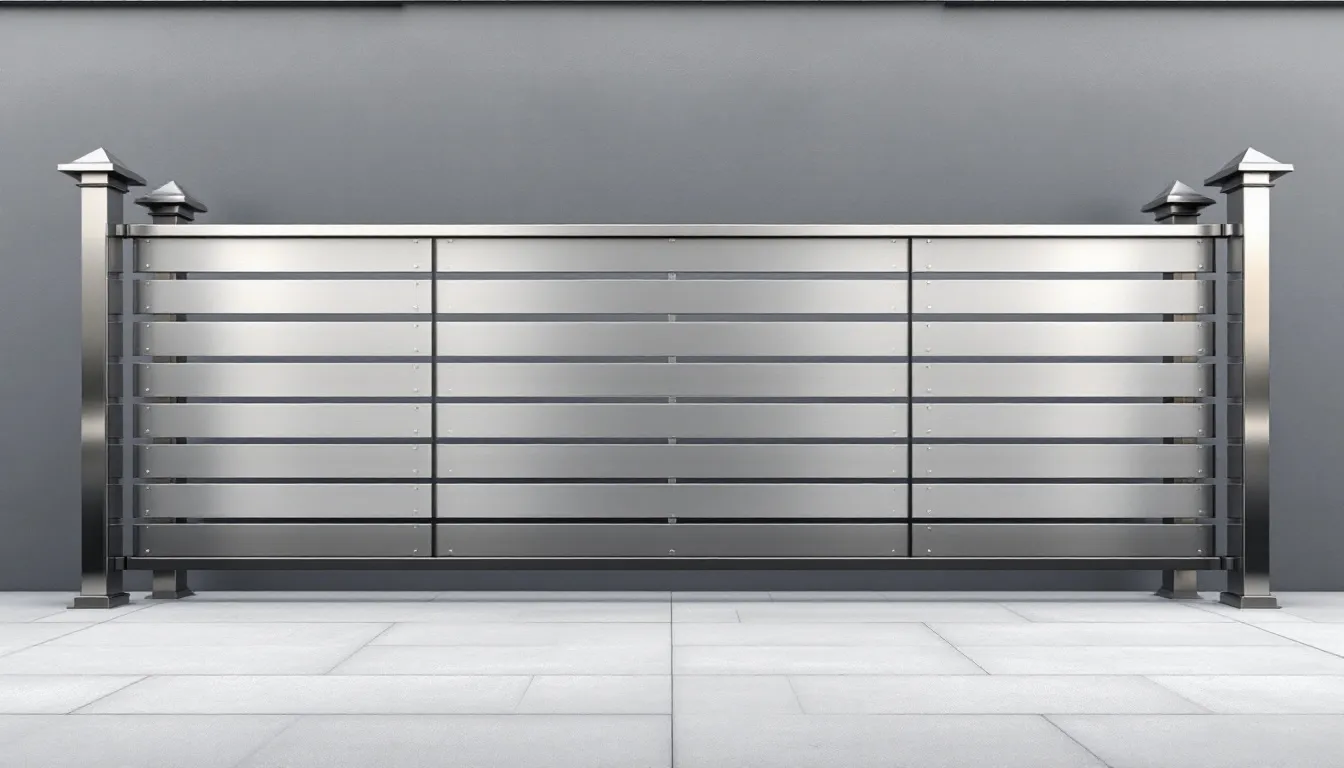
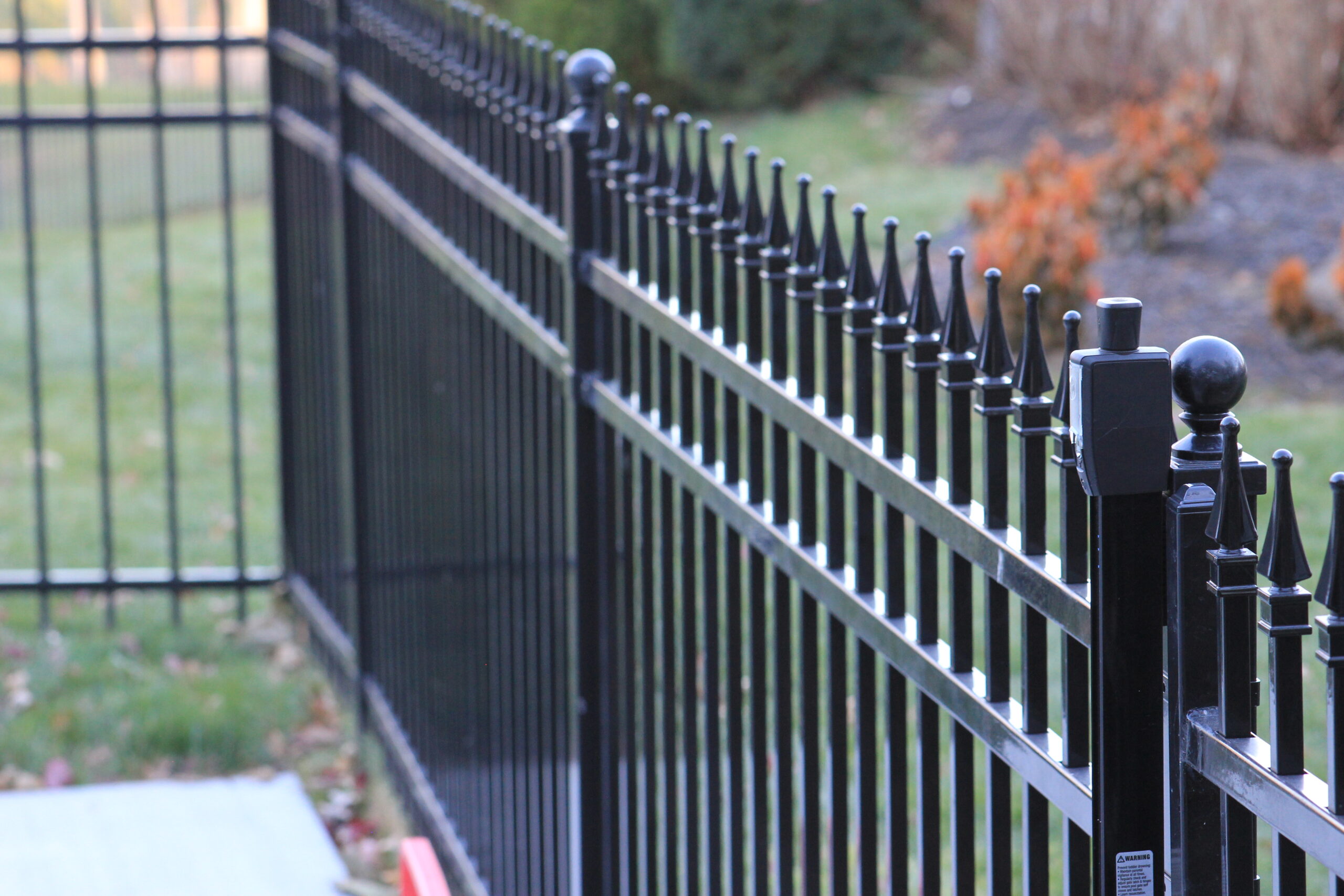
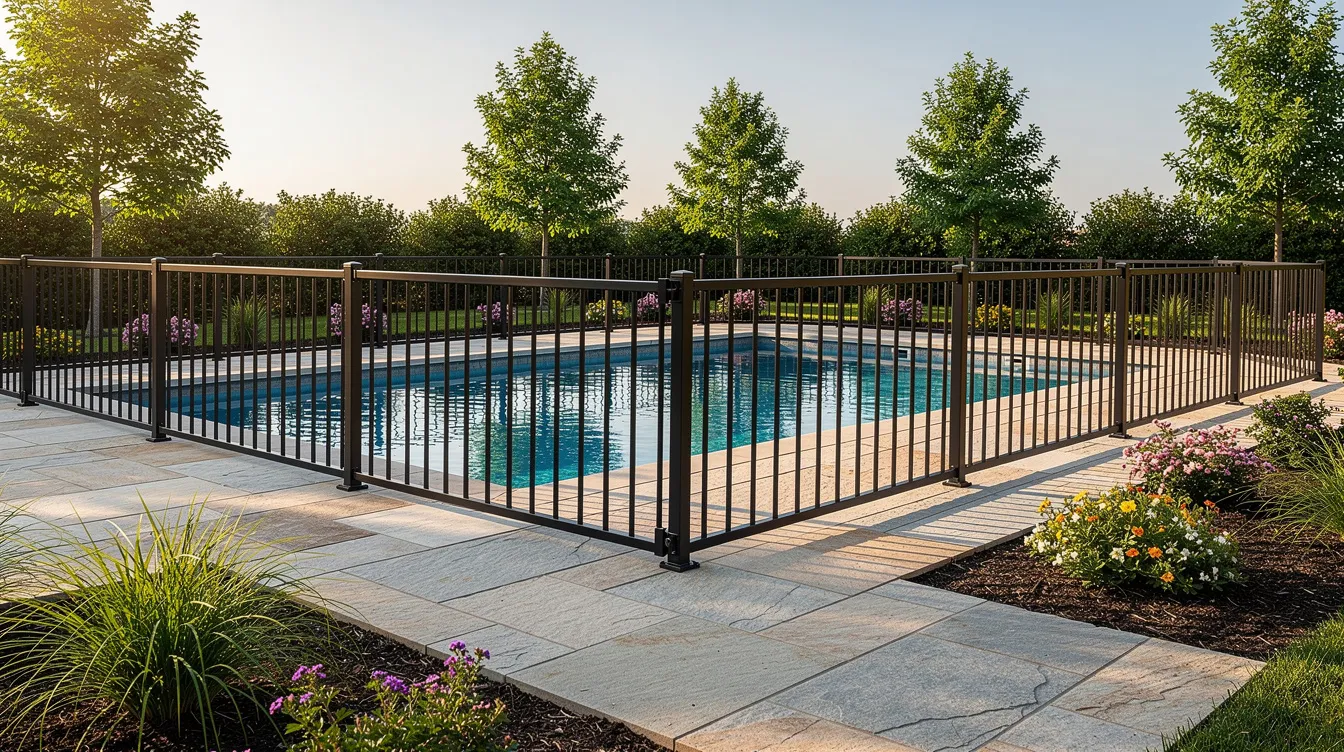
For homeowners who want a defined boundary without sacrificing visibility, particularly around pools, front yards, or properties near Lawrence’s golf course communities in the Alvamar area, aluminum or steel ornamental fencing offers a middle ground between chain link’s practicality and wood or vinyl’s full privacy.
This style works especially well for pool enclosures, where Lawrence and Douglas County code requires the pool area be enclosed by a privacy fence at least 4 feet tall. Ornamental aluminum meets that safety requirement while still allowing sightlines through the fence, which many homeowners prefer over a solid wood or vinyl barrier directly around a pool area where they want to keep an eye on the water from inside the house.
Aluminum is also a strong choice for properties in or near the Alvamar golf course community, where many homeowners specifically want to preserve views of the fairways rather than blocking them with a solid privacy fence. A lower aluminum or steel picket fence lets you mark your property line clearly while keeping the golf course or natural surroundings visible.
Wrought Iron: Best for Historic and Architecturally Significant Homes
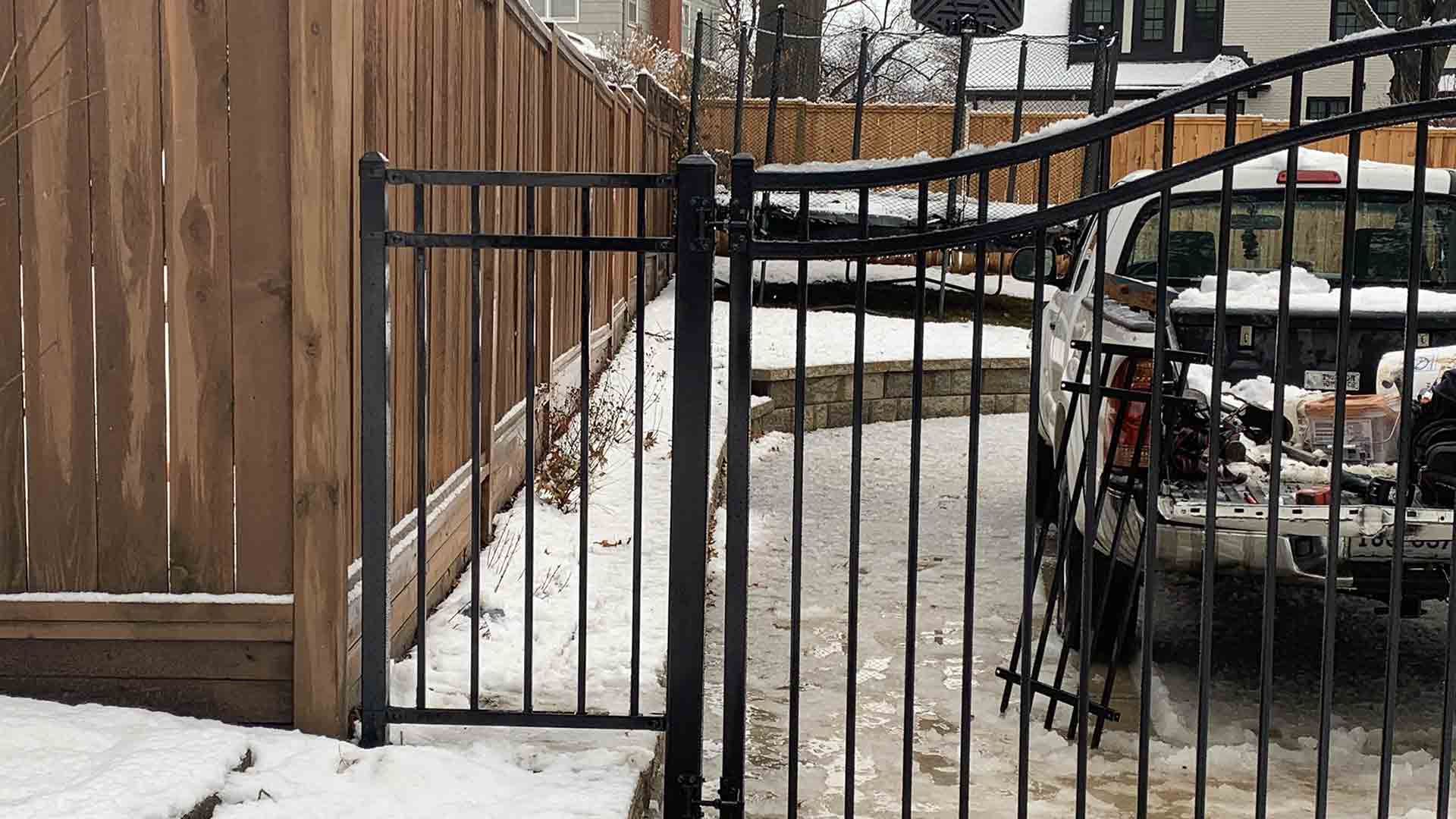
True ornamental wrought iron is less common throughout most of Lawrence simply because of cost, but it’s worth considering for homes in the city’s most architecturally significant areas, particularly properties in or near Old West Lawrence and Oread, both listed on the National Register of Historic Places. A wrought iron fence, especially around a front yard or entry feature, can complement a century-old home in a way that a modern vinyl or chain link fence simply cannot.
If you own a property in one of these historic districts, it’s also worth checking whether any local historic preservation guidelines apply to exterior changes before finalizing a fence design, since some districts have specific expectations around materials and styles that fit the period of the surrounding homes.
Matching Fence Type to Lawrence Neighborhoods
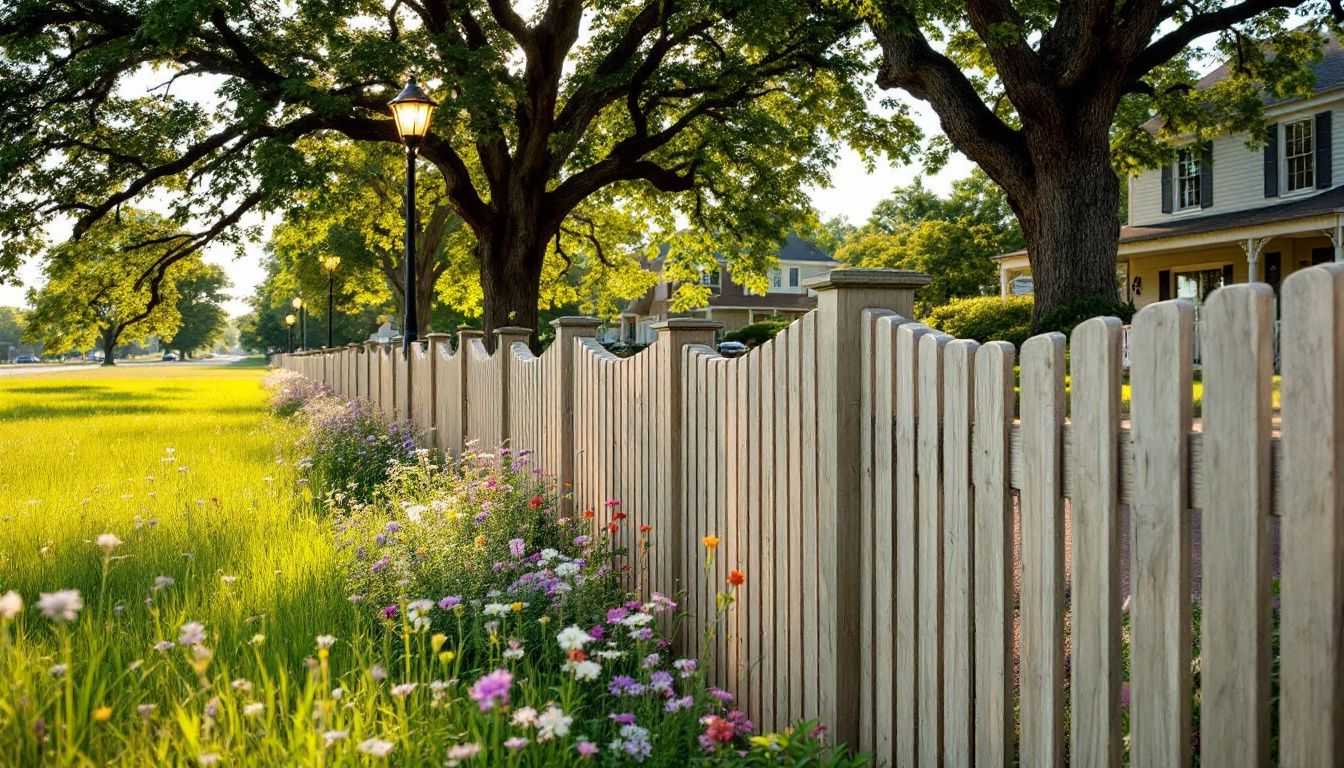
Old West Lawrence and Oread (historic core): Wood picket or wrought iron tends to fit best, respecting the architectural character of homes that often predate 1950.
Alvamar and the broader West Lawrence golf-adjacent area: Aluminum or steel ornamental fencing preserves views of the golf course and natural terrain while still defining a private yard space; wood privacy fencing remains popular for backyards that don’t face the course directly.
Sunset Hills, Prairie Meadows, and Deerfield: Wood privacy fencing is the established norm and tends to be the safest aesthetic choice; vinyl is an increasingly common upgrade for homeowners replacing aging wood.
Newer West Lawrence subdivisions: Vinyl privacy fencing fits the more contemporary architecture and appeals to buyers prioritizing low maintenance.
Properties near KU and student rental zones: Chain link or vinyl tend to be the most practical choices, balancing affordability or durability against inconsistent tenant upkeep.
Larger acreage or rural-adjacent properties on Lawrence’s outer edges: Chain link or simple wood rail fencing offers the most cost-effective way to fence a large perimeter.
A Few Practical Considerations That Apply Citywide
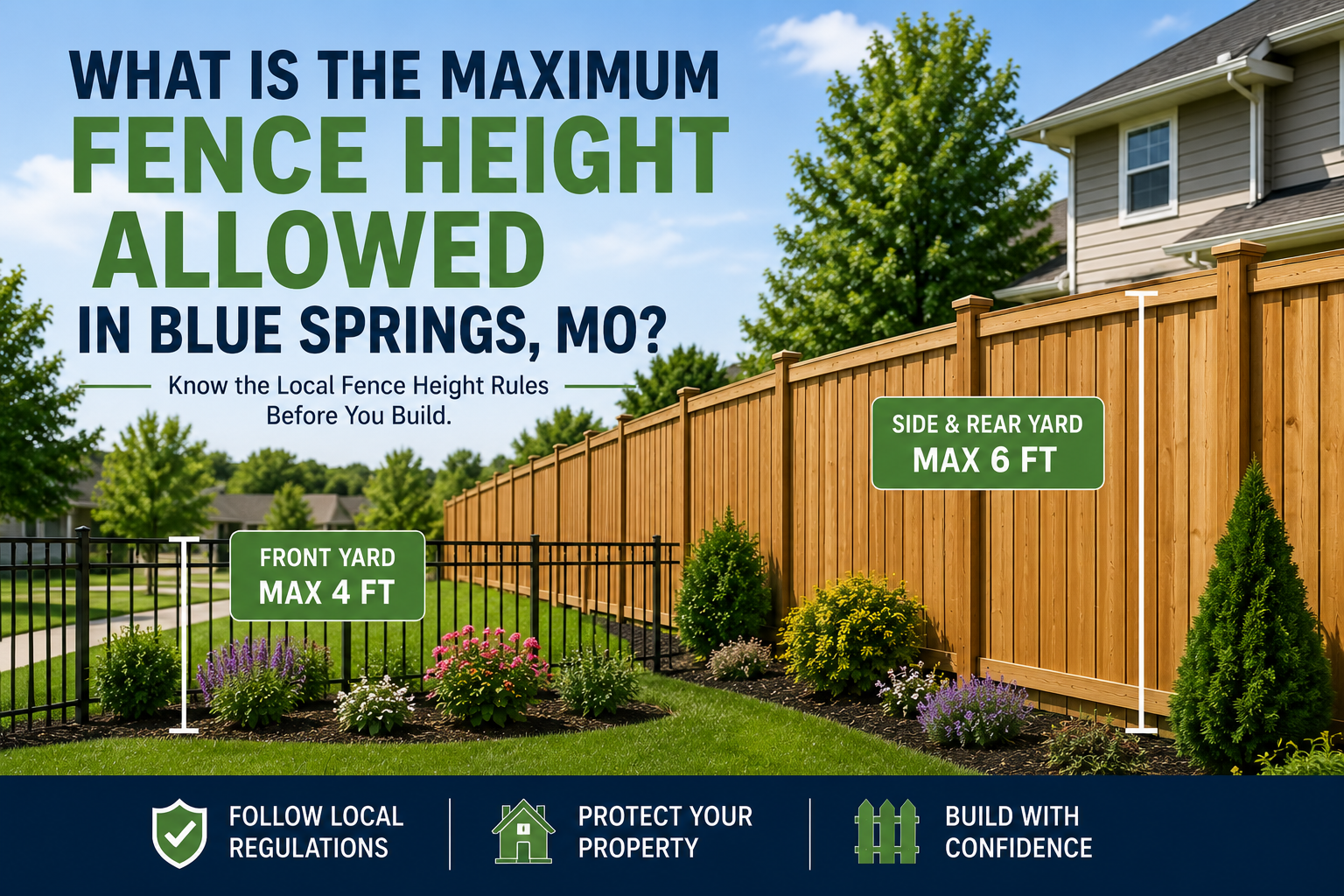
Whatever material you land on, a few practical factors apply no matter where in Lawrence you live. The city’s fence height rules vary depending on whether you’re fencing a front yard, side yard, or rear yard, so confirm your planned height and placement comply before finalizing a design, particularly for taller privacy fences along a rear property line. If you’re installing a fence around a pool, remember the 4-foot minimum height requirement applies regardless of material. And if your property sits on sloped terrain, which is common throughout much of West Lawrence and the Alvamar area, ask your contractor how they plan to handle the grade, since a poorly fitted fence on a slope tends to look unfinished and can leave unwanted gaps along the bottom.
Frequently Asked Questions
What’s the most popular fence type in Lawrence?
Wood privacy fencing remains the most common choice across most Lawrence neighborhoods, offering a balance of affordability, privacy, and architectural flexibility.
Is vinyl a good fit for older Lawrence homes?
It can be, but it tends to look more at home with contemporary architecture. For historic properties in areas like Old West Lawrence, wood or wrought iron typically fits the home’s character better.
What fence works best around a pool in Lawrence?
Aluminum or steel ornamental fencing is a popular choice because it meets the required 4-foot minimum height for pool enclosures while preserving visibility, though any fence material that meets the height requirement is technically compliant.
Does Lawrence have specific rules for fences near the Alvamar golf course?
There’s no separate city ordinance specific to golf course-adjacent properties, but many Alvamar homeowners choose lower, more open fencing styles specifically to preserve course views, which is a personal design choice rather than a regulatory requirement.
Is chain link a bad choice for a Lawrence backyard?
Not necessarily; it depends on your priorities. If privacy and aesthetics matter most, chain link usually isn’t the best fit. If affordability and pet containment are the priority, it remains a perfectly practical option.
Should I choose a different fence type for a rental property near KU?
Many landlords prefer vinyl or chain link for rental properties specifically because they hold up better under inconsistent tenant maintenance compared to a wood fence that requires periodic staining.
Can I mix fence materials on one property?
Yes, and it’s actually common. Many Lawrence homeowners use a more decorative material like wood picket or ornamental metal for the front yard and a taller, more private wood or vinyl fence for the backyard.
Not sure which option fits your specific property? A quick conversation about your neighborhood, your goals for privacy versus visibility, and your long-term maintenance preferences usually makes the right choice obvious fairly quickly.