If you’ve started pricing out a new fence for your Lawrence home, you’ve probably already noticed the problem: every website gives you a different number. One quote calculator says $1,800. Another says $12,000. A national guide tells you to expect $23 a linear foot, while a local contractor quotes you $40. None of these numbers are wrong, exactly — they’re just answering different questions, for different yards, in different parts of the country.
This guide is meant to cut through that noise and give Lawrence homeowners a realistic, locally grounded answer: what fencing actually costs here, why the price swings as much as it does, and what you can do to land on the right end of that range for your specific property.
The Short Answer
For a typical Lawrence residential property, you’re looking at somewhere between $13 and $46 per linear foot installed, depending almost entirely on the material you choose. Kansas as a whole tends to run about 16% below the national average for construction costs, including fencing, which is good news if you’re budgeting in a state where labor and material costs simply don’t carry the same premium as they do on the coasts. Skilled fencing labor in Kansas averages around $38 an hour, which is a meaningful chunk of any installed price, since labor typically makes up 40 to 60 percent of a finished fence project.
For a standard suburban backyard, somewhere in the neighborhood of 150 to 200 linear feet, that translates to a total project cost typically falling between $2,000 and $9,200, with most Lawrence homeowners landing closer to the middle of that range for a mid-grade wood or chain link fence.
But “it depends on the material” is true and also not very satisfying, so let’s actually break it down.
Cost by Material: What You’re Really Paying For
Chain Link: The Budget Anchor
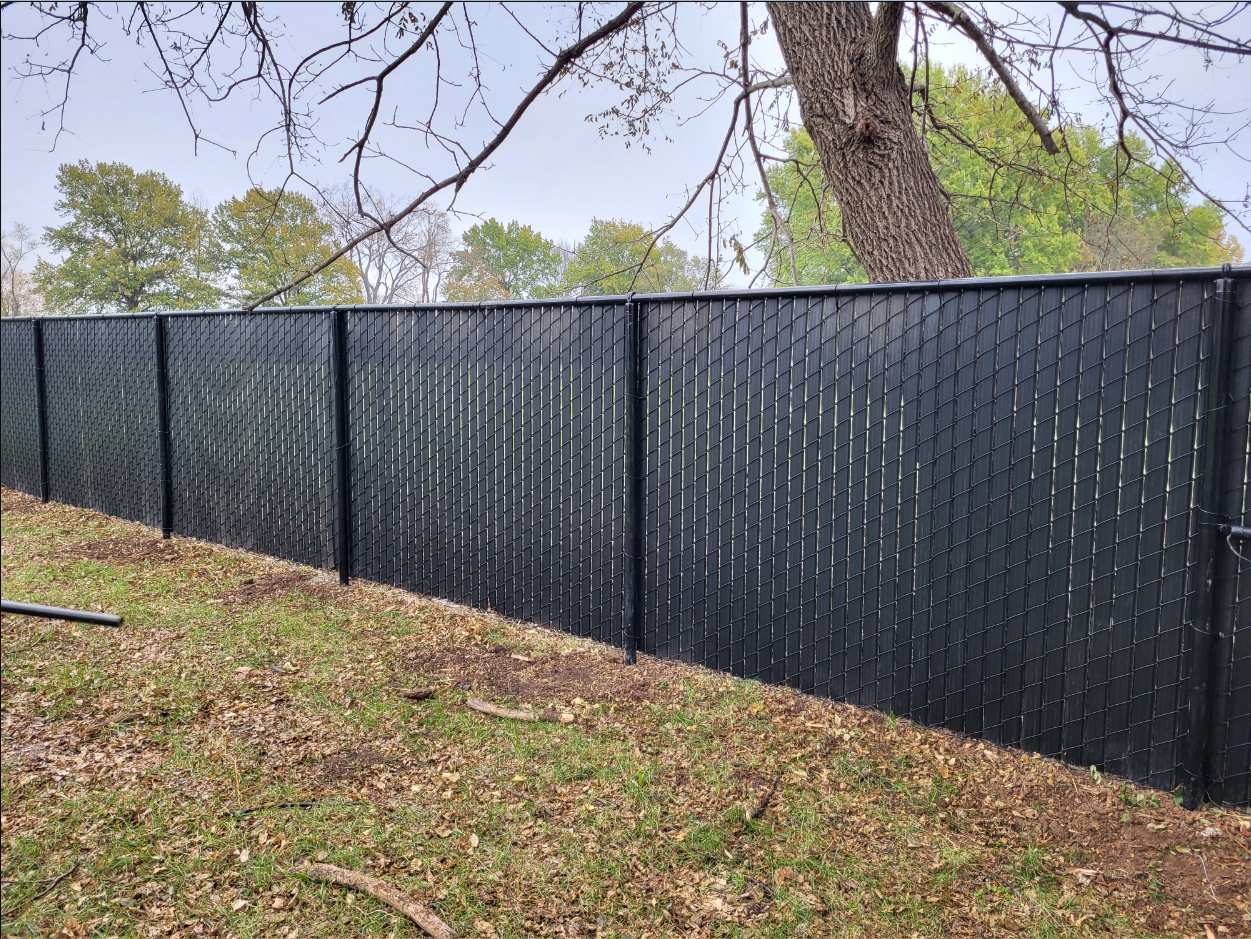
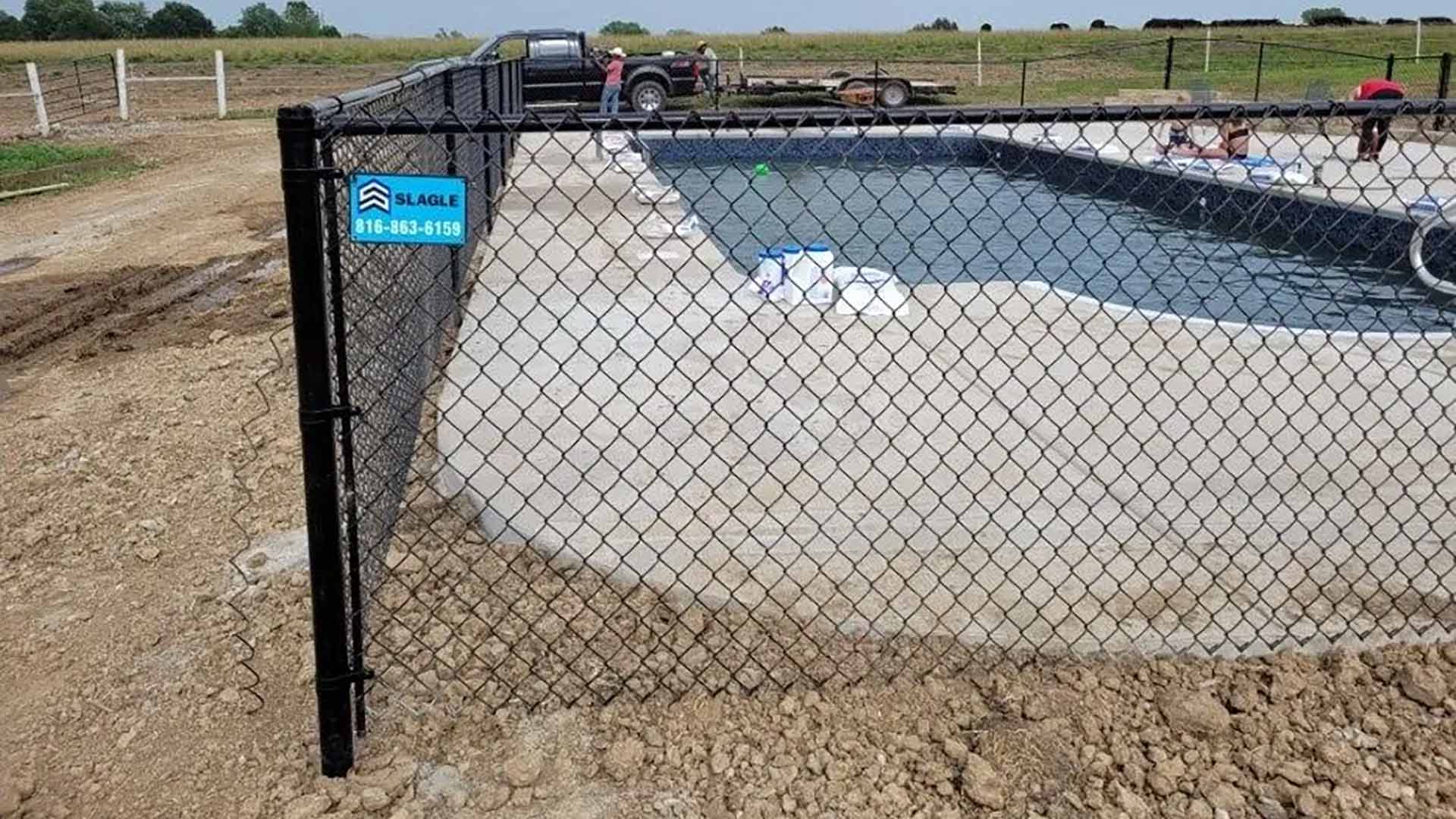
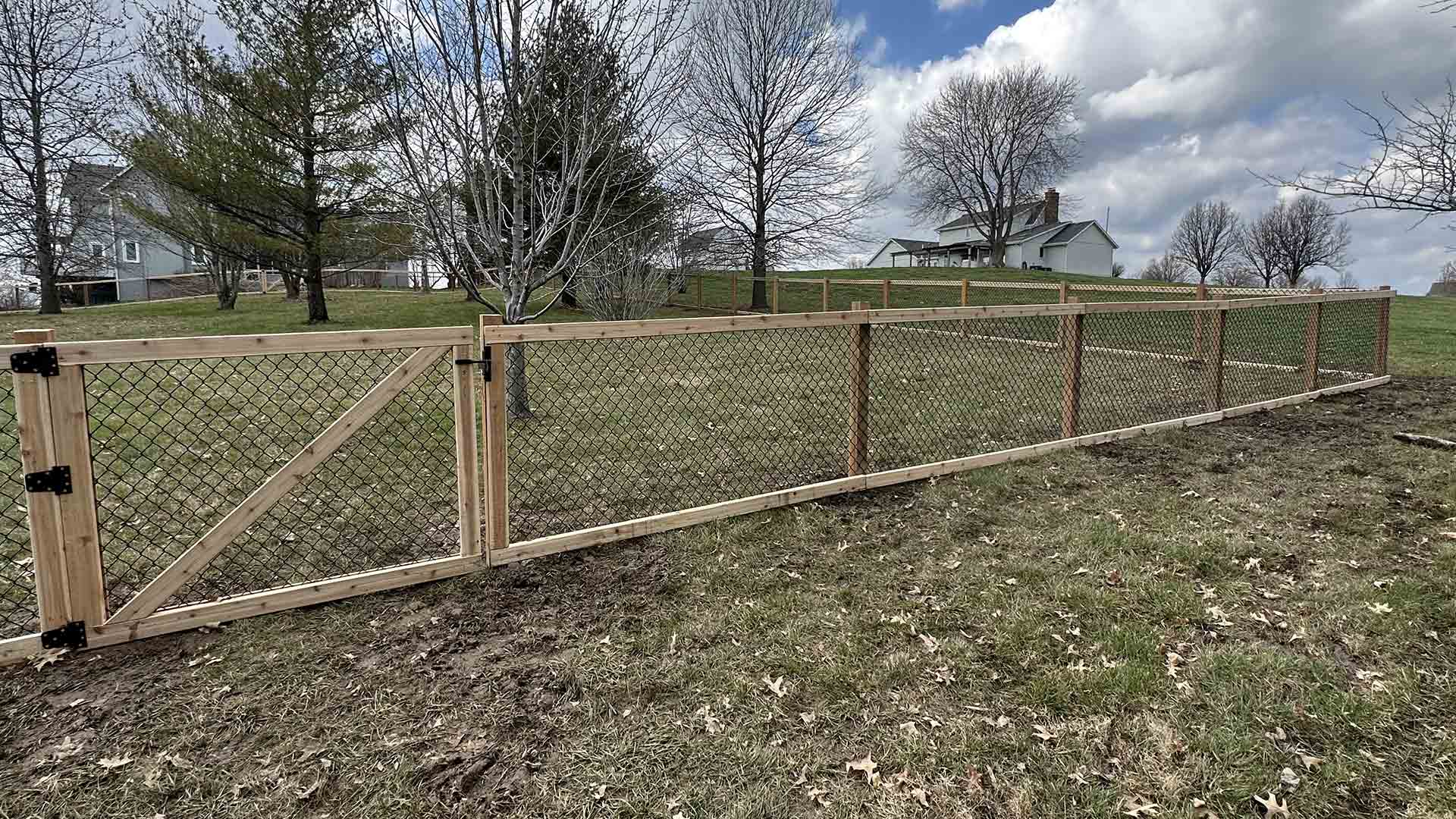
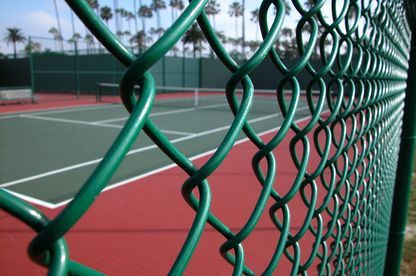
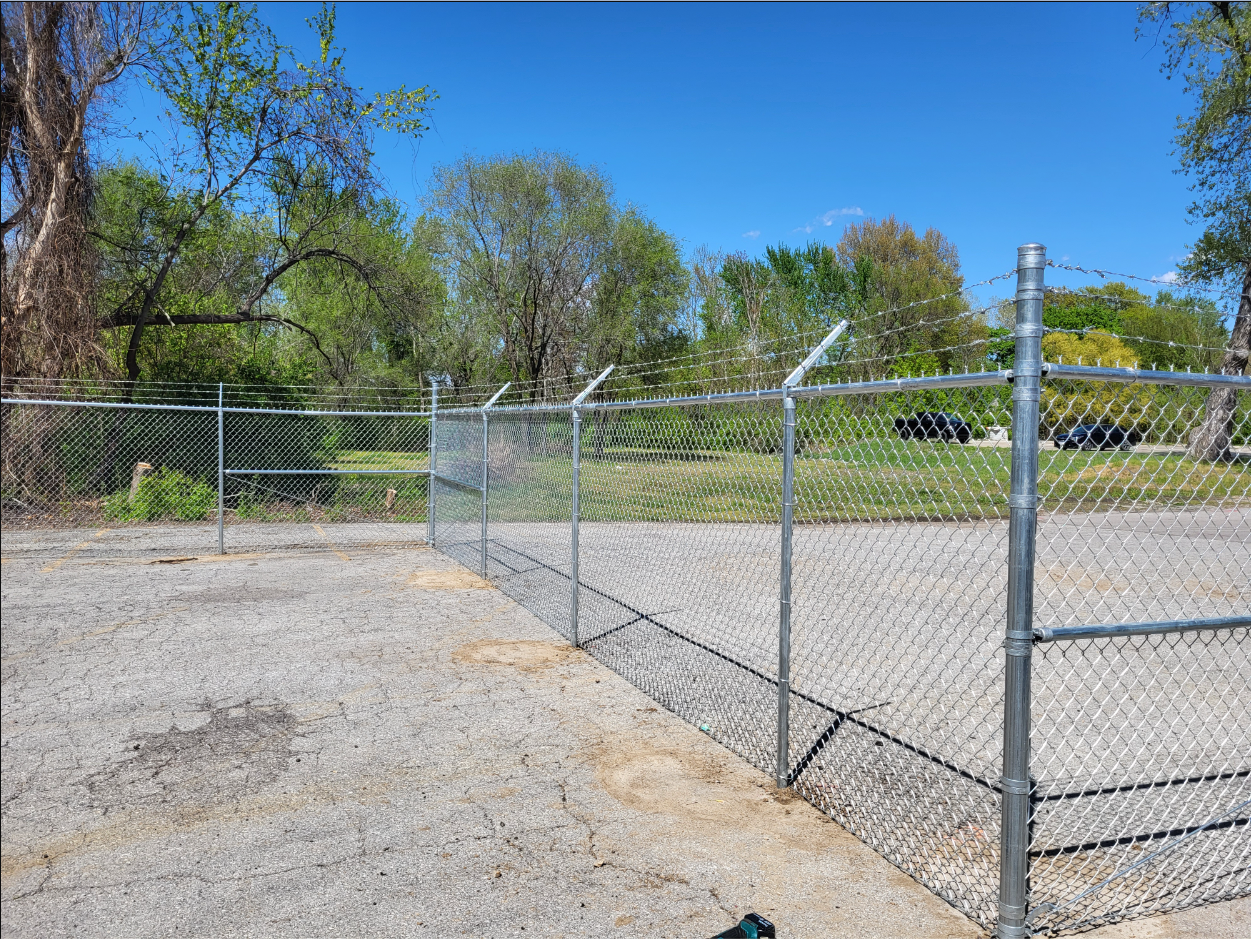
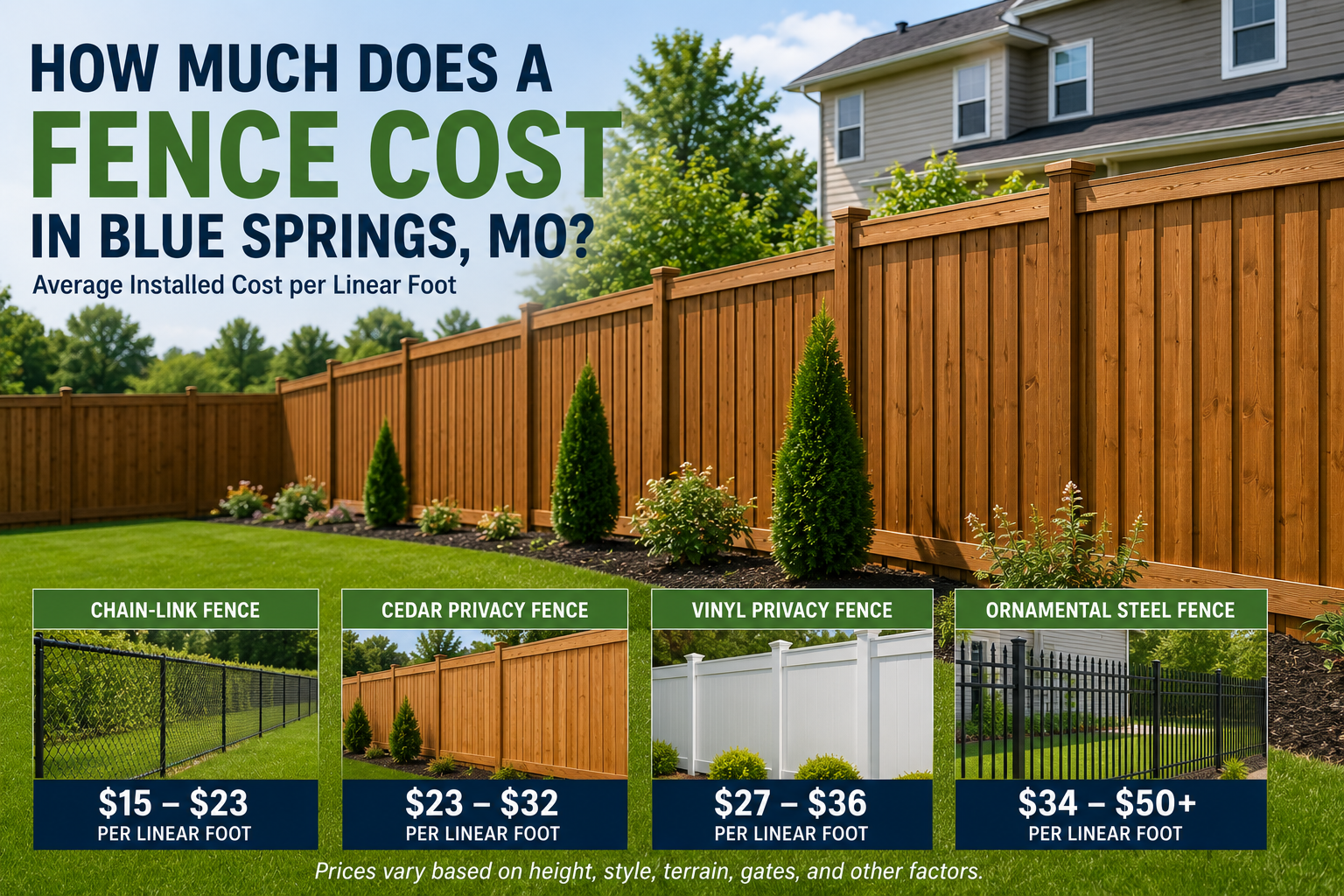
Chain link remains the least expensive fencing option almost everywhere, and Lawrence is no exception. You’re typically looking at $5 to $15 per linear foot installed, including the galvanized steel mesh, posts, and basic gate hardware. For a property where the priority is keeping a dog in the yard or marking a boundary rather than creating privacy or making a design statement, chain link is hard to beat on pure value. It’s also one of the fastest materials to install, which keeps labor costs down relative to more involved fence types.
The tradeoff, obviously, is aesthetics and privacy. Chain link doesn’t block sightlines, which is exactly why it’s a poor fit for anyone trying to screen out a neighbor’s view or create a private outdoor living space. It also doesn’t hold up well as a long-term design feature in some of Lawrence’s more architecturally distinct neighborhoods, like Old West Lawrence or the historic blocks near downtown, where it can look out of place next to a century-old home.
Wood: The Middle Ground Lawrence Homeowners Choose Most
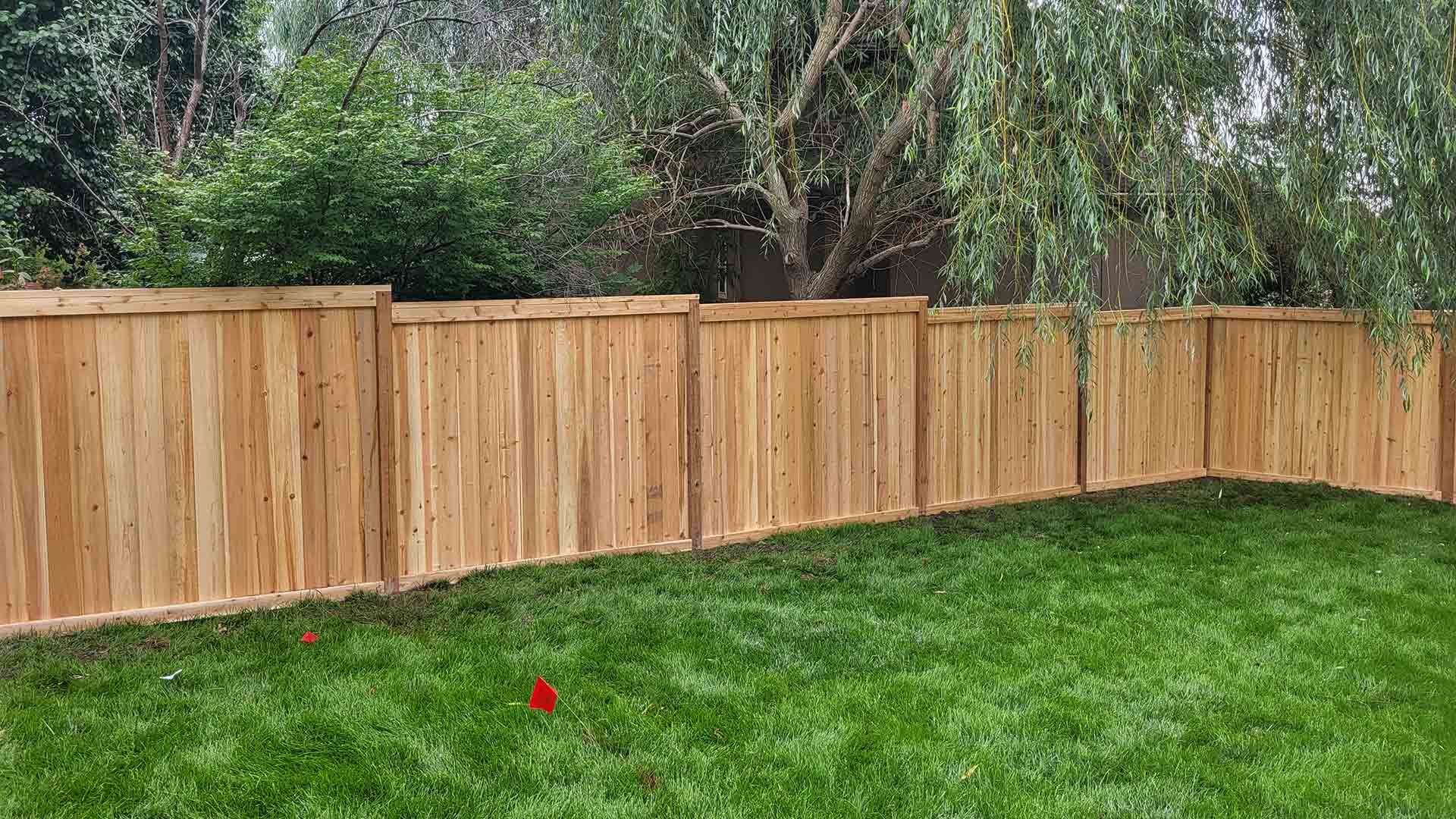
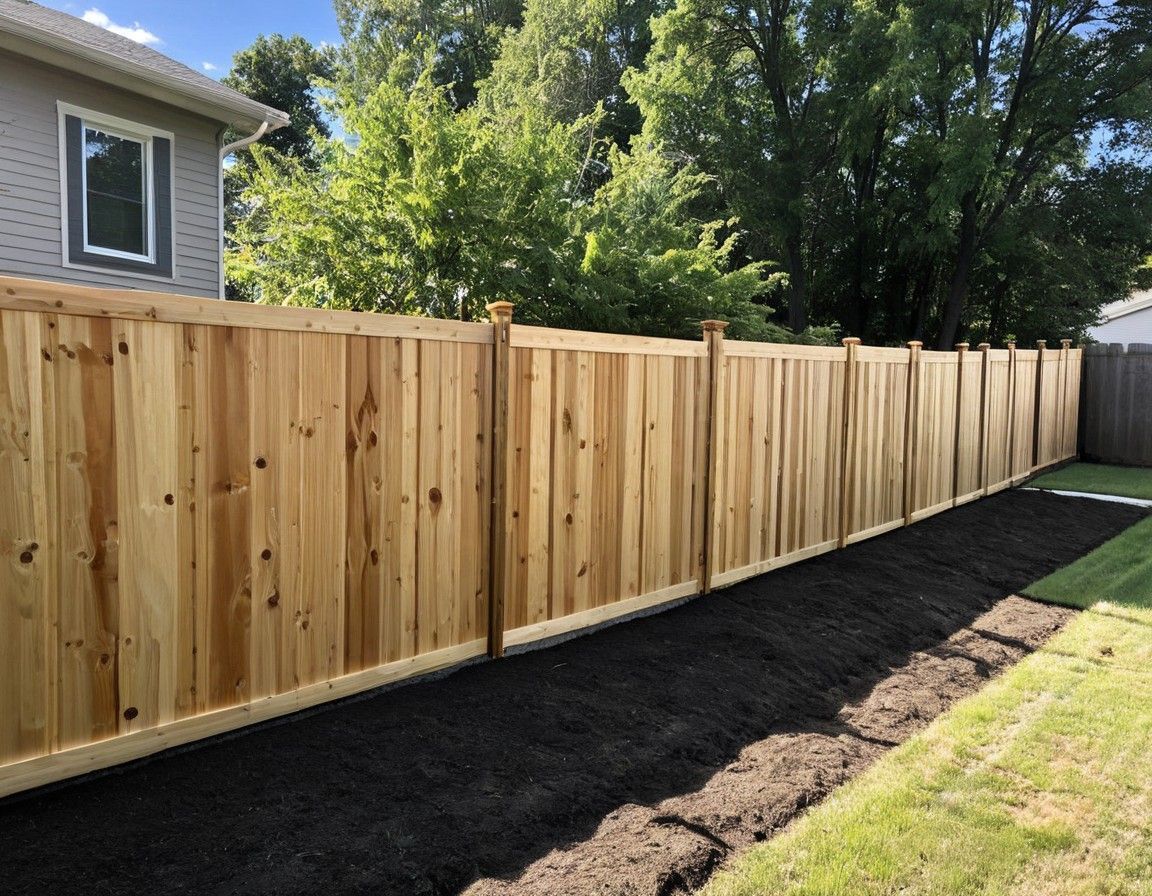
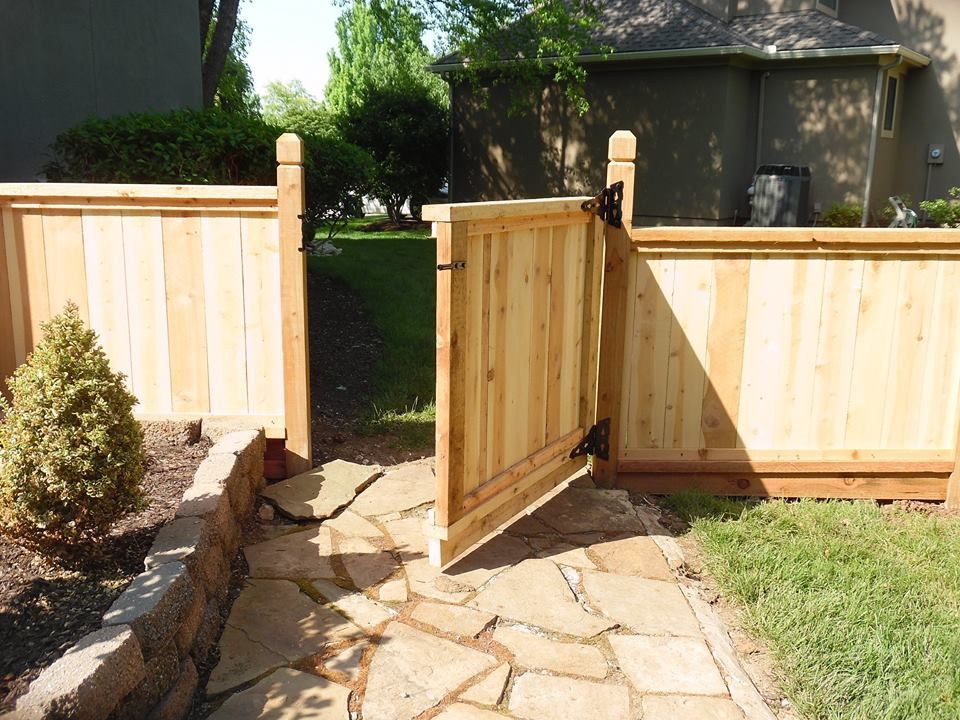
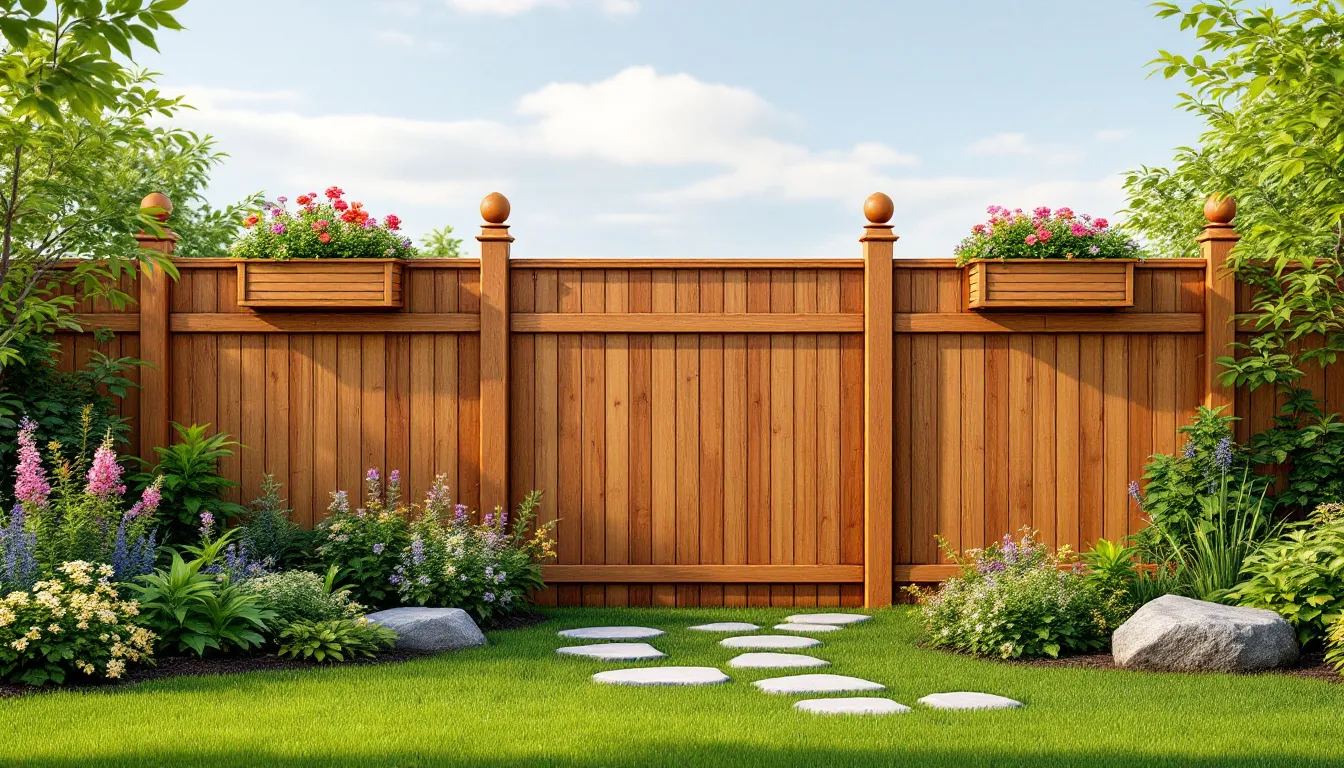
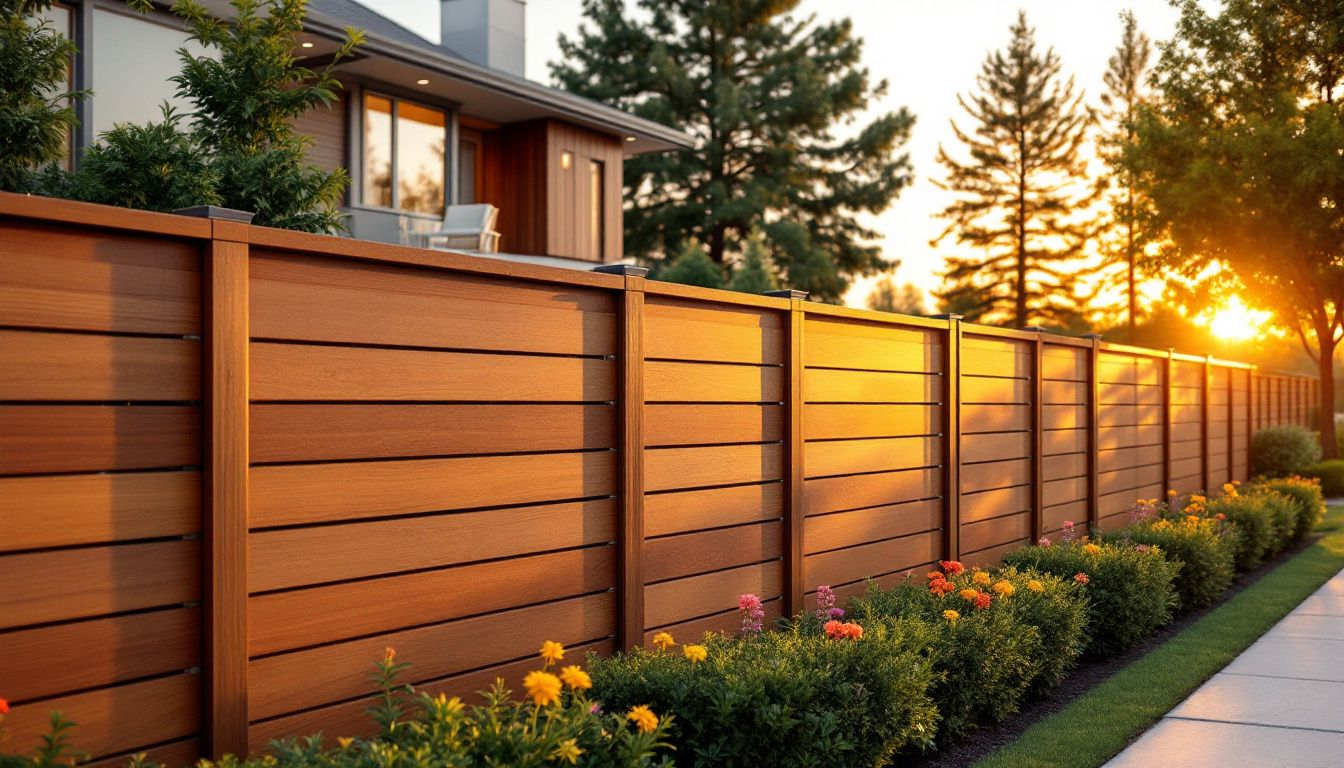
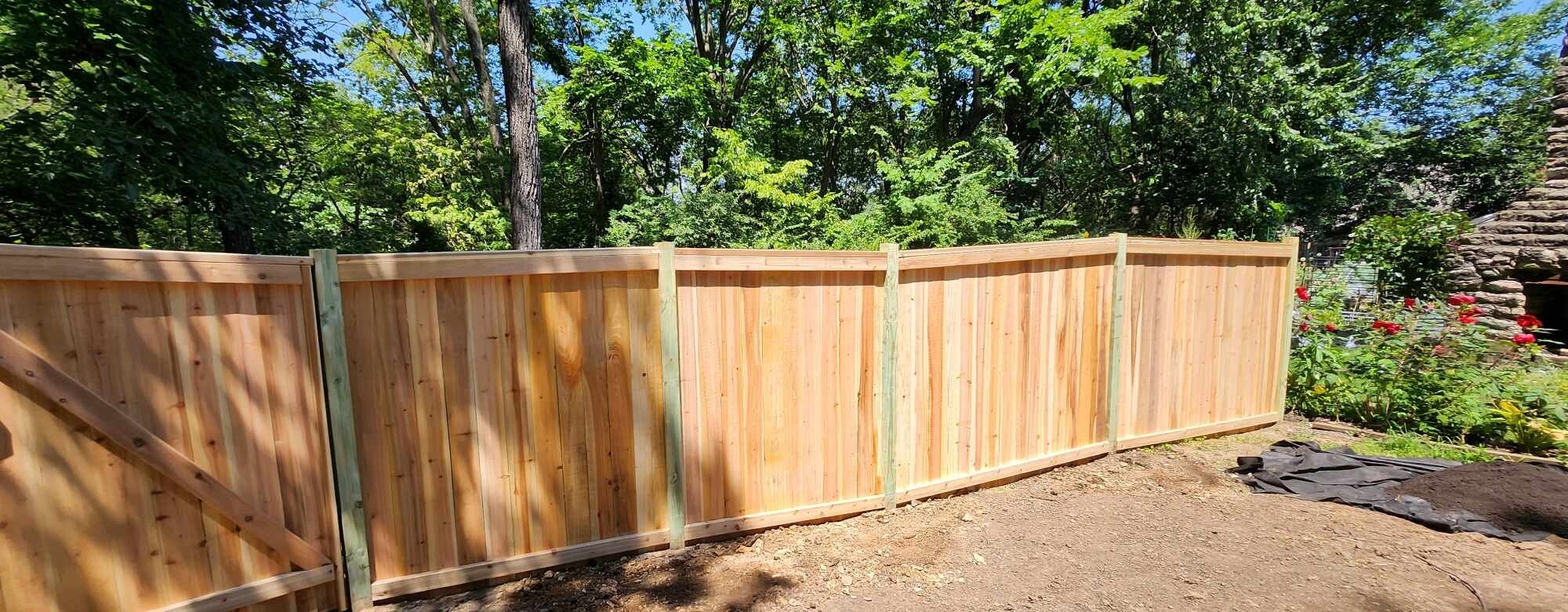
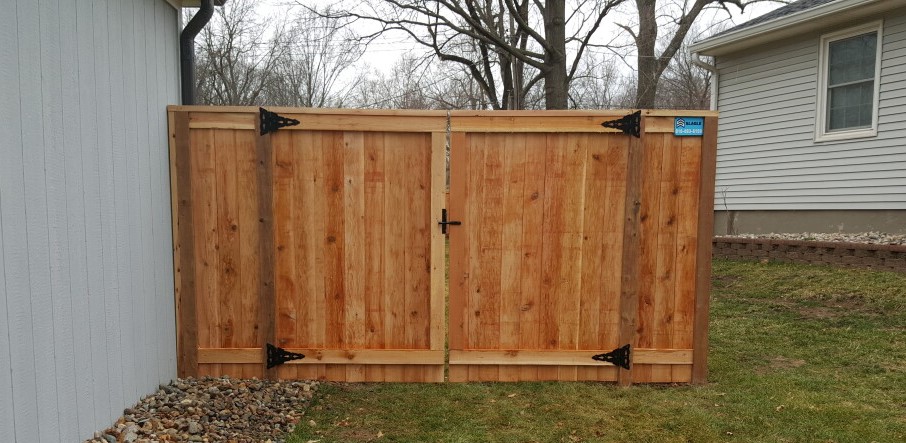
Wood is where most Lawrence fencing budgets actually land, and for good reason — it offers real privacy, a classic look that works with almost any home style, and a price point that’s accessible without feeling like a compromise. Nationally, wood privacy fencing runs $44 to $67 per linear foot including labor and materials, but Kansas’s lower regional cost multiplier brings that down meaningfully here, often into the $16 to $30 per foot range depending on the height, wood species, and style.
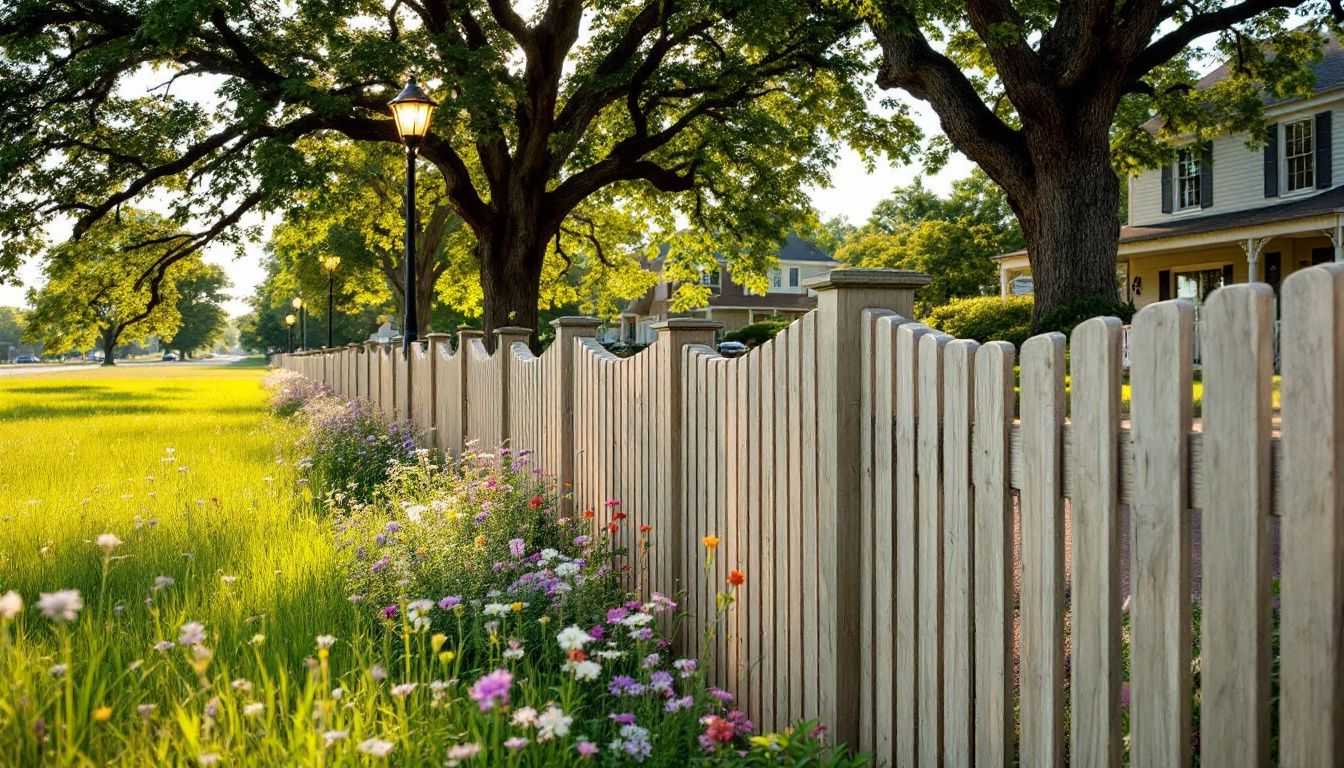
A basic 4-foot picket fence, popular for front yards in established neighborhoods like Old West Lawrence or for properties that want a decorative boundary without full privacy, tends to run on the lower end of that range, often $10 to $25 per linear foot installed. A 6-foot privacy fence, the default choice for backyards throughout neighborhoods like Sunset Hills, Prairie Meadows, and the Alvamar area, typically runs higher, often $20 to $35 per linear foot depending on whether you choose pressure-treated pine, cedar, or a premium hardwood.
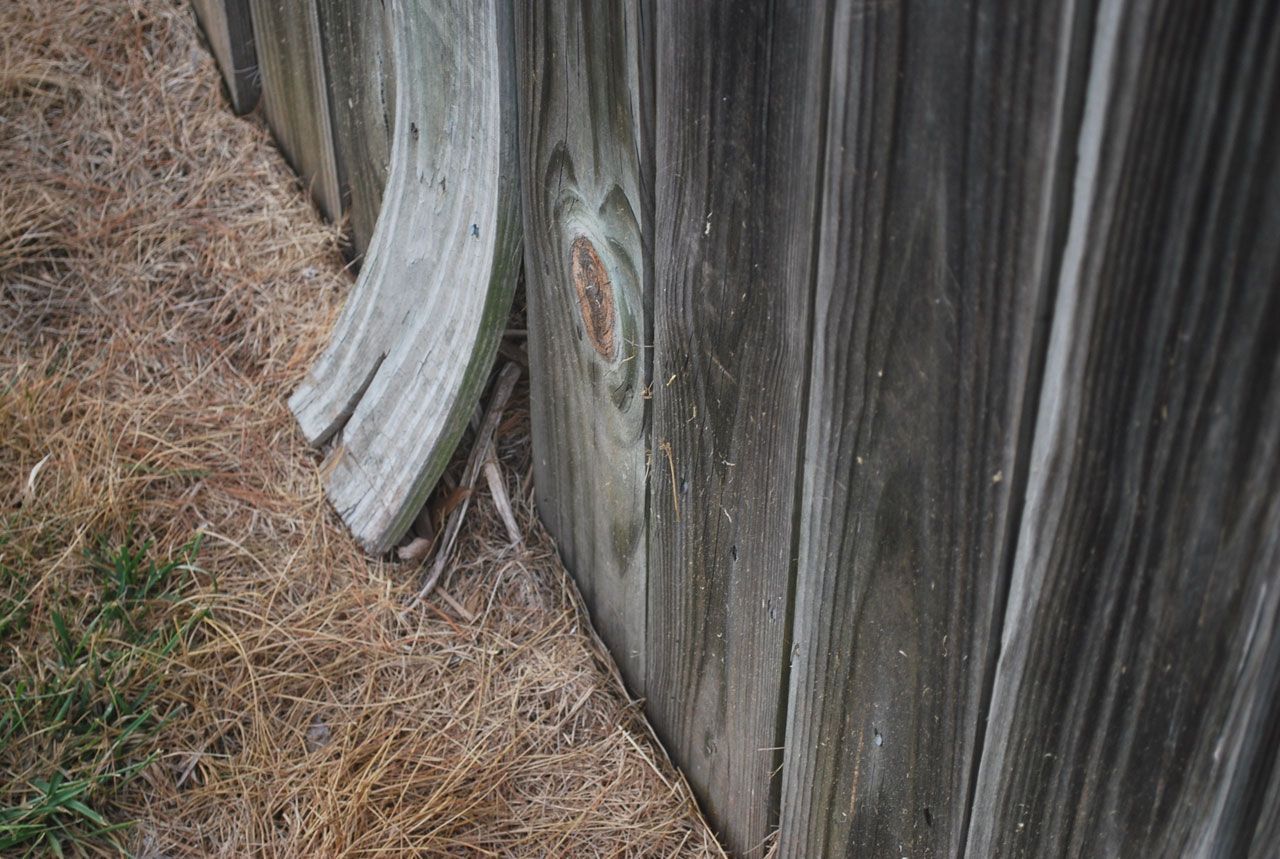
Cedar costs more upfront than pressure-treated pine, but it naturally resists rot and insect damage far better, which matters in a climate like Lawrence’s where humidity and freeze-thaw cycling put real stress on wood over time. Many homeowners find the extra upfront cost pays for itself in fewer repairs and a longer usable lifespan.
Vinyl: Higher Upfront, Lower Lifetime Cost
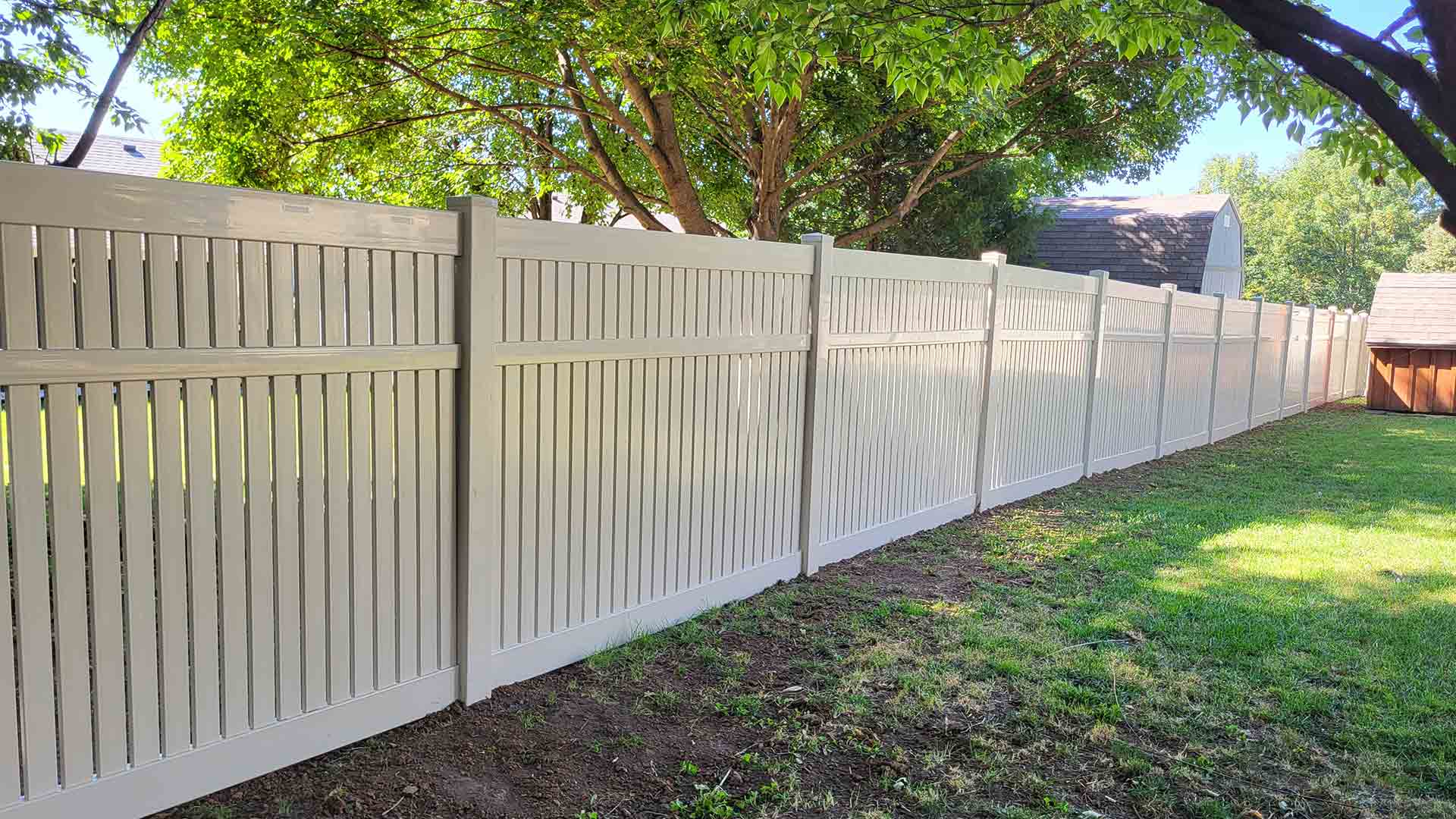
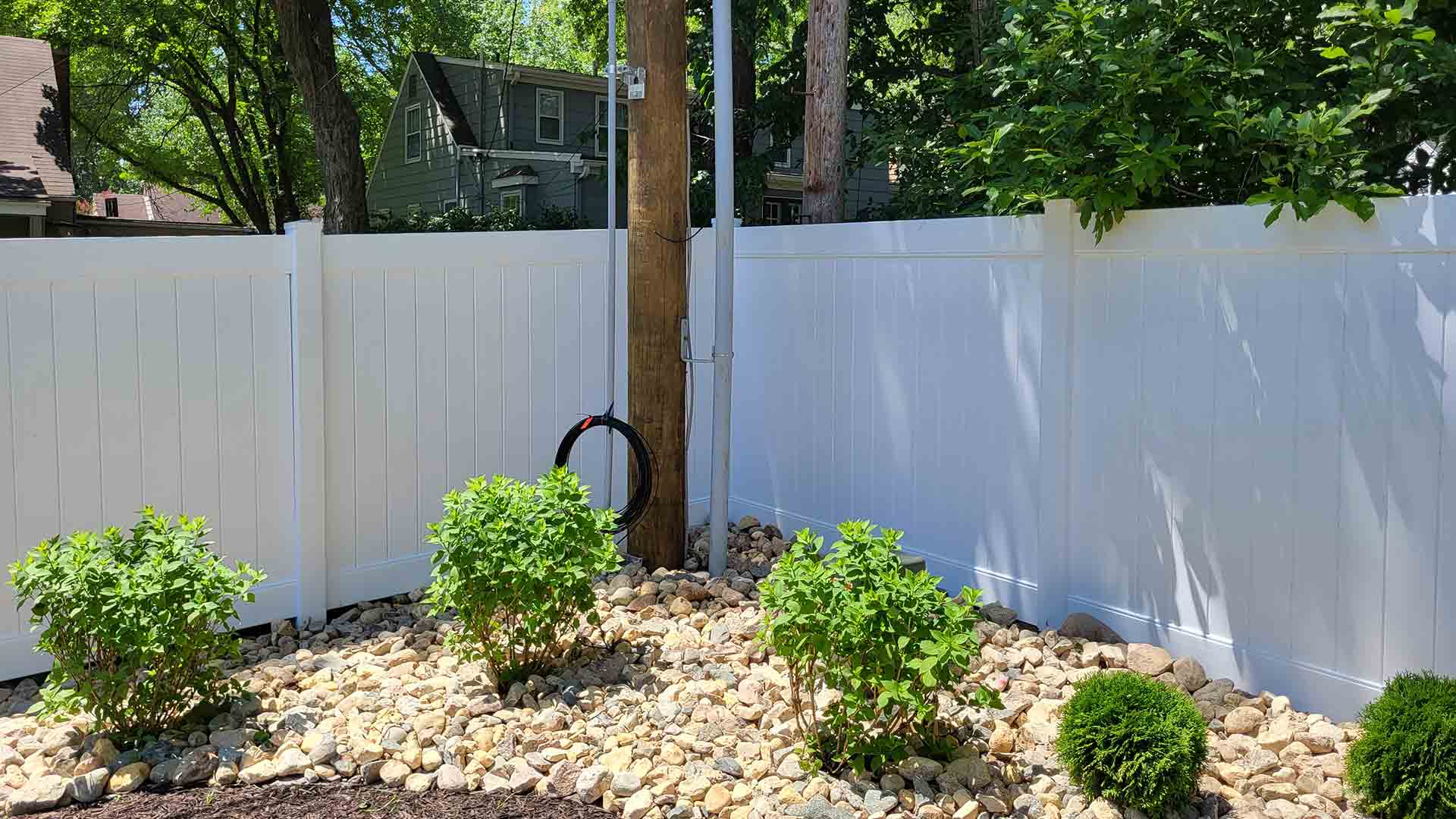
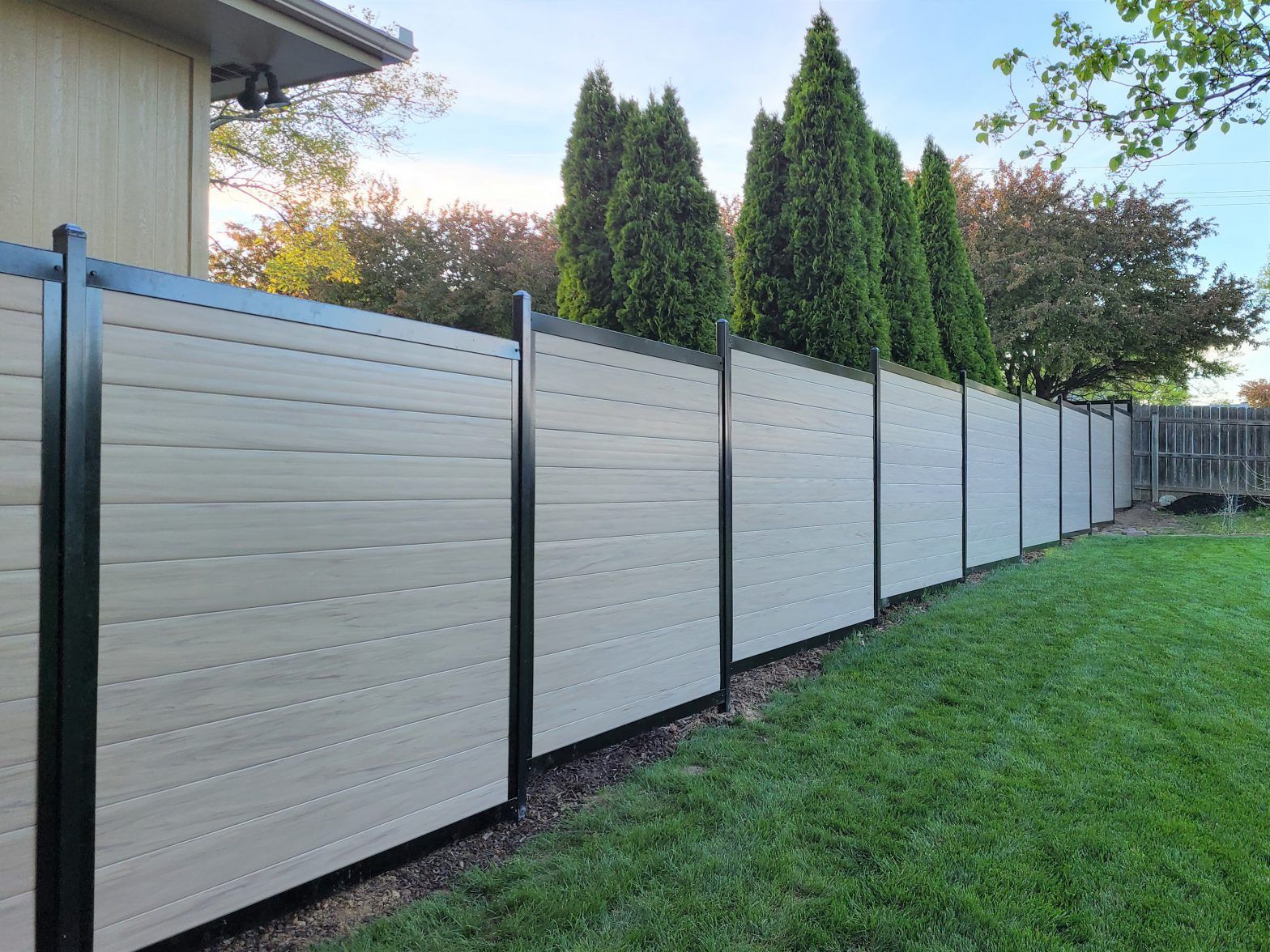
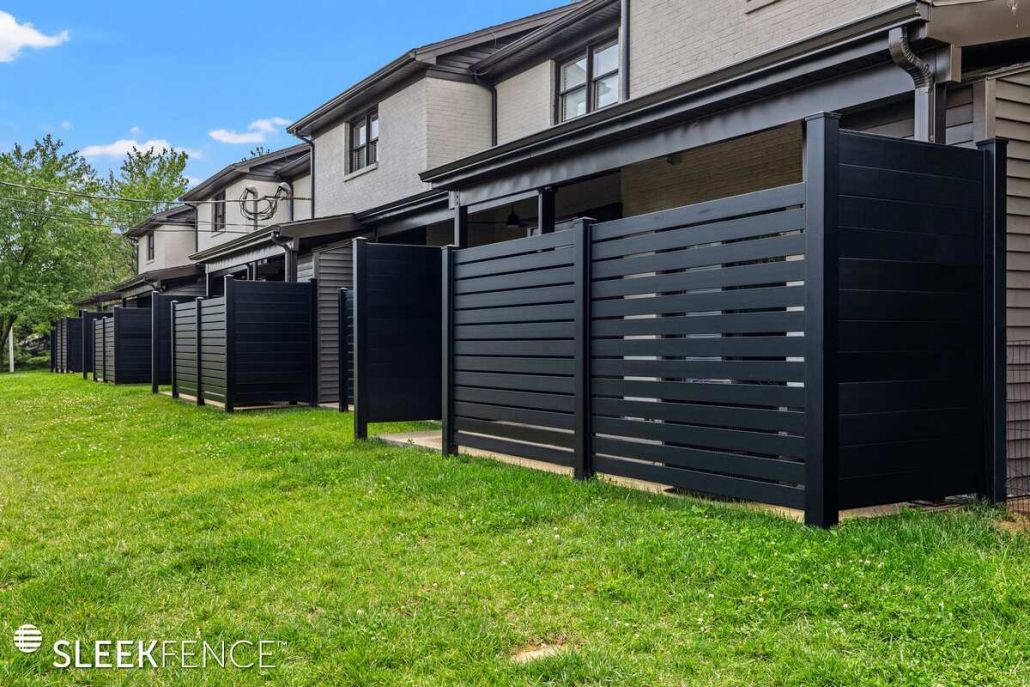
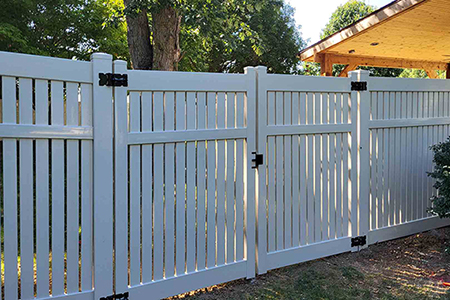
Vinyl privacy fencing typically runs $20 to $45 per linear foot installed, putting it above standard wood on a pure materials basis but often comparable once you factor in wood’s ongoing maintenance costs over a 15 to 20 year horizon. Vinyl doesn’t rot, doesn’t need staining or sealing, and holds up well against the kind of freeze-thaw cycling that’s common in Lawrence’s clay-heavy soil. For homeowners who want a finished, low-maintenance look and plan to stay in their home for the long haul, vinyl is increasingly the material of choice, particularly in newer West Lawrence subdivisions where buyers are often willing to pay more upfront for less upkeep down the road.
Aluminum and Steel: Style and Security at a Premium
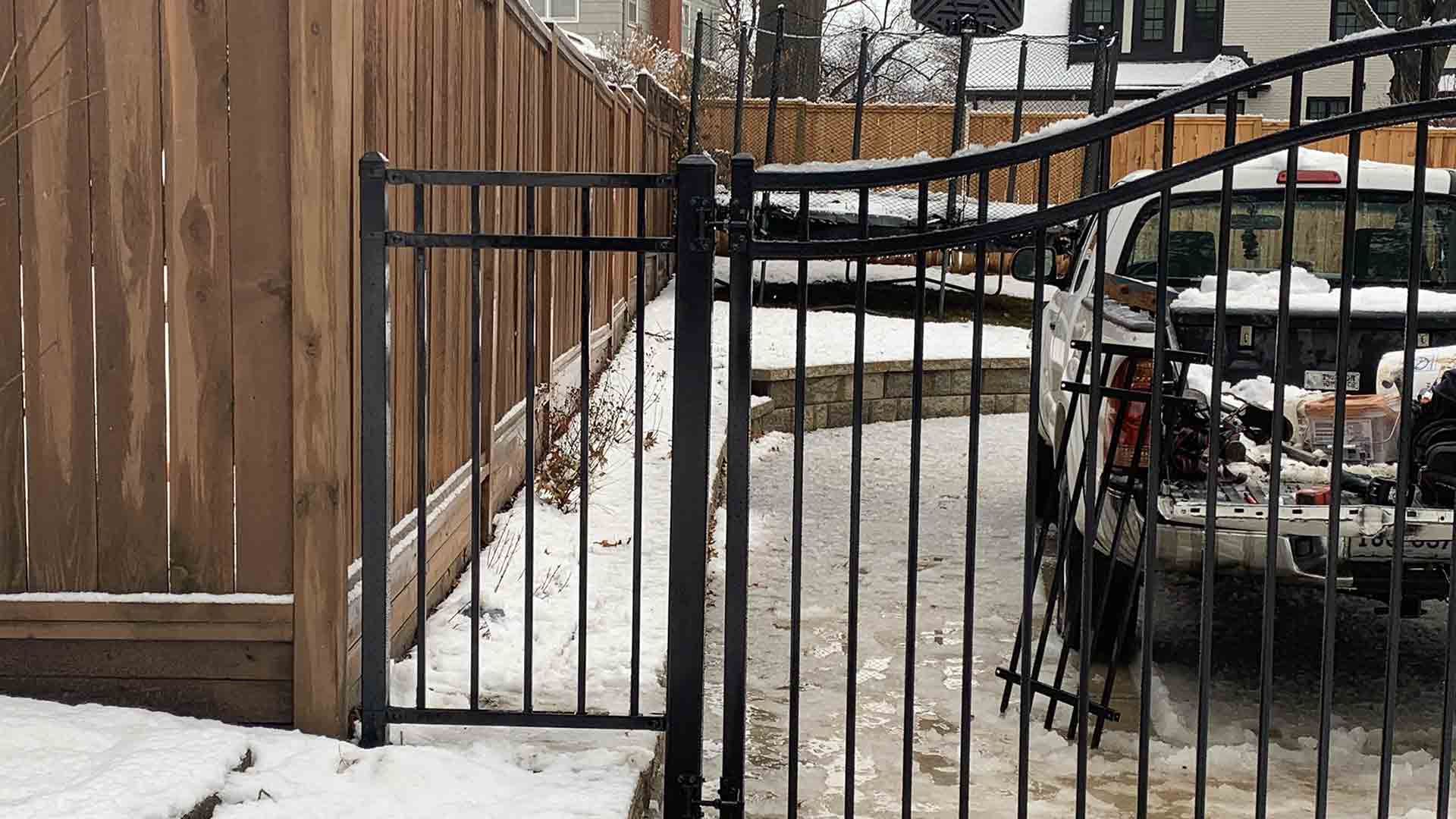
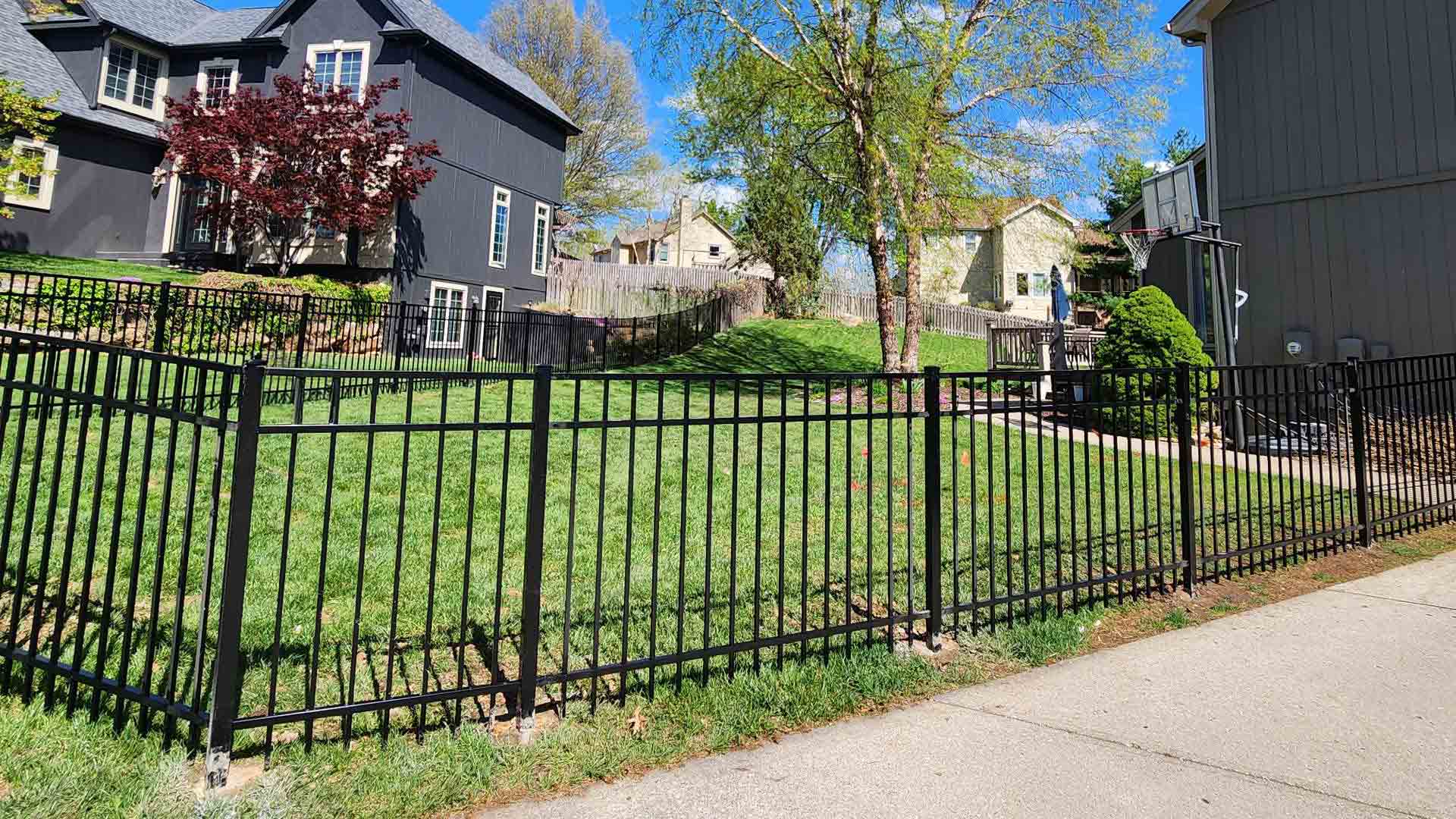
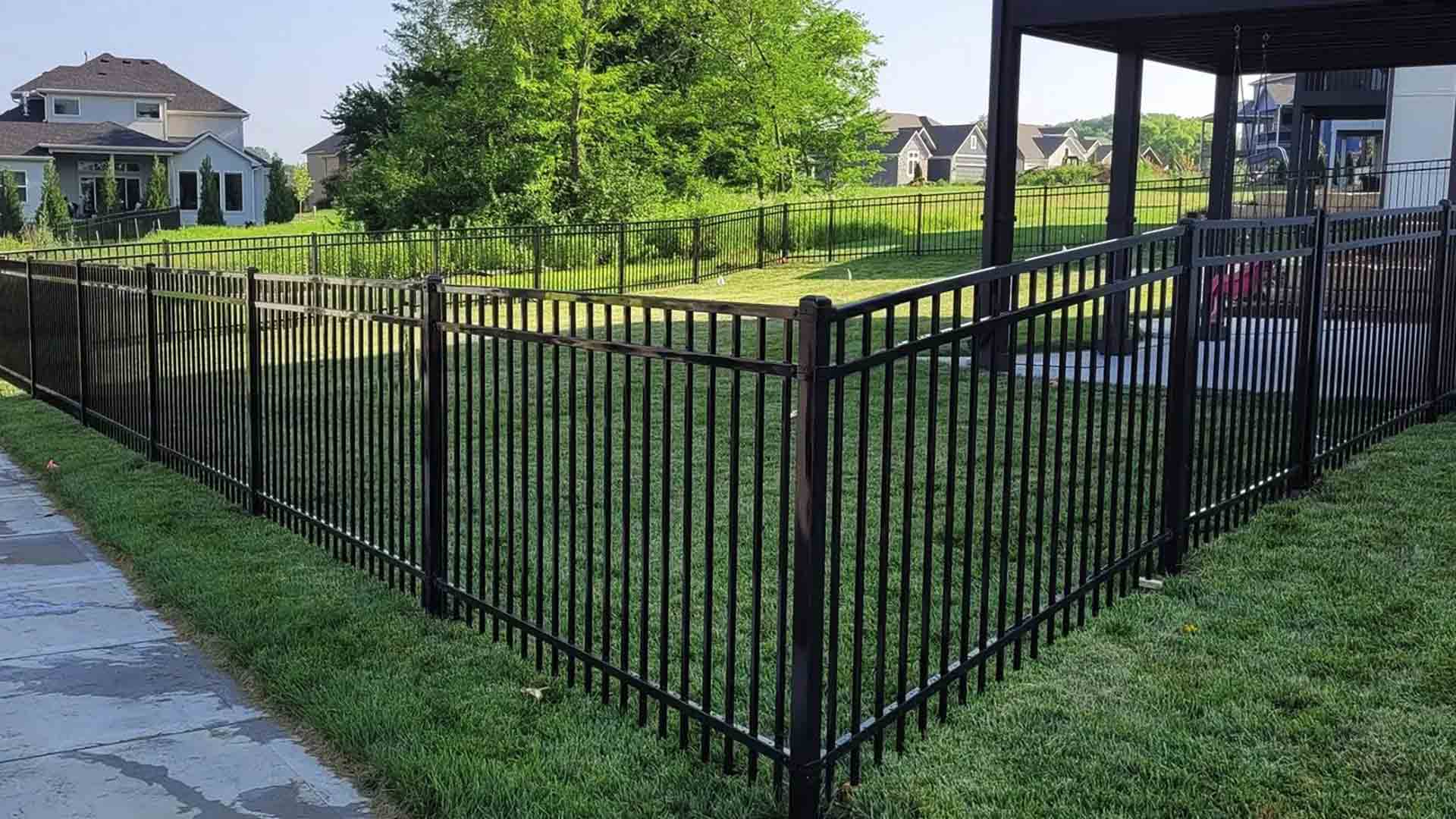
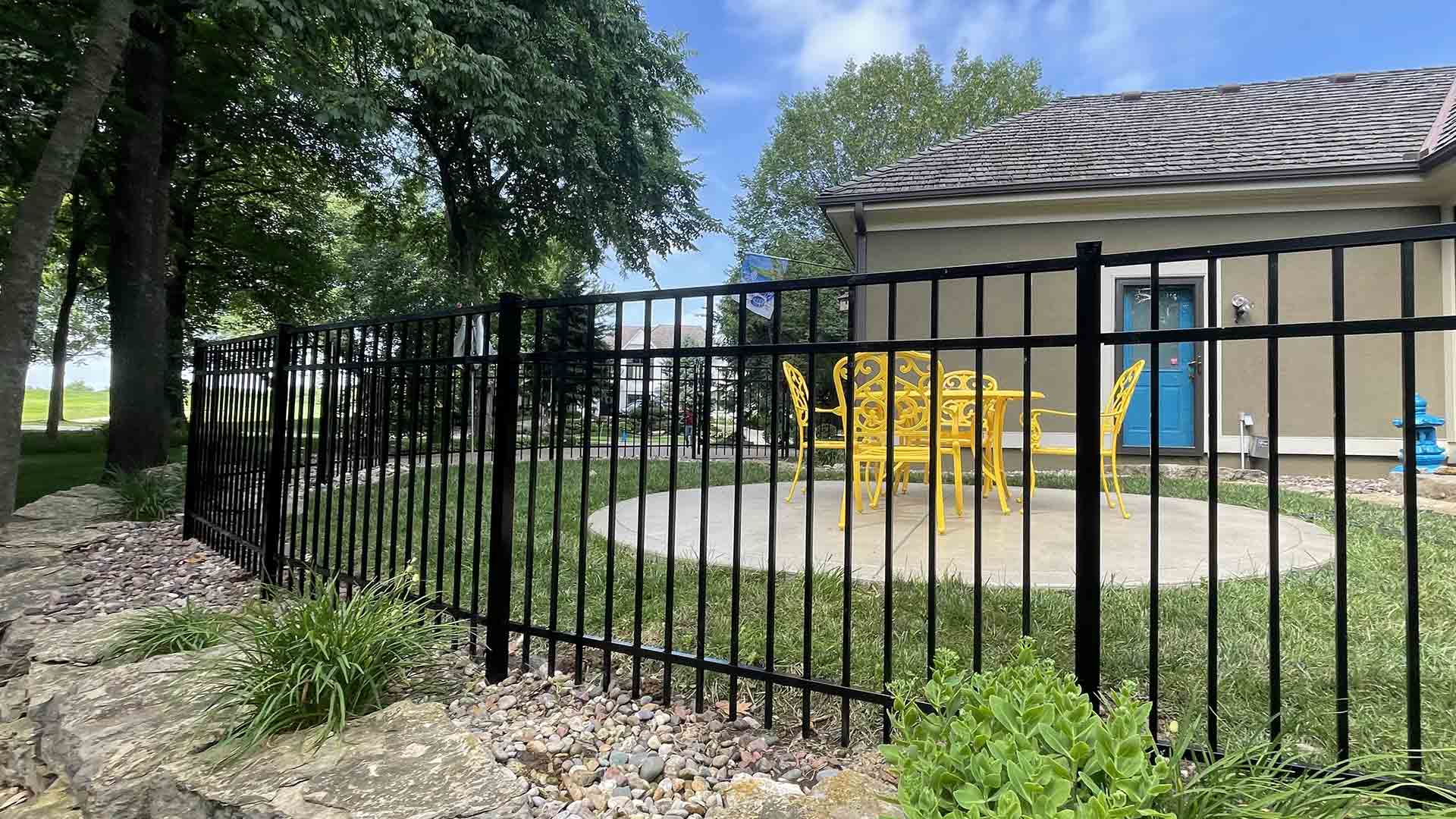
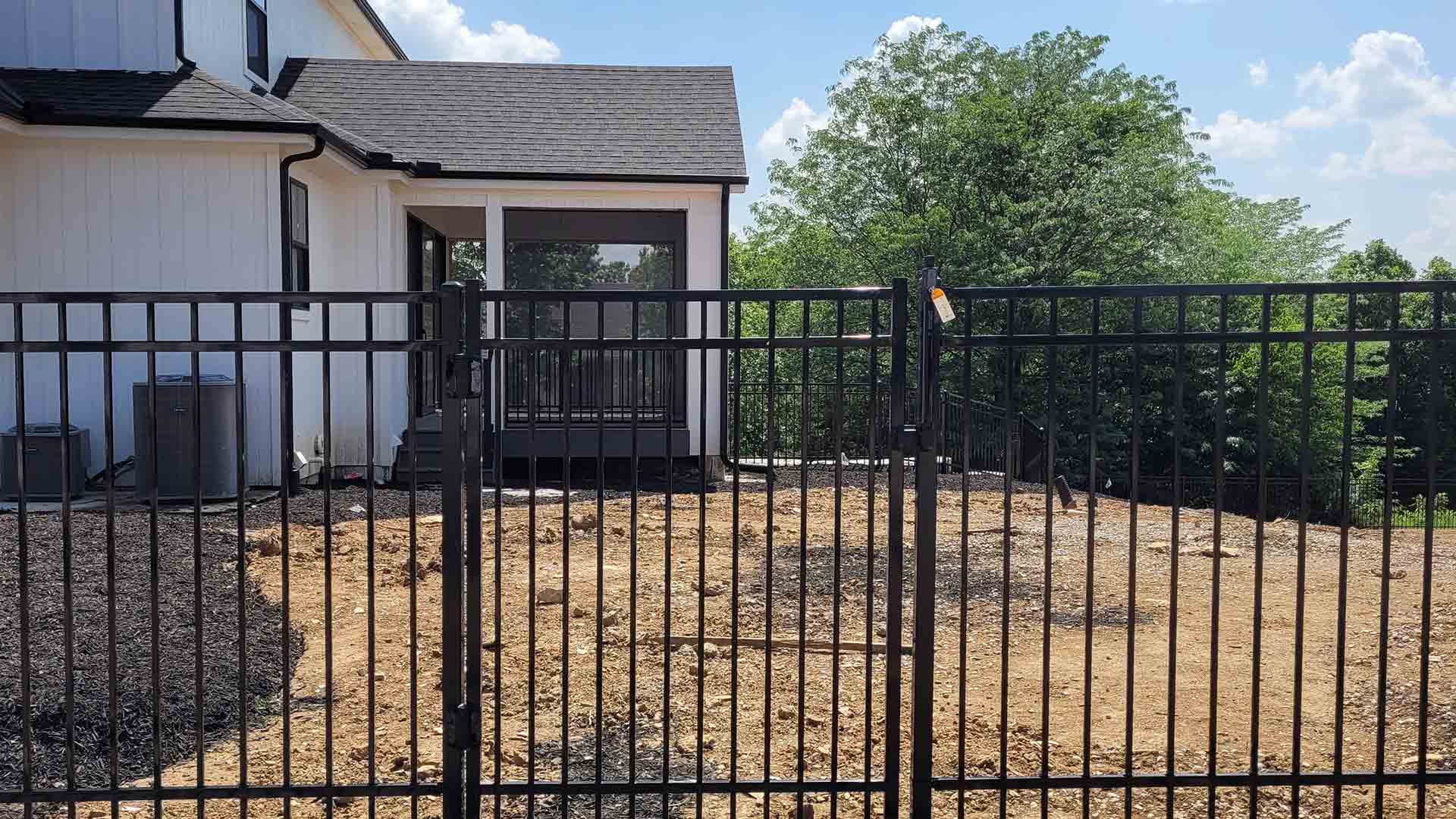
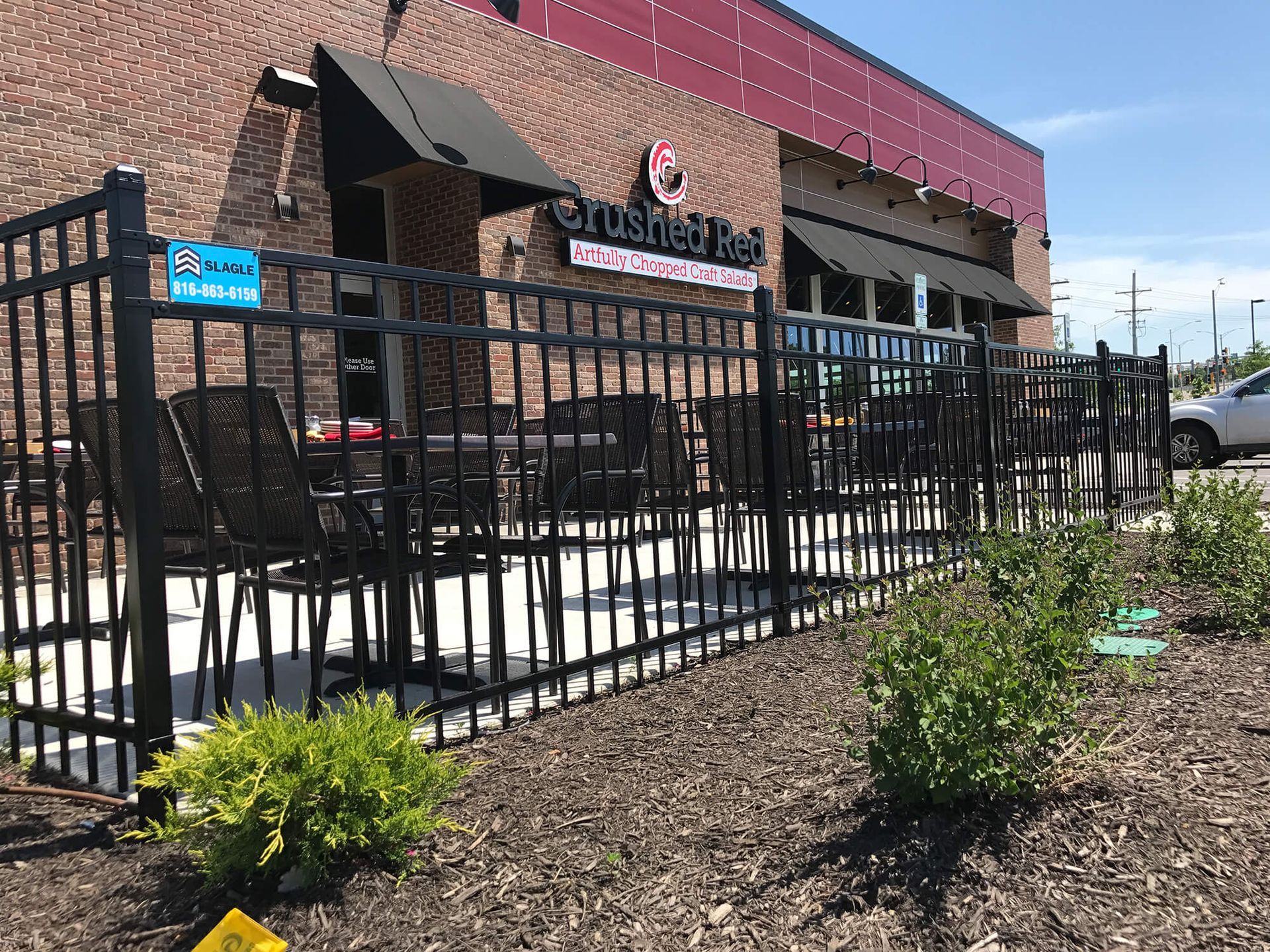
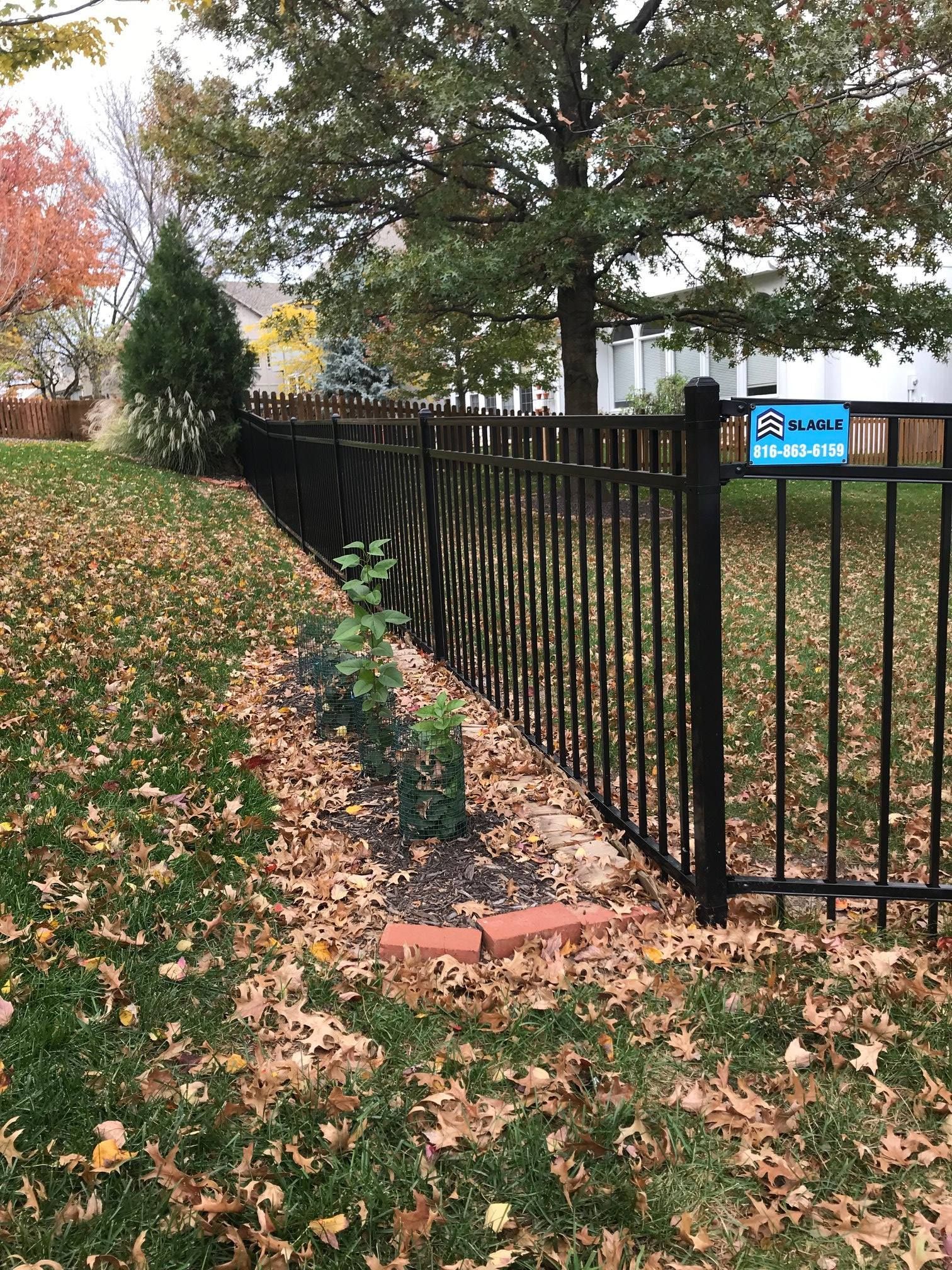
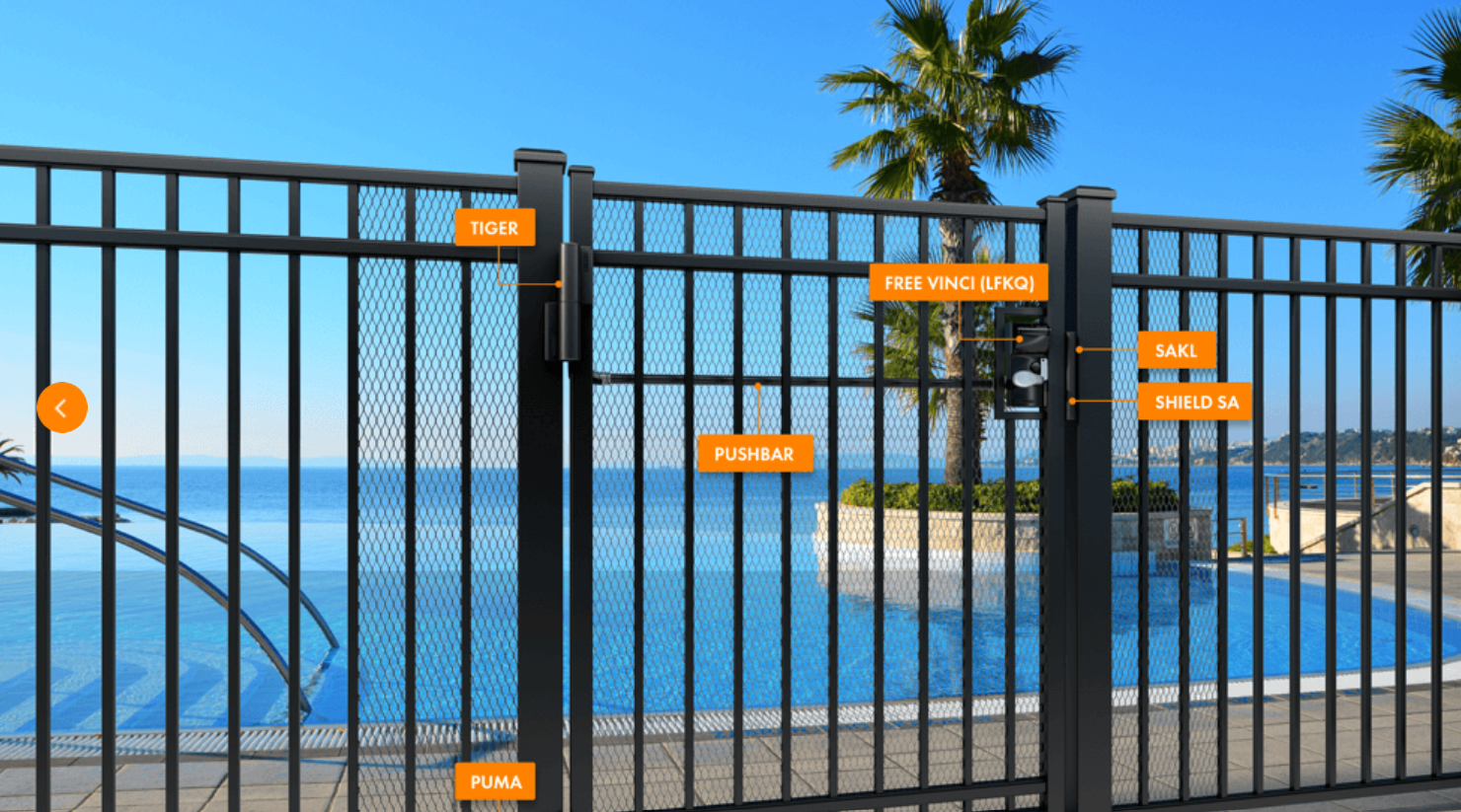
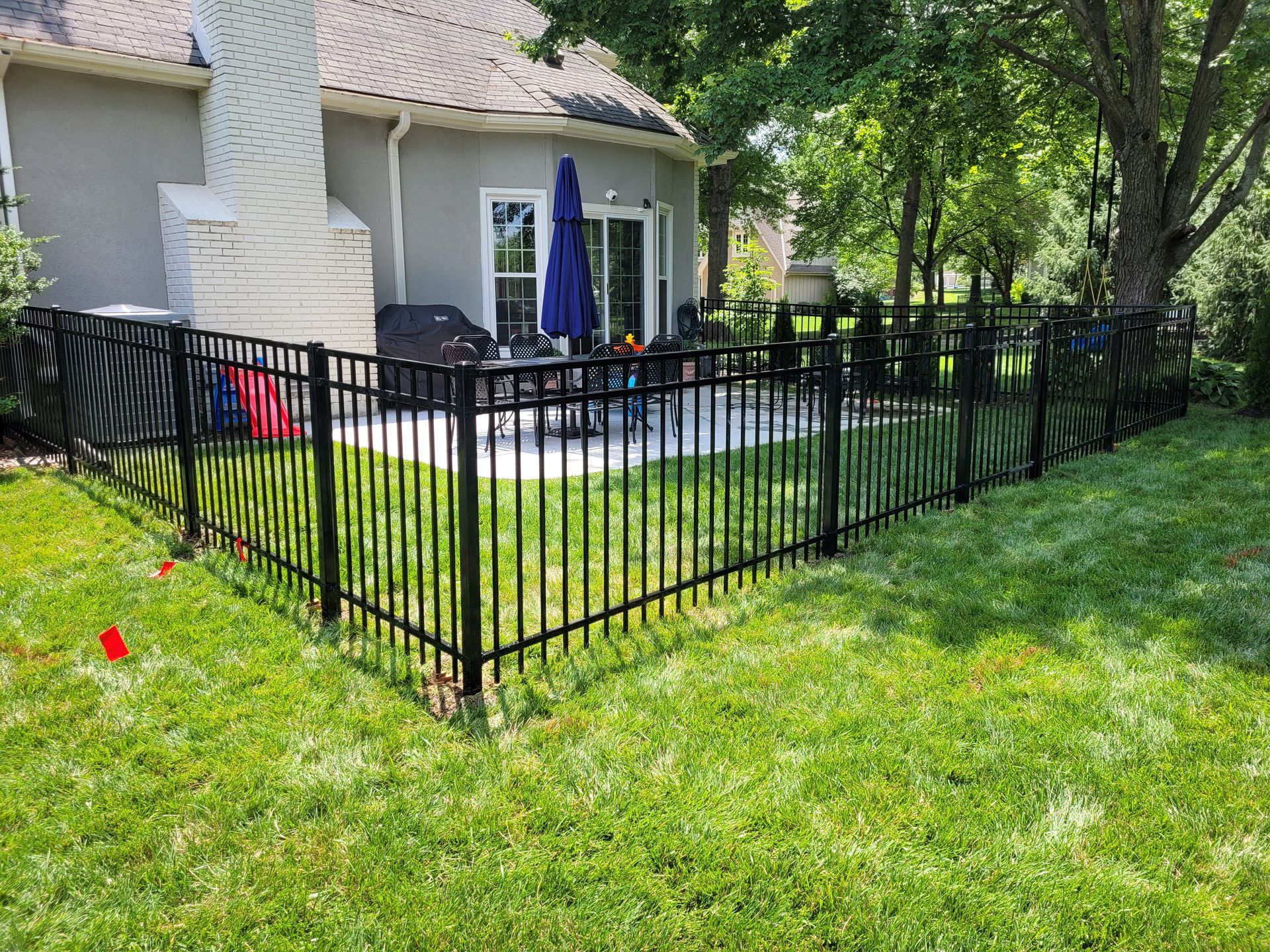
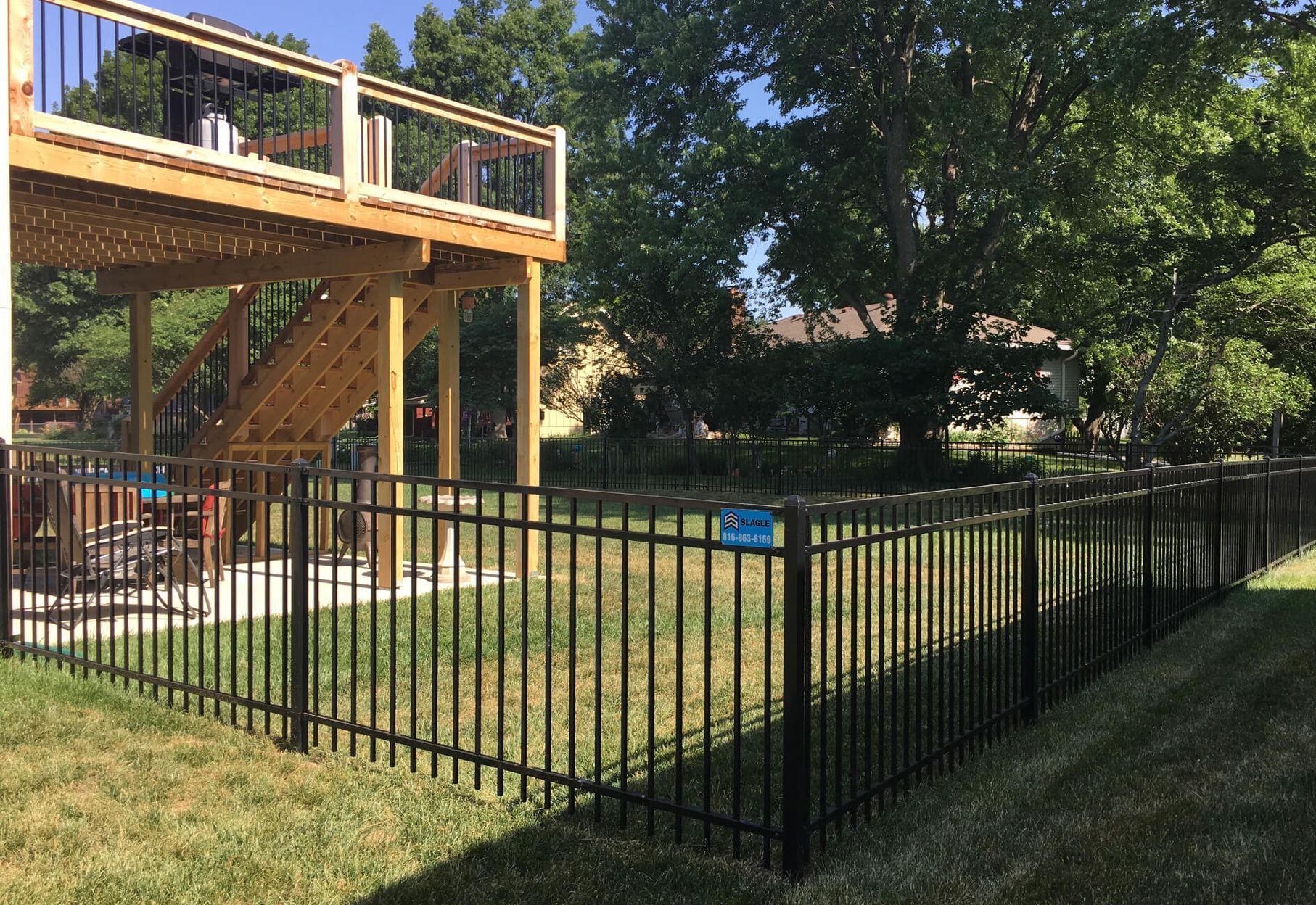
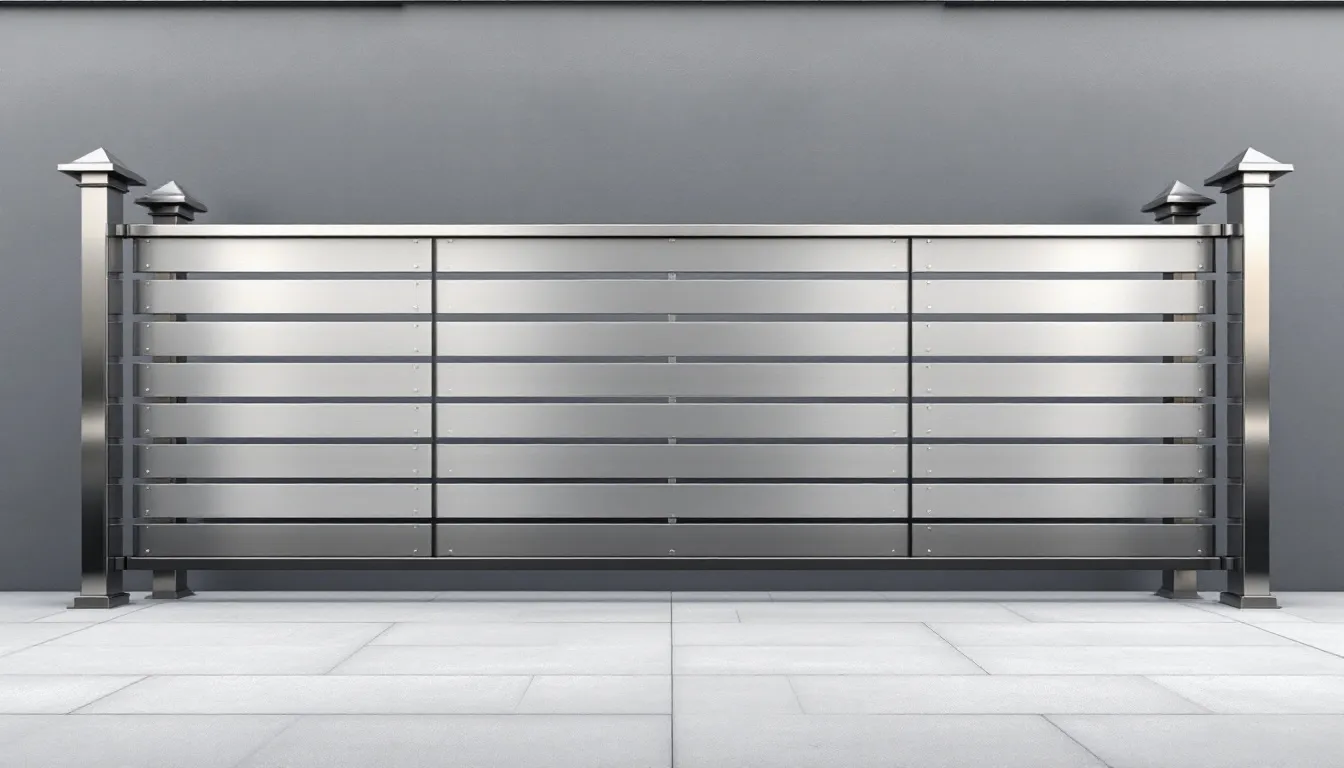
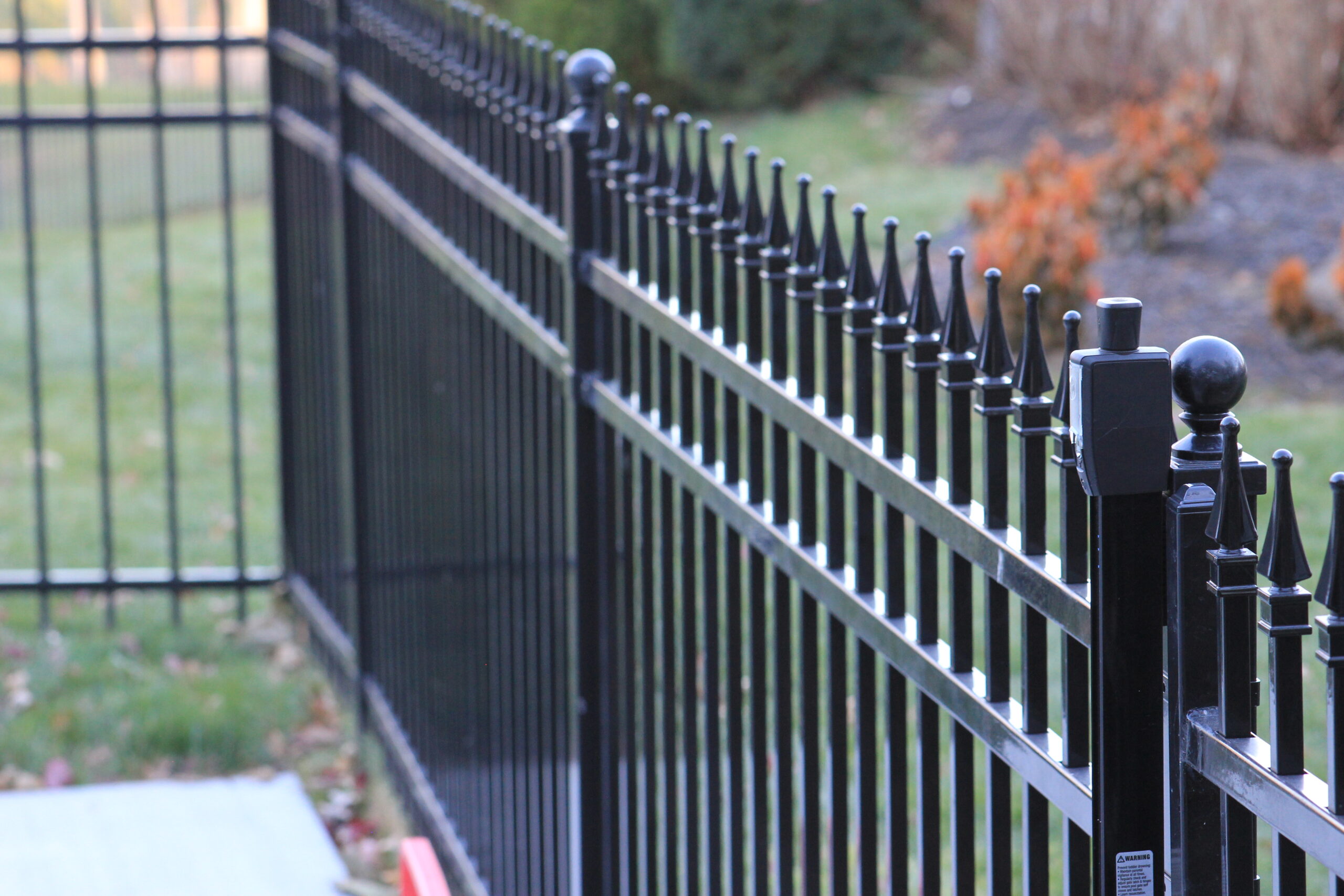
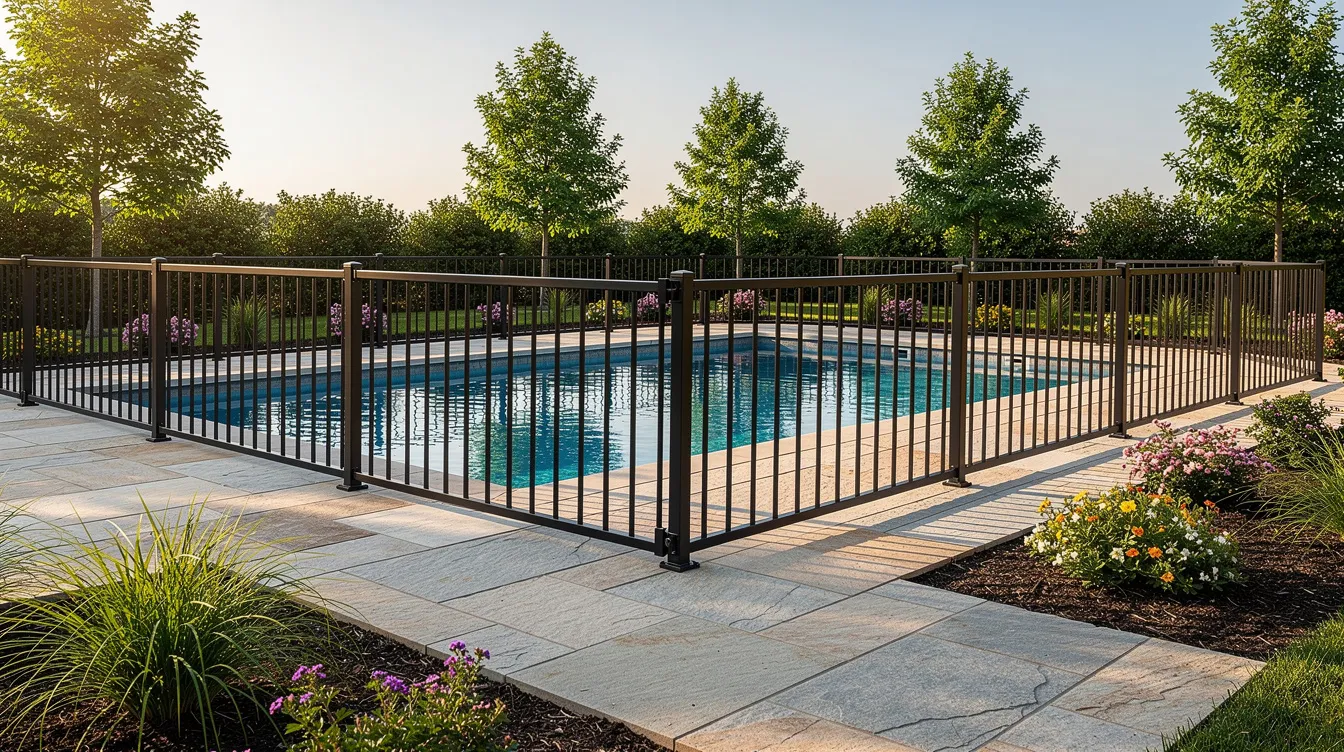
Aluminum fencing, often used for a more decorative, semi-open look around pools or front yards, runs $20 to $30 per linear foot in most cost guides, while steel fencing, valued for its strength and security, typically falls in the $5 to $15 per foot range for basic styles but climbs quickly with ornamental detailing. These materials are less common for full backyard privacy fencing in Lawrence, but they show up often around pool enclosures, where Douglas County and city code require a fence at least 4 feet high, and in front-yard applications where homeowners want a more open, decorative boundary rather than a solid wall.
Wrought Iron: The Premium Option
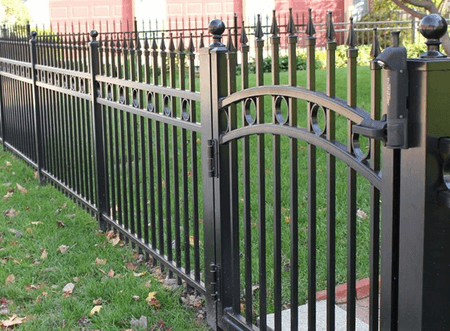
At the top end, ornamental wrought iron runs $20 to $100 per linear foot, reflecting both the material cost and the skilled labor required for custom fabrication and installation. This is far less common for standard residential fencing in Lawrence, but it does show up on some of the city’s older, more architecturally significant properties, particularly in historic districts where a wrought iron fence fits the period of the home far better than a modern alternative.
What Actually Moves the Price Within Each Material
Once you’ve picked a material, several other factors swing the final number more than people expect.
Height is one of the biggest. Moving from a 4-foot fence to a 6-foot fence can increase material costs by 20 to 30 percent, simply because you’re using more lumber, more vinyl, or more chain link mesh per linear foot, plus often heavier-duty posts to support the additional height and wind load.
Lot terrain matters more in Lawrence than in a flatter market. Much of West Lawrence, including the Alvamar area, sits on rolling, sometimes steep terrain that requires stepped or scalloped fence panels to follow the grade properly. That kind of custom fitting adds labor time and, therefore, cost, compared to a flat, easy-to-fence lot.
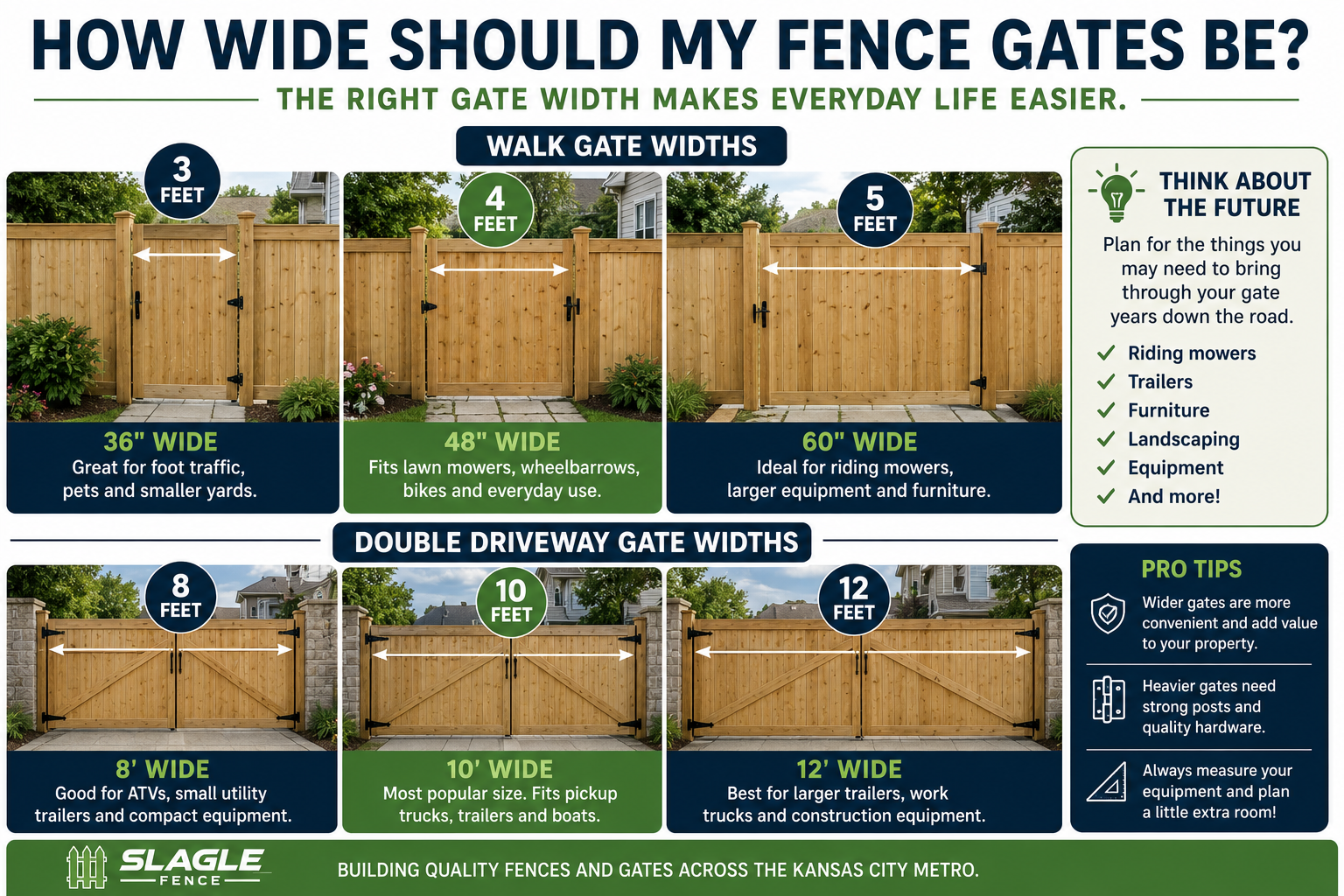
Gate count and style add up quickly. A single basic walk gate might add a few hundred dollars to a project, while a wide double-drive gate with hardware capable of supporting vehicle traffic can add well over a thousand dollars on its own.
Removal of an existing fence is an easy cost to forget when budgeting. If you’re replacing an old, deteriorating fence rather than installing on a clear lot, factor in removal and disposal costs, which most Lawrence contractors will quote separately from the new installation.
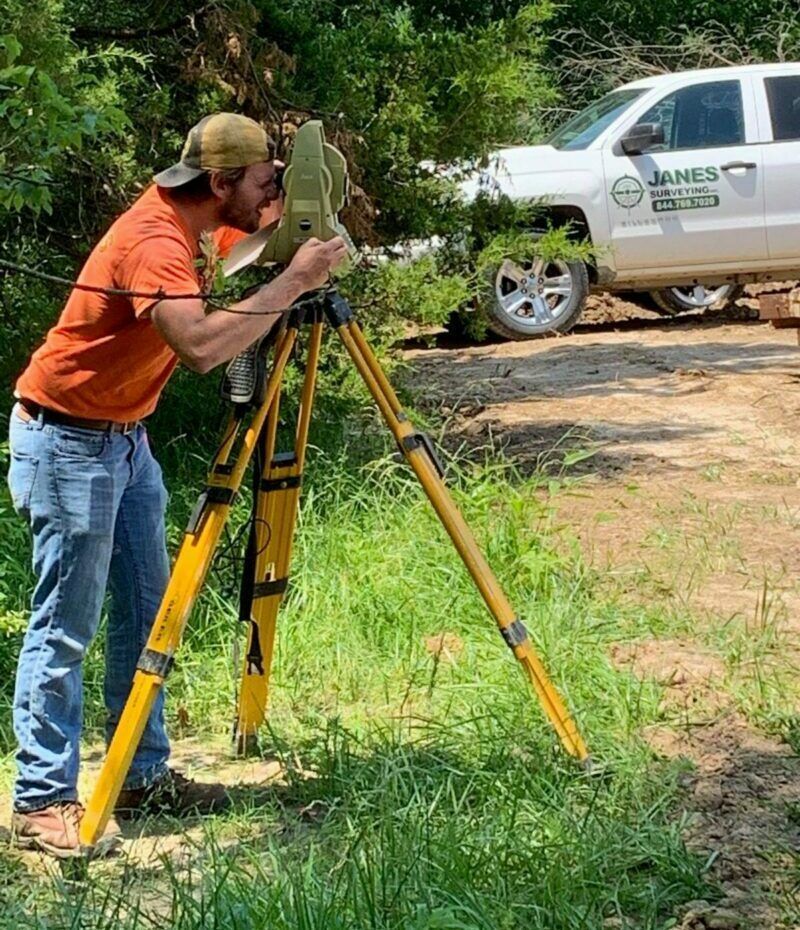
Property line surveys aren’t always necessary, but if your property’s exact boundary isn’t clearly marked or documented, you may need a surveyor to locate corner pins before installation, an added cost that’s worth budgeting for upfront rather than discovering mid-project.
A Realistic Lawrence Example
Let’s say you own a typical home in one of Lawrence’s established West Lawrence neighborhoods with a backyard that needs about 180 linear feet of fencing, a single walk gate, and no major grade changes. Here’s roughly what that looks like across materials:
- Chain link: $900 – $2,700
- Pressure-treated wood privacy (6 ft): $3,600 – $5,400
- Cedar privacy (6 ft): $4,500 – $6,300
- Vinyl privacy: $3,600 – $8,100
- Aluminum decorative: $3,600 – $5,400
These are planning-level estimates, not quotes, since every property has its own quirks. But they should give you a realistic sense of where your project will likely land before you ever pick up the phone.
Getting an Accurate Quote
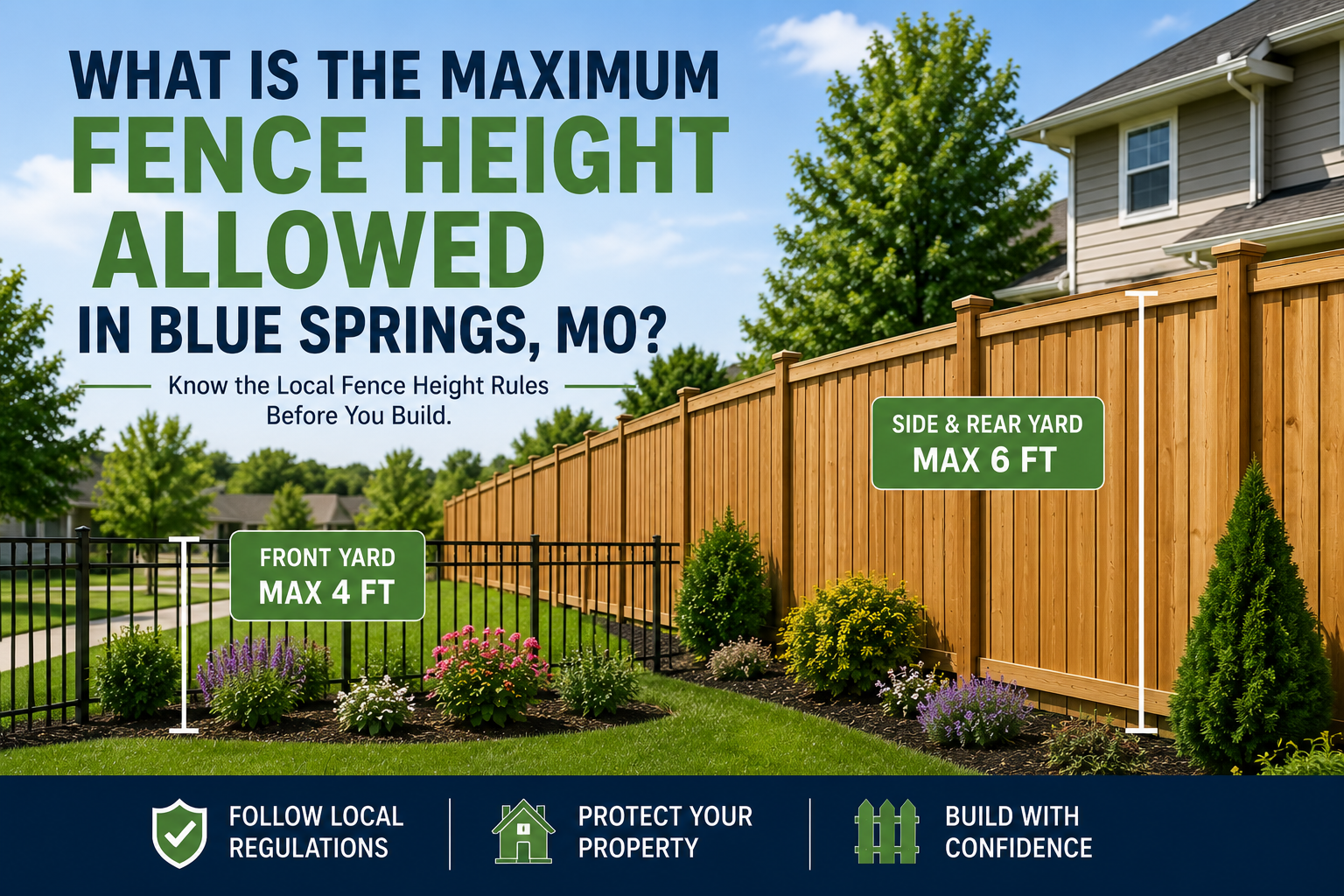
The single best thing you can do to get an accurate number is to have a contractor walk your actual property rather than relying on an online calculator. Lot grade, soil conditions, existing landscaping, gate placement, and your exact linear footage all matter, and none of those show up in a generic per-foot estimate. A good local fencing contractor will also know Lawrence’s specific fence height and placement rules off the top of their head, which matters more than you’d think since front yard fences, side yard fences, and rear yard fences in Lawrence are all governed by different height limits under the city code.
Frequently Asked Questions
Is fencing cheaper in Lawrence than the national average?
Generally, yes. Kansas runs about 16% below the national average for construction costs, including fencing materials and labor, so Lawrence homeowners typically pay less than buyers in higher-cost states for a comparable project.
What’s the cheapest fence option for a Lawrence backyard?
Chain link is consistently the least expensive option, typically $5 to $15 per linear foot installed, though it doesn’t offer privacy.
Does fence height affect cost significantly?
Yes. Moving from a 4-foot to a 6-foot fence typically increases material costs by 20 to 30 percent, and taller fences may also require sturdier posts and additional labor.
Do I need to budget for a permit?
Lawrence does not require a building permit specifically to install a fence, but you do need to follow the city’s fence height and placement requirements, so budget time to confirm your plan complies rather than budgeting money for a permit fee.
Should I get multiple quotes?
Absolutely. Because labor rates, crew efficiency, and material sourcing vary between contractors, getting two or three quotes for the same scope of work is the most reliable way to confirm you’re getting a fair price for your specific property.
Is it worth paying more for cedar instead of pressure-treated pine?
For most Lawrence homeowners, yes, particularly given the area’s humidity and freeze-thaw cycling. Cedar’s natural resistance to rot and insects tends to extend the usable life of the fence, often offsetting the higher upfront cost over time.
How much does removing an old fence add to the cost?
This varies by contractor and the condition of the existing fence, but it’s a real cost that’s easy to overlook when budgeting. Always ask whether removal and disposal are included in a quote or billed separately.
Ready to get an exact number for your property? A quick on-site visit is the fastest way to turn these ranges into a real quote tailored to your Lawrence home.