Key Takeaways
- Residential chain link fencing is a cost-effective, durable, and low-maintenance way to secure yards, children, and pets while keeping full visibility across your property line.
- Typical residential chain link fences range from 4 to 6 feet high, use 2-inch diamond chain link fabric, and can be galvanized or color coated in black, green, or brown.
- Cost effectiveness comes from lower material and labor costs compared to wood or vinyl, plus a service life of 20–30 years with minimal upkeep.
- Homeowners can customize privacy with slats and windscreens, choose color coated finishes that blend with surroundings, and plan layouts with gates, corners, and grade changes.
- A brief checklist below will help you decide if residential chain link is right for your property in 2026 and what specifications to ask an installer about.
Introduction: What Is Residential Chain Link Fencing?
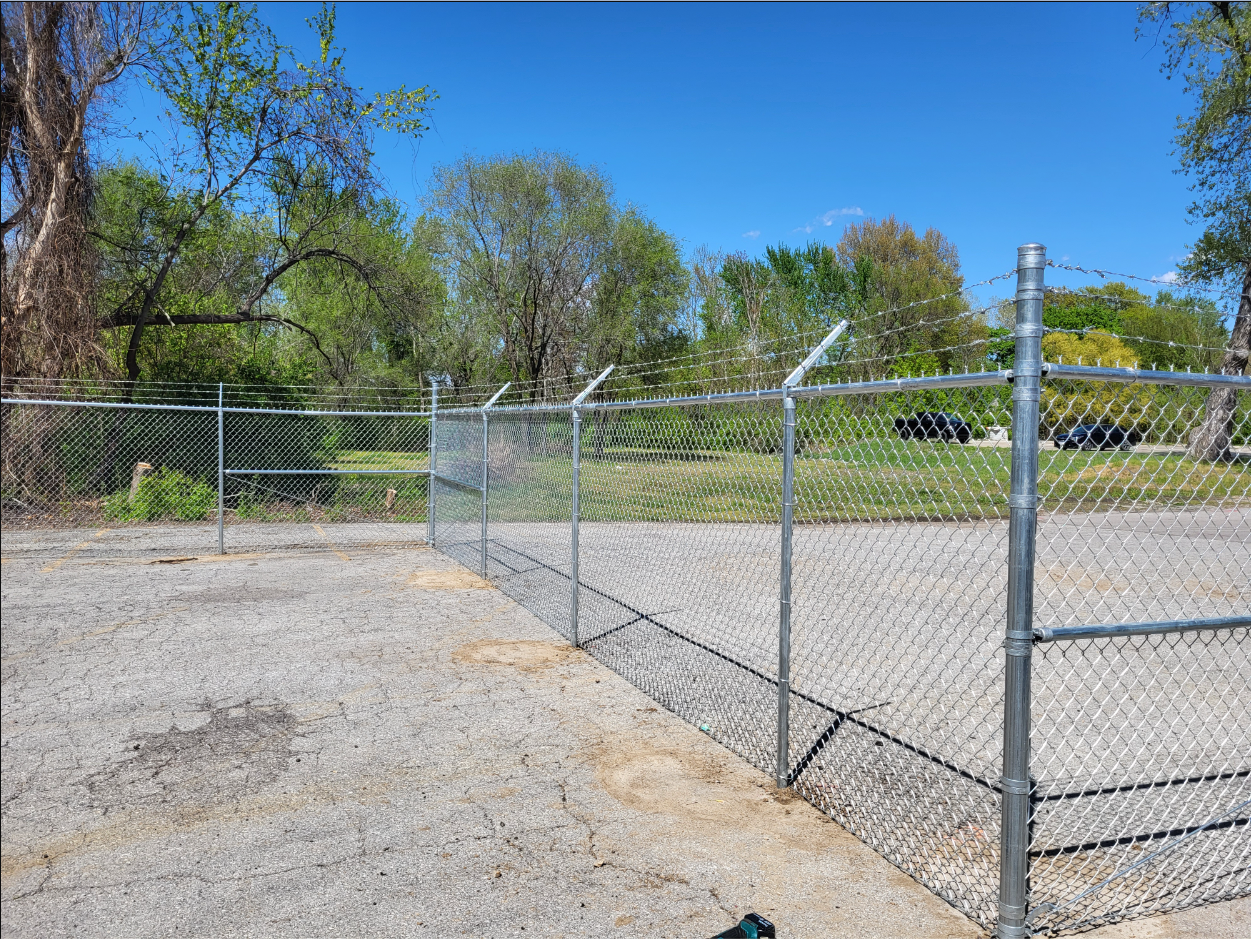
A chain link fence is constructed from galvanized steel wire woven into diamond-shaped fence fabric, then stretched between steel fence posts set in concrete footings. Chain link fencing is highly versatile for various settings, but residential chain link fences are specifically sized and gauged for homes, driveways, gardens, and pet areas rather than heavy industrial or commercial properties.
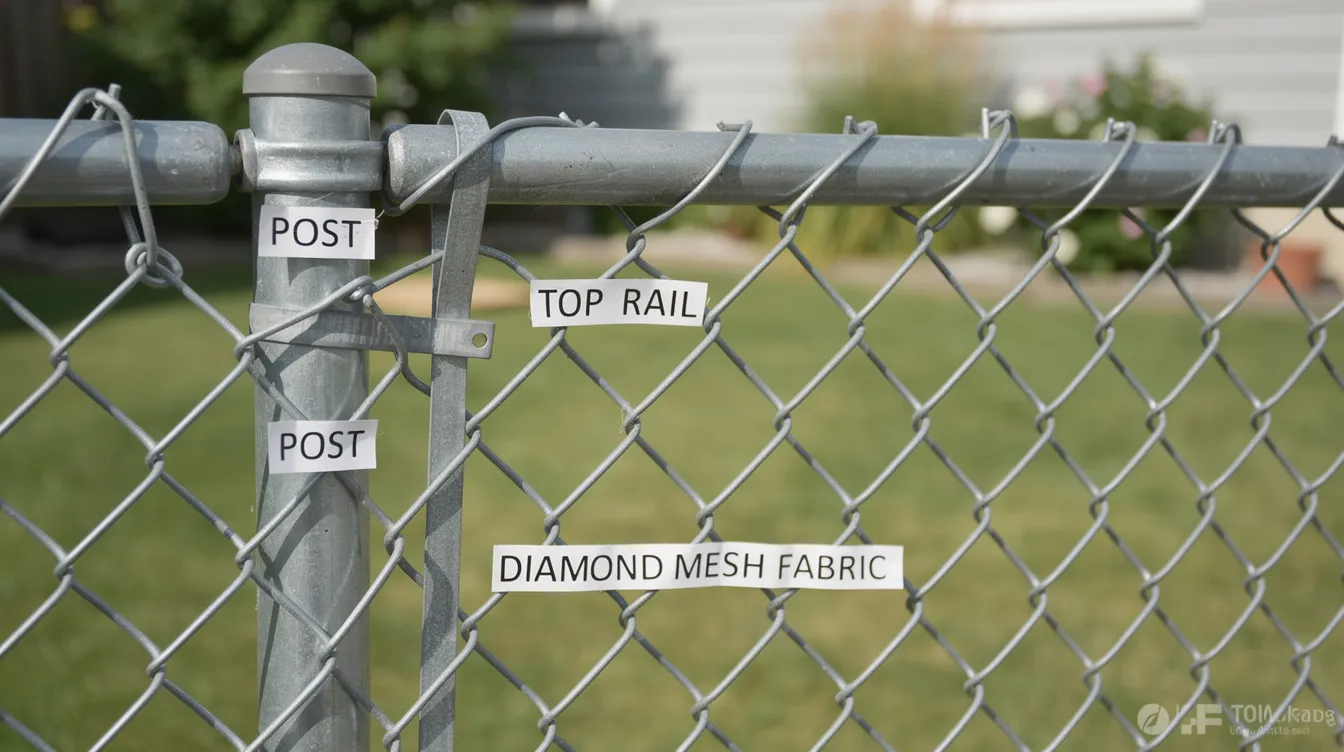
The basic components include:
- Chain link fabric – the woven mesh forming the barrier
- Terminal posts – heavier corner and end posts anchoring the fence
- Line posts – intermediate posts spaced every 8–10 feet
- Top rail – horizontal pipe connecting posts for rigidity
- Tension wire – bottom wire preventing sag and securing the mesh
- Fittings – tension bands, brace bands, tie wires, and post caps
- Gates – walk gates, drive gates, and specialty access points
Modern chain link fencing has improved significantly since the 1980s–1990s, with better zinc coatings, color coated options, UV-stabilized polymer layers, and stronger fittings that add years of service life.
How Chain Link Fence Fabric Works
Chain link fabric is interwoven steel wire forming 2-inch diamond chain link mesh. The weaving process creates a flexible but strong fence fabric that can adapt to rugged or uneven terrain without complicated construction, unlike rigid welded panels.
- Chain link fencing can be made with different wire gauges. Common wire gauges for chain link fences are 11, 12, and 9. Residential chain link fences typically use lighter gauge wire such as 11½ or 11, while 9-gauge wire is thicker and suits heavier-duty needs.
- A typical roll might be 50 feet of 2-inch mesh, 9-gauge wire with a galvanized core meeting ASTM A392 standards.
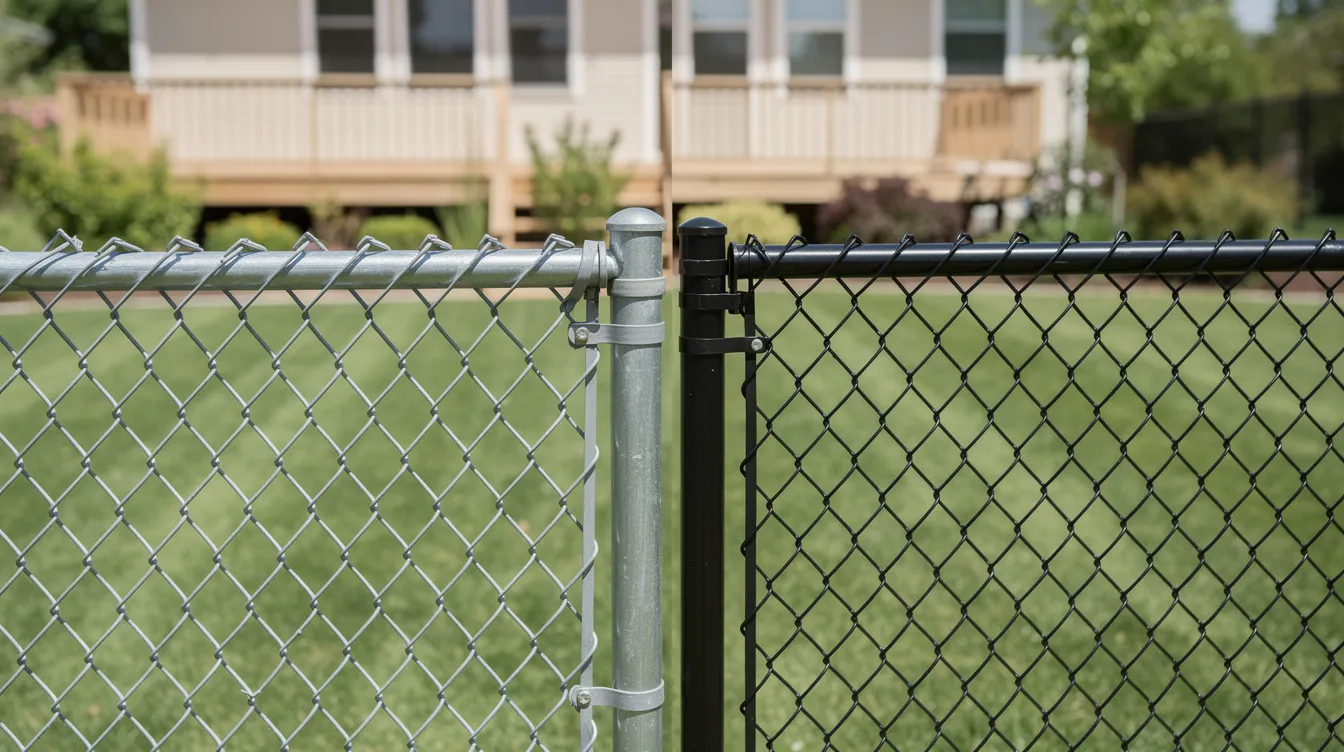
- Standard galvanized chain link fabric offers the classic silver finish. Color coated chain link fabric adds a vinyl or polymer layer over the galvanized core for improved appearance and corrosion resistance.
- Heavier gauge wire increases material cost slightly but improves resistance to bending, sag, and animal pressure.
Pros and Cons of Residential Chain Link Fences
Chain link fencing is a popular choice with homeowners due to its cost effectiveness, durability, and low upkeep. It provides a secure boundary without obstructing views. However, standard chain link fencing offers limited privacy without added slats.
Pros:
- Chain link fencing is significantly more affordable than wood or vinyl and is ideal for large areas due to its cost-effectiveness
- Chain link fencing is generally faster to install than other fencing materials, and installation is straightforward, reducing labor costs
- Chain link fencing is highly durable and can withstand extreme weather conditions; chain link fences can last over 20 years with proper maintenance
- Chain link fences are made from galvanized steel for durability, and galvanization prevents rust and corrosion
- Chain link fencing requires minimal maintenance compared to other materials; vinyl-coated chain link fences require minimal maintenance
- Chain link fences are effective for keeping pets safely enclosed
Cons:
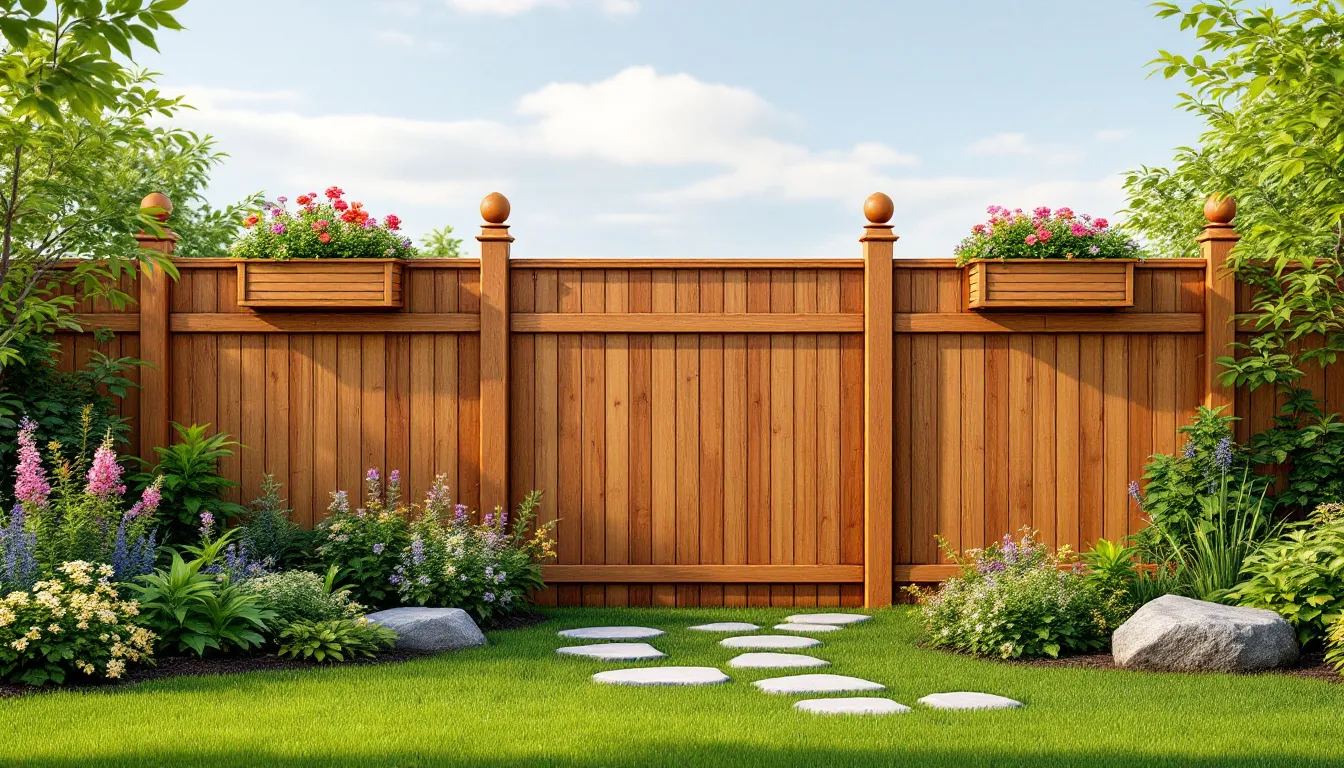
- Limited privacy unless you add slats, screens, or landscaping
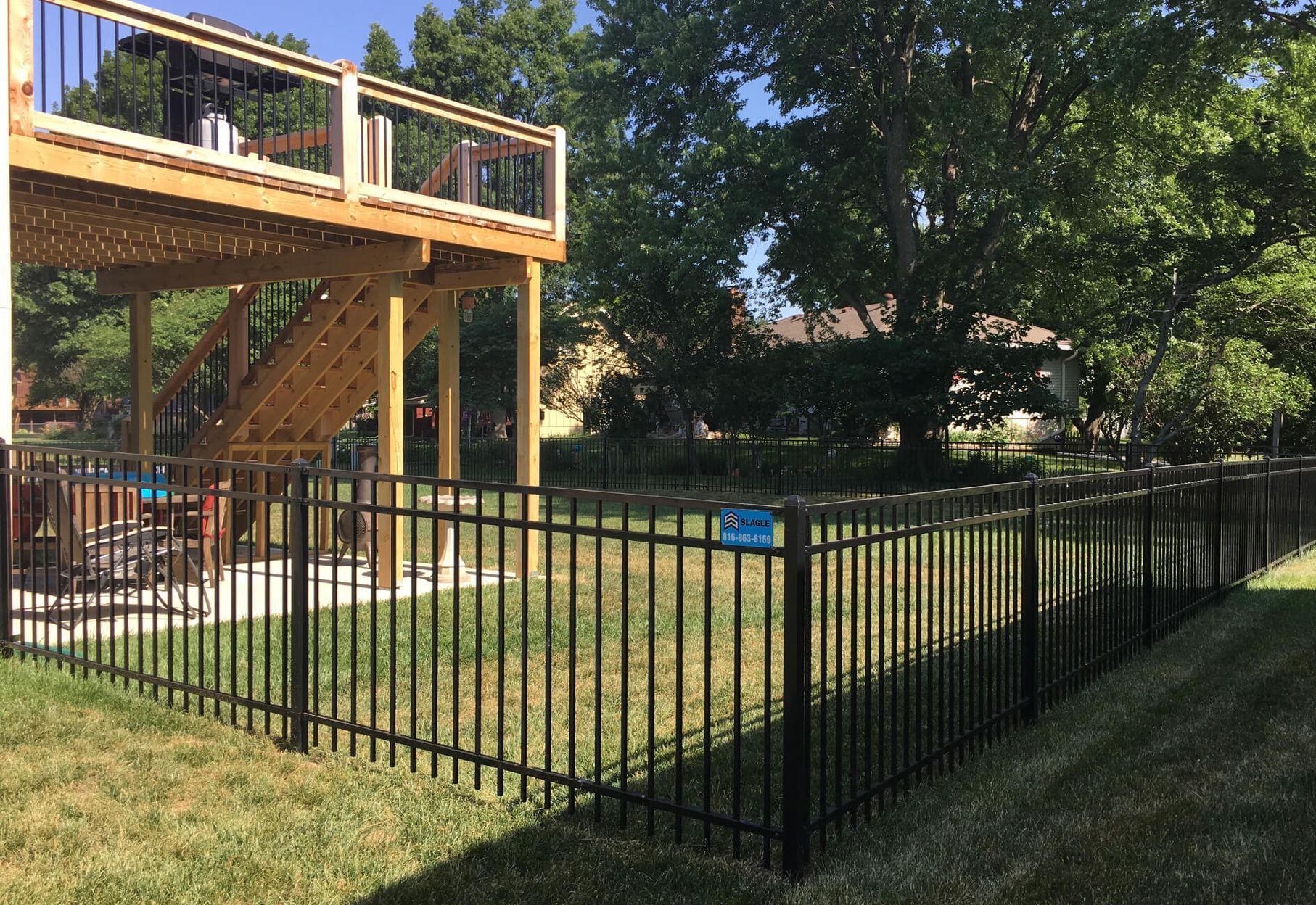
- More utilitarian appearance compared to decorative wood or ornamental steel
- Some HOA covenants or local zoning rules restrict or prohibit chain link in front yards
Color coated systems, privacy slats, and strategic landscaping can significantly improve aesthetics and perceived value of residential chain link.
Common Heights, Layouts, and Components for Homes
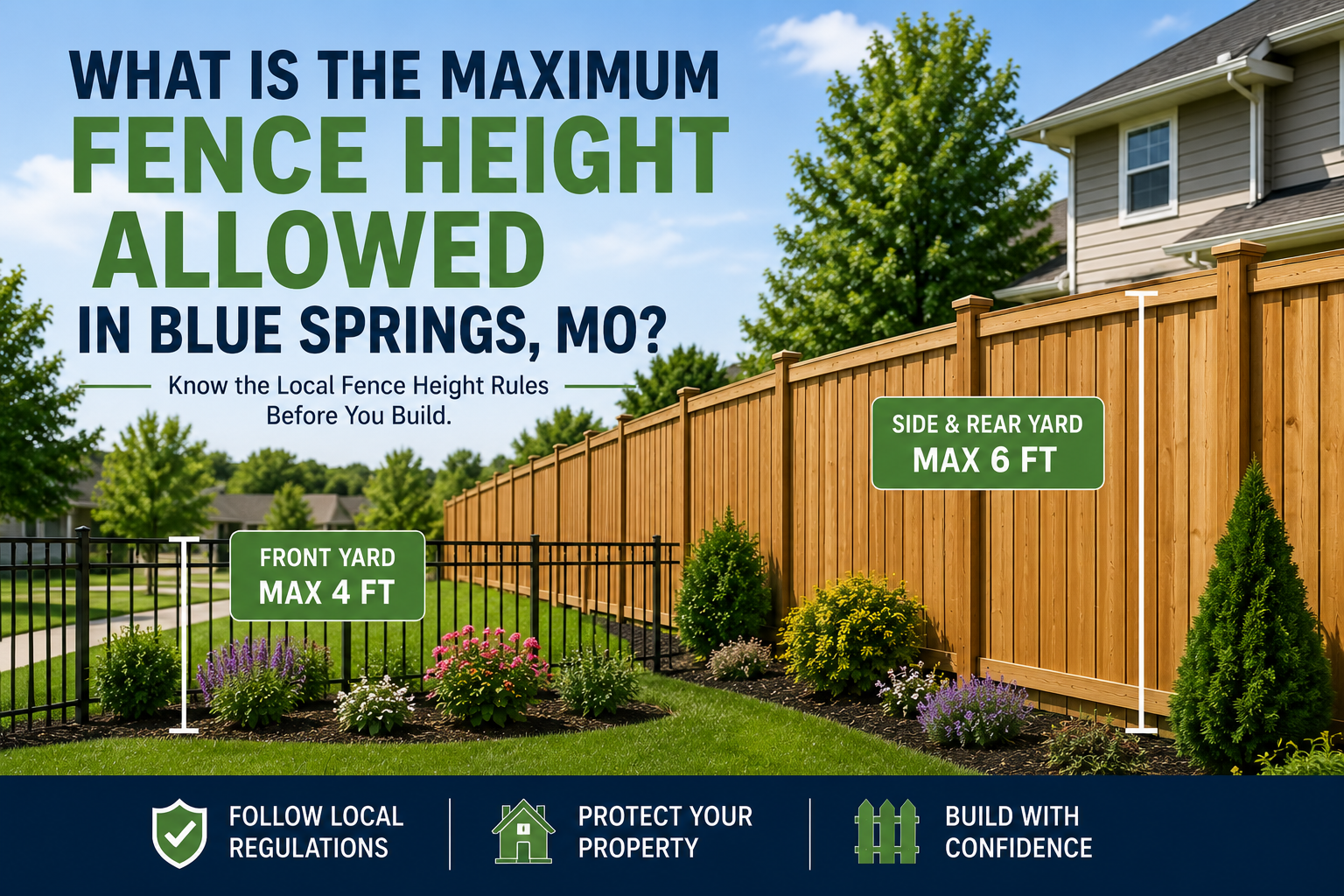
Height options for chain link fences range from 3 to 12 feet. Typical residential heights in 2026 are 4 feet and 5 feet for front or side yards, 6 feet for backyard privacy, and 3 feet for interior garden partitions. Chain link fences can be customized in height and color to match your project needs. Local regulations may dictate fence height and placement, and special-height fences of 7–8 feet may require a permit.
- Standard residential layouts include enclosing property lines, separating front and back yards, fencing around pools (check local pool-code requirements), and creating pet runs suitable for dogs and children
- Terminal posts are set in larger concrete footings at corners, ends, and gate openings
- Line posts are spaced every 8–10 feet along straight runs
- Top rail connects terminal posts; bottom tension wire or an optional bottom rail adds stability
- Gate placement should align with walkways, driveways, and access points for maintenance equipment
Finishes and Color Options: Galvanized vs. Color Coated
Your fence finish affects appearance, rust resistance, and budget. Galvanized chain link fencing is the most common type, and periodic treatments against rust are necessary for maintaining galvanized chain link fences over their full lifespan.
- Galvanized chain link uses zinc coatings (Class 1 or Class 2 per ASTM A392) that serve as a protective layer, often lasting 15–25 years in non-coastal climates before significant rust appears
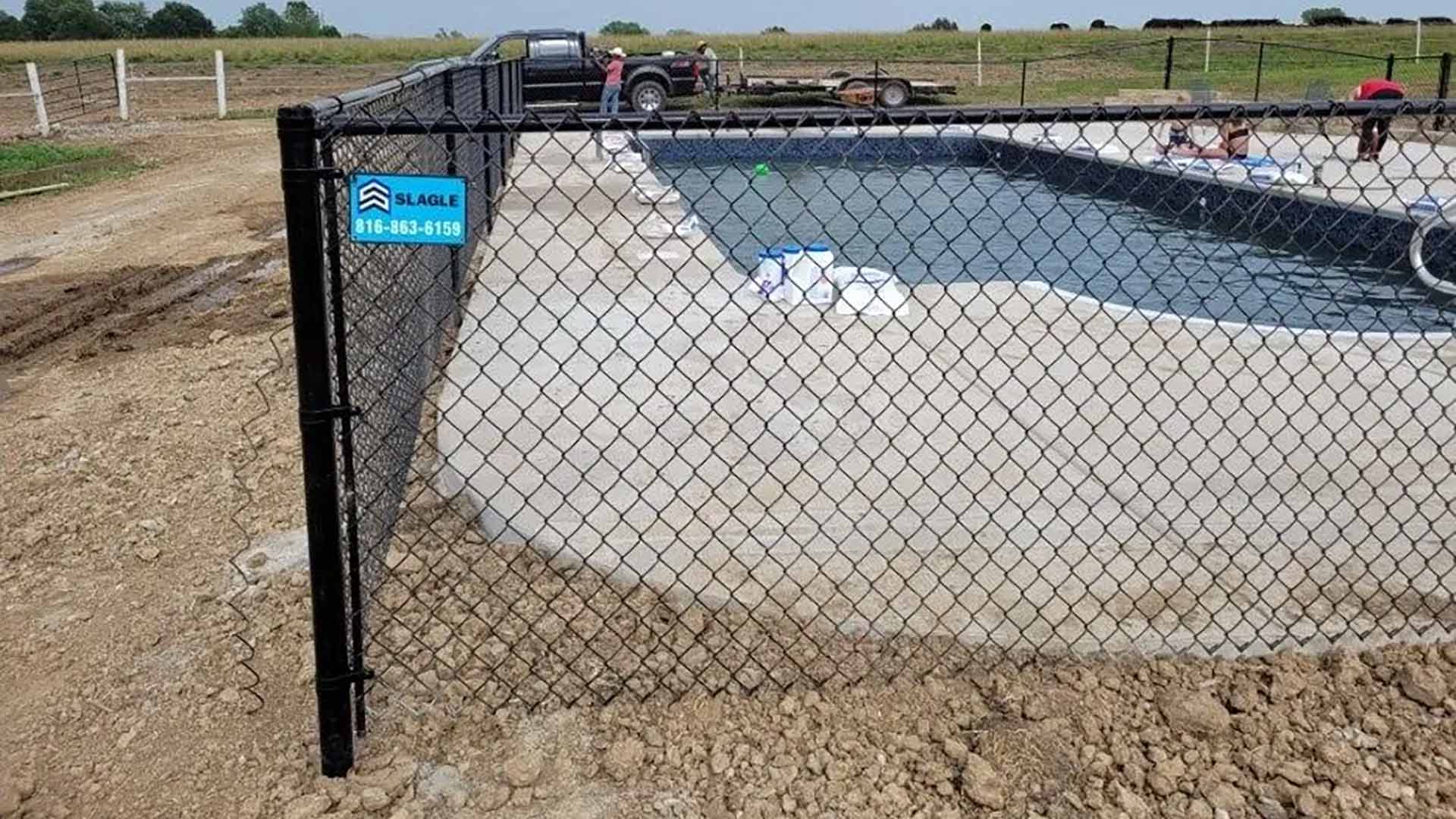
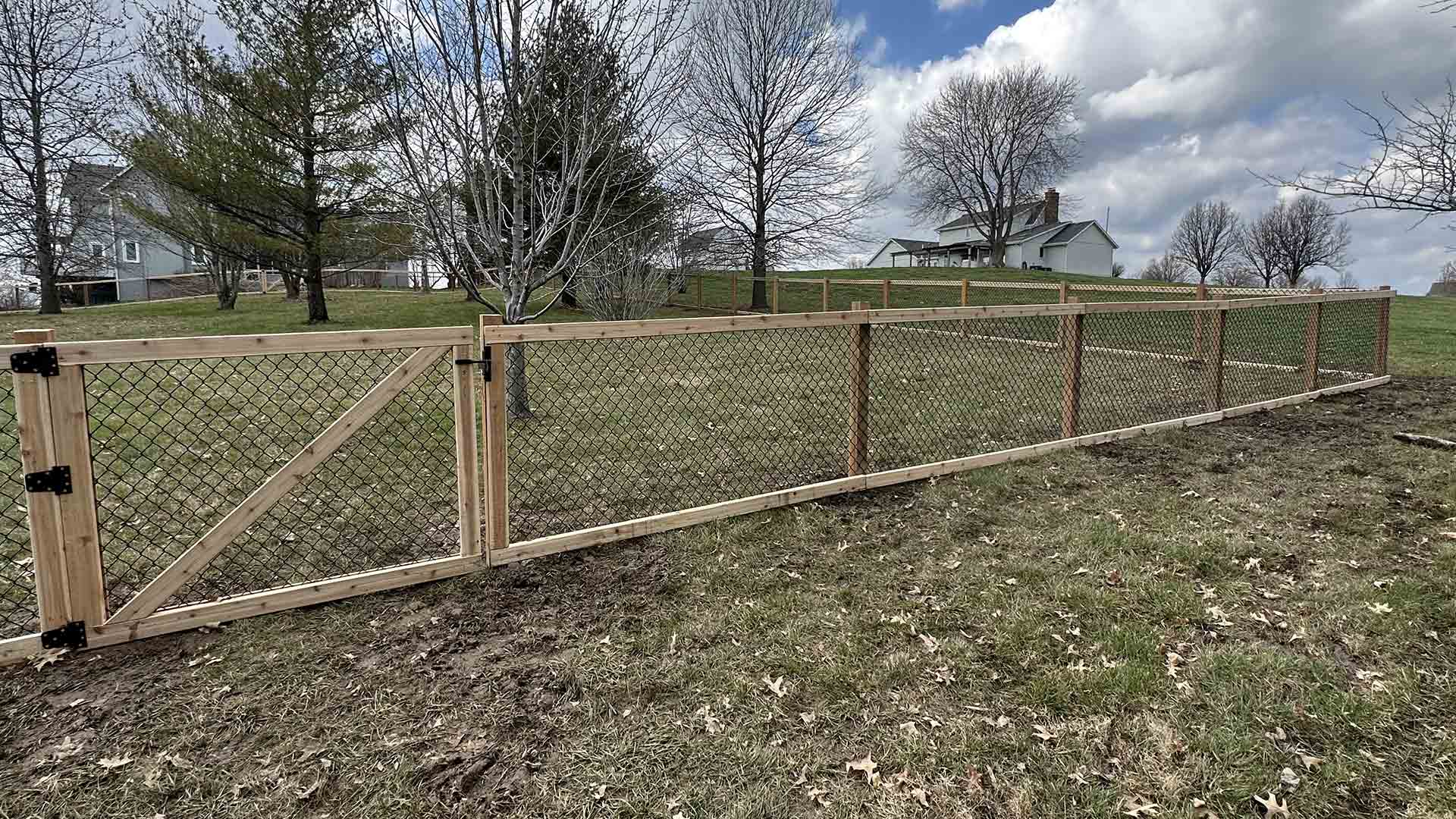
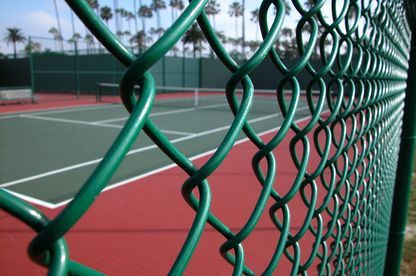
- Vinyl-coated chain link fencing is available in several colors including black, green, and brown, each designed to blend with different surroundings
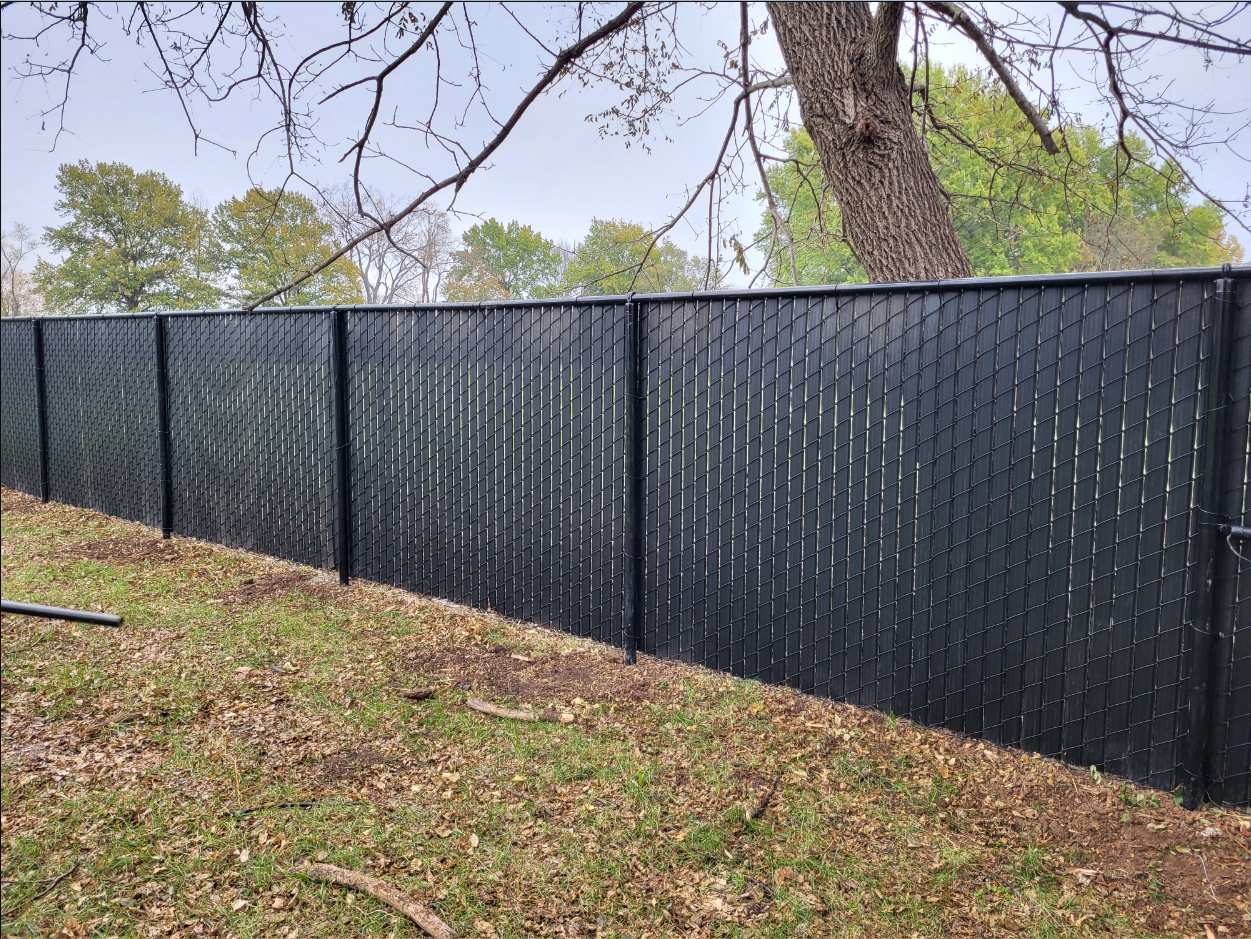
- Black color coated chain link is currently the most popular residential choice because it visually recedes into the background, creating a more upscale look
- Green and brown coatings match gardens and earth-toned landscapes
- To create a cohesive look, coordinate color coated fence fabric with matching color coated fence posts, rail, gate frames, and fittings around patios and play areas
Cost Effectiveness and Budget Planning
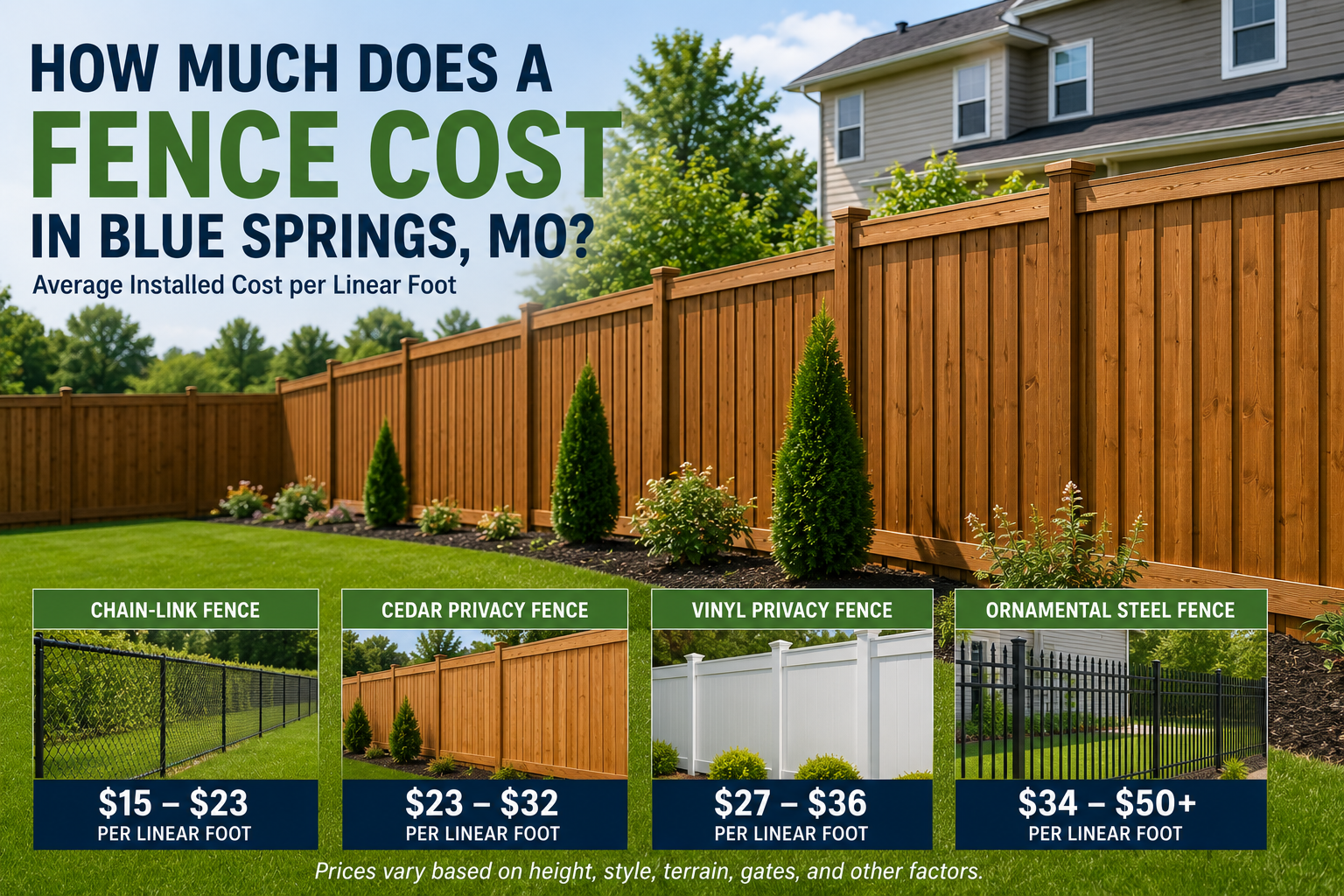
Residential chain link remains one of the most cost-effective fencing types per linear foot in 2026. A basic 4-foot galvanized chain link fence typically runs $9–$18 per linear foot installed, while 6-foot galvanized versions range from $12–$20 per foot. Adding a color coated finish increases cost by roughly 20–35%, but the schedule of long-term savings offsets the upfront difference.
Key cost factors include:
- Fence height and wire gauge specifications
- Finish type (galvanized vs. color coated)
- Number and width of gates
- Terrain complexity, soil type, and concrete footing depth
- Local labor rates and permit fees
Long-term, chain link delivers strong value: no rot, no insect damage, no repainting, and simple repairs where you replace individual sections of fence fabric or fence posts rather than entire panels. Before committing, get written estimates that clarify linear footage, material gauge, finish, and warranty terms. For larger orders, some suppliers offer volume pricing worth asking about.
Design Upgrades: Privacy, Security, and Curb Appeal
Modern residential chain link fences can be upgraded well beyond the basic sort of utilitarian install.
- Privacy: Privacy slats can be added to chain link fencing for seclusion. Mesh windscreens and outdoor fabric panels also work. Planting dense shrubs or vines along the fence line adds a natural layer of screening.
- Security: Chain link fences can reach heights of 12 feet for security on commercial properties, storage facilities, warehouses, and factories. Barbed wire enhances the security of chain link fences, and razor ribbon can be added for increased security. Mini mesh options provide higher security against cutting. Privacy slats improve security and reduce visibility. For residential use, a bottom tension wire or rail helps keep pets secure.
- Curb appeal: Choose black or dark green coatings to help the fence blend. Add decorative post caps. Integrate trellises or climbing plants. Match all hardware for a polished look, unlike mismatched bare steel fittings.
Residential Gates and Access Points
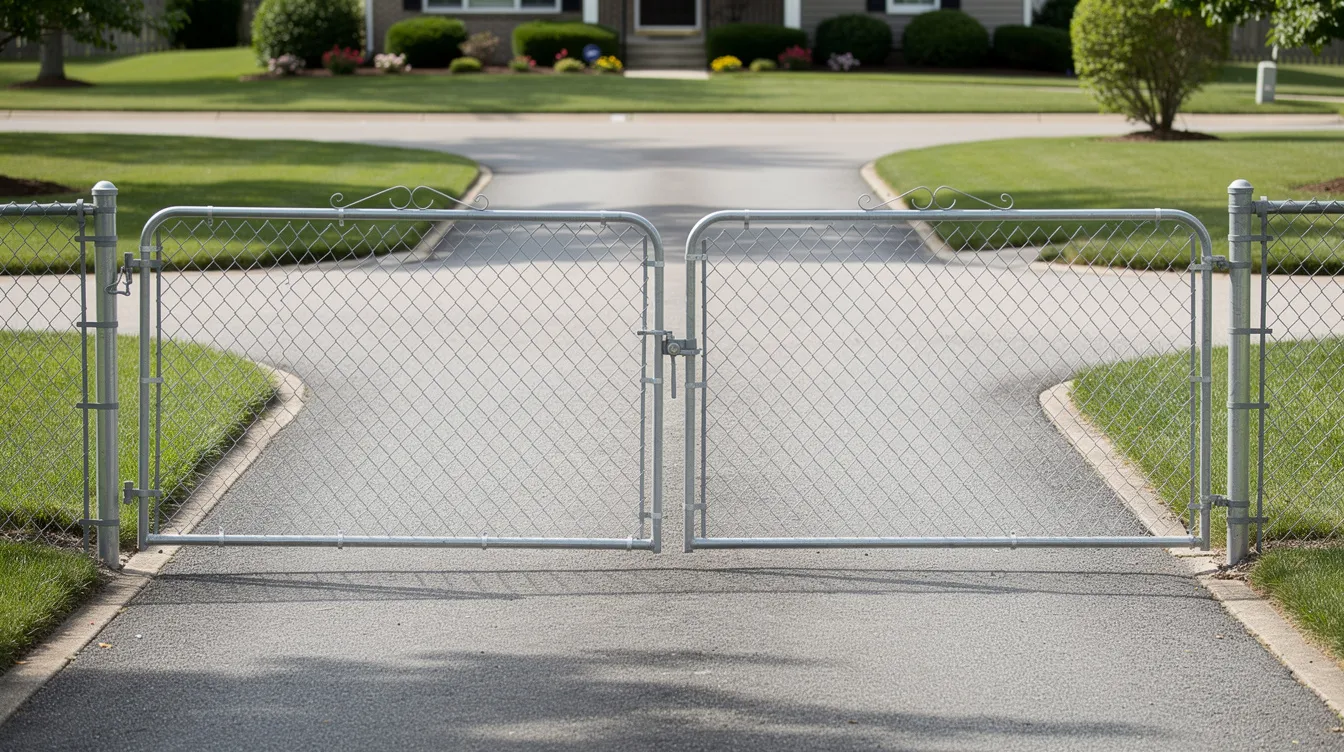
Properly planned chain link gates are essential for driveways, walkways, side yards, and access to utility areas. Gates typically use the same pipe and tubing as the fence’s top rail, filled with matching chain link mesh or color coated fabric.
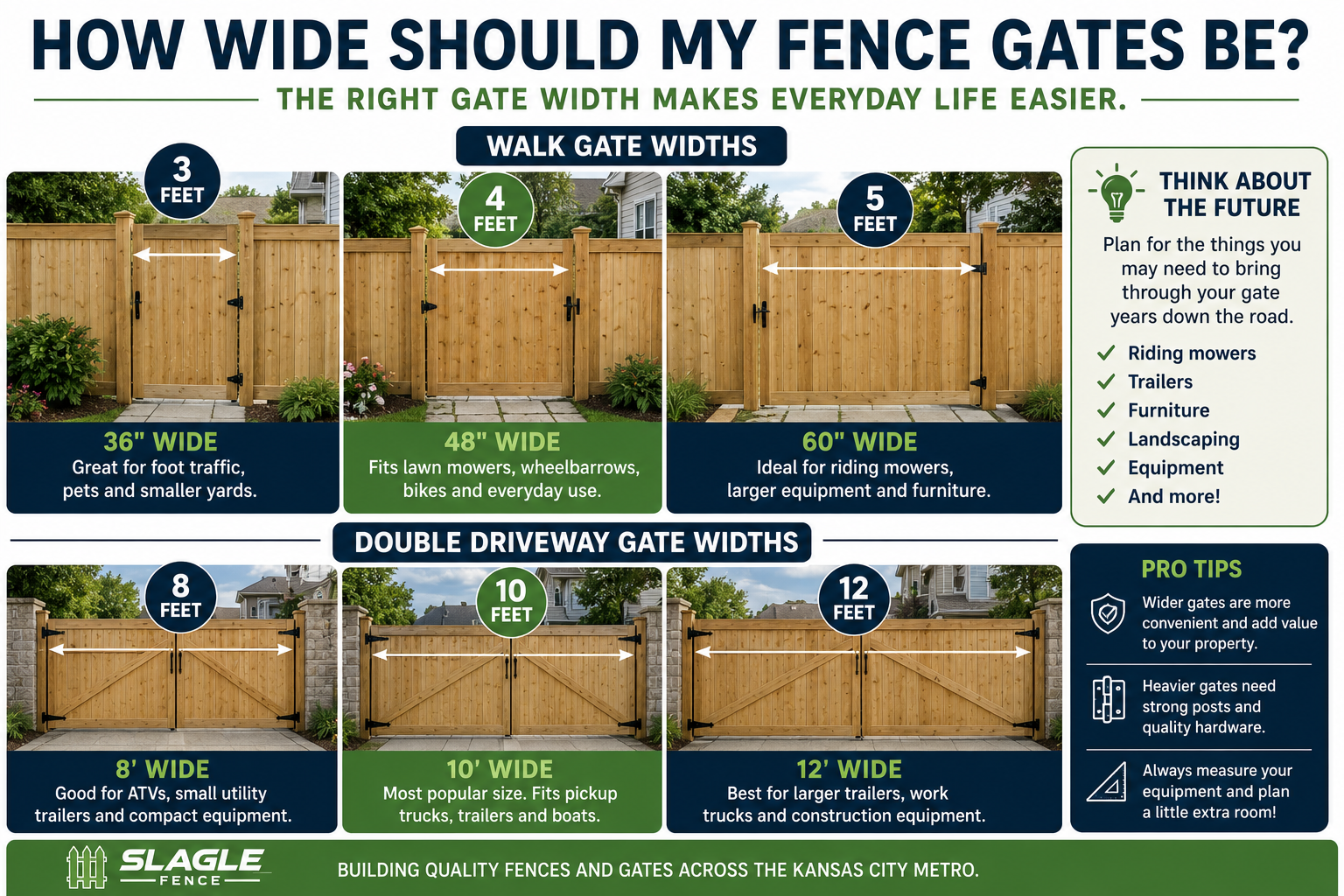
- Walk gates: 3–4 feet wide for pedestrian access
- Double-swing drive gates: 10–16 feet wide with heavier hinges
- Garden or kennel gates: Narrower, often designed for pet runs
Hardware choices include standard hinges and latches, lockable latches, and self-closing hinges for pool and play-area compliance. You can also add simple gate automation on driveways. Position gates where they align with existing walkways or drive surfaces and ensure enough clearance for snow removal or lawn equipment. Add gate frames to your cart when ordering fence materials so everything ships together and specifications match.
Installation Overview and Maintenance Tips
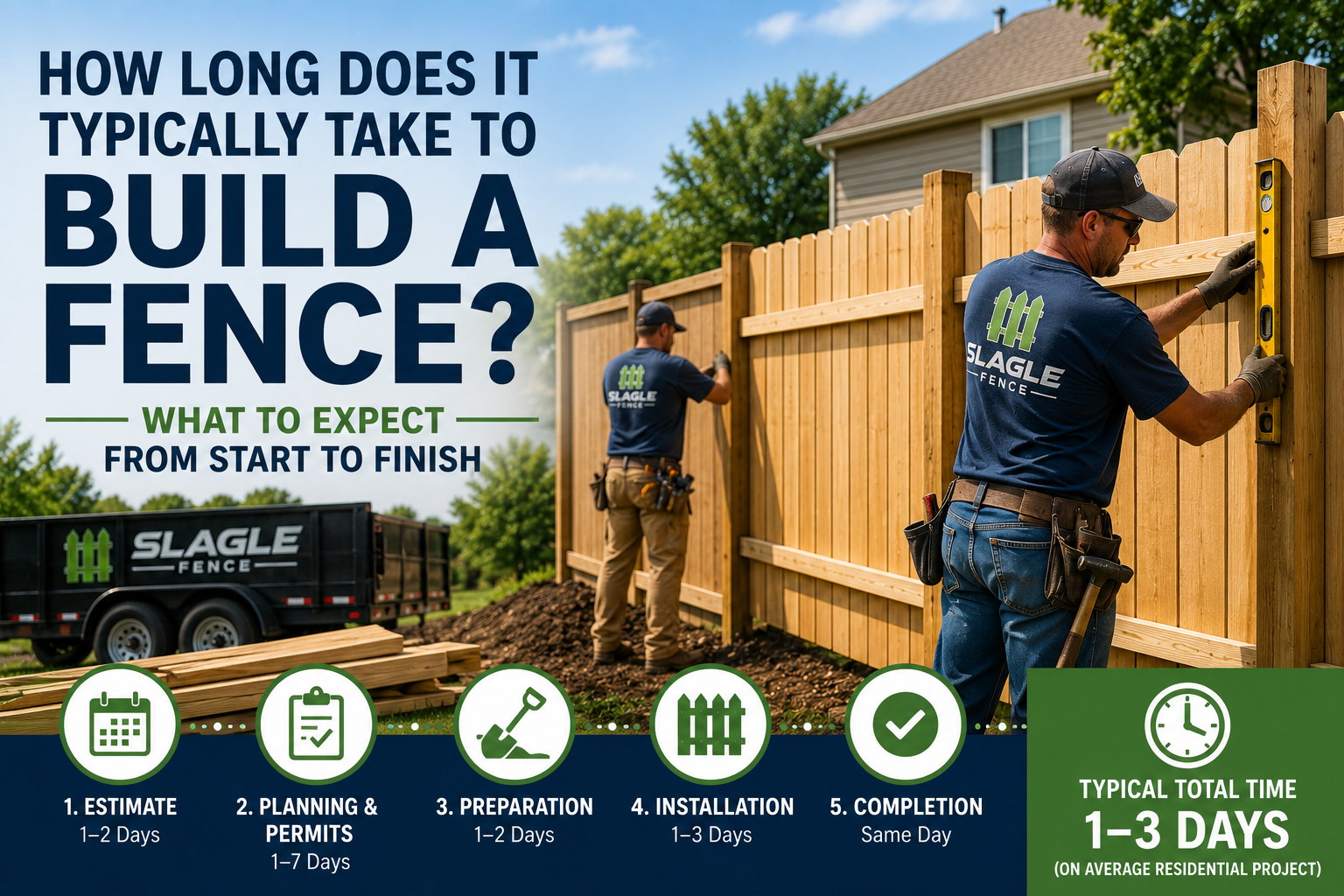
Chain link fences can be installed in three main ways: full professional installation, partial DIY with professional post setting, or complete DIY. Here is the general process:
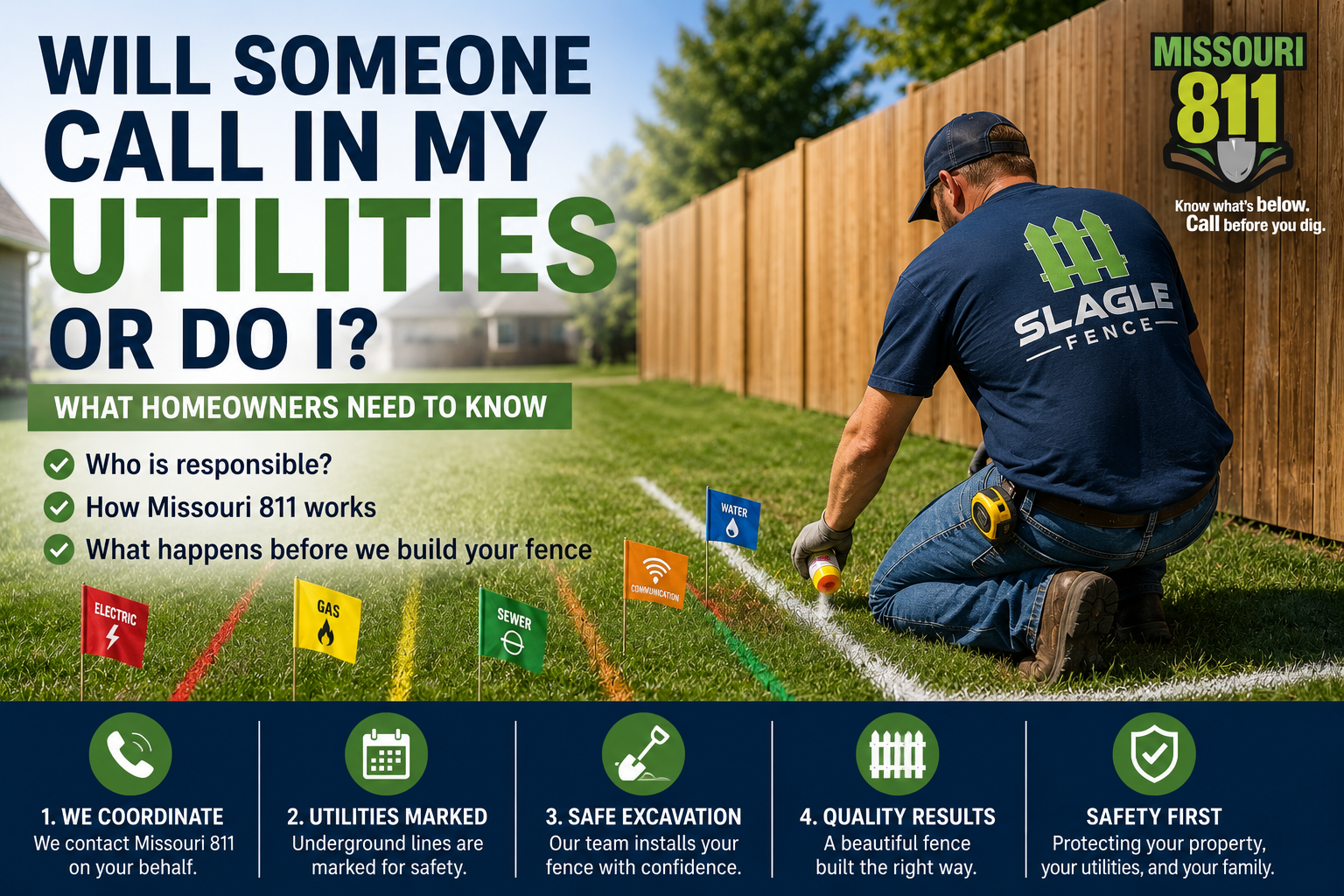
- Layout and marking boundary lines, checking utilities, confirming permission for any easements
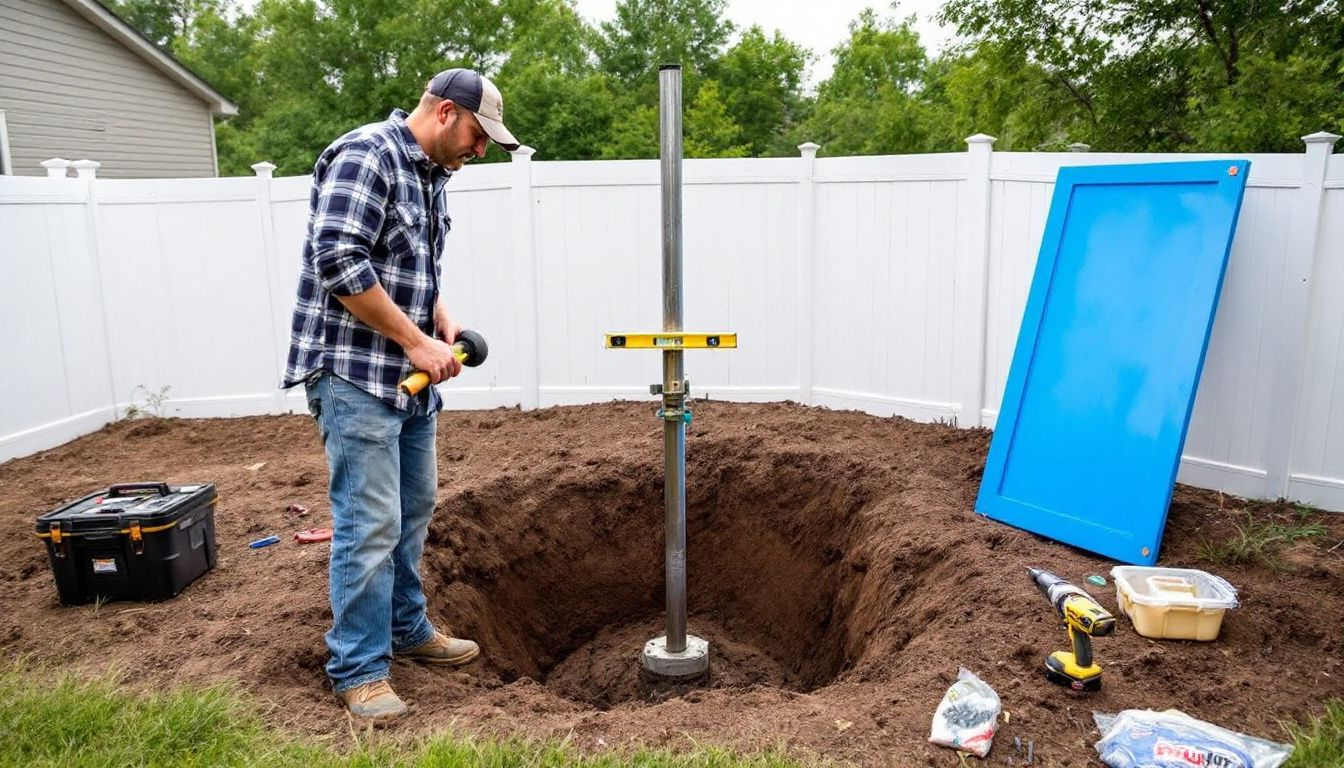
- Digging post holes and setting fence posts in concrete (terminal posts deeper, line posts at standard depth)
- Attaching top rail, tension bands, brace bands, and fittings
- Stretching chain link fabric tight using tension bars and a come-along tool
- Hanging and leveling gates
Professional installers usually allow concrete to cure 24–48 hours before tensioning the fence fabric. DIY projects require post-hole diggers or augers, a level, concrete mixing supplies, and tensioning tools.
For maintenance: regular inspections are recommended to maintain chain link fencing. Regular cleaning with soap and water maintains chain link fences and prevents buildup that accelerates corrosion. Lubricate gate hinges, repair bent wire sections promptly after storms, and trim vegetation that holds moisture against the mesh.
Is Residential Chain Link Fencing Right for Your Property?
Residential chain link works best for families with children or pets, homeowners wanting secure boundaries without losing sightlines, and budget-conscious property owners across the USA who need to fence larger areas.
- Does your HOA or local zoning code allow chain link? In most cases, backyards and side yards are permitted, but front-yard restrictions are common.
- How much privacy do you need? Compared to solid wood fences, chain link is open-but slats and screens close the gap.
- What is your climate exposure? Coastal or high-humidity areas benefit from color coated systems.
- What is your total budget over 20–30 years, including installation, maintenance, and any future repairs?
Before requesting quotes, measure your yard’s total linear feet, sketch a layout with corners and gate placements, note slope changes, and check your inventory of local code or HOA documents. Contact at least two or three installers, compare line-item estimates, and verify material specifications before you shop for a final decision.
Frequently Asked Questions About Residential Chain Link Fencing
How long does a residential chain link fence typically last?
A properly installed galvanized residential chain link fence can often last 20–30 years in typical suburban environments. Color coated systems may extend service life by an additional 3–5 years by adding an extra protective layer to the chain link fabric and fence posts. Lifespan is affected by factors like soil drainage, proximity to road salts or coastal air, and how quickly minor damage is repaired.
Can I get more privacy from a chain link fence without replacing it?
Yes. Homeowners can add privacy slats, mesh windscreens, or outdoor fabric panels to existing link fencing to block visibility and wind without rebuilding. Be aware that adding dense privacy materials can increase wind load, so posts and rail should be checked to ensure they handle the added surface area.
Are chain link fences allowed by homeowners’ associations (HOAs)?
Many HOAs in 2026 allow residential chain link only in backyards or side yards, and some require color coated finishes (often black) instead of bare galvanized. Review your HOA covenants and local zoning rules for allowed location, height limits, and finish requirements before planning your fence project. Some edgesuite chart reviews of HOA documents can clarify these rules quickly.
Is chain link fencing safe for dogs and small pets?
Residential chain link is widely used for dog runs and pet containment. Install bottom tension wire or a bottom rail to prevent digging or pushing under. Choose a mesh size and height suitable for your breed-5 to 6 feet is common for active or jumping dogs. Check for sharp edges around gates or cut sections of fence fabric, and serve your pets’ safety by choosing vinyl-coated mesh for smoother surfaces.
Can an existing chain link fence be repaired instead of replaced?
Many residential chain link fences can be repaired by replacing damaged fence fabric sections, individual fence posts, or broken fittings-which is often more cost effective than full replacement. If multiple posts are rusted through or the fence no longer meets code or HOA requirements, replacement may be the better long-term option.