Choosing between wood and vinyl is one of the most common decisions Lawrence homeowners face once they’ve settled on wanting a privacy fence, and it’s a genuinely close call almost everywhere in the country. But Lawrence’s specific climate, a humid subtropical pattern with intensely hot, sticky summers and short but genuinely cold winters, tips the scales in some predictable ways. This guide breaks down exactly how Lawrence’s weather affects each material, so you can make the choice based on how these fences actually perform here rather than generic national advice that doesn’t account for our particular mix of humidity, freeze-thaw cycling, and clay soil.
Understanding Lawrence’s Climate, Briefly
Lawrence sits under a Köppen Cfa classification, humid subtropical with no distinct dry season, which means moisture is a year-round factor rather than something you only deal with in spring. Summers are hot and muggy, with July highs regularly reaching the upper 80s to low 90s and humidity staying elevated even after sunset. Winters are shorter but can still get genuinely cold, with January lows dropping into the upper teens to low 20s on a fairly regular basis, and the city receives a meaningful amount of both rain (around 39 inches annually) and snow (around 13 inches annually).
The temperature swing between summer highs and winter lows in the Kansas City region, often 70 degrees or more across the year, creates real stress on building materials, including fencing, through repeated expansion and contraction. Add in the area’s clay-heavy soil, which expands when wet and contracts when dry, and you’ve got a combination that tests any material’s durability over a 15 to 20 year fence lifespan.
How Wood Holds Up
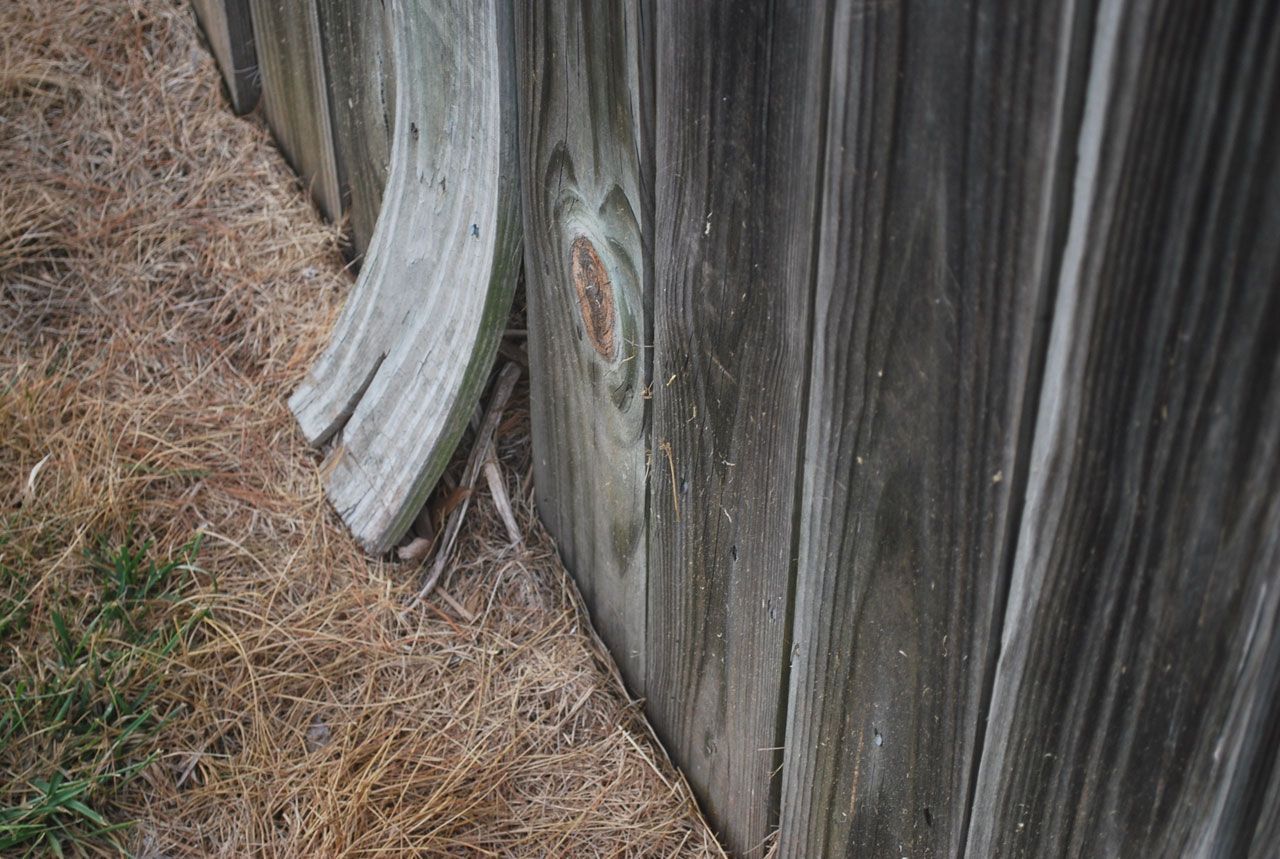
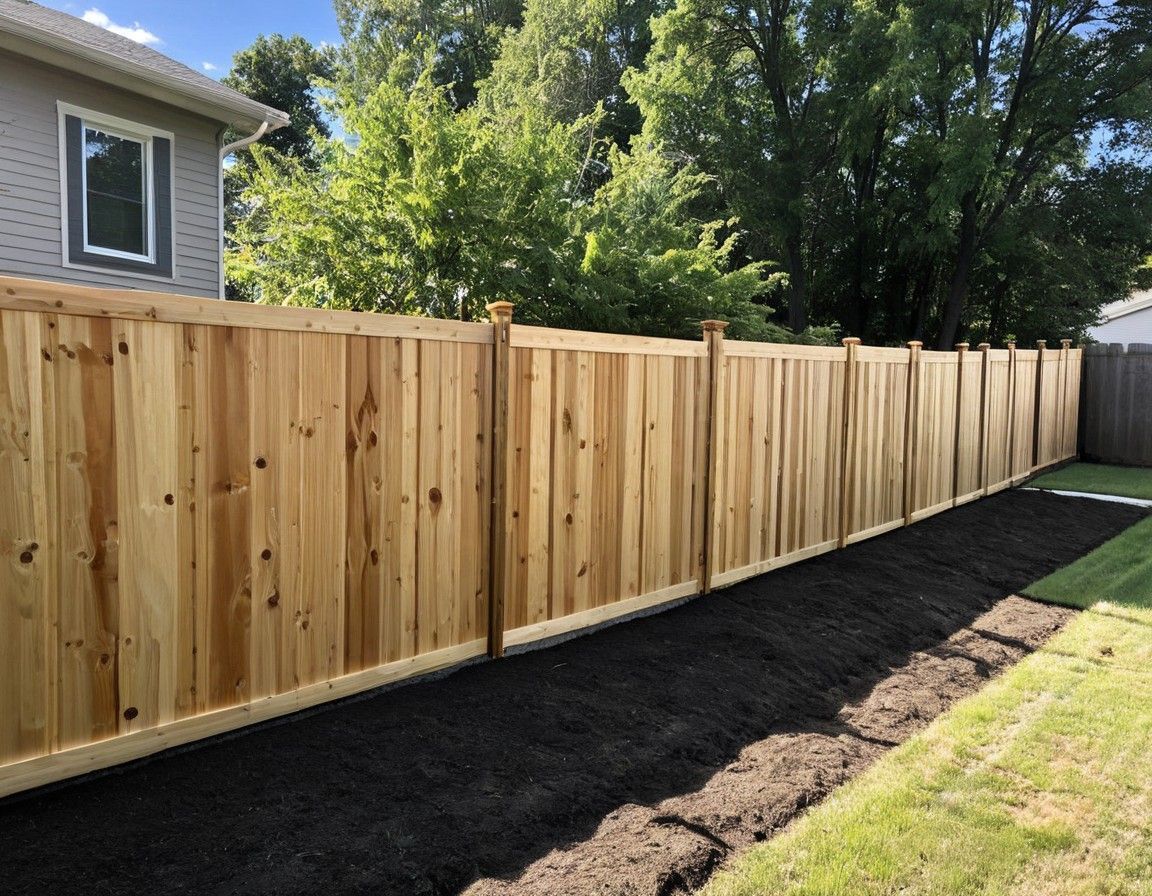
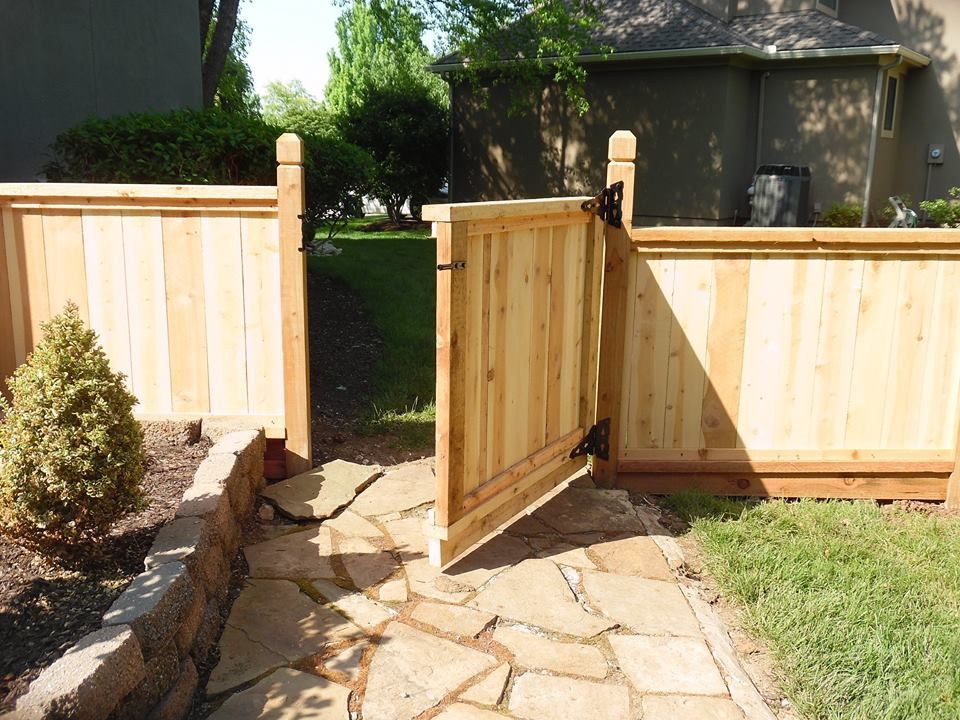
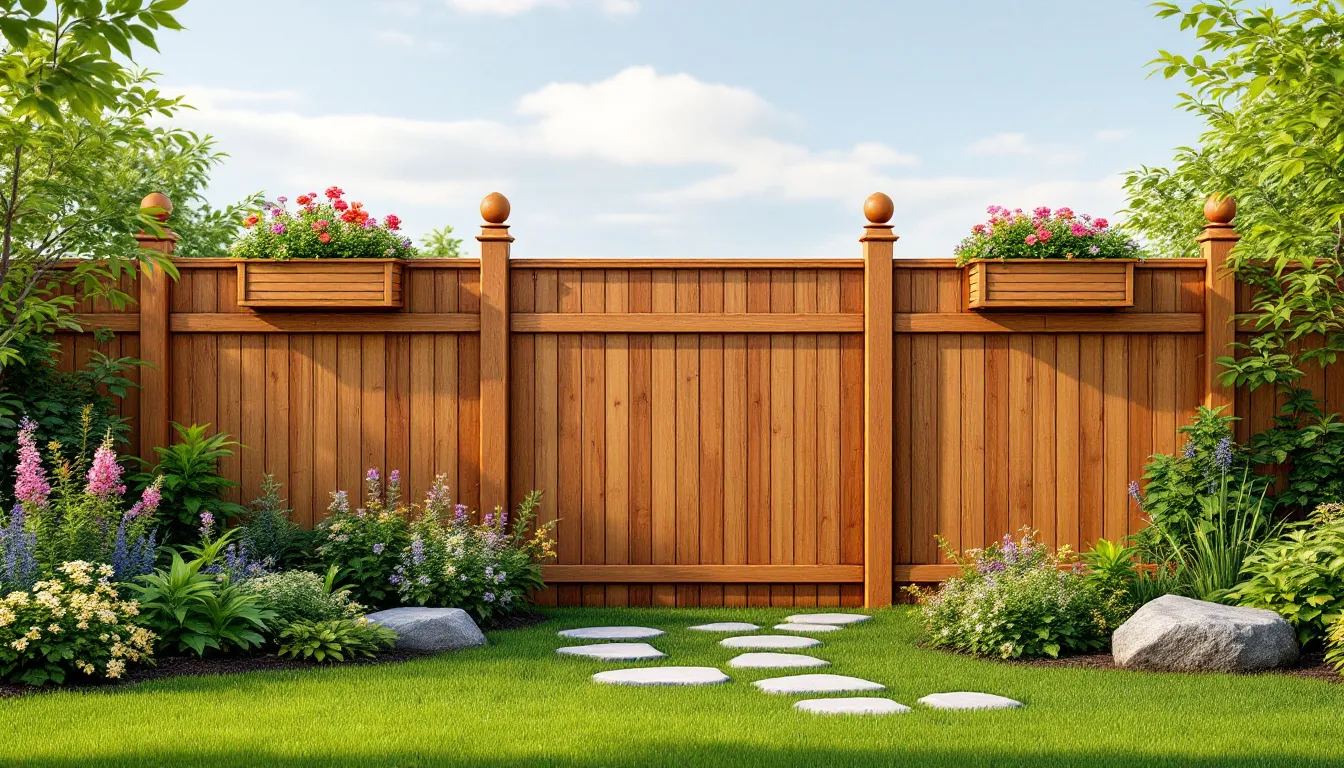
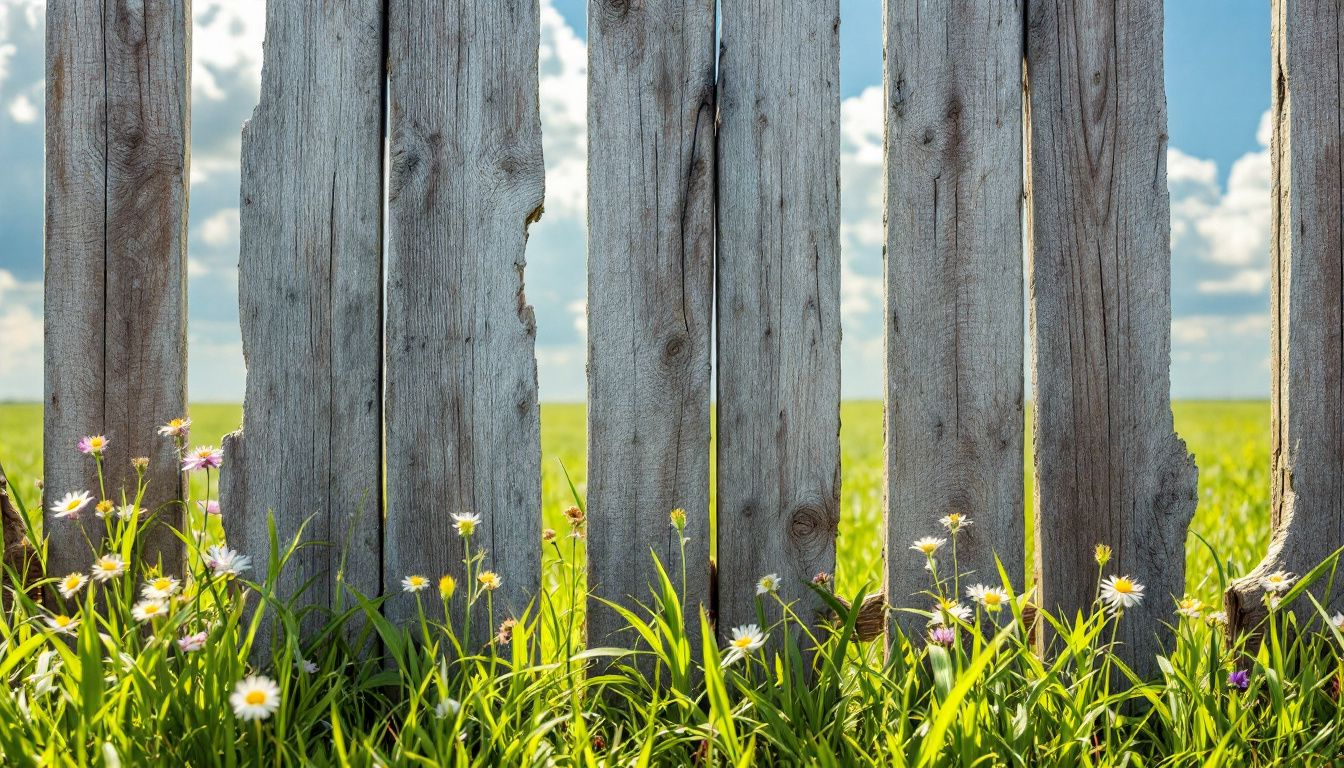
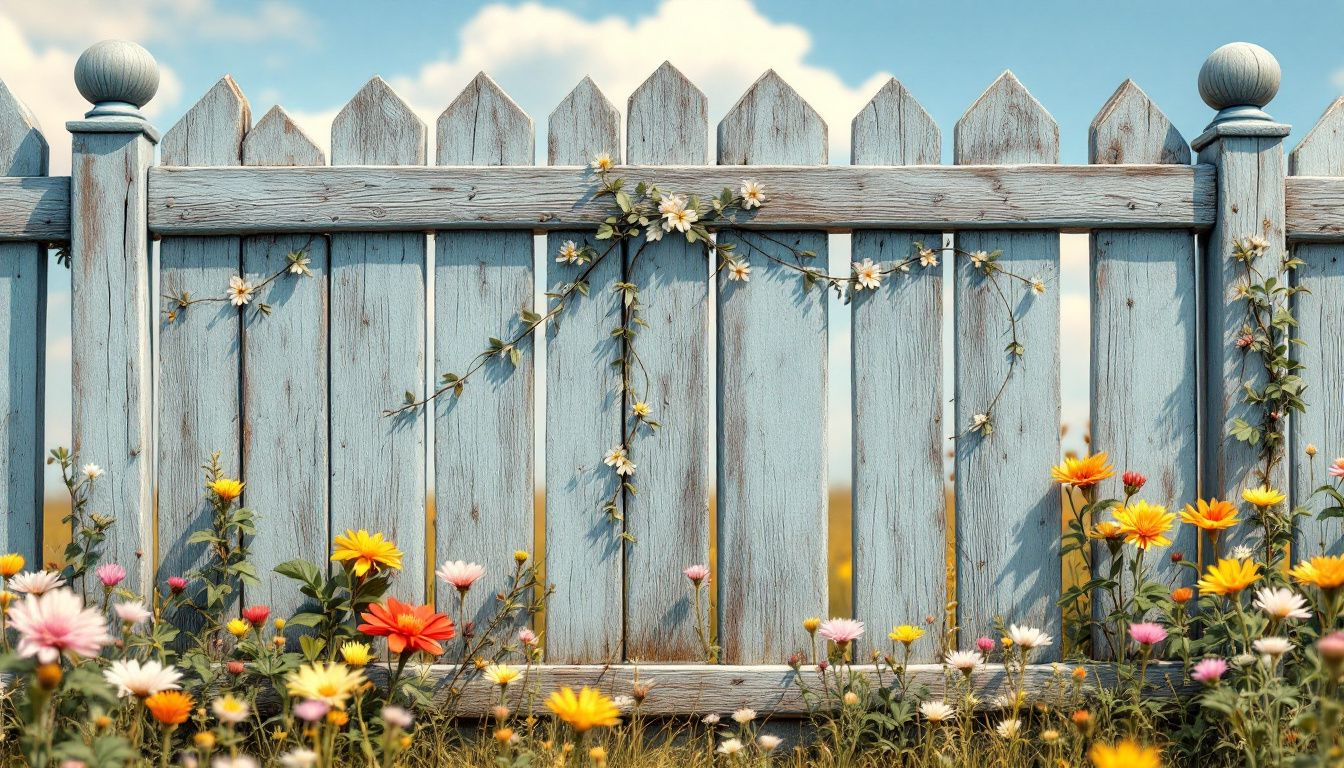
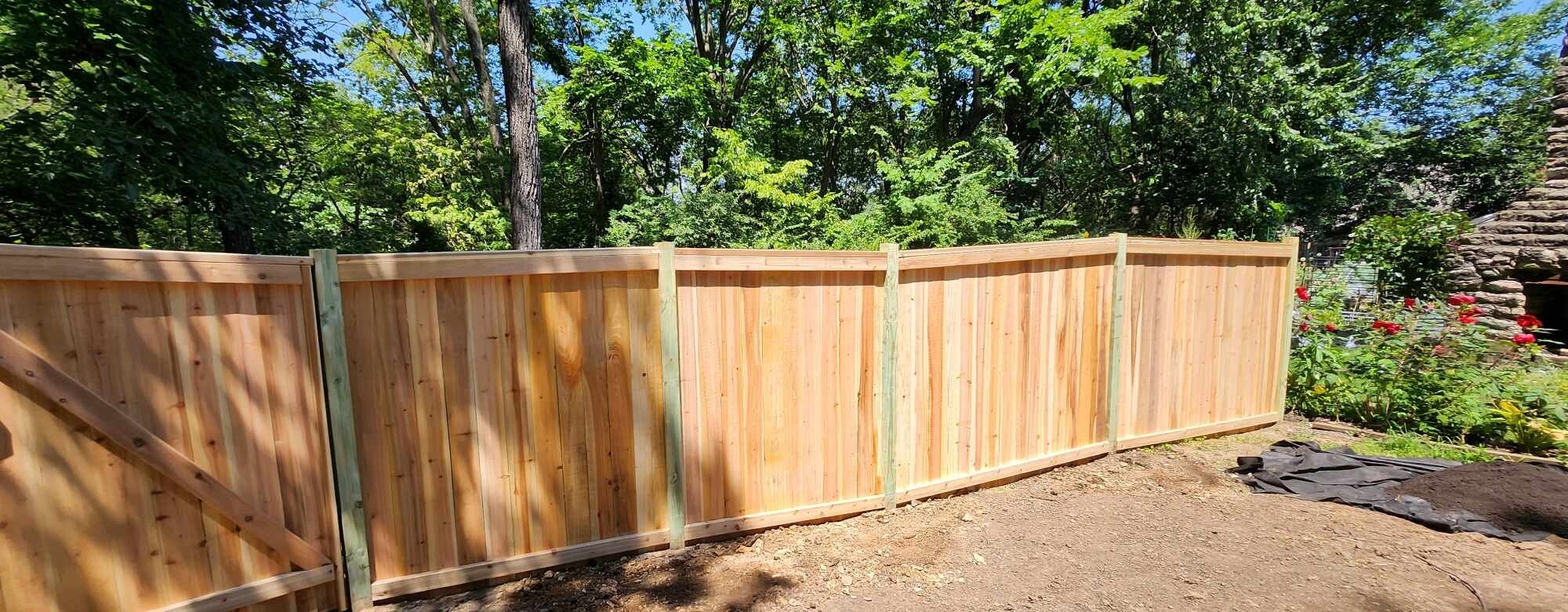
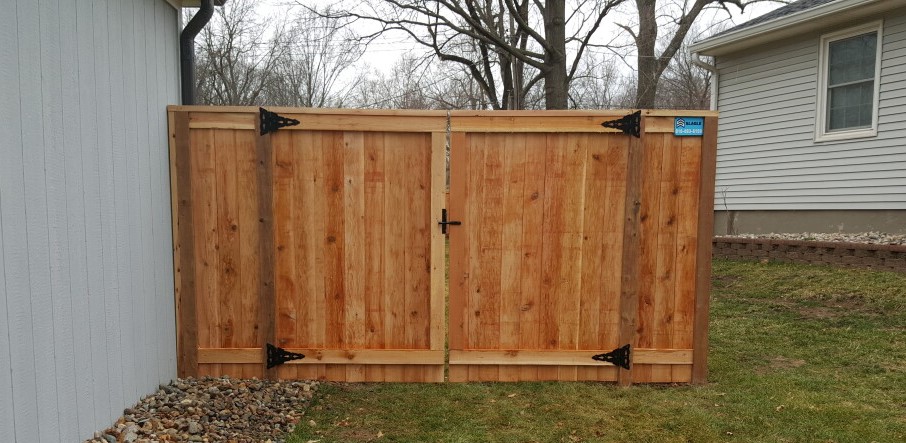
Wood is a natural material, which means it responds to Lawrence’s weather in ways that are well understood but require some ongoing attention. Humidity is wood’s primary long-term challenge here. Lawrence’s summer humidity, combined with regular rainfall throughout the growing season, creates conditions where untreated or poorly maintained wood can absorb moisture, leading to swelling, warping, and eventually rot if the wood isn’t given a chance to dry out and isn’t periodically resealed.
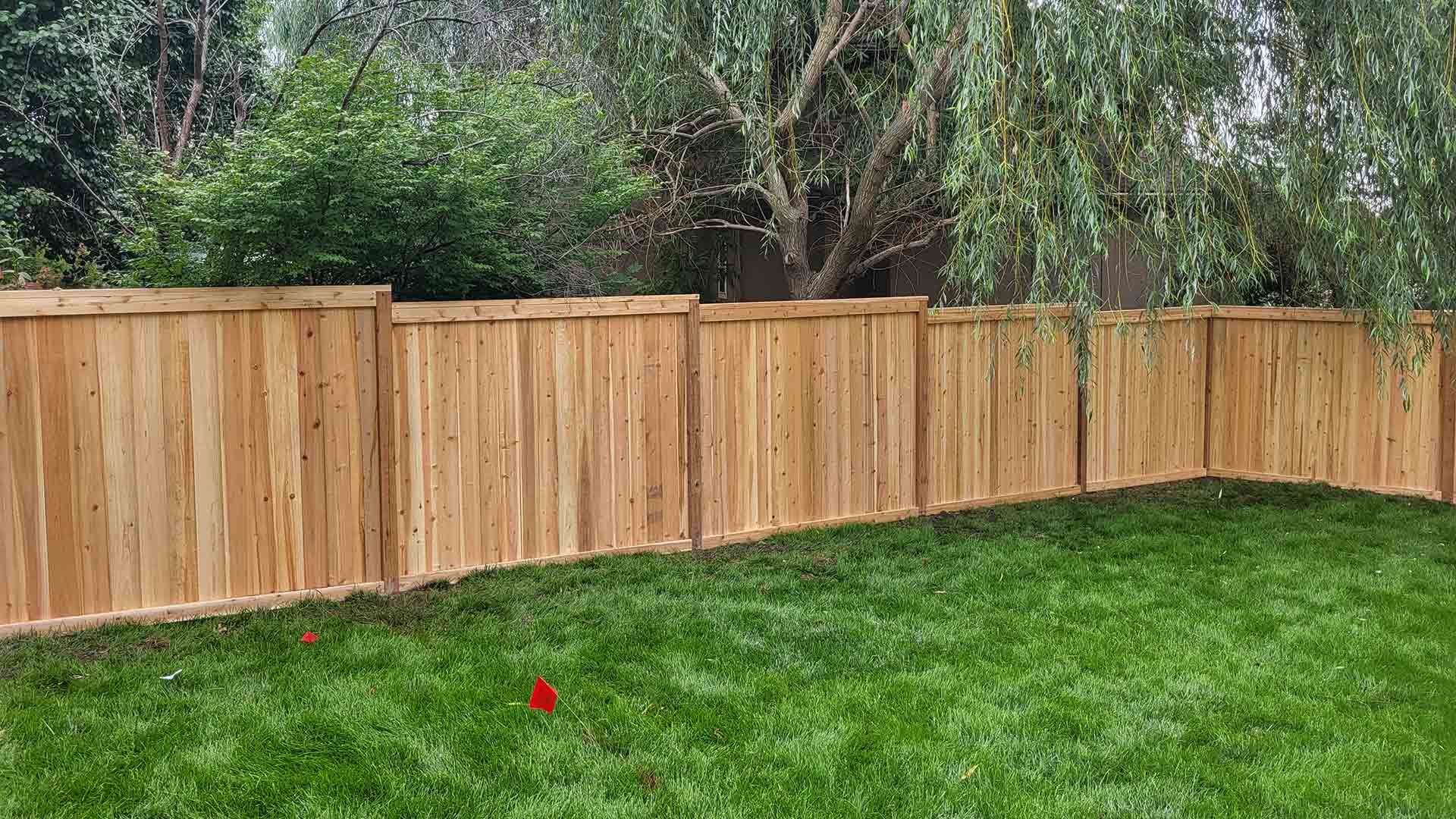
This is where wood species choice matters enormously. Cedar contains natural oils that make it significantly more resistant to both moisture damage and insect activity compared to pressure-treated pine, which is chemically treated to resist rot but doesn’t have the same natural resilience built in. In a climate like Lawrence’s, that difference becomes meaningful over the life of the fence; cedar fences regularly outlast pine fences by several years when both are properly maintained, and the gap widens considerably if maintenance lapses.
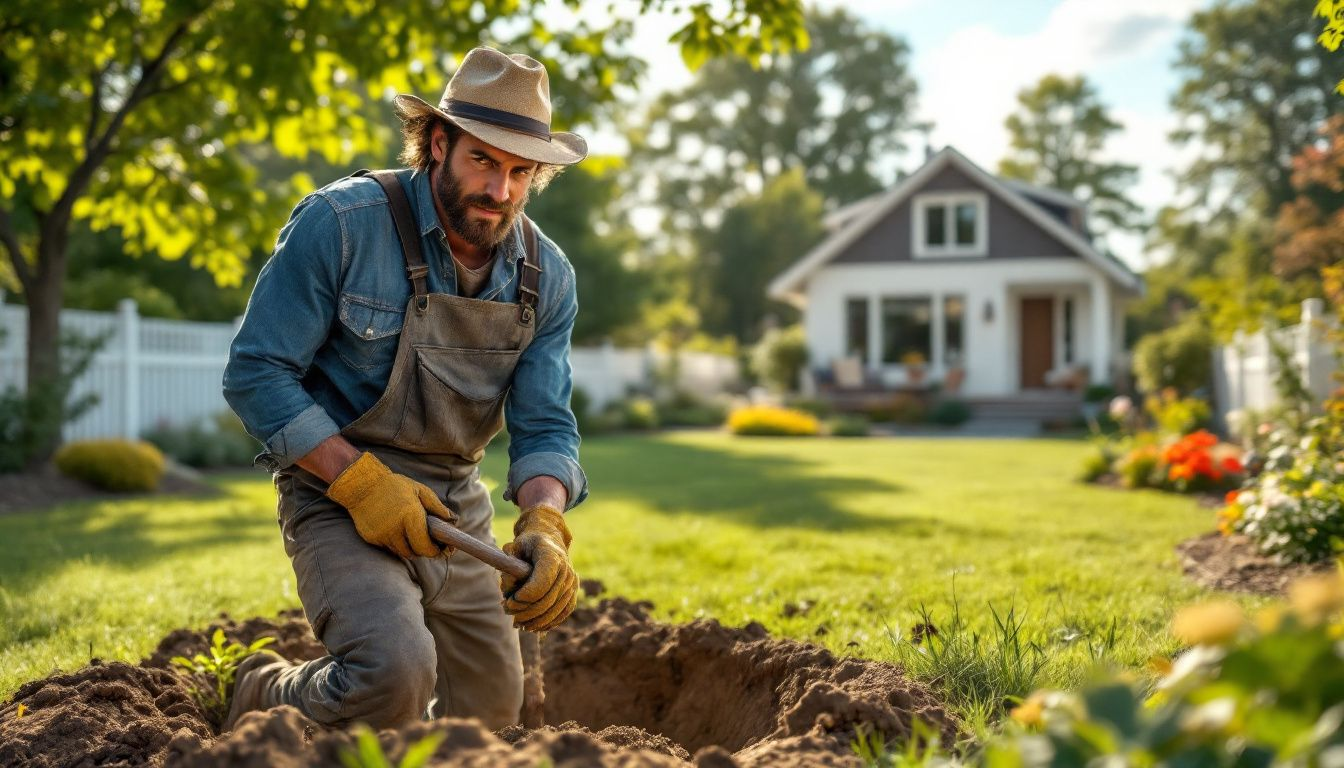
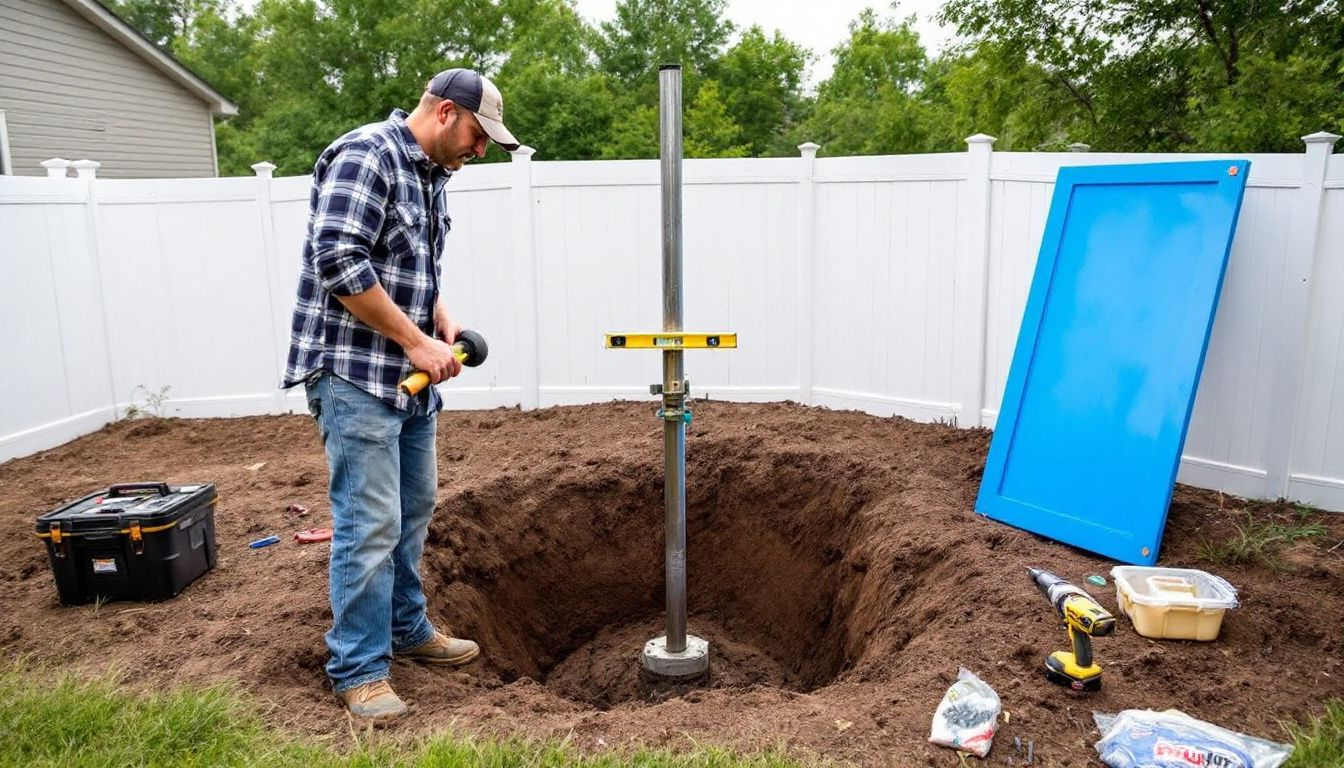
Winter brings a different challenge: freeze-thaw cycling. When ground moisture freezes and thaws repeatedly through a Lawrence winter, particularly given the area’s clay soil, fence posts set in the ground can experience frost heave, a process where freezing soil expands and gradually pushes posts upward out of position. Over multiple winters, this can leave a wood fence leaning, gates misaligned, or panels gapped at the bottom. The way around this is proper post depth at installation, generally below the area’s frost line, along with appropriate concrete footing, which is a detail worth confirming with your contractor rather than assuming it’s handled correctly by default.
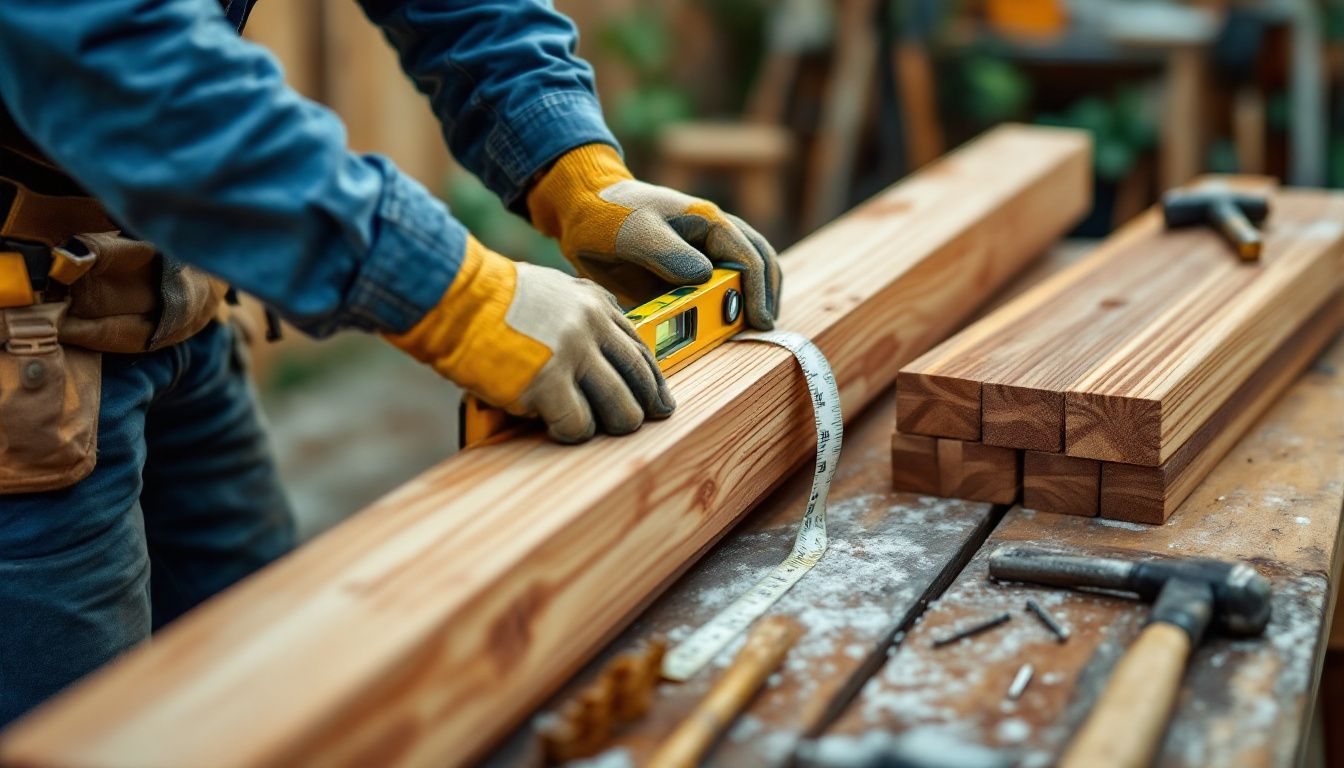
The other practical consideration with wood is ongoing maintenance. To get the most out of a wood fence in Lawrence’s climate, plan on staining or sealing it every two to three years. This isn’t optional maintenance you can skip without consequence; UV exposure from Lawrence’s notably sunny climate (the city sees more sunny days annually than the national average) combined with humidity will degrade an unsealed wood fence’s appearance and structural integrity meaningfully faster than in a drier, less sunny climate.
The upside is that wood handles temperature swings themselves reasonably well; it doesn’t become brittle in cold weather the way some synthetic materials can, and it doesn’t soften or sag in summer heat. With consistent maintenance, a well-built cedar privacy fence can last 20 years or more in Lawrence, even with the area’s humidity and freeze-thaw conditions working against it.
How Vinyl Holds Up
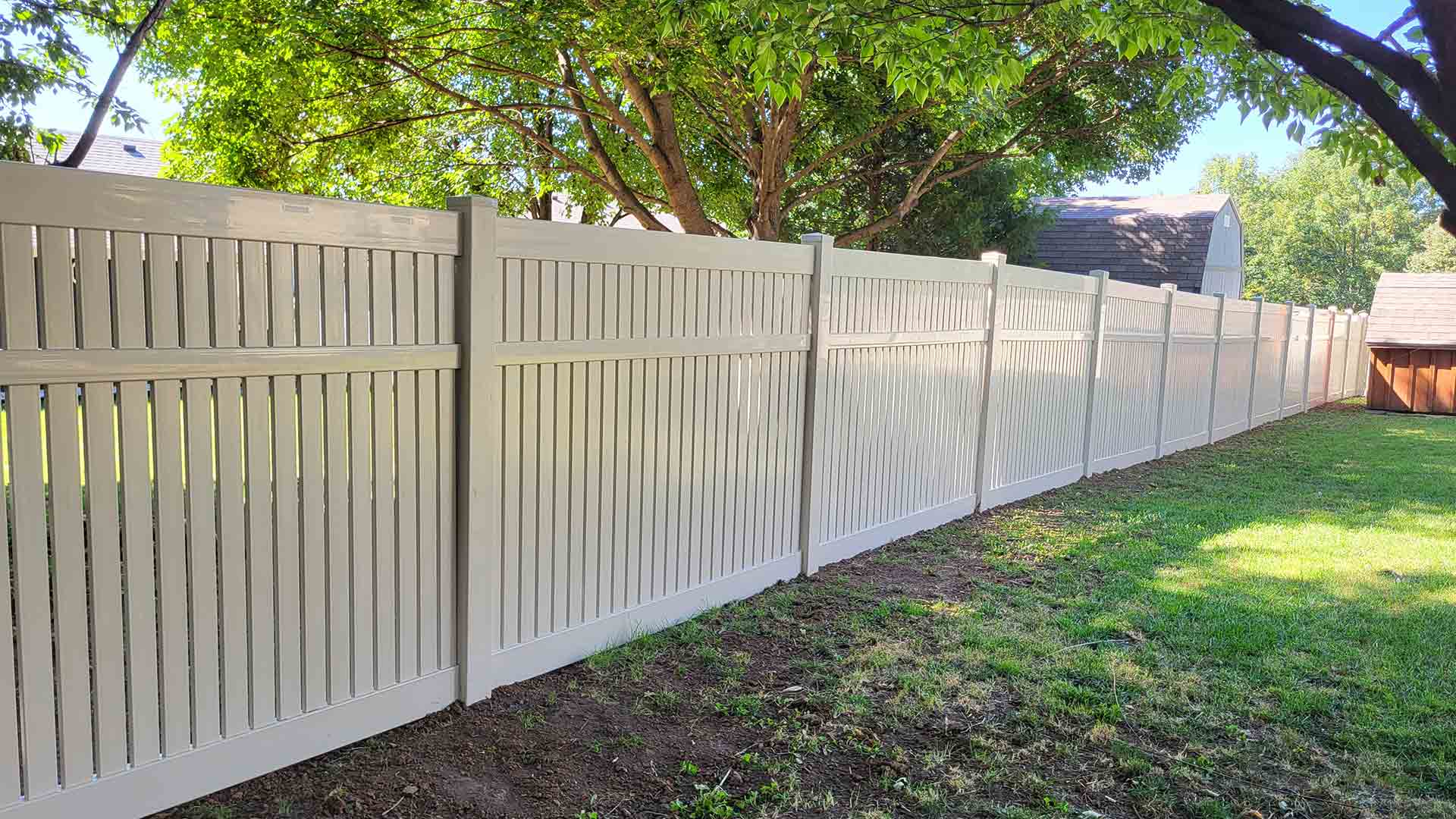
Vinyl approaches Lawrence’s climate from a fundamentally different angle. Because it’s a manufactured polymer rather than an organic material, vinyl doesn’t absorb moisture the way wood does, which eliminates rot and insect damage as concerns entirely. Lawrence’s humid summers, which work against wood, simply don’t create the same vulnerability for vinyl. Rain and humidity wash off rather than soaking in.
Where vinyl faces its own climate-specific test is temperature extremes, particularly cold. Vinyl can become more brittle in genuinely cold temperatures, and while Lawrence’s winters aren’t as severe as more northern climates, the area’s January lows in the upper teens to low 20s are cold enough that lower-quality vinyl products can become more susceptible to cracking on impact during the coldest stretches of winter. This is one area where product quality genuinely matters: higher-grade vinyl fencing, designed with adequate wall thickness and UV-stabilized formulations, handles this far better than budget-tier products, which is worth keeping in mind if you’re comparing quotes that include very different vinyl price points.
On the freeze-thaw and frost heave question, vinyl fence posts face essentially the same risk as wood posts, since the issue is about how deep the post is set and how it’s anchored in the ground rather than what the above-ground fence panel is made from. A vinyl fence with posts set properly below the frost line and with appropriate footing will resist heave just as well as a properly installed wood fence; the material above ground doesn’t change the physics happening below ground.
Vinyl’s biggest climate advantage in Lawrence is its resistance to UV degradation and color fading. Lawrence’s sunny climate, with more clear days than the national average, can fade wood stains and degrade unsealed wood surfaces over time, but UV-stabilized vinyl is specifically engineered to resist this kind of sun damage, and it doesn’t require any periodic resealing or staining to maintain its appearance.
Side-by-Side: How Each Material Handles Lawrence’s Specific Conditions
Summer humidity and rainfall: Wood is vulnerable to moisture absorption without regular sealing; vinyl is essentially unaffected.
Winter cold (upper teens to low 20s): Wood handles cold without becoming brittle; lower-grade vinyl can become more susceptible to cracking, though quality vinyl largely mitigates this.
Freeze-thaw and frost heave: Both materials face equal risk, since this is a function of post depth and footing rather than fence panel material.
UV exposure and sun fading: Vinyl resists fading and degradation without maintenance; wood requires periodic staining or sealing to maintain appearance and prevent UV-related surface damage.
Clay soil and ground movement: Both materials are equally affected by Lawrence’s clay-heavy soil; proper installation technique matters more than material choice here.
Long-term cost given climate-driven maintenance: Wood requires ongoing investment (staining every 2-3 years) to perform well in this climate; vinyl’s higher upfront cost is offset by essentially zero climate-related maintenance needs.
Which Should You Choose?
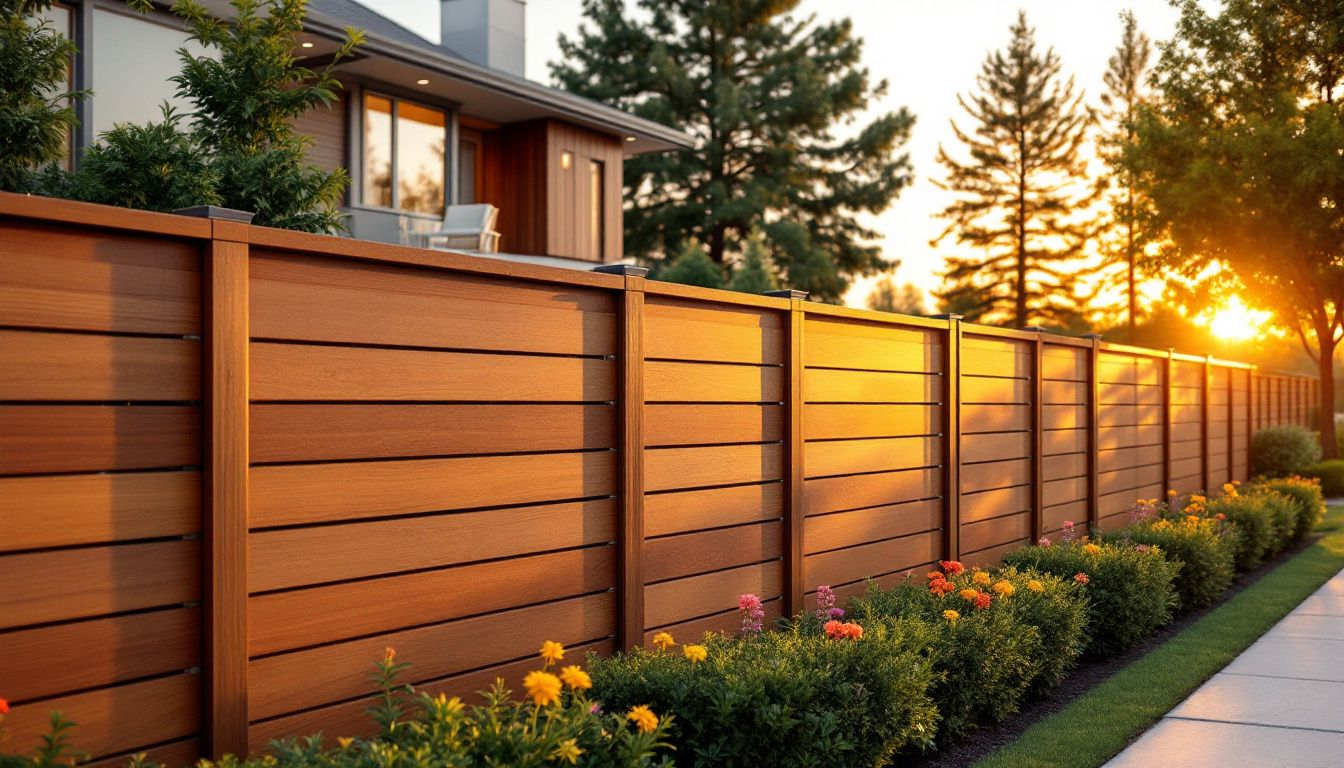
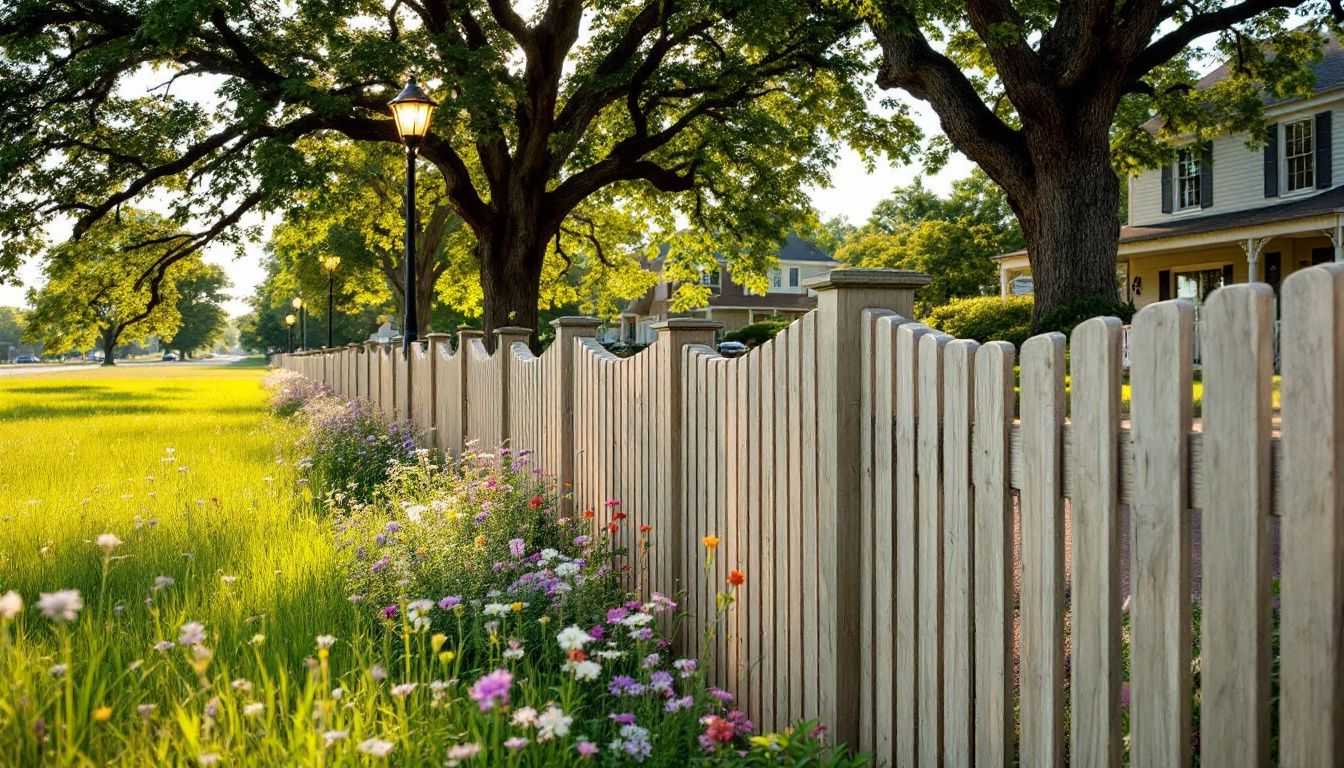
If you genuinely enjoy a bit of seasonal home maintenance, or simply prefer wood’s classic look and lower upfront cost, cedar is a strong choice for Lawrence’s climate, provided you commit to a regular sealing schedule. This tends to be the right call for homeowners in established neighborhoods like Old West Lawrence, Sunset Hills, or Prairie Meadows, where wood is already the dominant fence material on most blocks and where matching the existing neighborhood character carries real value.
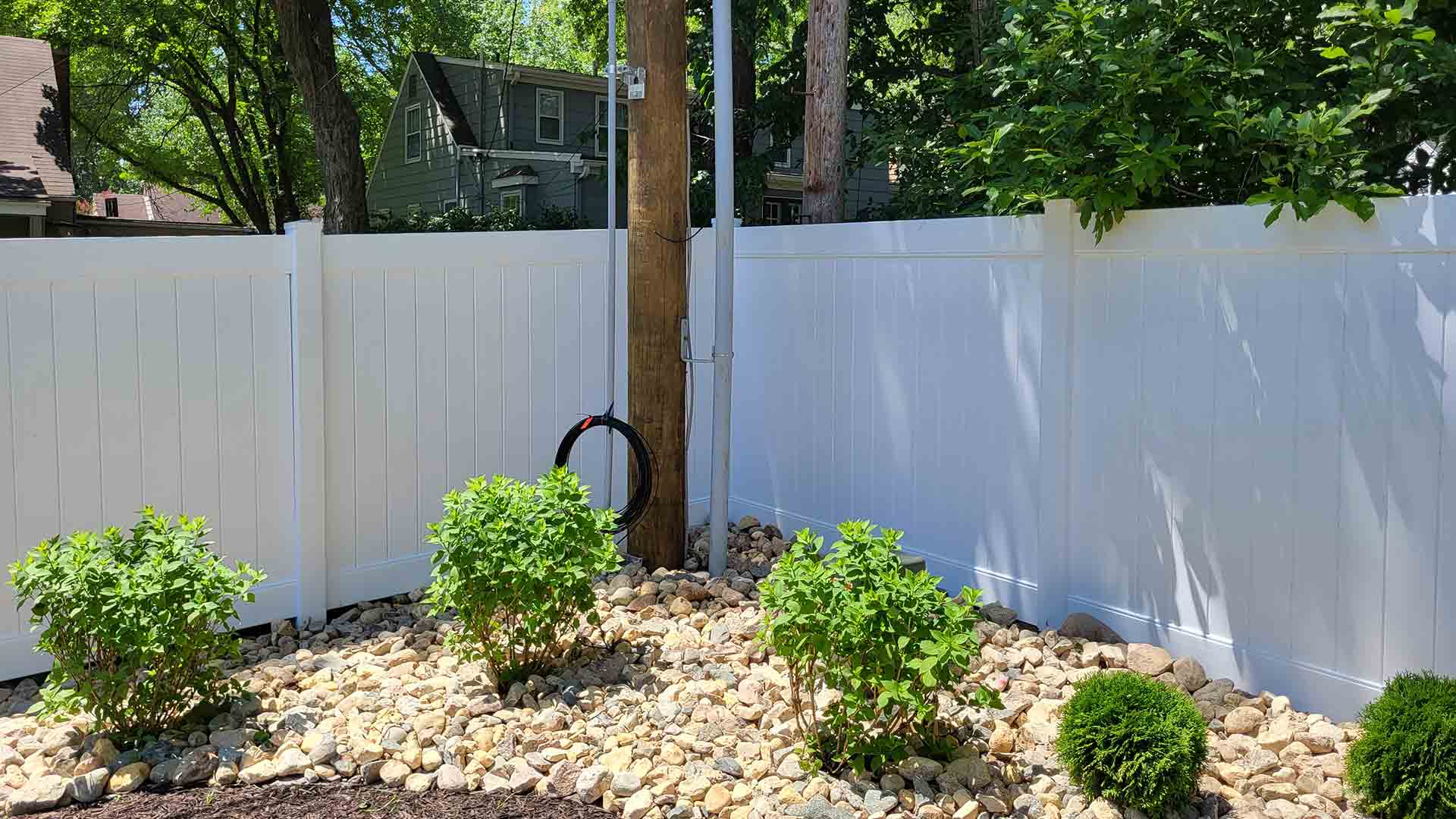
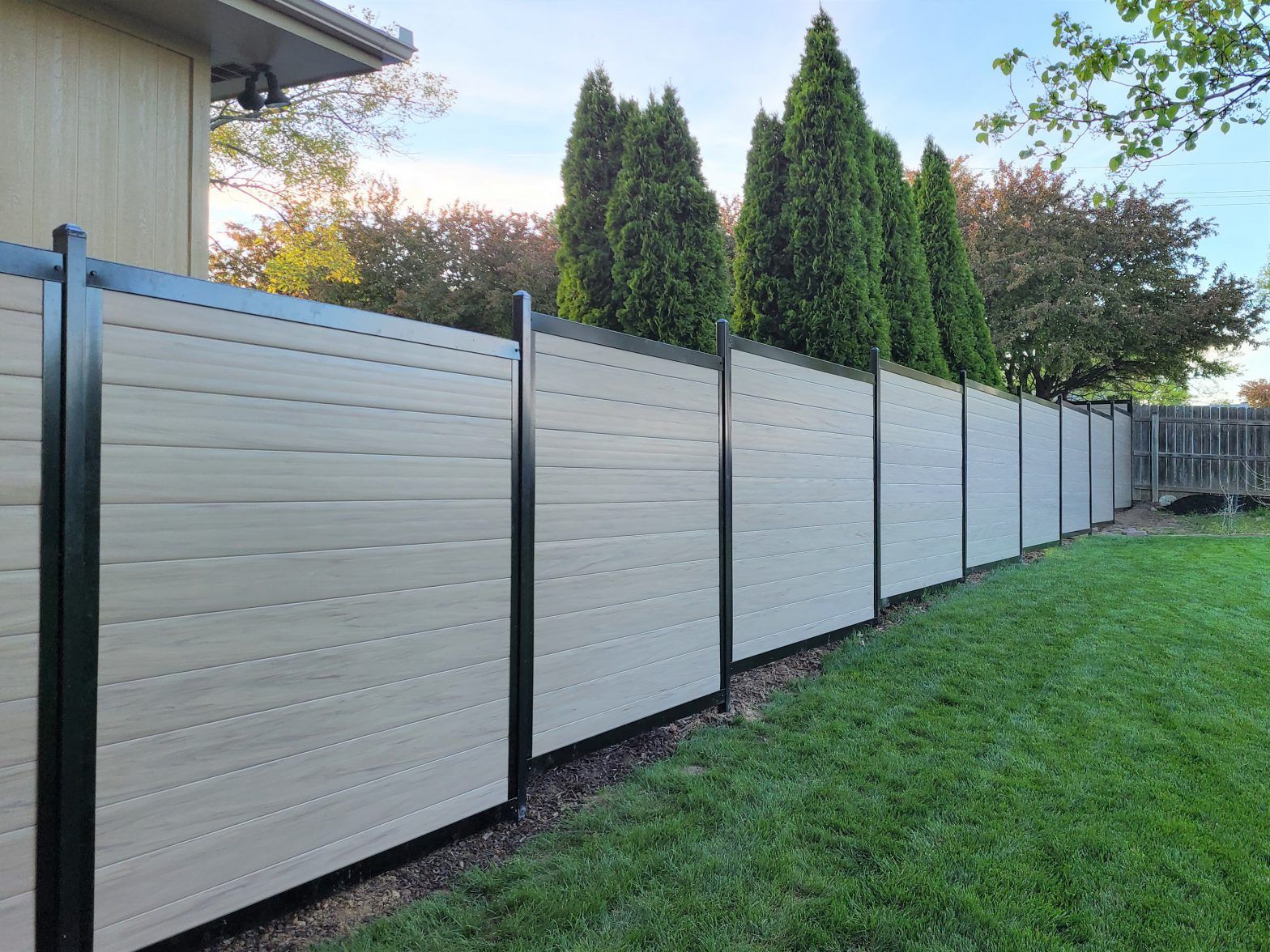
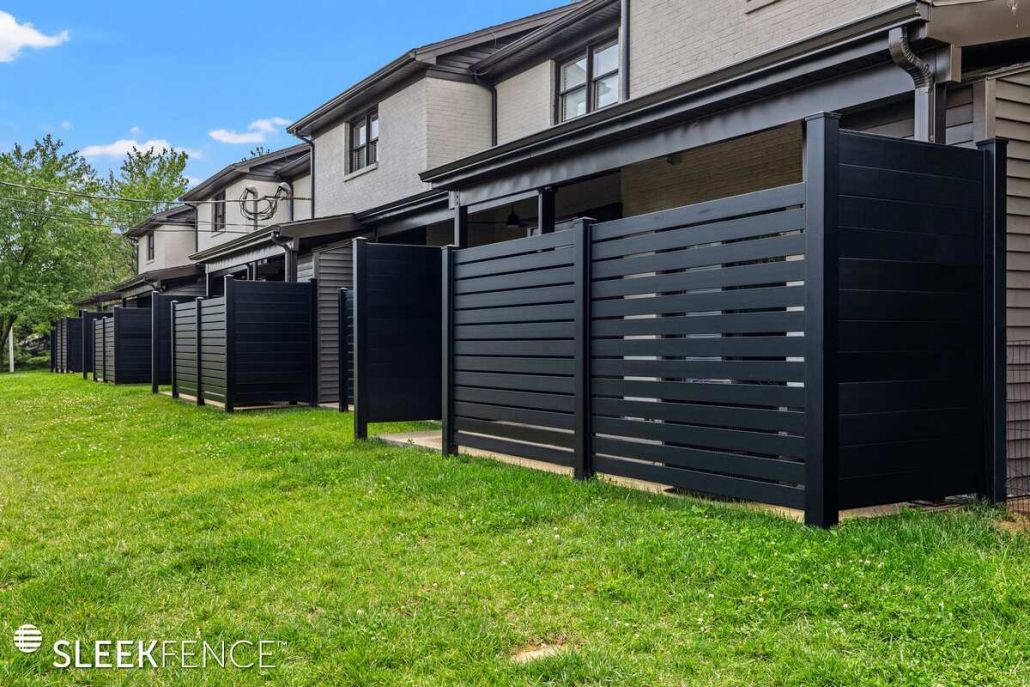
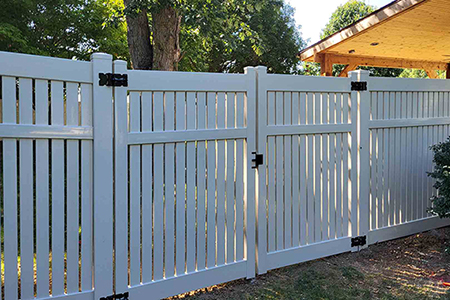
If you’d rather install a fence once and not think about it again beyond the occasional wash, vinyl is the better fit for Lawrence’s climate specifically because it sidesteps the two biggest weather-related wood concerns (humidity-driven rot and UV-driven fading) almost entirely. This is increasingly the choice for newer West Lawrence construction and for any homeowner who has previously dealt with a wood fence that degraded faster than expected.
For rental properties, particularly those near KU where tenant turnover means inconsistent fence maintenance is almost guaranteed, vinyl’s climate resilience without ongoing upkeep requirements makes it a particularly practical choice, since you can’t count on tenants to stain a wood fence on schedule even if you’d prefer that material otherwise.
A Few Installation Details That Matter More Than Material Choice
Regardless of which material you choose, a few installation practices matter more for long-term performance in Lawrence’s climate than the wood-versus-vinyl decision itself. Post depth should account for the local frost line, generally meaning posts set deep enough that the bottom sits below where ground freezing occurs. Concrete footings should be properly mixed and cured, since a poorly set footing undermines frost resistance regardless of fence material. And on sloped lots, common throughout West Lawrence and the Alvamar area, proper grading and panel fitting prevents water pooling against the bottom of the fence, which accelerates wood rot and can also affect the structural integrity of vinyl panels over time if water consistently collects against them.
Frequently Asked Questions
Does Lawrence’s climate favor vinyl or wood?
Neither is clearly better across every factor; vinyl handles humidity and UV exposure with less maintenance, while wood handles cold without becoming brittle and tends to fit Lawrence’s established neighborhood aesthetics more naturally.
How often does a wood fence need to be resealed in Lawrence?
Generally every two to three years, given the area’s humidity and sun exposure, to prevent moisture damage and UV-related fading or surface degradation.
Can vinyl fencing crack in Lawrence winters?
Lower-quality vinyl can become more susceptible to cracking in genuinely cold temperatures, though Lawrence’s winters aren’t severe enough to make this a major concern with higher-quality, UV-stabilized vinyl products.
Is frost heave a real concern for fence posts in Lawrence?
Yes, given the area’s clay soil and freeze-thaw cycling. Proper post depth below the frost line and appropriate concrete footing are the keys to preventing this, regardless of fence material.
Which material lasts longer in Lawrence’s climate?
With proper maintenance, a cedar fence can last 20 years or more, comparable to vinyl’s typical lifespan, but vinyl requires far less ongoing maintenance to reach that lifespan.
Is cedar worth the extra cost over pressure-treated pine in Lawrence?
For most homeowners, yes. Cedar’s natural rot and insect resistance tends to extend usable lifespan meaningfully compared to pine, particularly given Lawrence’s humidity.
Why would vinyl be a better choice for a rental property near KU?
Because vinyl doesn’t require the periodic staining and sealing that wood needs to perform well in this climate, it tends to hold up better under inconsistent tenant maintenance over time.
Does the choice between wood and vinyl affect how a fence handles Lawrence’s clay soil?
Not significantly. Ground movement from clay soil and freeze-thaw cycling affects fence posts regardless of the above-ground material; proper installation depth and footing matter more than material choice for this specific issue.
Still torn between the two? It often comes down to how much ongoing maintenance you’re realistically willing to do versus how much you’re comfortable spending upfront, and either material, installed correctly, will perform well in Lawrence’s climate for many years.