Choosing the right swimming pool fence suppliers in 2026 means finding a partner who understands current safety codes, offers durable materials, and delivers professional installation that actually passes inspection. This guide walks you through every step of that decision, from understanding fence types to comparing quotes and asking the questions that separate reliable suppliers from the rest.
Key Takeaways
- A pool fence is one of the most effective ways to reduce drowning risk for children ages 1–4 and pets, and swimming pool fences serve as a crucial physical safety barrier around any pool area.
- Reputable suppliers provide a free pool fence estimate, clear code compliance guidance, and professional installation for both mesh pool fences and aluminum fences.
- The best pool fencing suppliers combine safety, durability, and style, offering options like mesh pool panels, aluminum fence panels, and accessories such as the omni hanger for poolside storage.
- Readers will learn how to compare suppliers, what certifications and warranties to look for, and what questions to ask before signing a contract.
- Pool fences can significantly reduce accidental drowning risks when properly installed and maintained.
Why Working With the Right Pool Fence Supplier Matters in 2026
Modern pool safety laws and insurance requirements have become stricter across the country, making it critical to work with a qualified supplier who knows more than just product specs. Drowning is the leading cause of death for children under five in the United States, with over 4,000 unintentional drowning deaths annually across all age groups. A recent study estimates that improved pool isolation fencing could prevent roughly 348 U.S. drowning deaths per year, addressing an economic cost of $4.5 billion annually.
A supplier does more than sell fence materials. They interpret pool safety codes, recommend the best pool fencing for each yard and ground pool configuration, and handle compliant installation from start to finish. When you choose the wrong supplier, common problems follow: non-compliance that fails inspection, rusting aluminum fence hardware from poor powder coated finishes, sagging mesh pool fences from cheap materials, and gates that don’t self-close or self-latch properly.
Reputable suppliers provide documentation for code compliance, coordinate with local inspectors, and offer support if laws change in the future. That protection and peace of mind is what separates a qualified partner from a discount vendor.
Types of Pool Fences Offered by Leading Suppliers
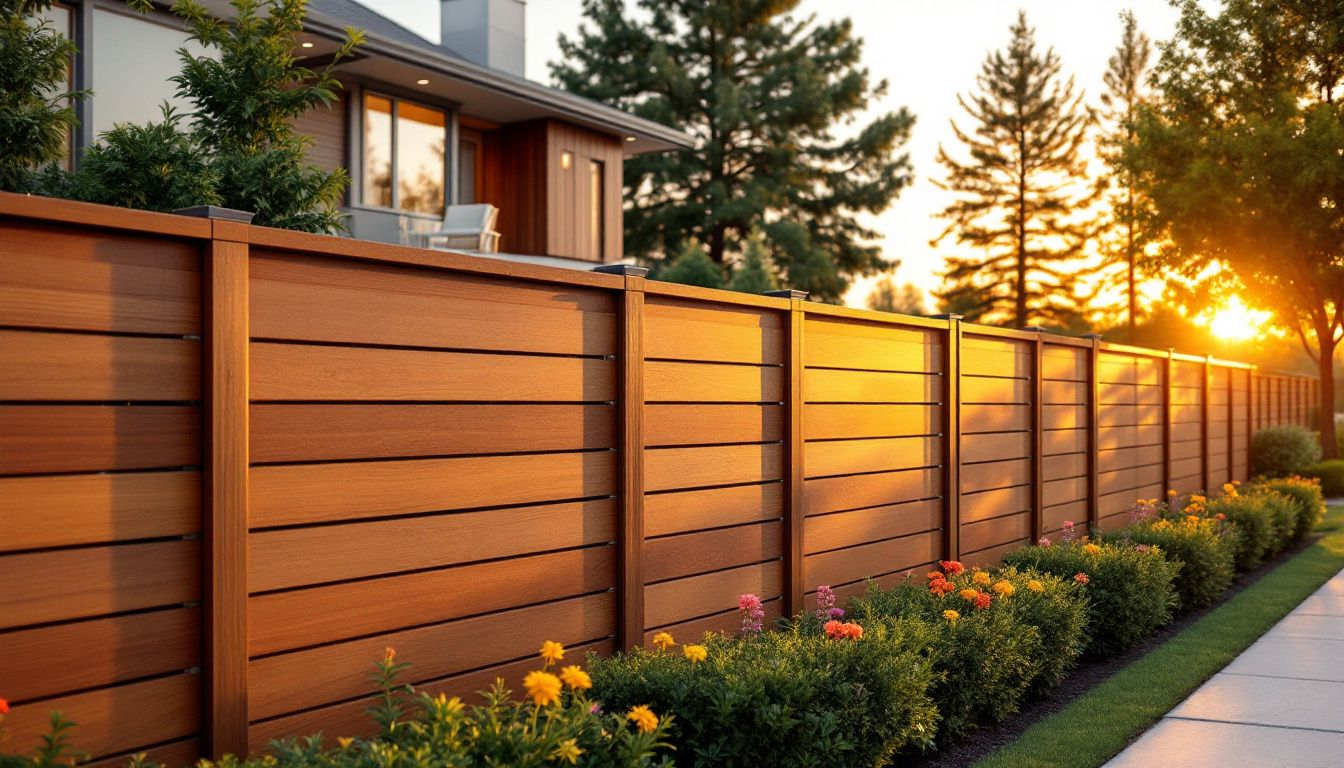
Most swimming pool fence suppliers in 2026 specialize in two main categories: removable mesh pool fences and permanent aluminum fences. Popular materials for pool fences also include glass and vinyl, though these serve more niche markets.
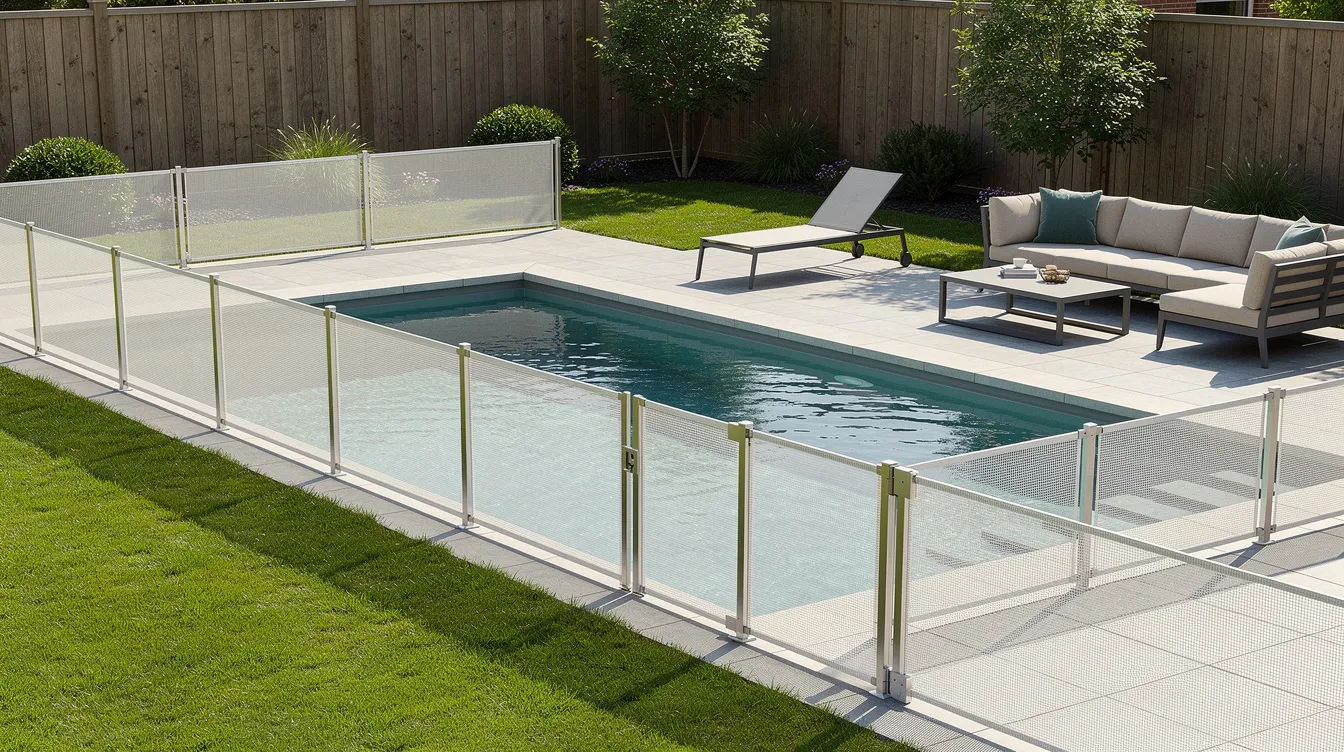
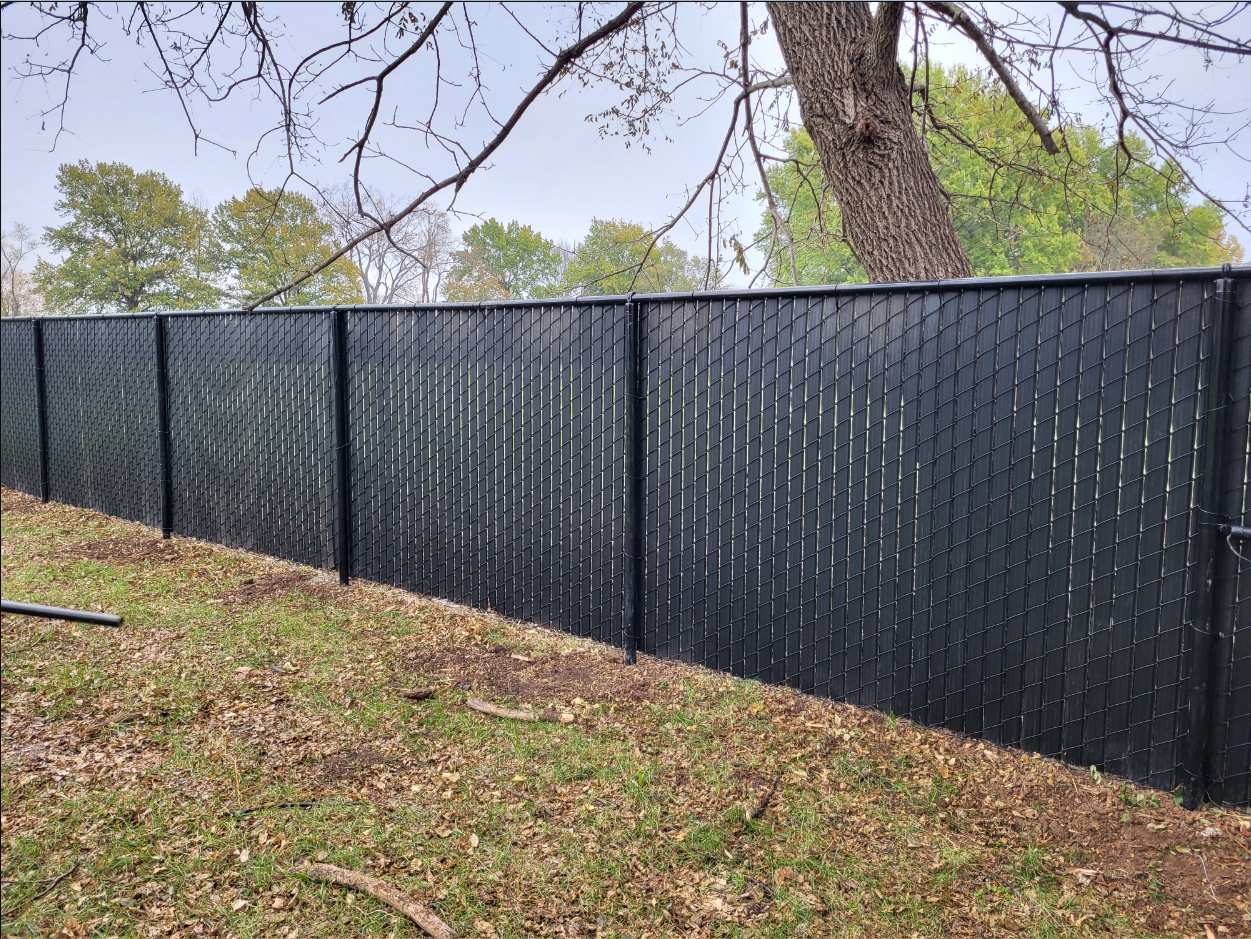
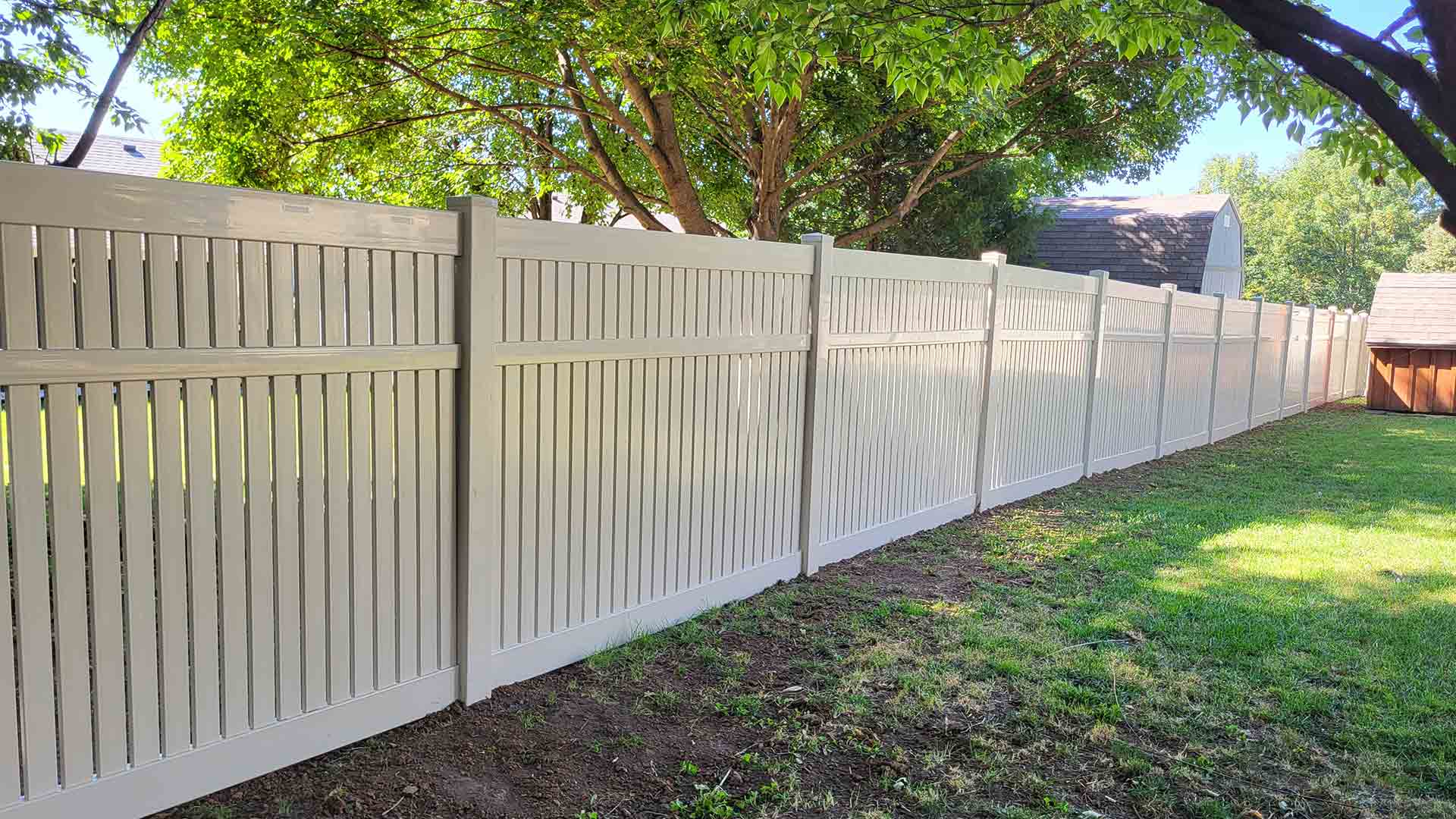
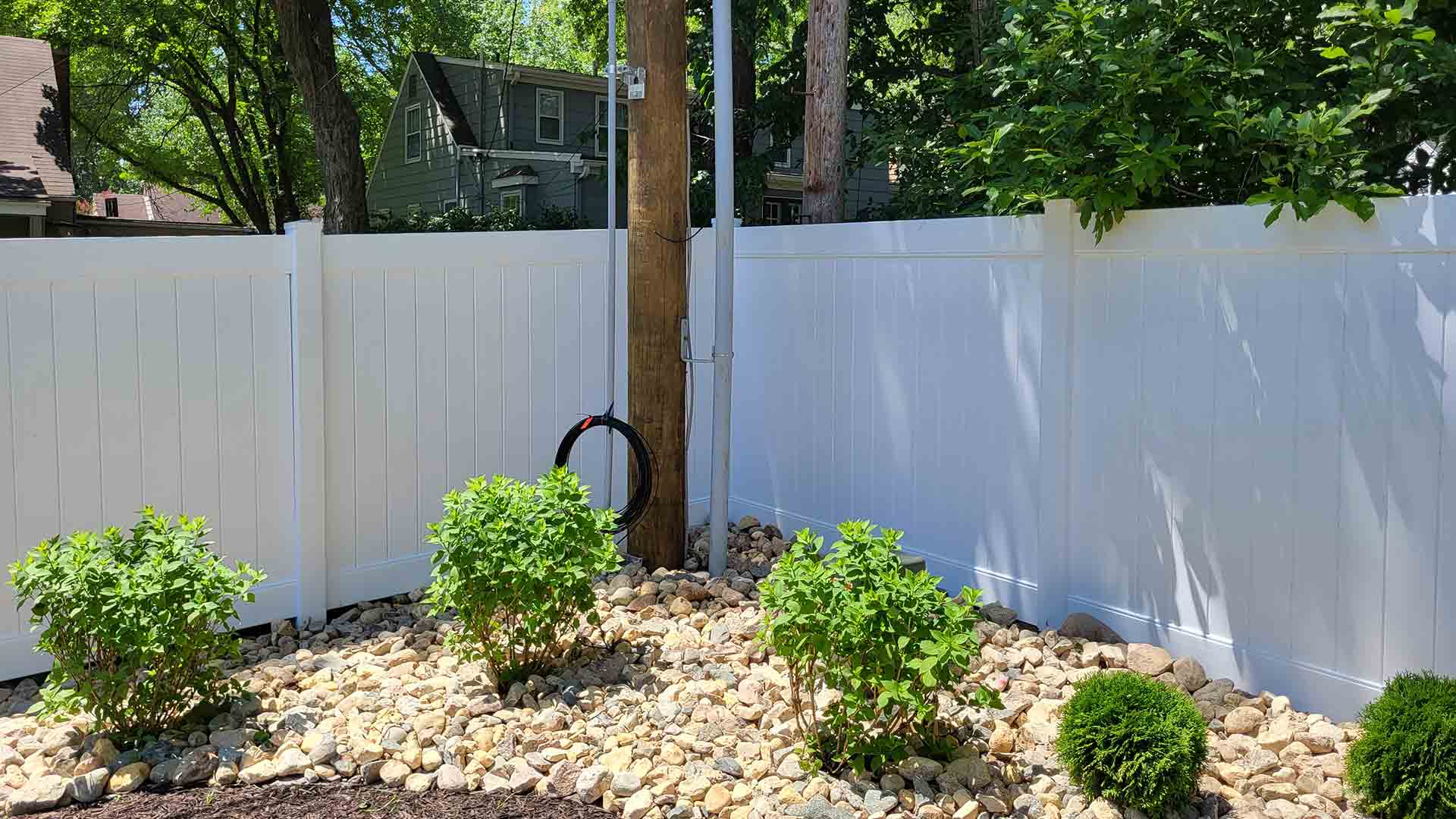
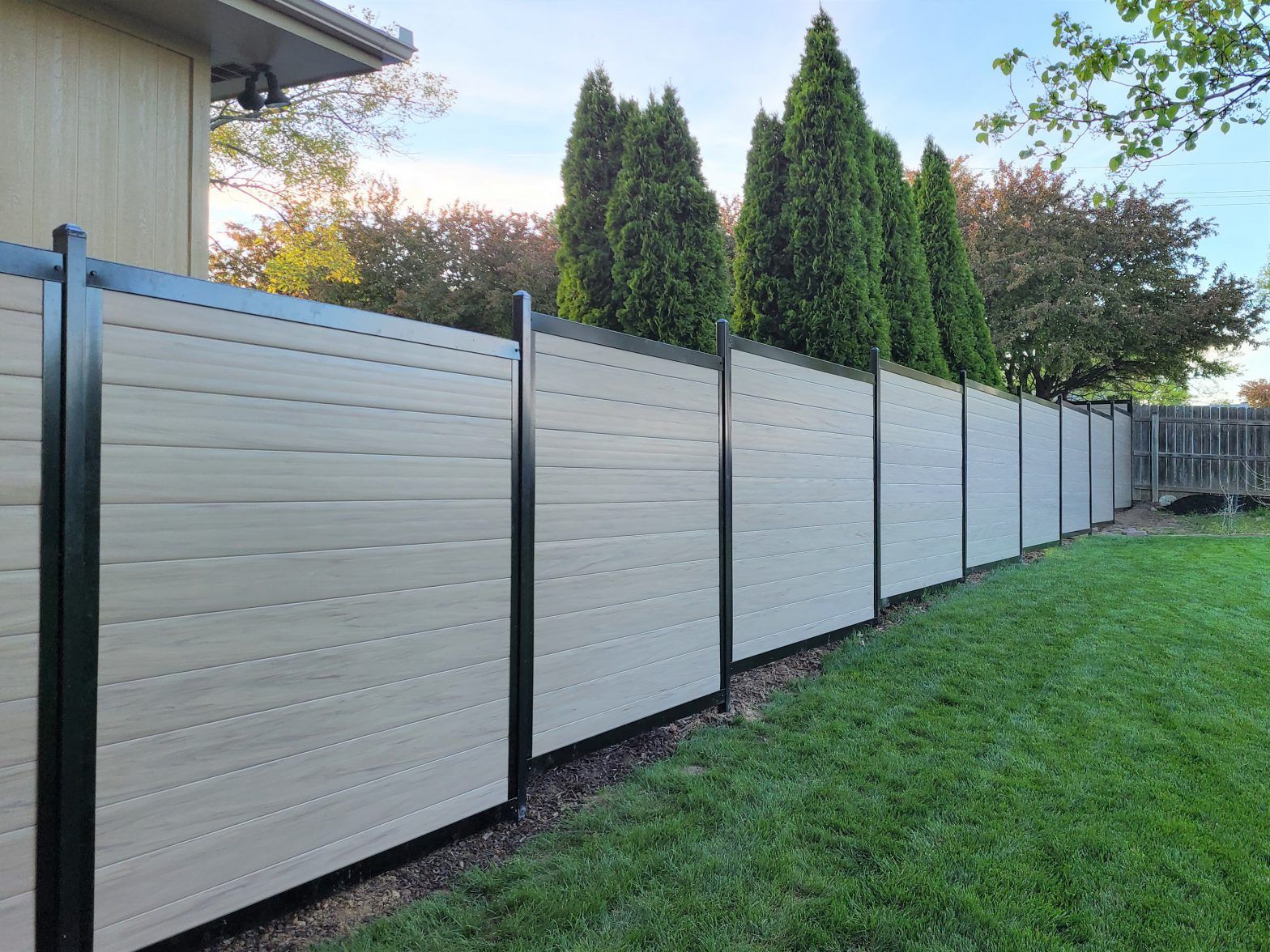
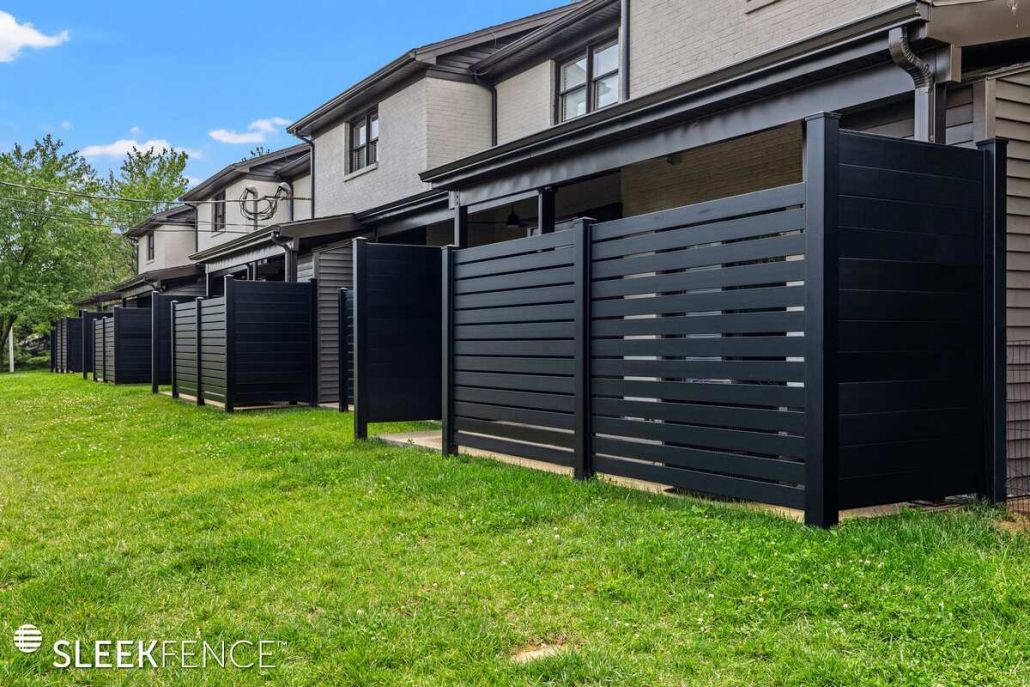
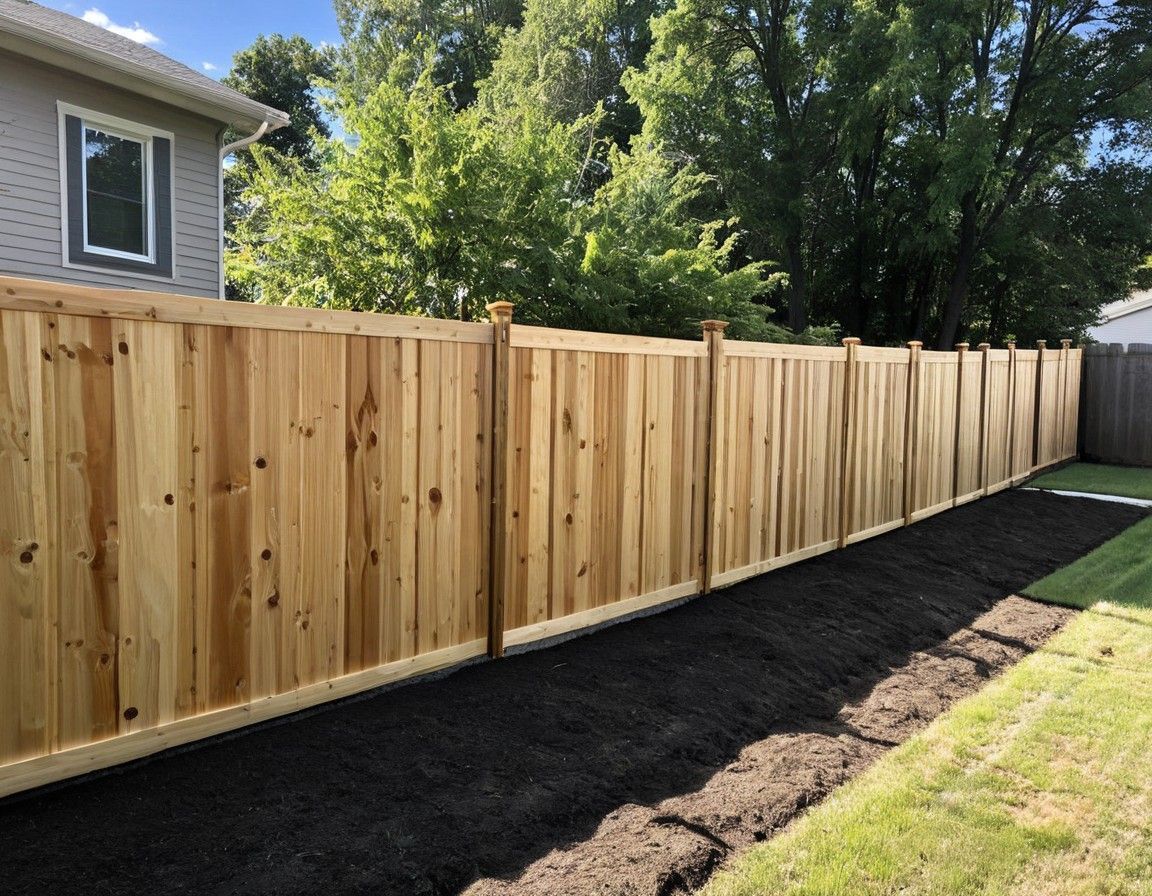
Top suppliers typically stock removable mesh pool fences for families with young kids and pets, aluminum fence panels for permanent architectural installations, and hybrid solutions like mesh sections that tie into existing aluminum or vinyl fencing. Glass pool fencing provides an unobstructed view and is a luxury option for design-focused properties. Vinyl fences can mimic wood or stone while being low maintenance and moisture resistant.
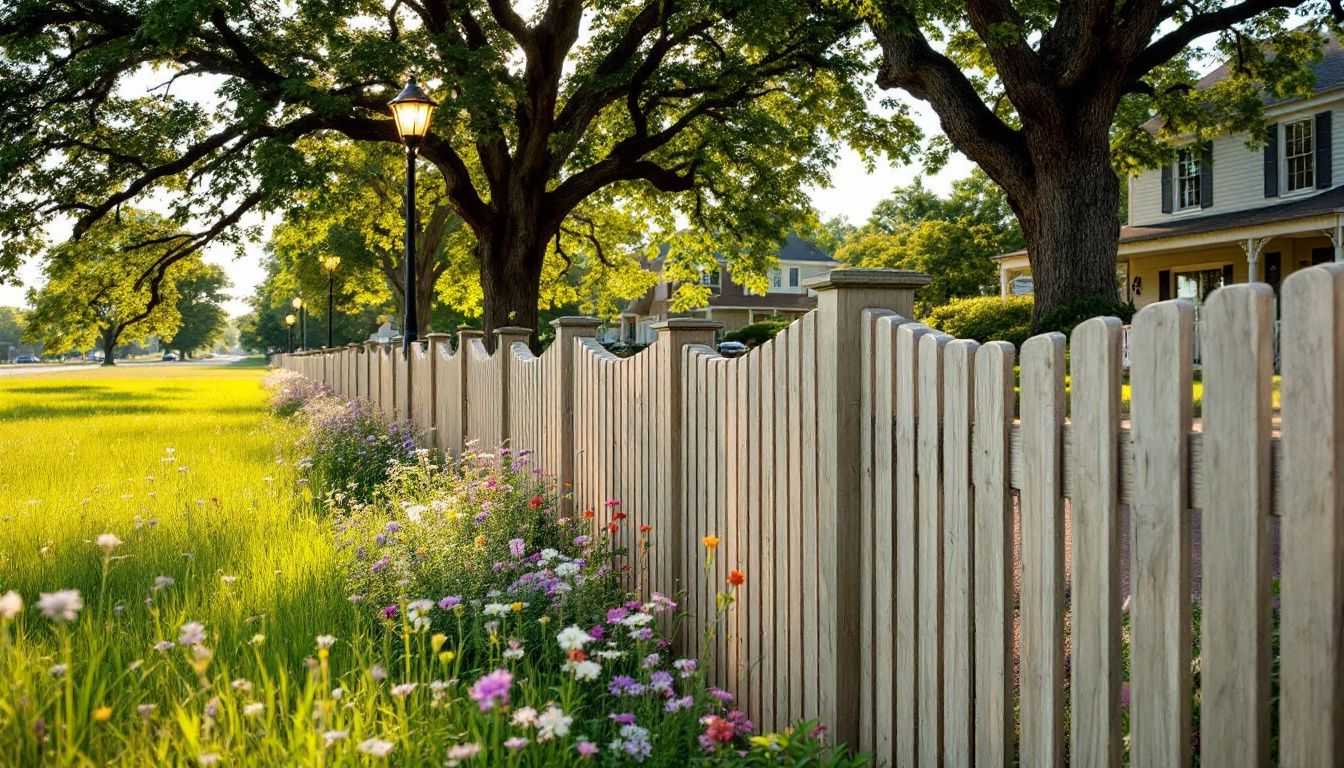
Suppliers guide homeowners toward fence heights that meet pool safety codes, commonly 48 inches, 54 inches, or 60 inches depending on local requirements. Pool fences must be at least 48 inches high in many areas, and fences should have less than 4 inches between pickets to prevent a child from squeezing through. Reputable suppliers also carry matching self closing gates, latches, and hardware designed specifically for pool environments rather than generic yard fences.
Mesh Pool Fences: Features, Benefits, and When to Choose Them
Mesh pool fences are removable and offer clear visibility around pools, which is why safety experts and organizations like the national drowning prevention alliance have recommended them for decades. Mesh pool fences are recognized as a premium safety feature that balances protection with flexibility.
A good supplier should offer transparent, high-strength mesh that resists UV damage from the sun and tearing, rust-proof aluminum or stainless-steel posts (often aircraft-grade T6 aluminum with stainless steel core reinforcement), and child-resistant locking mechanisms with self closing gate options. Mesh fencing is effective for temporary pool safety solutions, making it ideal for families with toddlers, rental properties, homes that need a removable system for entertaining, and pools in compact yards or those with irregular pool shapes.
Top suppliers provide multiple colors including black, brown, and green border options so mesh pool fences blend with landscaping rather than stand out in your backyard. Before signing, ask suppliers about warranty length, replacement panel availability, and how quickly sections can be removed and reinstalled. A life saver pool fence product, for example, advertises coverage up to 100 years on key components, though you should confirm exactly which parts are covered.
Aluminum Pool Fences: Panels, Styles, and Code-Ready Designs
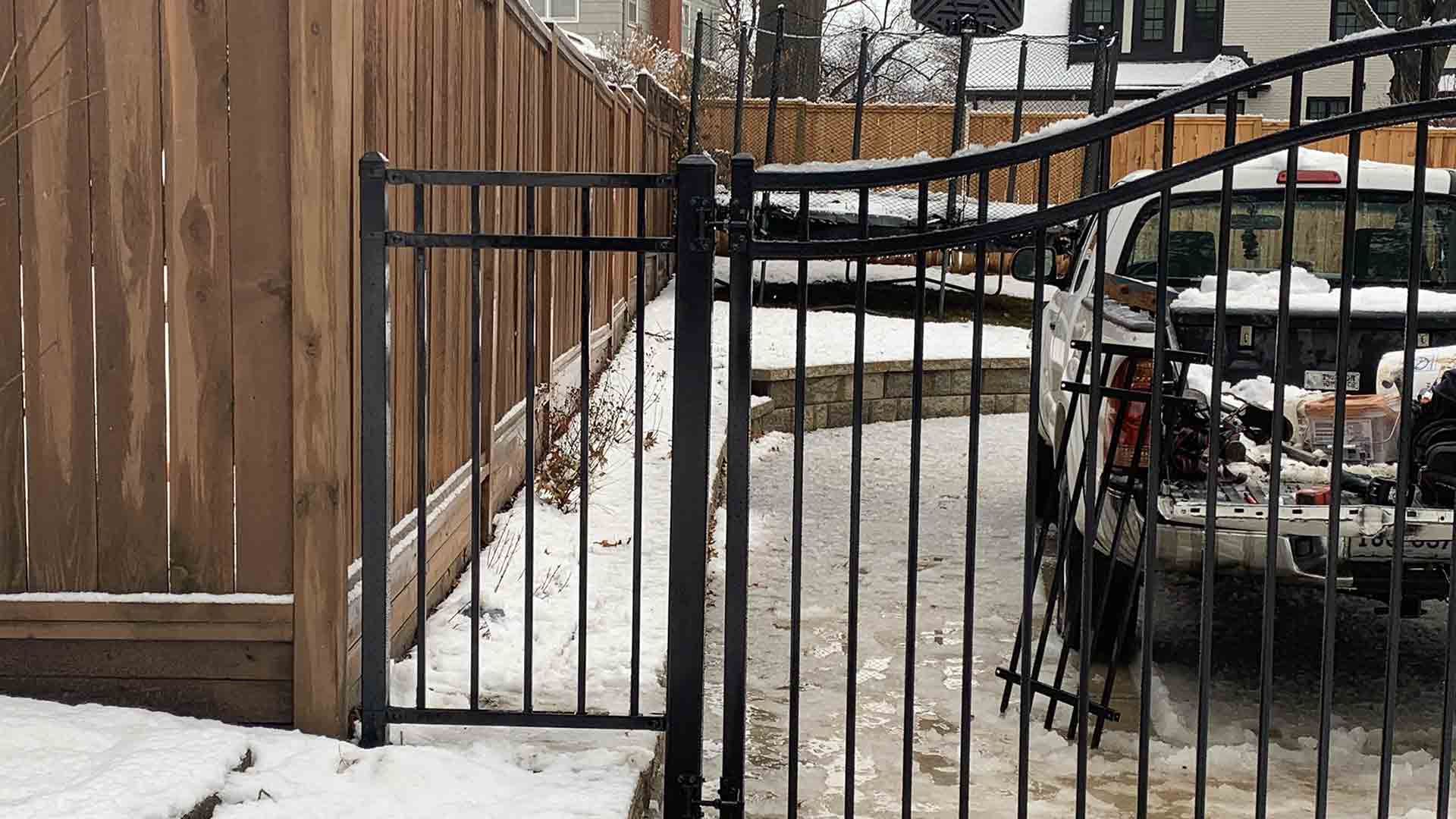
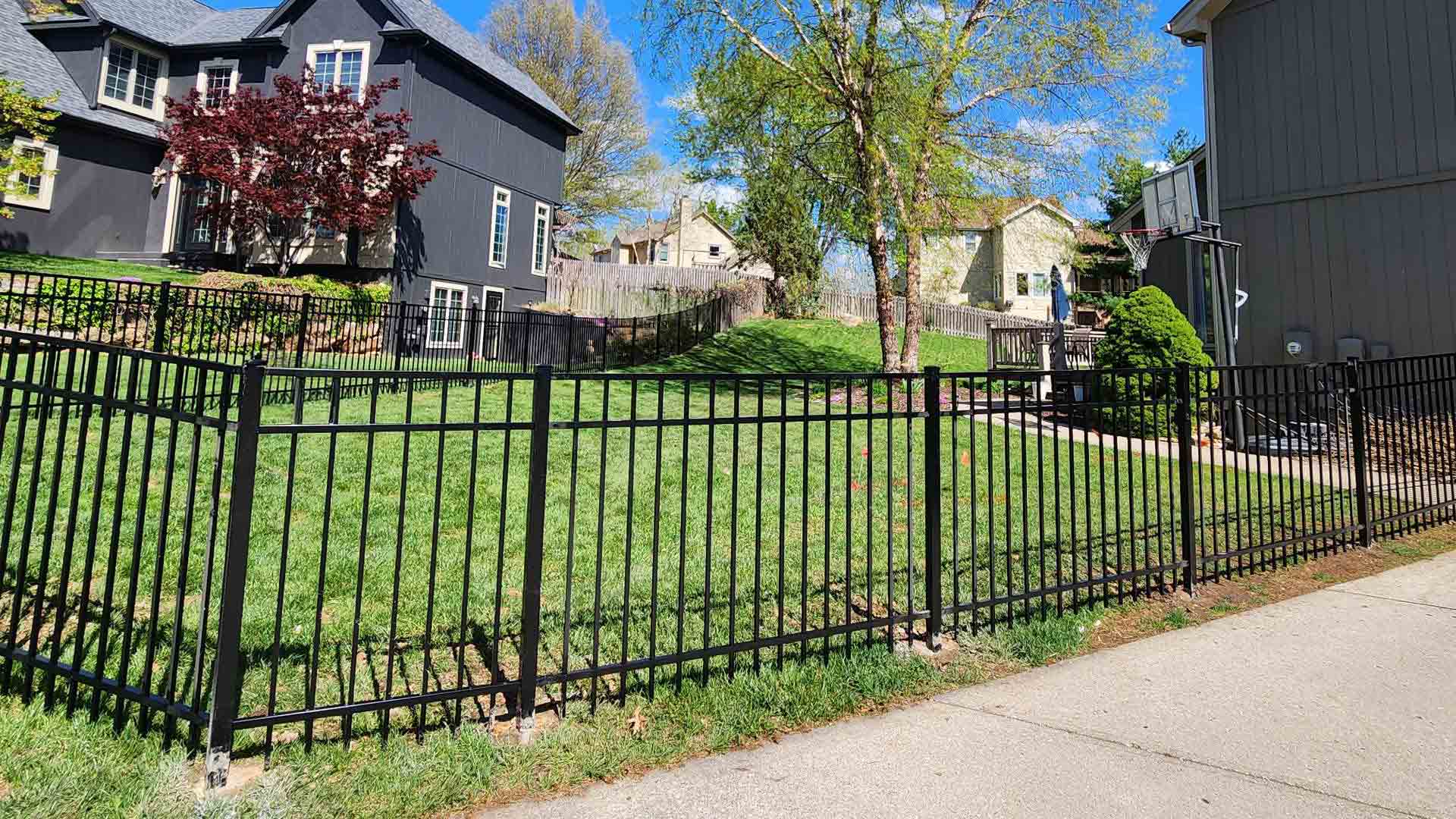
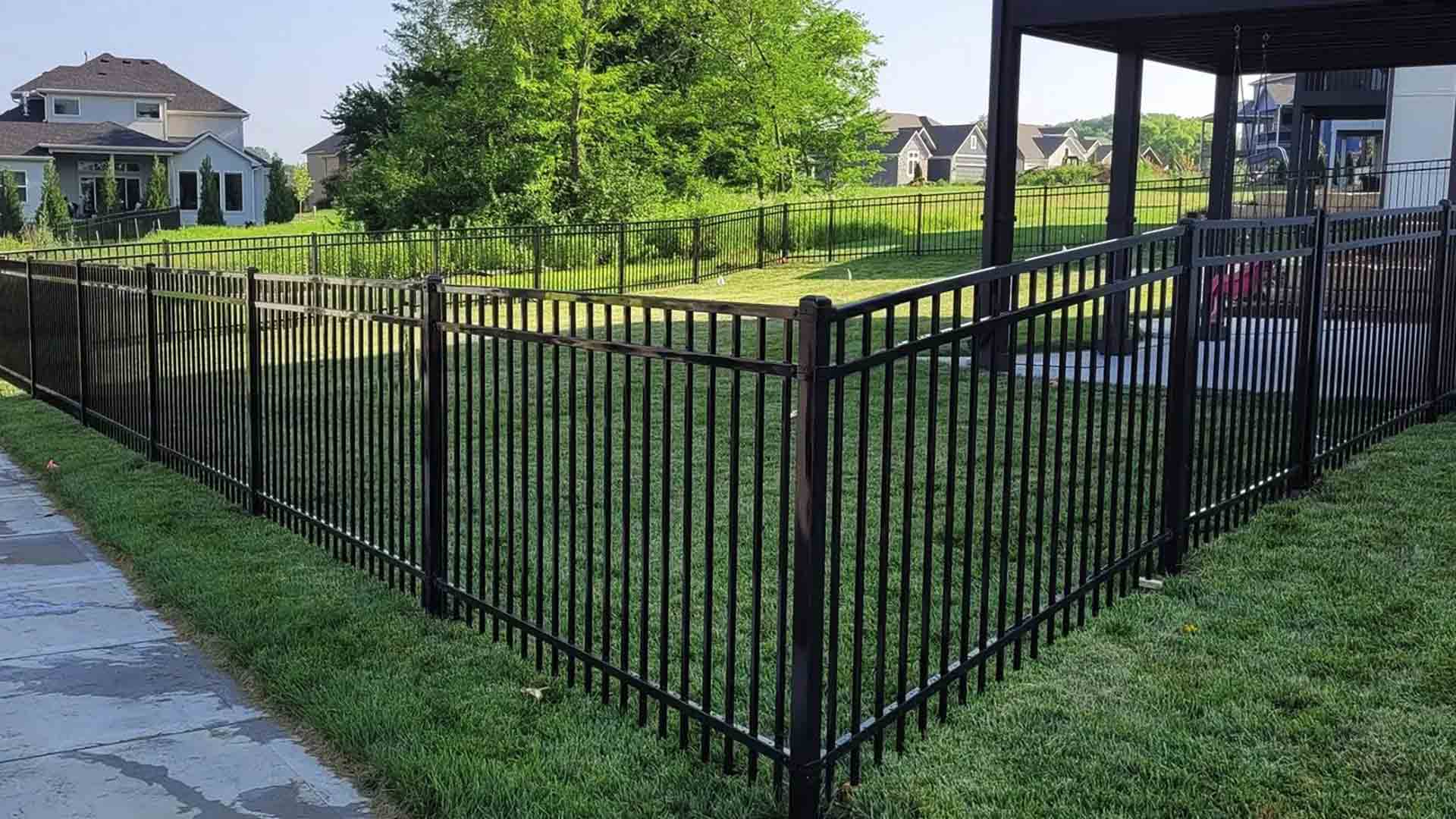
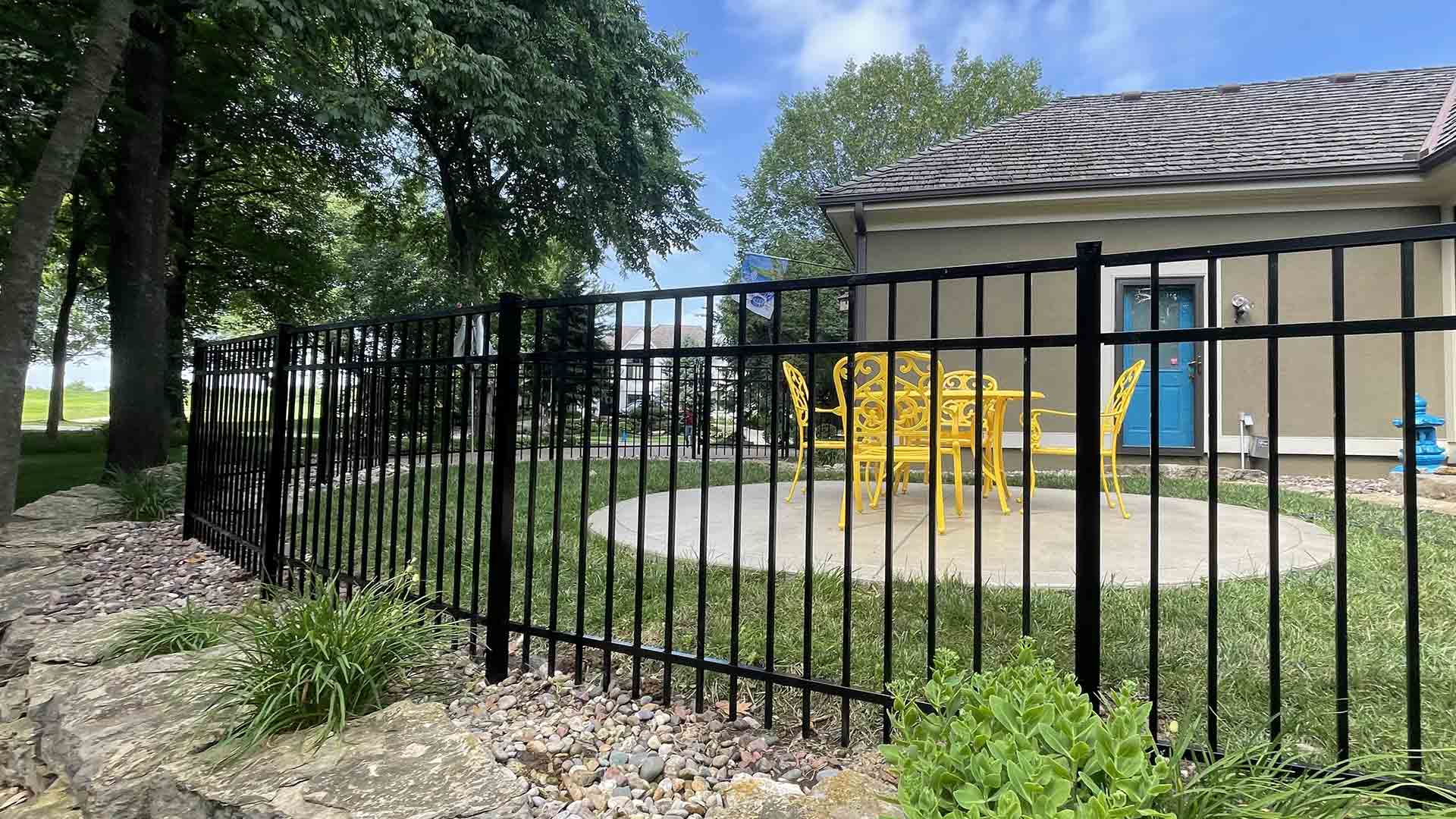
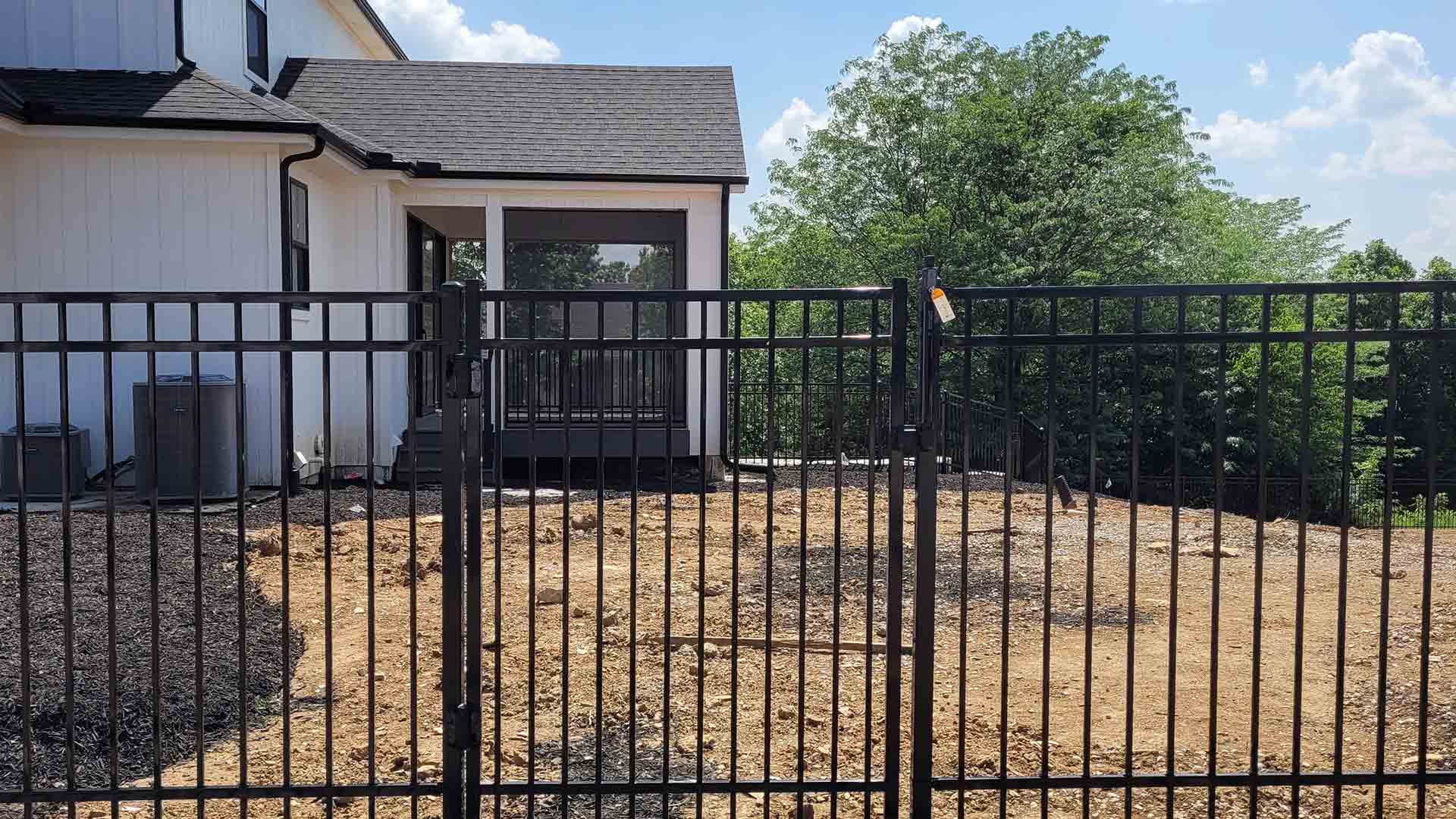
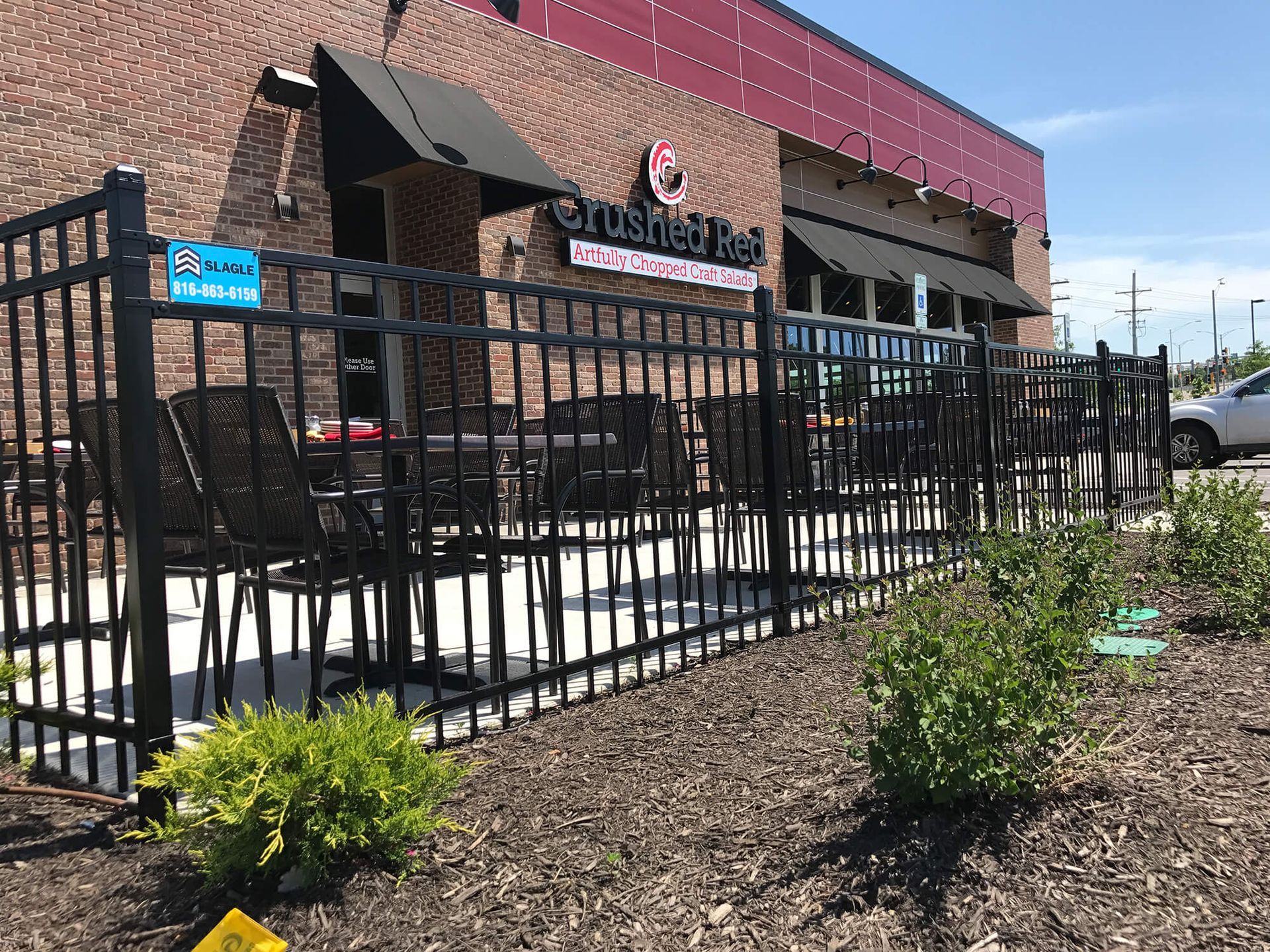
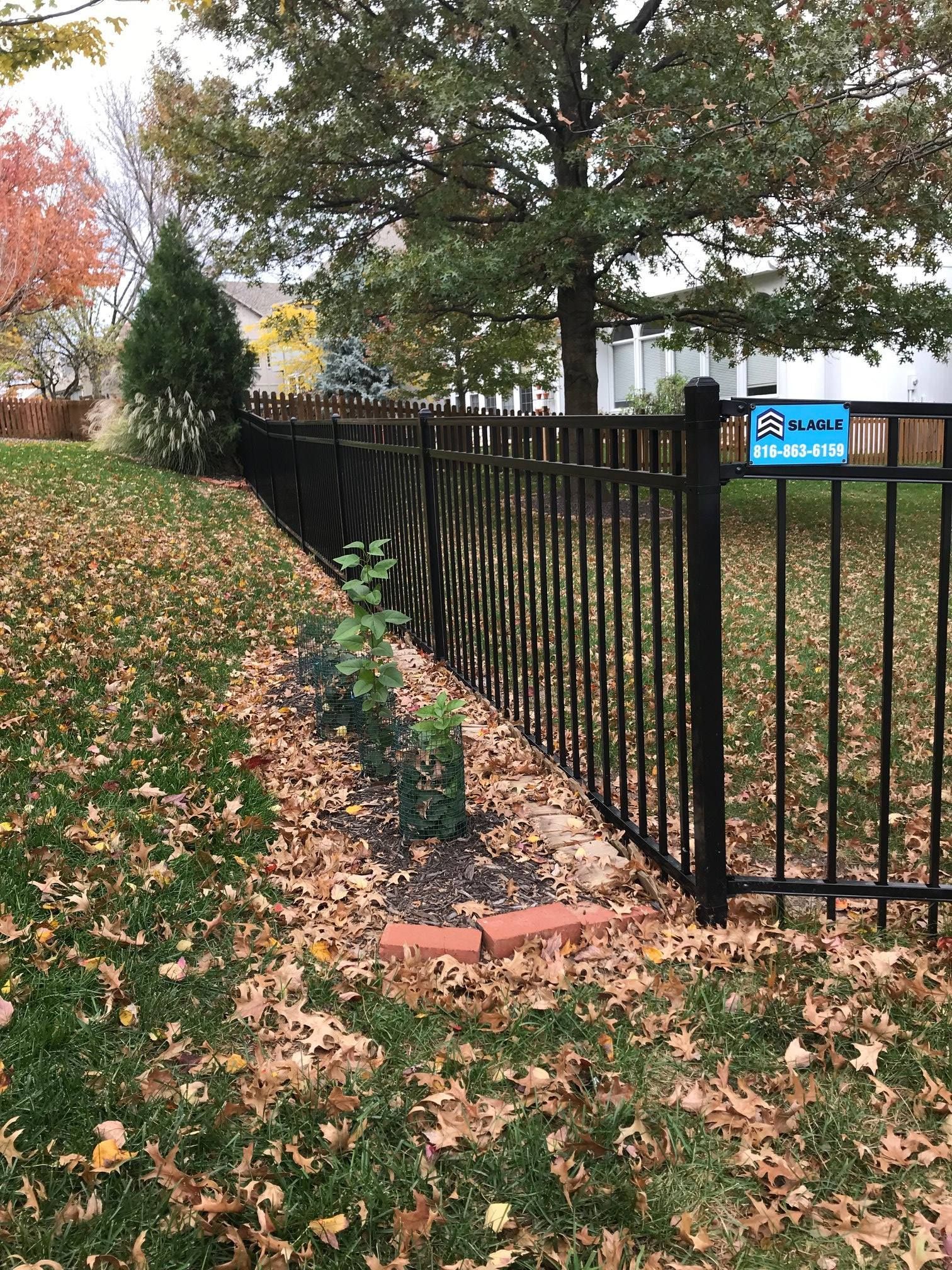
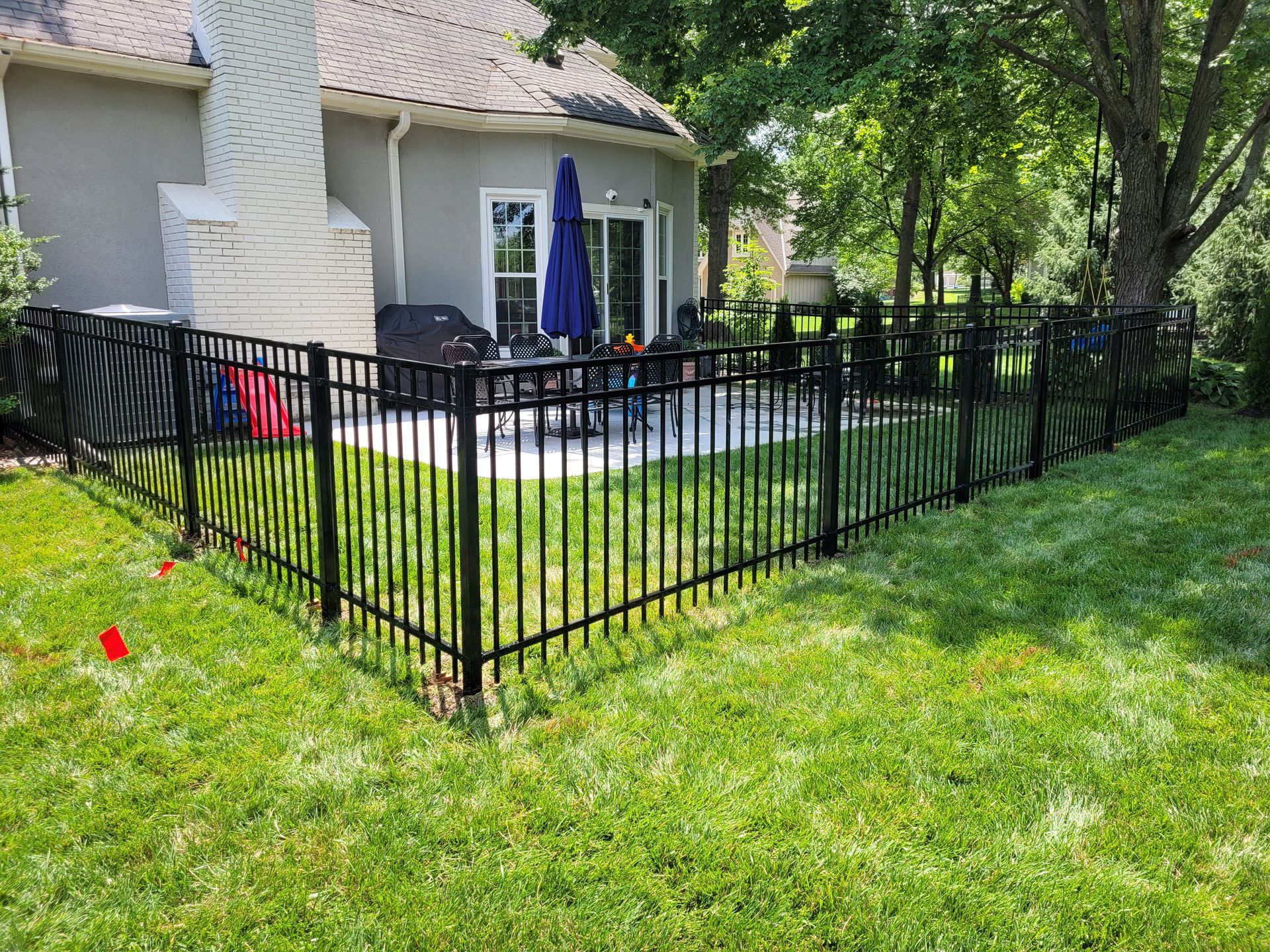
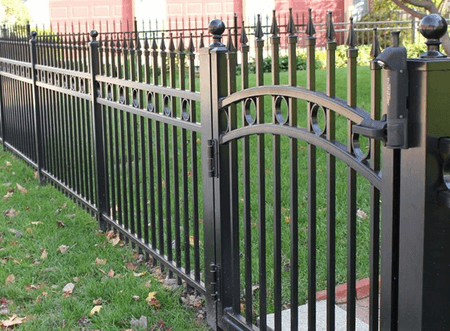
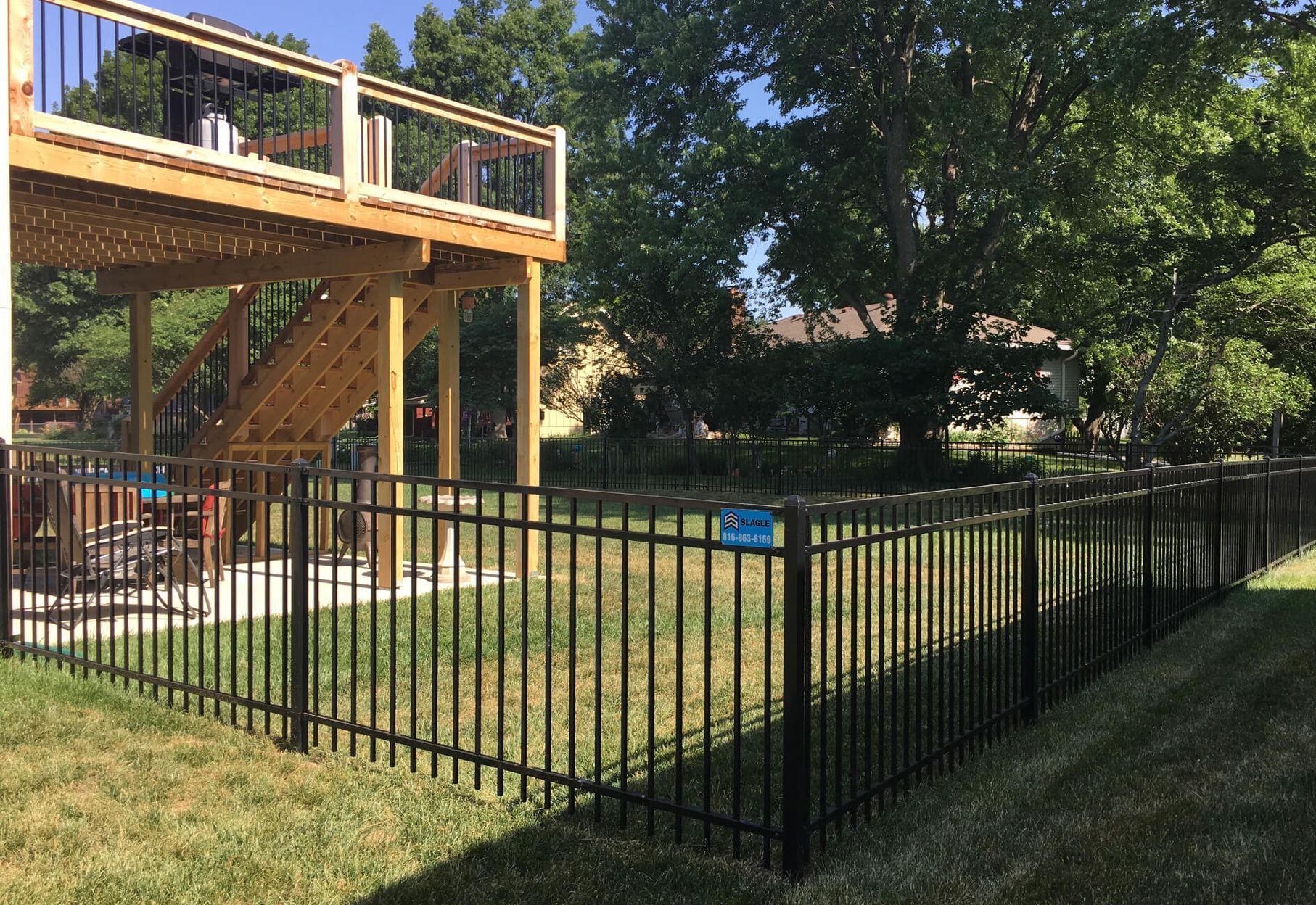
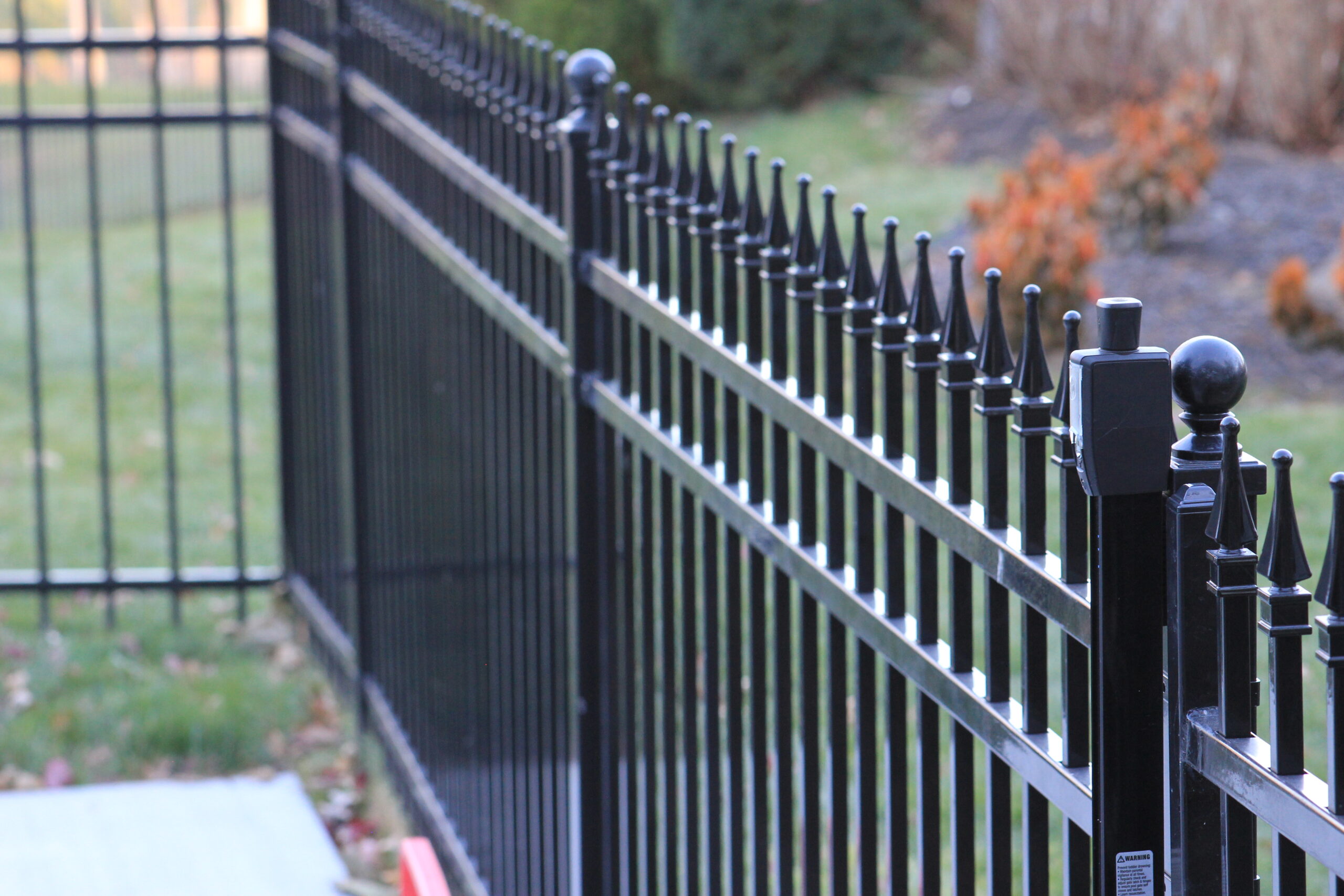
Aluminum fence panels are the most popular permanent pool safety solution offered by swimming pool fence suppliers, valued for strength, durability, and minimal maintenance. Aluminum fences are corrosion-resistant and durable in high-moisture areas, lasting 20 to 30 years with basic care.
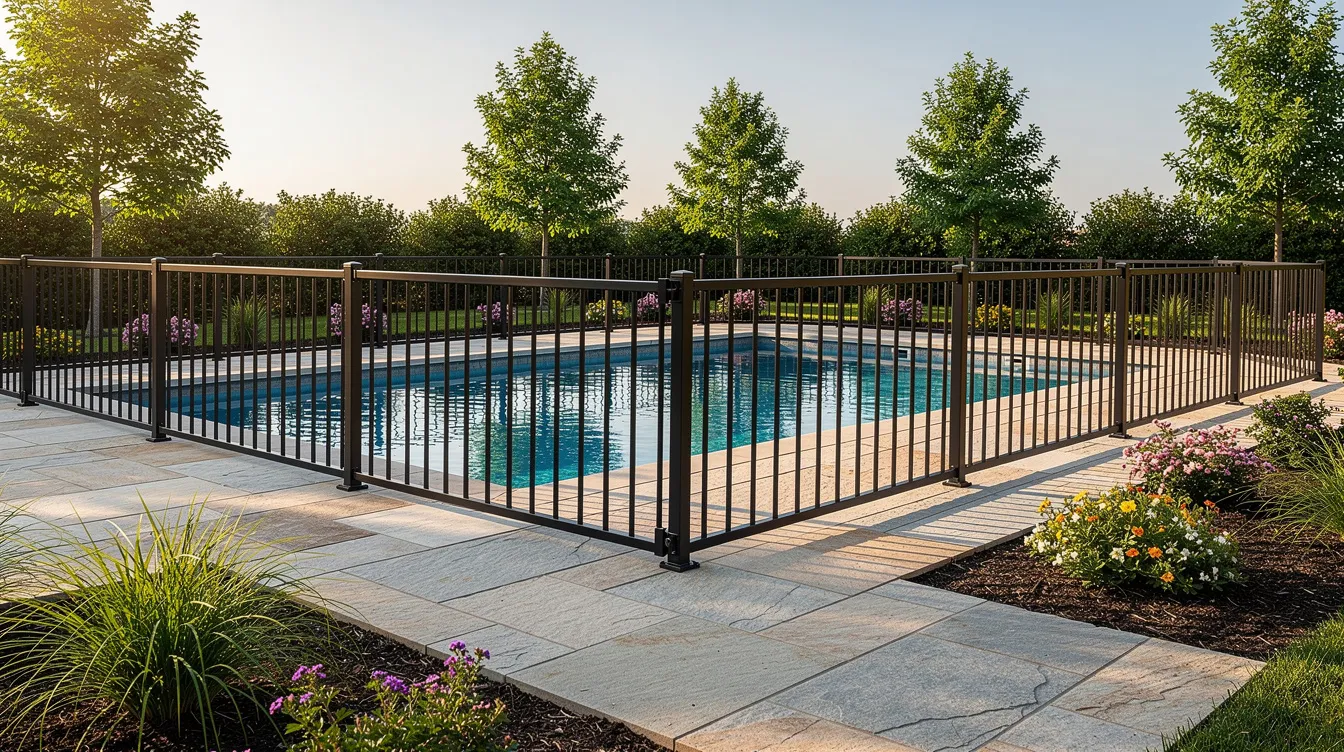
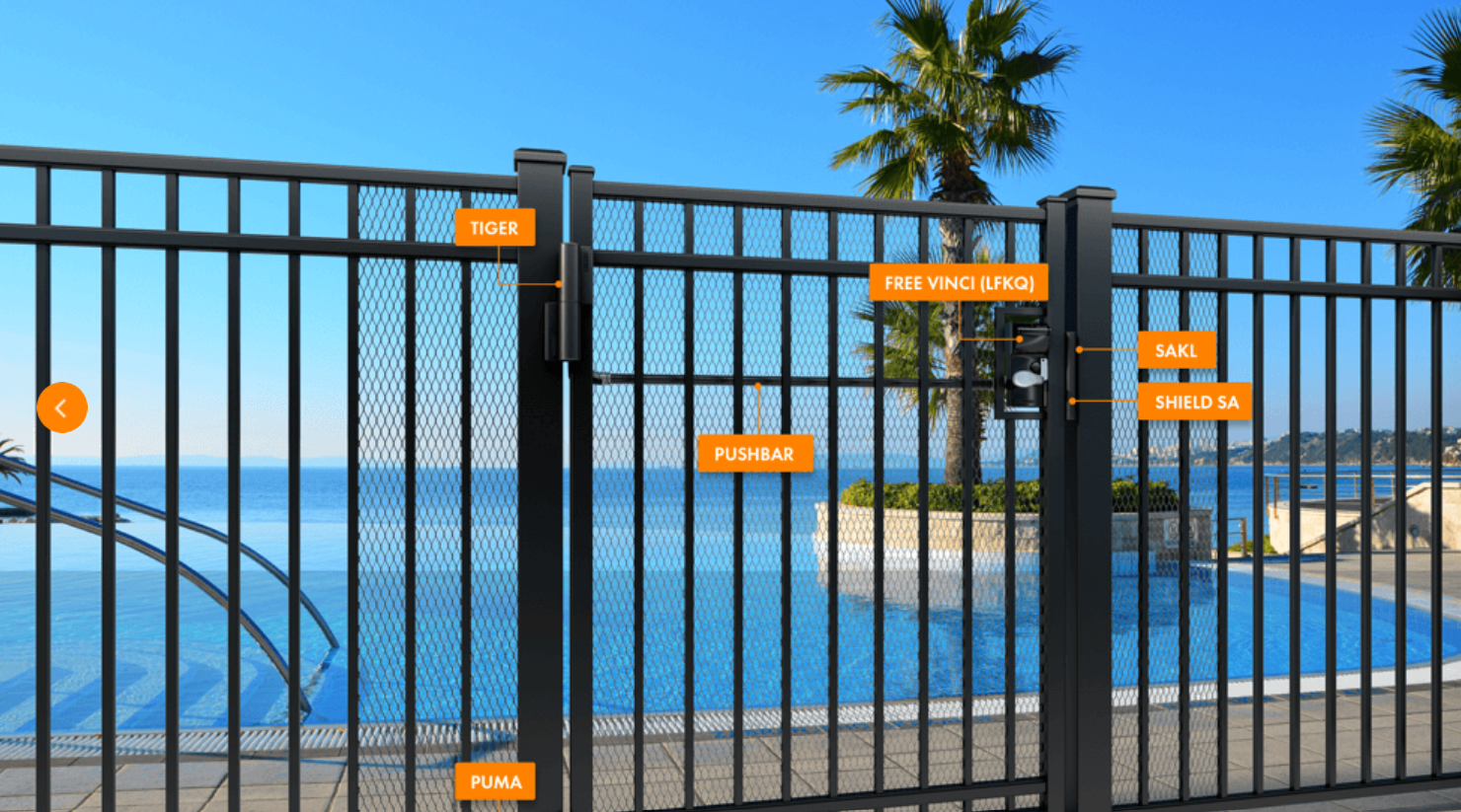
High-quality aluminum fences are powder coated to resist corrosion in chlorinated and salt-water pool environments. They come in code-compliant heights of 48 inches and higher with safe picket spacing, and are designed with flush or modified bottom rails to satisfy local pool safety standards. Aluminum pool fences meet national B.O.C.A Pool Fence Codes, and pool fences must comply with these national BOCA codes for safety. Choose materials that resist splashing from pool chemicals and weathering to ensure long-term durability.
Suppliers typically offer several residential styles, from flat-top contemporary designs to arched or decorative options, in colors like black, bronze, and white. Many suppliers coordinate aluminum fence panels with matching pool gates that are self closing, self latching, and designed to open outward from the water. Wrought iron fences are powder-coated to resist rust and sun exposure, though aluminum has largely replaced wrought iron for pool use due to lower maintenance. Always verify with the supplier that the specific aluminum fence model is certified for pool use, not just general yard fencing.
Safety Standards, Pool Codes, and Compliance Support
Pool safety codes differ by state, province, and city, and suppliers should be current on 2026 regulations. The International Swimming Pool and Spa Code sets safety standards for pool fencing, while local building codes must be followed when installing pool fences. Arizona, for example, has strict pool barrier laws for safety that go beyond baseline national requirements.
Height is a critical factor in pool fence safety compliance. A competent supplier will help homeowners meet these common code requirements: a minimum fence height of 48 inches (with some jurisdictions requiring 54 or 60 inches), a maximum gap under the fence of 4 inches on hard surfaces like concrete and 2 inches on soft surfaces like grass, fences should have less than 4 inches between pickets, and self closing gates are required for pool safety with the latch release placed at least 54 inches high. Gates must open outward and be self latching to comply with most jurisdictions. Preventing climbing is essential for pool safety barriers, so horizontal rails and nearby climbable objects must be eliminated.
Some regions now require documentation or drawings for permits. Reliable suppliers provide spec sheets and engineering details for inspections. Ask suppliers whether they routinely work with local inspectors and whether they will assist if the fence needs adjustments to pass final approval.
How Swimming Pool Fence Suppliers Handle Estimates and Installation
Most reputable suppliers in 2026 offer a free pool fence estimate, either in-person or virtually, before any commitment. This is where you separate serious pool safety solutions providers from those cutting corners.
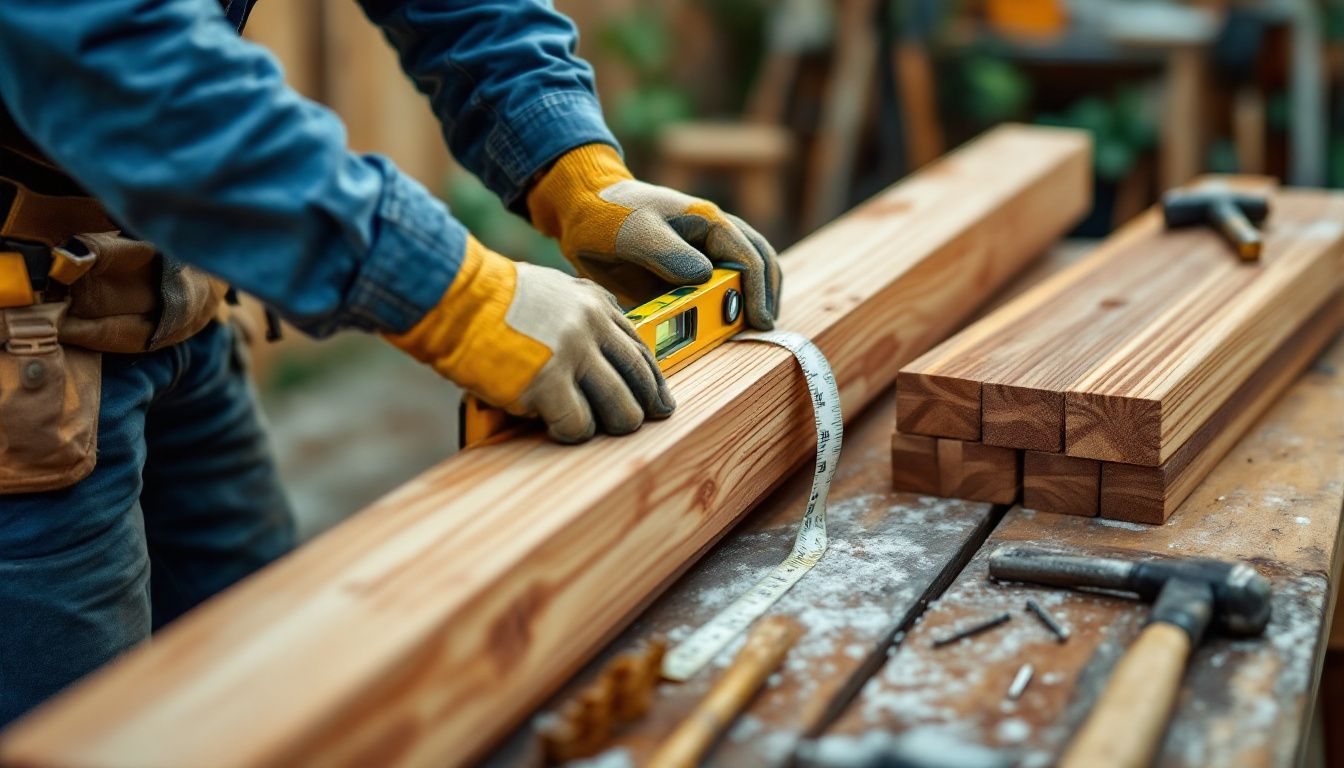
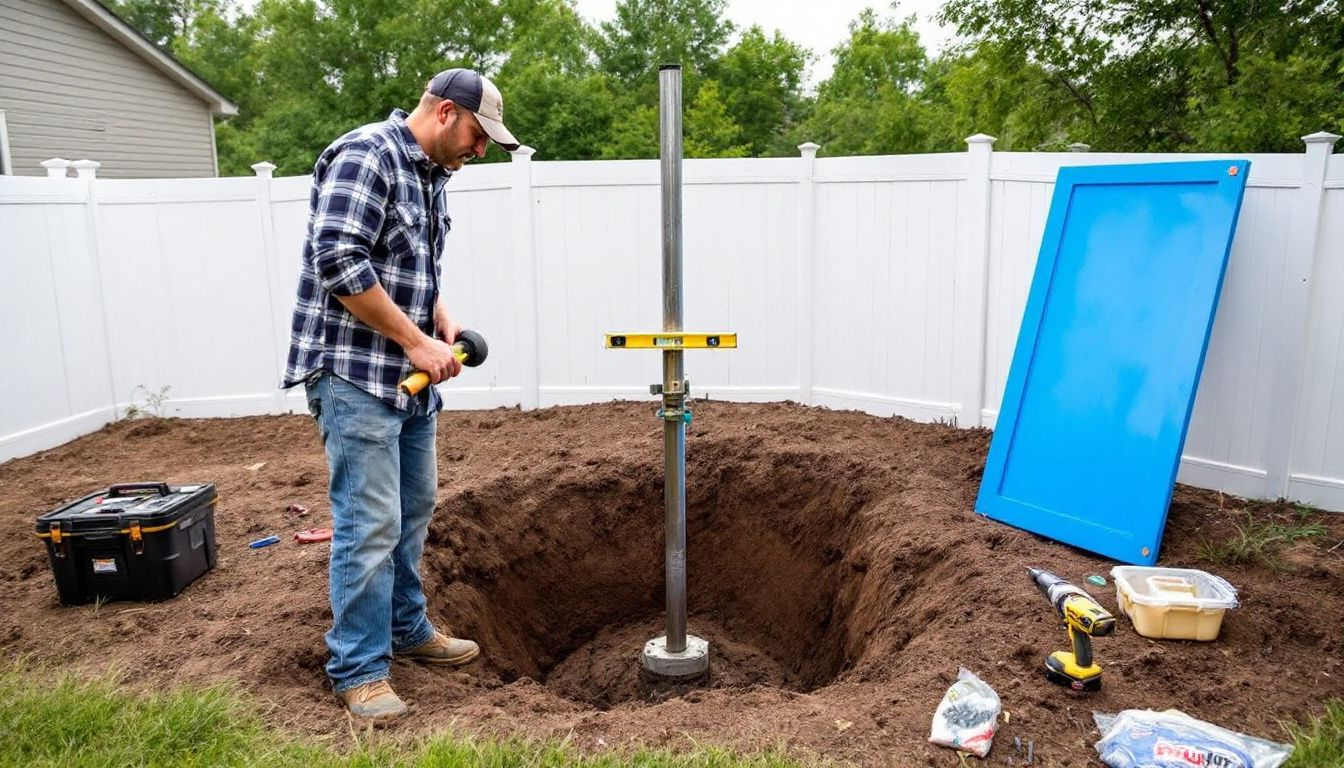
A professional estimate process should include site measurement of the pool perimeter including slopes, concrete, and soft ground areas, discussion of preferred fence type (mesh vs aluminum), colors, and gate locations, and a written quote that breaks down material, labor, and any permit fees. Installation must comply with local safety regulations, and suppliers either have in-house installers or certified partners to ensure the fence is set at the correct height, spacing, and tension.
Realistic installation timelines run about one to two days on site for an average residential pool, typically scheduled within one to two weeks during normal season and longer in peak summer. Confirm with the supplier who handles underground utility checks, cleanup, and final walkthrough before payment. A properly installed fence should stand level, with tight mesh or correctly spaced pickets, and all gates functioning on the first try.
Key Questions to Ask Potential Pool Fence Suppliers
Asking the right questions makes it easy to compare multiple pool fence quotes objectively. Supplier reputation and licensing are important factors when selecting a pool fence, so do not skip this step.
Must-ask questions include: How long have you been installing pool fences, and how many projects did you complete in 2025? Are your mesh pool fences and aluminum fences specifically rated for pool use and code compliance? What warranties do you provide on materials, finish, hardware, and installation labor?
Also ask about ongoing service: Do you offer emergency repairs if a section is damaged? Can you modify or extend the pool fence if we remodel our yard or add landscaping? Ask for recent local references from 2024 through 2026 and photos of completed projects similar in size and layout to your own pool. Verify licensing, insurance, and any manufacturer certifications the supplier claims to hold. Parents and family members should feel confident that the supplier they choose will deliver reliable protection.
Accessories and Add-Ons: Gates, Omni Hangers, and Lighting
Modern pool fence suppliers often provide accessories that improve both pool safety and day-to-day convenience in your space.
High-quality, closing self latching pool gates that meet code are essential. Suppliers help choose locations for main and secondary entries so access to the pool area is controlled without being inconvenient. Self latching gates with childproof hardware protect children and pets from unsupervised access.
An omni hanger is a specialized hook that mounts on pool fence posts, allowing storage of life rings, rescue hooks, pool nets, and towels without compromising safety or fence integrity. Other common add-ons include solar post lights for nighttime visibility along the pool fence line, lockable latches or alarms on gates for added child protection, and matching hardware finishes that coordinate with aluminum fence panels. Ask suppliers to itemize accessory costs in the free pool fence estimate so you can decide which upgrades fit your budget.
Comparing Quotes and Selecting the Best Pool Fencing Supplier
The cheapest quote is rarely the best when it comes to pool safety and long-term durability. Compare quotes on these concrete points: fence material quality (mesh grade, aluminum wall thickness, powder-coat quality), exact fence height and linear feet of coverage, and number and type of gates including self closing hardware.
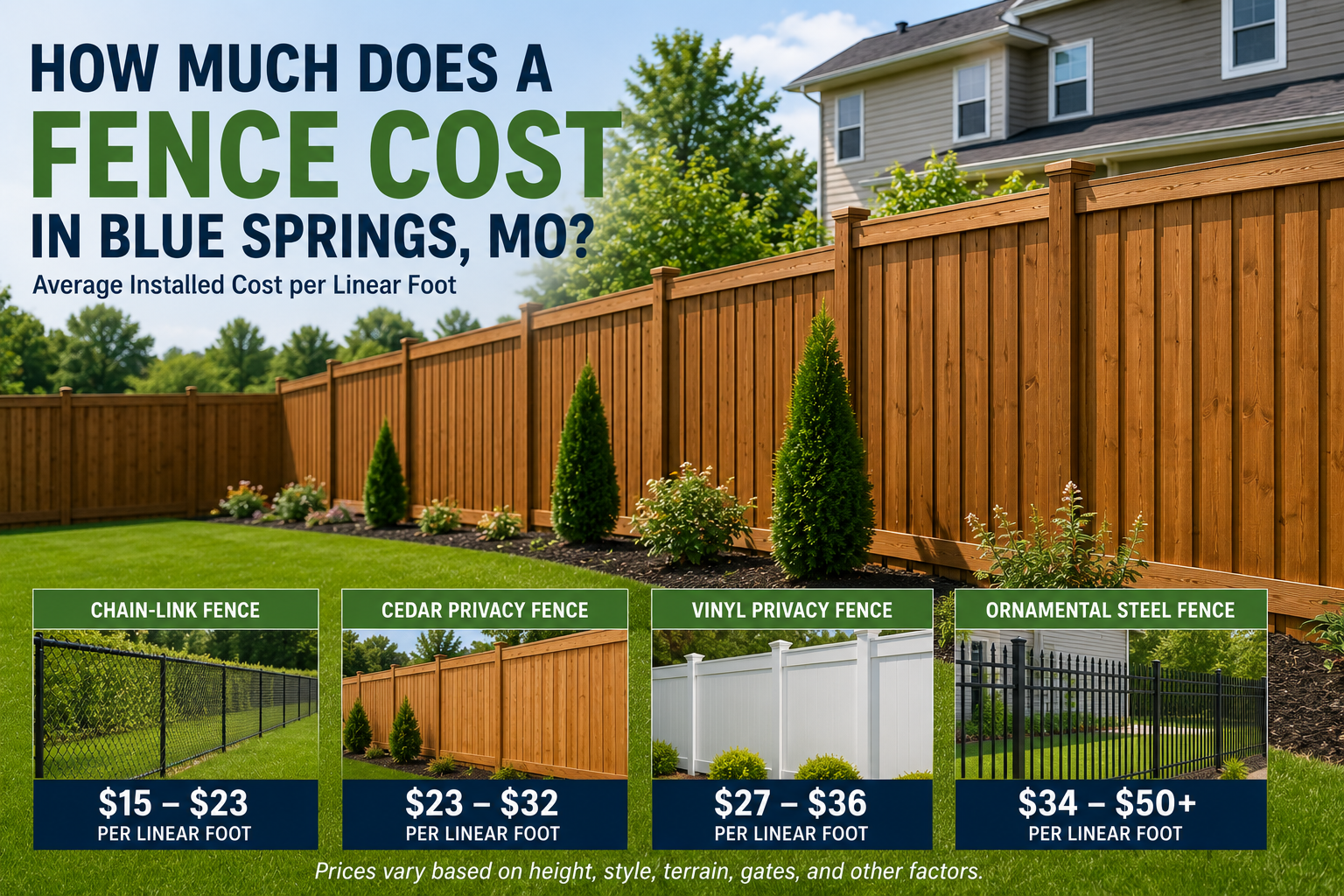
For reference, mesh fences typically run $1,500 to $3,000 for 100 to 140 linear feet installed, while aluminum fences range from $2,500 to $6,500 for similar footage. Balance budget and quality by prioritizing safety-critical features first, such as code compliance, sturdy posts, and reliable gates, before cosmetic upgrades like custom colors or style enhancements.
Comparison Point | Supplier A | Supplier B | Supplier C |
|---|---|---|---|
Price per linear foot | $ | $ | $ |
Fence height | |||
Warranty (materials) | |||
Warranty (labor) | |||
Installation date | |||
Gates included | |||
Code compliance docs |
Choose the supplier who provides clear communication, detailed documentation, and a strong track record over many seasons. An attractive price means nothing if the fence fails inspection or rusts within two years.
Maintenance, Warranty, and Long-Term Support From Suppliers
A pool fence is a 10 to 20-plus year investment, so supplier support after install is as important as the initial price. A comprehensive warranty is advisable for pool fencing products.
Typical maintenance requirements include rinsing mesh and aluminum fence panels regularly to remove pool chemicals, lubricating gate hinges and checking the latch annually, and inspecting for loose posts after heavy storms or ground movement. These simple steps preserve the surface finish and keep everything functioning.
A strong warranty should cover mesh tearing or fading within a specified number of years, powder-coat failure, chipping, or rust on aluminum fences, and installation defects such as leaning sections or misaligned gates. Ask for written warranty terms and clarification on what triggers a free service visit versus a billable repair. Top suppliers maintain records of each fence layout on your property, making future upgrades, extensions, or replacement panels straightforward. That kind of complete support is what turns a one-time purchase into a long-term relationship.
Schedule your free pool fence estimate early in the season. Contact suppliers 6 to 8 weeks before you plan to open your pool so you can secure your preferred installation date and comply with local permitting timelines.
Frequently Asked Questions About Swimming Pool Fence Suppliers
How far in advance should I contact a pool fence supplier before pool season?
In many regions, suppliers book up quickly from April through August, so reaching out 6 to 8 weeks before you plan to open the pool helps secure preferred dates. Off-season months like late fall and winter often come with shorter wait times and sometimes better pricing. Allow extra time if your city requires permits or inspections, as suppliers may need several weeks to schedule and coordinate paperwork.
Can a supplier connect a new pool fence to my existing yard fence or wall?
Most experienced suppliers regularly design partial swimming pool fences that tie into existing perimeter fences, block walls, or house walls. They will check the existing structure’s height, gaps, and climbability to verify it can legally function as part of the pool barrier. Ask the supplier to show, on a simple sketch or plan, how the new fence and existing structures form a continuous, code-compliant enclosure around the pool area.
Do I need a pool fence supplier if I plan to install a DIY fence kit?
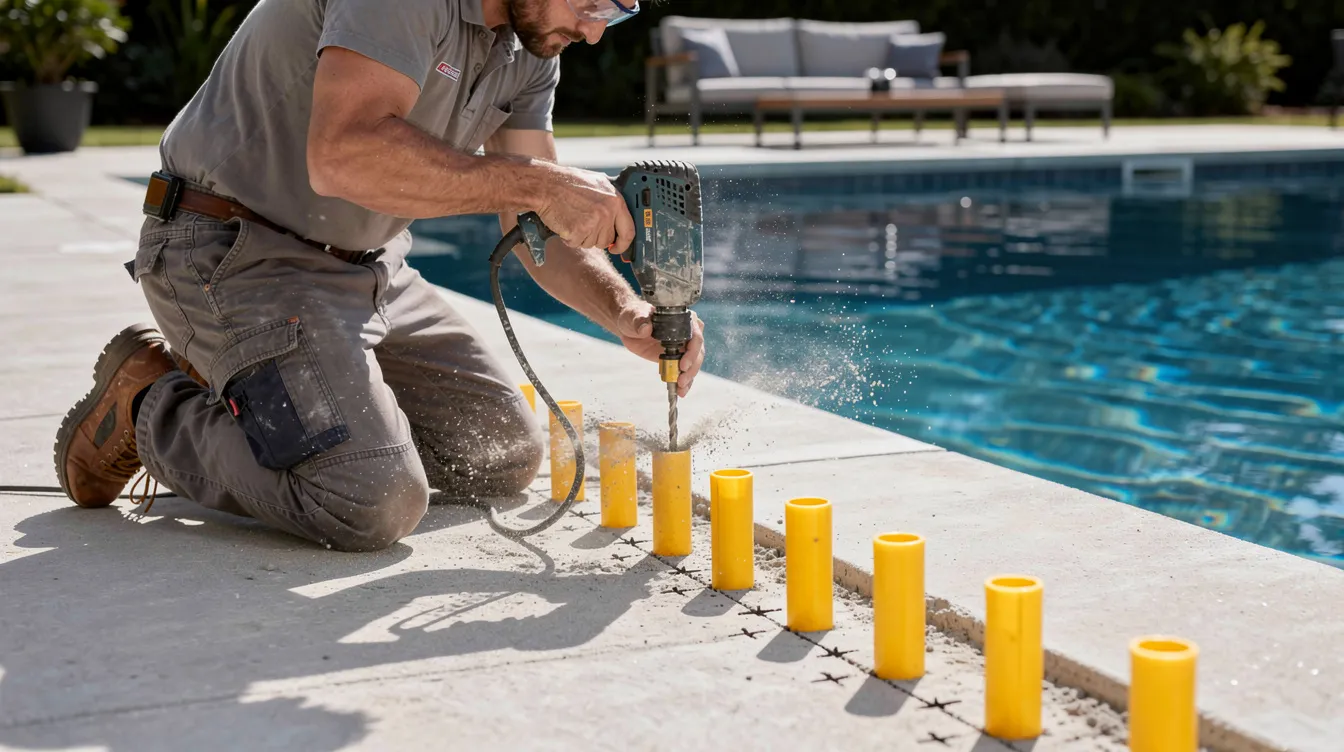
Many manufacturers sell DIY mesh pool fence kits, but working with a supplier or pro installer reduces the risk of measurement errors and non-compliance. Some suppliers offer hybrid services, providing materials, layout guidance, and tools like drilling guides while the homeowner handles labor. Even DIYers should ask a local supplier or inspector to confirm that the planned layout, height, and gates meet current code before drilling into concrete.
How do suppliers handle pools with unusual shapes, steps, or raised walls?
Reputable suppliers routinely design fences for freeform pools, infinity edges, attached spas, raised decks, and other irregular pool shapes by using angled sections and custom posts. They may combine straight runs with custom-cut panels or special anchors for stone, pavers, and retaining walls. Share photos and measurements in advance so the supplier can propose a clear layout and accurate estimate for complex sites.
Will installing a pool fence affect my home’s appearance or property value?
Well-designed aluminum and mesh pool fences complement landscaping and can improve perceived property value by signaling safety and care. Black or bronze aluminum fence panels often visually disappear against greenery, while transparent mesh maintains open views. Ask suppliers to show photos of similar homes before and after installation so you can see how a fence can enhance the yard rather than detract from it.