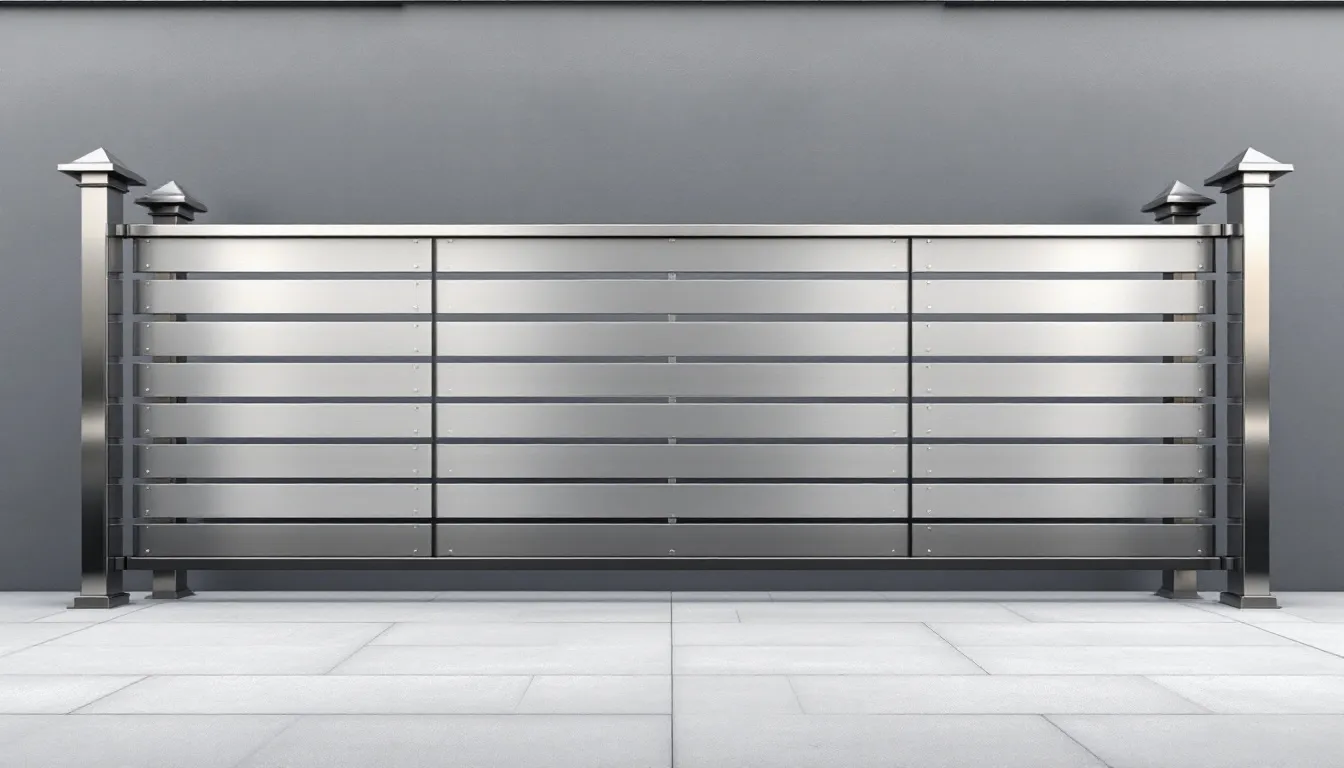
Living near KU comes with a distinct set of fencing considerations that don’t apply the same way in other parts of Lawrence. Properties close to campus, in neighborhoods like Oread, the areas surrounding Massachusetts Street, and the broader collection of streets within easy walking distance of Memorial Stadium and the rest of the KU campus, tend to deal with higher foot traffic, more frequent turnover between owner-occupants and student renters, denser housing, and, on game days and during major campus events, crowds that simply don’t exist in quieter parts of the city. A good privacy fence near KU has to account for all of that, not just look nice.
This guide walks through fencing approaches that genuinely work well for the specific realities of living near campus, whether you’re an owner-occupant trying to carve out a quiet backyard close to all the action, or a landlord trying to balance tenant durability with reasonable cost.
Why Privacy Matters More Near Campus
In most Lawrence neighborhoods, a fence is mainly about defining a boundary and maybe keeping a pet contained. Near KU, it’s frequently doing more work than that. Properties close to campus deal with regular foot traffic from students walking to and from class, increased noise from nearby social activity, and a level of general visibility from the street that quieter, more suburban blocks simply don’t experience. On football Saturdays and during major events, that traffic and noise can spike dramatically, even on streets that feel calm the rest of the week.
A well-designed privacy fence addresses several of these pressures at once: it creates a visual and acoustic buffer between your yard and the street or alley, it discourages casual cut-throughs across your property, which is a real issue in densely packed campus-adjacent blocks where pedestrians sometimes treat yards as shortcuts, and it gives you a genuinely private outdoor space you can use regardless of what’s happening on the street that day.
Full-Height Wood Privacy: The Standard Choice for Backyards
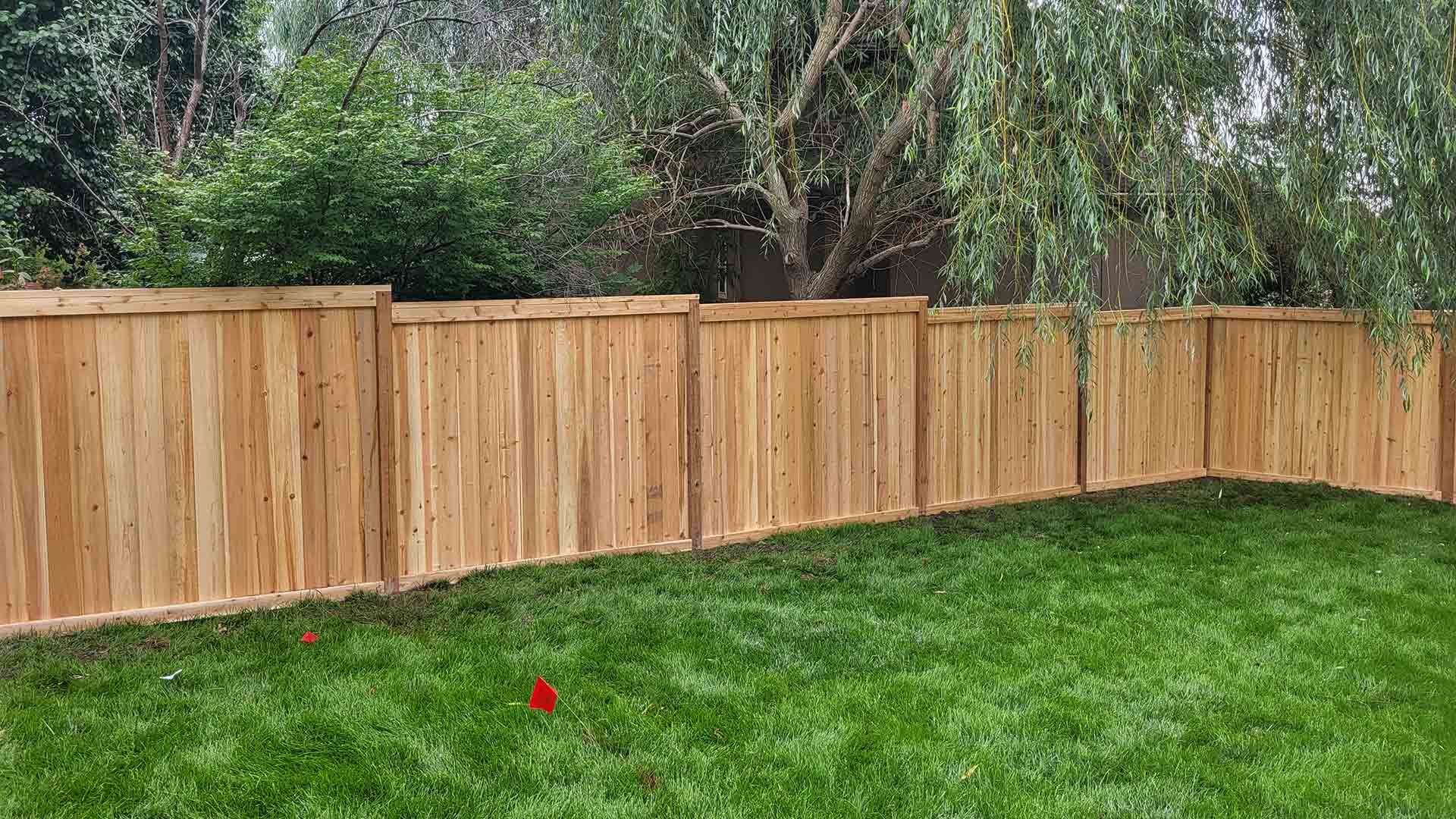
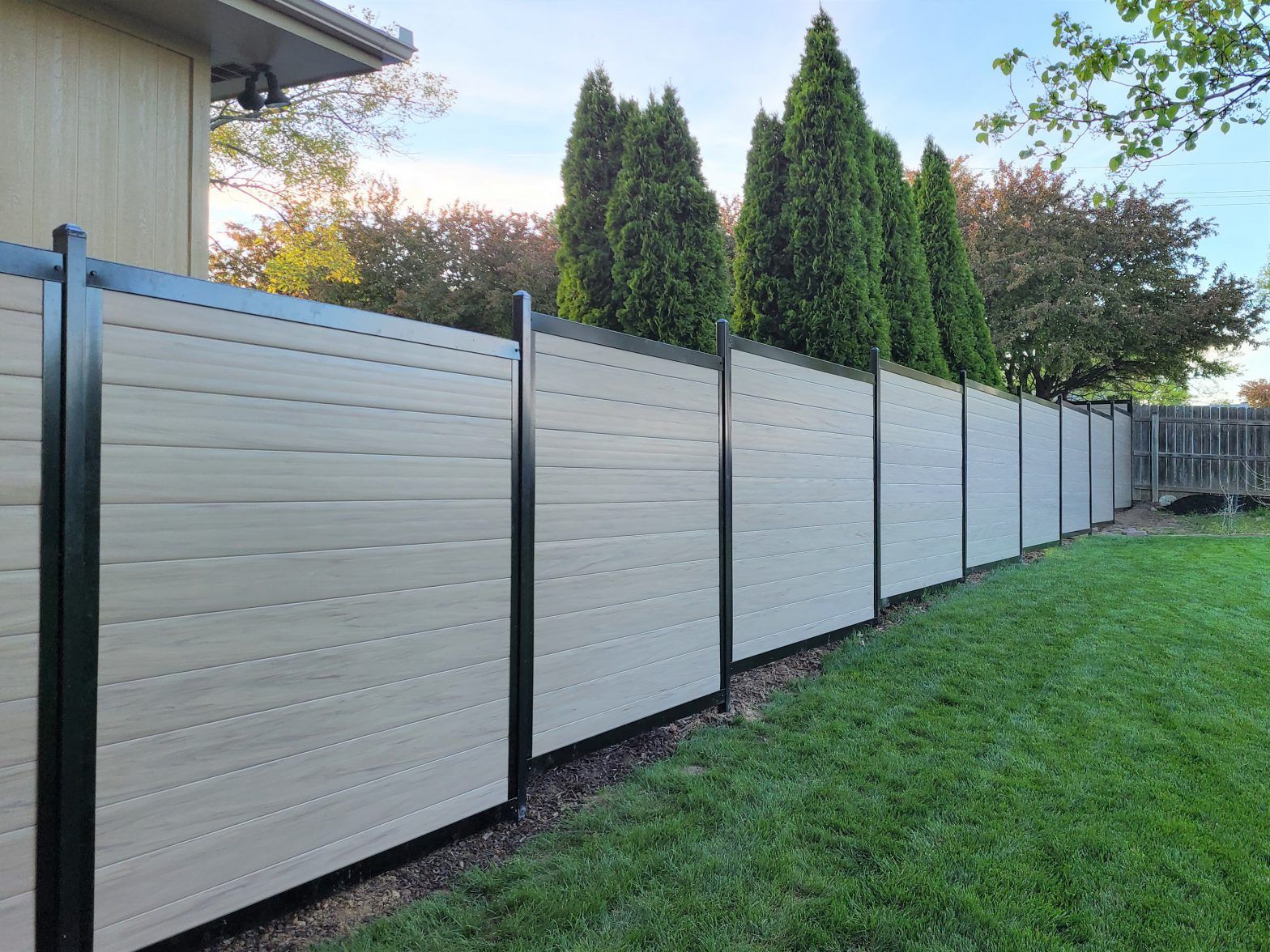
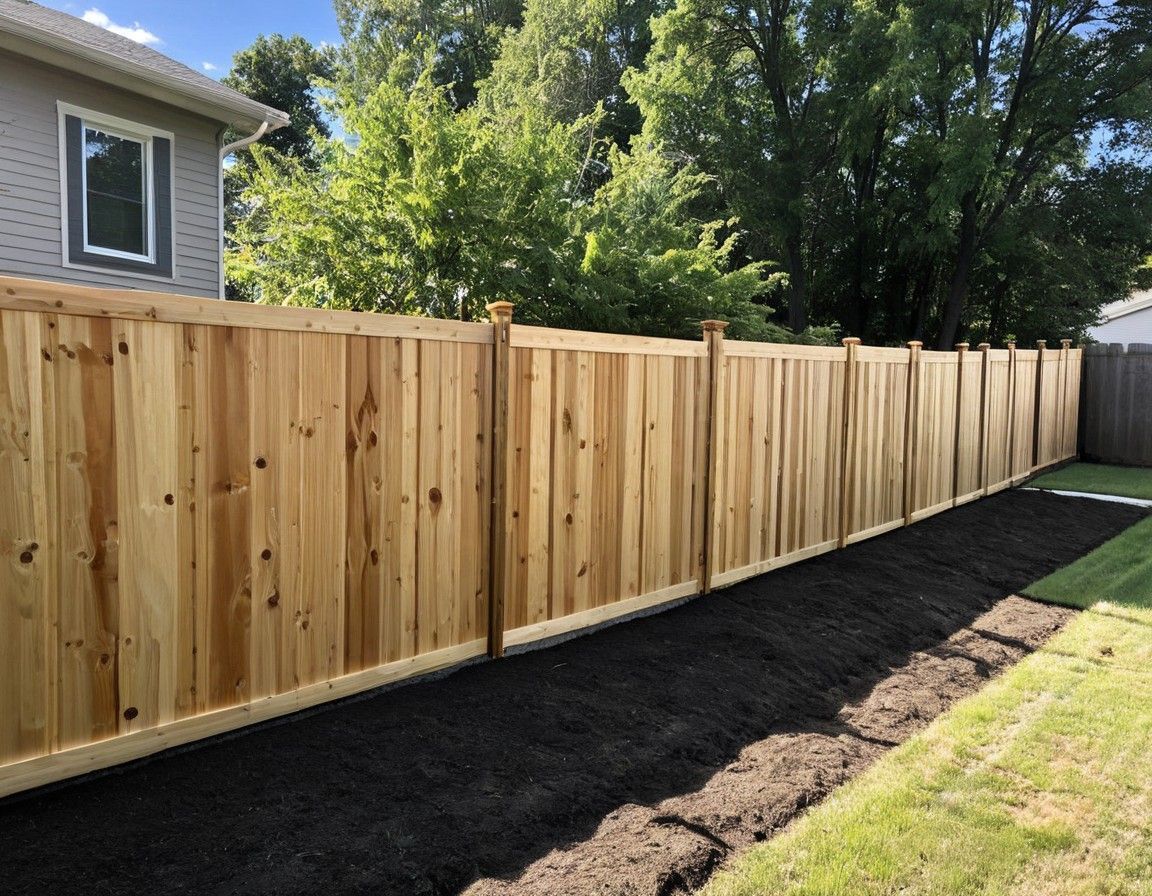
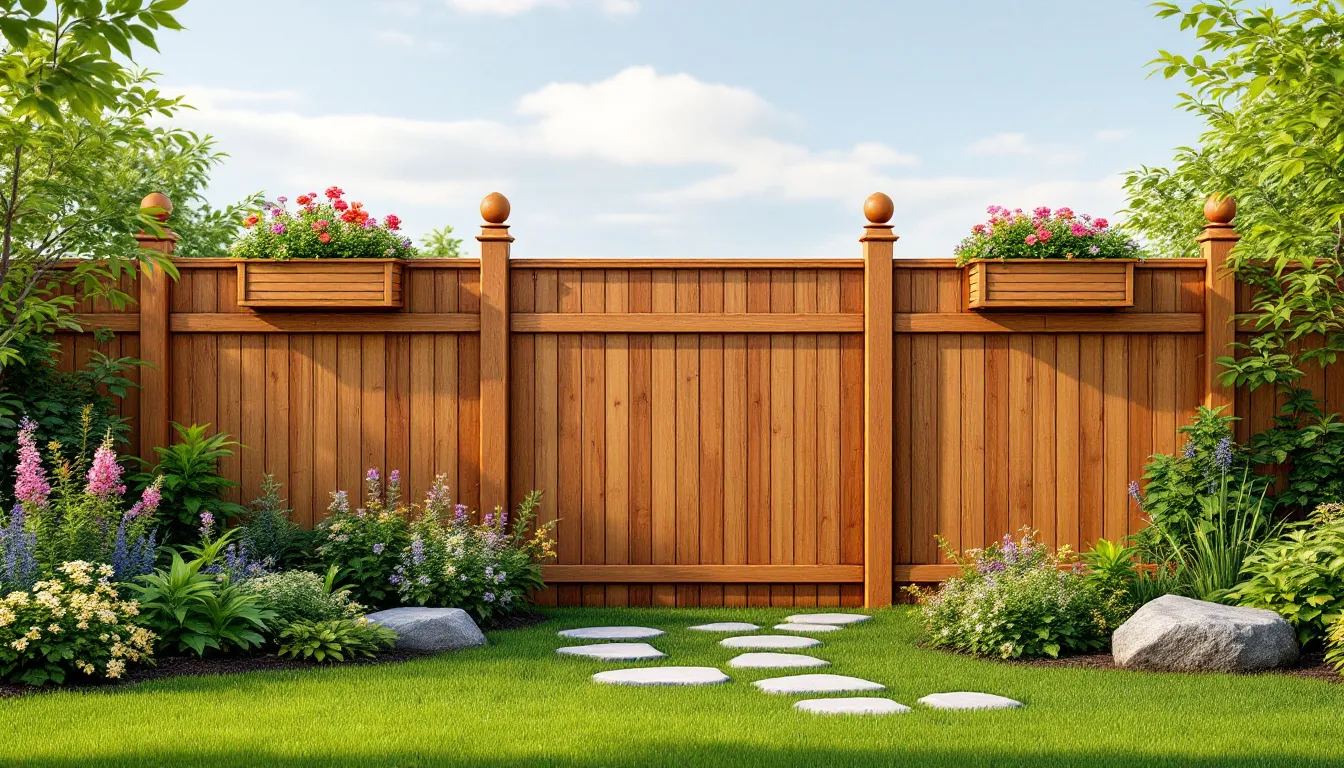
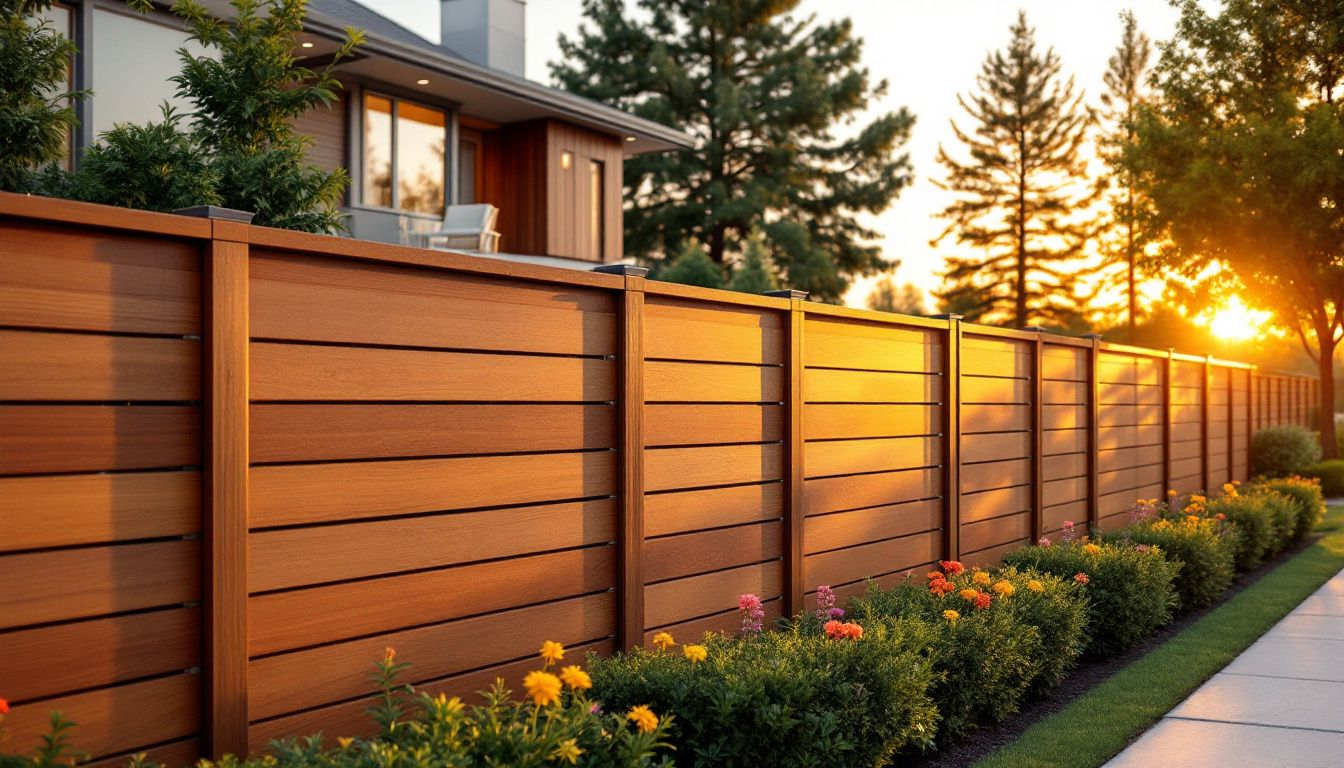
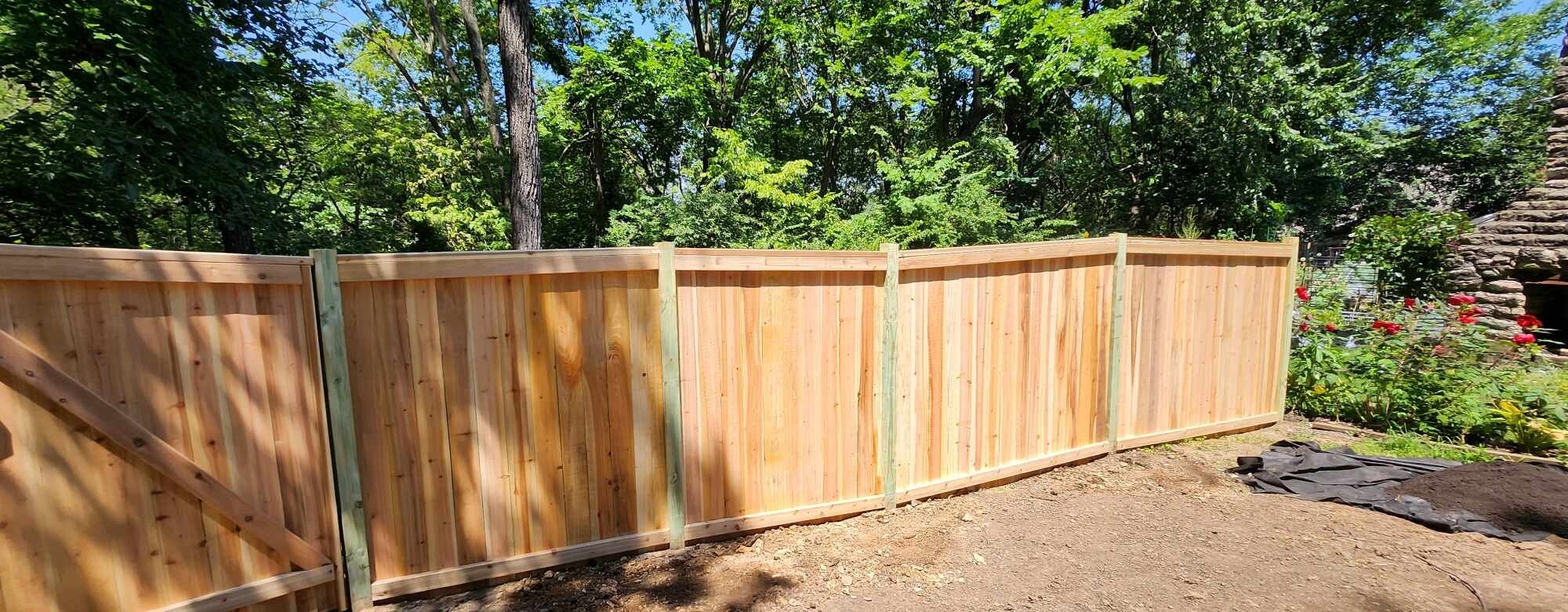
For most KU-area properties, a standard 6-foot wood privacy fence around the backyard remains the most effective and most common solution. It blocks sightlines completely, which matters in neighborhoods where houses tend to sit closer together than in Lawrence’s newer suburban developments, and it provides meaningful sound buffering compared to an open or partially open fence style.
Board-on-board construction, where overlapping vertical boards eliminate any gaps between panels, is worth the modest upcharge over standard butted boards specifically in this context, since it closes off sightlines completely rather than leaving the narrow gaps that standard board fencing sometimes has. For a property where you’re specifically trying to create separation from a busy street or a neighboring rental with frequent turnover, that complete visual block is worth the extra cost.
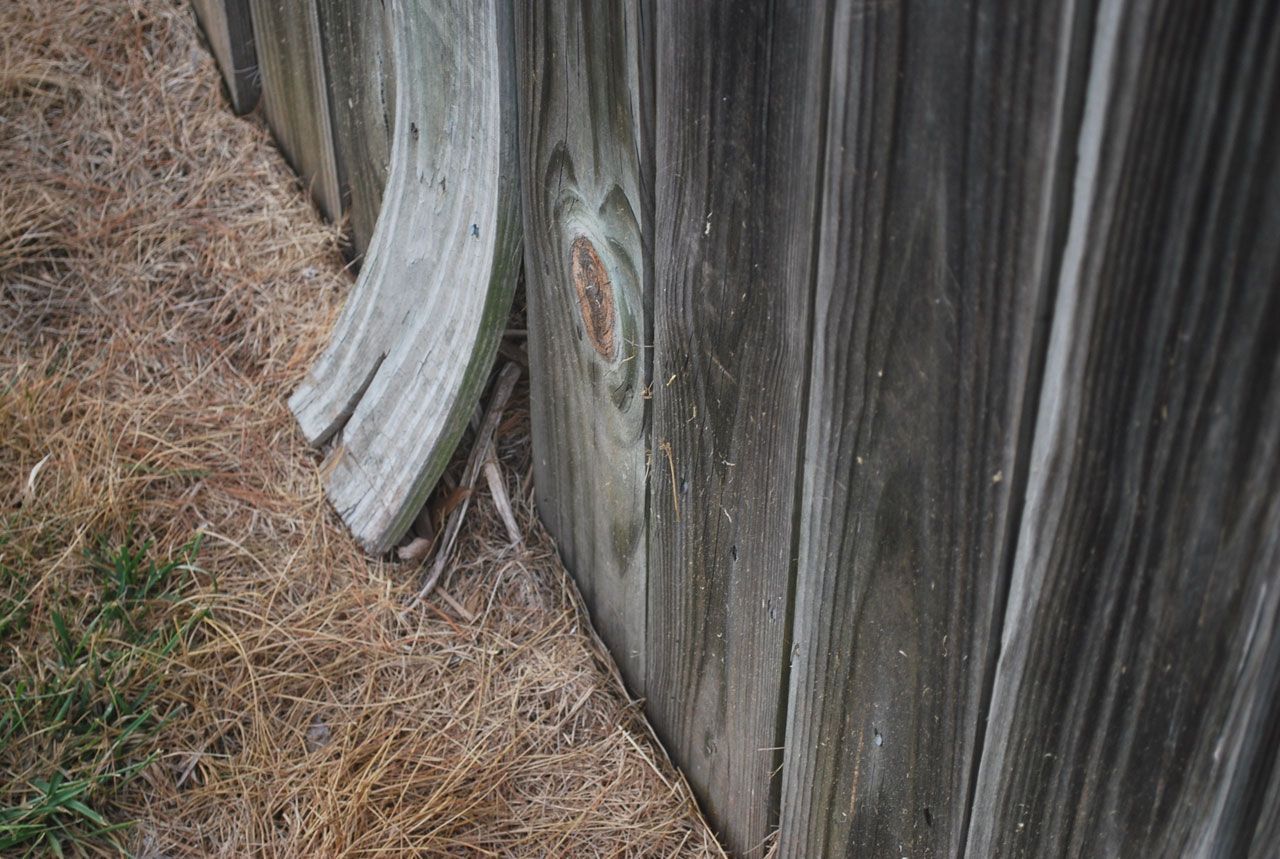
Cedar tends to be the better long-term choice over pressure-treated pine for owner-occupied homes near campus where you’re planning to stay for years and want the fence to age well. For rental properties, where landlords are often weighing upfront cost against expected tenant wear, pressure-treated pine or an upgrade to vinyl can make more financial sense, since the fence needs to survive inconsistent maintenance regardless of species.
Taller Front-Facing Options Within Lawrence’s Height Rules
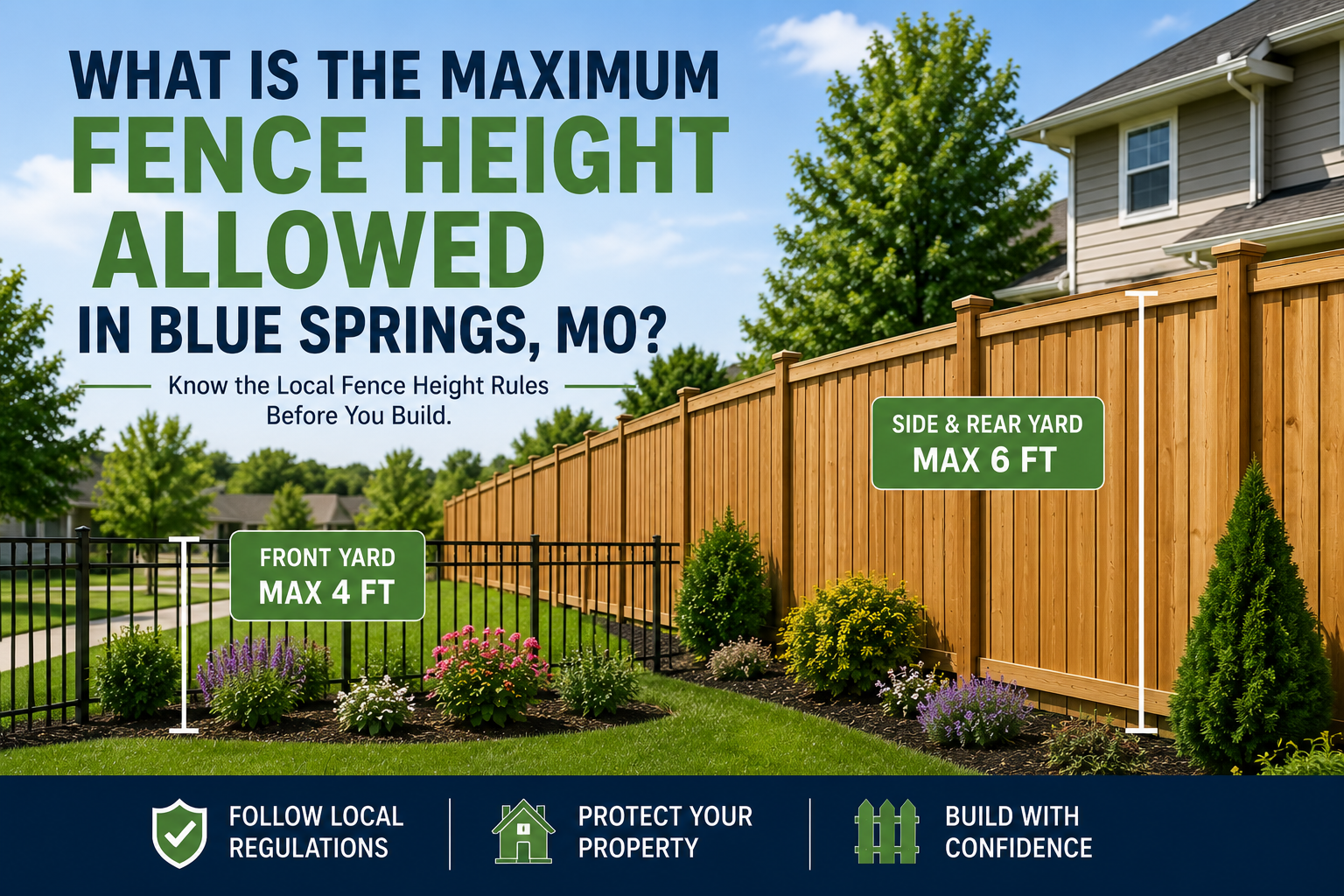
One challenge specific to campus-adjacent properties is that many homes here sit close to the street with minimal front yard depth, meaning the front of the house often gets just as much foot traffic exposure as the back. Lawrence’s fence code allows front yard fences up to 4 feet for most styles (3 feet for solid wood or metal fences and masonry), which won’t give you the same full privacy as a 6-foot rear yard fence, but a well-designed 4-foot fence with denser, more closely spaced pickets can still meaningfully reduce direct sightlines into ground-floor windows and front porch areas, particularly when combined with strategic landscaping just inside the fence line.
For properties where the front yard genuinely needs more substantial screening due to a particularly busy street or sidewalk, it’s worth discussing a variance with the city, since Lawrence’s Building Inspector can grant exceptions to standard height rules when public health, safety, and welfare are still served and neighboring properties aren’t materially affected.
Layered Privacy: Combining Fencing with Landscaping
For properties where a fence alone doesn’t fully solve the privacy challenge, particularly front yards limited to 4 feet under the code, layering landscaping just inside the fence line is one of the most effective approaches used throughout campus-adjacent neighborhoods. Tall, narrow evergreen plantings, ornamental grasses, or trellised climbing plants along an ornamental metal or wood picket fence can add meaningful visual screening above the fence’s legal height limit, since the planting itself isn’t subject to the same regulations as a built structure.
This approach works particularly well for older homes in Oread and the blocks immediately surrounding campus, where preserving some visual openness and the neighborhood’s established historic character matters, but where homeowners still want more separation from the sidewalk than a bare 4-foot picket fence alone provides.
Sound-Dampening Considerations for Game Day Noise
Acoustic performance is a genuinely underrated factor for fencing near KU, particularly for homes within a reasonable walking distance of Memorial Stadium or along the busier corridors near downtown and Massachusetts Street. While no residential fence will fully block stadium noise on a Saturday, solid board-on-board wood or vinyl privacy fencing performs noticeably better than open styles like chain link or widely spaced picket fencing, simply because mass and density matter for sound attenuation. A taller, solid 6-foot fence with minimal gaps is the most effective standard option without moving into specialized acoustic fencing products, which tend to be cost-prohibitive for typical residential applications.
Durable, Low-Maintenance Options for Rental Properties
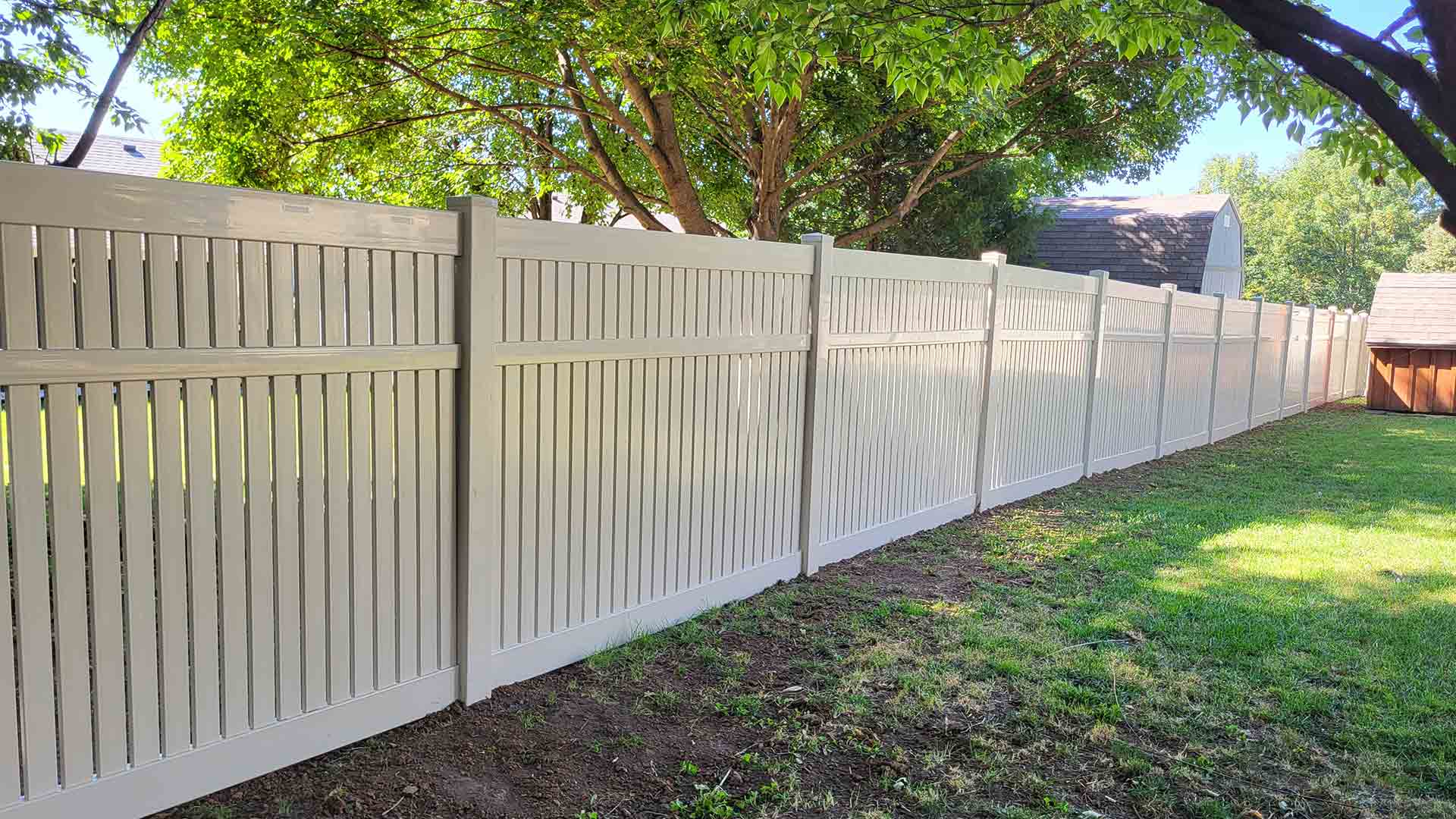
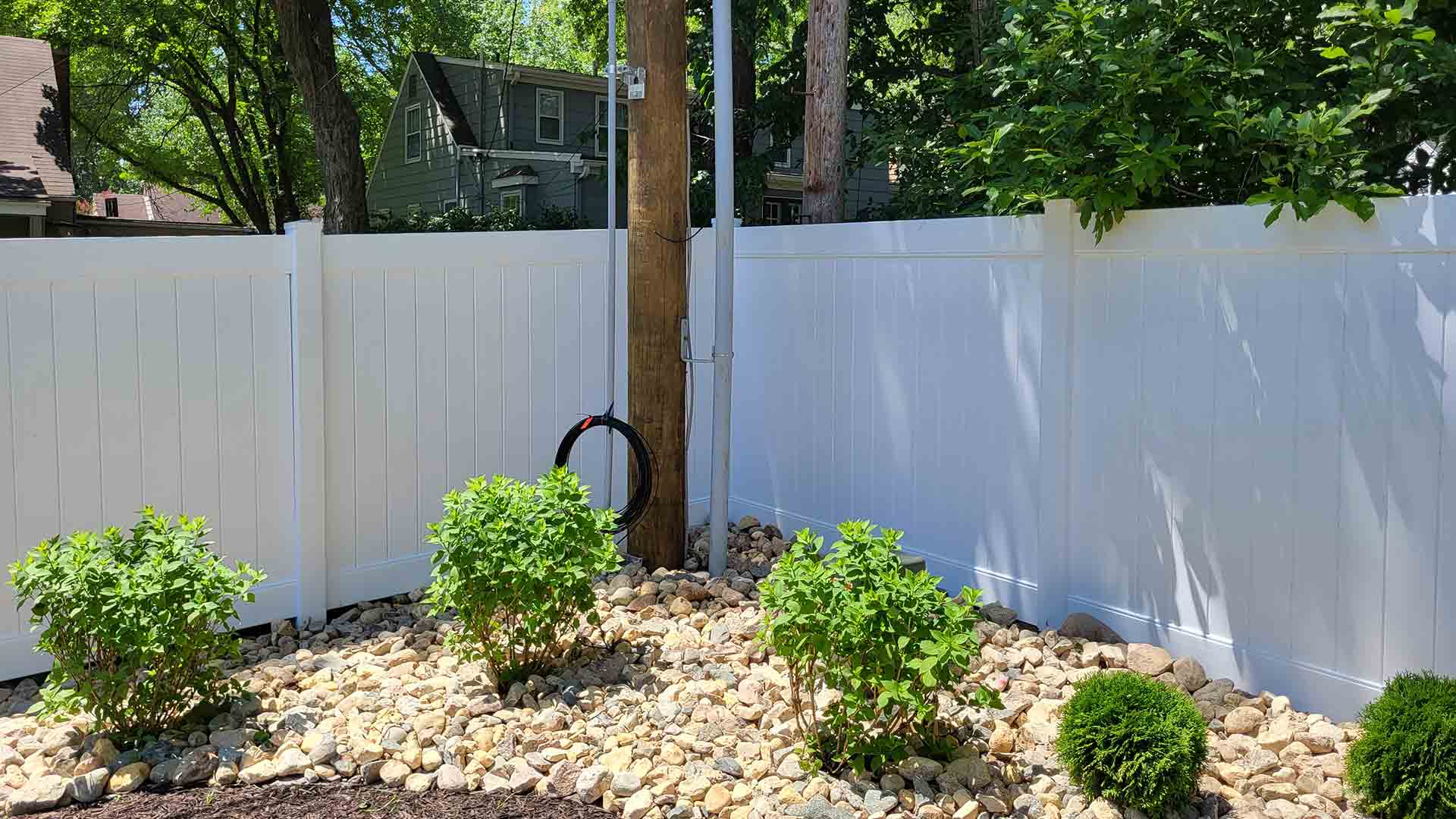
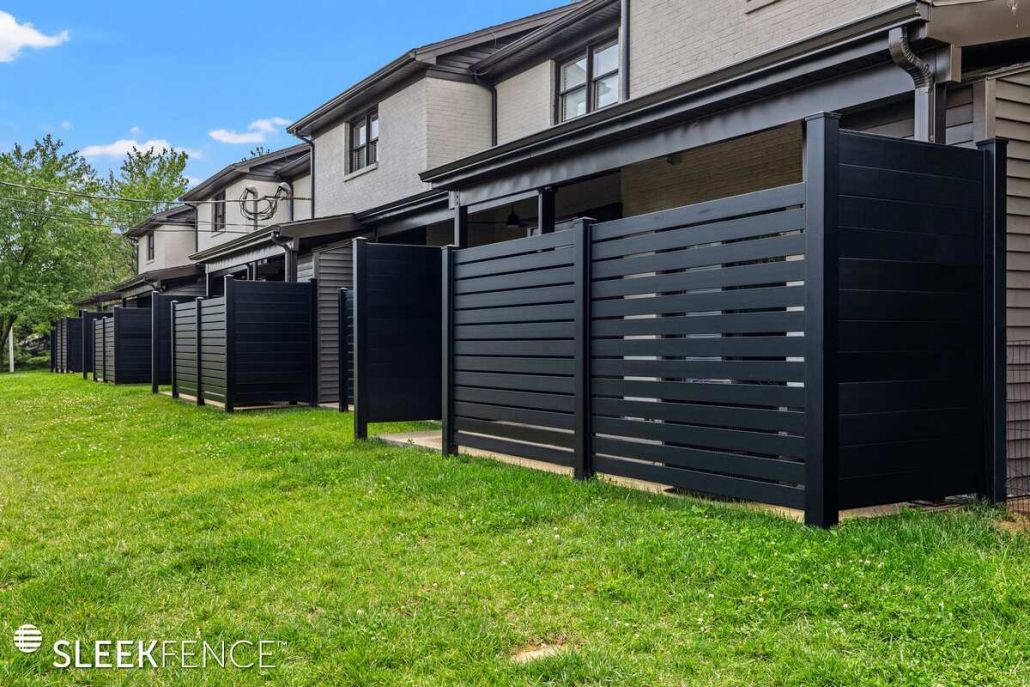
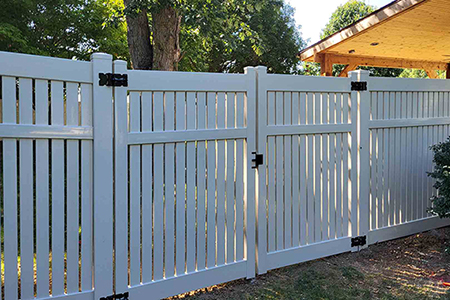
If you own rental property near campus, your fencing priorities are understandably different from an owner-occupant’s. Tenant turnover means you can’t count on consistent upkeep, and the realistic expectation should be a fence that performs well with minimal to no maintenance over its lifespan. Vinyl privacy fencing is increasingly the practical choice for this reason: it doesn’t require staining or sealing, it resists the kind of casual damage that comes with higher foot traffic and turnover, like bikes leaned against panels or the general wear of a busier rental property, and it maintains a clean appearance without intervention.
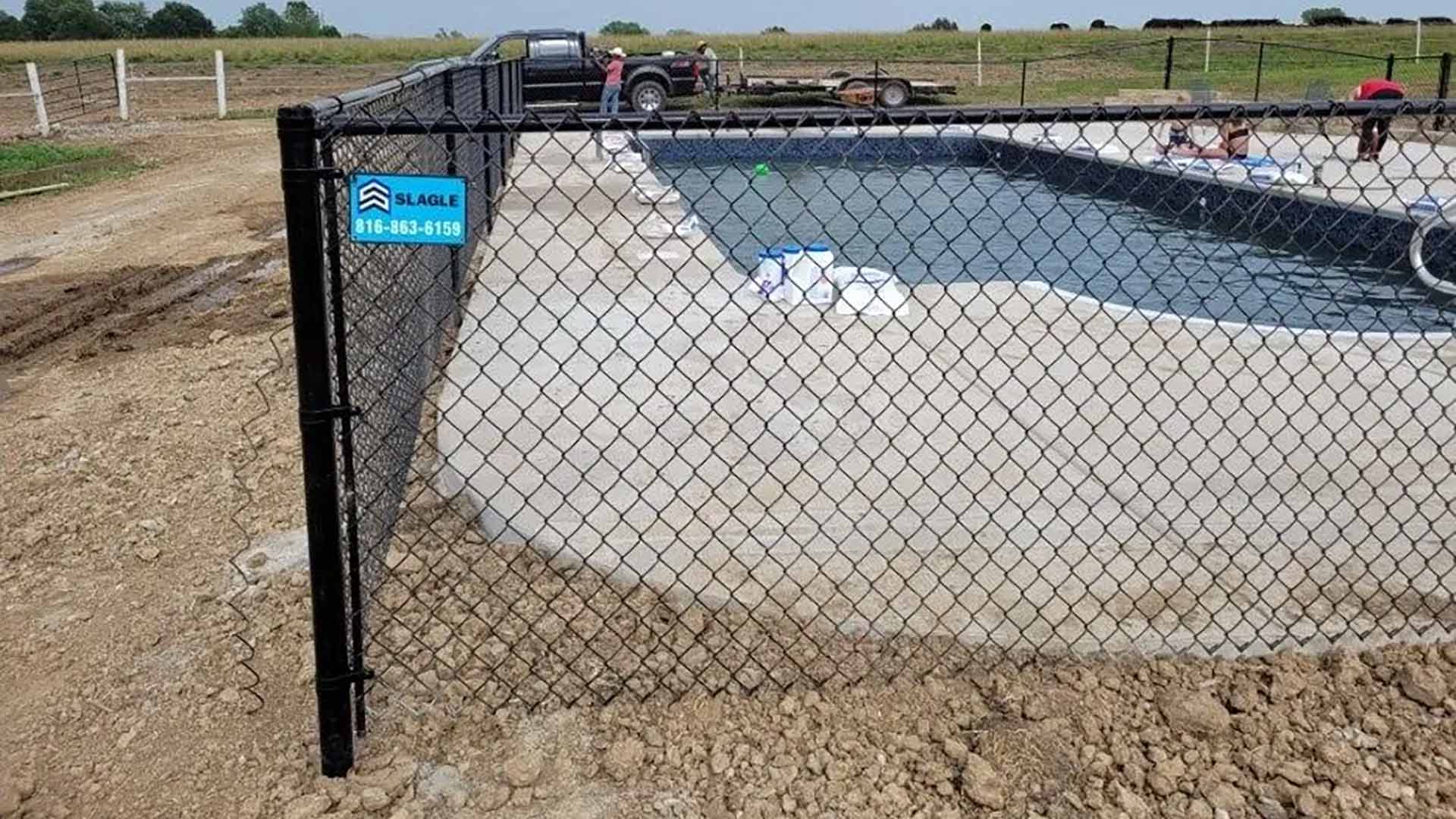
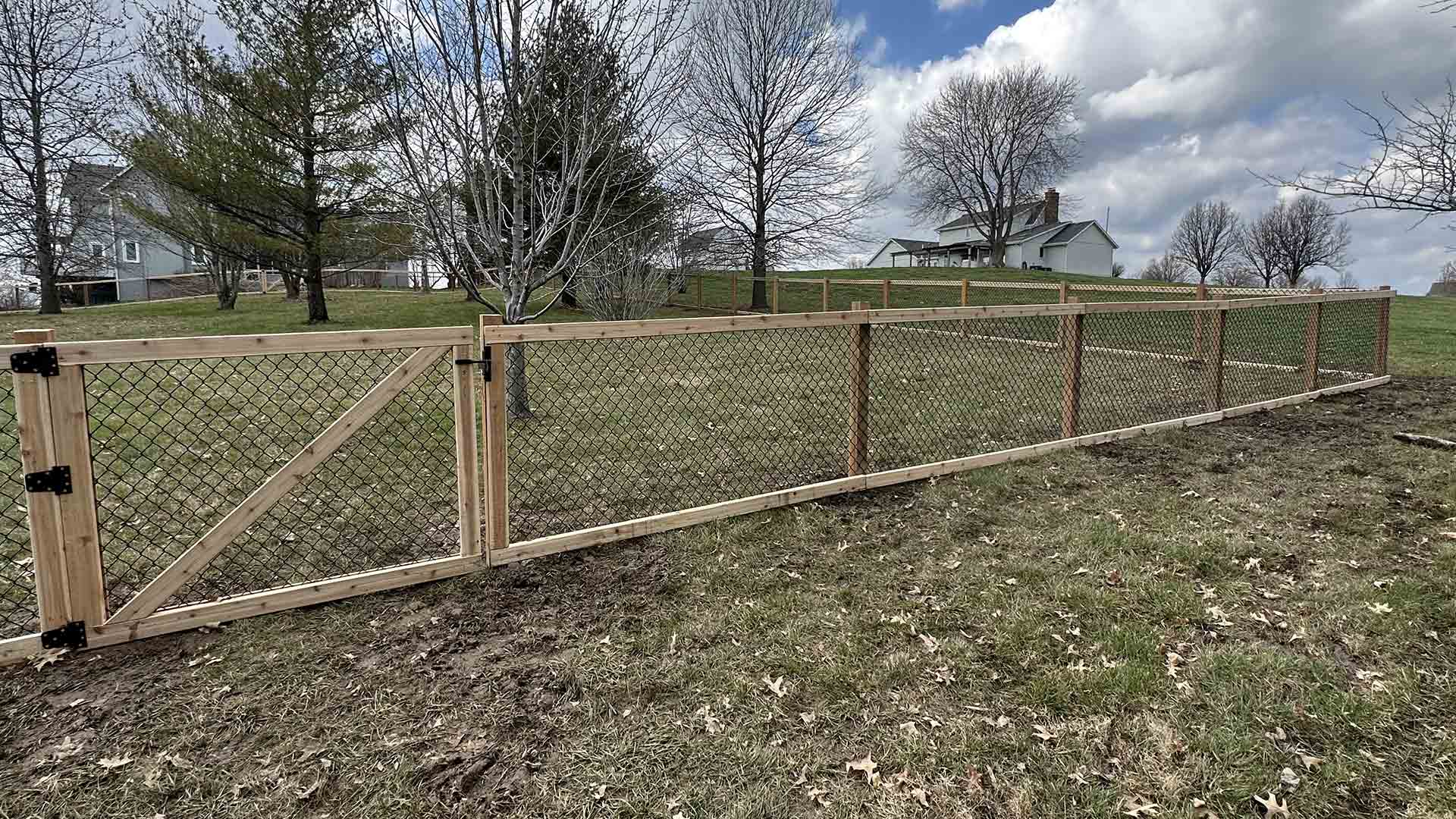
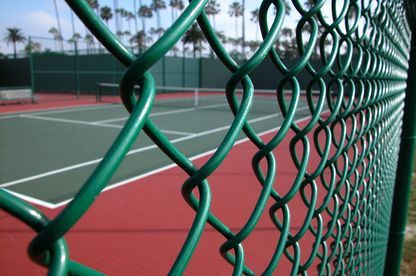
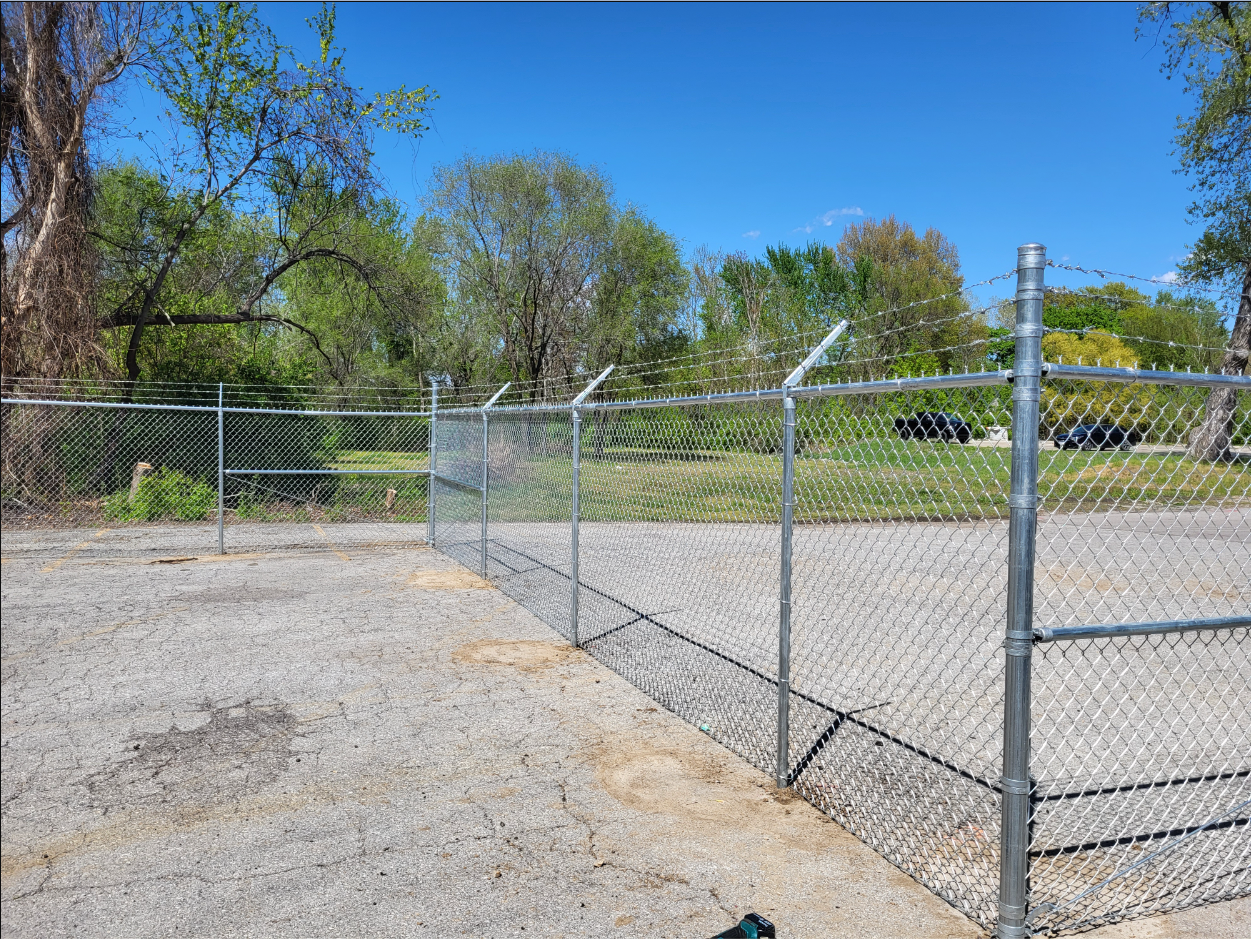
Chain link, while less private, remains a reasonable budget option for rental properties where the priority is simply marking a boundary and containing a yard rather than full visual privacy, particularly for side or rear yard areas not facing the street directly.
For landlords managing multiple properties near campus, standardizing on a single durable material and style across properties also simplifies repairs and replacement parts over time, which is worth considering even if it means a slightly higher upfront cost on any individual property.
Gates and Access Points: A Detail Worth Planning Carefully
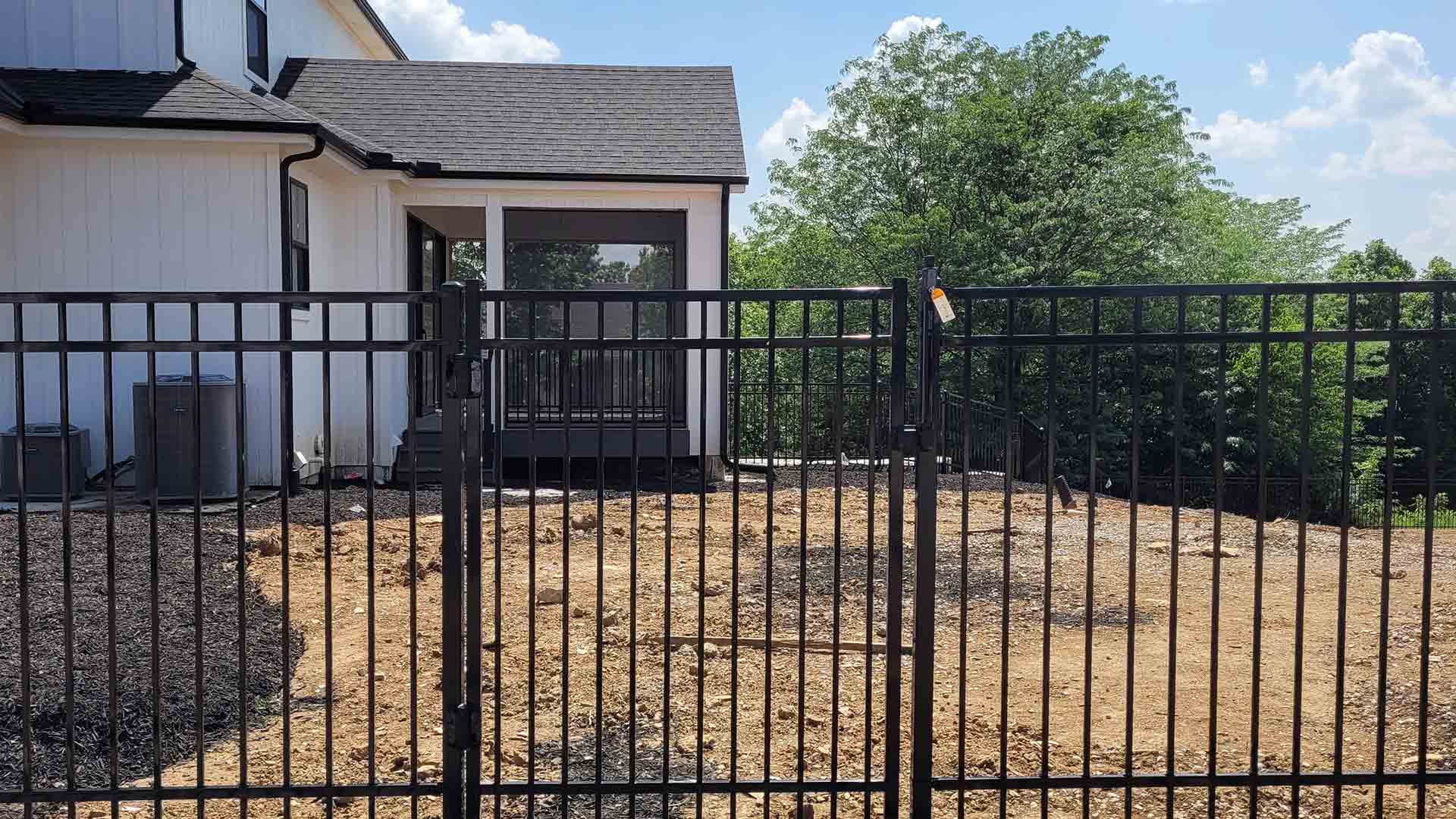
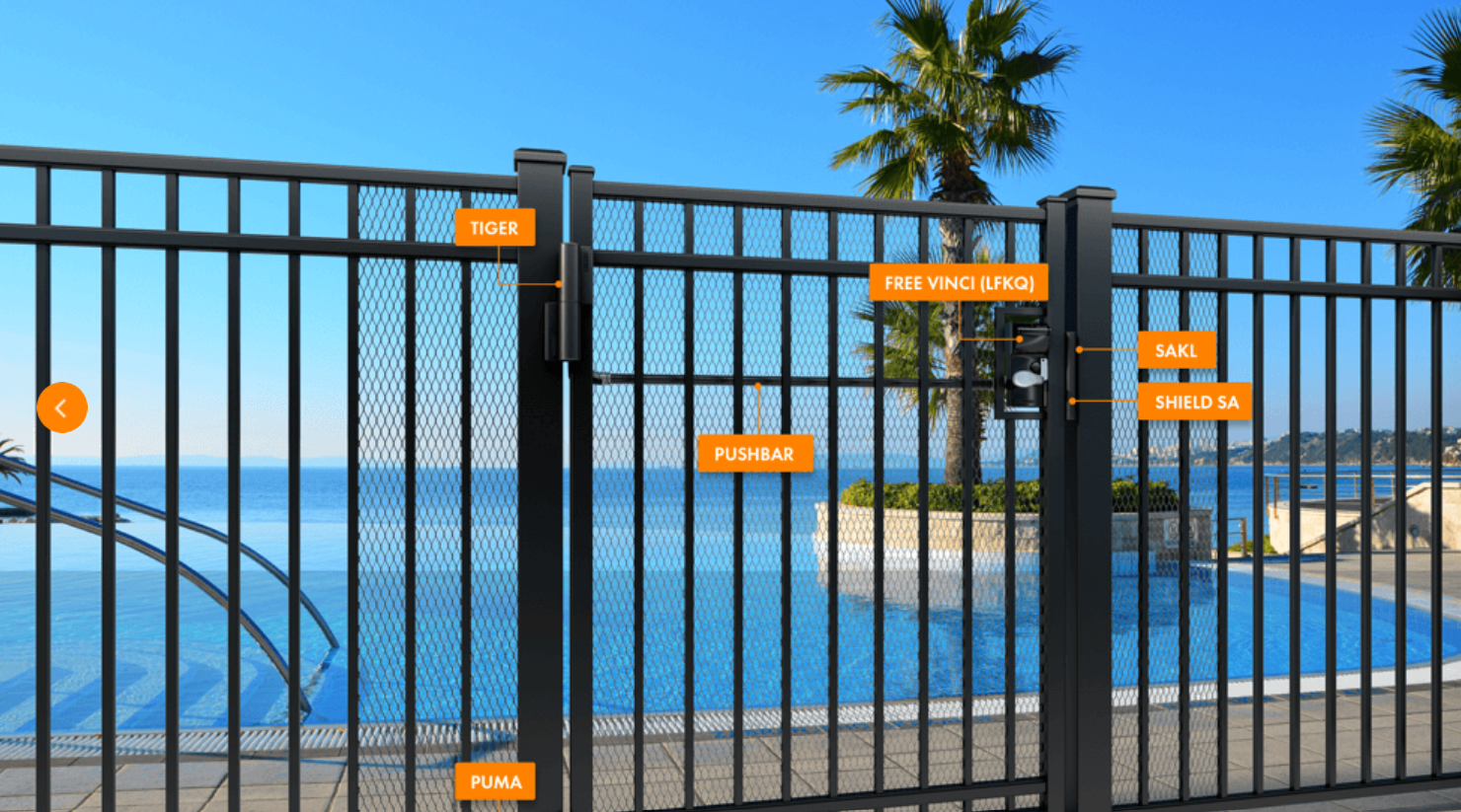
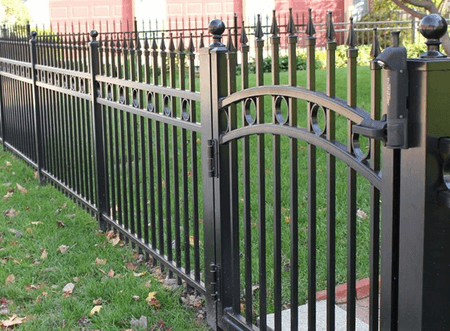
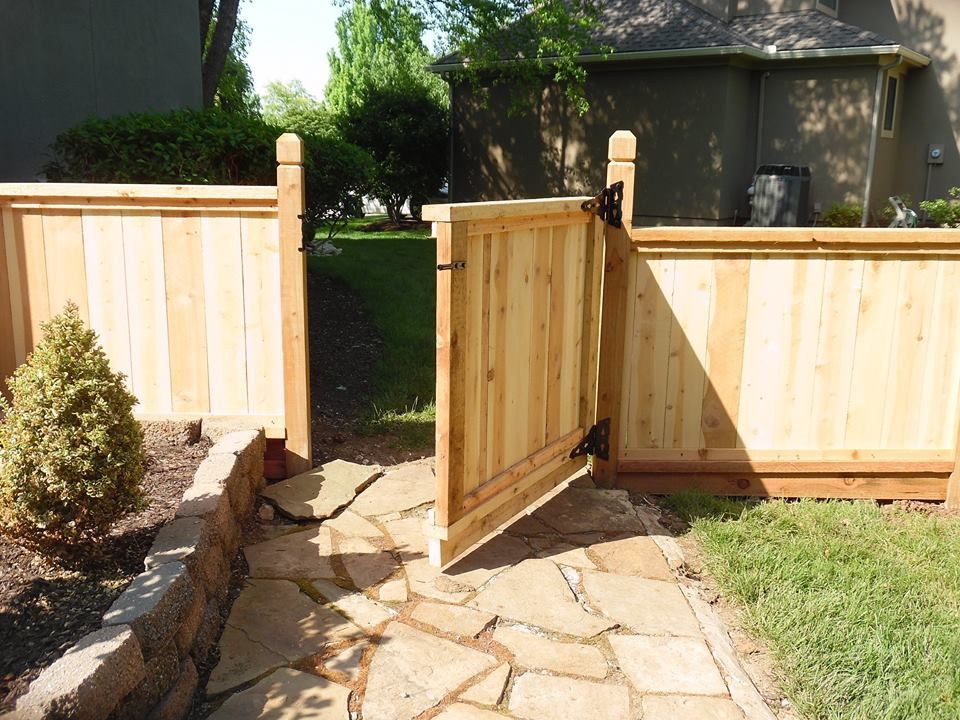
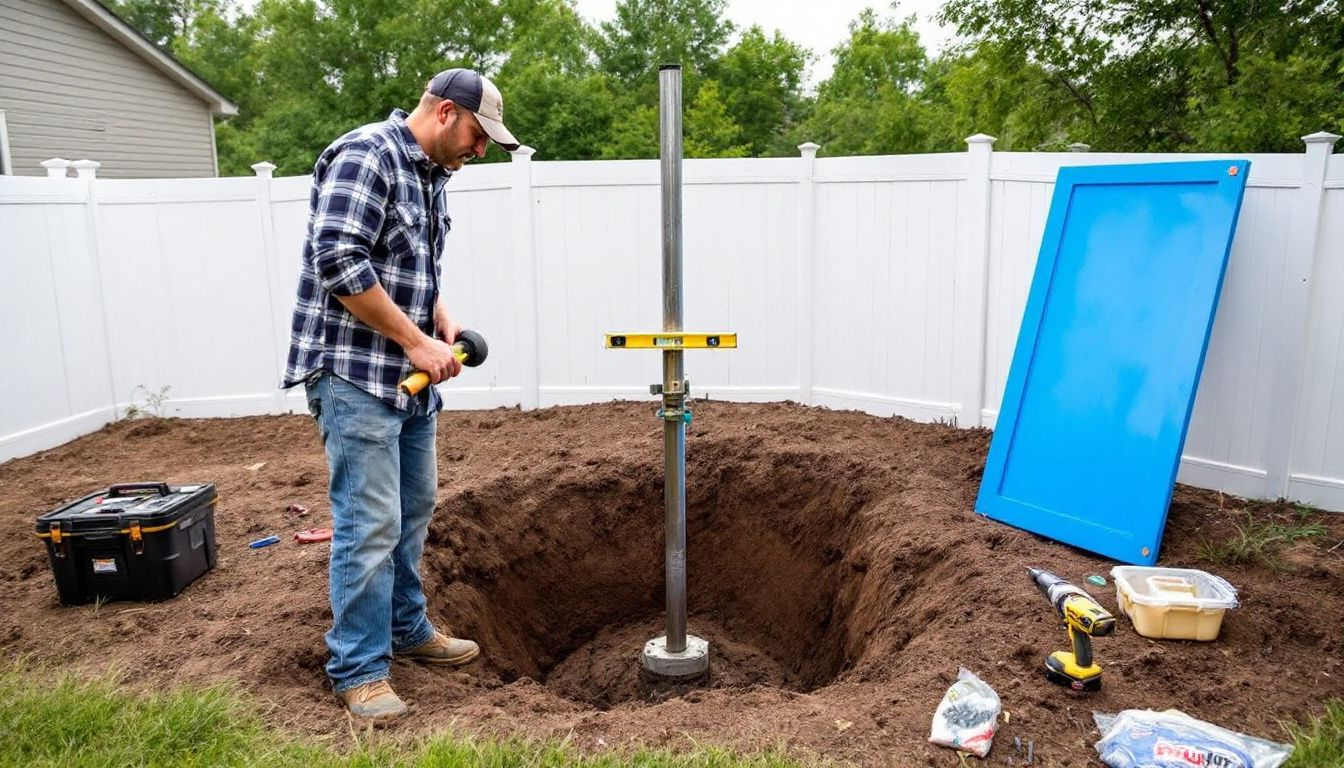
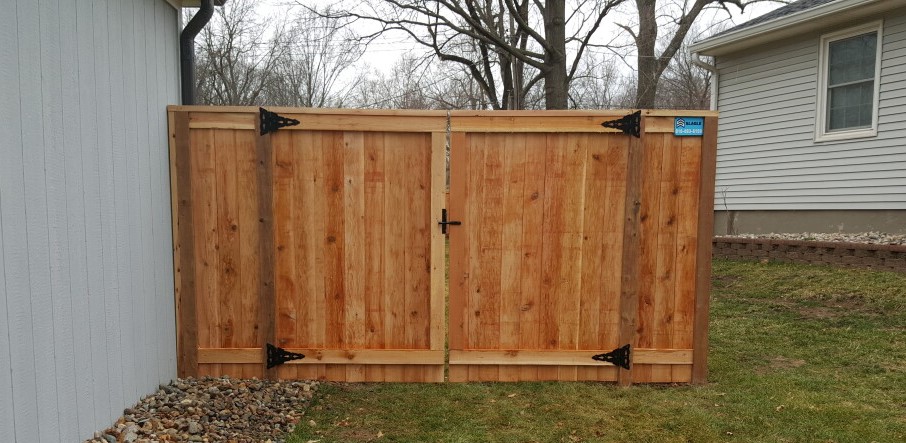
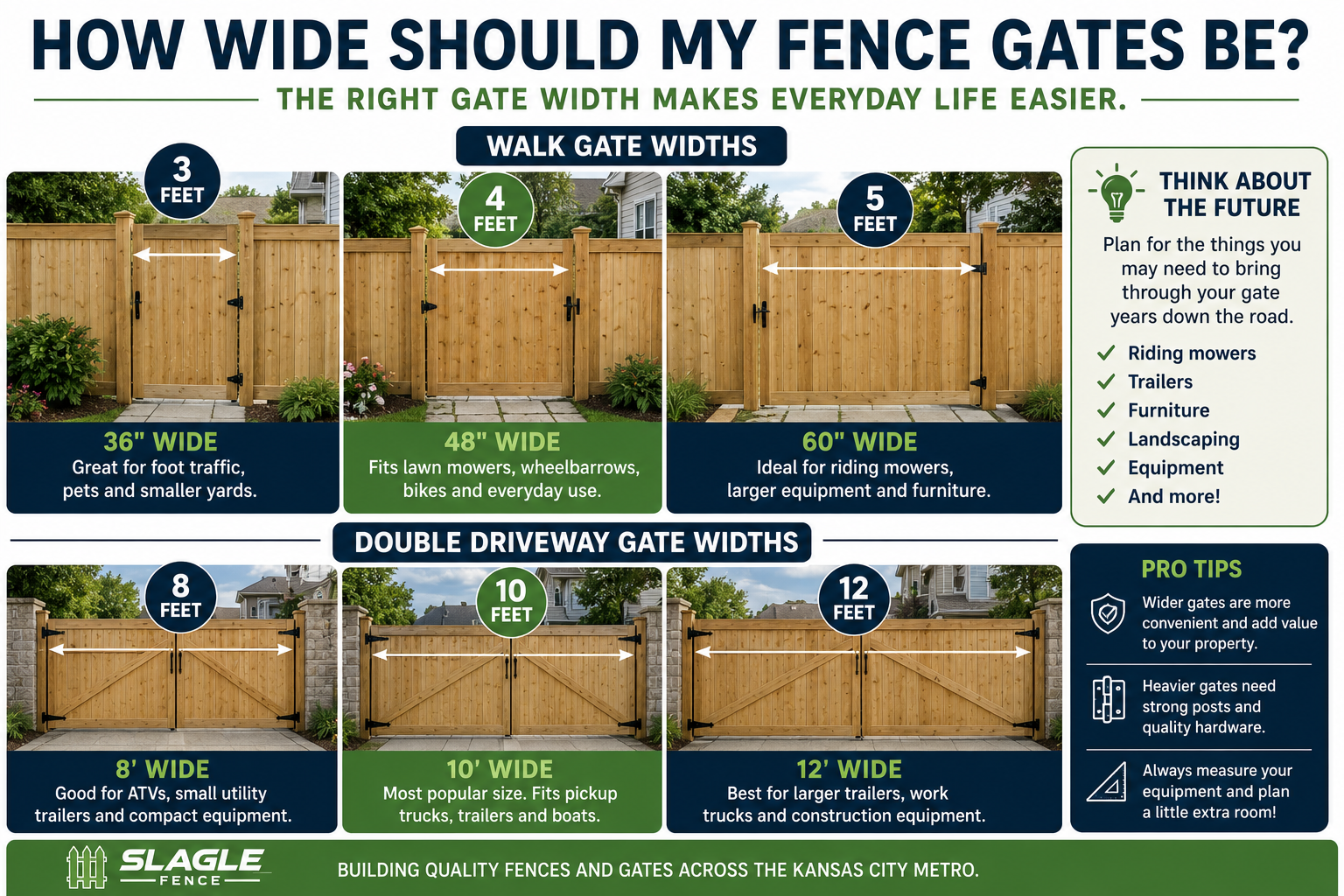
Campus-adjacent properties often have more foot traffic moving through side yards and alleys than typical Lawrence homes, whether that’s tenants, delivery services, or simply more people walking through dense blocks. A well-placed, sturdy gate with a reliable latch matters more here than in a quieter neighborhood, since gates see more use and more potential for casual entry by people who aren’t supposed to be there. For rental properties in particular, a self-closing gate hinge is a worthwhile upgrade, since it removes the dependence on tenants remembering to close a gate behind them.
Considering Historic Character in Oread and Old West Lawrence
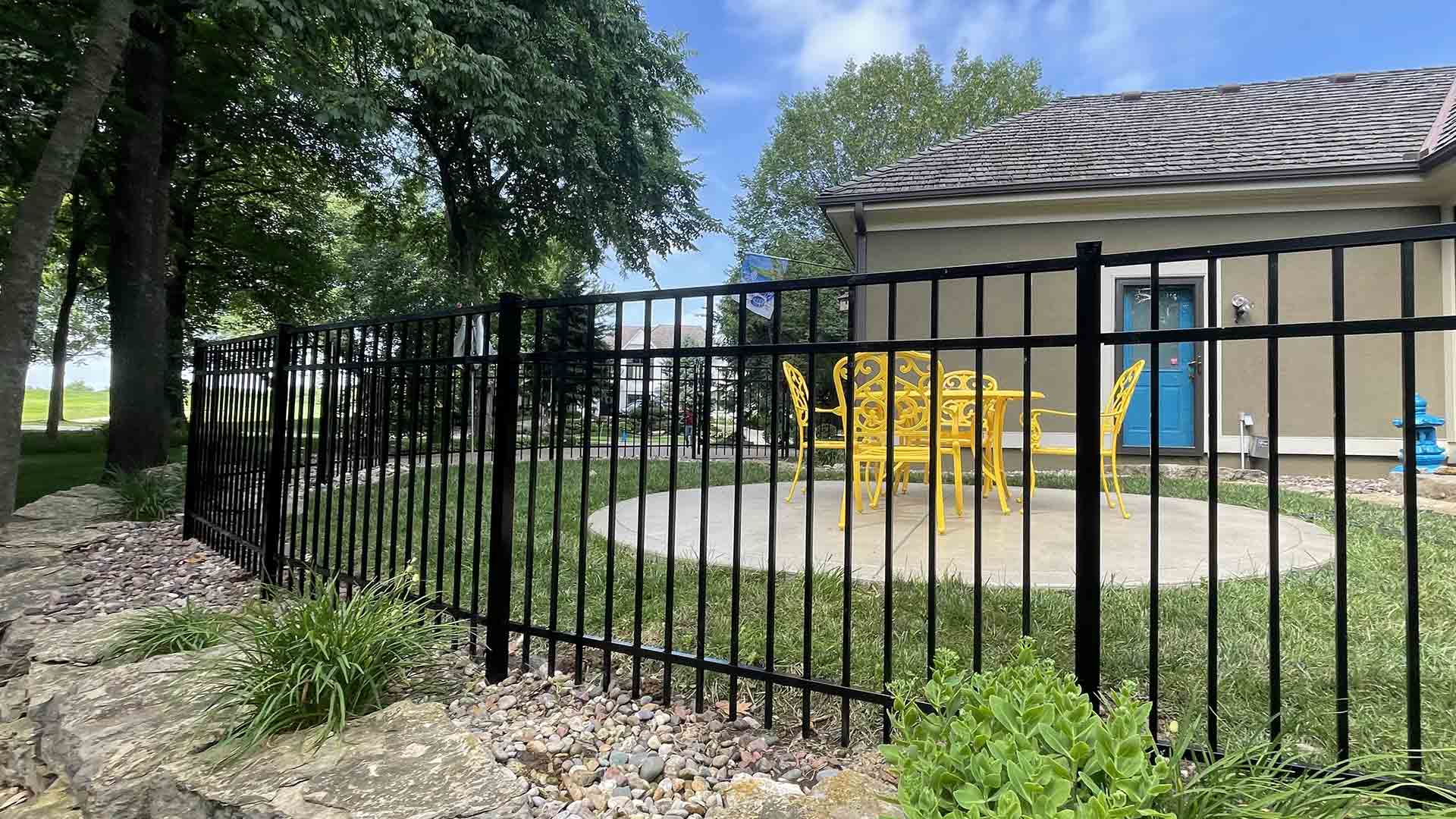
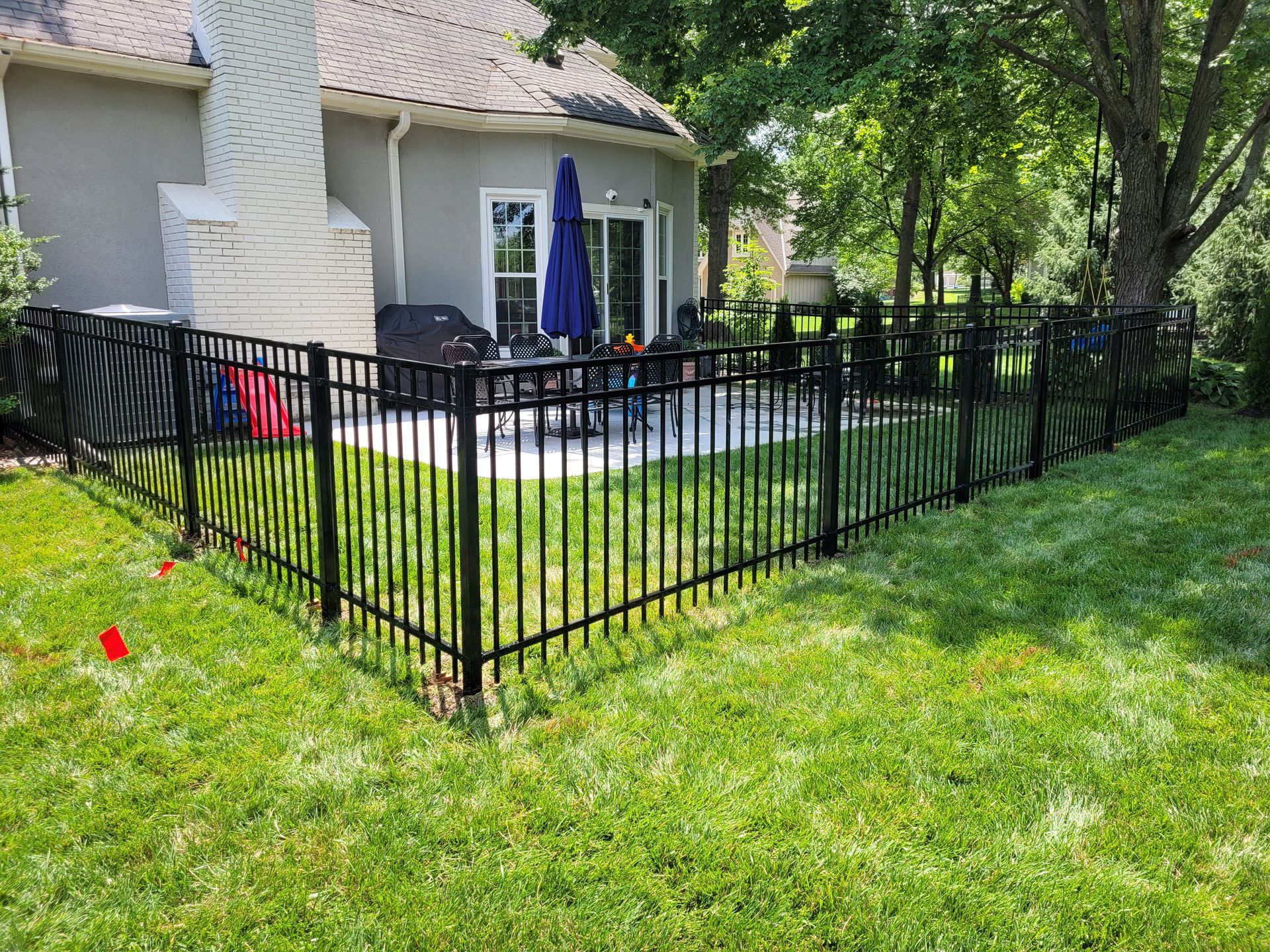
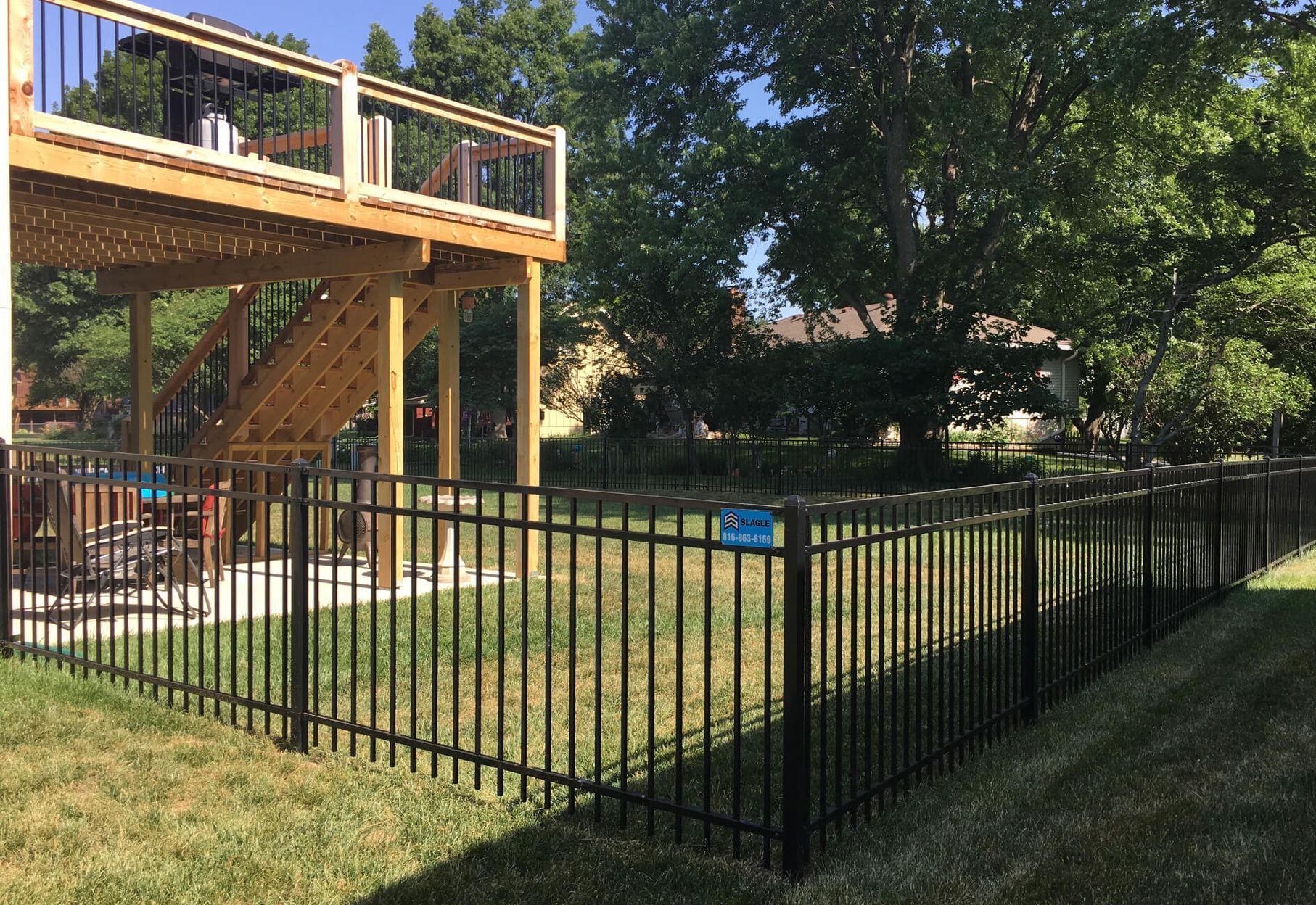
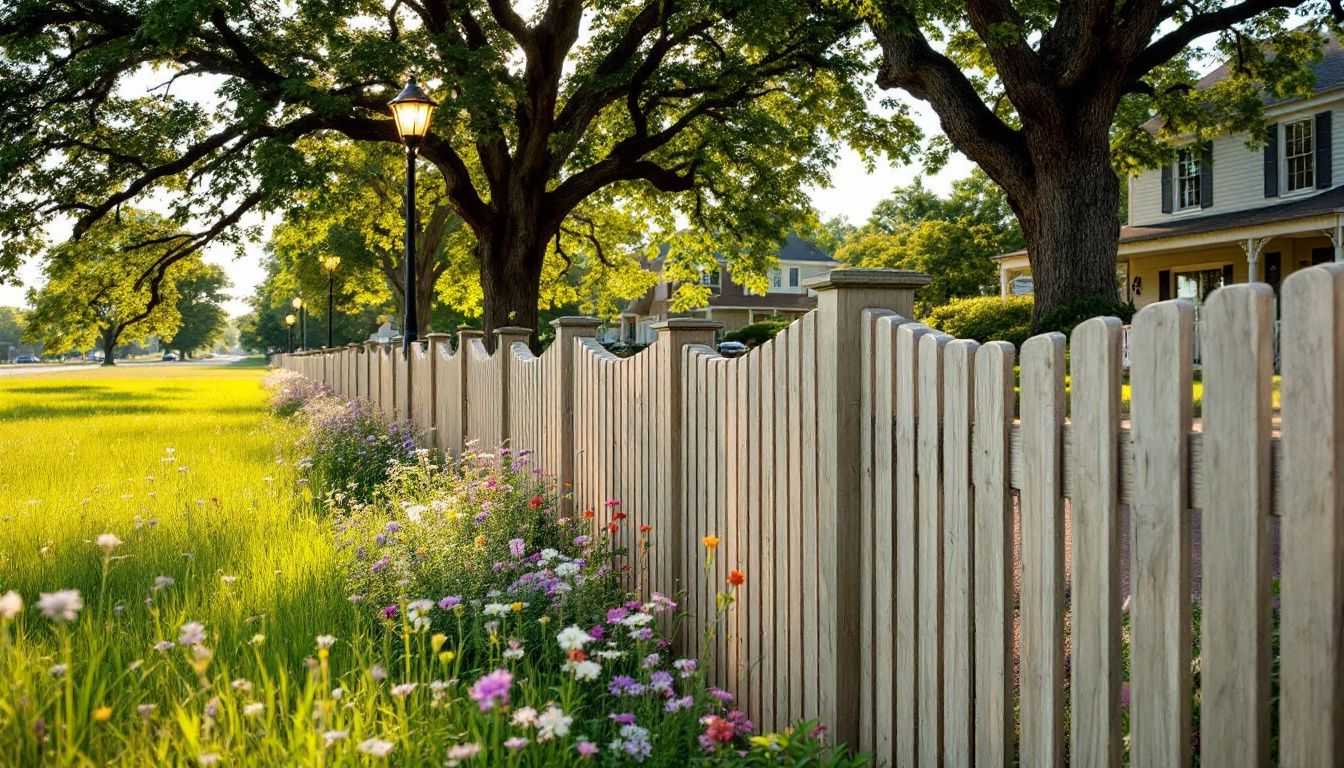
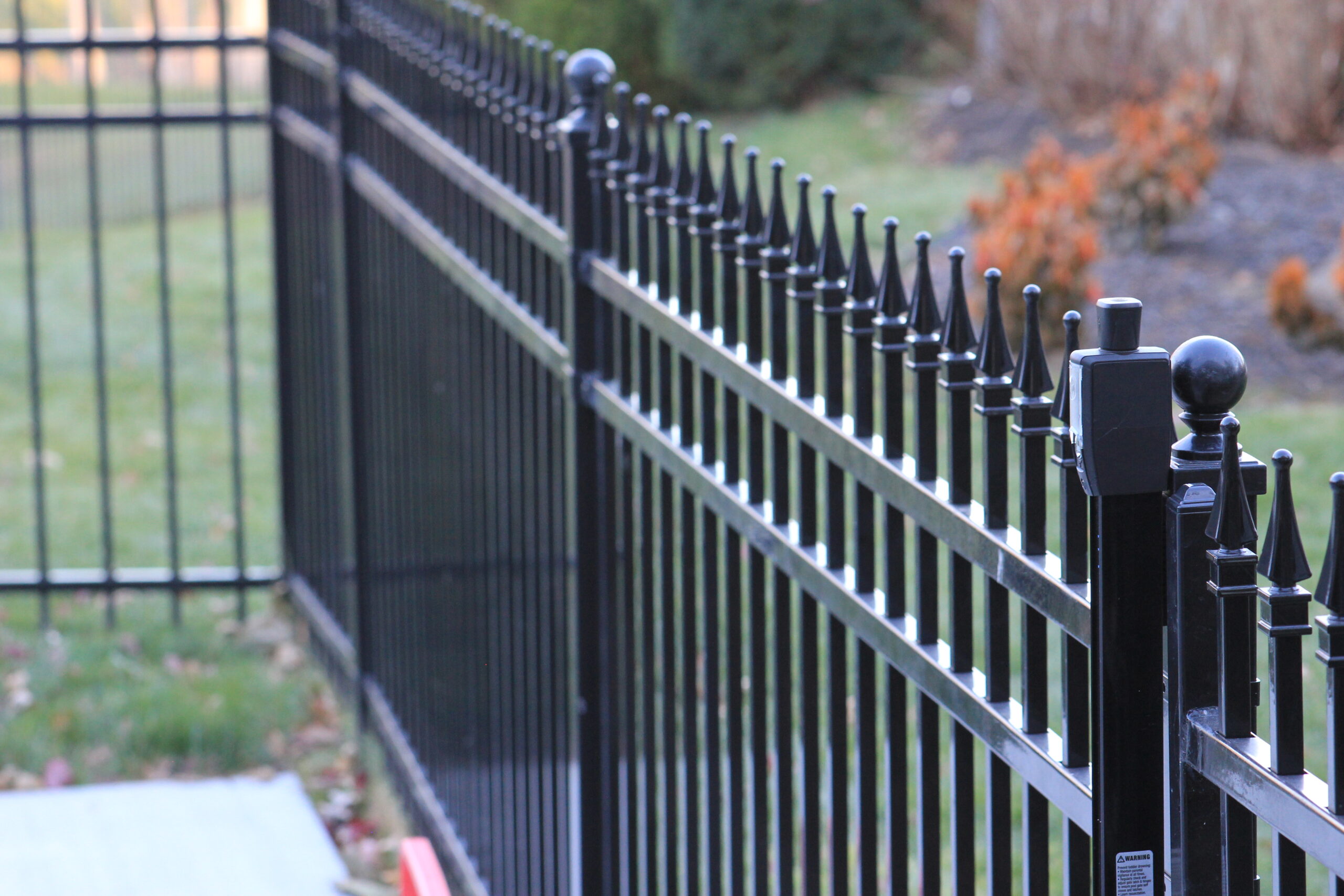
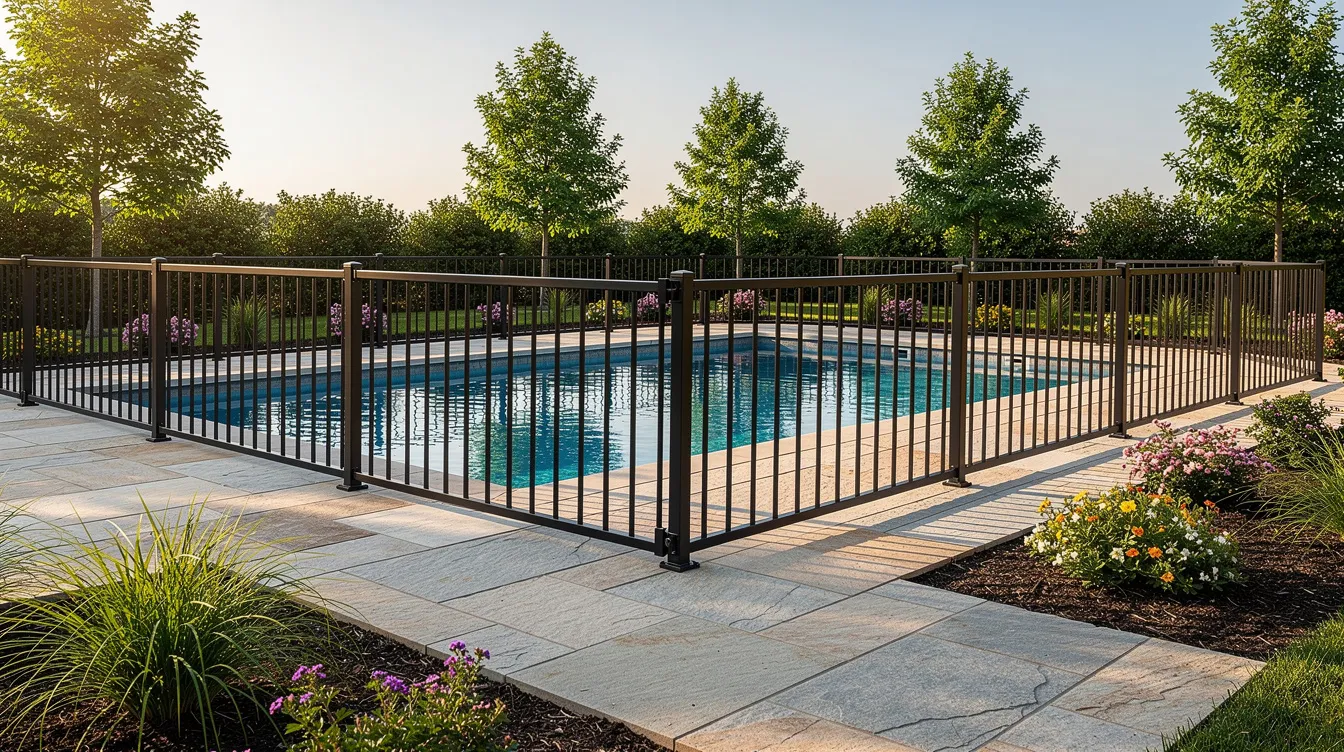
For properties specifically within or near Old West Lawrence and Oread’s historic districts, both listed on the National Register of Historic Places, fence design carries an added consideration beyond pure privacy and durability: visual compatibility with the surrounding historic homes. A more traditional wood picket style, or in some cases ornamental wrought iron for higher-end historic properties, tends to fit the neighborhood’s established character better than a modern vinyl privacy fence, even though vinyl might otherwise be the more practical choice given proximity to campus and associated foot traffic.
If your property falls within a specific local historic district with design guidelines, it’s worth checking those requirements before finalizing a fence plan, since some historic districts have specific expectations around exterior materials and styles that go beyond the city’s general fence code.
A Sample Approach for a Typical Campus-Adjacent Property
For a typical single-family home a few blocks from campus, occupied either by an owner or rented to students, a practical privacy approach often looks like this: a 6-foot board-on-board wood or vinyl privacy fence enclosing the backyard for maximum privacy and noise buffering, a 4-foot picket or ornamental fence along the front yard to stay within code while still defining the property line, supplemental evergreen or trellised landscaping along the front fence to add screening height without violating the 4-foot limit, and a sturdy, self-closing gate connecting the front and back yard sections to control casual foot traffic through the side yard.
This combination balances genuine privacy where it matters most, the backyard, with code compliance and reasonable cost in the front, while adding a low-cost landscaping layer to address the areas where the legal height limit alone doesn’t provide quite enough screening.
Frequently Asked Questions
Is a taller fence allowed near KU than elsewhere in Lawrence?
No, the same citywide height rules apply regardless of proximity to campus: generally 4 feet in front yards (3 feet for solid or masonry fencing) and up to 6 feet in rear yards, with side yards governed by a more nuanced rule depending on the location relative to the neighboring dwelling.
What’s the best fence material for a rental property near campus?
Vinyl is increasingly the preferred choice for rental properties because it requires minimal maintenance and holds up well under inconsistent tenant upkeep, though pressure-treated wood and chain link remain reasonable budget alternatives.
Can I add height to my front yard fence with landscaping?
Yes. Plantings aren’t subject to the same height restrictions as built fence structures, so layering tall, narrow plants or trellised climbers along a code-compliant fence is a common and effective way to add screening without violating the front yard height limit.
Does a fence actually help with game day noise?
A solid, dense fence (board-on-board wood or vinyl) reduces some noise through mass and sound attenuation, though no standard residential fence will fully block stadium-level noise. It’s a meaningful improvement, not a complete solution.
Should I worry about historic district rules if my property is near Oread or Old West Lawrence?
If your property sits within a designated historic district, yes, it’s worth checking for any specific design guidelines that might apply to exterior changes like fencing, in addition to the general city fence code.
Is chain link ever a good choice near campus?
It can be, particularly for side or rear yard sections where privacy isn’t the priority and the main goal is marking a boundary or containing a yard affordably, especially for rental properties.
What gate features matter most for a campus-adjacent property?
A sturdy latch and, ideally, a self-closing hinge mechanism, since these properties tend to see more foot traffic and more potential for gates being left open by tenants, guests, or passersby.
Is board-on-board fencing worth the extra cost over standard board fencing?
For properties specifically prioritizing complete privacy and sound buffering, like those near busy KU-area streets, yes. The elimination of sightline gaps is a meaningful upgrade in this specific context.
Whether you’re an owner trying to create a genuine retreat close to campus or a landlord balancing durability against cost, the right privacy fence near KU usually comes down to matching the specific pressures of your block, foot traffic, noise, density, and tenant turnover, to a design that’s built to handle them.