Cedar vs. Pressure Treated Pine: What Should I Consider When Choosing a Wood Fence?
A wood fence is one of the most popular ways to add privacy, security, and curb appeal to your home. But before choosing a style, you’ll need to answer one important question:
Should I choose cedar or pressure treated pine?
While both are excellent fencing materials, they differ in appearance, durability, maintenance requirements, and long-term value. Understanding these differences can help you make the best decision for your property and budget.
At Slagle Fence, we install both cedar and pressure treated pine fencing throughout the Kansas City metro. Here’s everything you should know before making your decision.
Understanding the Difference
Although both materials are wood, they are produced very differently.
Cedar
Cedar is a naturally durable softwood that contains oils and tannins that help resist:
- Rot
- Decay
- Moisture
- Insects
Because these protective oils occur naturally, cedar doesn’t require chemical treatment to withstand outdoor conditions.
Pressure Treated Pine
Pressure treated pine begins as standard pine lumber.
The wood is placed into a pressure chamber where preservatives are forced deep into the wood fibers.
This treatment helps protect the lumber from:
- Rot
- Termites
- Insect damage
- Moisture
Pressure-treated lumber is commonly used for fence posts because of its excellent structural performance when installed in the ground.
Appearance
For many homeowners, appearance is the deciding factor.
Cedar
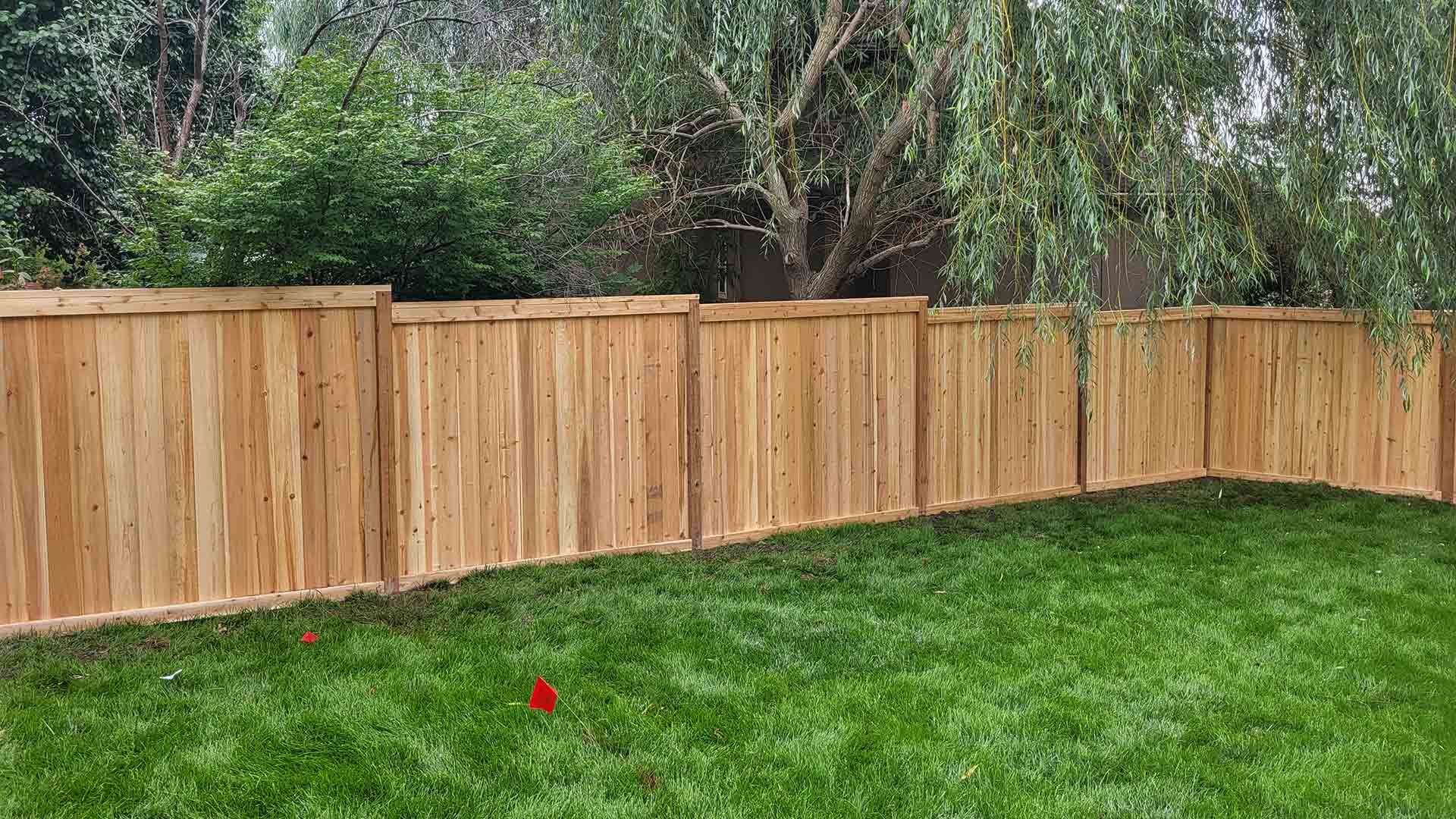
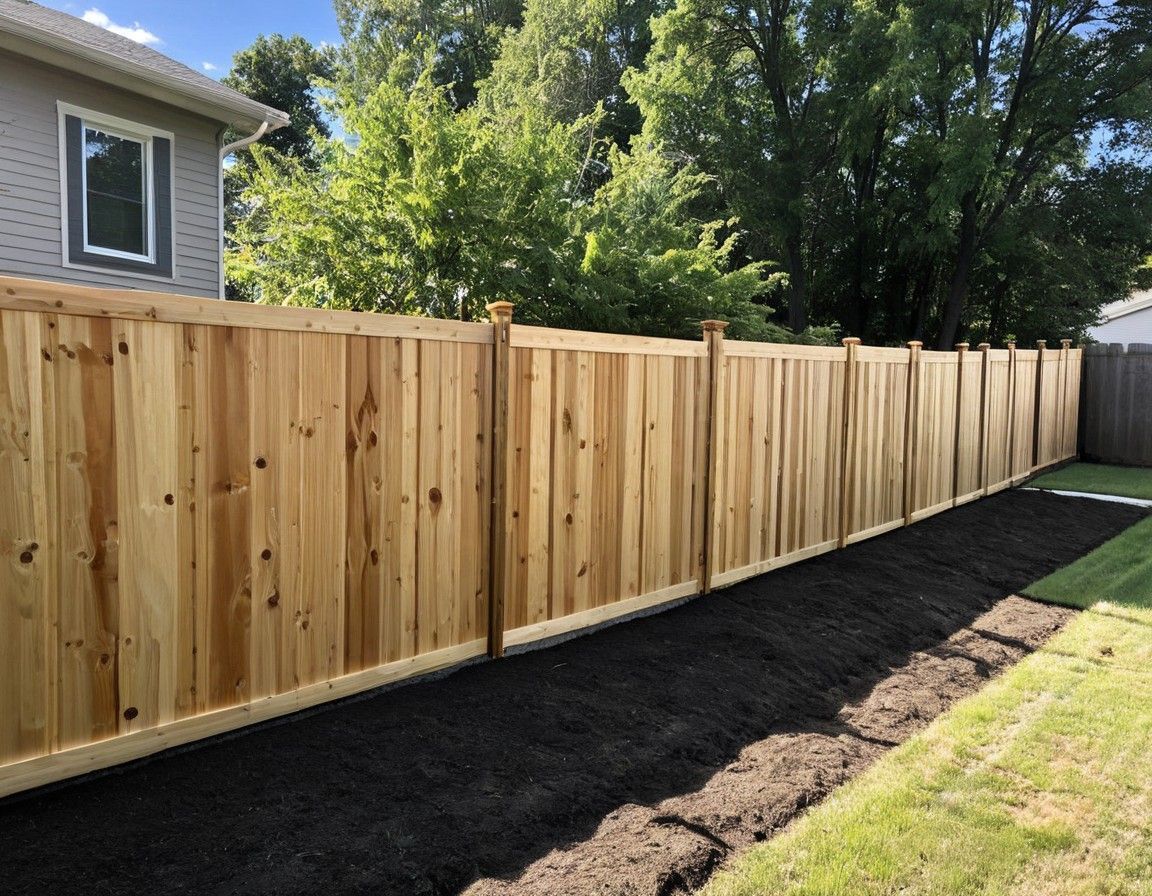
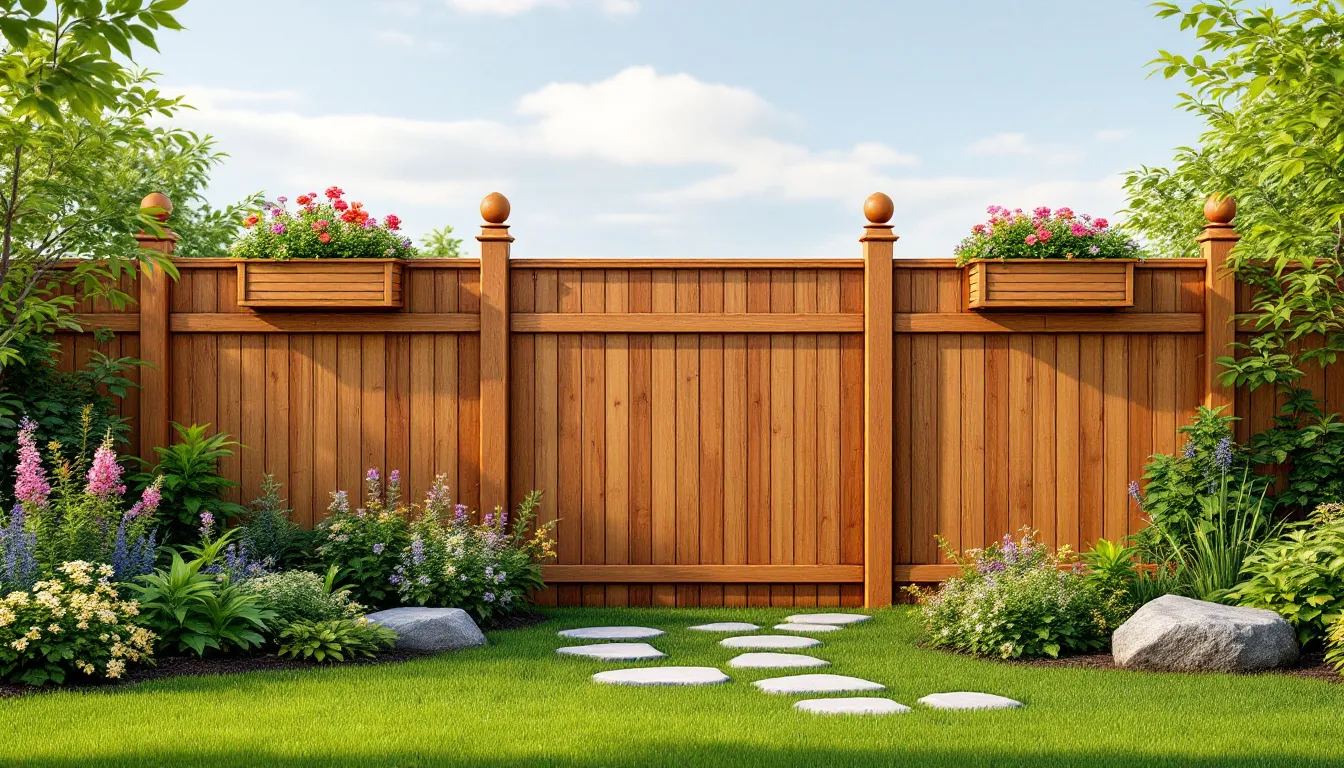
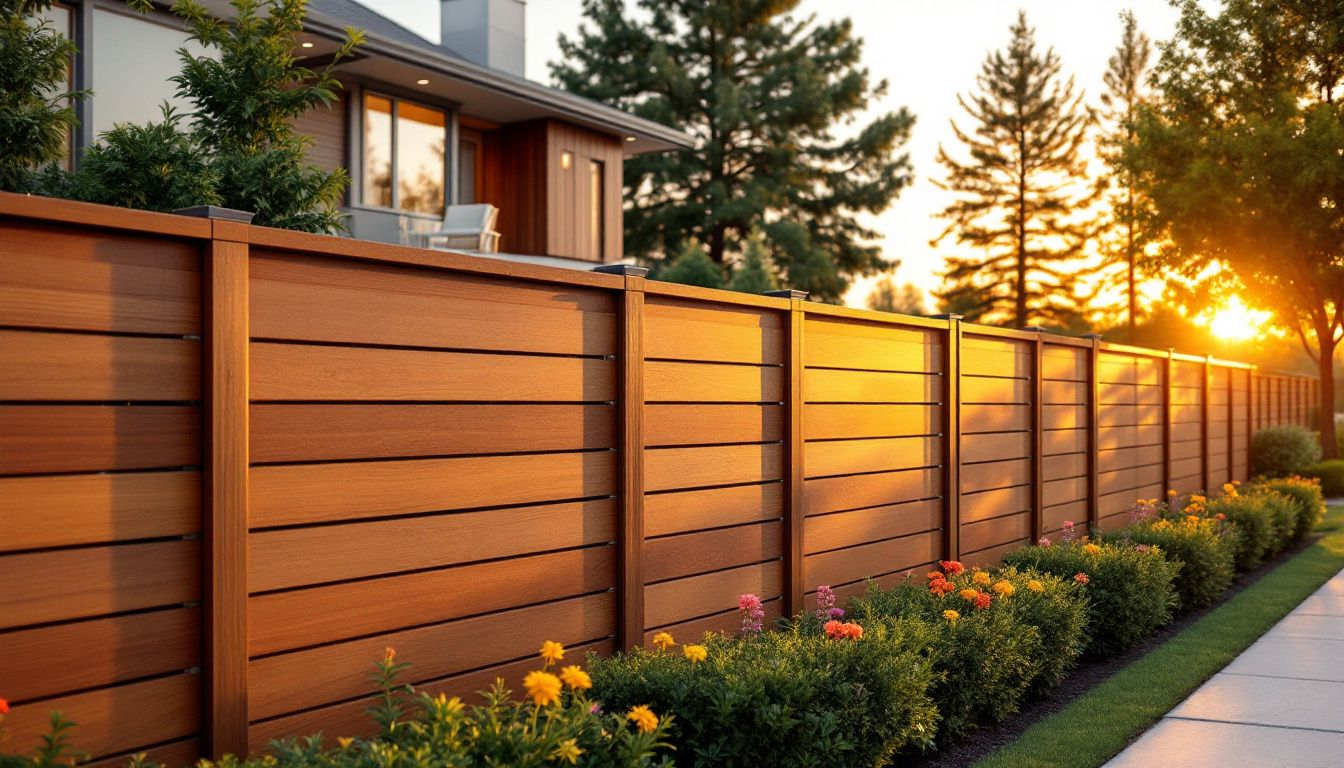
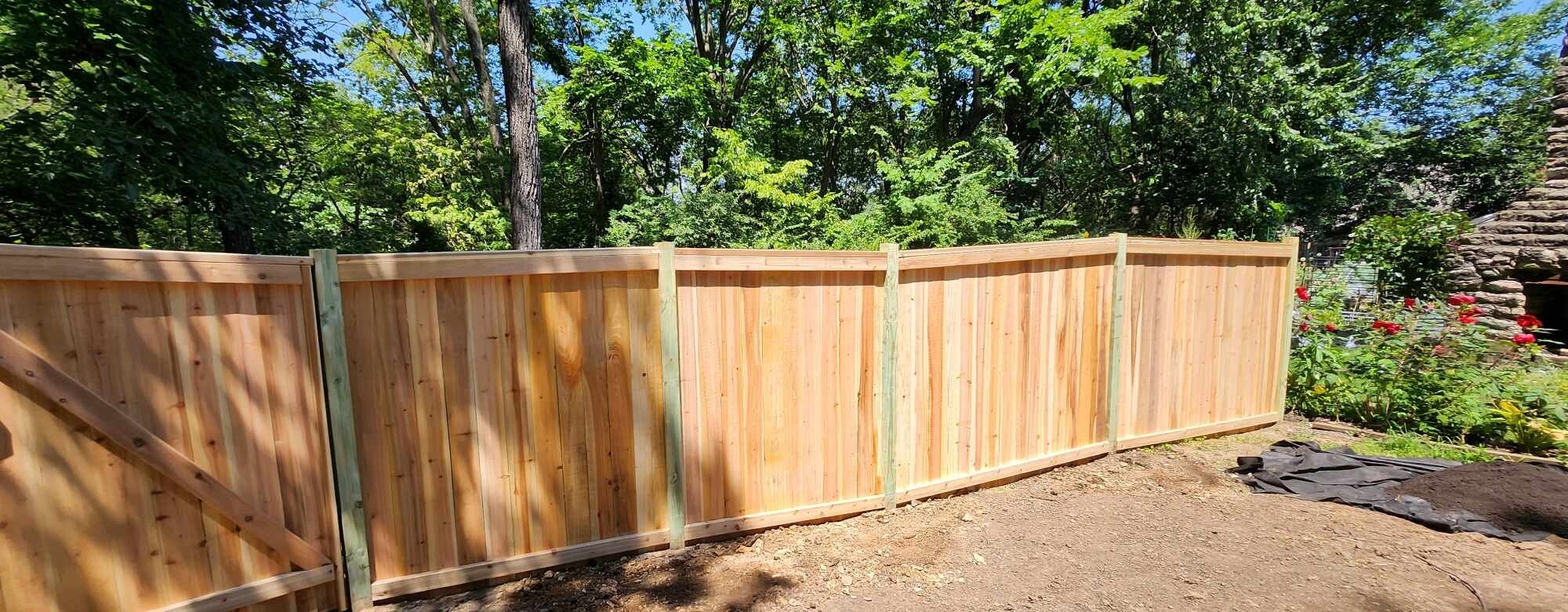
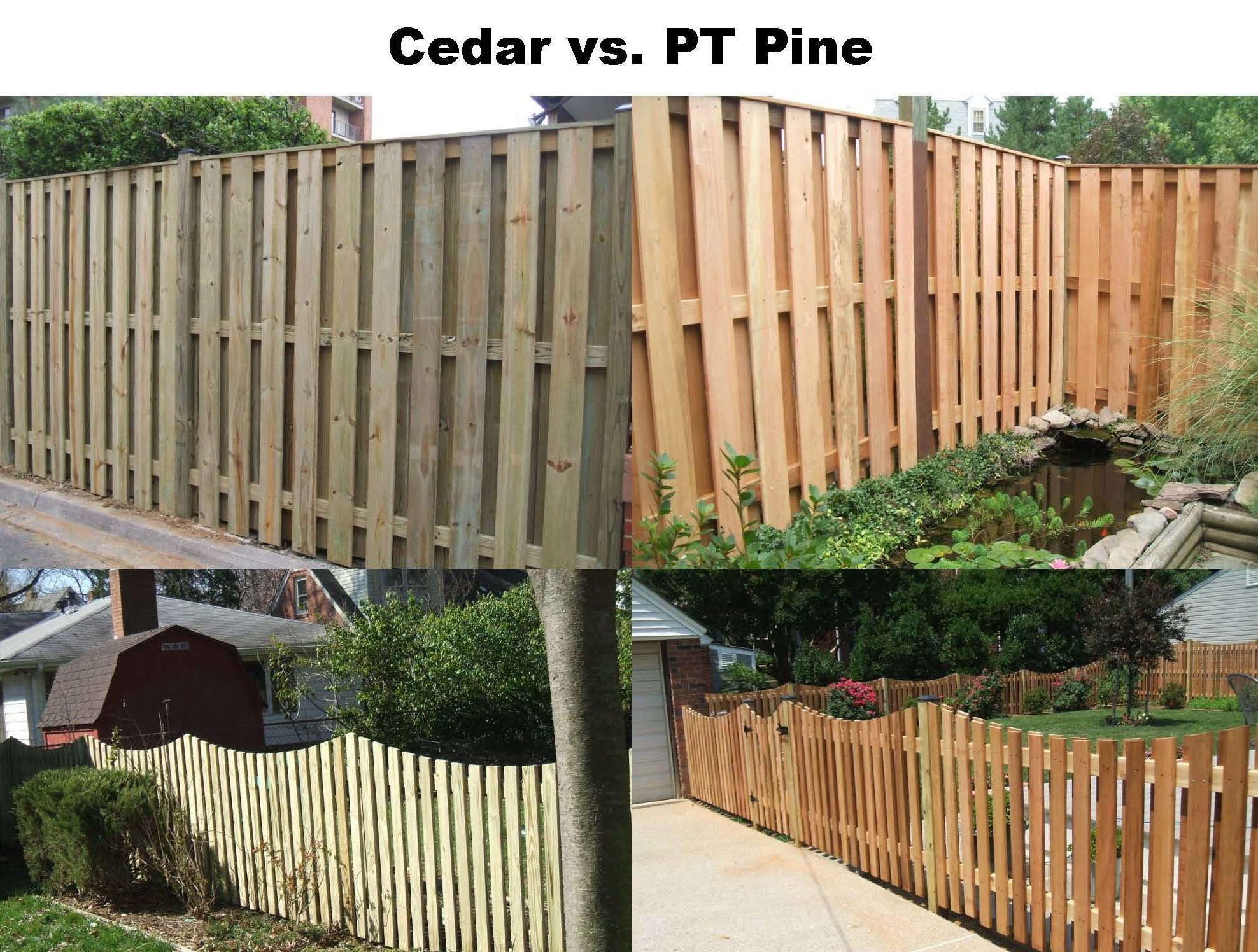
Cedar is known for its rich, warm color and beautiful grain patterns.
Fresh cedar often ranges from:
- Honey gold
- Light amber
- Reddish brown
Over time, untreated cedar naturally weathers into a soft silver-gray.
Many homeowners choose to stain cedar to preserve its original color.
Pressure Treated Pine
Pressure treated pine usually has:
- A lighter greenish or tan color when new
- More visible knots
- A less consistent grain pattern
The green tint fades as the wood dries.
Many homeowners stain or paint pressure treated pine after it has fully dried.
Winner for Appearance: Cedar
Durability
Both materials are durable, but they age differently.
Cedar
Naturally resistant to:
- Rot
- Decay
- Moisture
- Insects
Because cedar contains natural preservatives, it performs exceptionally well in outdoor environments.
With proper maintenance, cedar fencing often lasts 15–25 years or more.
Pressure Treated Pine
Pressure treated pine also resists:
- Rot
- Insects
- Moisture
However, as the treatment ages, maintenance becomes increasingly important.
A properly maintained pressure treated pine fence typically lasts 12–20 years.
Winner for Longevity: Cedar
Maintenance Requirements
Every wood fence benefits from regular care.
Cedar
To maximize lifespan:
- Clean periodically
- Apply stain or sealer every few years
- Replace damaged boards as needed
Many homeowners appreciate cedar because it accepts stain beautifully.
Pressure Treated Pine
Pressure treated pine should also be:
- Cleaned regularly
- Sealed after drying
- Re-stained periodically
Because pressure treated lumber is often wetter when installed, homeowners usually need to wait several months before staining.
Maintenance Winner: Slight Edge to Cedar
Strength
When it comes to structural strength, both perform well.
Pressure treated pine tends to be:
- Slightly denser
- Slightly heavier
Cedar is:
- Lighter
- Easier to work with
- Naturally stable
Both provide excellent performance when professionally installed.
Resistance to Warping
One of the biggest concerns with any wood fence is movement over time.
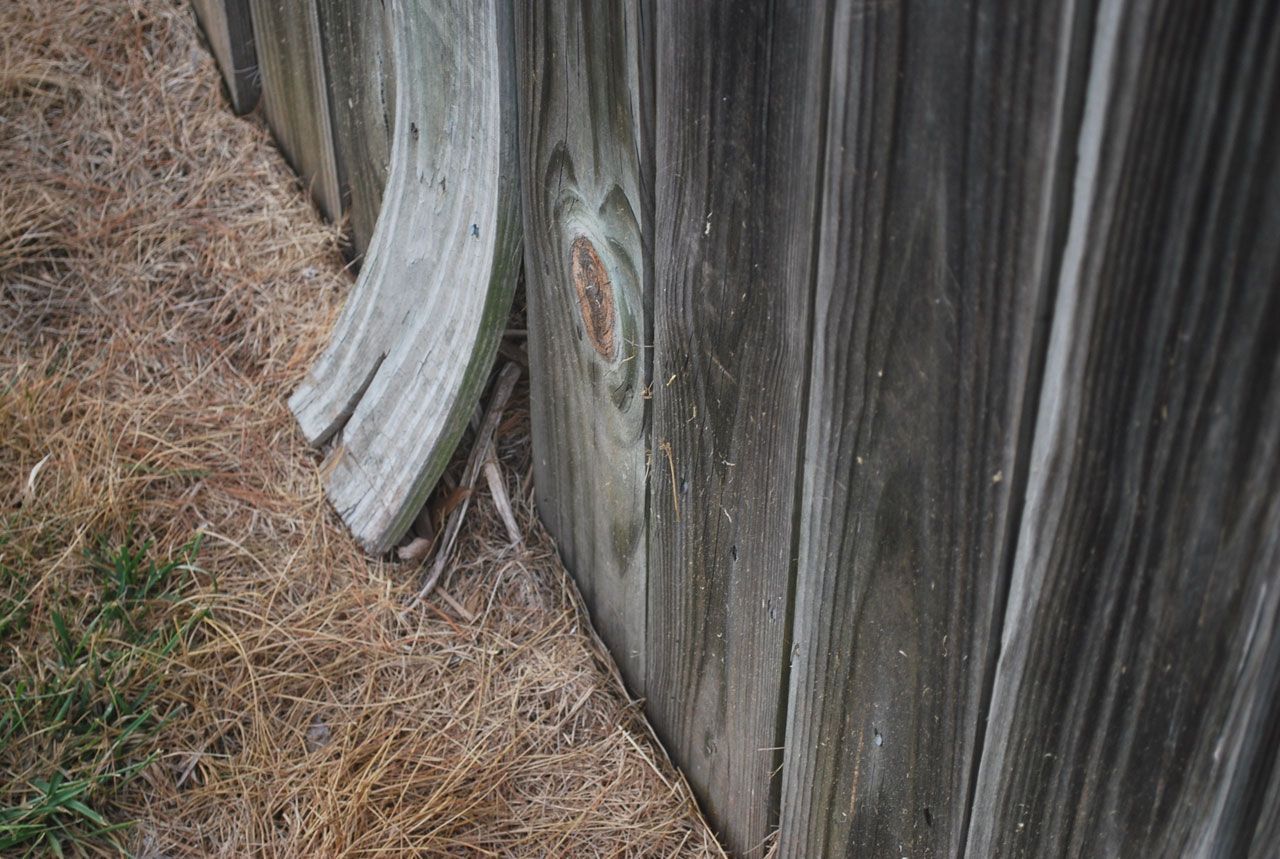
As wood naturally expands and contracts with seasonal weather, boards may:
- Warp
- Twist
- Shrink
- Crack
Generally:
Cedar
- Less likely to warp
- More dimensionally stable
- Better overall appearance over time
Pressure Treated Pine
- More likely to shrink while drying
- Can twist if installed while still wet
Winner: Cedar
Cost
Budget often plays an important role.
Pressure Treated Pine
Usually offers:
- Lower upfront material cost
- Excellent value
- Affordable installation
Cedar
Generally costs more initially because of:
- Premium lumber
- Better appearance
- Longer lifespan
Although cedar has a higher upfront investment, many homeowners feel its beauty and durability provide greater long-term value.
Winner for Initial Cost: Pressure Treated Pine
Which Fence Adds More Value?
If you’re thinking about resale value, cedar often has the advantage.
Potential homebuyers frequently appreciate:
- Premium appearance
- Natural beauty
- Longer lifespan
- High-end curb appeal
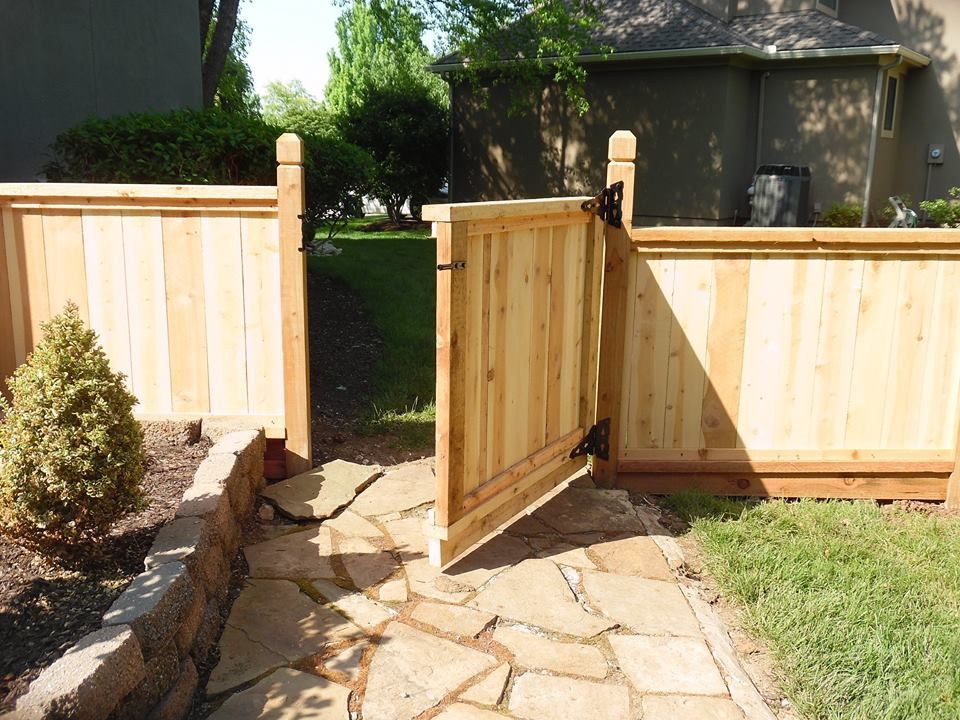
A professionally installed cedar privacy fence can make a strong first impression.
Which Fence Is Better for Kansas and Missouri Weather?
Homes throughout Kansas and Missouri experience:
- Hot summers
- Freezing winters
- Heavy rain
- High humidity
- Strong winds
Both cedar and pressure treated pine perform well in these conditions.
However, cedar’s natural resistance to moisture and insects often gives it a slight advantage in long-term appearance.
Why Fence Posts Matter
Regardless of which wood you choose for pickets and rails, many professional installers recommend:
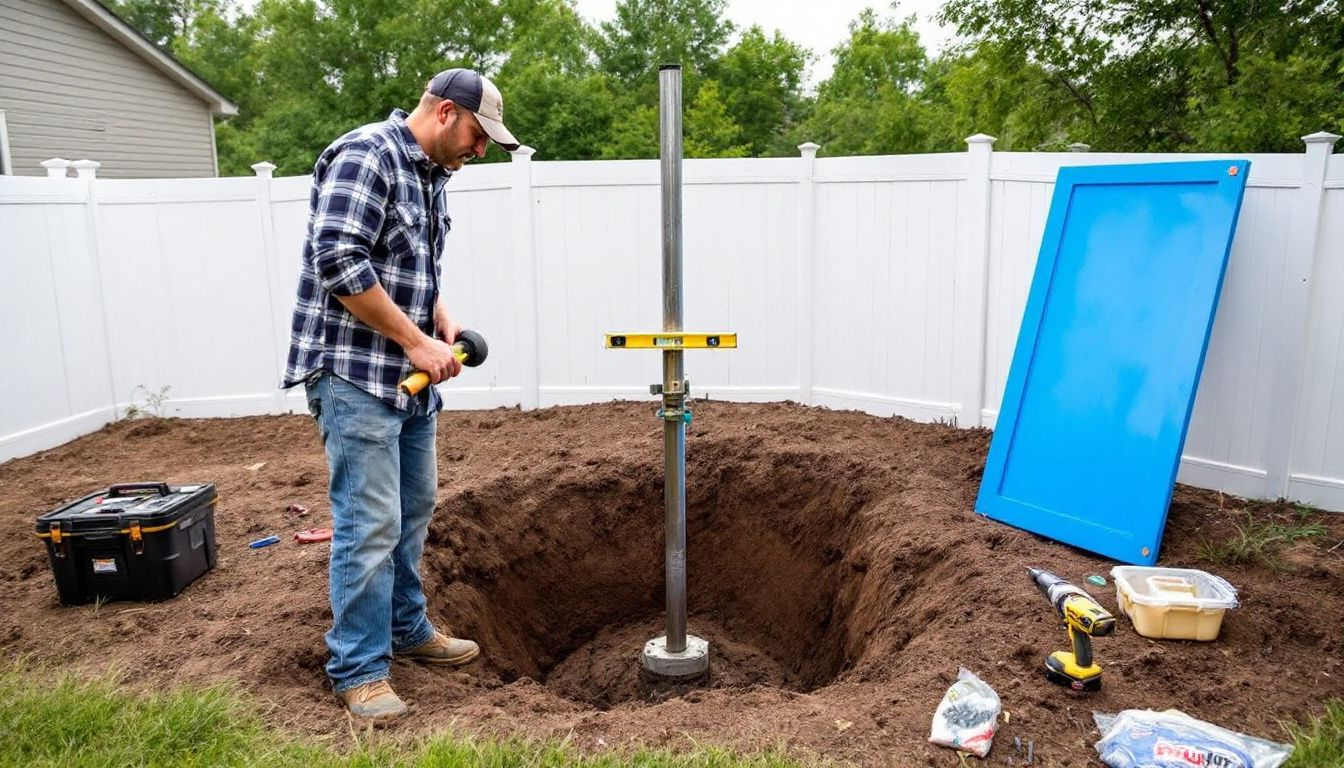
Pressure treated posts—or even better, galvanized steel posts—for maximum structural support.
At Slagle Fence, many homeowners choose:
- Cedar pickets
- Cedar rails
- PostMaster® galvanized steel posts
This combination provides:
- Natural cedar beauty
- Increased strength
- Better wind resistance
- Longer overall fence life
It’s one of the most durable wood fence systems available.
Which Fence Is Right for You?
Choose Cedar If You Want: 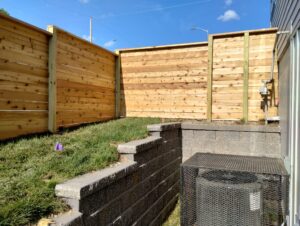
- Premium appearance
- Better long-term value
- Rich natural color
- Less warping
- Longer lifespan
- Excellent curb appeal
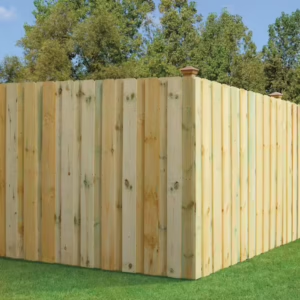 Choose Pressure Treated Pine If You Want:
- Lower initial cost
- Strong structural performance
- Good durability
- A paintable or stainable fence
- Budget-friendly installation
Why Professional Installation Makes the Difference
Even the best lumber won’t perform well if it’s improperly installed.
Professional installation ensures:
- Proper post depth
- Correct spacing
- Secure concrete footings
- Straight fence lines
- Smooth gate operation
- Long-term durability
The quality of the installation often has just as much impact on your fence’s lifespan as the material itself.
Why Homeowners Choose Slagle Fence
Slagle Fence proudly serves homeowners throughout the Kansas City metro with expert wood fence installation.
We specialize in:
- Cedar privacy fences
- Pressure treated wood fencing
- PostMaster® steel post systems
- Vinyl fencing
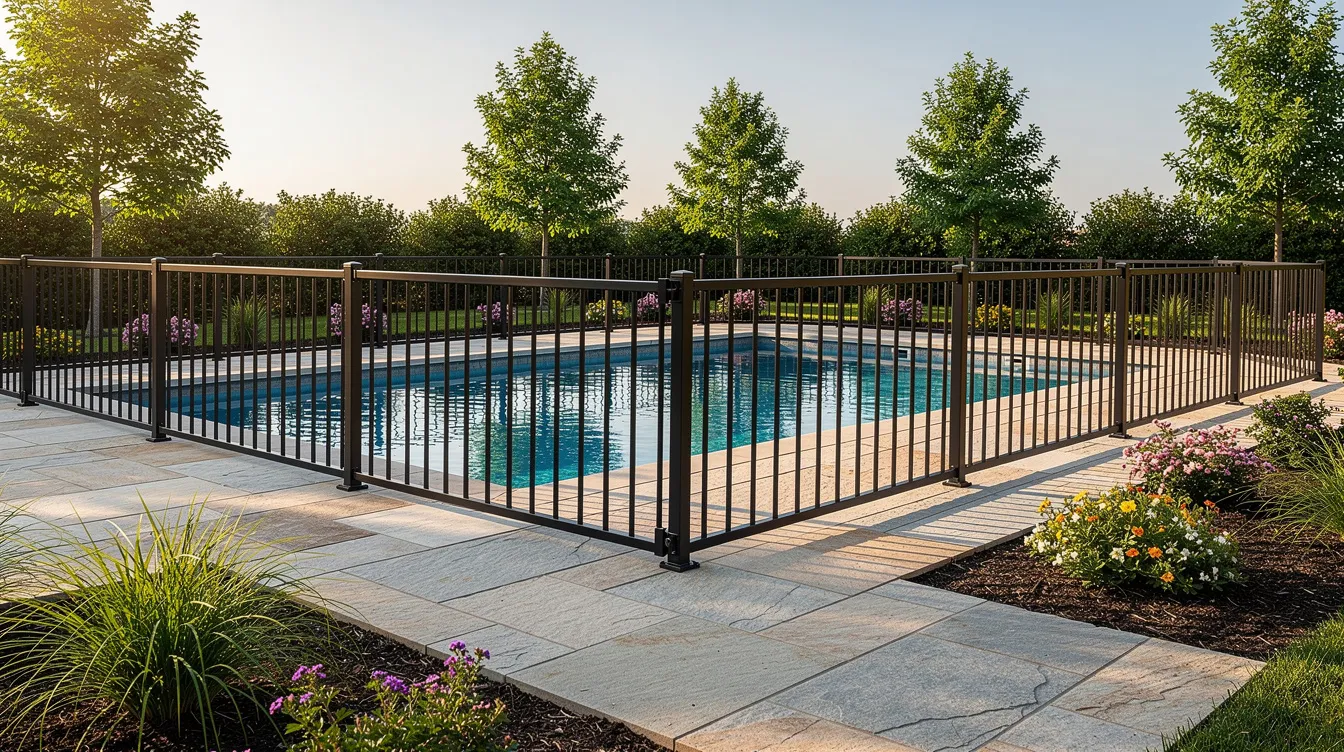
- Ornamental steel fencing
- Chain-link fencing
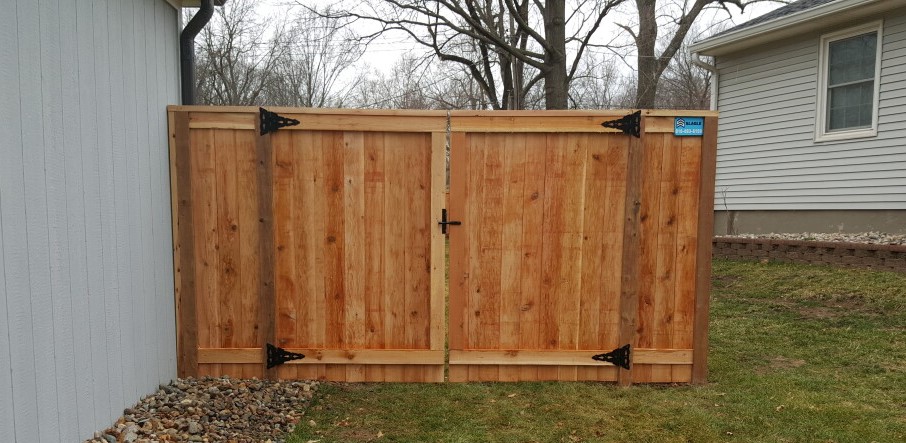
- Custom gates
- Fence repairs
Our experienced team can help you compare materials, explain the benefits of each option, and recommend the best fence for your home, budget, and lifestyle.
Final Thoughts
When comparing cedar vs. pressure treated pine, there isn’t a one-size-fits-all answer.
If you’re looking for the most attractive, longest-lasting wood fence, cedar is hard to beat. Its natural beauty, resistance to rot, and excellent durability make it a favorite among homeowners.
If you’re working within a tighter budget, pressure treated pine offers dependable performance and can provide many years of service when properly maintained.
No matter which option you choose, working with an experienced fence contractor ensures your investment is built to last. At Slagle Fence, we’re happy to help you compare your options and design a fence you’ll enjoy for years to come.