Can My HOA Legally Control My Fence Style?
One of the most common questions homeowners ask before installing a new fence is:
“Can my homeowners association (HOA) tell me what kind of fence I can build?”
In most cases, yes. If your property is part of a homeowners association, the HOA can typically establish and enforce reasonable architectural standards—including fence style, height, color, materials, and placement—through its governing documents (such as the Declaration of Covenants, Conditions & Restrictions, or CC&Rs). These rules are legally binding on homeowners who purchase property in the community.
However, an HOA’s authority is not unlimited. HOA rules generally cannot override local, state, or federal laws.
How HOA Rules Work
When you buy a home in an HOA-governed neighborhood, you agree to follow the community’s governing documents.
Many HOAs regulate:
- Fence height
- Fence style
- Approved materials
- Fence colors
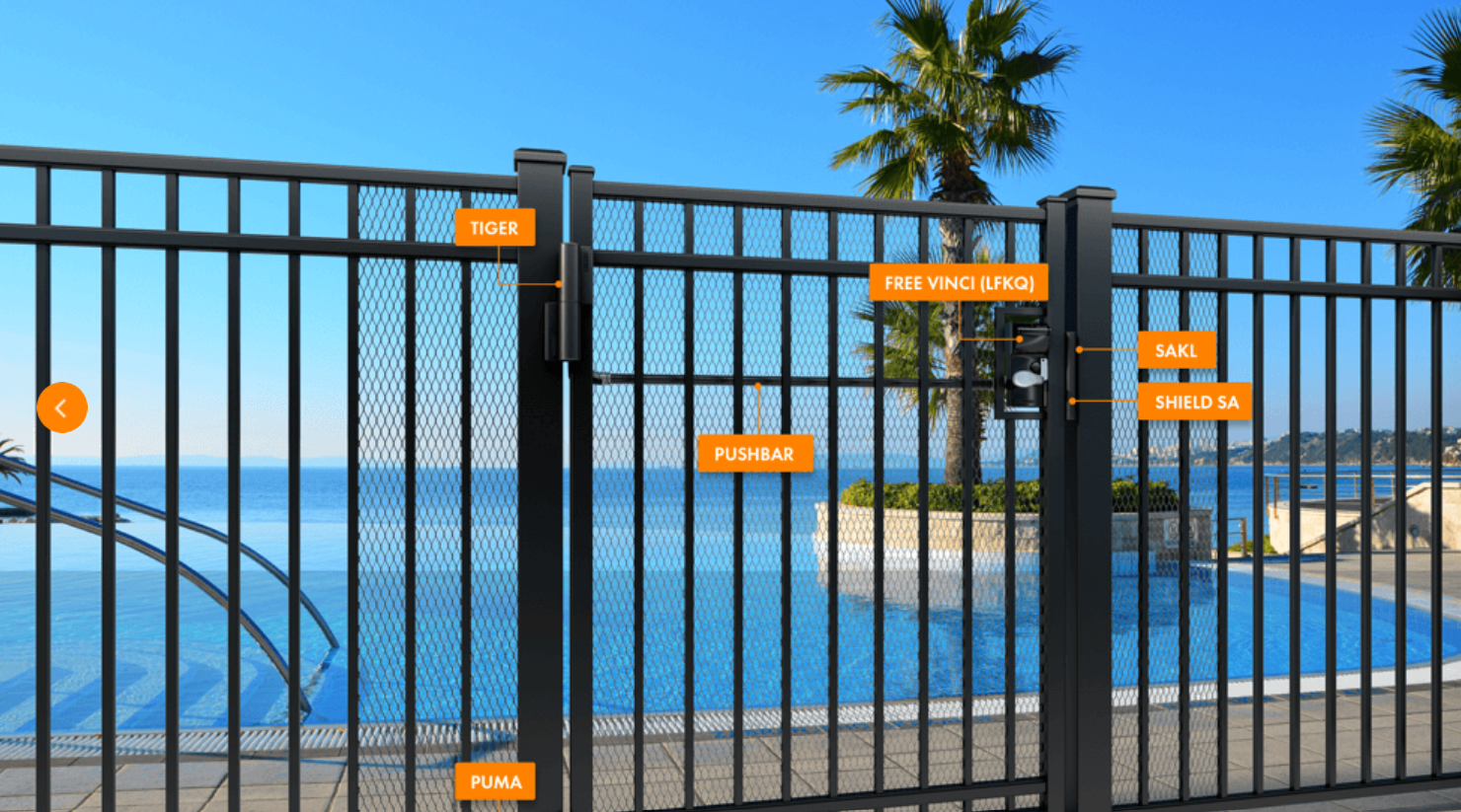
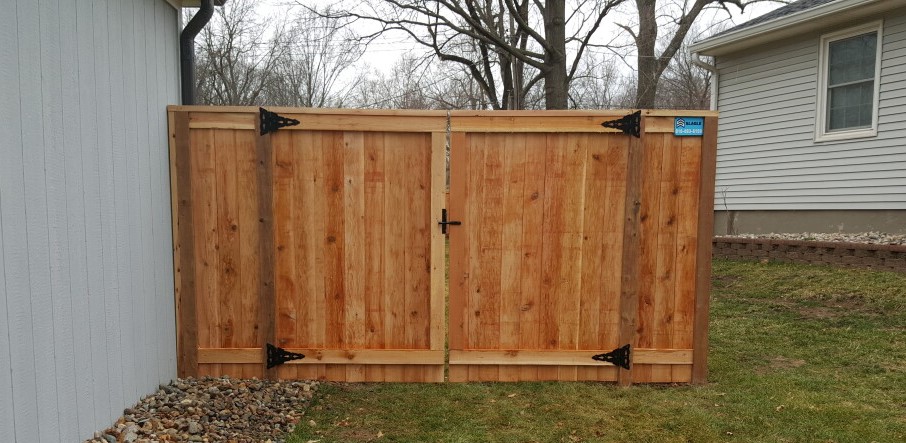
- Gate designs
- Decorative features
- Fence location
- Maintenance requirements
The purpose is usually to maintain a consistent appearance and protect neighborhood property values.
HOA Rules vs. City Regulations
It’s important to understand that city regulations and HOA rules are two separate sets of requirements.
For example:
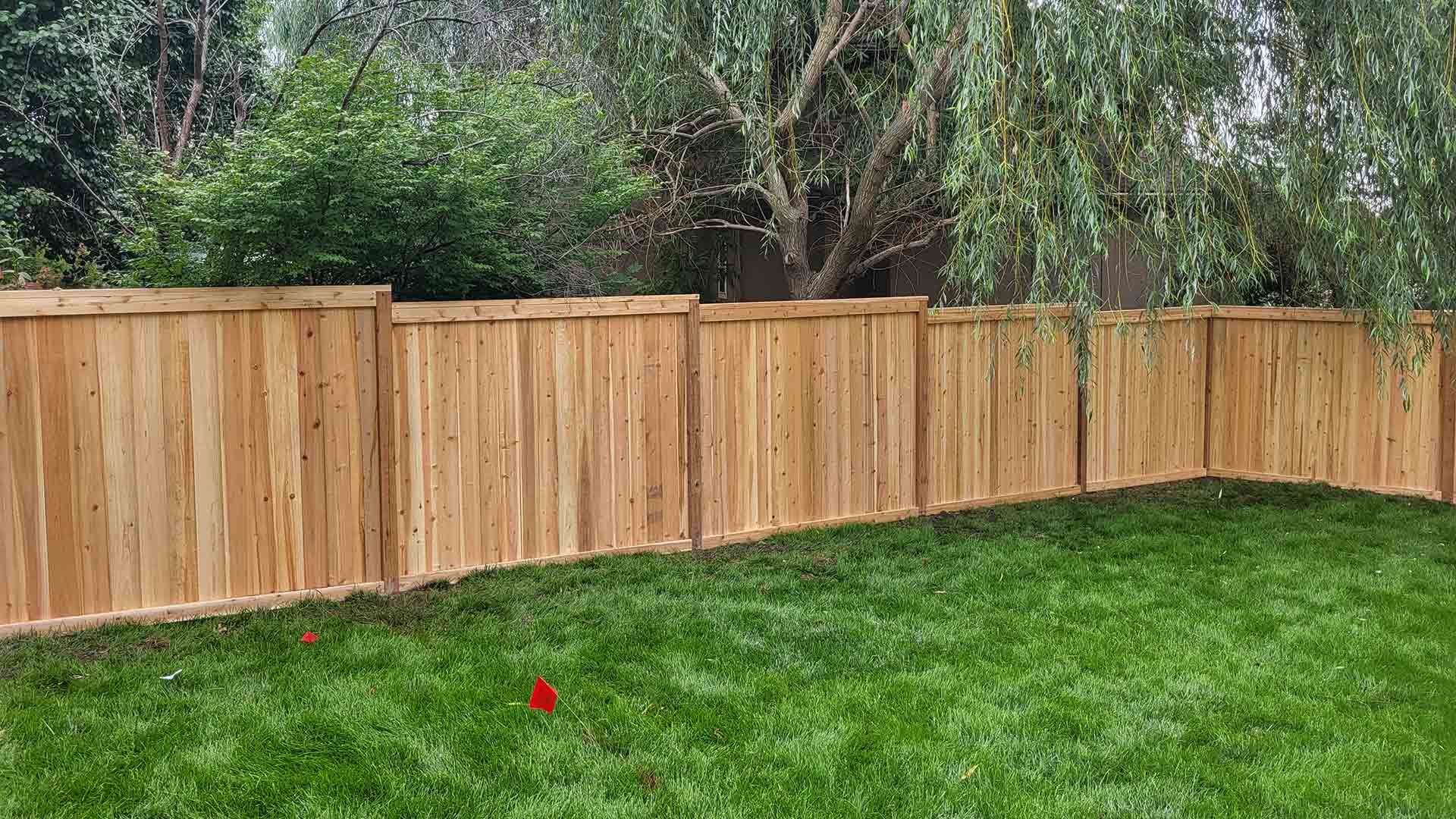
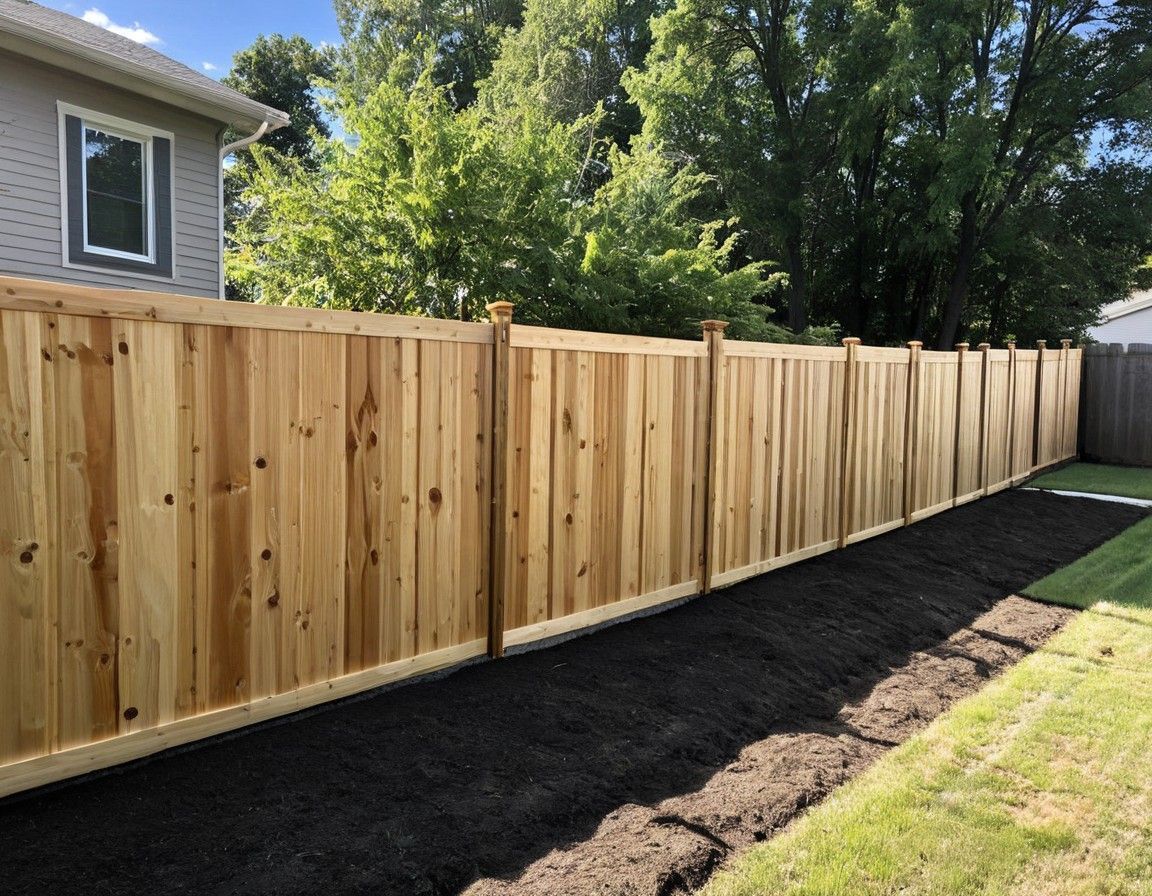
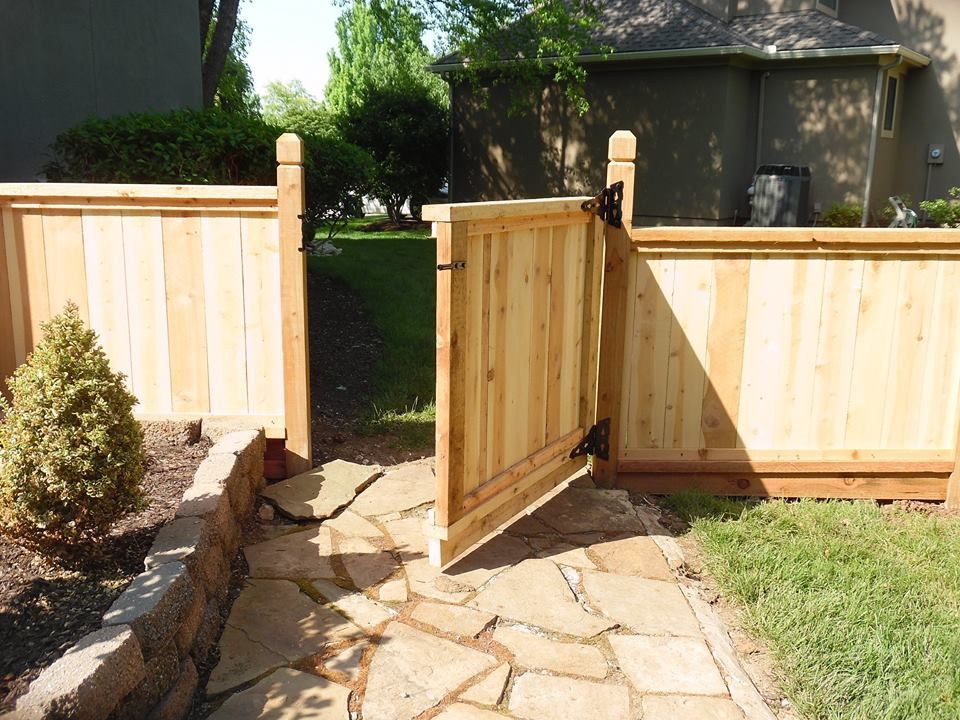
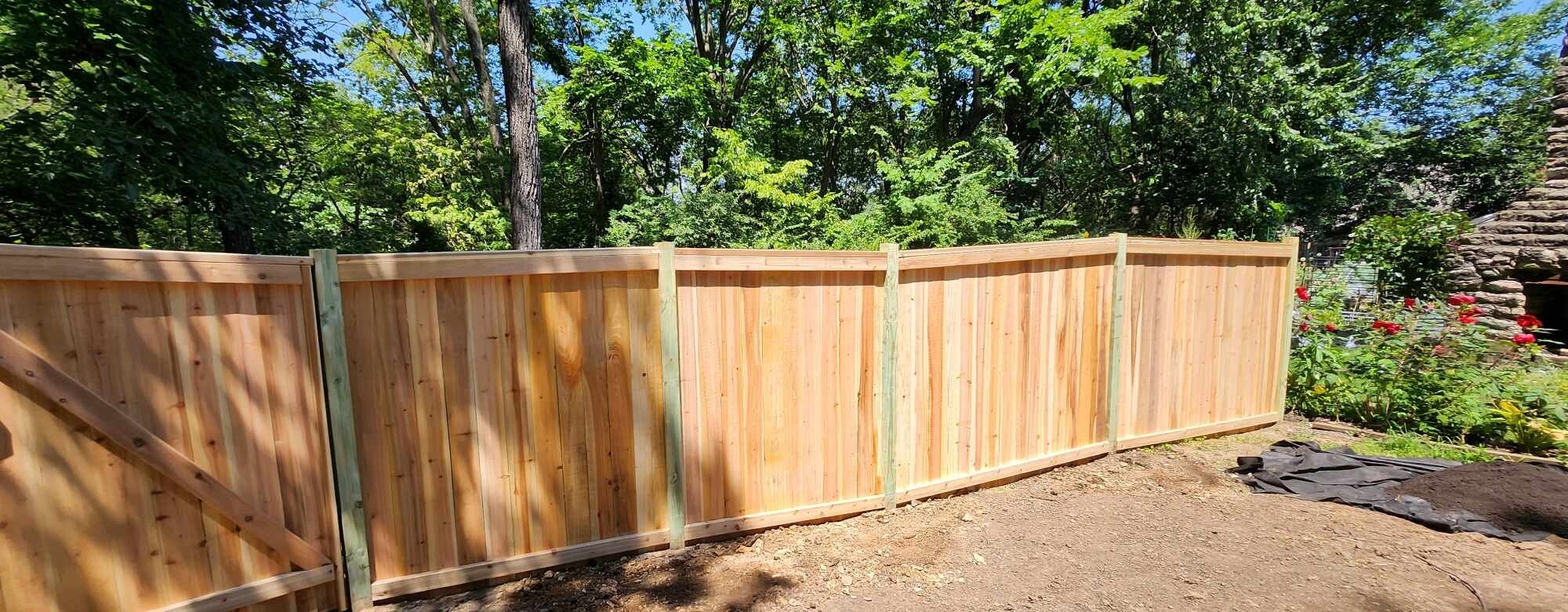
- Your city may allow a 6-foot cedar privacy fence.
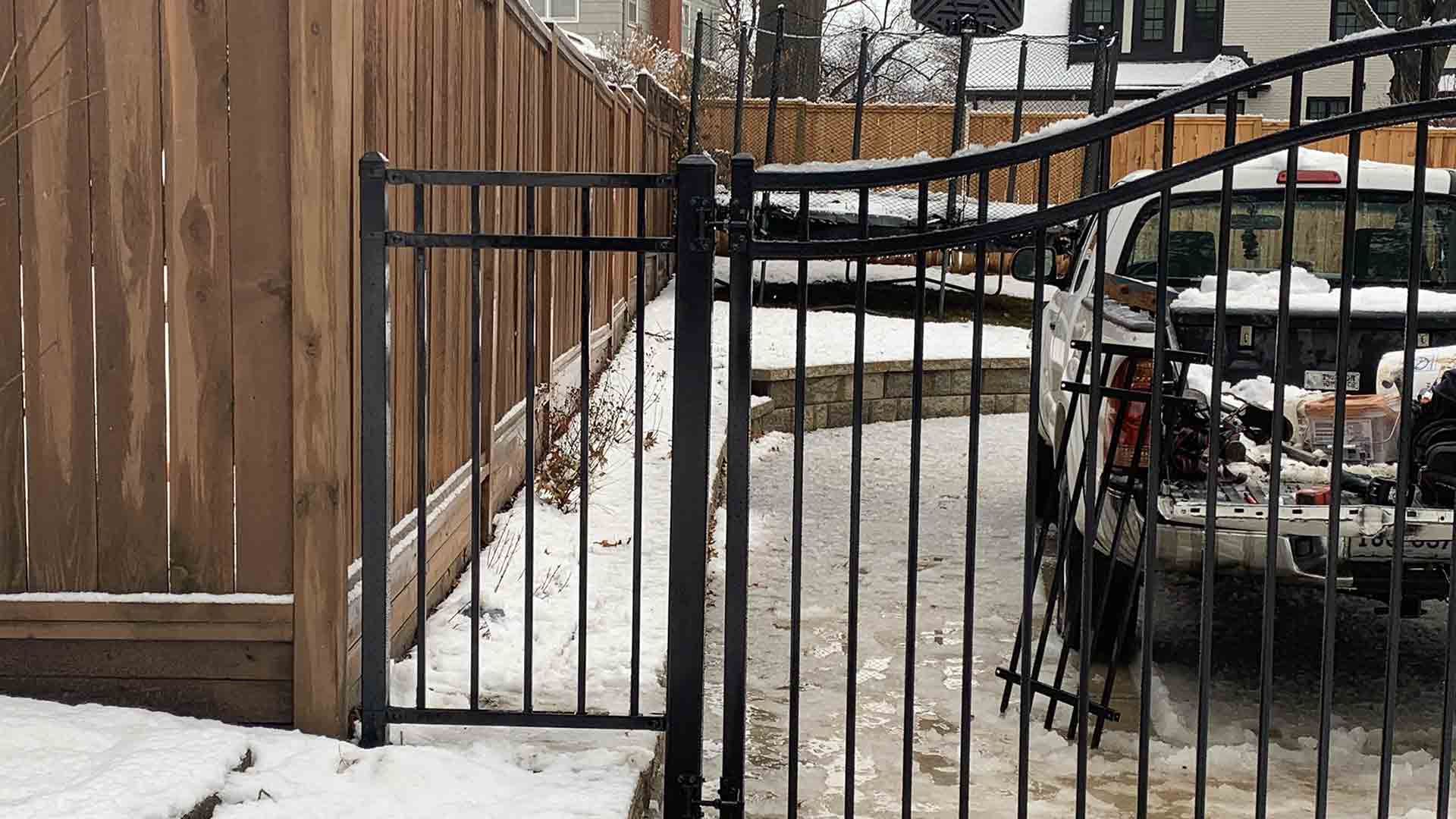
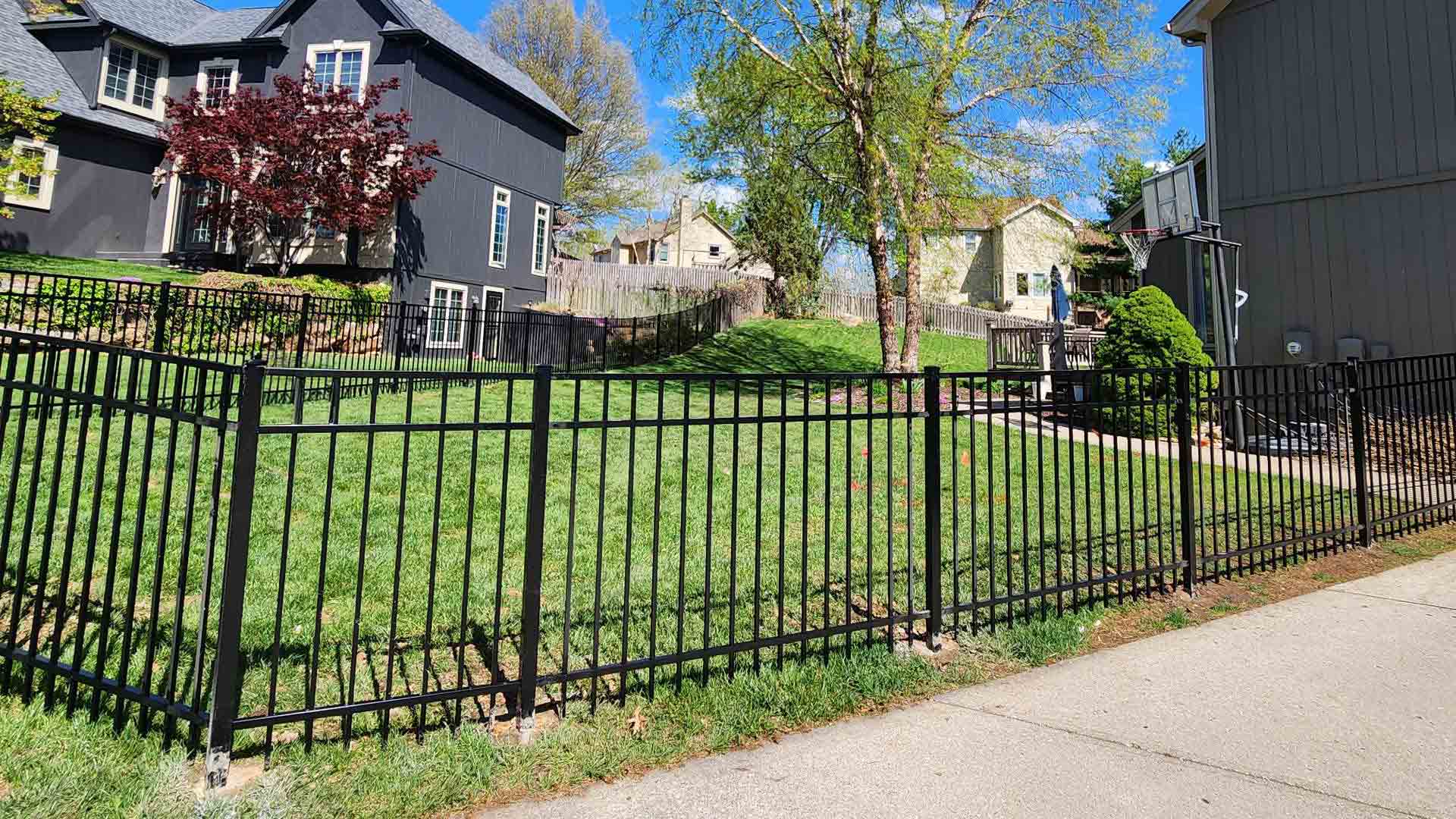
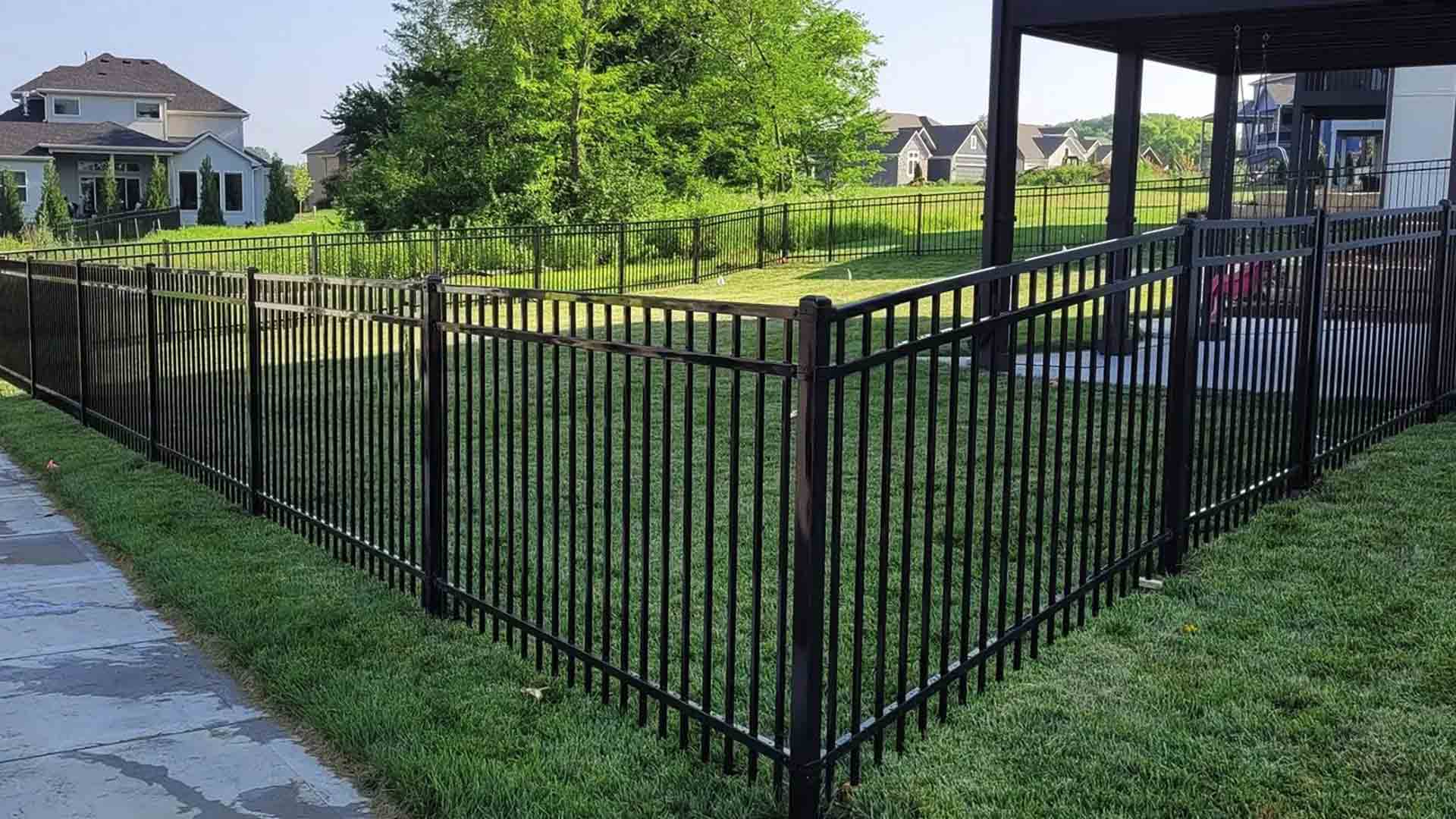
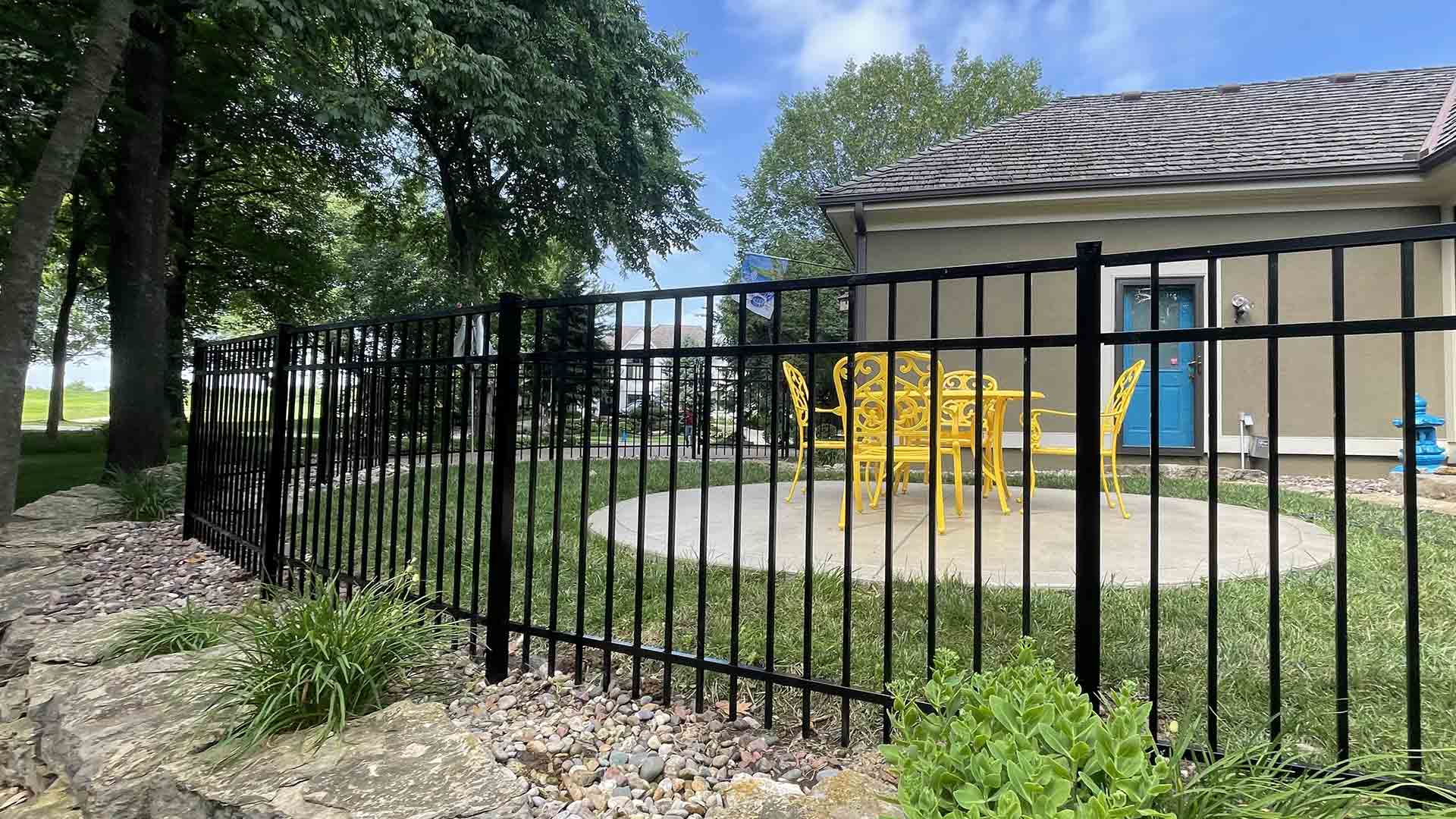
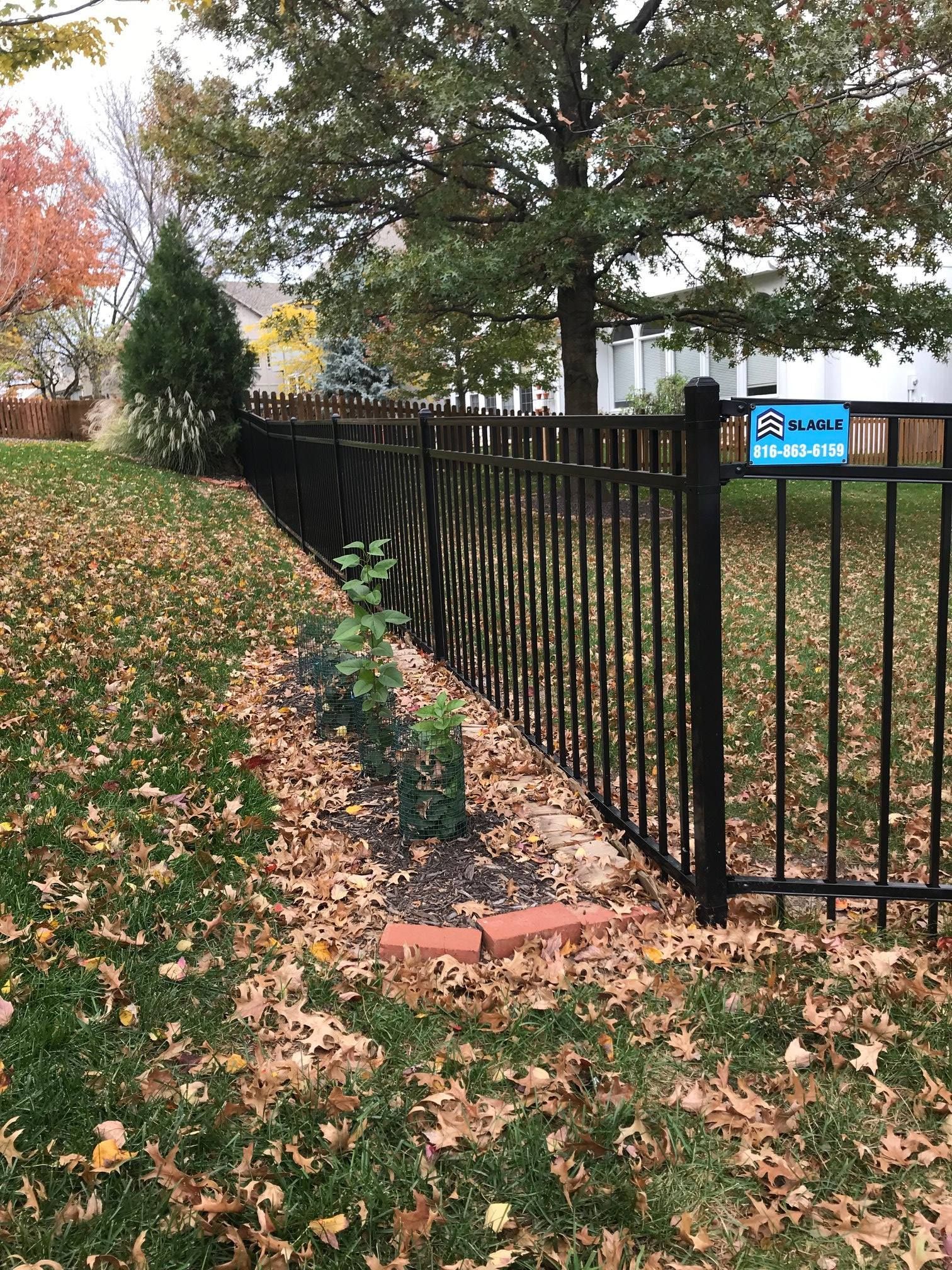
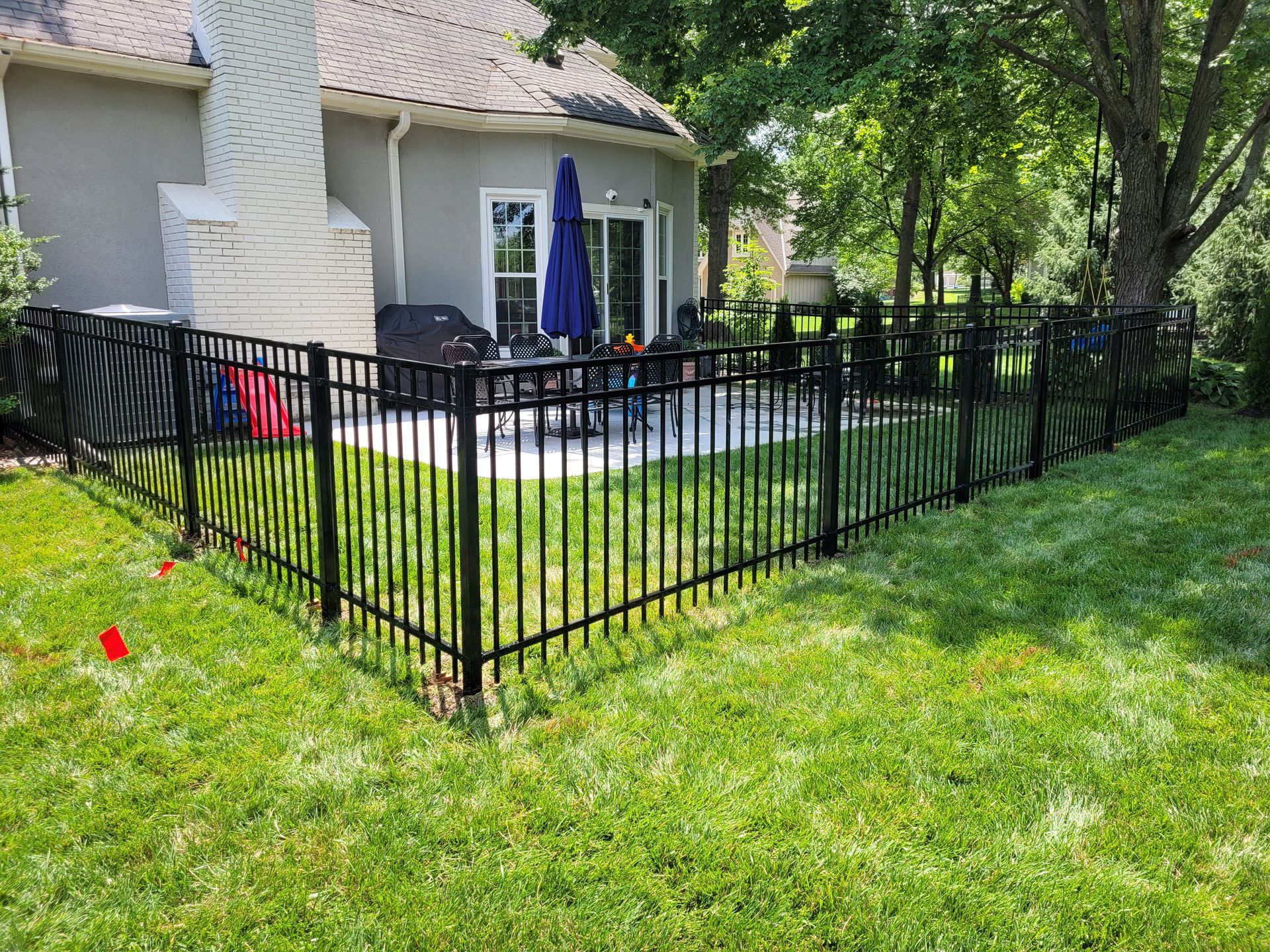
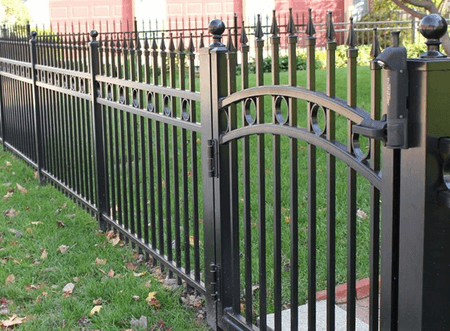
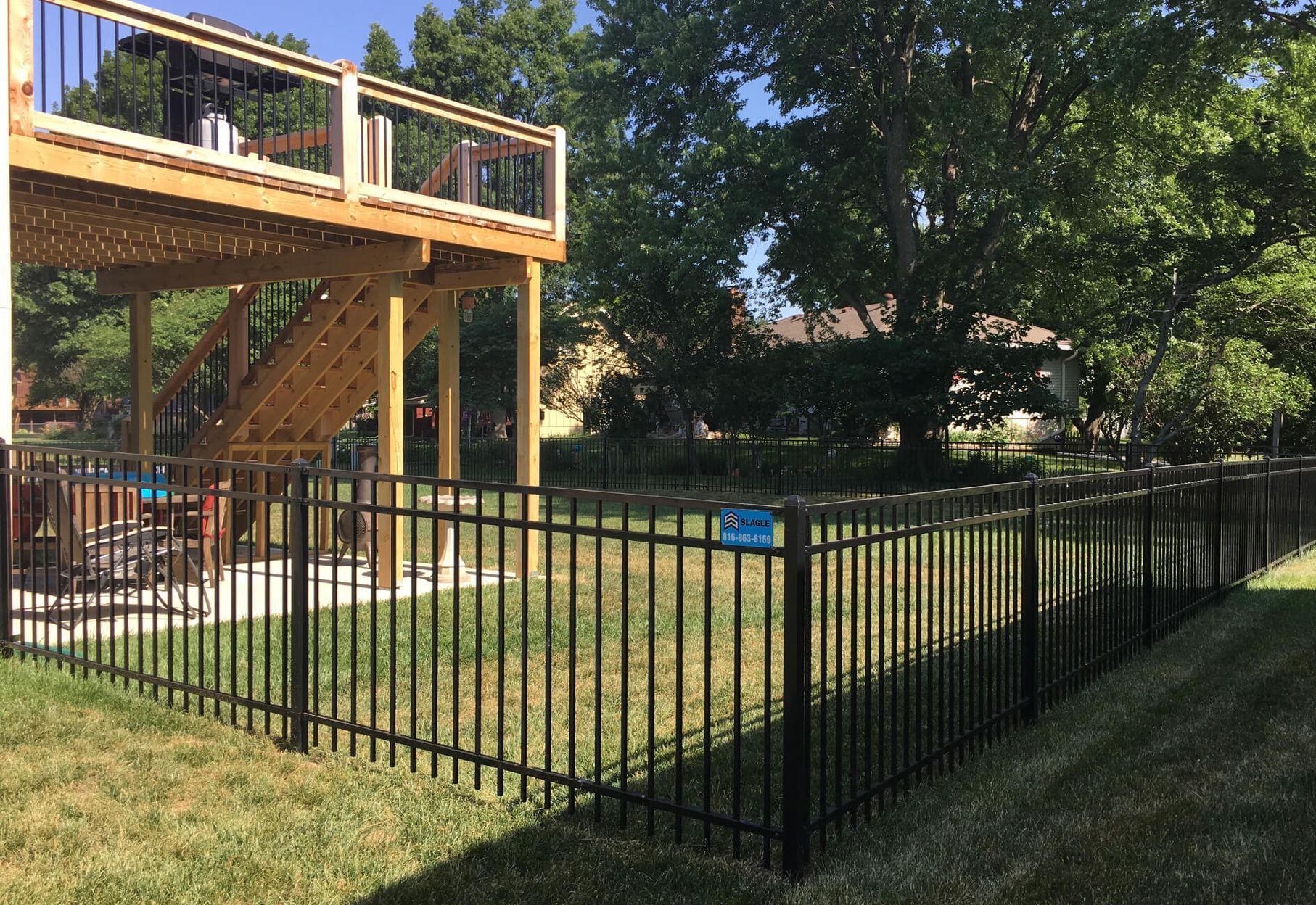
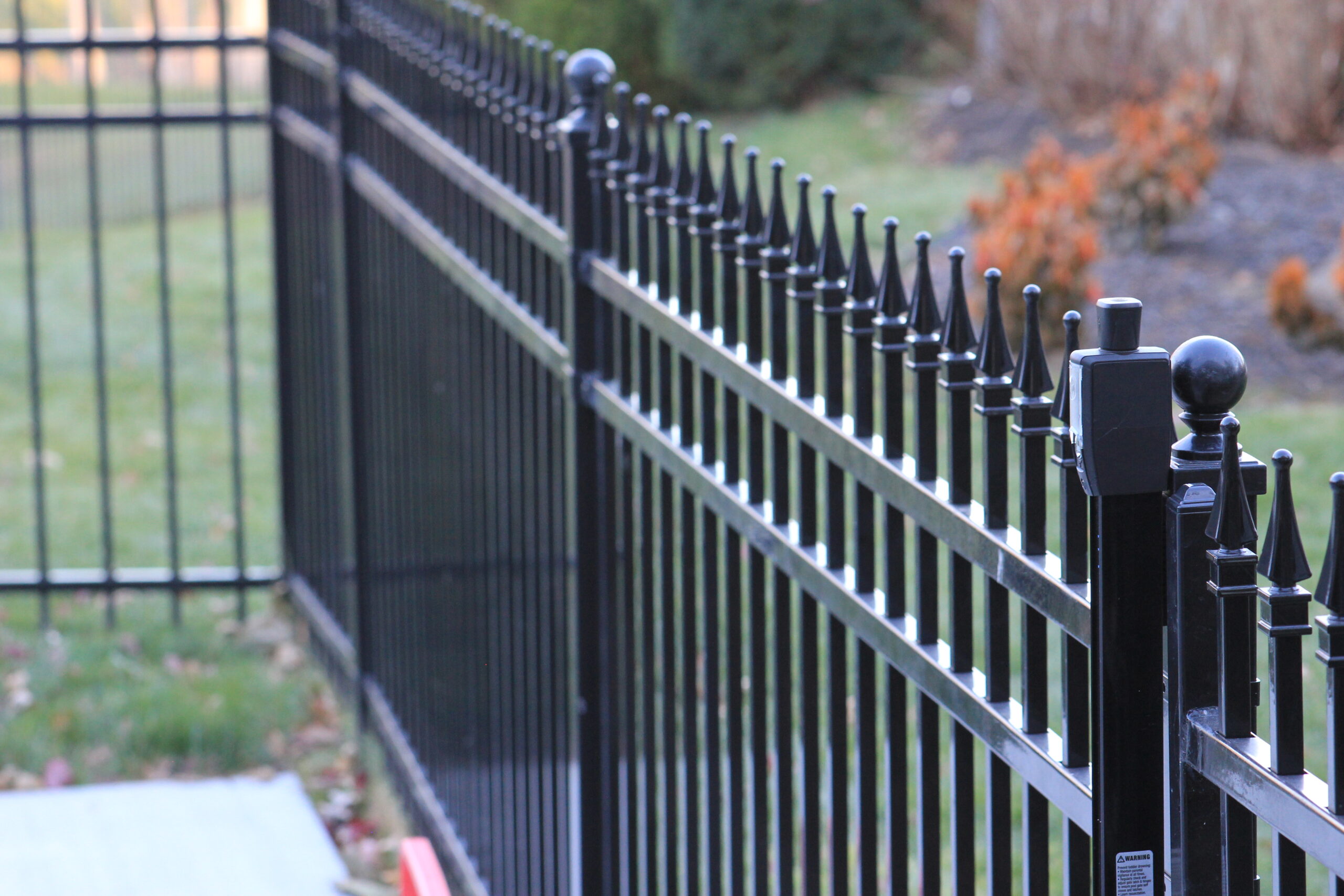
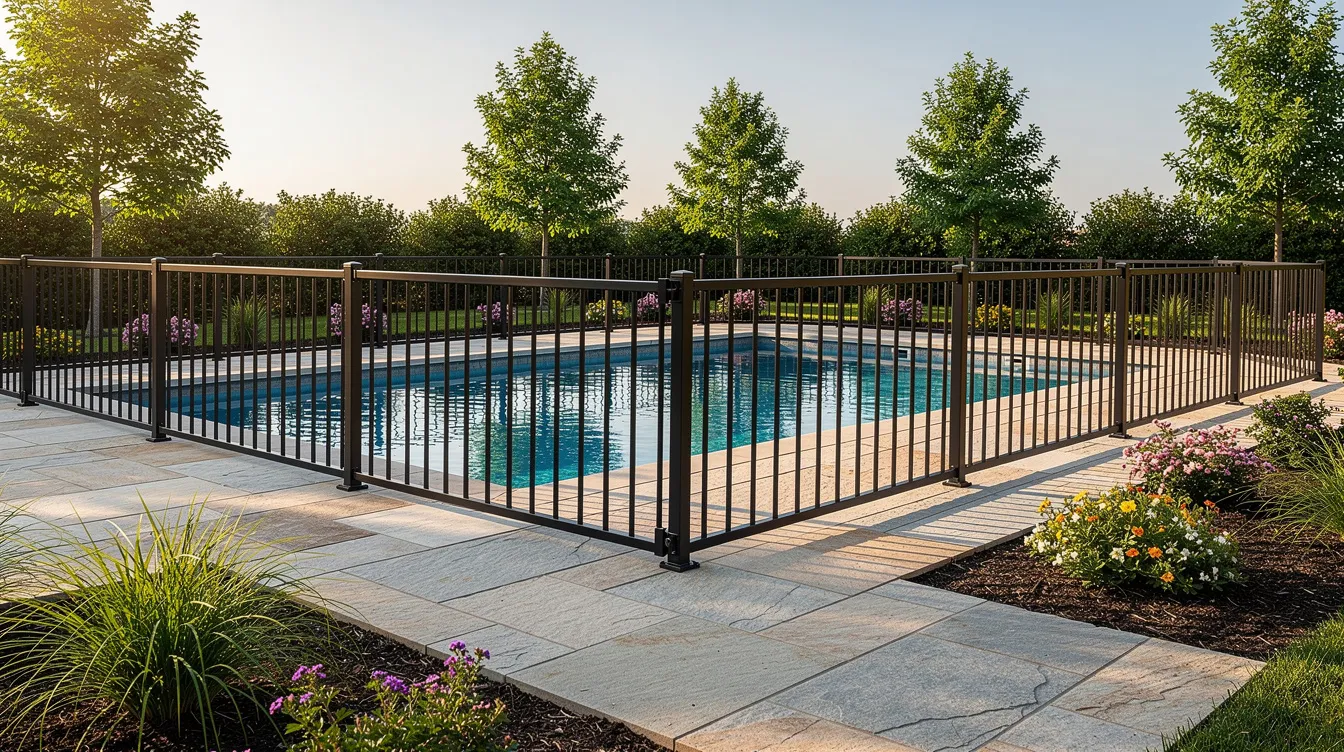
- Your HOA may require black ornamental aluminum fencing instead.
Or:
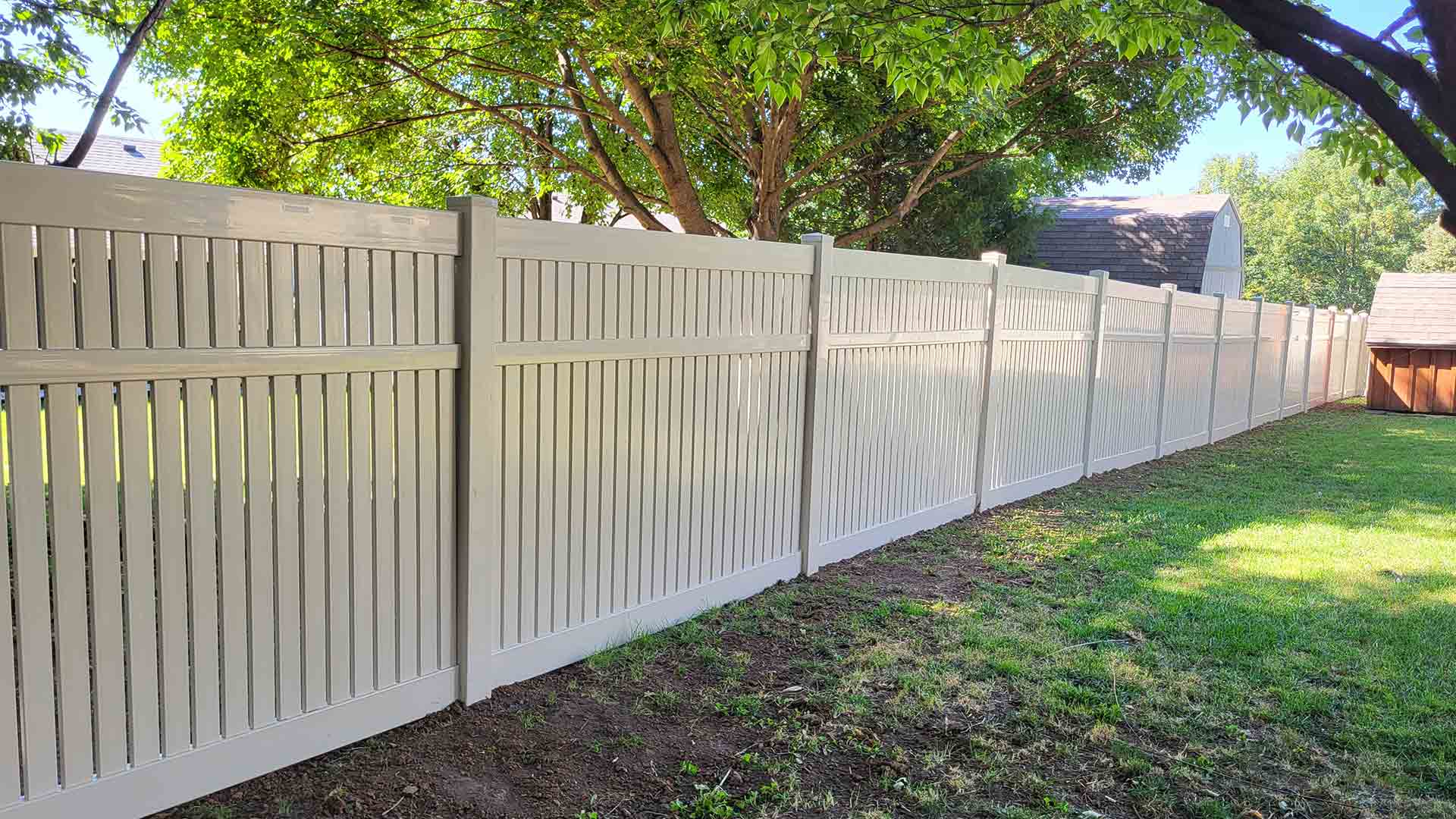
- The city may permit vinyl fencing.
- Your HOA may prohibit vinyl and only allow stained cedar.
In these situations, you generally must comply with both. Meeting city code doesn’t automatically satisfy HOA requirements.
Can an HOA Ban Certain Fence Materials?
Yes, many HOAs have approved material lists.
Common examples include:
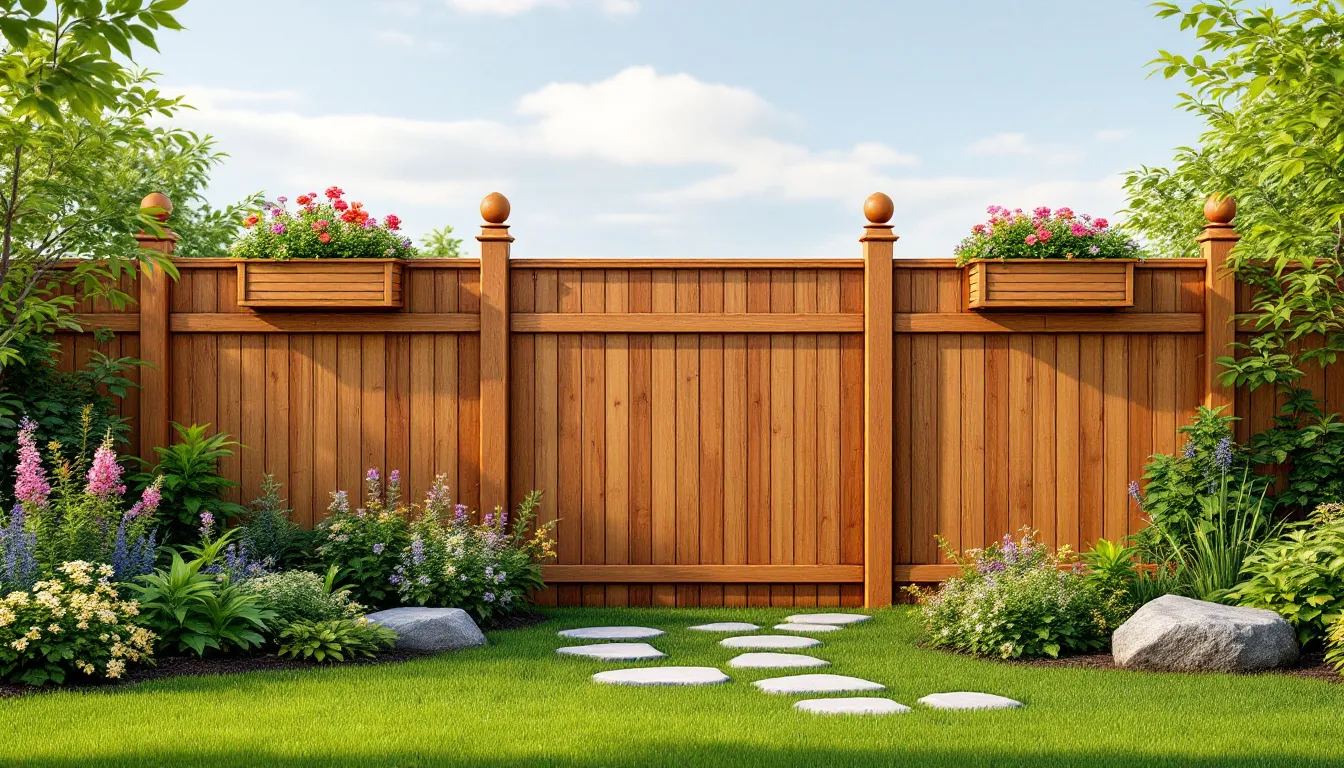
✅ Cedar
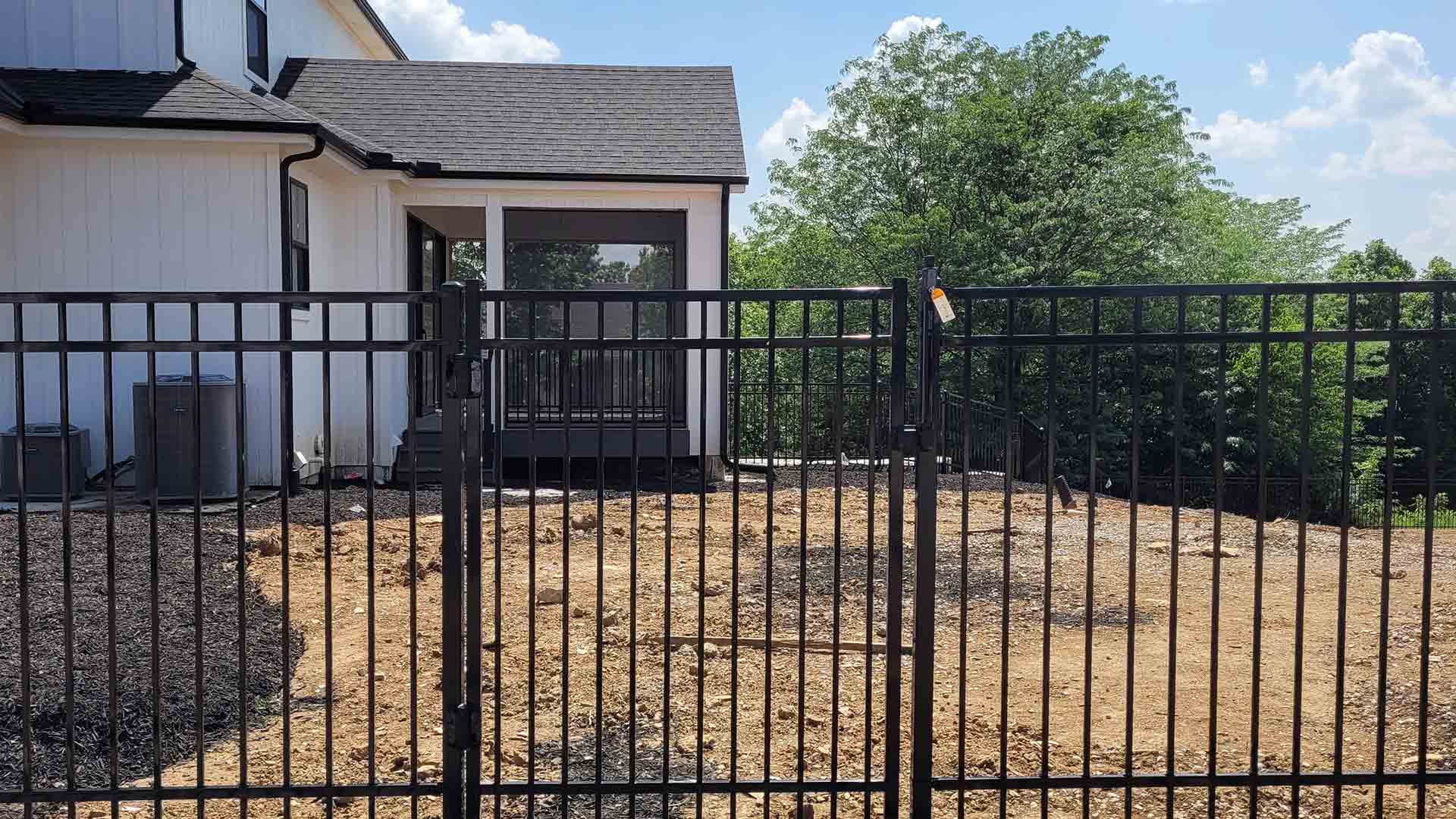
✅ Ornamental aluminum
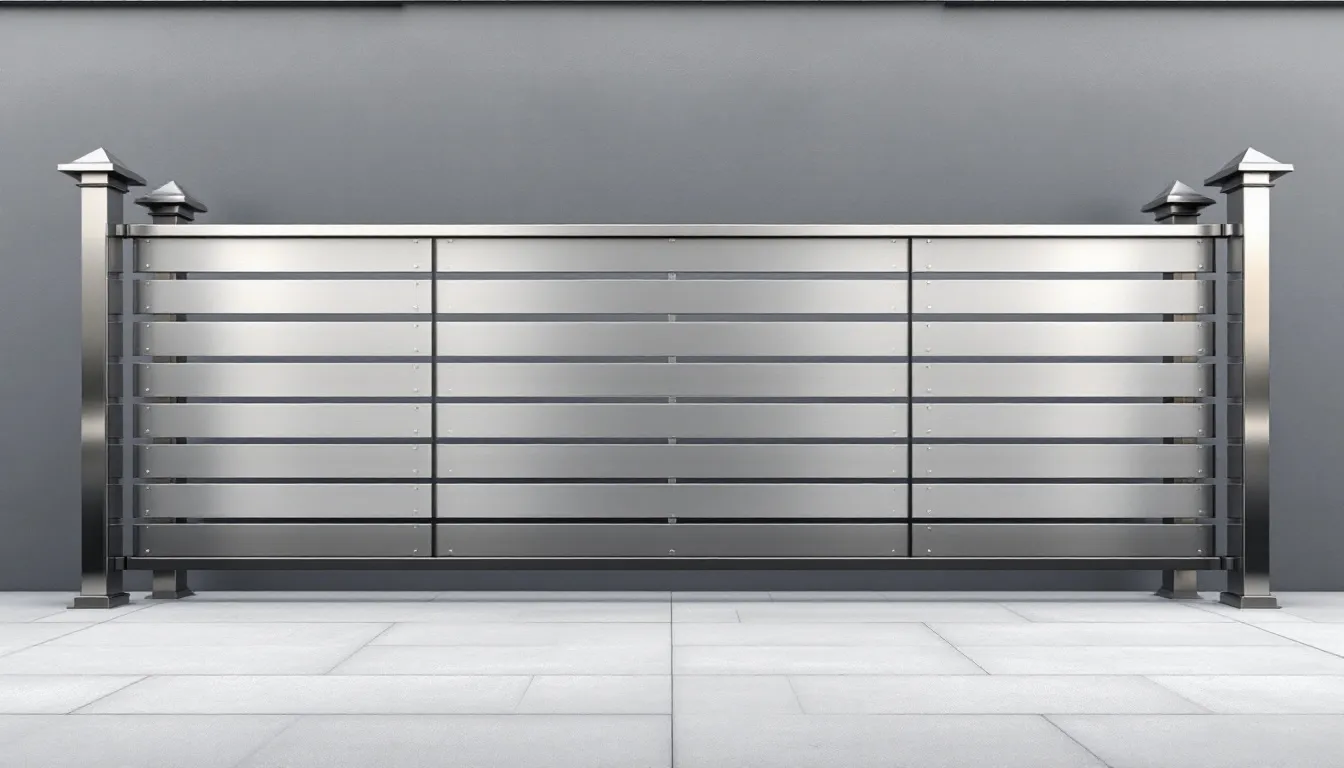
✅ Decorative steel
Sometimes allowed:
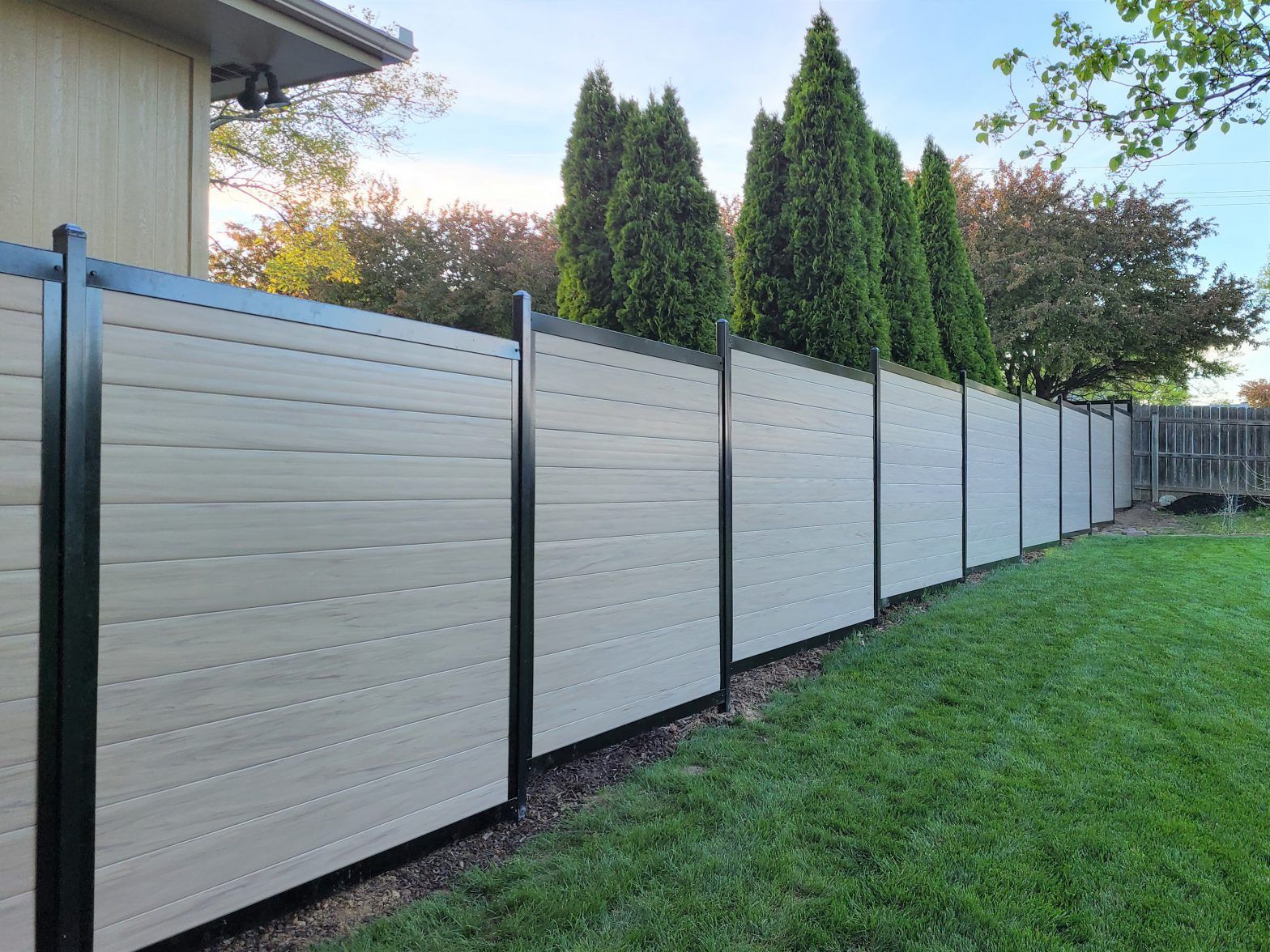
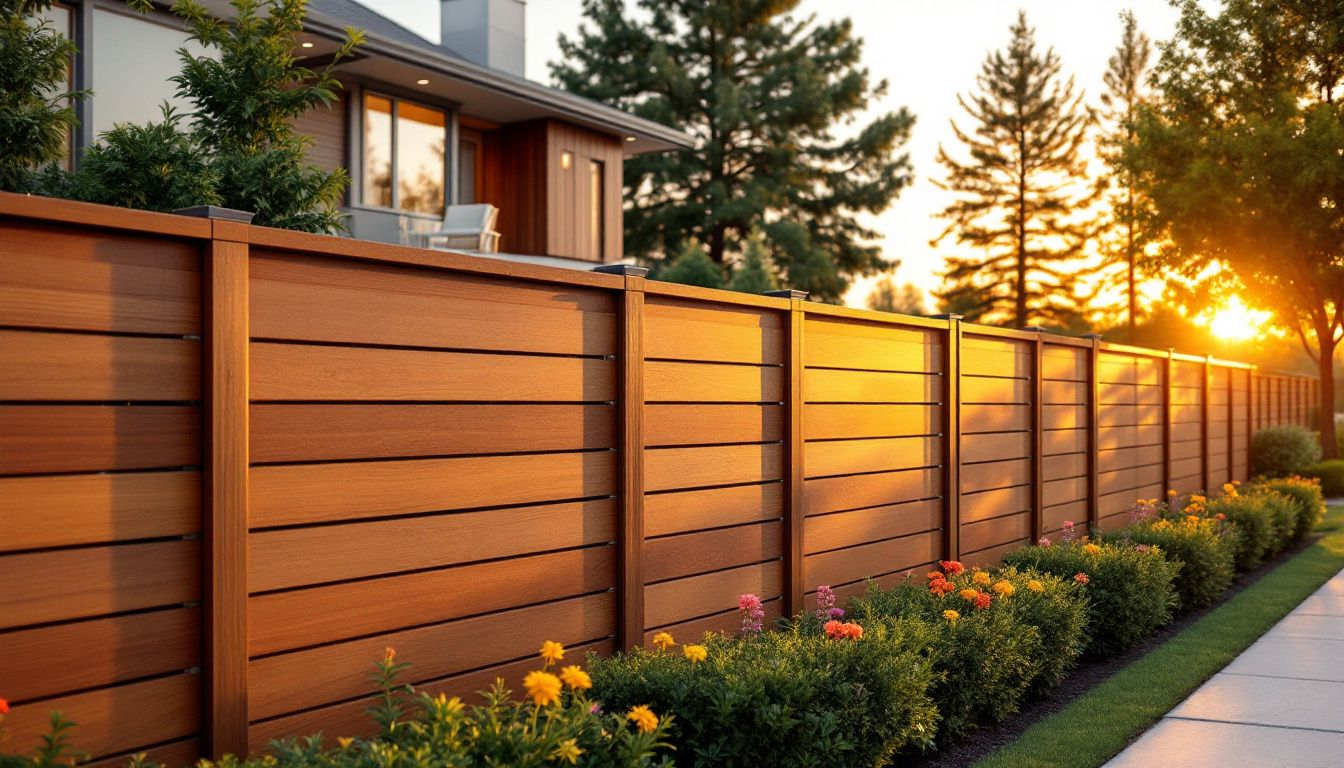
- Composite fencing
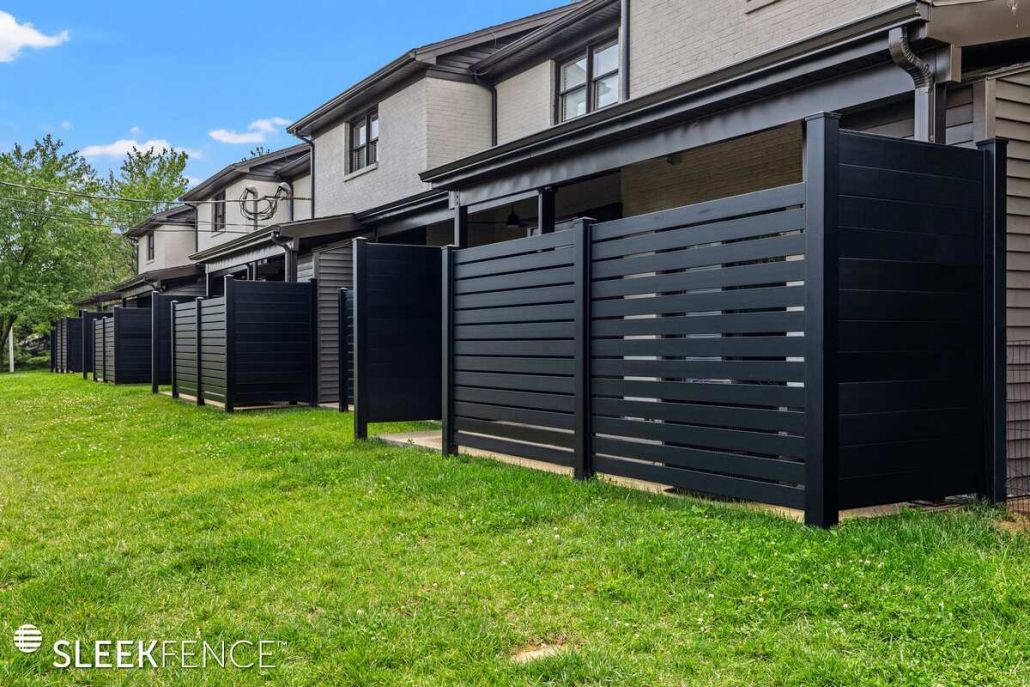
- Vinyl fencing
Sometimes prohibited:
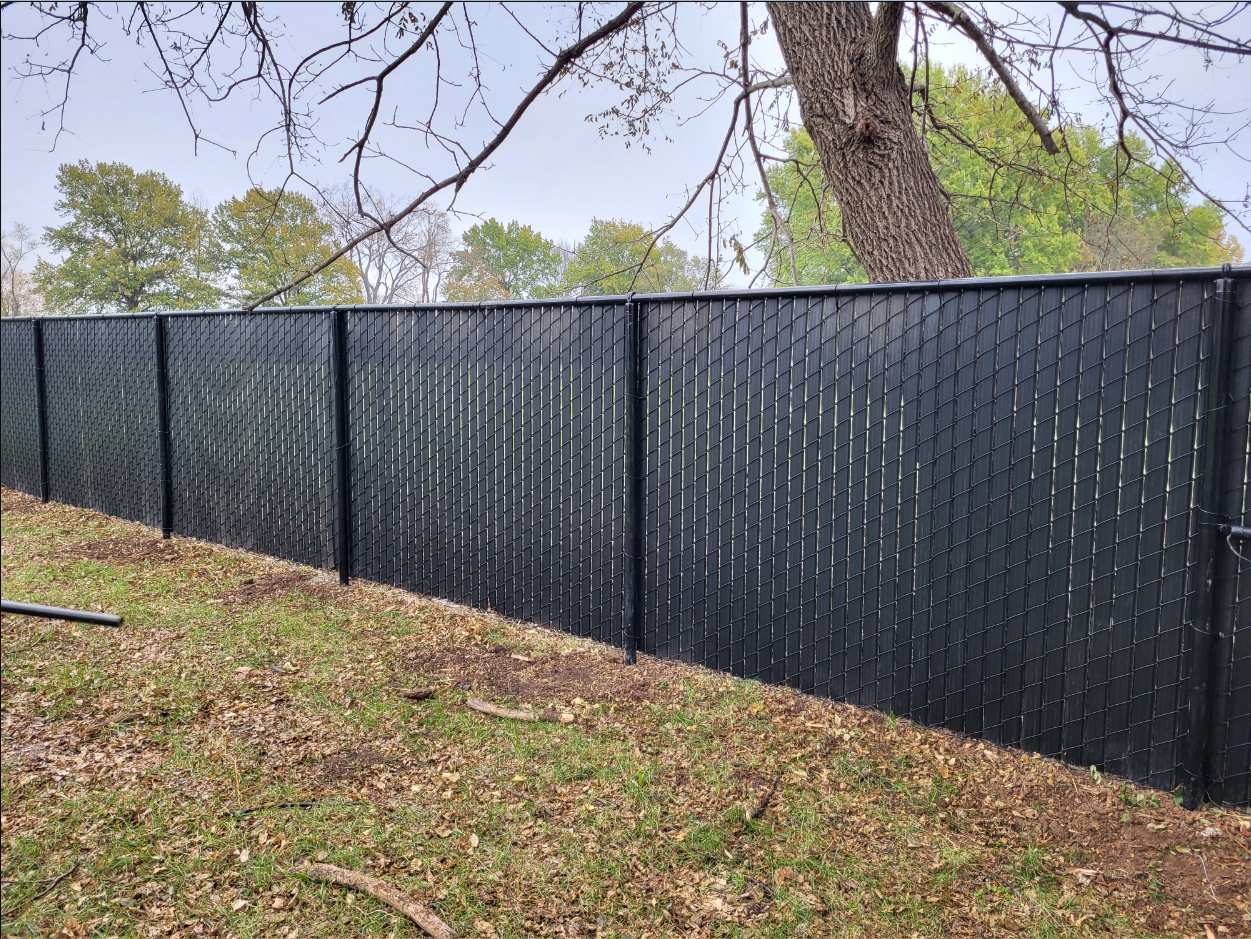
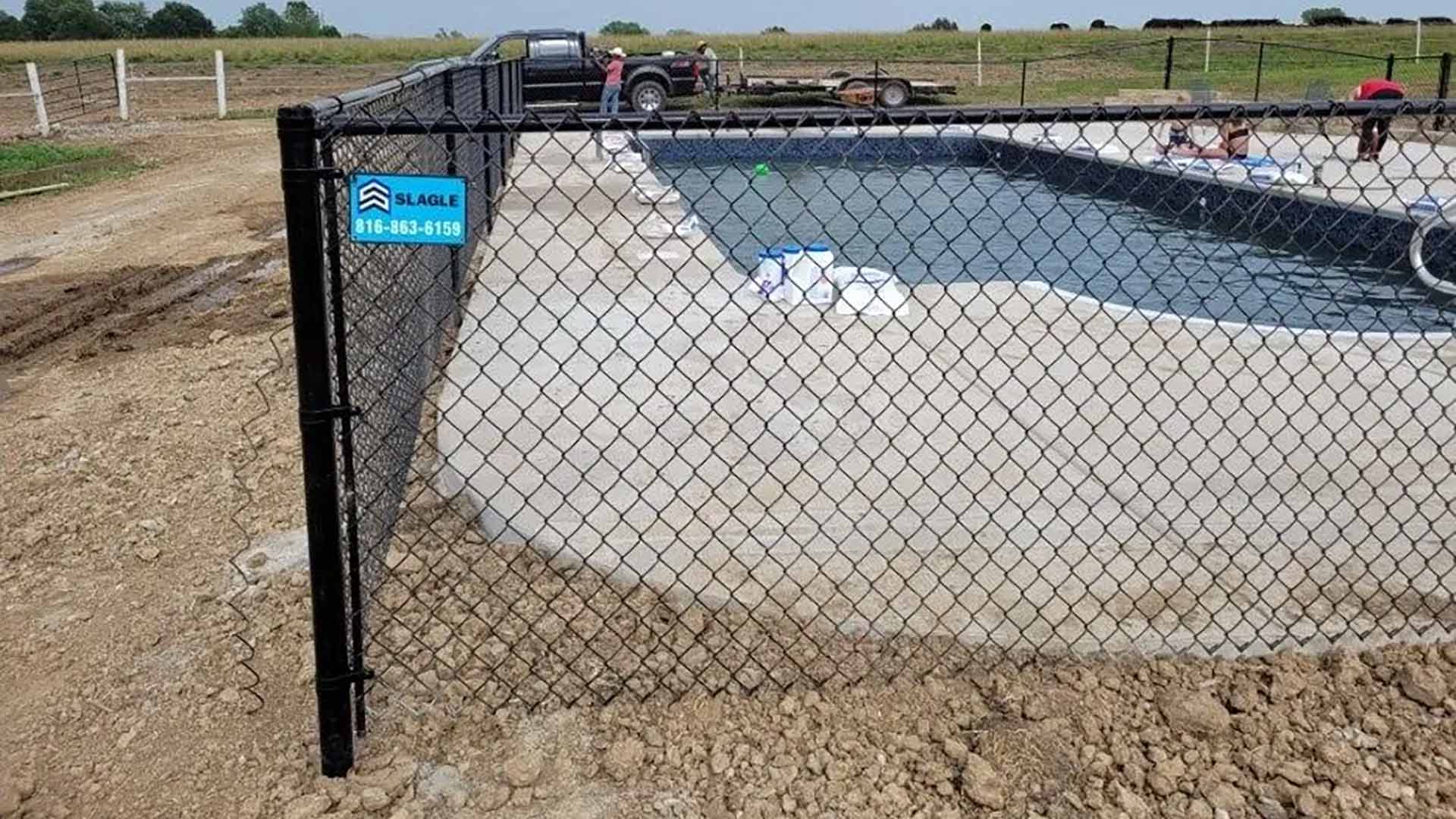
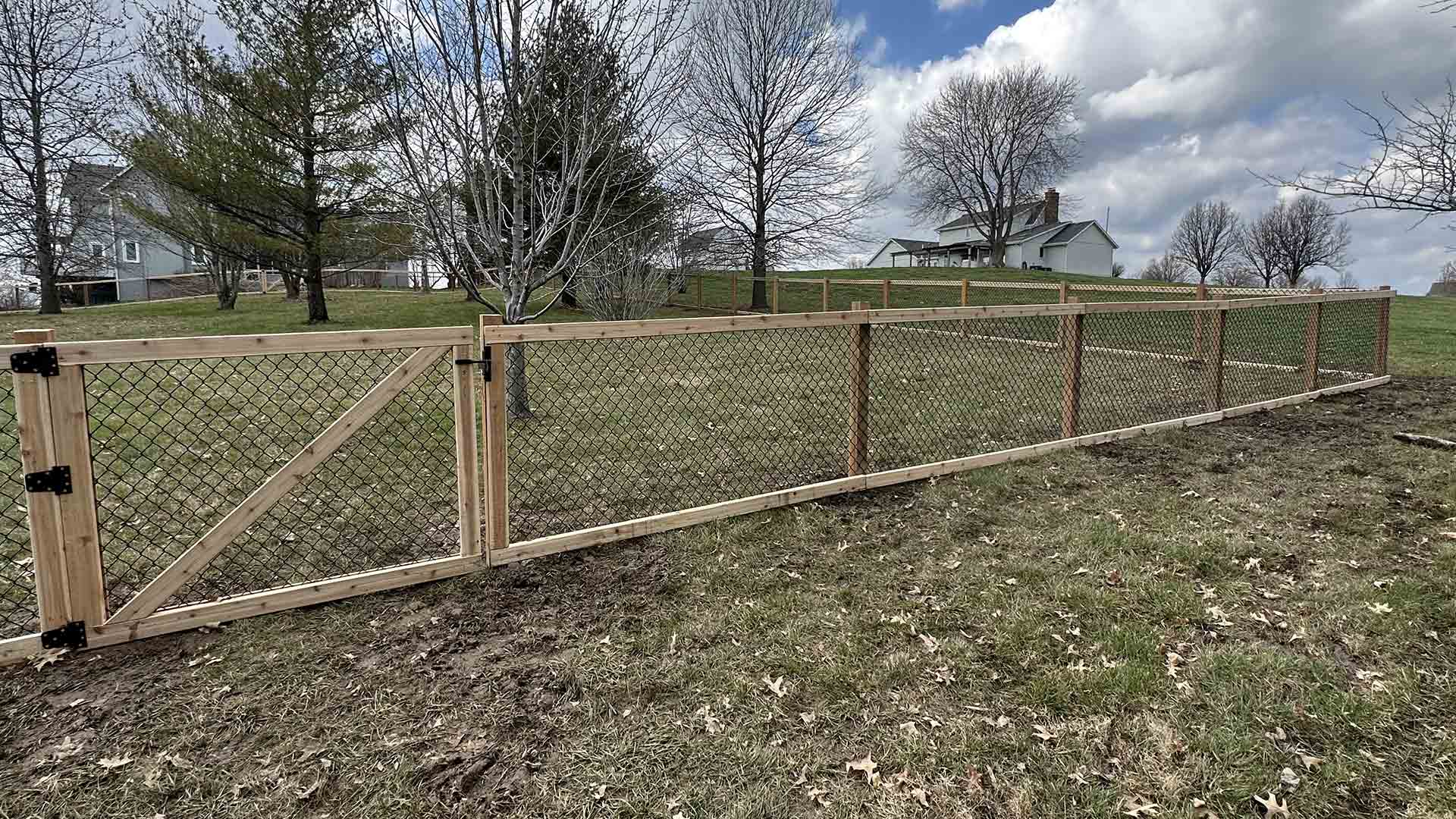
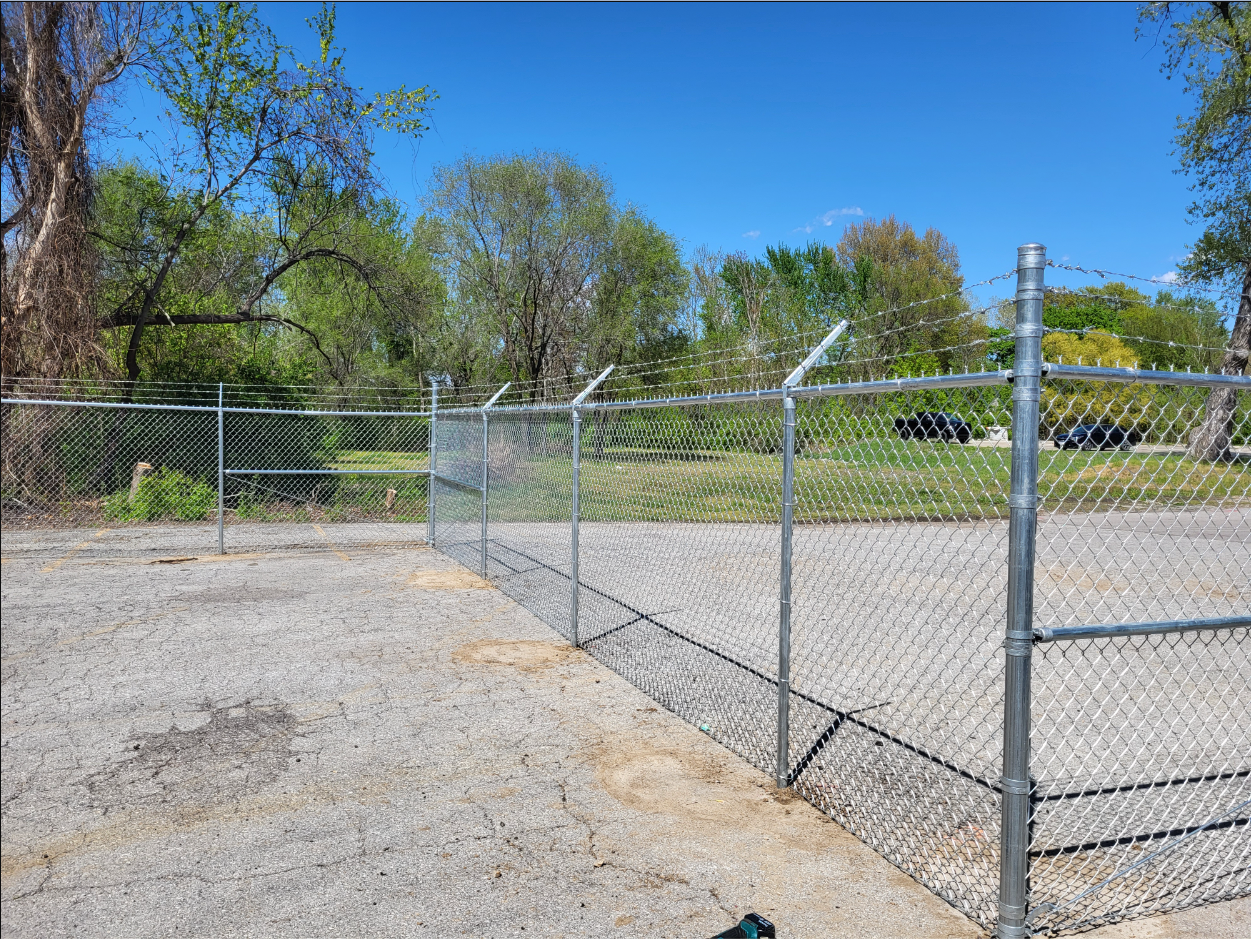
- Chain-link fencing (especially in front yards)
- Brightly colored fences
- Temporary fencing
- Corrugated metal fencing
Each HOA has its own standards, so always review the governing documents before making a purchase.
Can an HOA Control Fence Colors?
Absolutely.
Many HOAs specify:
- Natural cedar
- Approved stain colors
- Black ornamental finishes
- Earth-tone composite colors
Some communities prohibit:
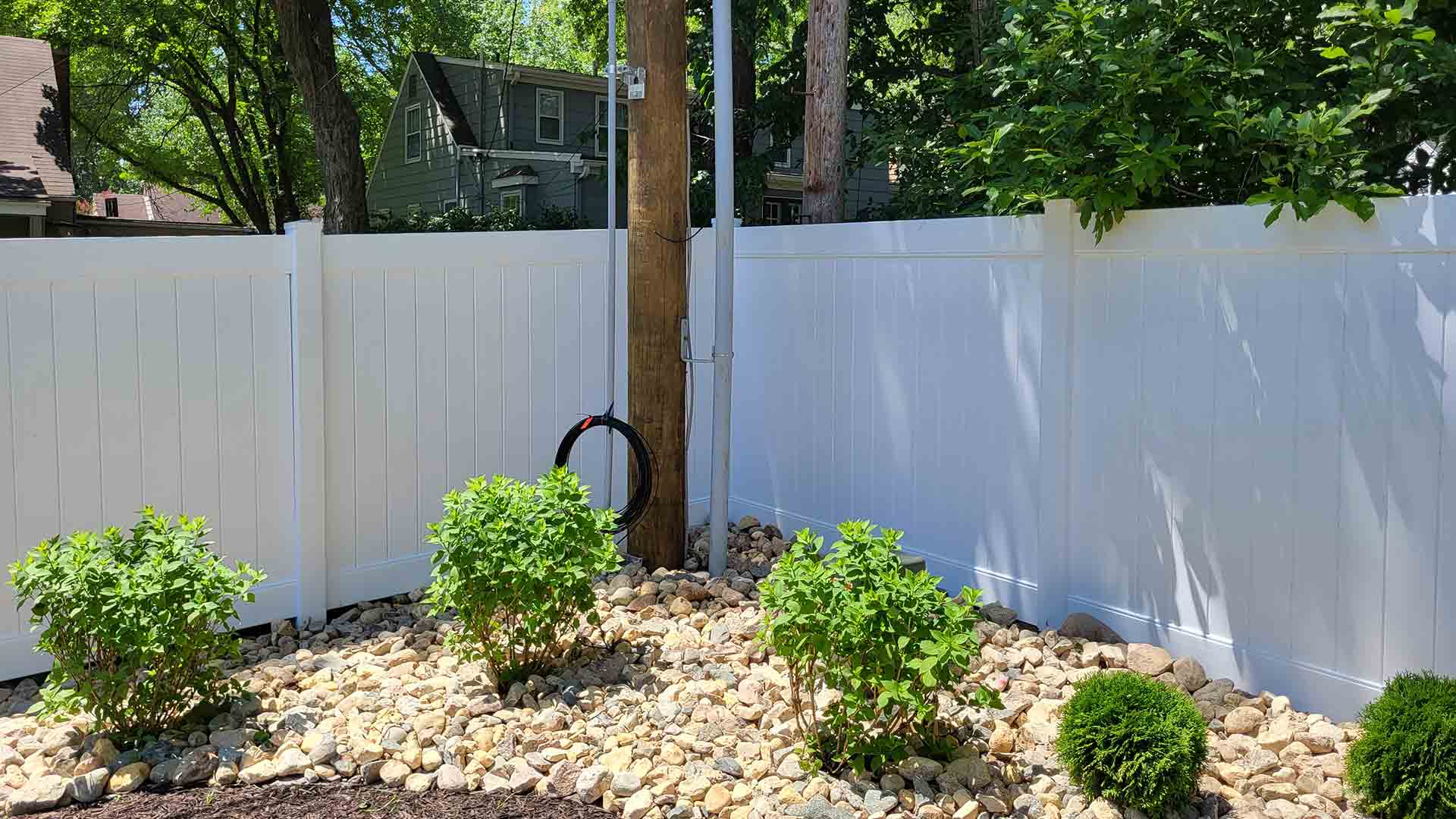
- Bright white vinyl
- Unapproved paint colors
- Multi-colored fences
This helps maintain a consistent appearance throughout the neighborhood.
Do I Need HOA Approval Before Installing a Fence?
Usually, yes.
Many associations require homeowners to submit:
- A site plan
- Fence design
- Material selection
- Height
- Color
- Contractor information
The HOA’s Architectural Review Committee (ARC) or Architectural Control Committee (ACC) typically reviews the application before construction begins.
Skipping this step can result in:
- Fines
- Delays
- A requirement to modify or remove the fence
- Difficulty selling your home later if the violation remains unresolved
What If My HOA Approves It but the City Doesn’t?
HOA approval does not replace city approval.
For example:
- Your HOA may approve a 7-foot fence.
- Your city may limit residential fences to 6 feet.
You must still follow the city’s ordinance.
Likewise, if the city approves a fence that violates your HOA’s rules, the HOA may still require you to correct the violation.
Can an HOA Make Me Remove My Fence?
If you install a fence that violates the HOA’s governing documents or bypass the required approval process, the HOA may have enforcement options, which can include:
- Notices of violation
- Fines
- Legal action (depending on state law and the governing documents)
- Requiring the fence to be modified or removed
The exact remedies depend on your state’s laws and your HOA’s recorded covenants.
What Should You Check Before Building?
Before signing a contract, review:
1. Your HOA’s Governing Documents
Look for sections covering:
- Fences
- Architectural standards
- Exterior improvements
2. City Regulations
Verify:
- Height limits
- Permit requirements
- Setback rules
- Corner lot restrictions
3. Property Survey
Know exactly where your property lines are before construction begins.
4. Utility Easements
Avoid installing fences where utility companies may need future access.
Questions to Ask Your HOA
 Before choosing a fence, ask:
- Which fence materials are approved?
- Are there approved stain or paint colors?
- Is vinyl allowed?
- Can I install composite fencing?
- What height is permitted?
- How long does approval usually take?
- Do I need to submit drawings or product specifications?
Getting answers early can prevent delays.
How an Experienced Fence Contractor Can Help
A reputable fence contractor can often help by:
- Reviewing HOA guidelines
- Recommending compliant fence styles
- Providing drawings or product brochures for HOA submissions
- Coordinating the installation after approvals are received
Working with a contractor familiar with your area can make the process much smoother.
Final Thoughts
For most homeowners, yes—your HOA can legally regulate your fence style, materials, color, and appearance if those requirements are included in the community’s governing documents.
The key to a successful project is making sure your new fence satisfies both:
- Your city’s building and zoning requirements.
- Your HOA’s architectural standards.
Taking the time to secure approvals before construction begins can save you from costly changes, fines, and unnecessary stress.