What Is the Best Fence for Dogs?
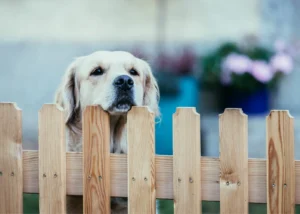 For many families, a fence isn’t just about privacy—it’s about giving their dogs a safe place to run, play, and enjoy the outdoors.
The best fence for your dog depends on several factors, including:
- Your dog’s size
- Breed and athletic ability
- Digging or climbing habits
- Your yard layout
- Your budget
- The amount of privacy you want
A fence that works well for a small Cavalier King Charles Spaniel may not be suitable for a determined Husky or an energetic Belgian Malinois. Let’s look at the best options for keeping your four-legged family members safe.
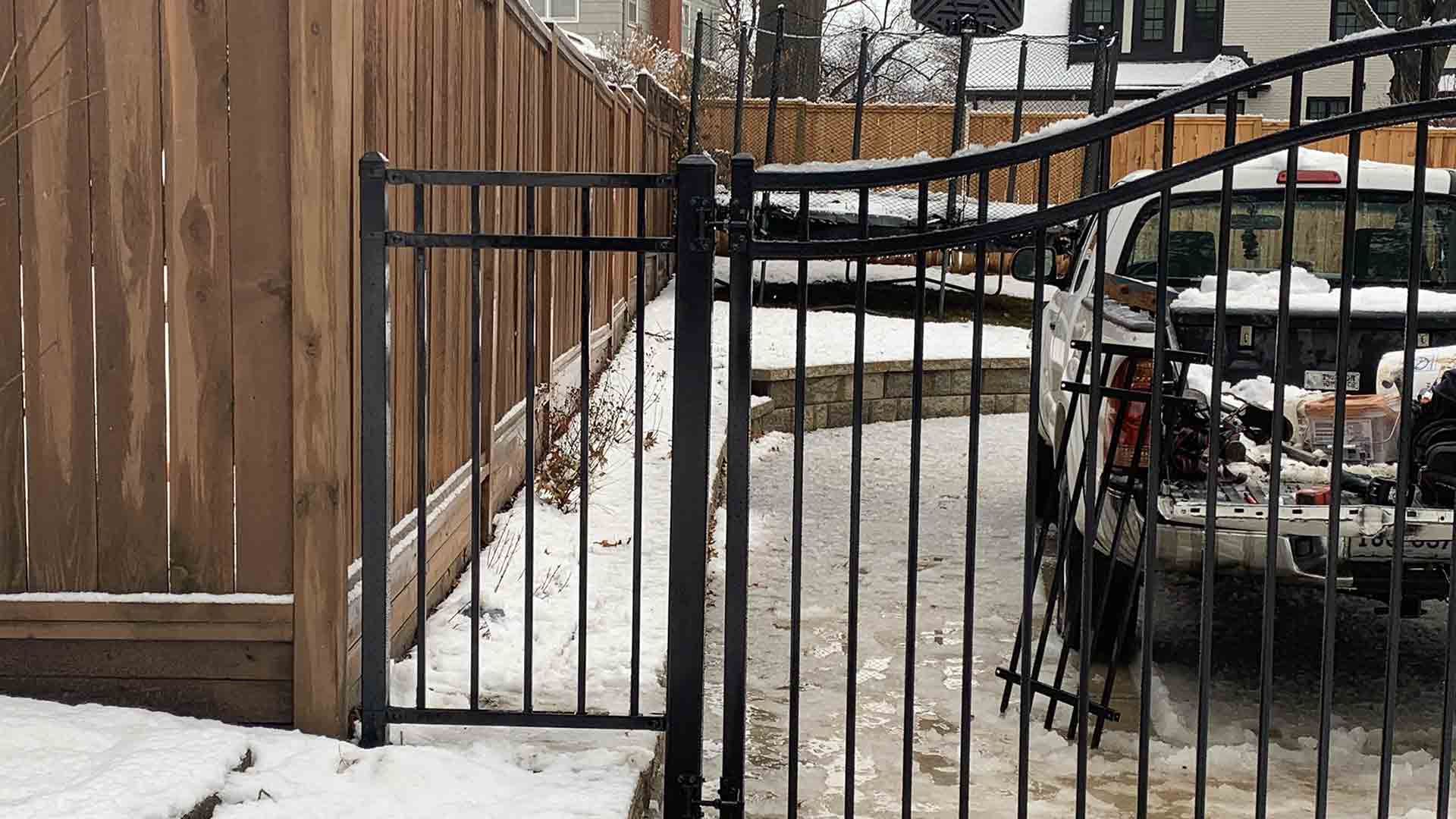
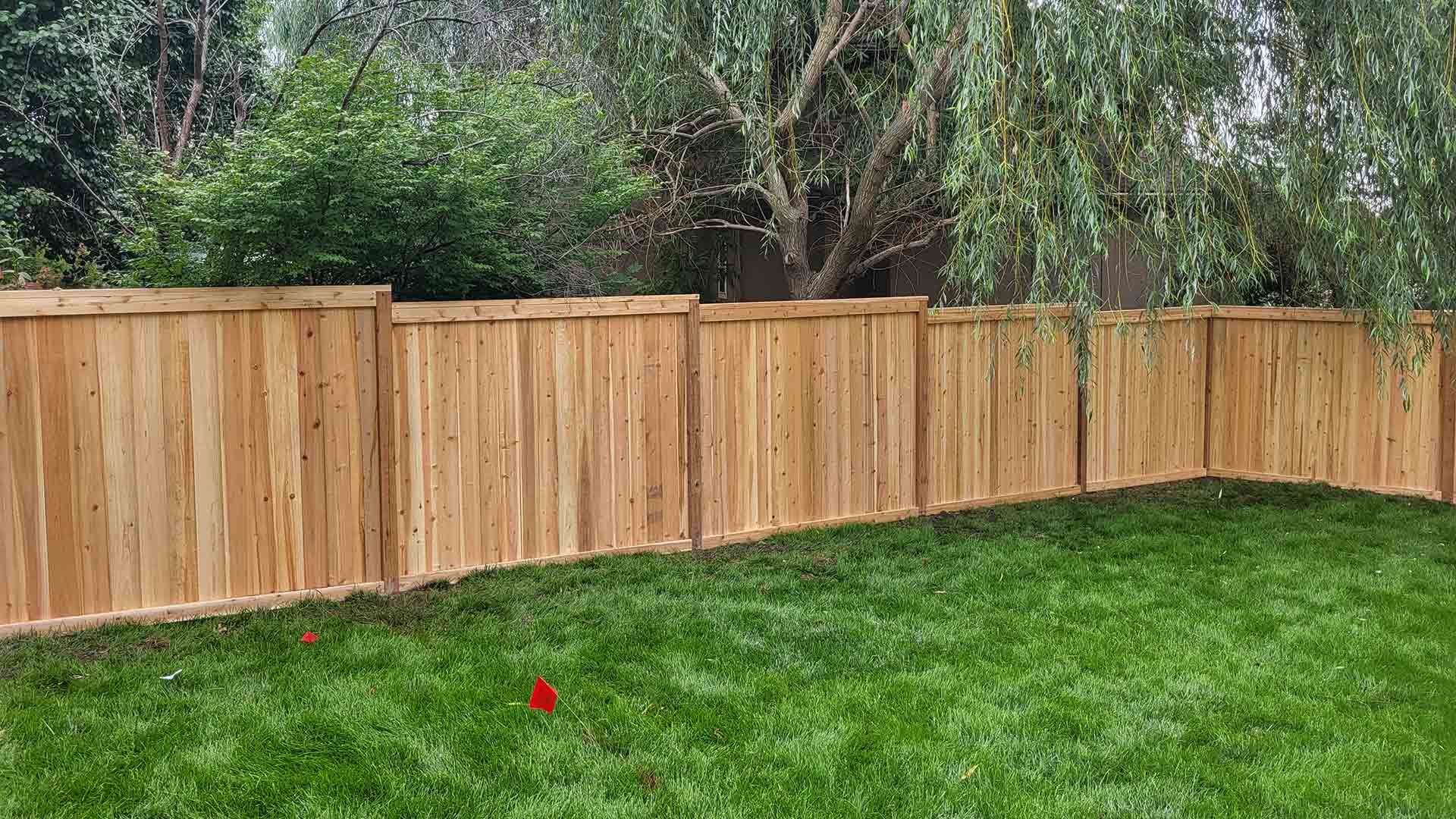
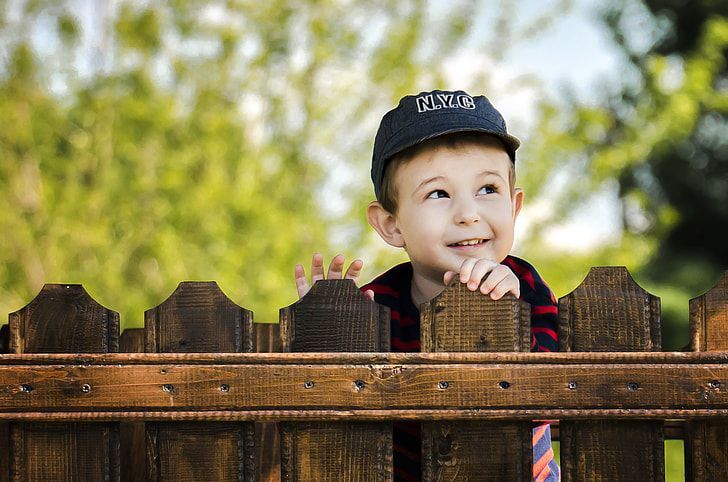
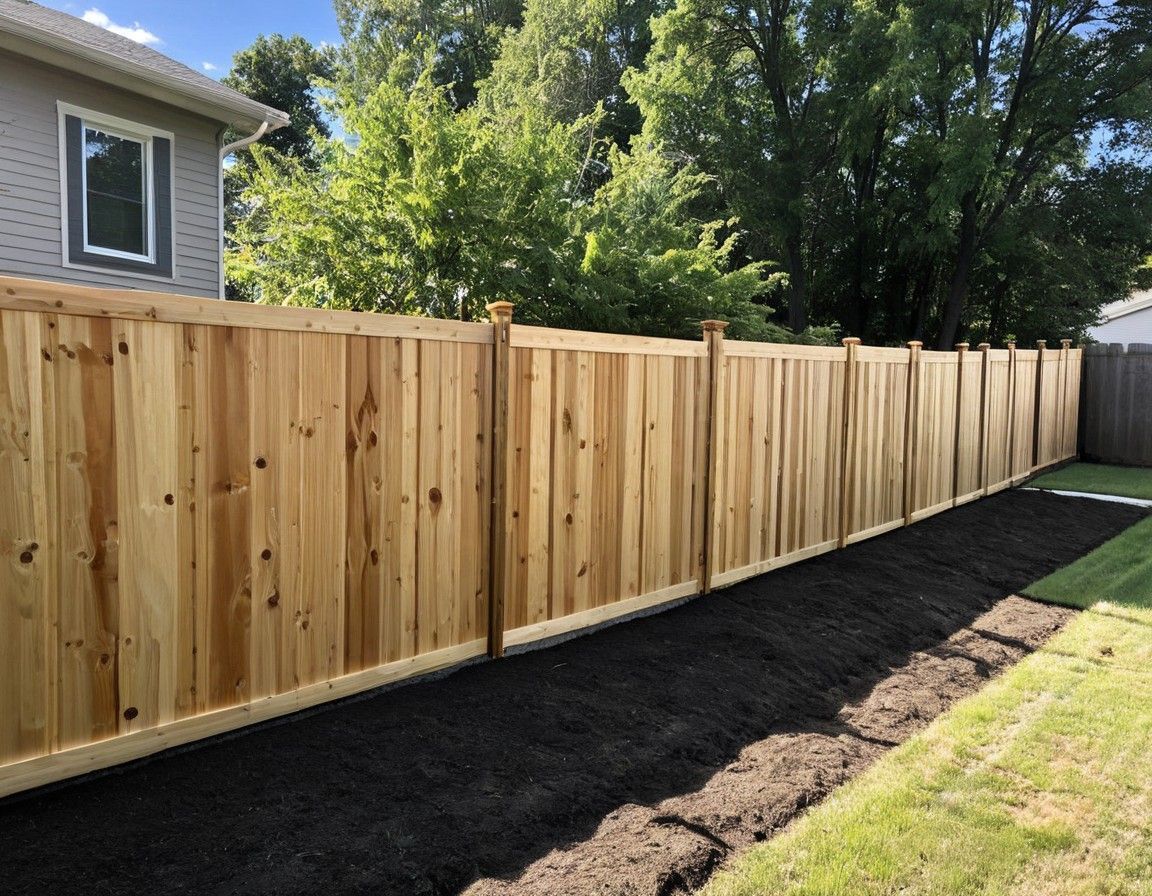
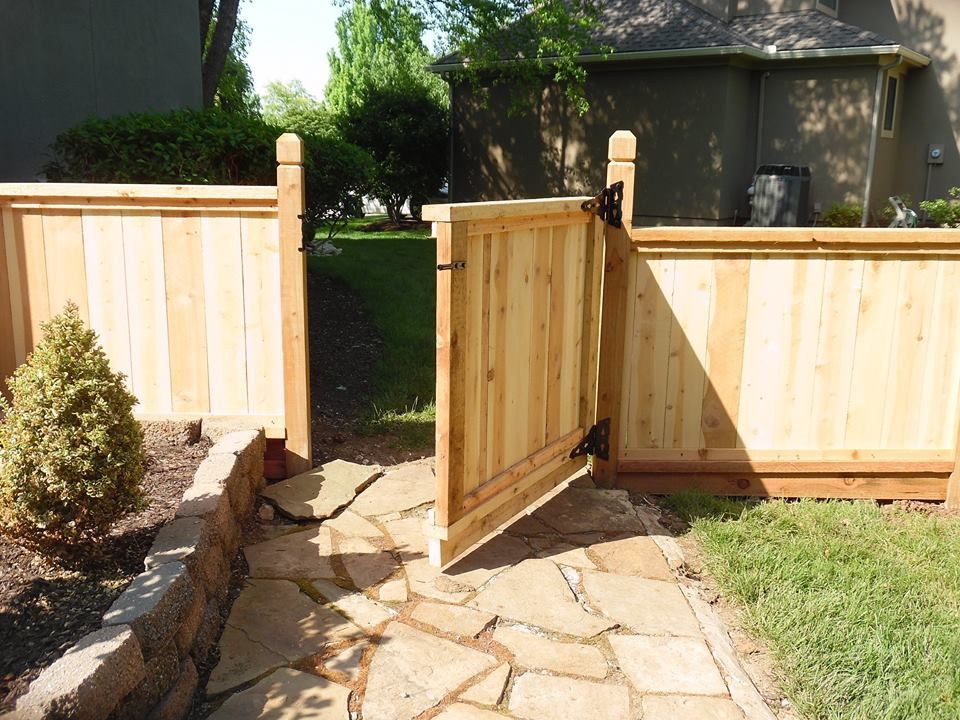
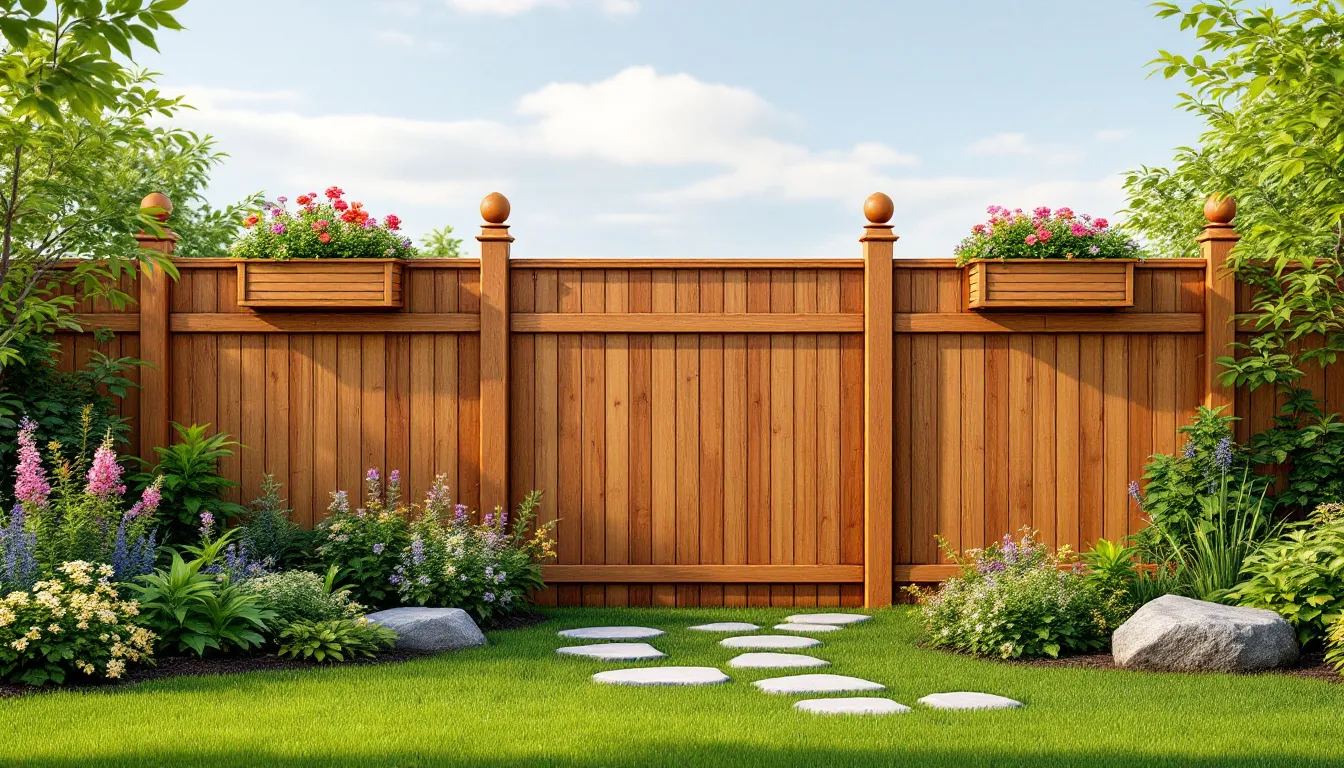
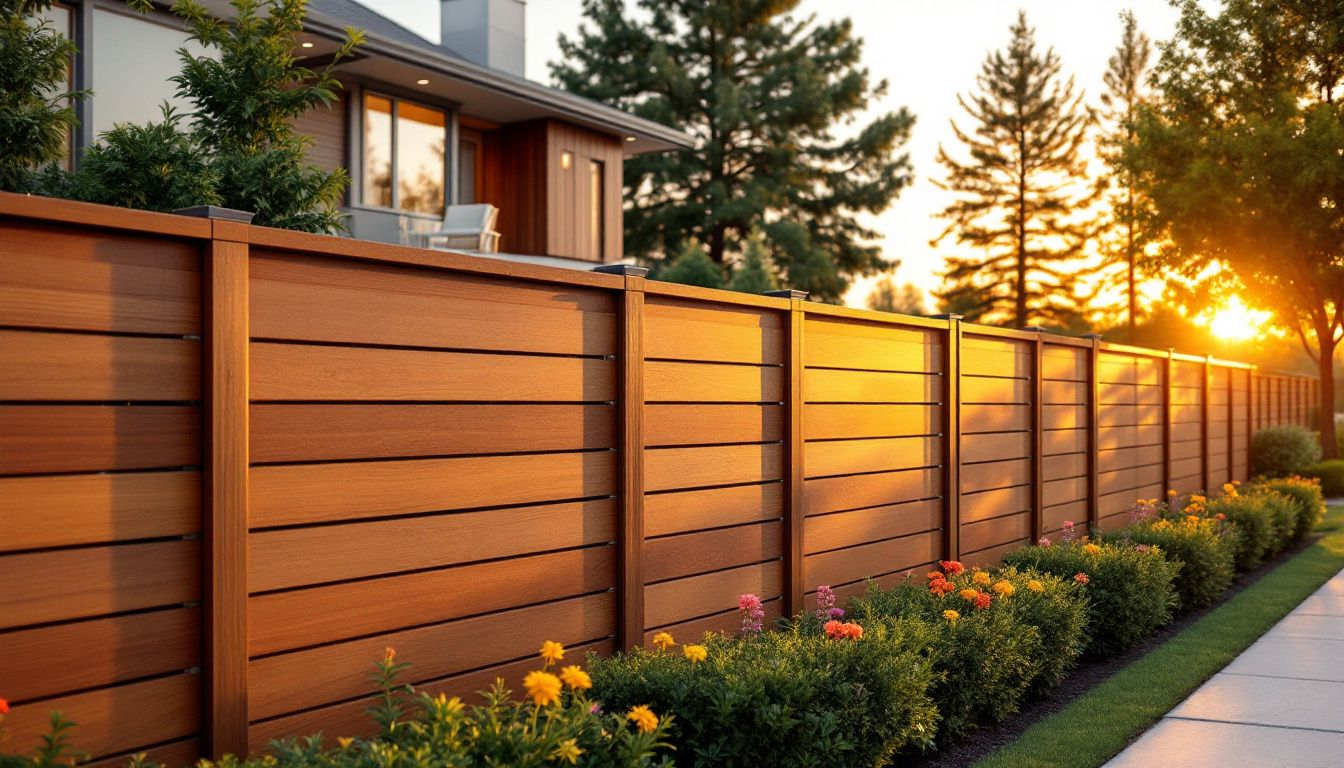
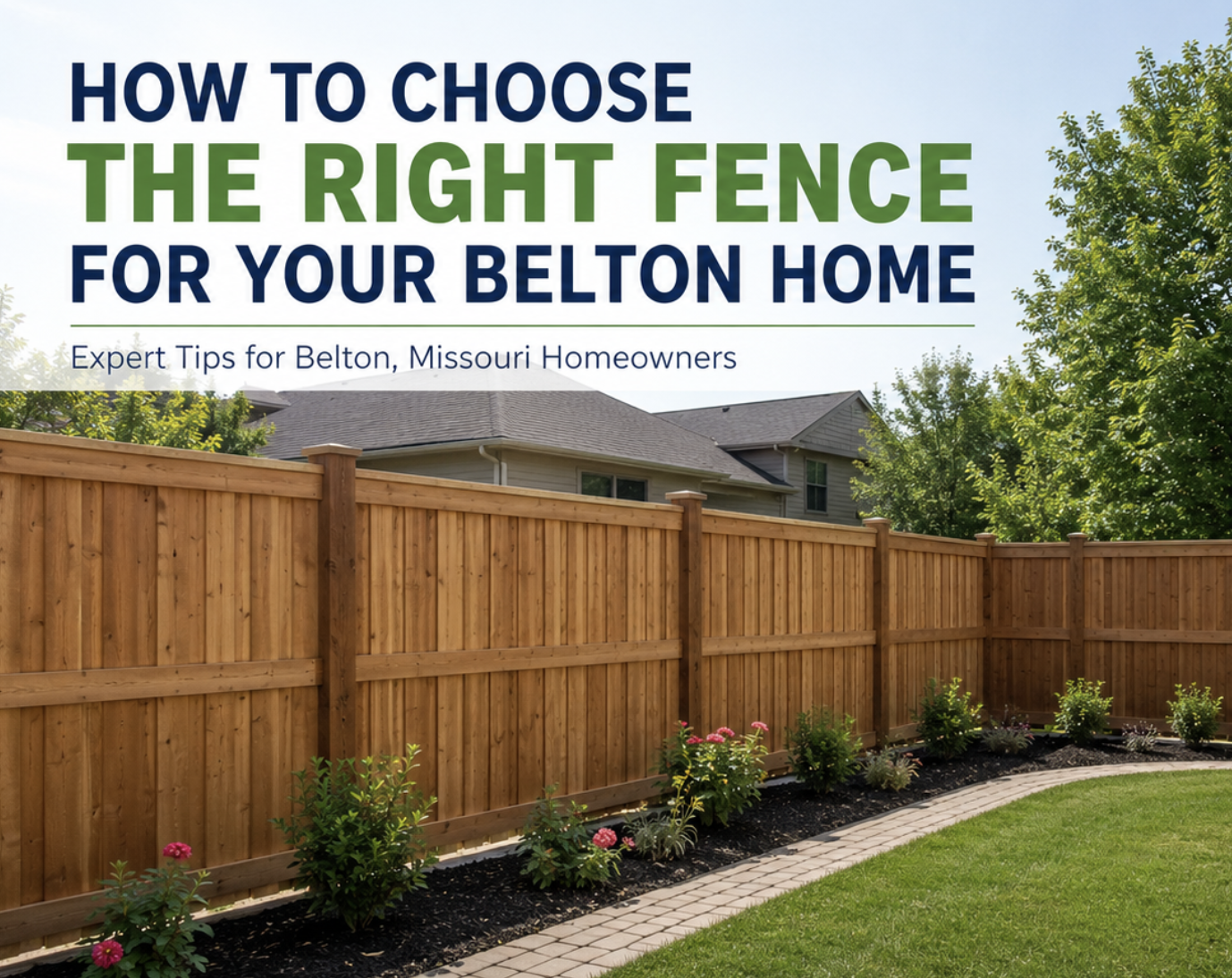
1. Cedar Privacy Fence – Best Overall 🏆
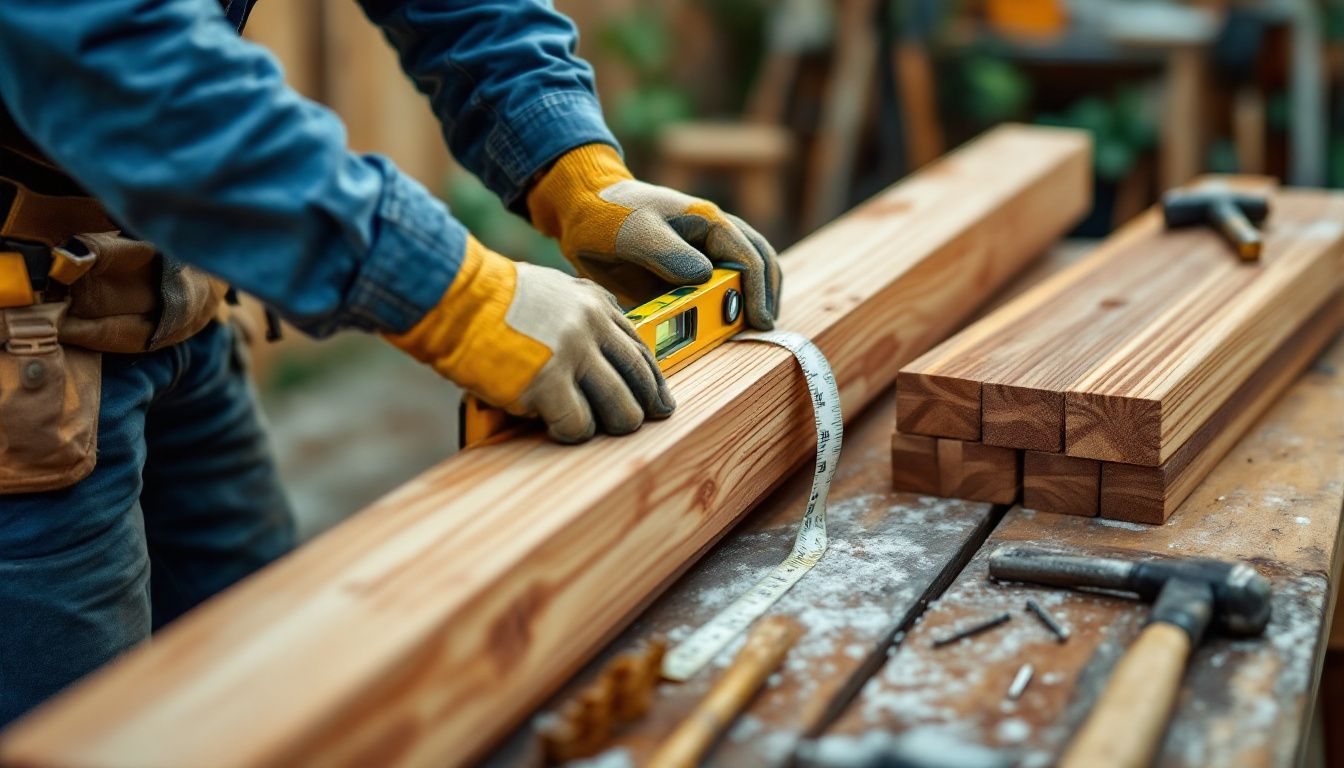
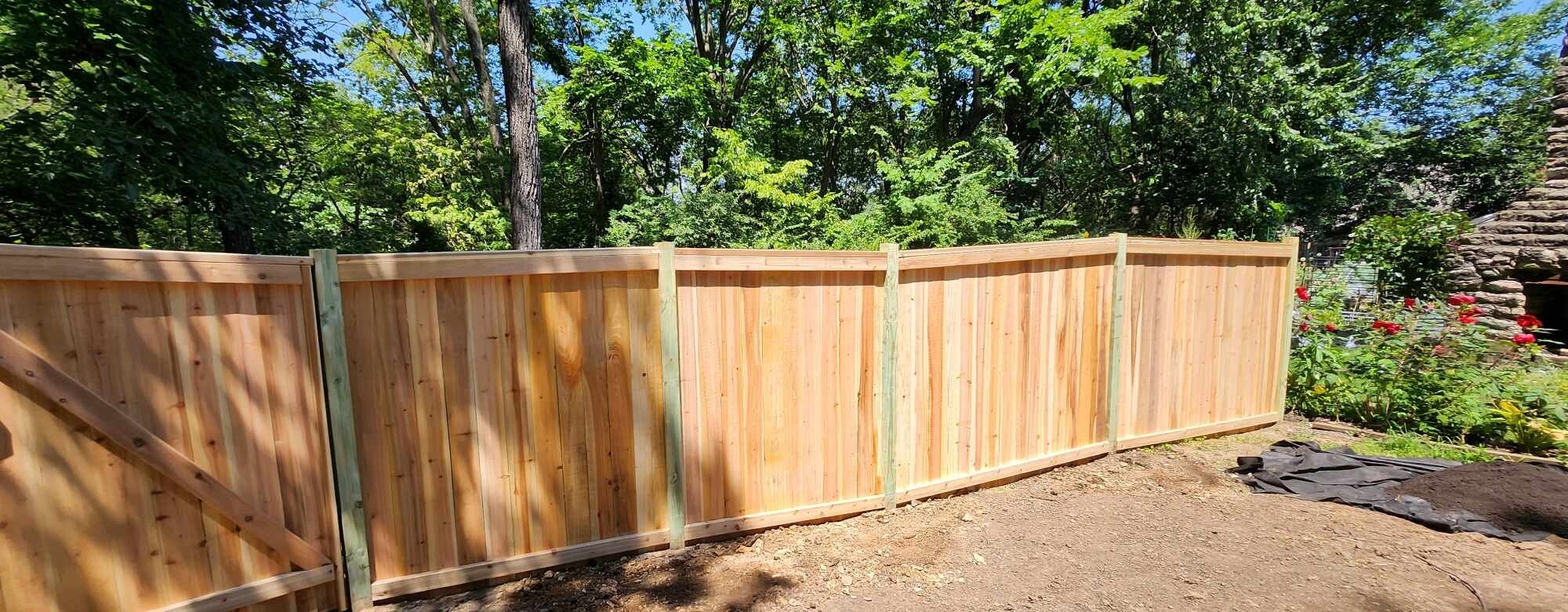
A 6-foot cedar privacy fence is one of the most popular choices for dog owners, especially in the Midwest.
Why It’s Great for Dogs
- Prevents dogs from seeing distractions like squirrels, other pets, or passing cars
- Reduces the temptation to bark at people walking by
- Difficult to climb
- Strong and durable
- Natural, attractive appearance
Many dog owners find that eliminating outside visual distractions helps reduce excessive barking and fence-running behavior.
Best For
- Medium and large breeds
- Dogs that bark at neighbors
- Active dogs
- Families wanting both privacy and curb appeal
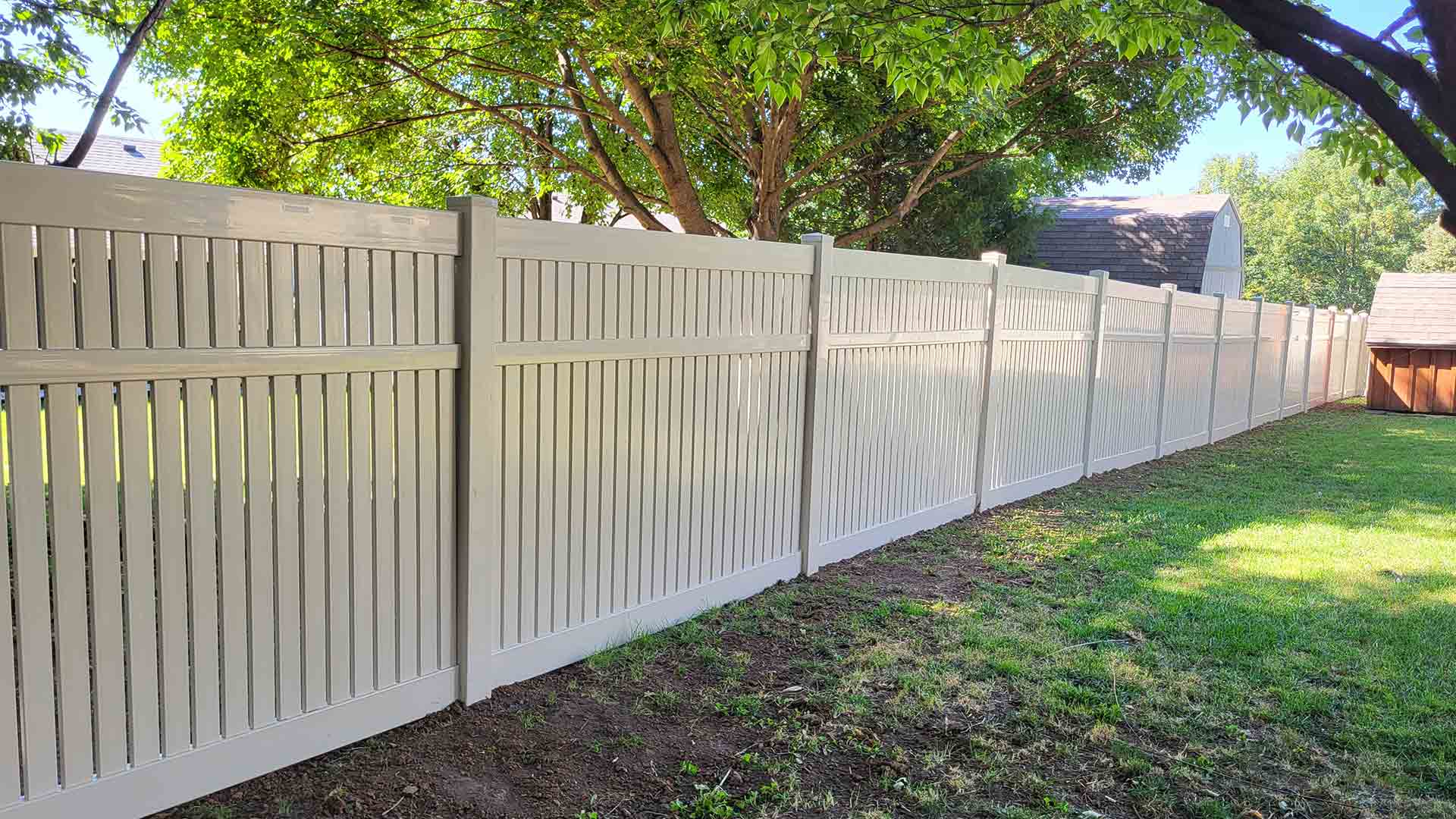
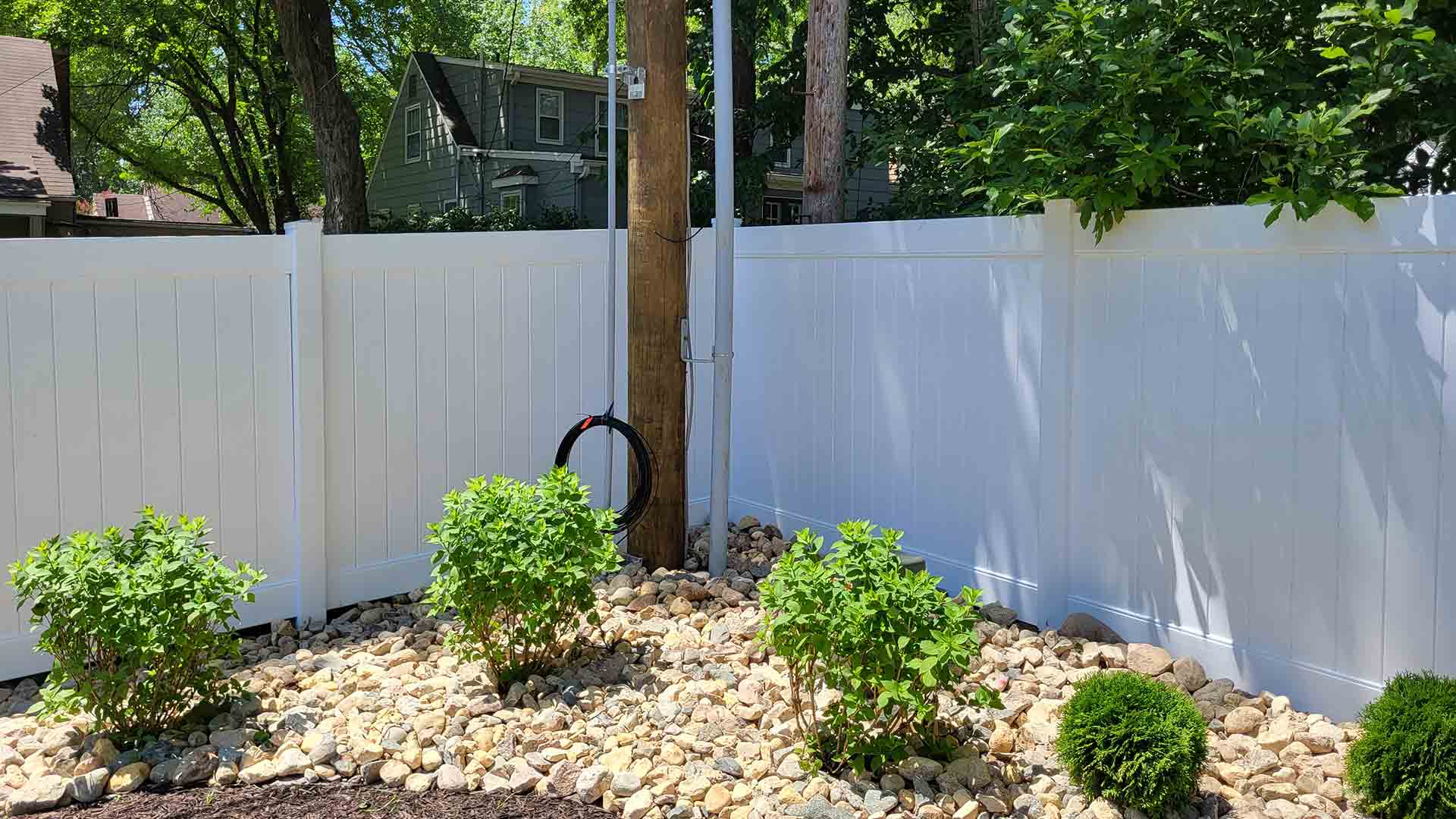
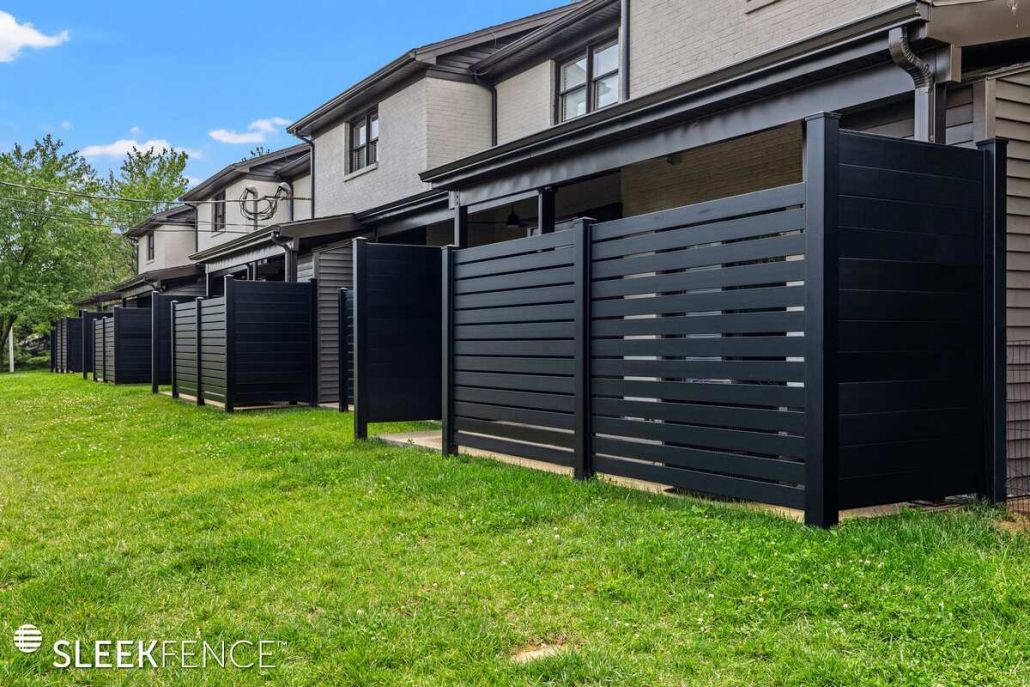
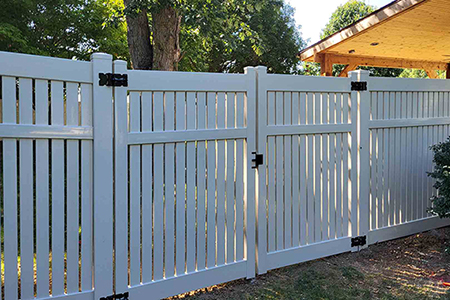
2. Vinyl Privacy Fence – Best Low-Maintenance Option
Vinyl fencing offers many of the same benefits as cedar but with less maintenance.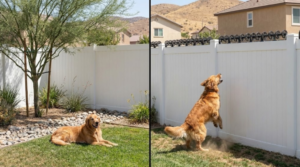
Benefits
- No gaps between pickets
- Won’t rot or splinter
- Easy to clean
- Doesn’t require staining or painting
Vinyl is an excellent choice for busy families who want a clean, polished look with minimal upkeep.
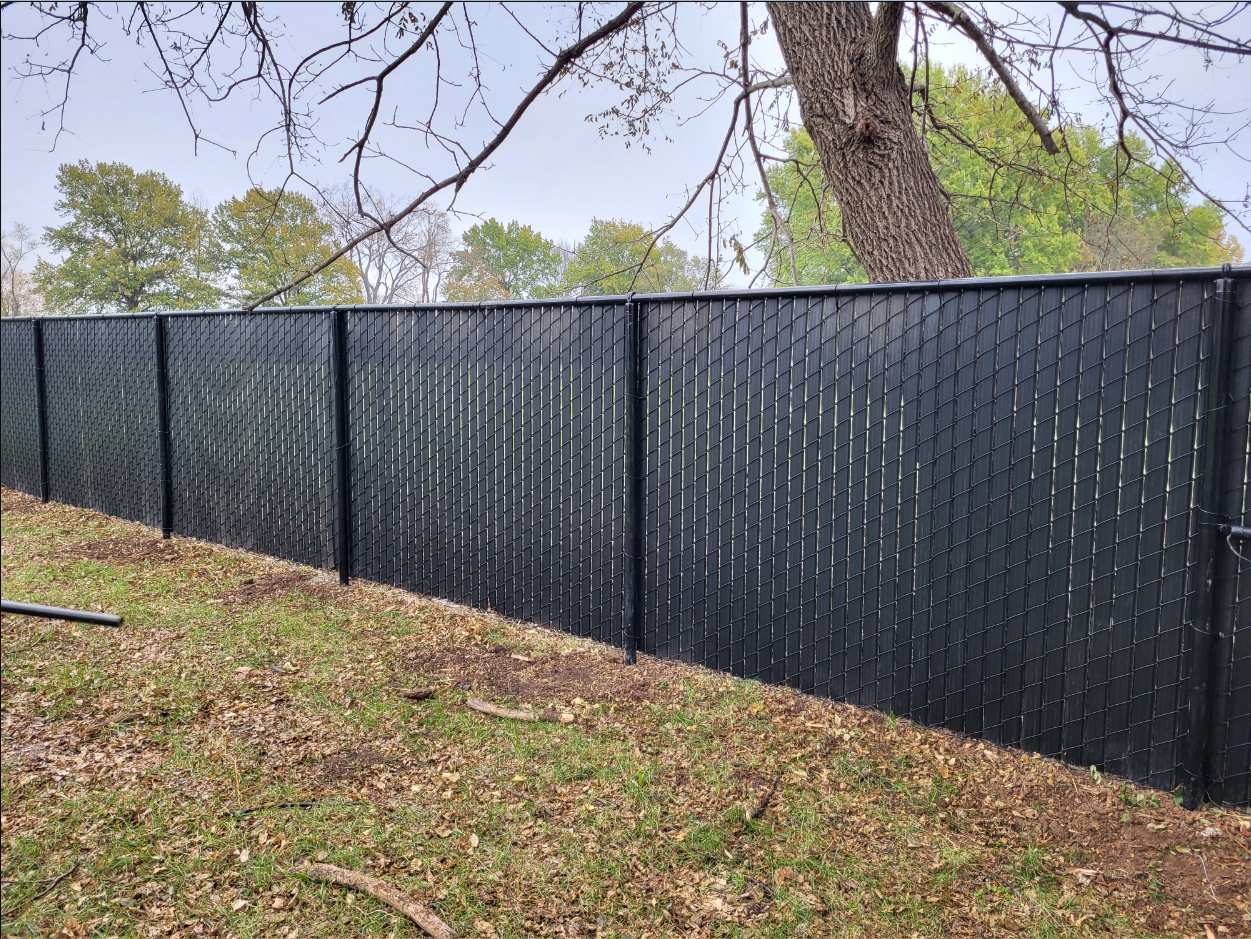
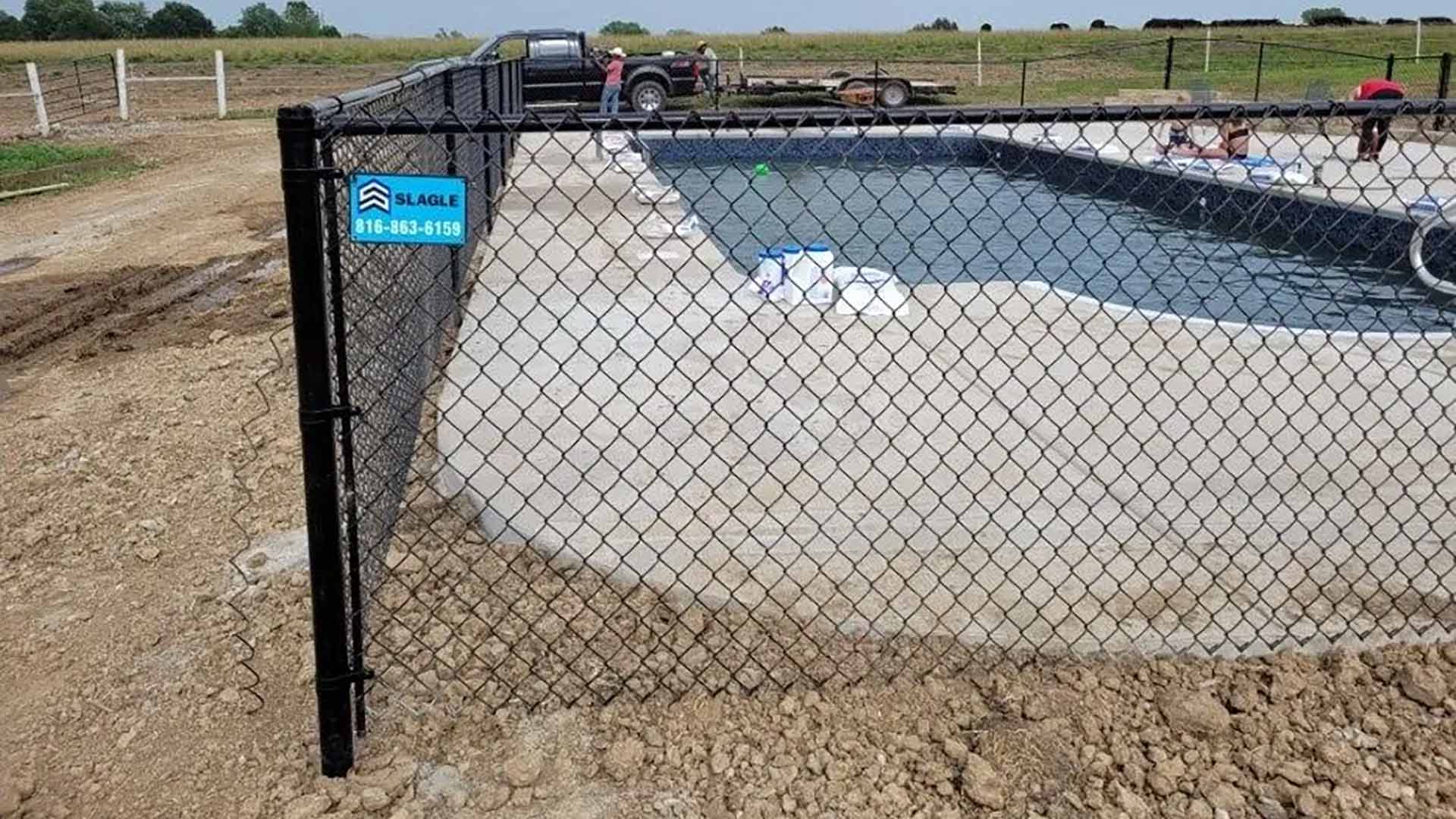
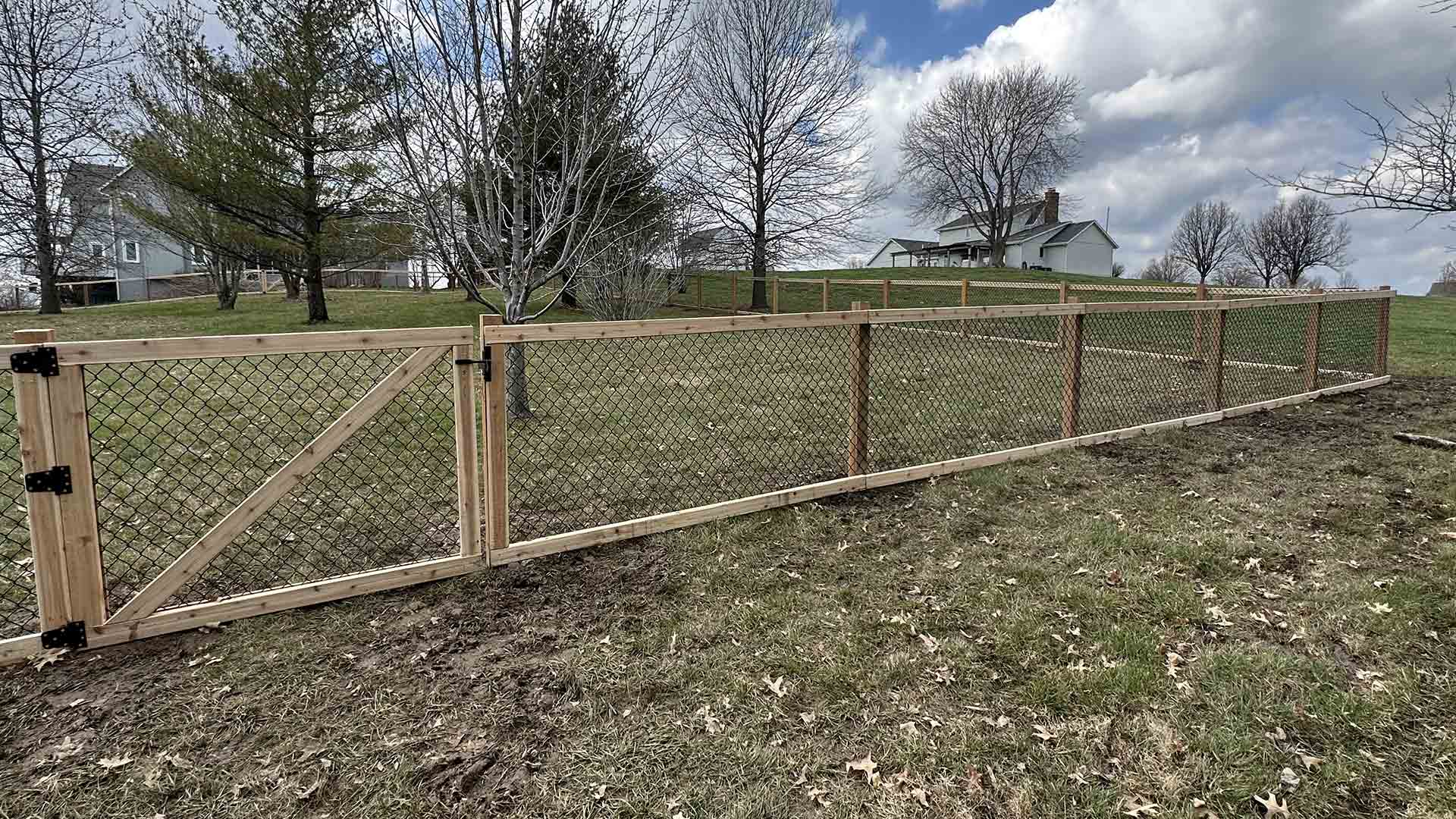
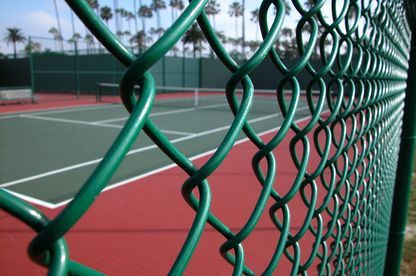
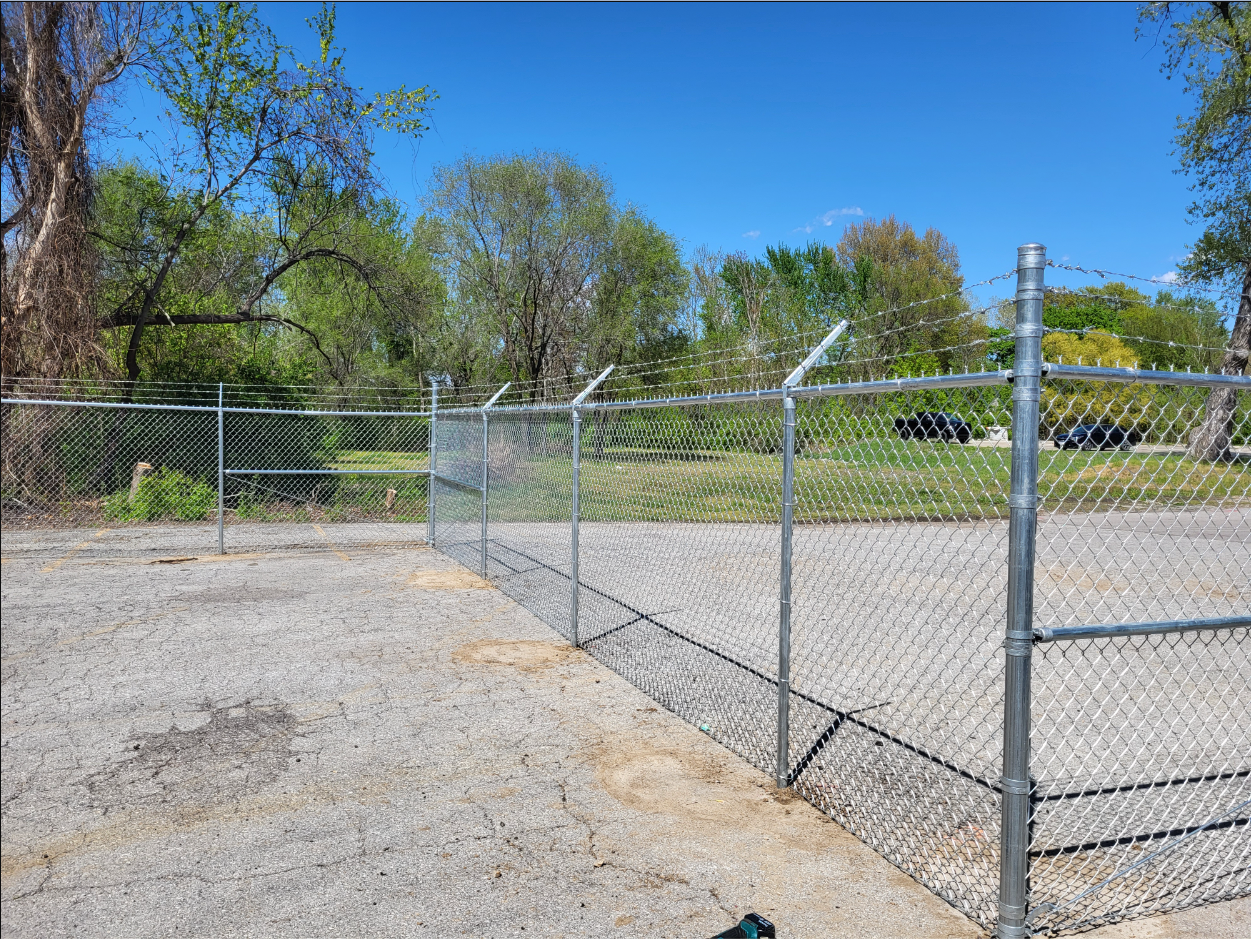
3. Chain Link Fence – Best Budget-Friendly Option
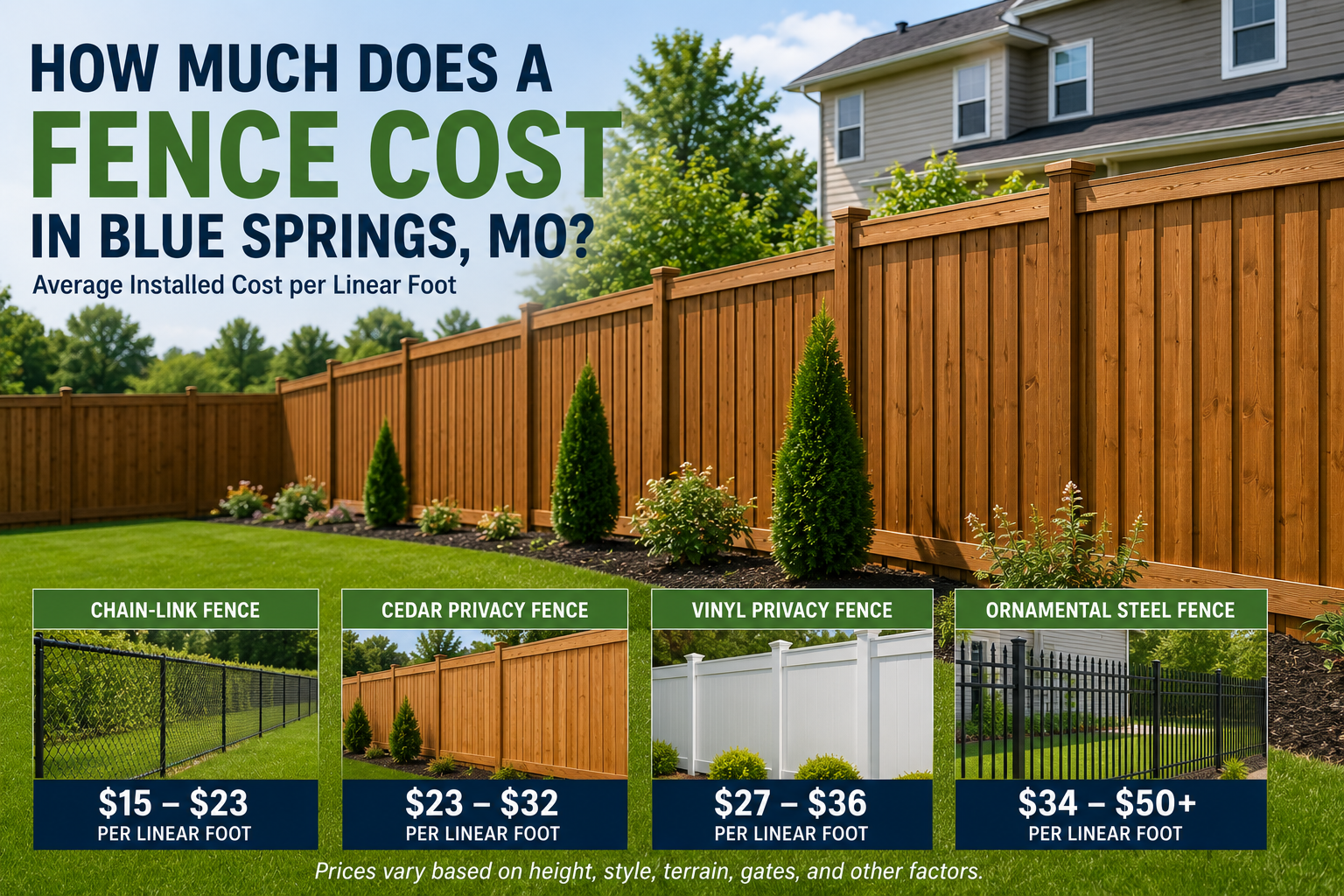
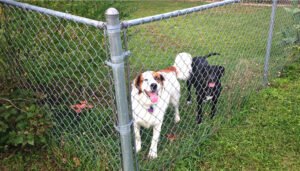 Chain link remains one of the most affordable ways to safely contain a dog.
Pros
- Lower installation cost
- Long lifespan
- Great visibility
- Ideal for large yards
Cons
- Dogs can see everything outside the yard, which may encourage barking or pacing.
- Some agile dogs can climb chain-link fencing.
- Offers no privacy.
For climbers, adding a privacy screen may help reduce distractions, but it won’t necessarily stop a determined escape artist.
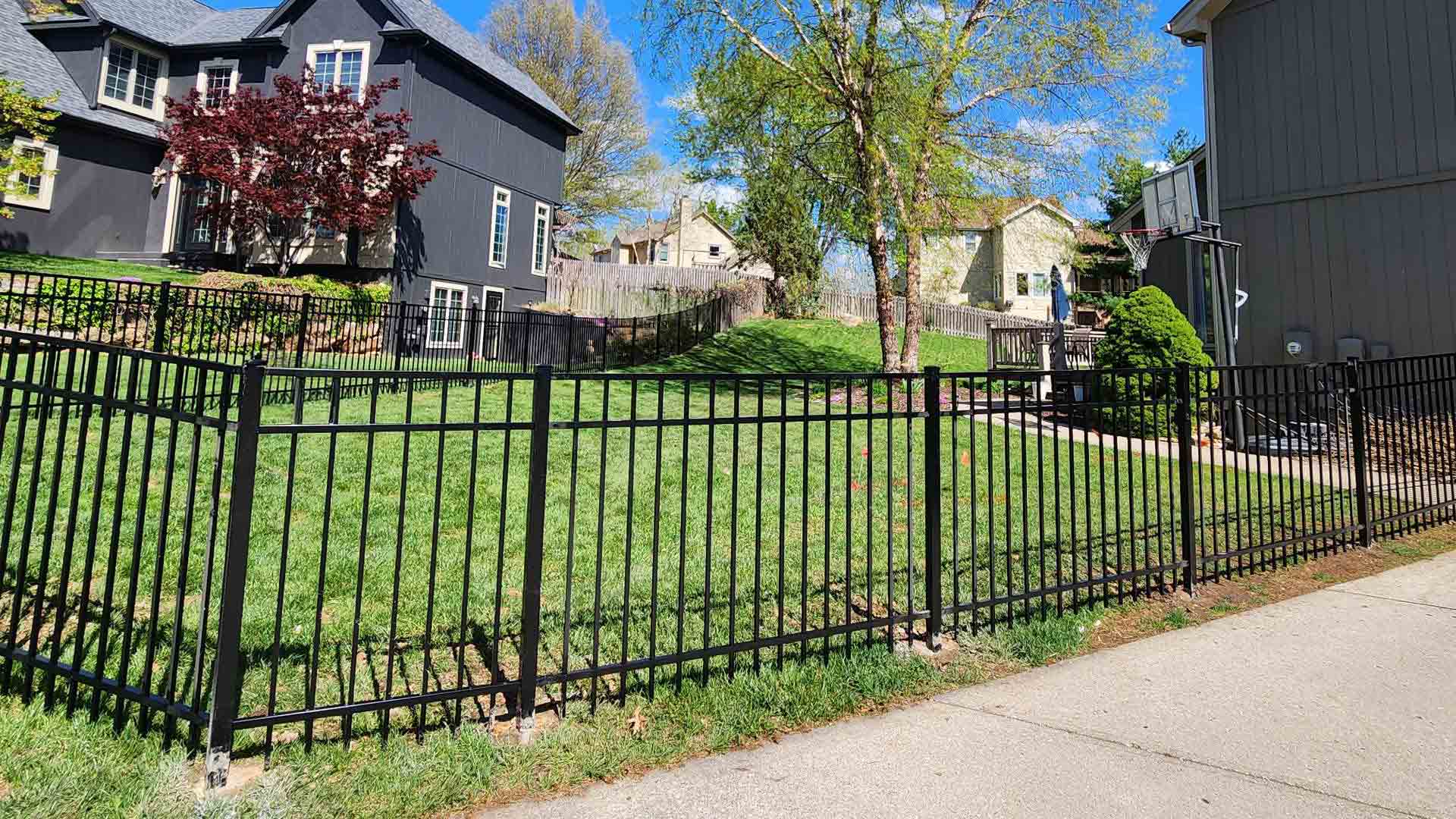
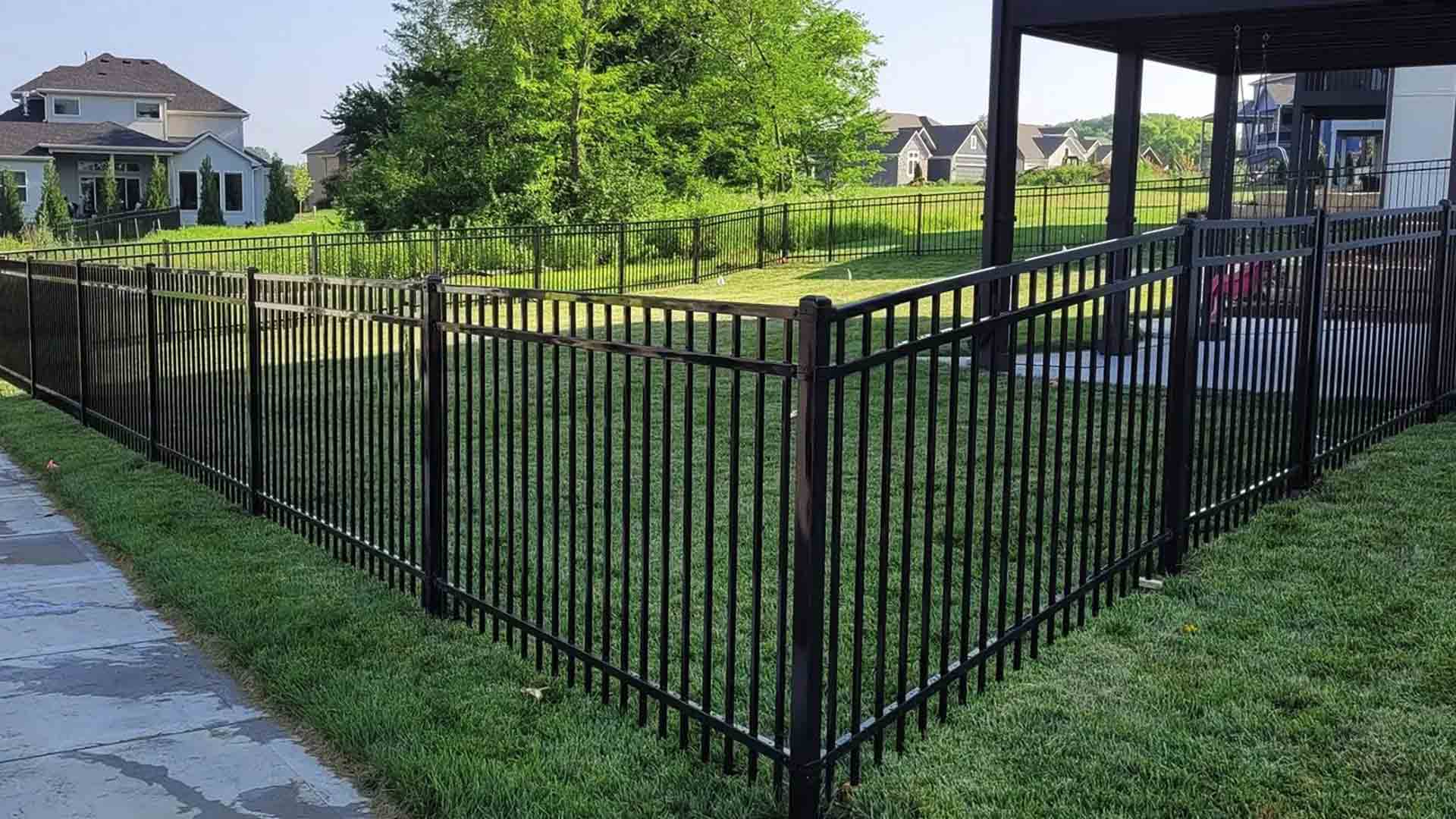
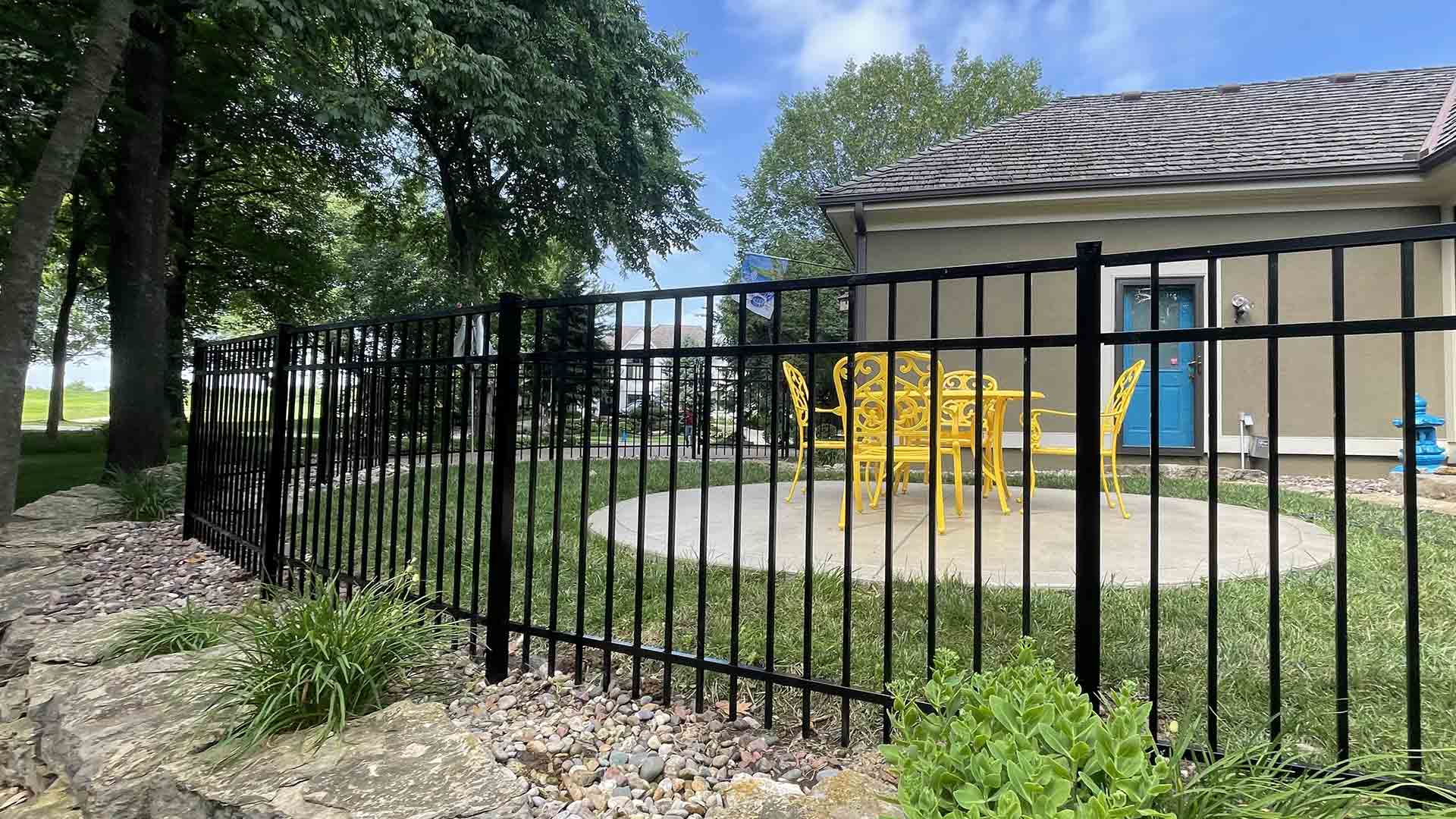
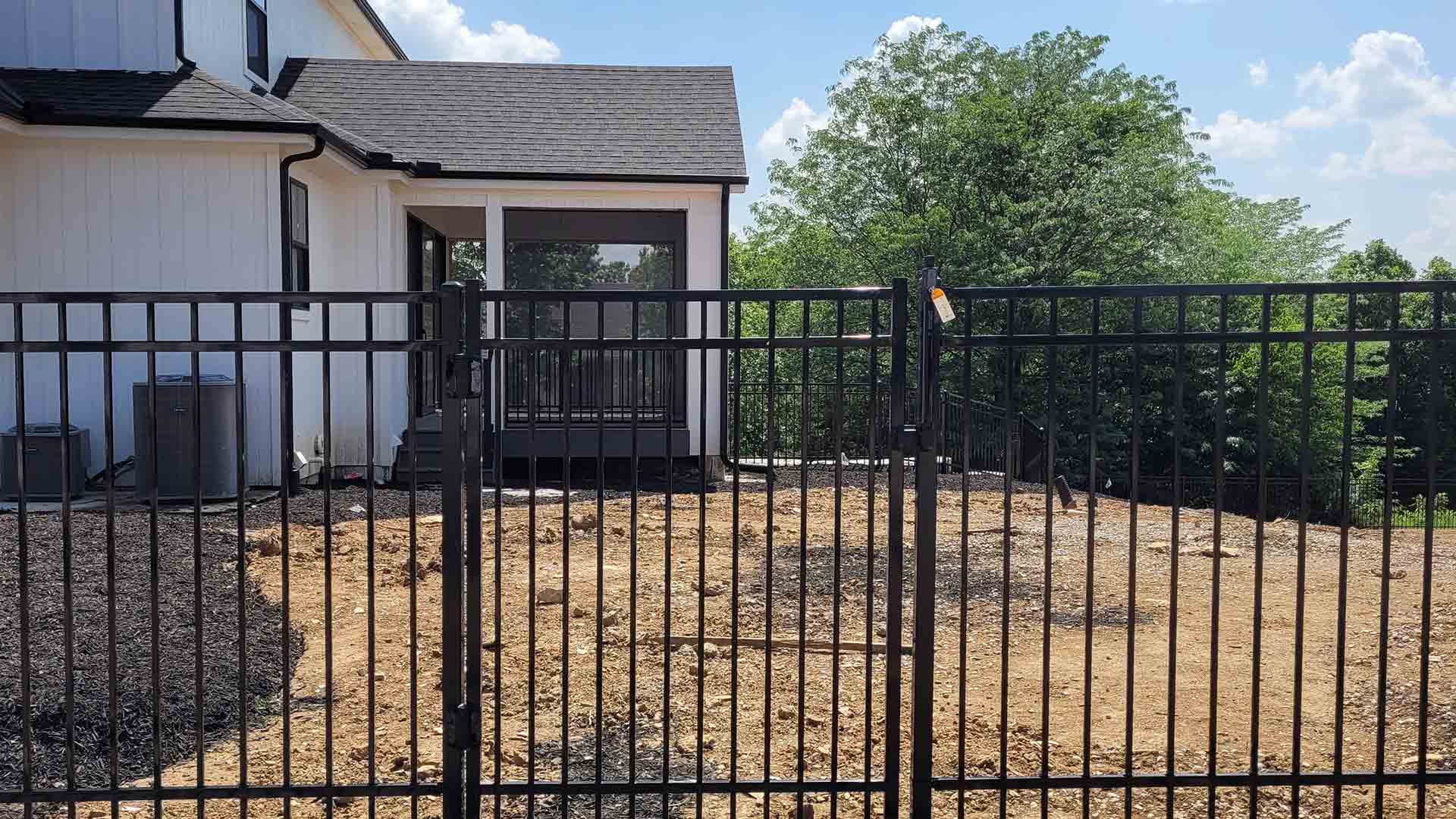
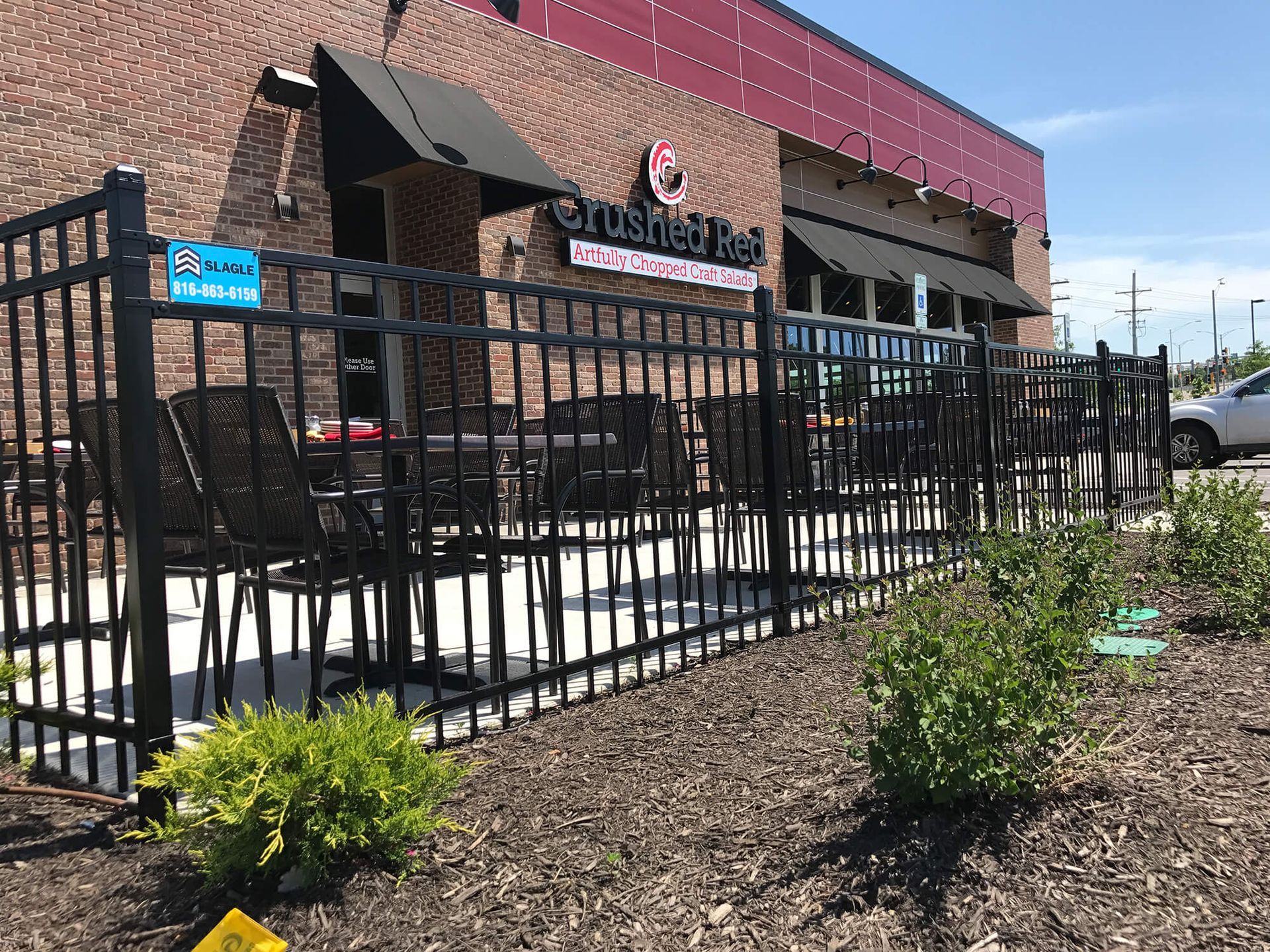
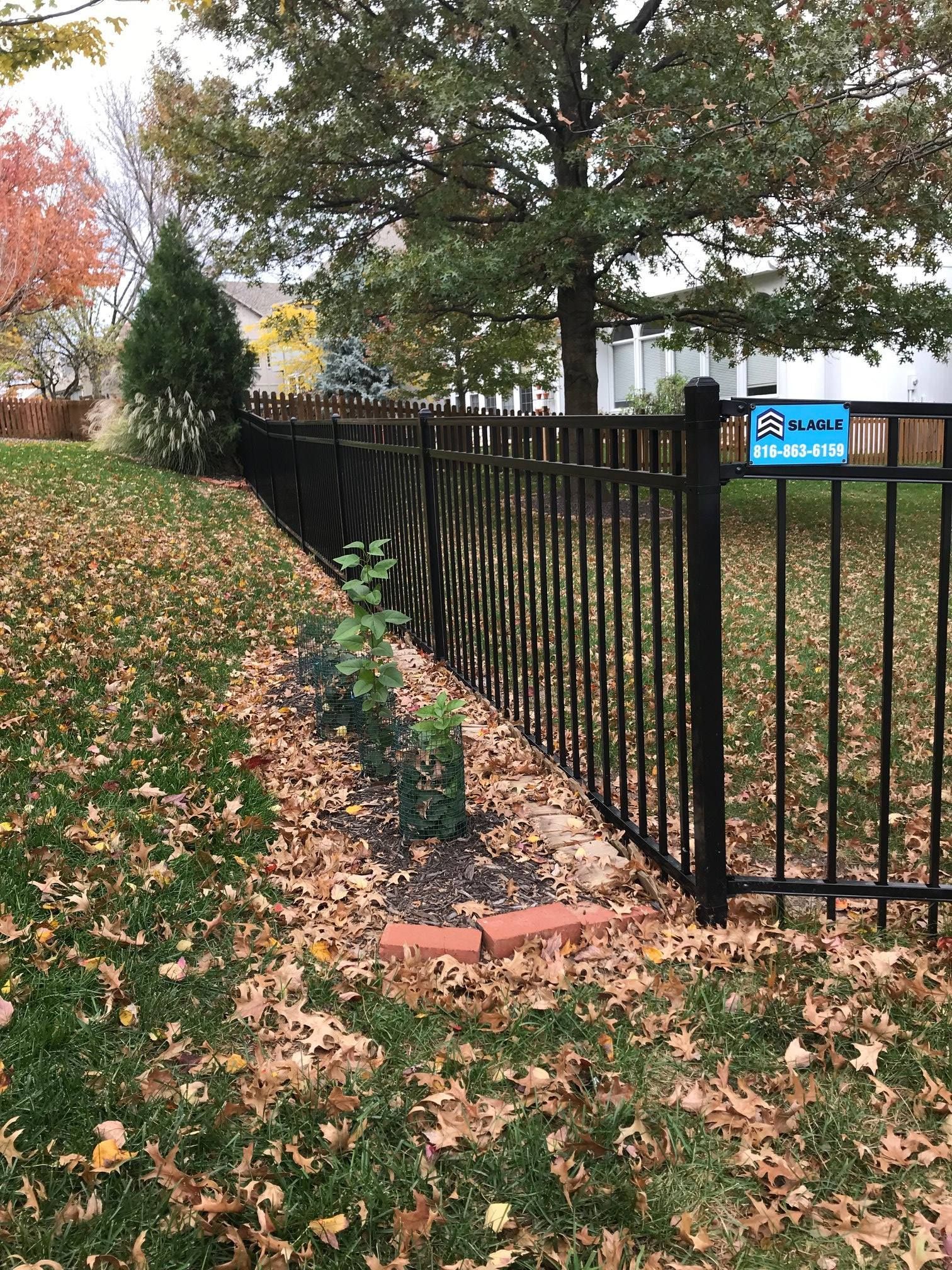
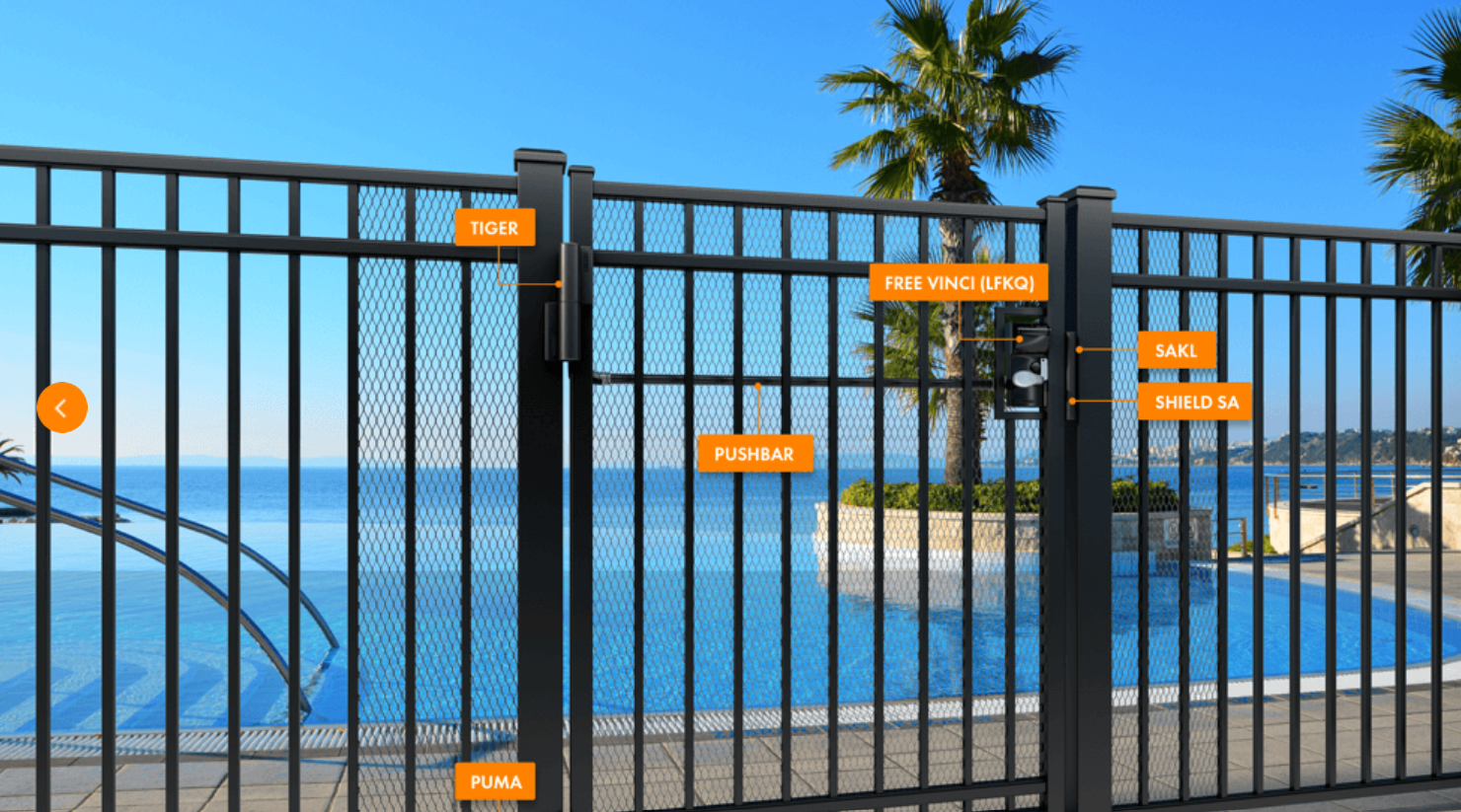
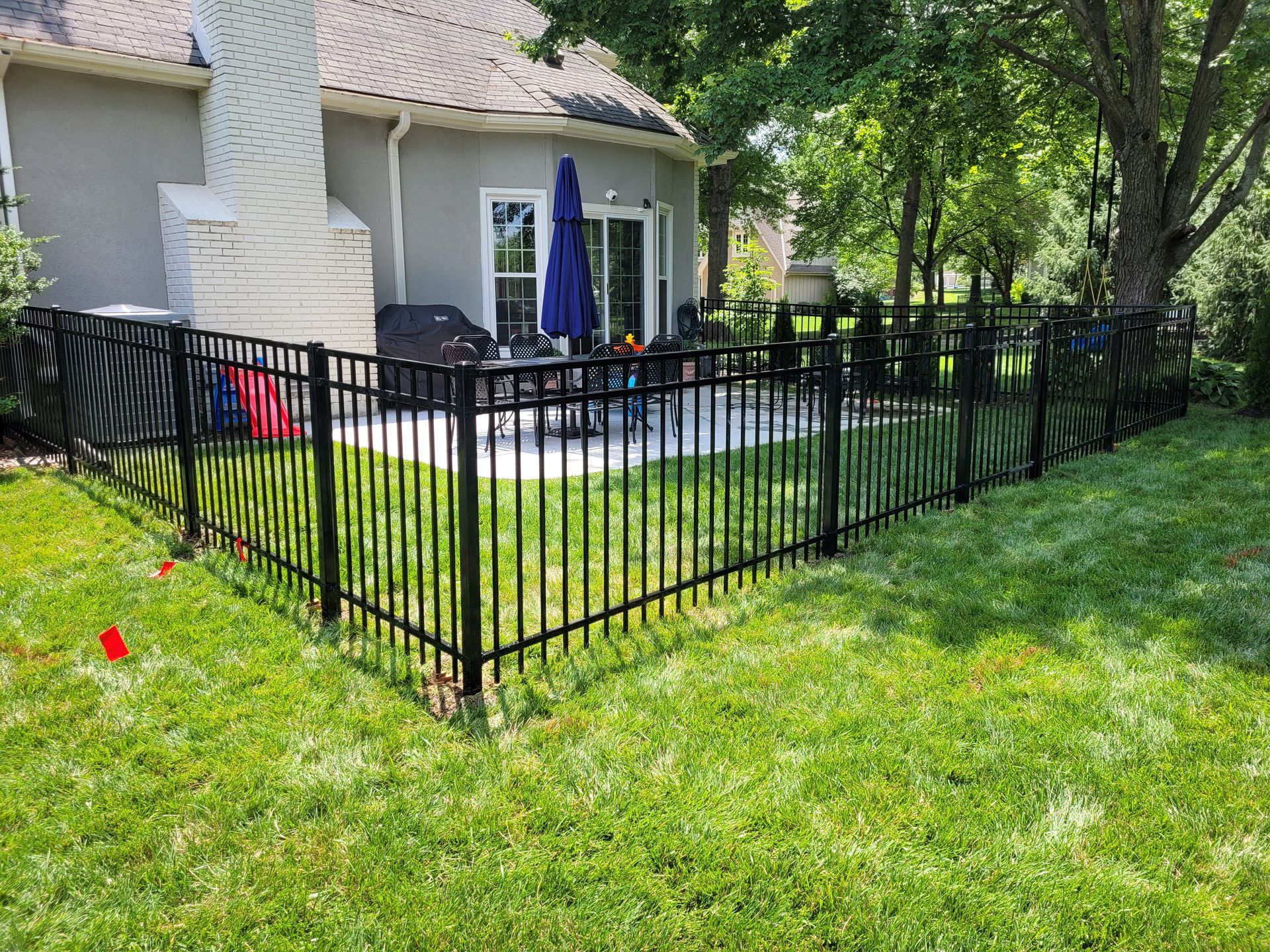
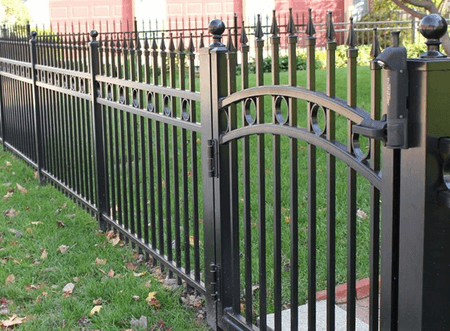
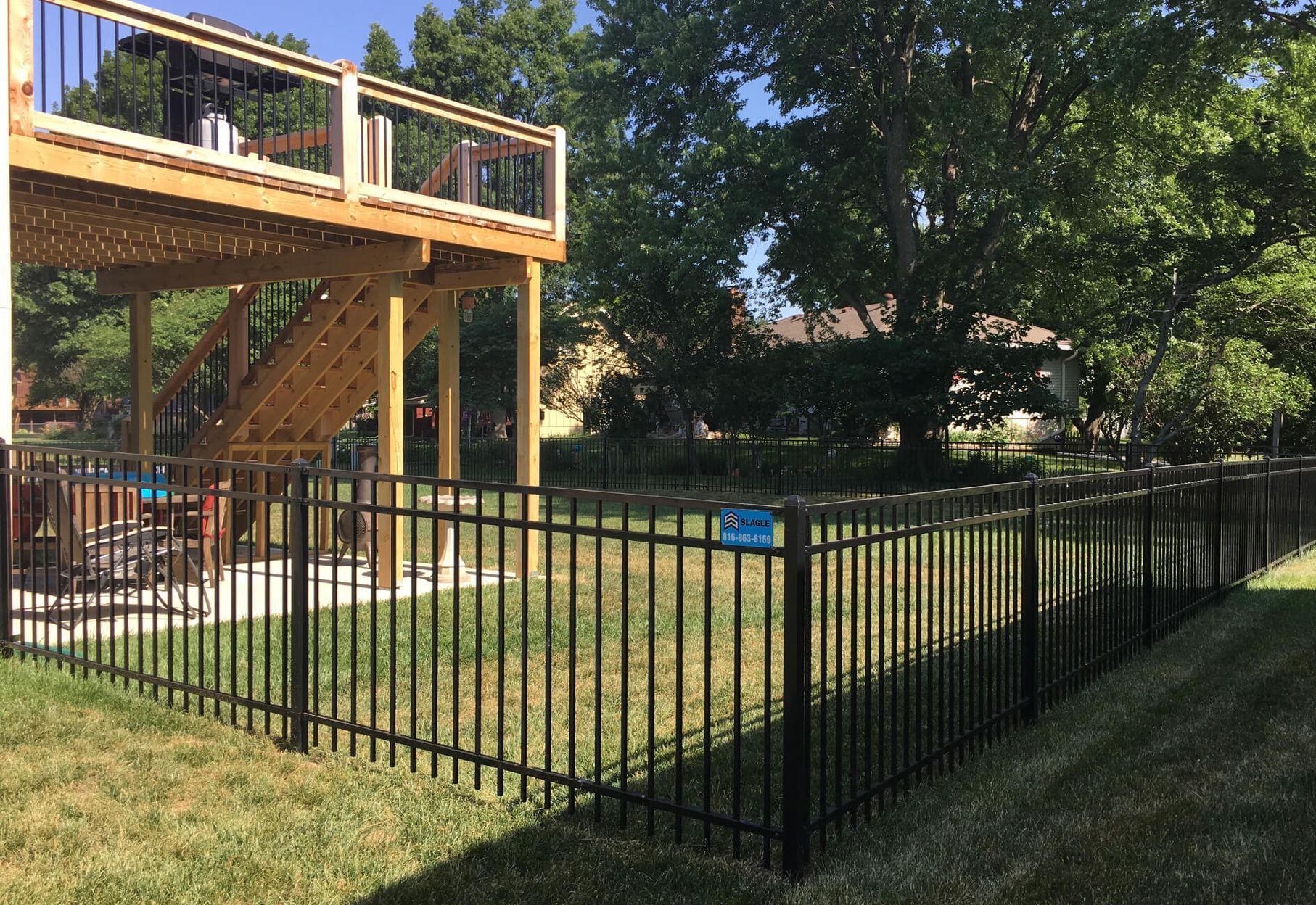
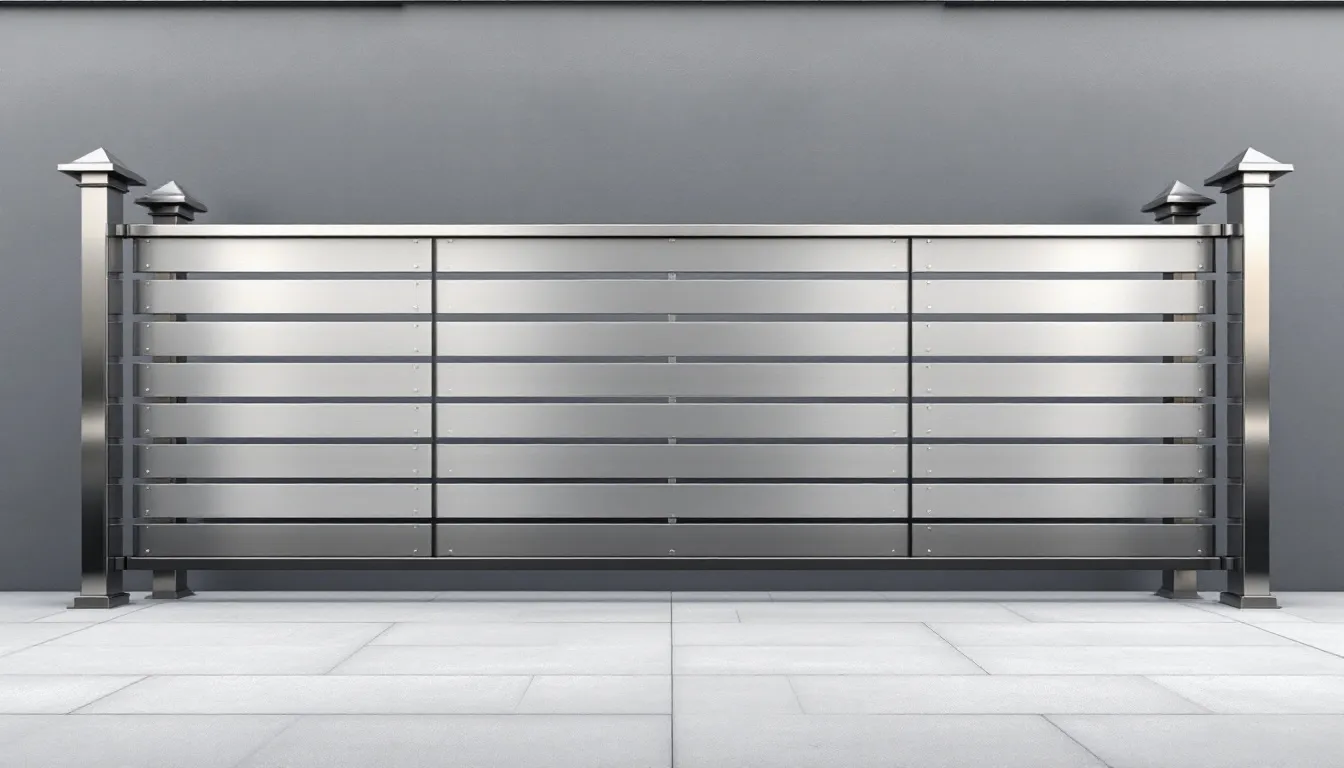
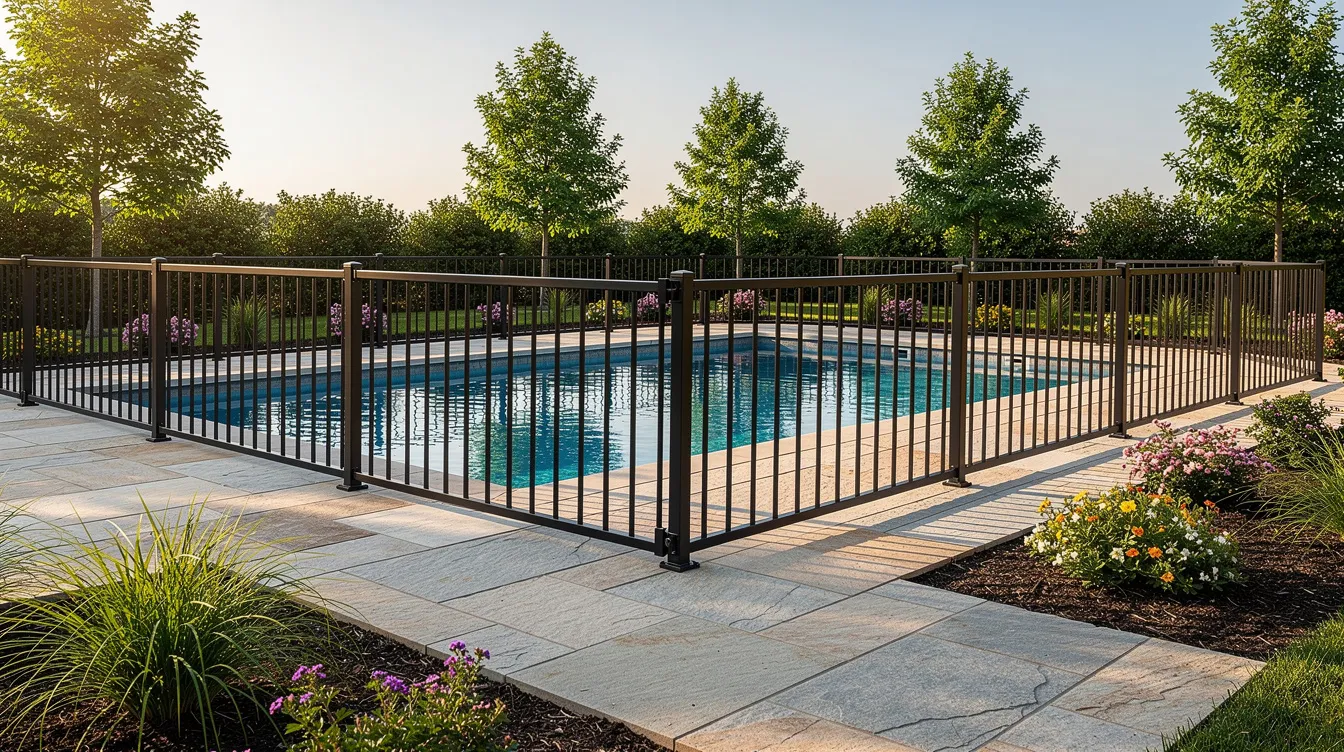
4. Aluminum Fence – Best for Calm Dogs
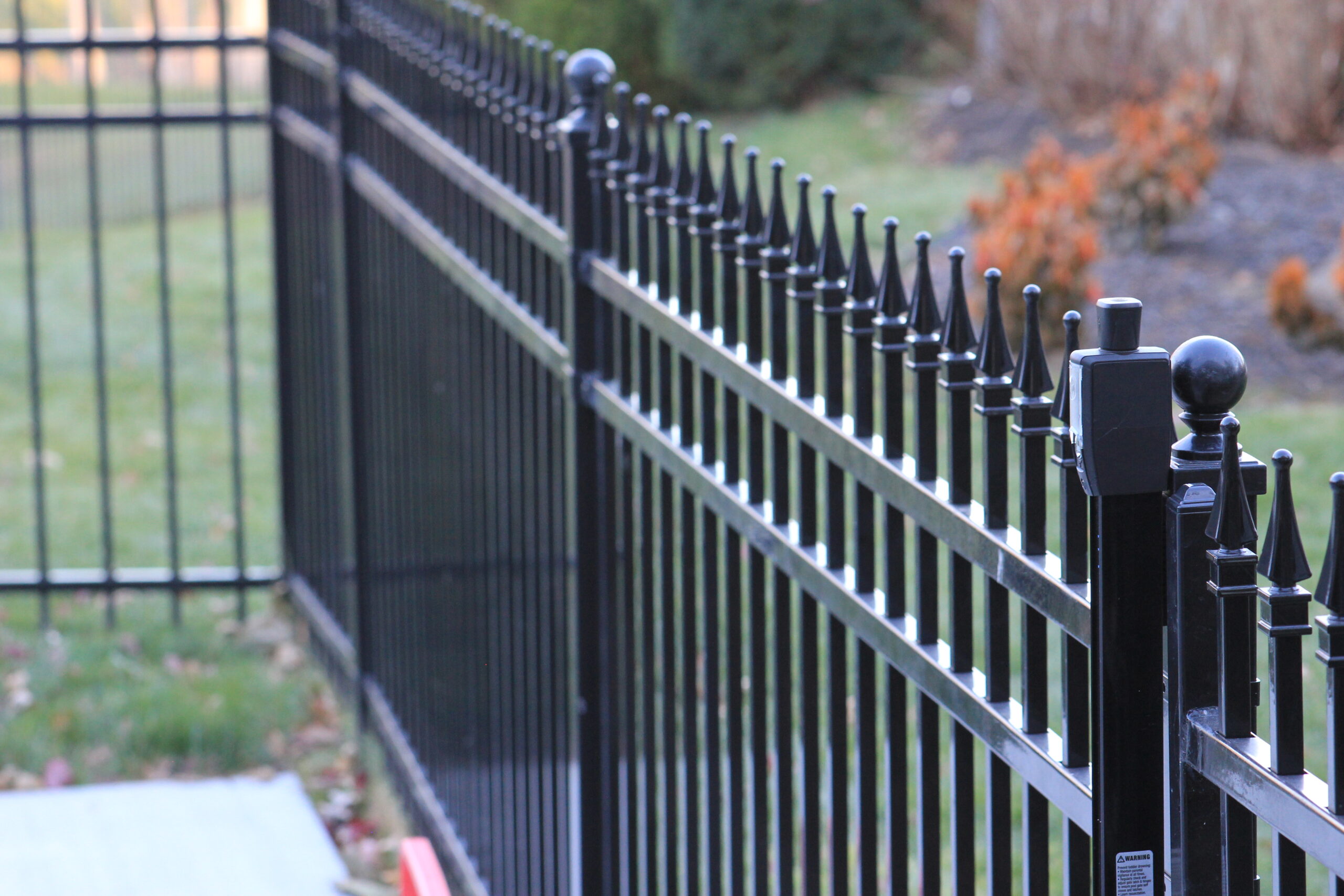
Aluminum fencing is elegant and durable, but it’s not the best choice for every dog.
Great For
- Well-trained dogs
- Larger breeds that don’t squeeze through openings
- Homes with scenic views
- Pool areas
Considerations
Because aluminum fencing has open pickets, it may not be suitable for:
- Very small dogs that can fit between pickets
- Dogs that react to every passerby
- Persistent escape artists
Many manufacturers offer “puppy picket” options with tighter spacing near the bottom to help contain smaller dogs.
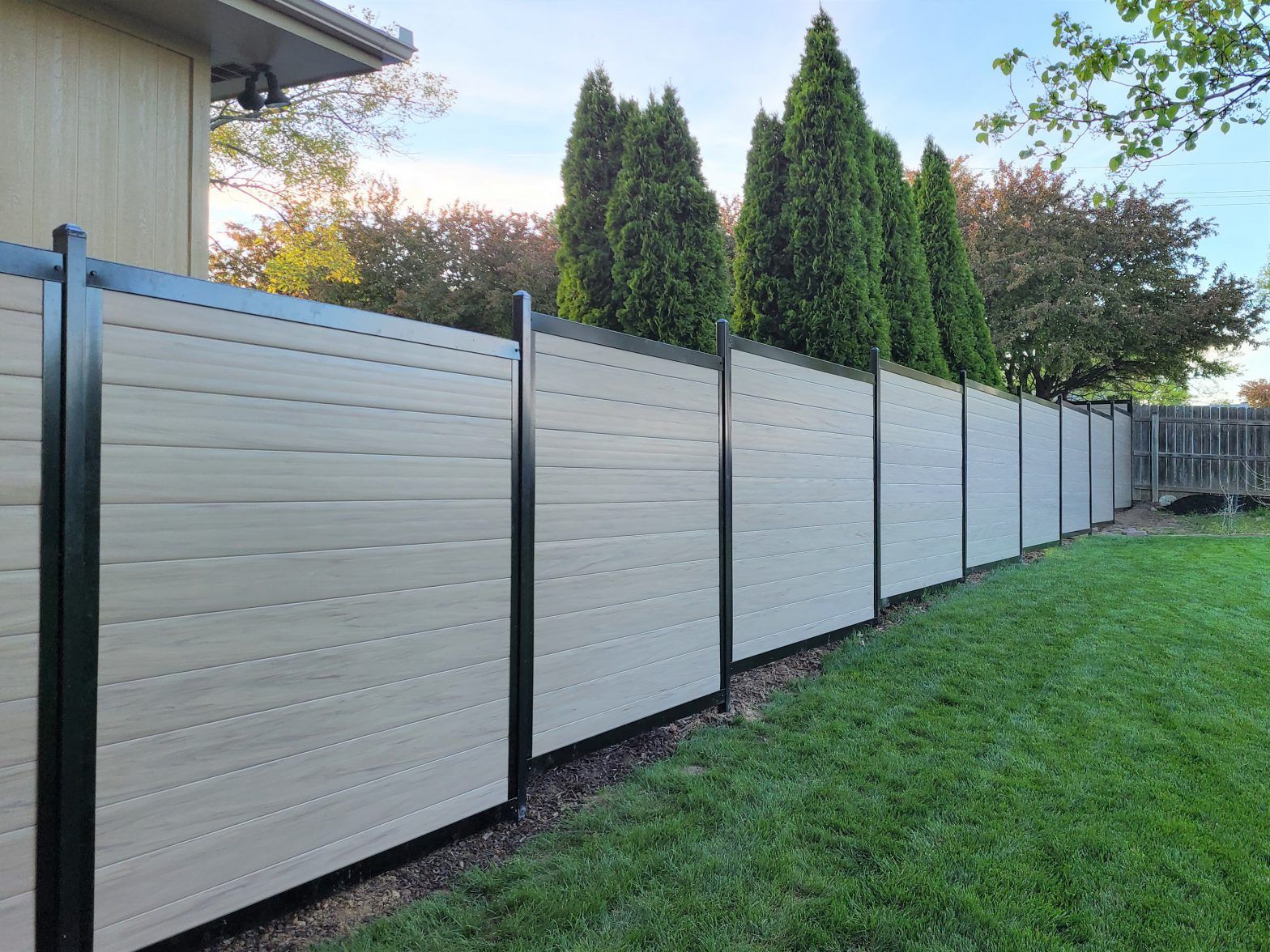
5. Composite Fence – Best Premium Choice
 Composite fencing combines the privacy of wood with exceptional durability.
Benefits
- Excellent privacy
- Very low maintenance
- Resistant to rot and insects
- Long lifespan
- Modern appearance
It’s an excellent investment for homeowners planning to stay in their home for many years.
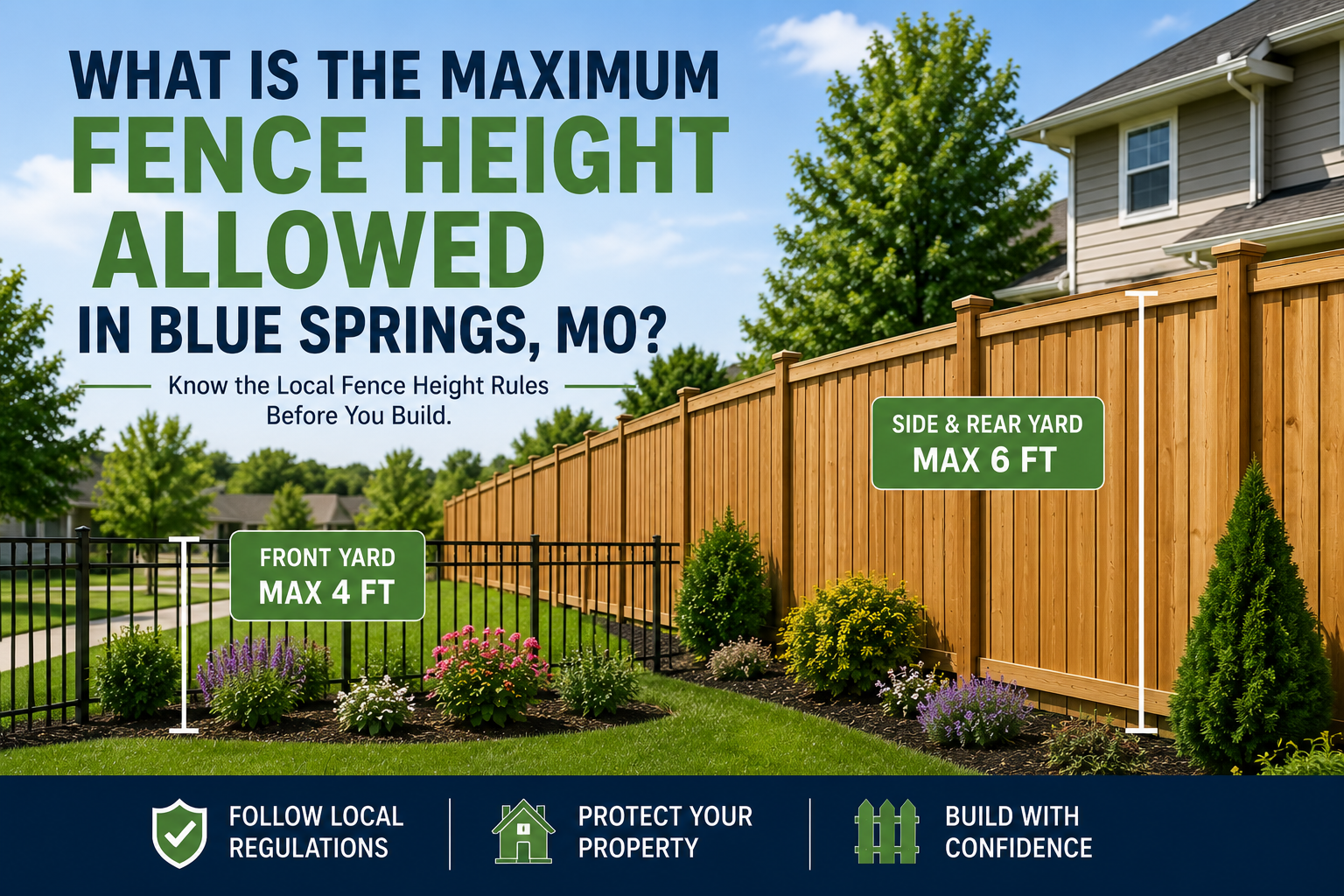
Fence Height Matters
The right height depends on your dog’s size and athletic ability.
Small Dogs (Under 25 lbs.)
A 4-foot fence is often sufficient, though some breeds may still jump surprisingly high.
Medium Dogs (25–50 lbs.)
A 5- to 6-foot fence is generally recommended.
Large or Athletic Dogs
For breeds known for jumping, such as German Shepherds, Belgian Malinois, Border Collies, or Huskies, a 6-foot fence is usually the safest residential option where permitted by local codes.
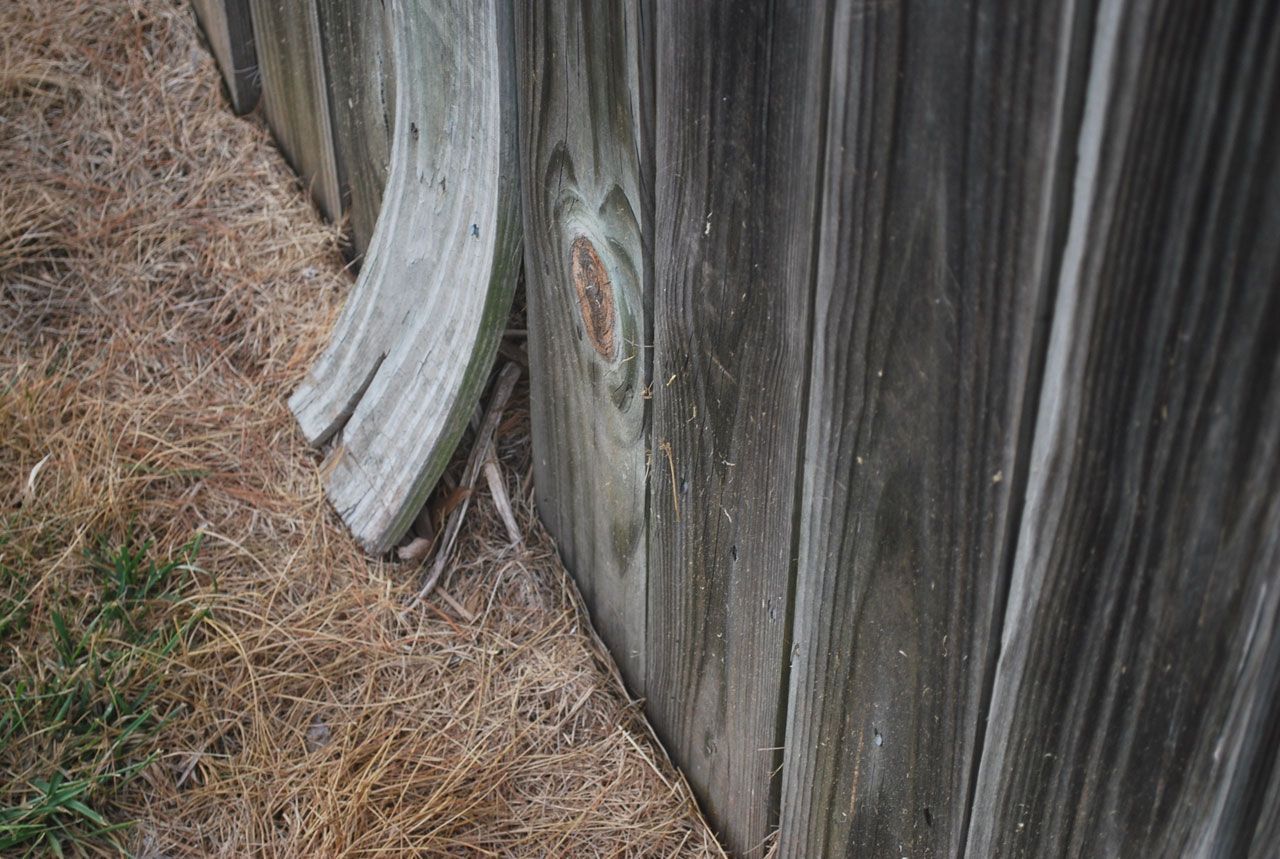
Don’t Forget About Digging
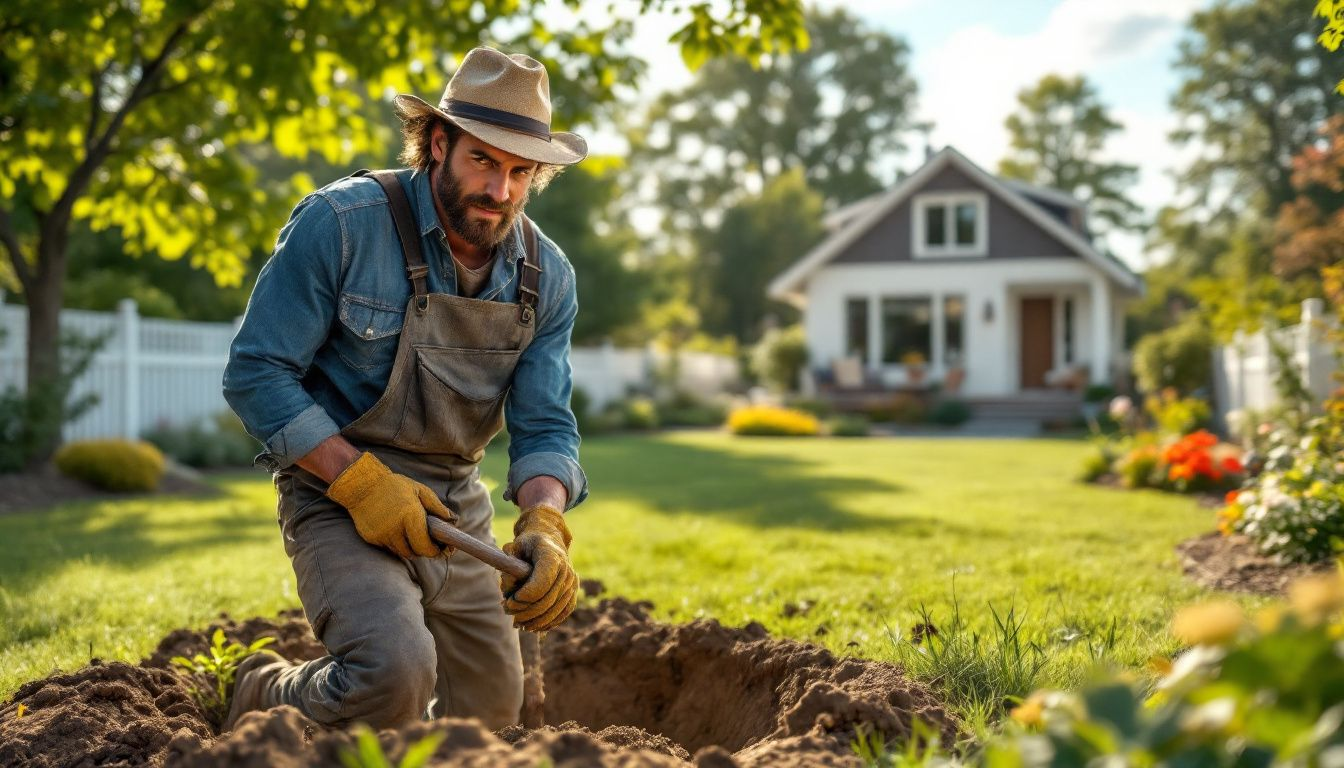
Some dogs don’t jump—they dig.
If your dog likes to tunnel under fences, consider:
- Extending the fence slightly below grade where appropriate
- Installing a gravel or concrete mow strip along the fence line
- Using landscaping stones to discourage digging
- Providing a designated digging area elsewhere in the yard
Addressing the behavior is just as important as choosing the right fence.
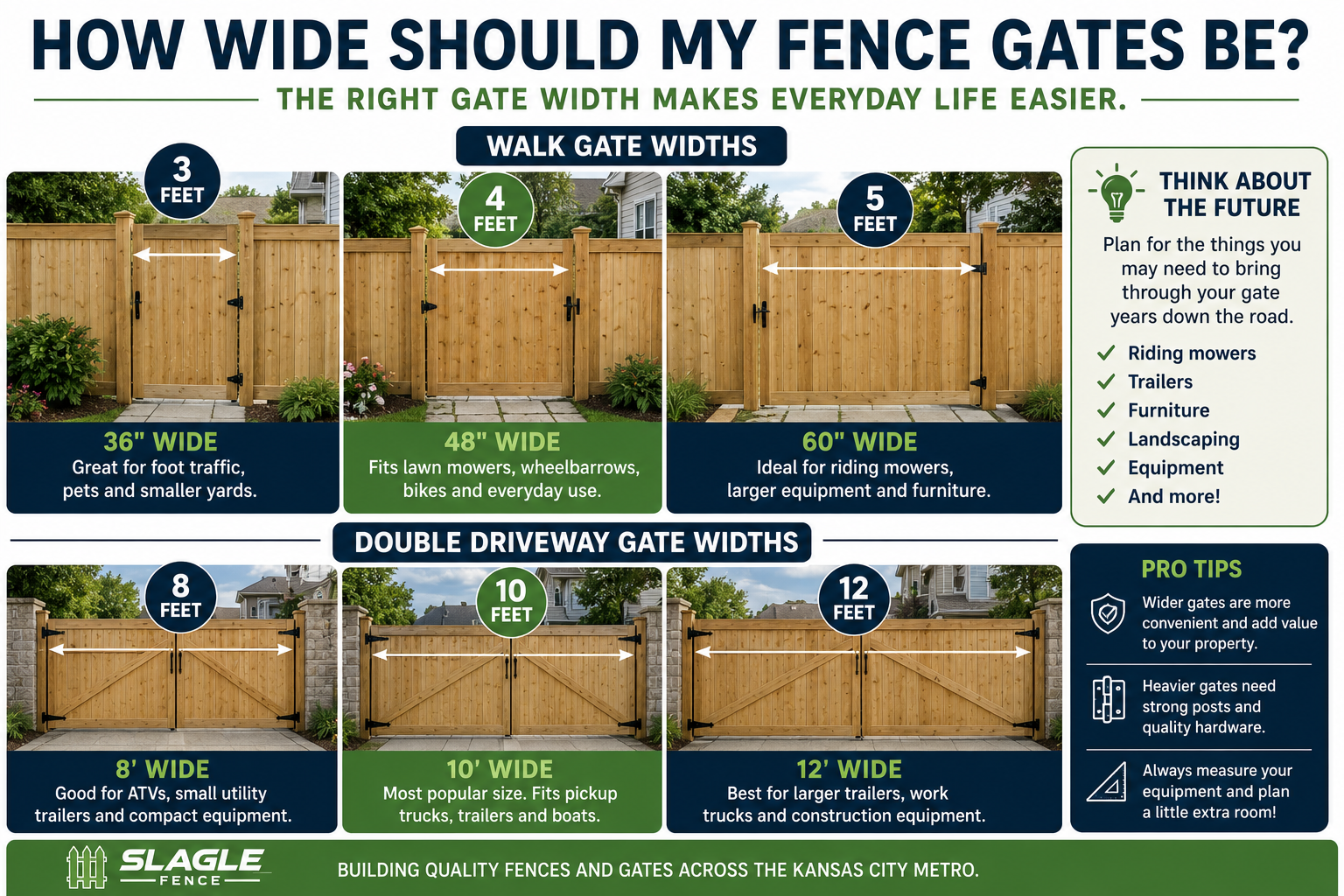
Gate Security Is Just as Important
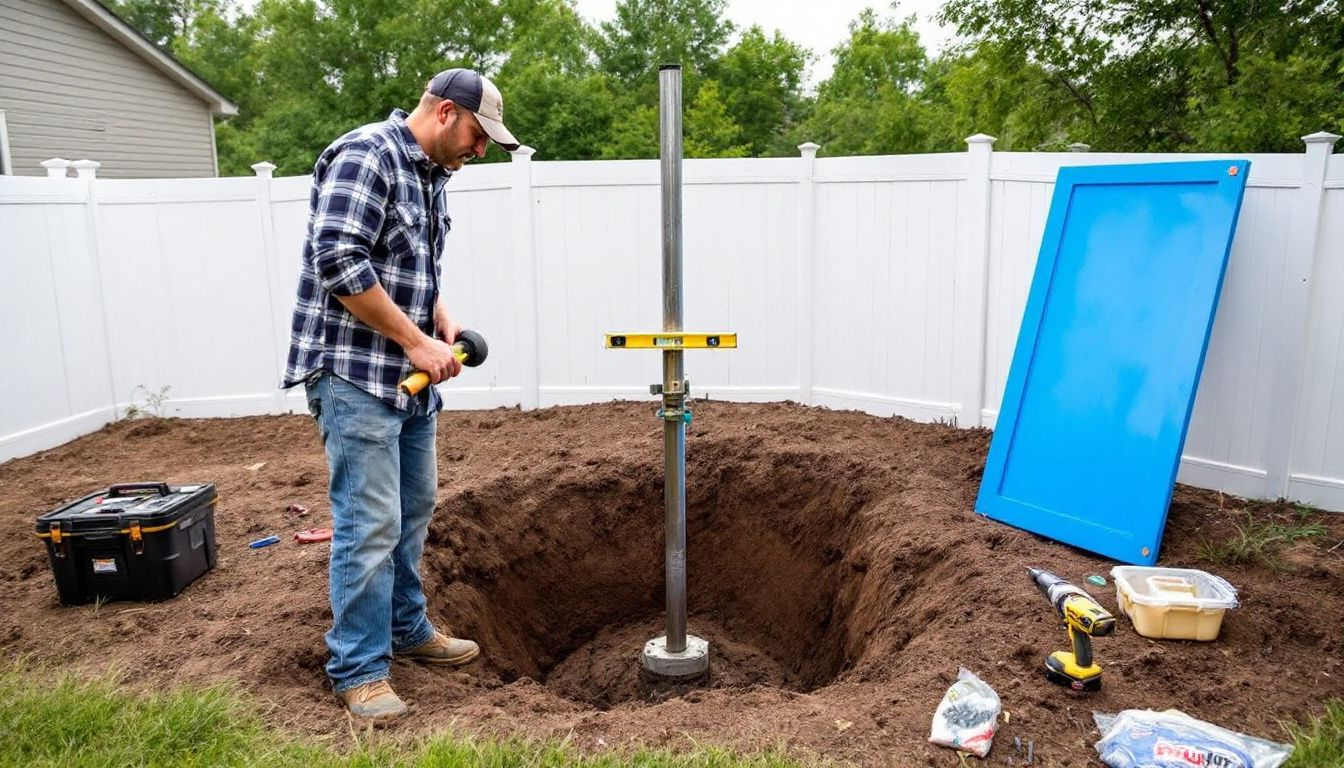
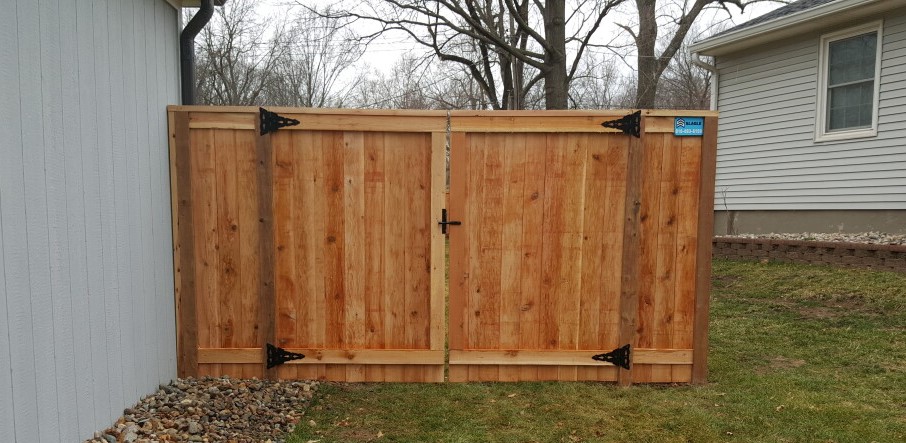
Your fence is only as secure as its gate.
Look for:
- Self-closing hinges (especially around pools)
- Lockable latches
- Heavy-duty hardware
- Minimal gaps underneath the gate
A well-built gate helps prevent accidental escapes.
Fence Features Dogs Love (and Owners Appreciate)
- Smooth surfaces with no sharp edges
- Strong posts and sturdy construction
- Tight picket spacing
- Secure gate latches
- Durable materials that withstand scratching and weather
These features improve both safety and longevity.
Which Fence Is Best for Different Dogs?
| Dog Type | Recommended Fence |
|---|---|
| Small dogs | Vinyl privacy or aluminum with puppy pickets |
| Large breeds | Cedar privacy or composite |
| Escape artists | Cedar or composite privacy fence with secure gates |
| Dogs that bark at everything | Cedar or vinyl privacy fence |
| Budget-conscious owners | Chain link |
| Luxury homes | Composite or ornamental aluminum (with appropriate spacing) |
Common Mistakes to Avoid
- Choosing a fence that’s too short for your dog’s jumping ability.
- Leaving large gaps under the fence.
- Installing gates with weak or easy-to-open latches.
- Assuming all aluminum fences have picket spacing suitable for small dogs.
- Ignoring local fence height regulations.
Final Thoughts
The best fence for your dog depends on your pet’s personality, size, and behavior.
For most families, a 6-foot cedar privacy fence offers the best combination of safety, privacy, durability, and curb appeal. If low maintenance is your top priority, vinyl and composite fences are excellent alternatives. If budget is the deciding factor, chain link provides reliable containment at a lower upfront cost, while aluminum fencing is a beautiful option for well-trained dogs and homes where preserving views is important.
Whichever material you choose, proper installation, secure gates, and regular inspections are key to keeping your dog safe and giving you peace of mind.