What Is the Typical Timeline for a Fence Installation and Approval Process? 
A new fence can be an exciting home improvement project, but many homeowners wonder:
“How long will it take from the first estimate to having my new fence completed?”
The answer depends on several factors, including:
- Fence type and material
- Property size
- Permit requirements
- HOA approval
- Weather conditions
- Contractor availability
- Custom designs or gates
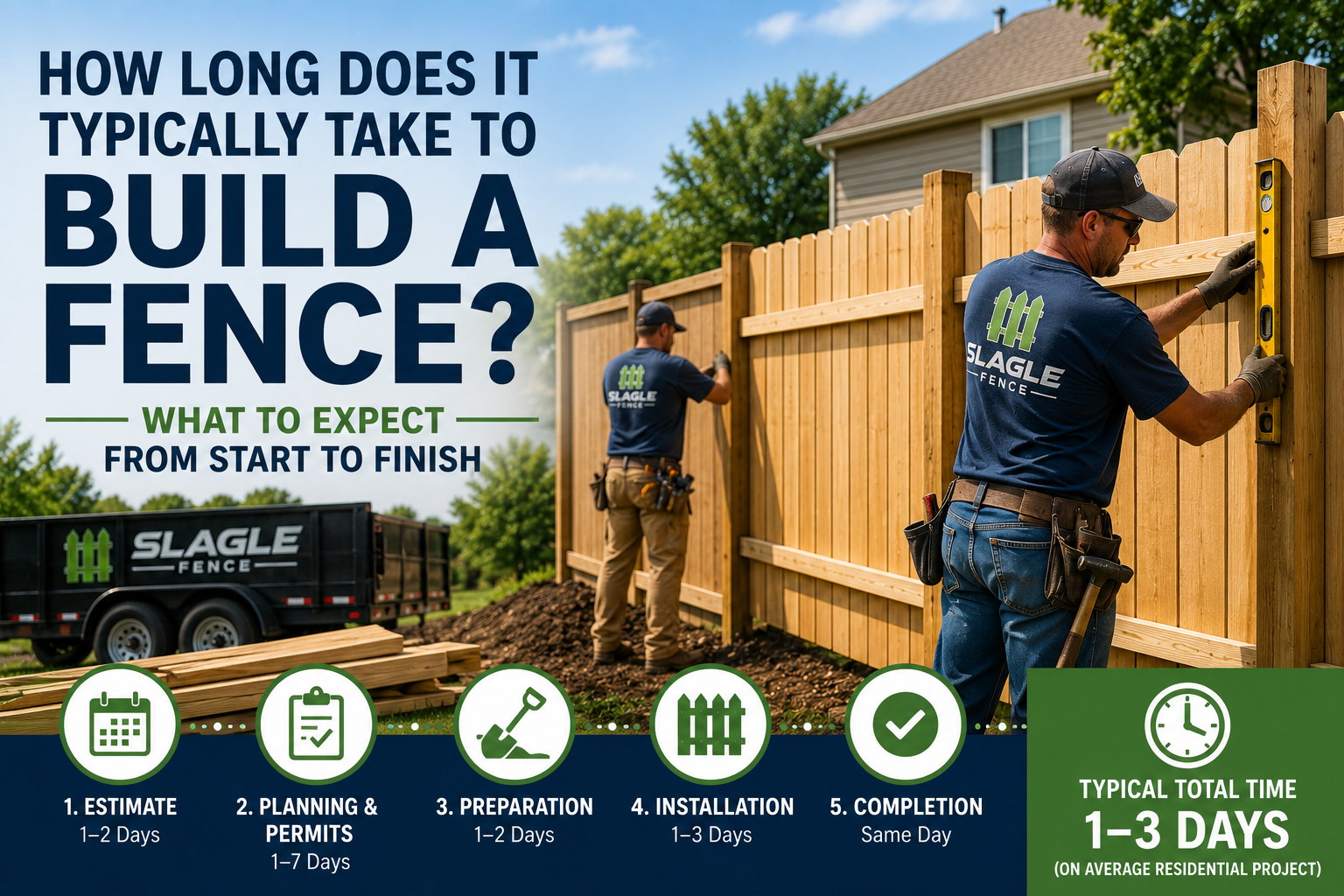
While every project is unique, most residential fence installations follow a similar process:
Consultation → Design & Estimate → Approvals → Scheduling → Installation → Final Walkthrough
For most homeowners, the entire process can take anywhere from 2–8 weeks, while the actual installation may only take 1–5 days.
Step 1: Initial Consultation and Fence Estimate
Typical Timeline: 1–7 Days
The first step is meeting with a fence professional to discuss your project.
During your consultation, a fence company will typically:
- Measure your property
- Review your goals
- Discuss fence styles
- Recommend materials
- Identify potential challenges
- Provide pricing
A good fence installer should help answer questions like:
- How tall should my fence be?
- Do I need privacy or visibility?
- What material fits my budget?
- Are there city restrictions?
- Will my yard require special installation?
Common fence options include:
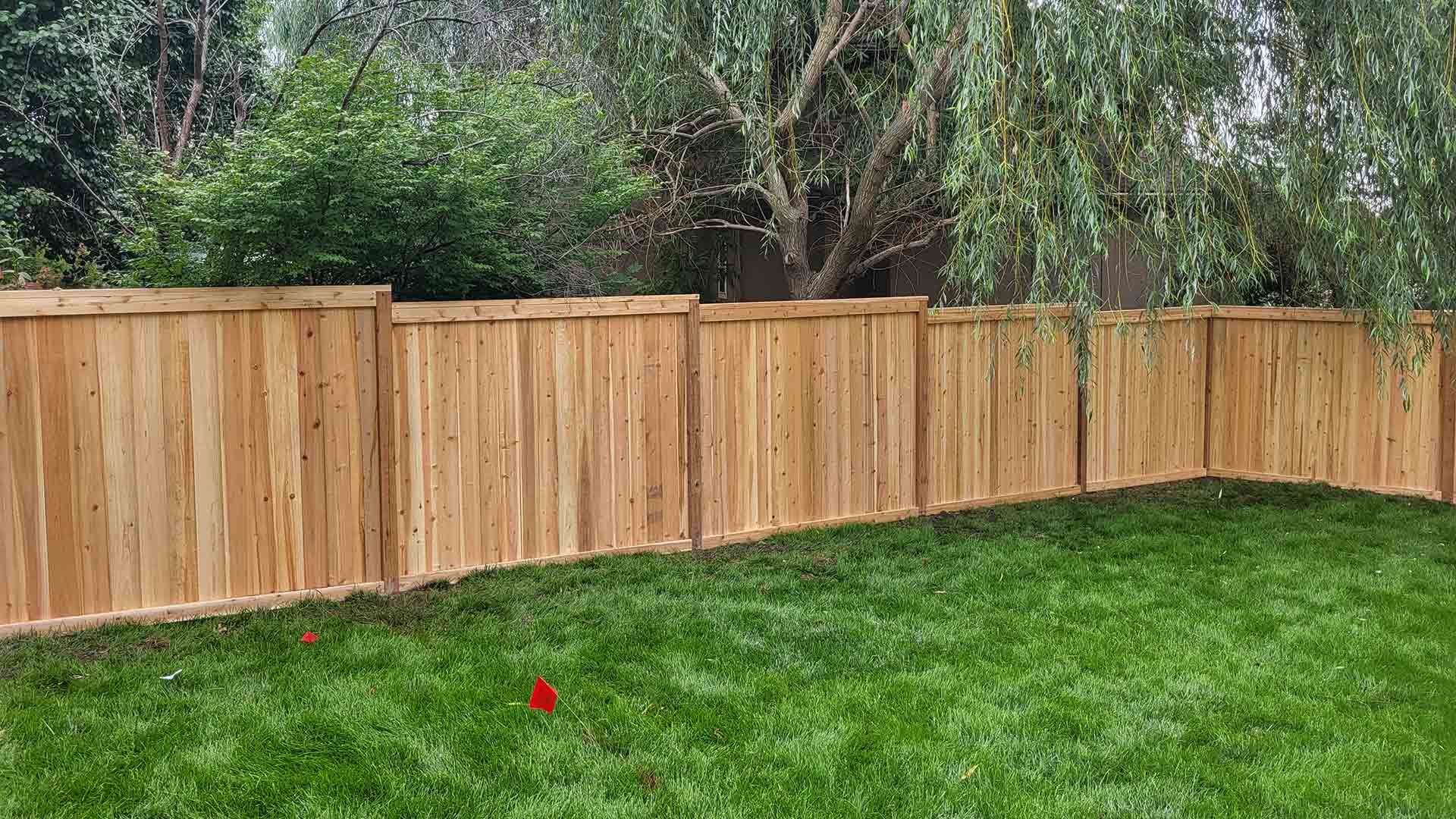
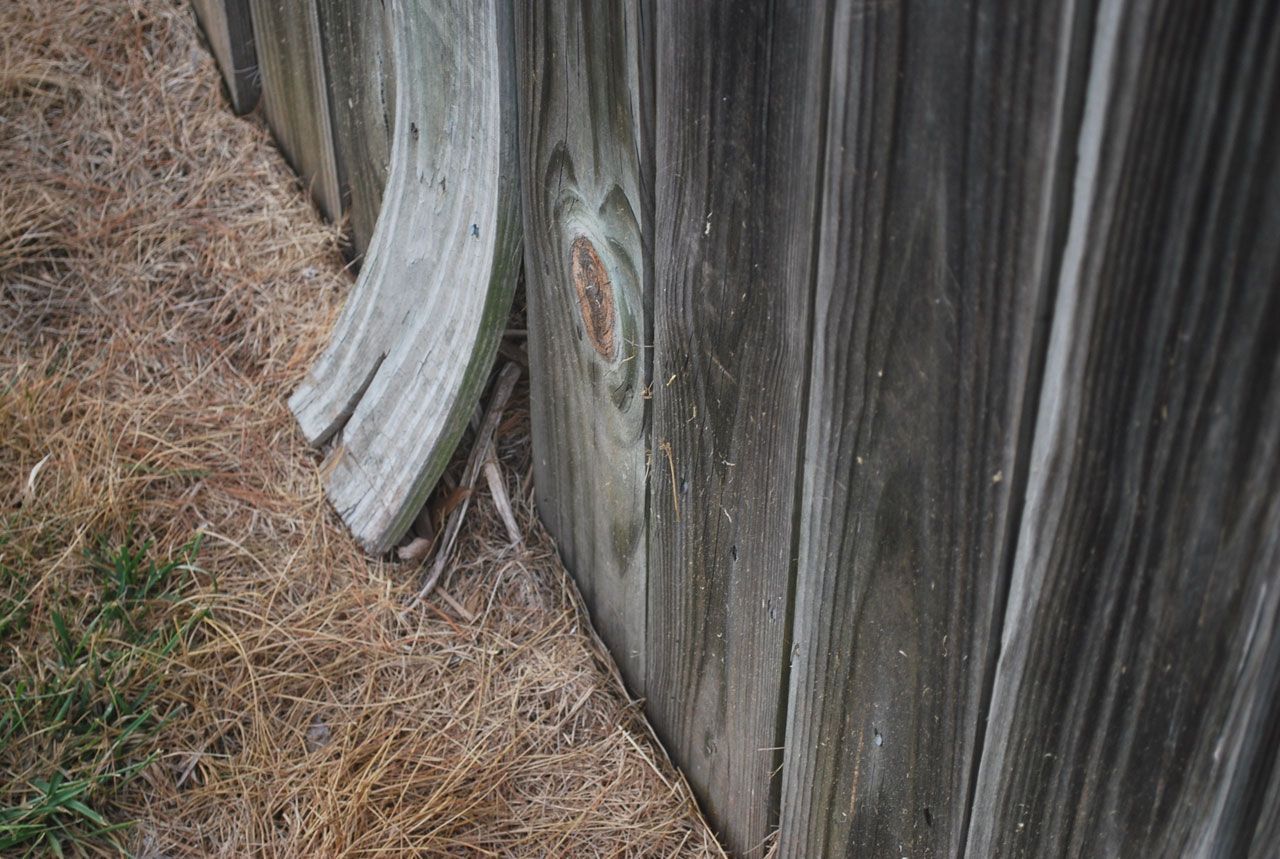
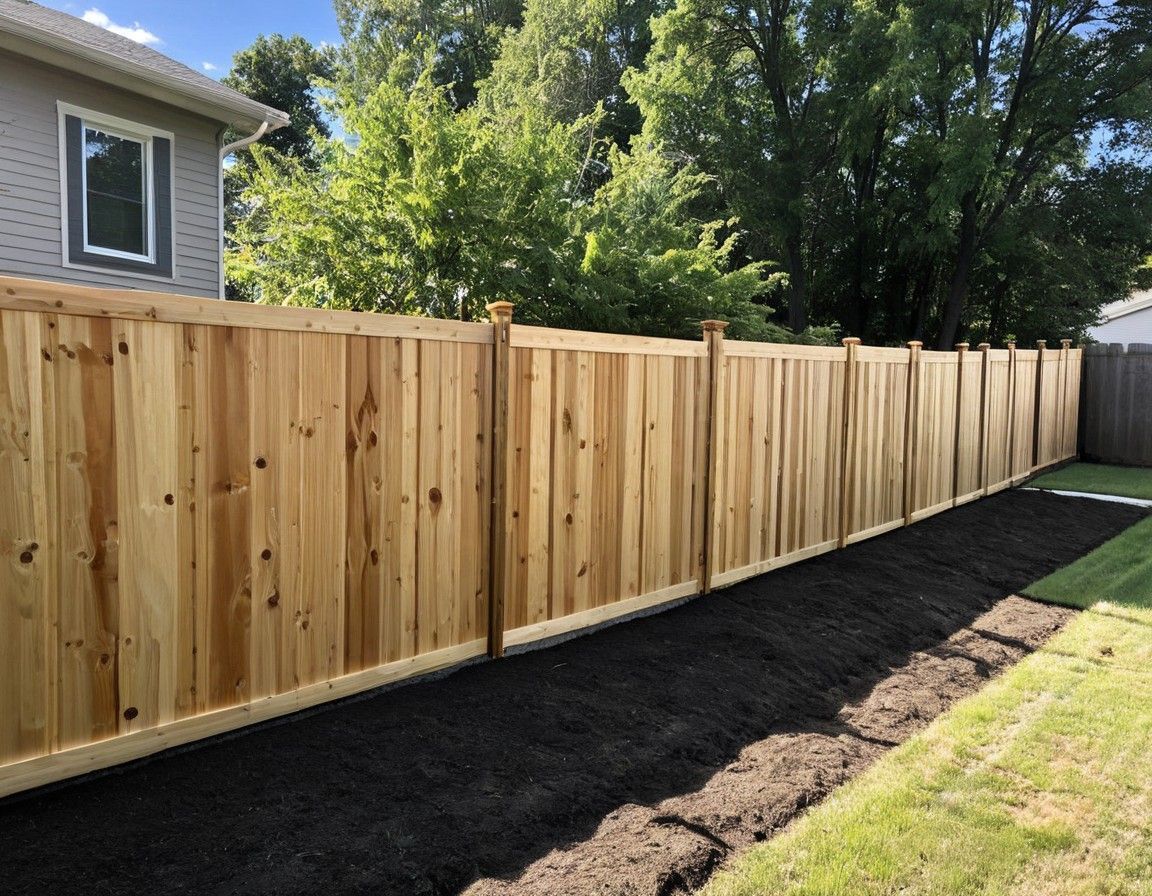
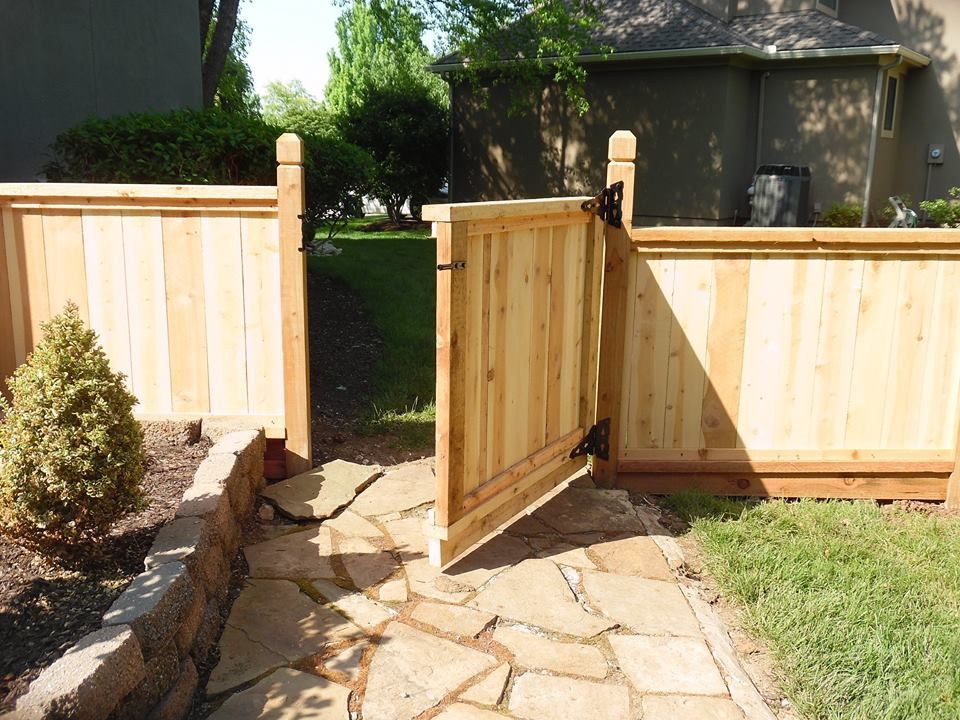
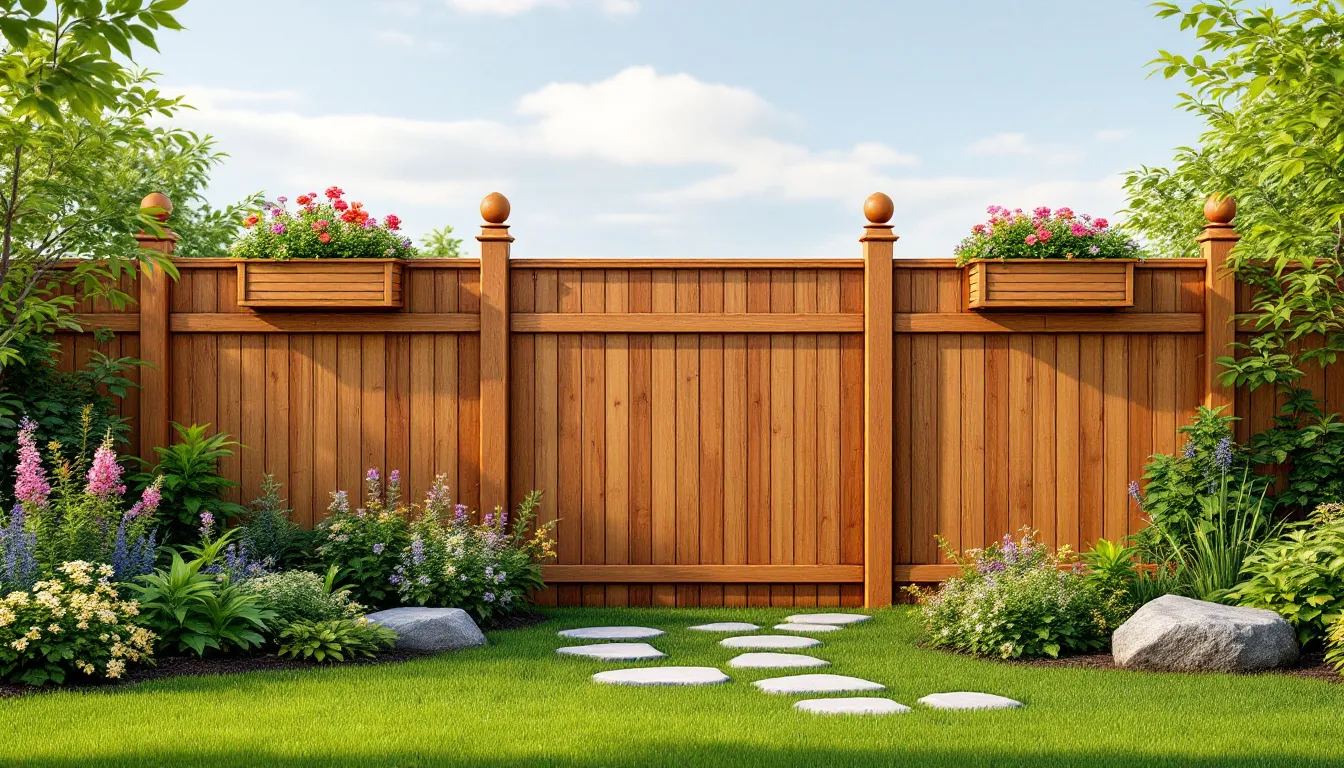
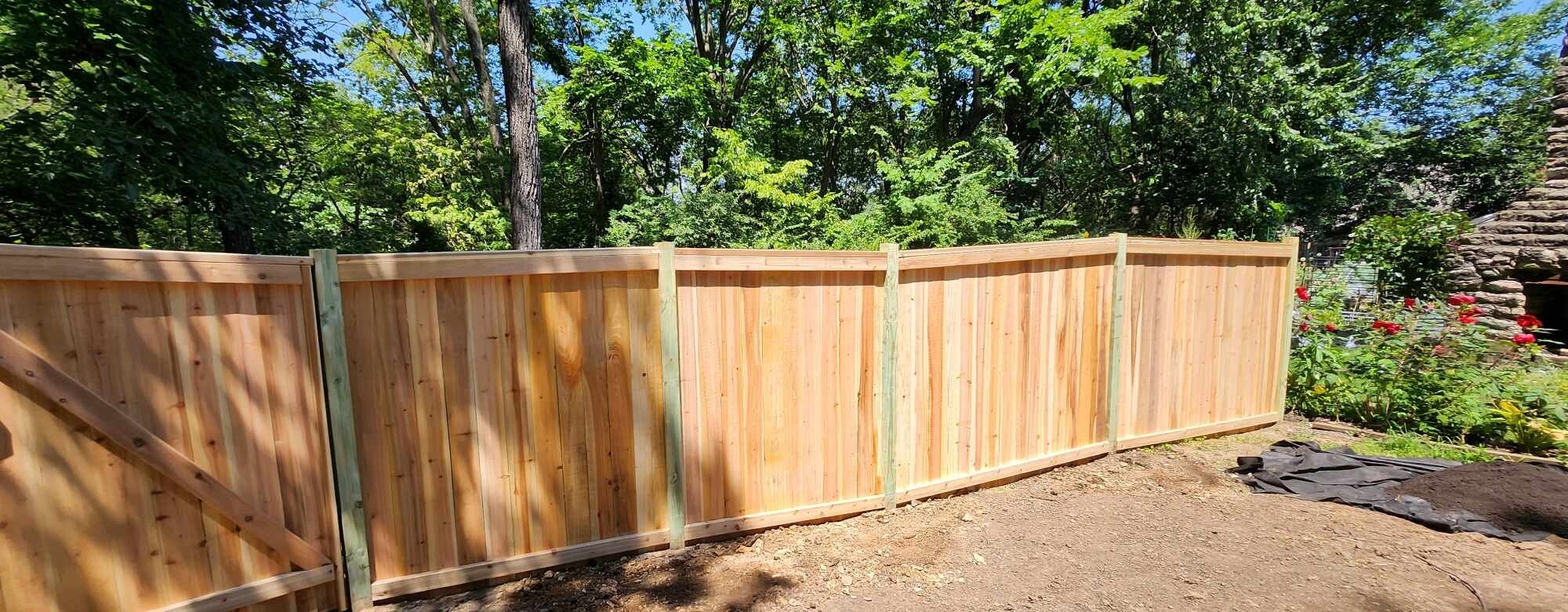
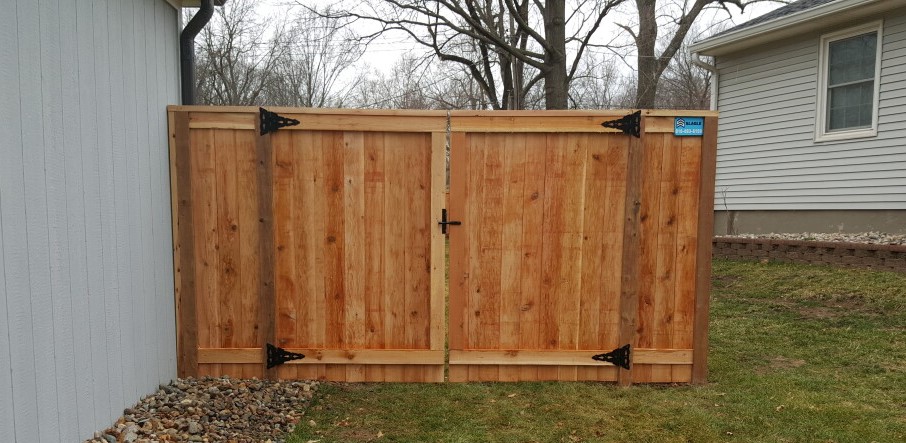
Cedar Privacy Fence
Popular for:
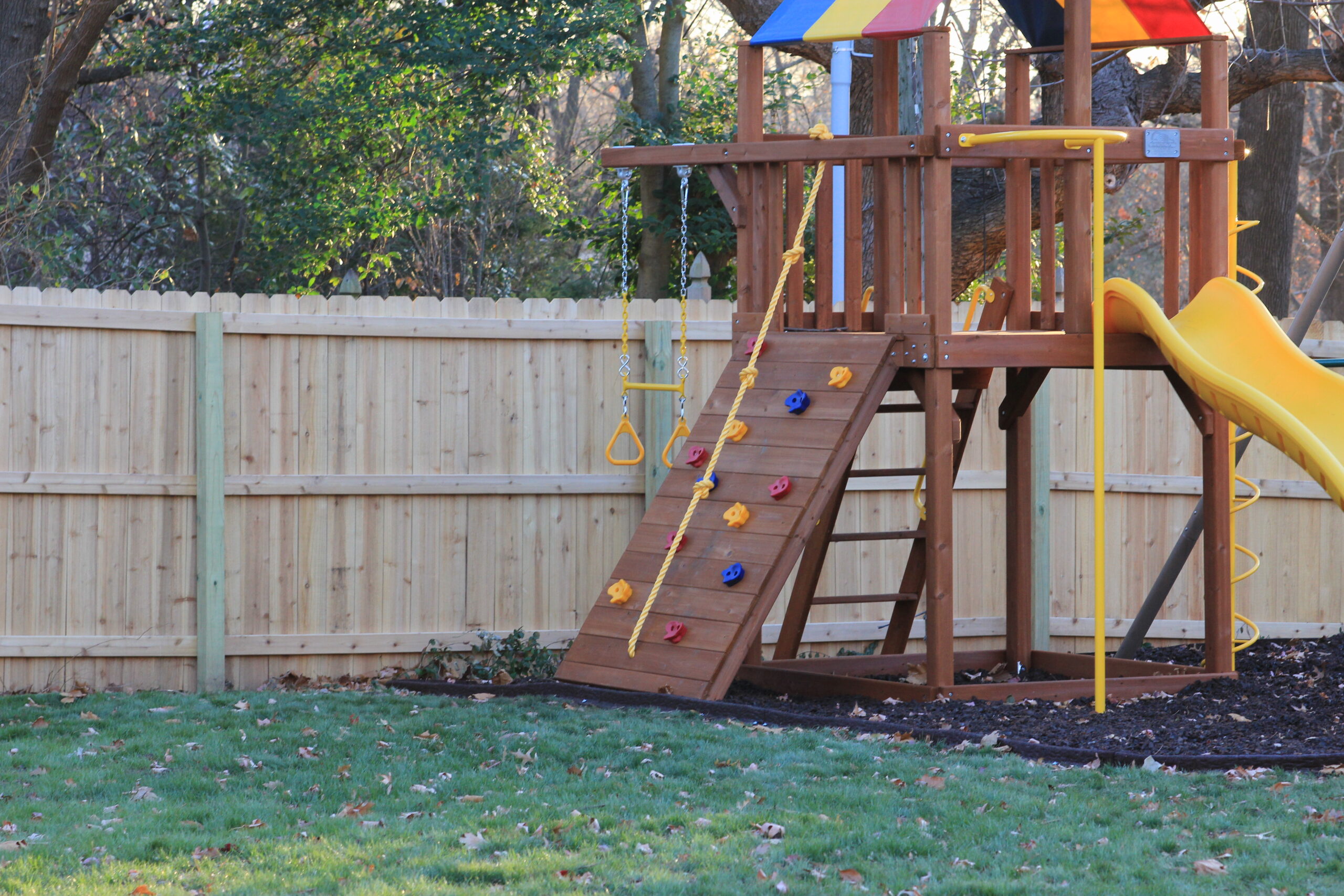
- Backyard privacy
- Pets
- Families
- Outdoor entertaining
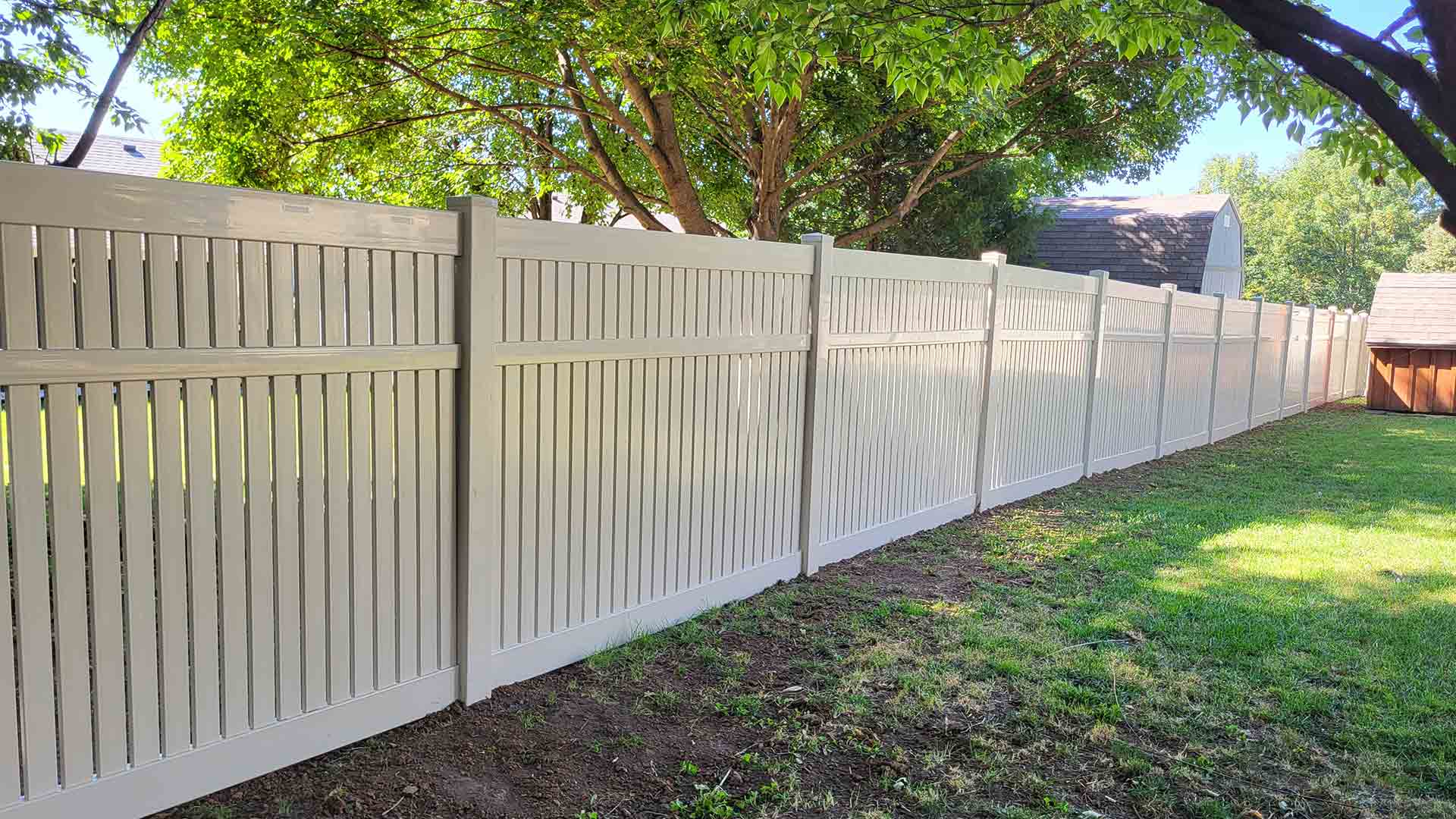
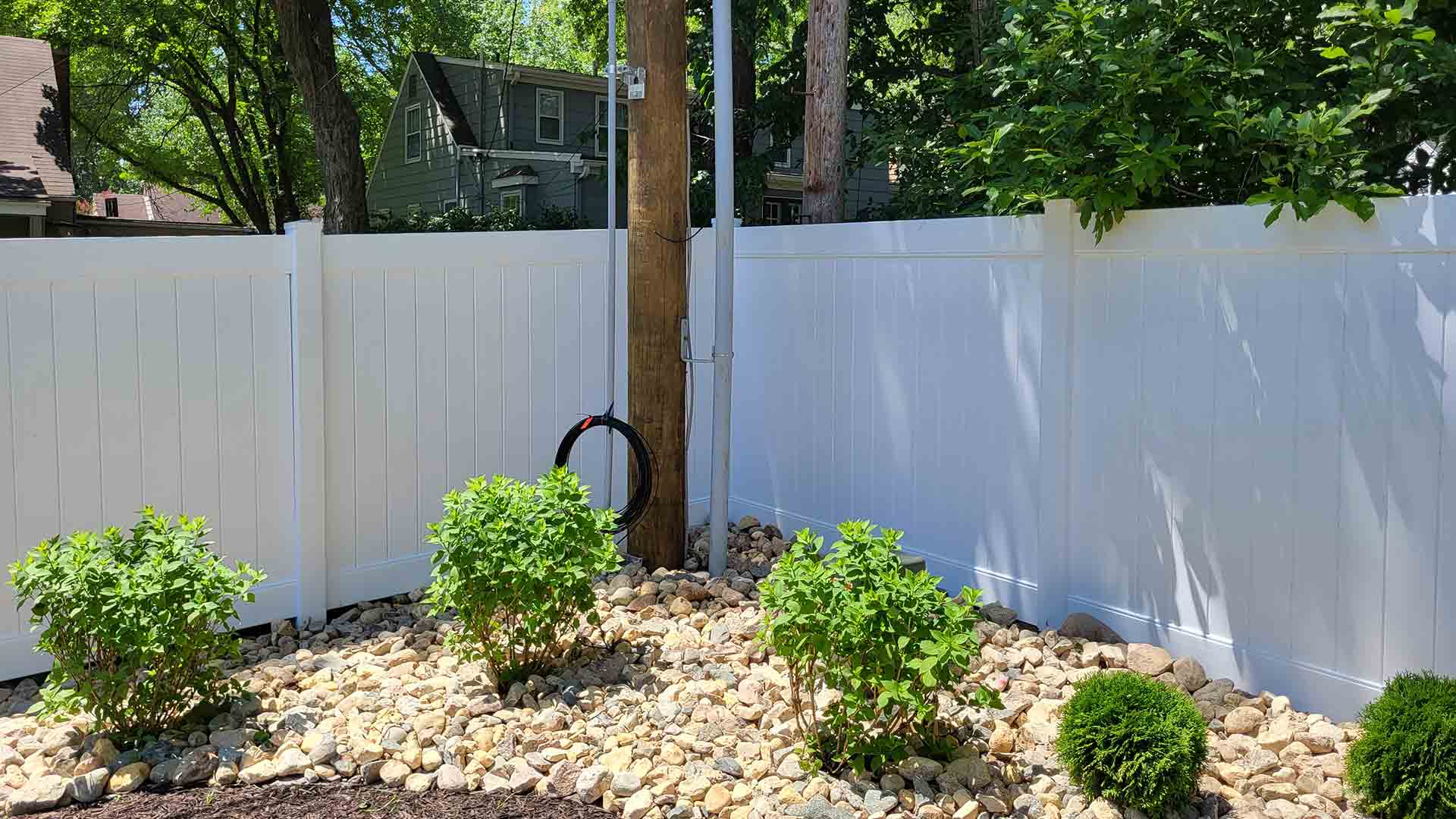
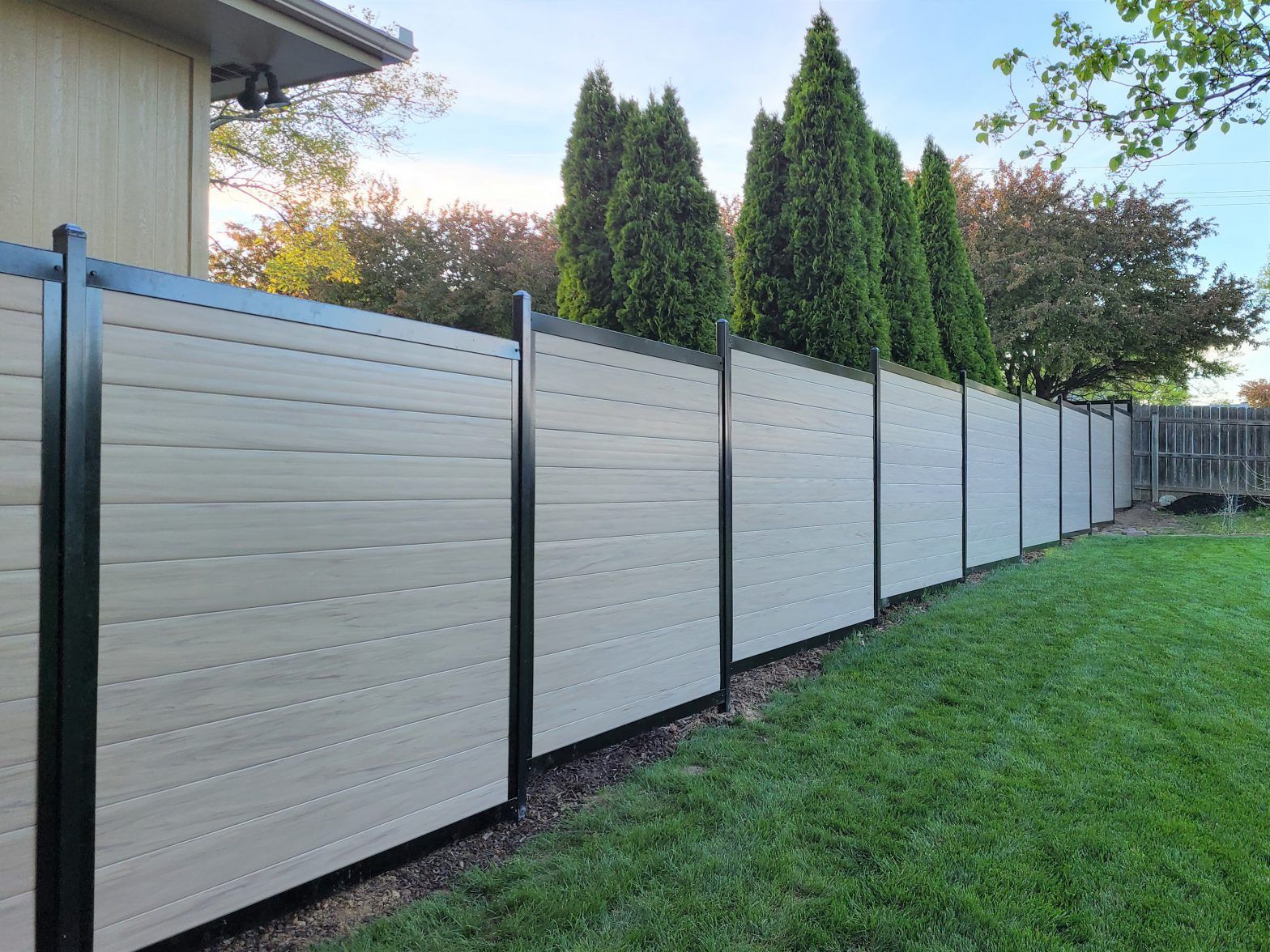
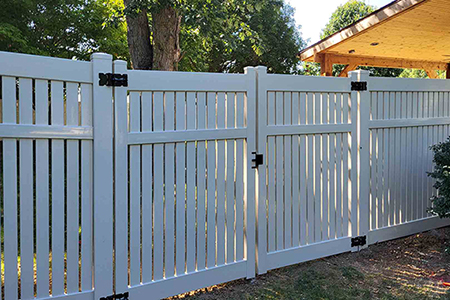
Vinyl Privacy Fence
Popular for:
- Low maintenance
- Clean appearance
- Long lifespan
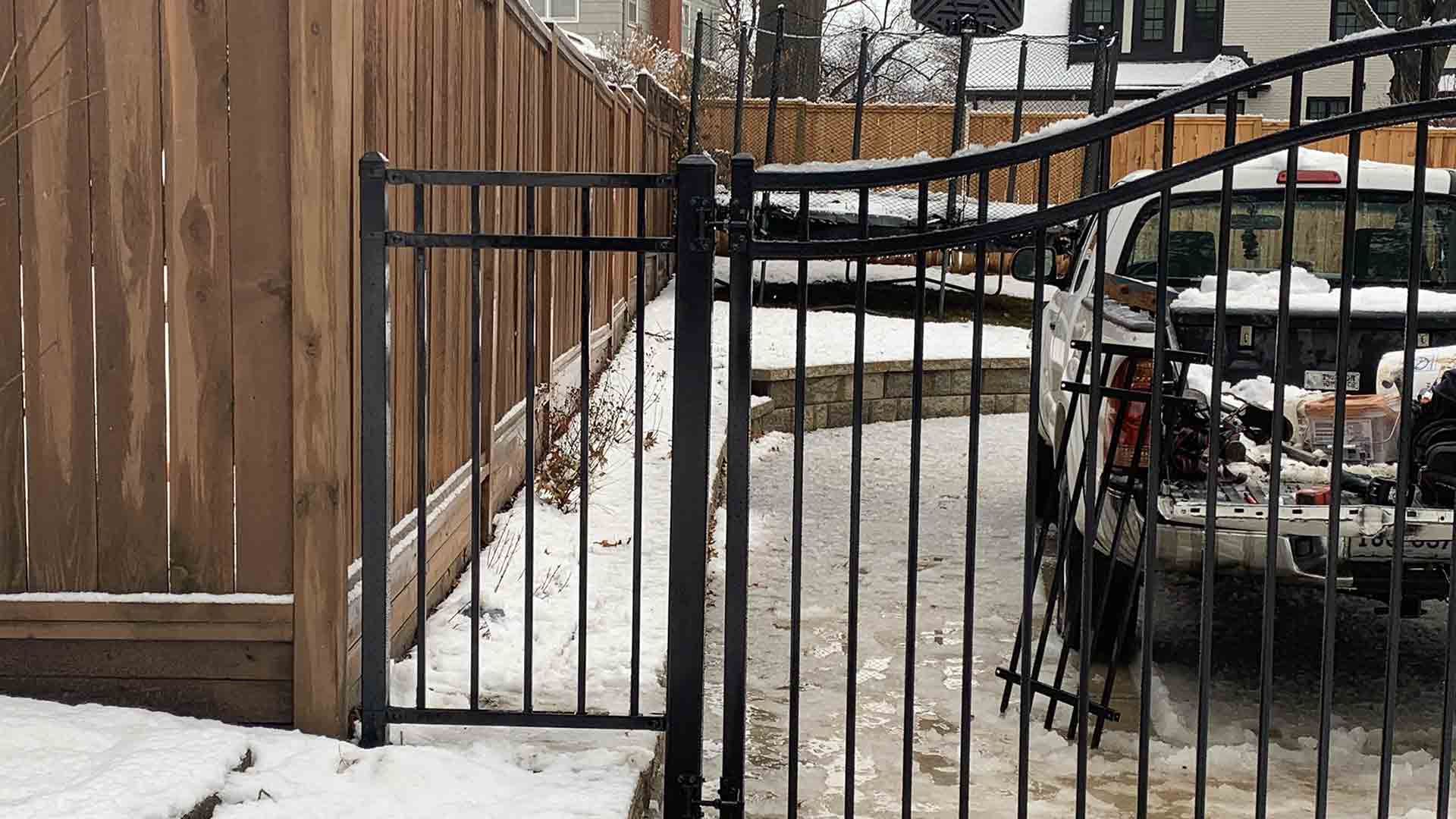
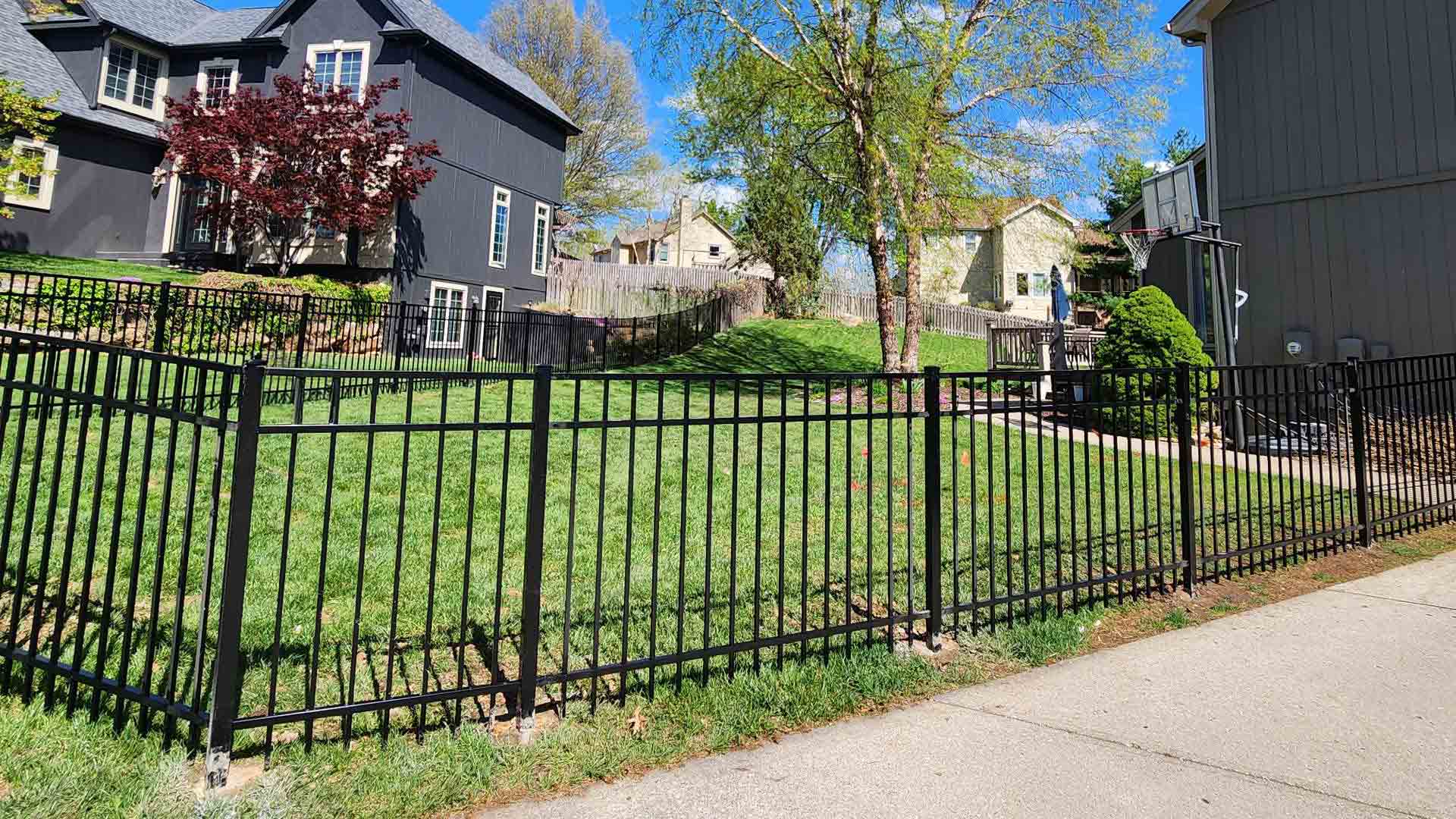
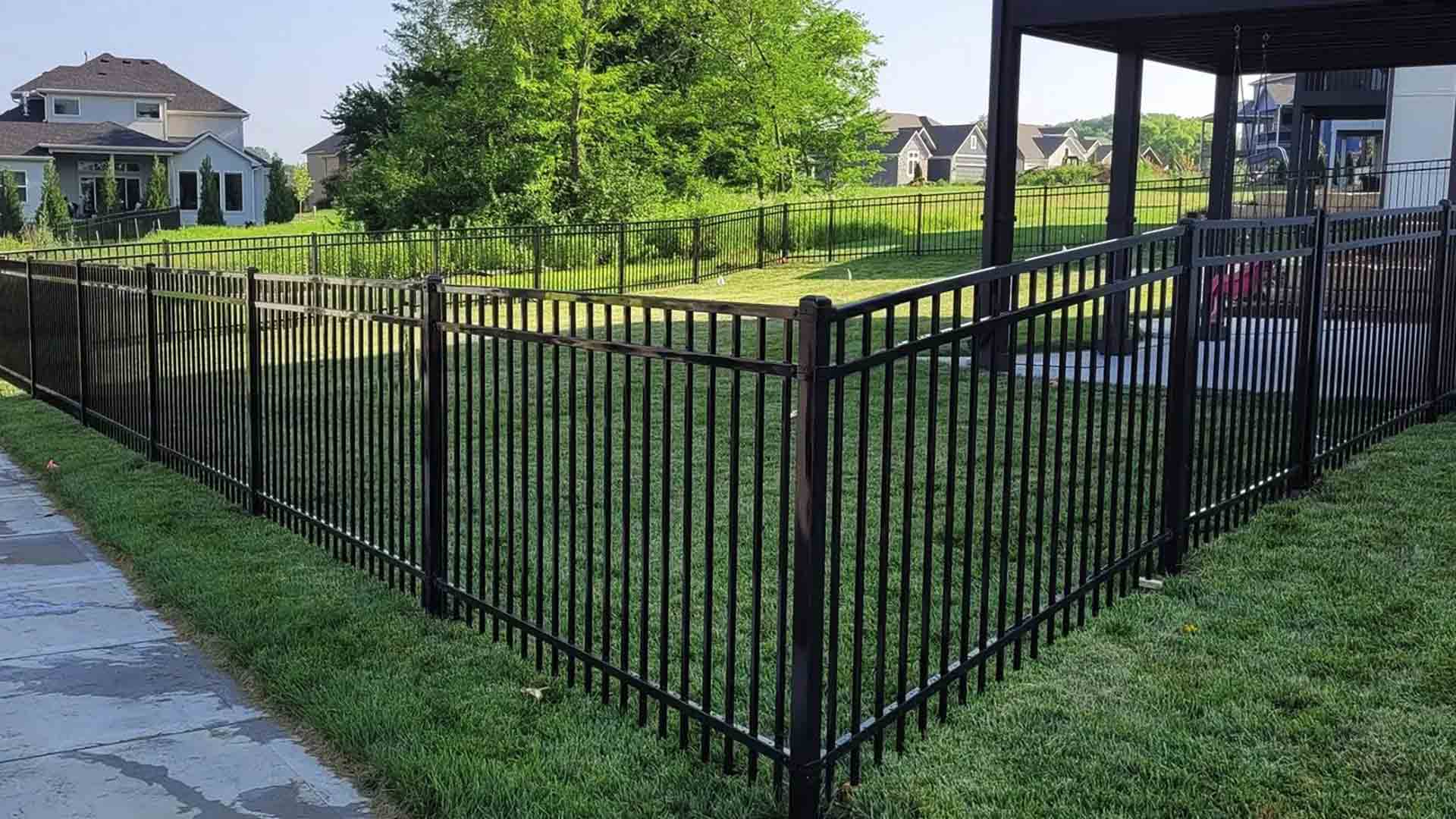
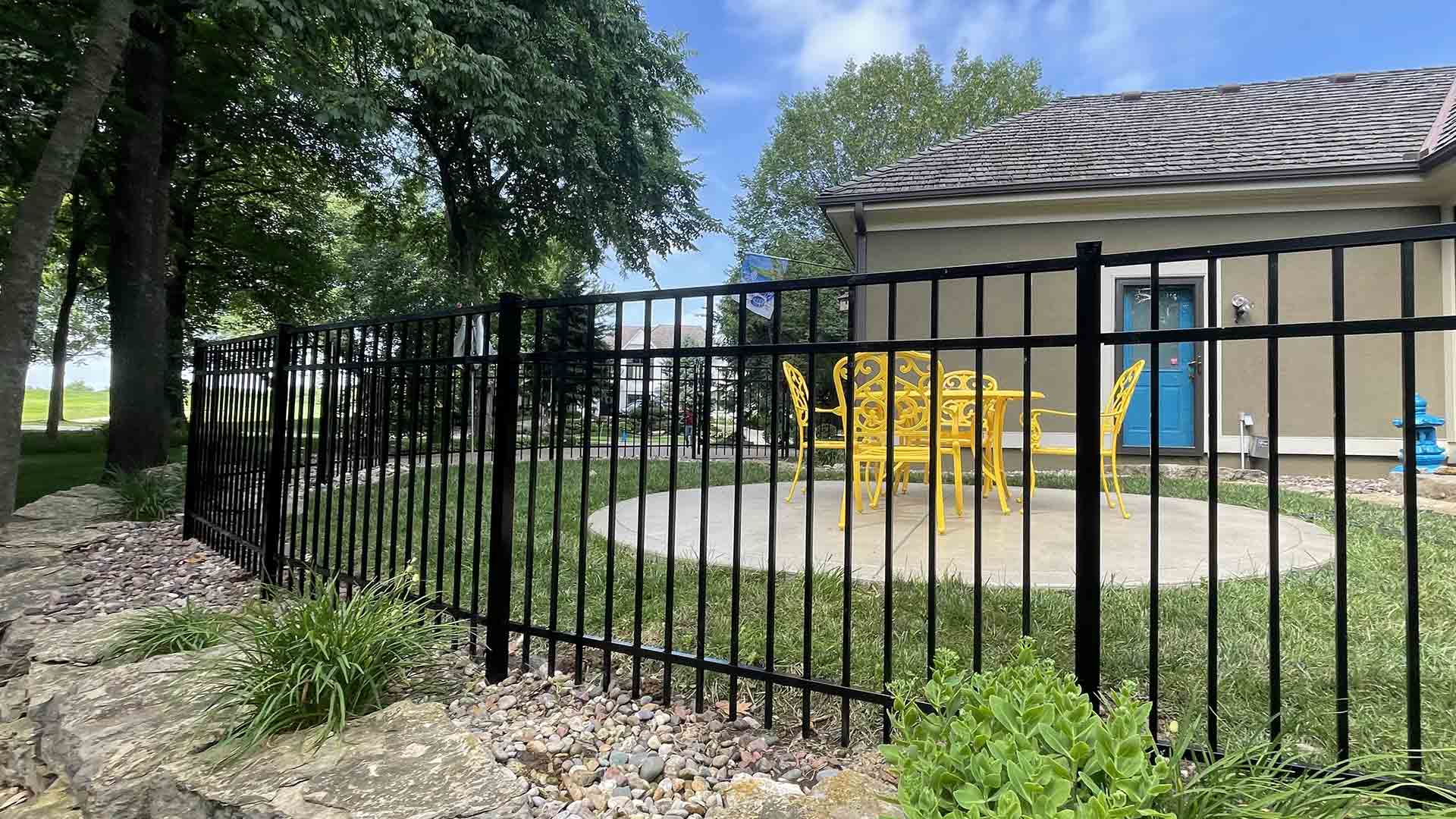
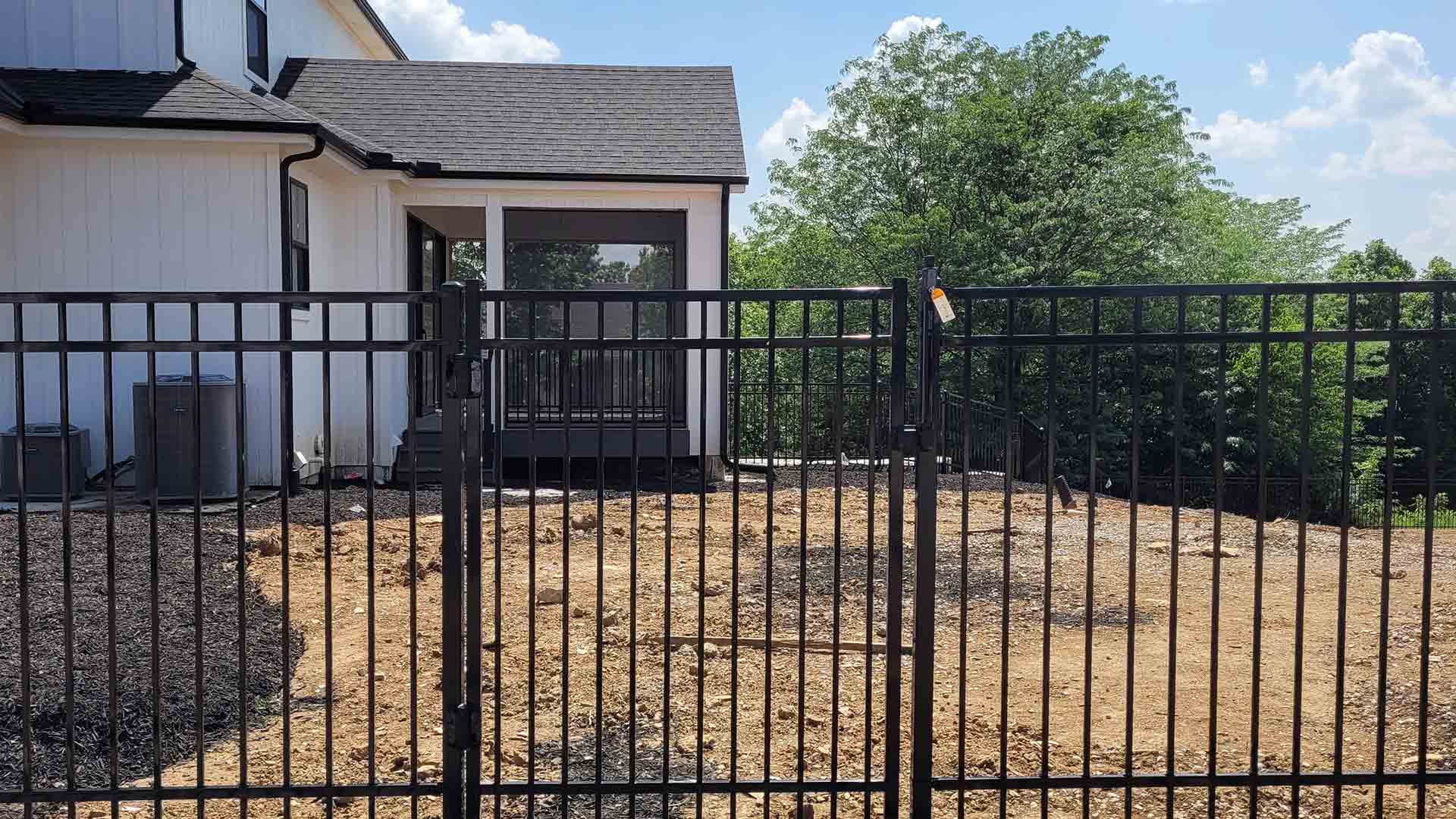
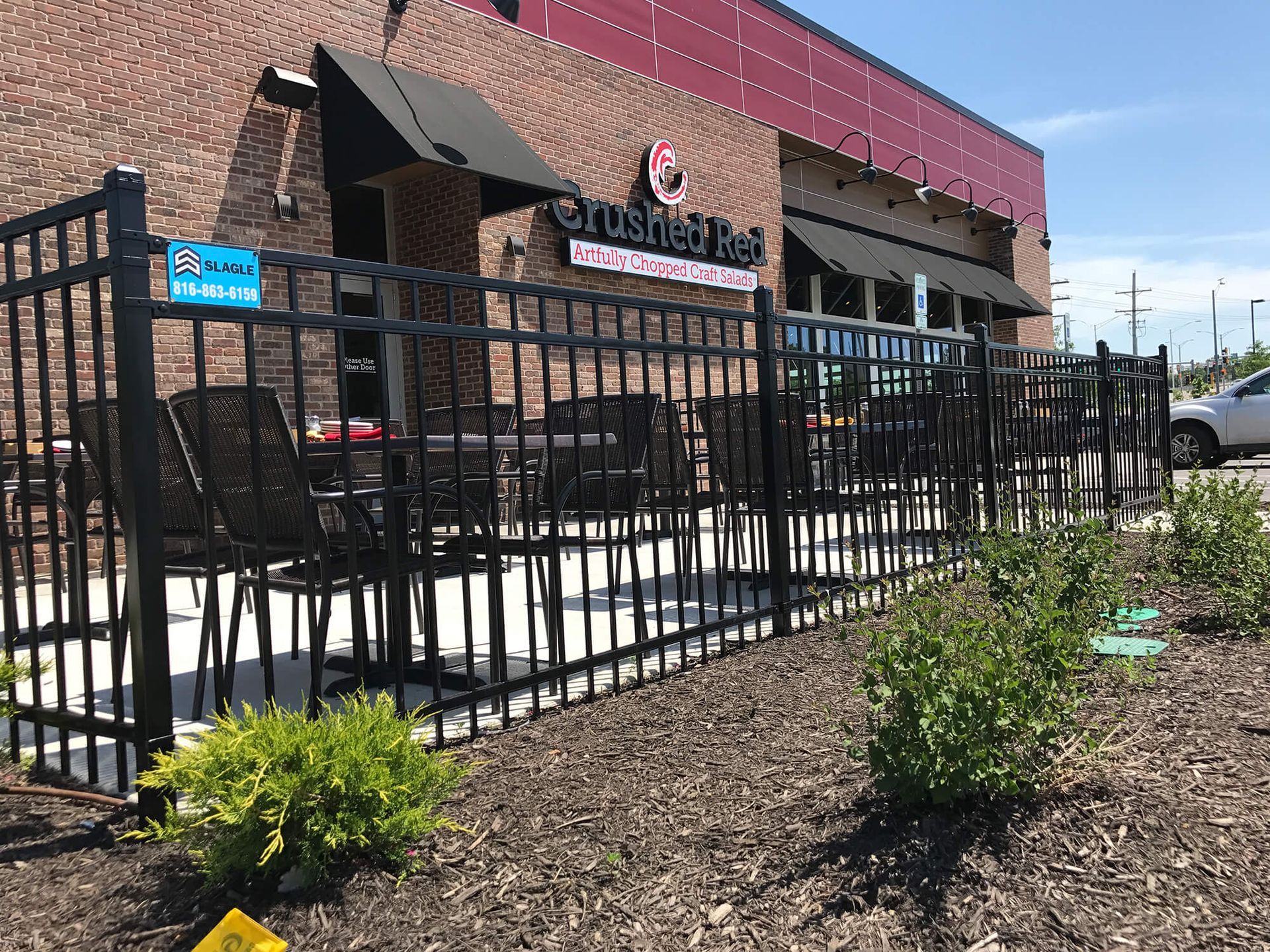
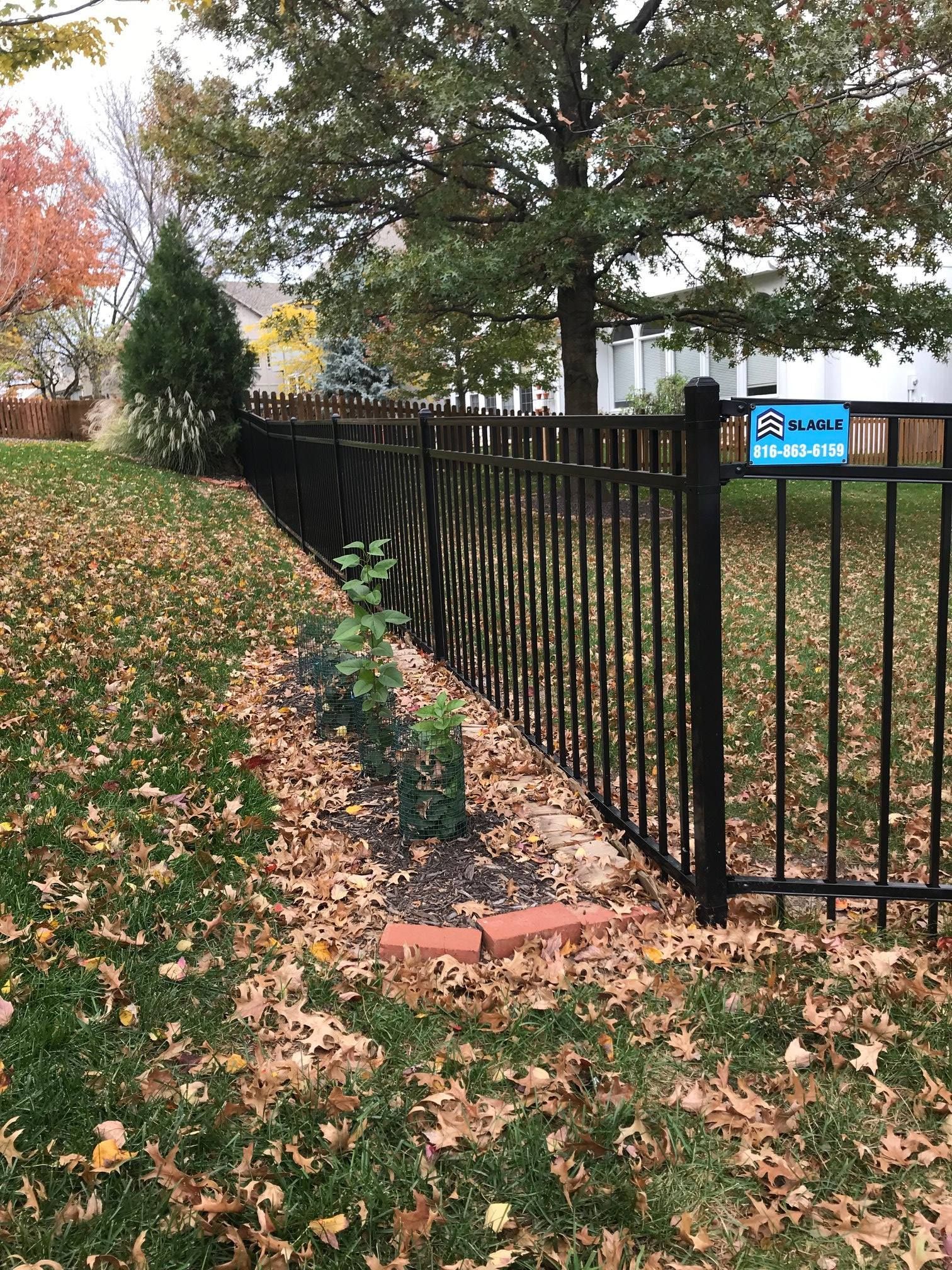
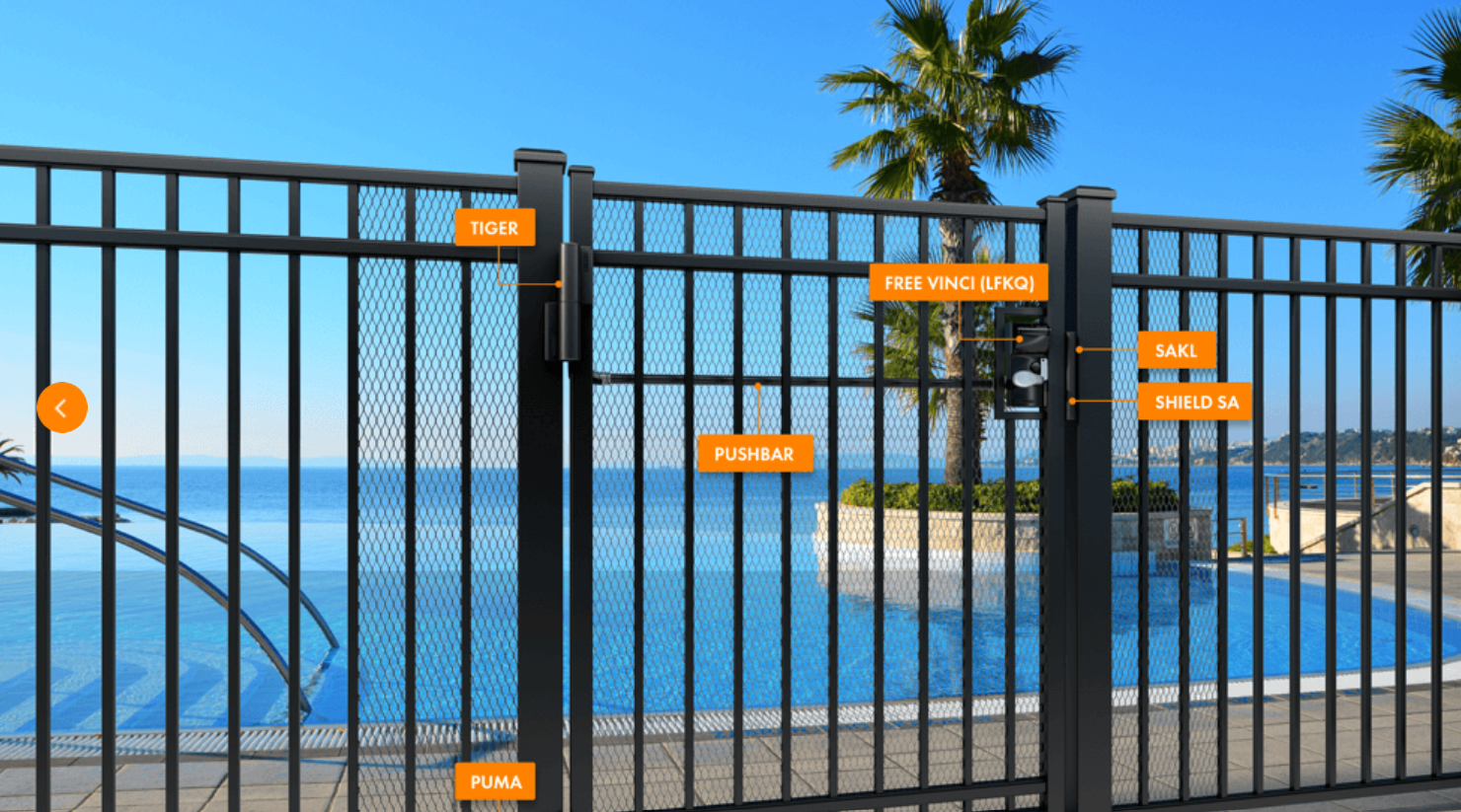
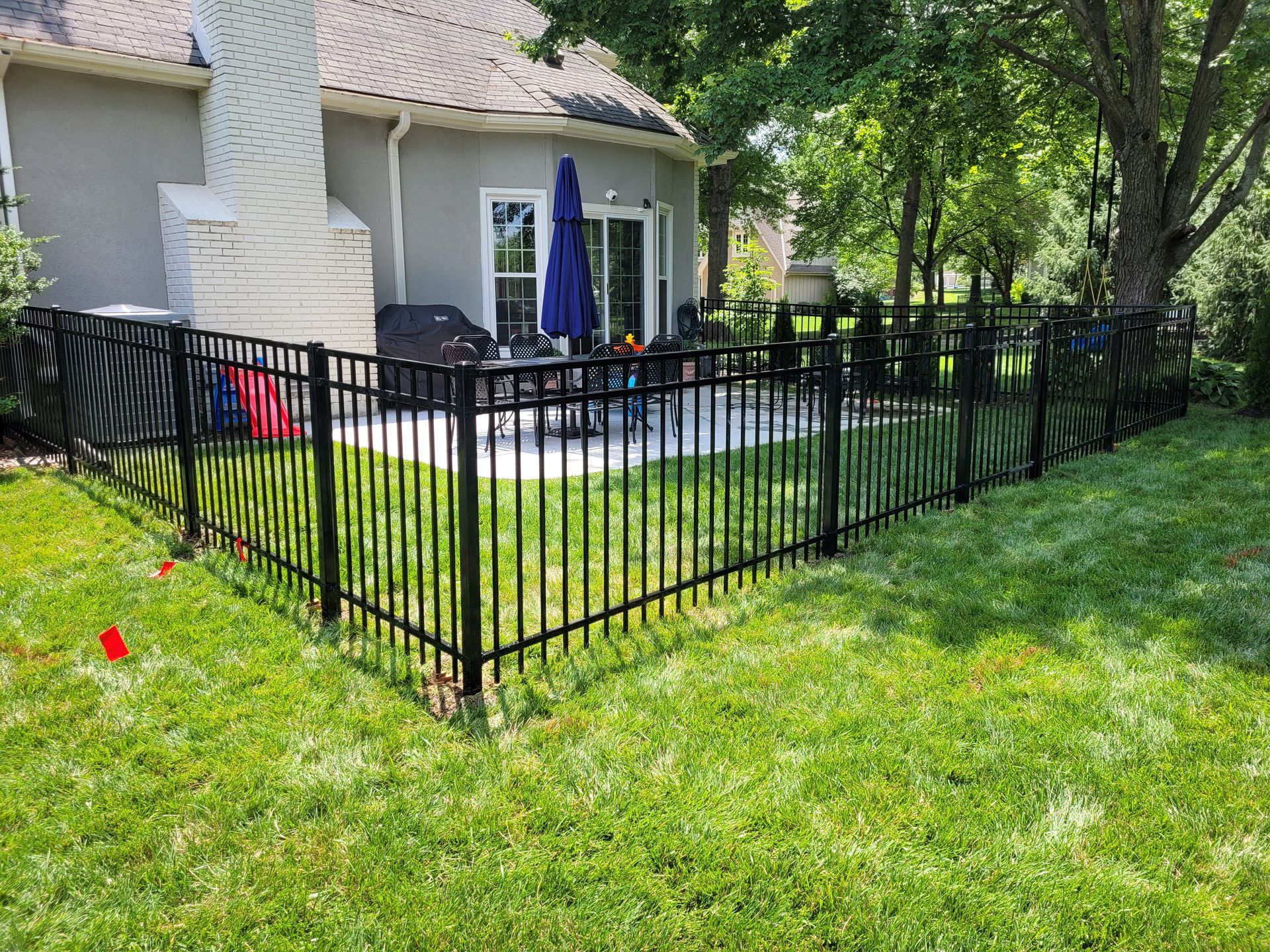
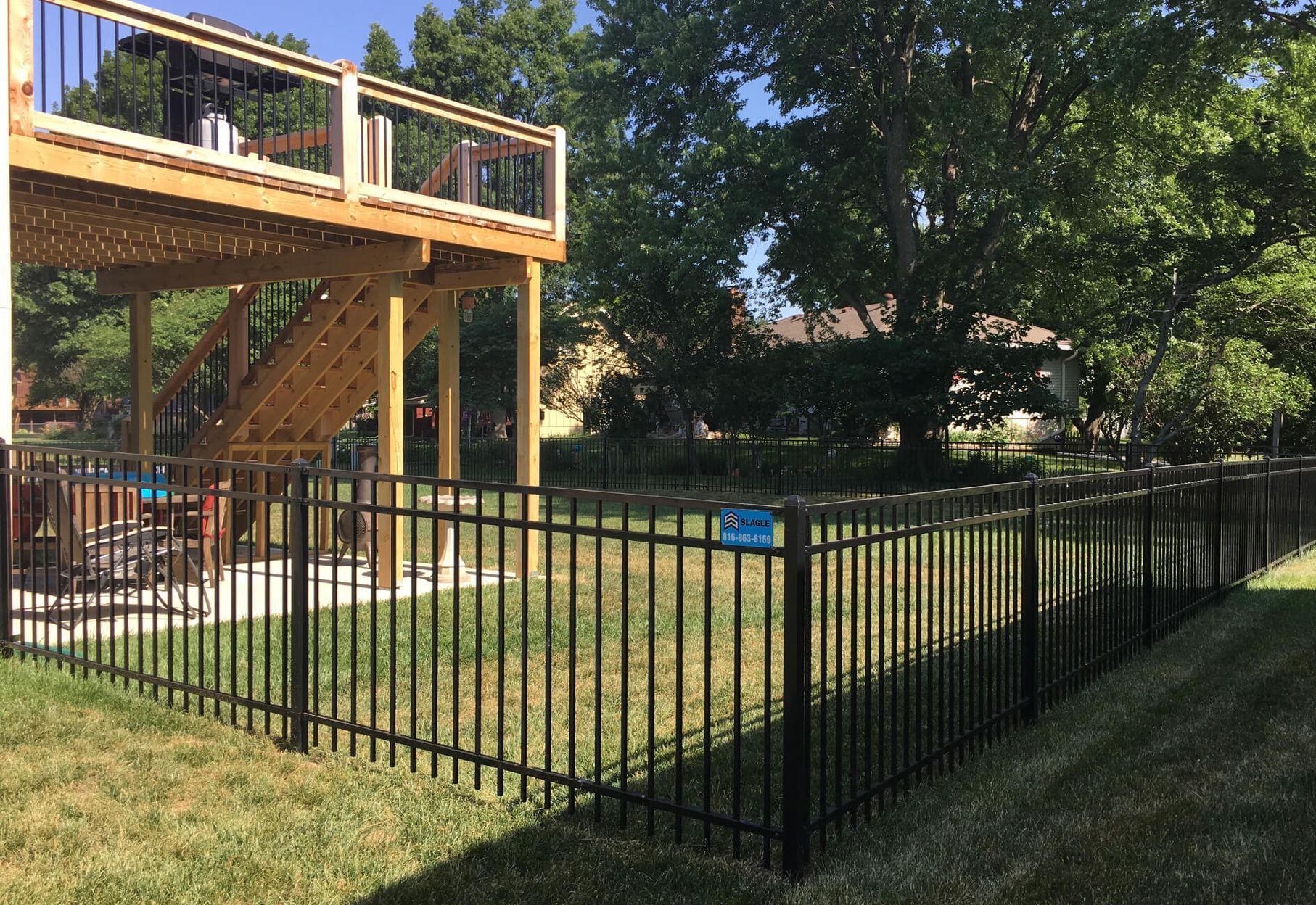
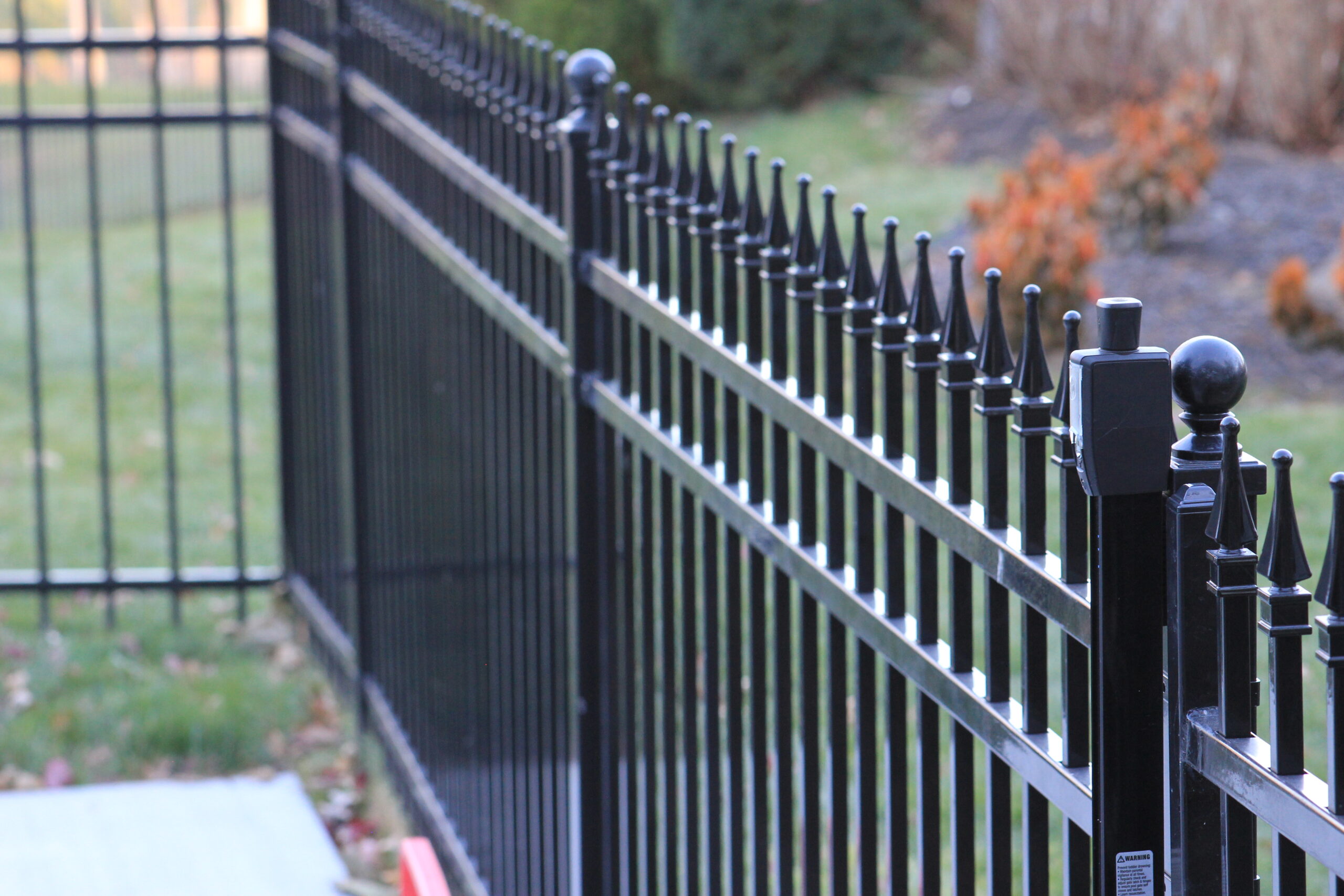
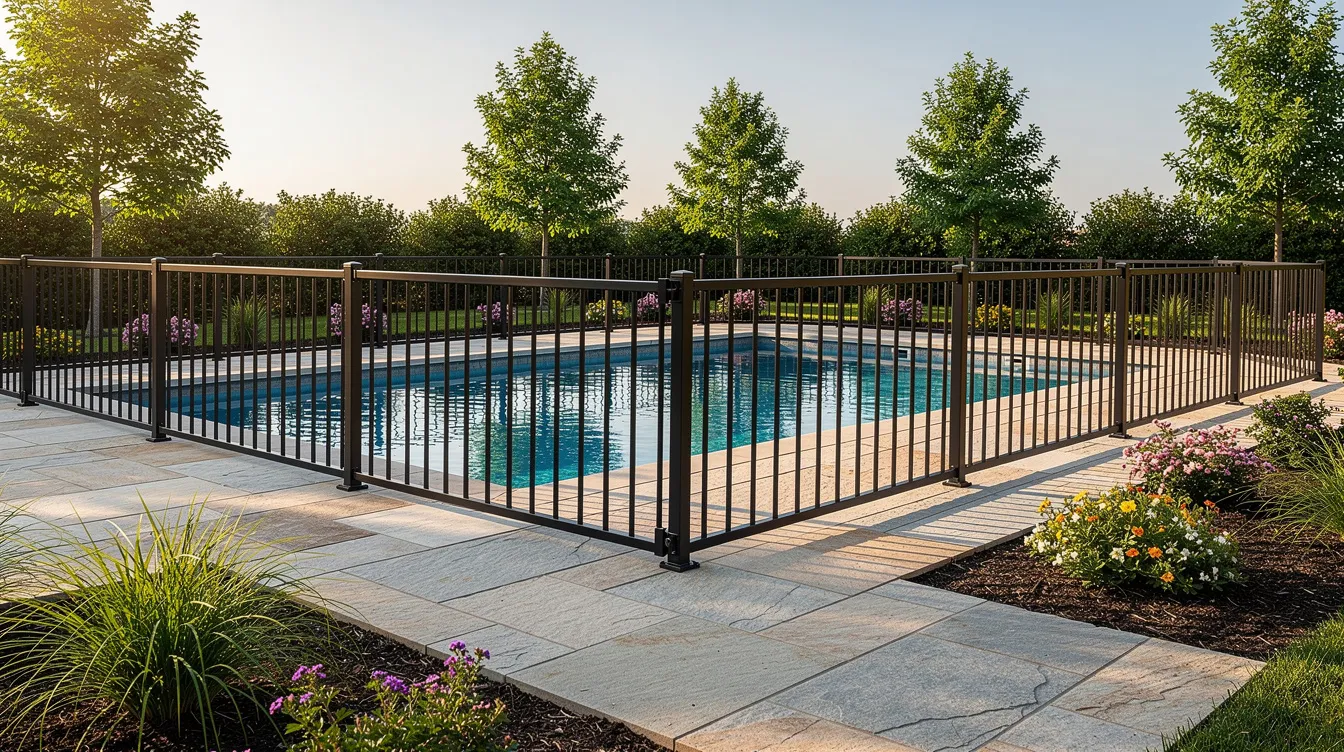
Aluminum Fence
Popular for:
- Pools
- Front yards
- Decorative applications
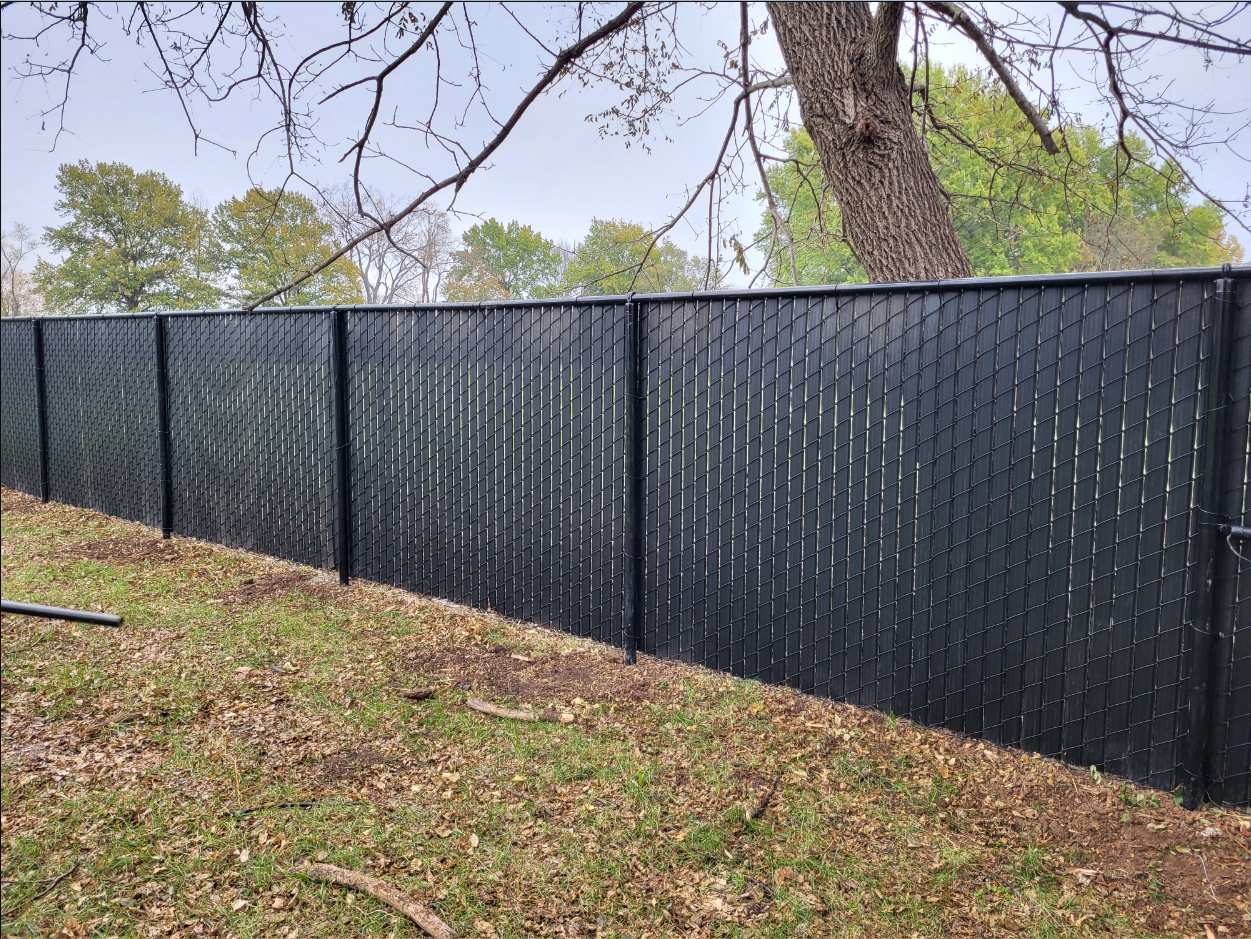
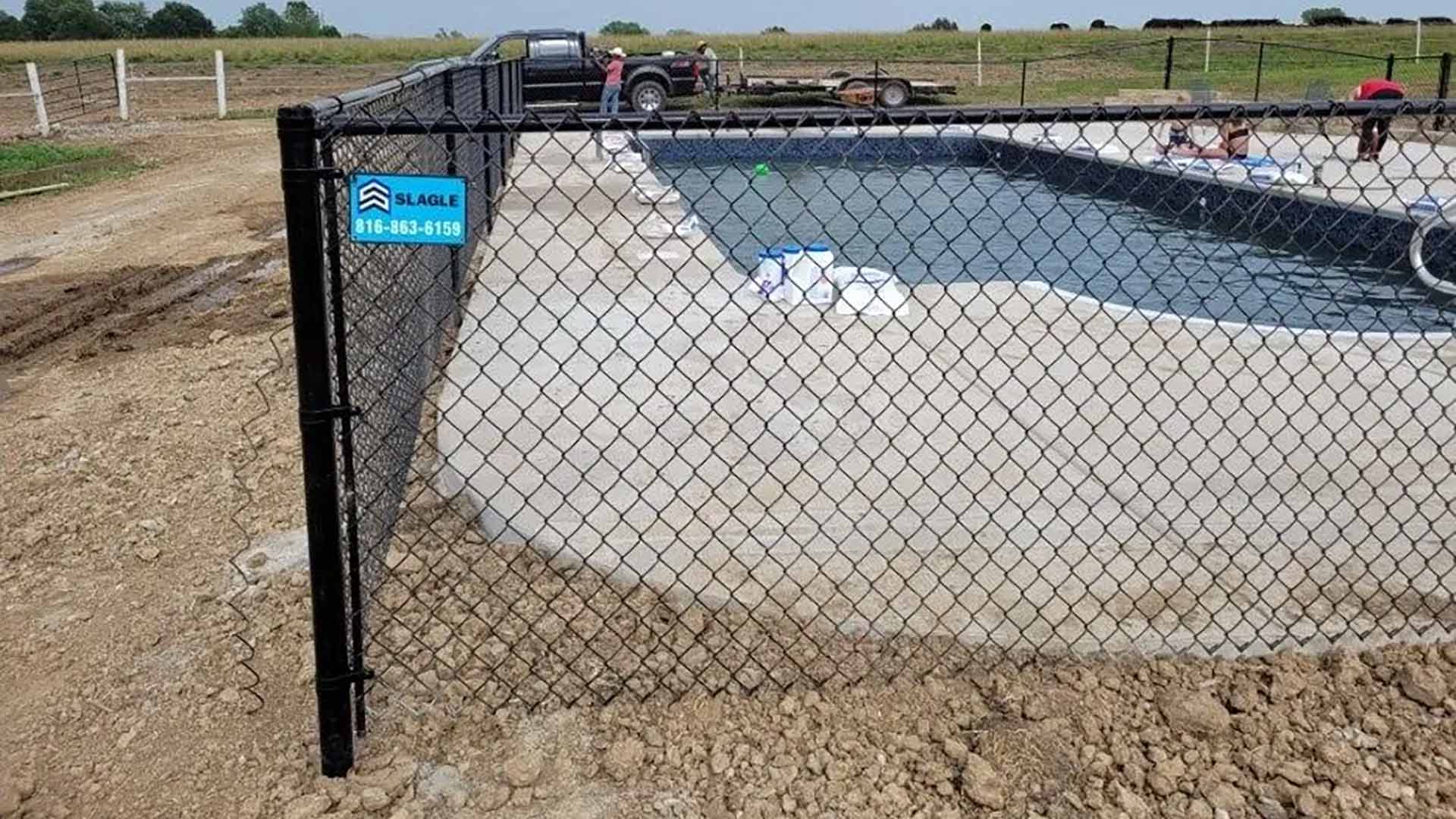
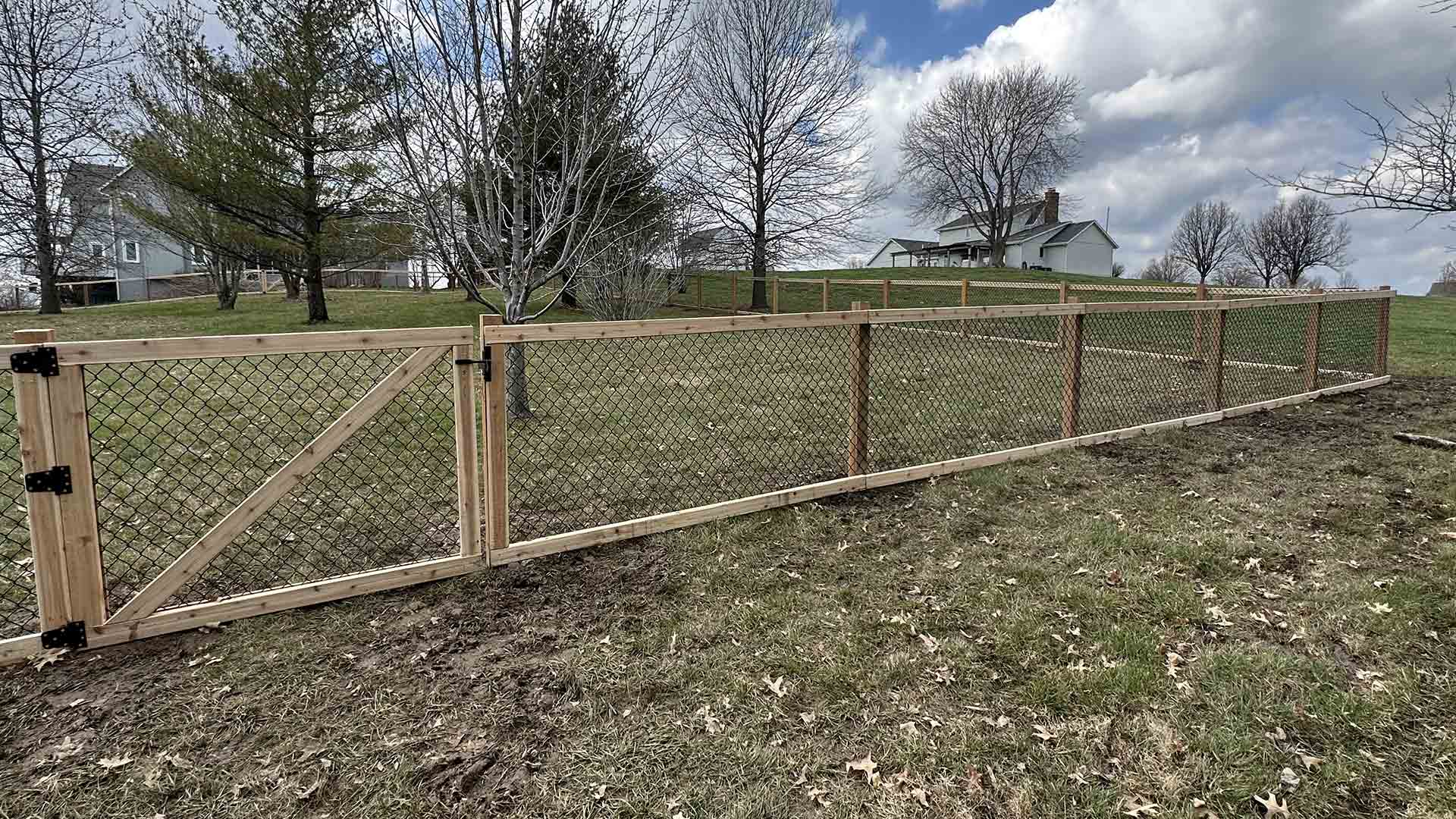
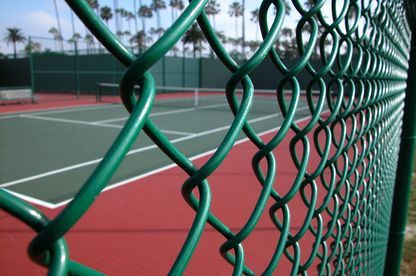
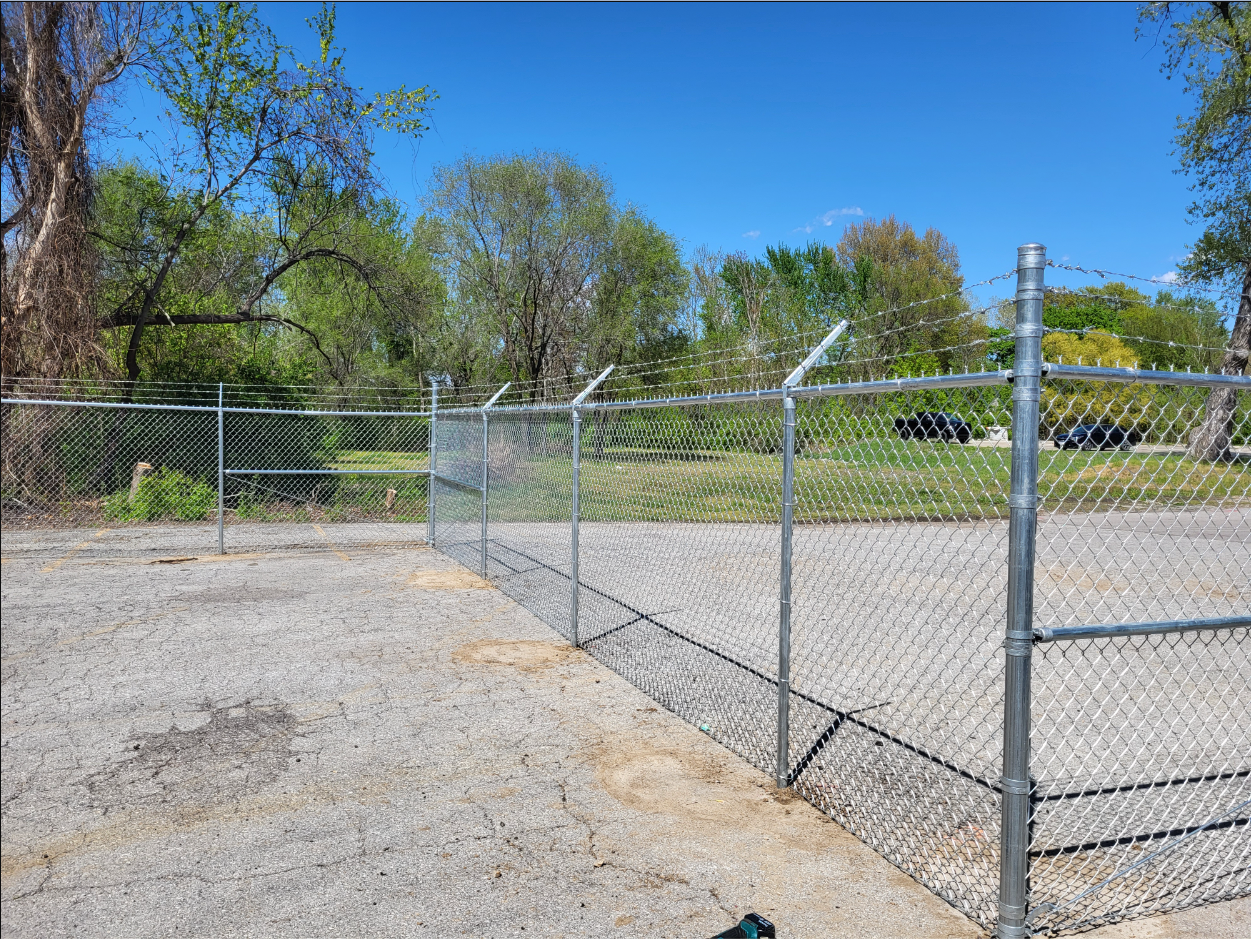
Chain Link Fence
Popular for:
- Budget-friendly projects
- Pet containment
- Large properties
Step 2: Fence Design, Material Selection & Contract Approval
Typical Timeline: 1–7 Days
Once you receive your estimate, the next step is choosing your fence design.
Homeowners decide:
- Fence material
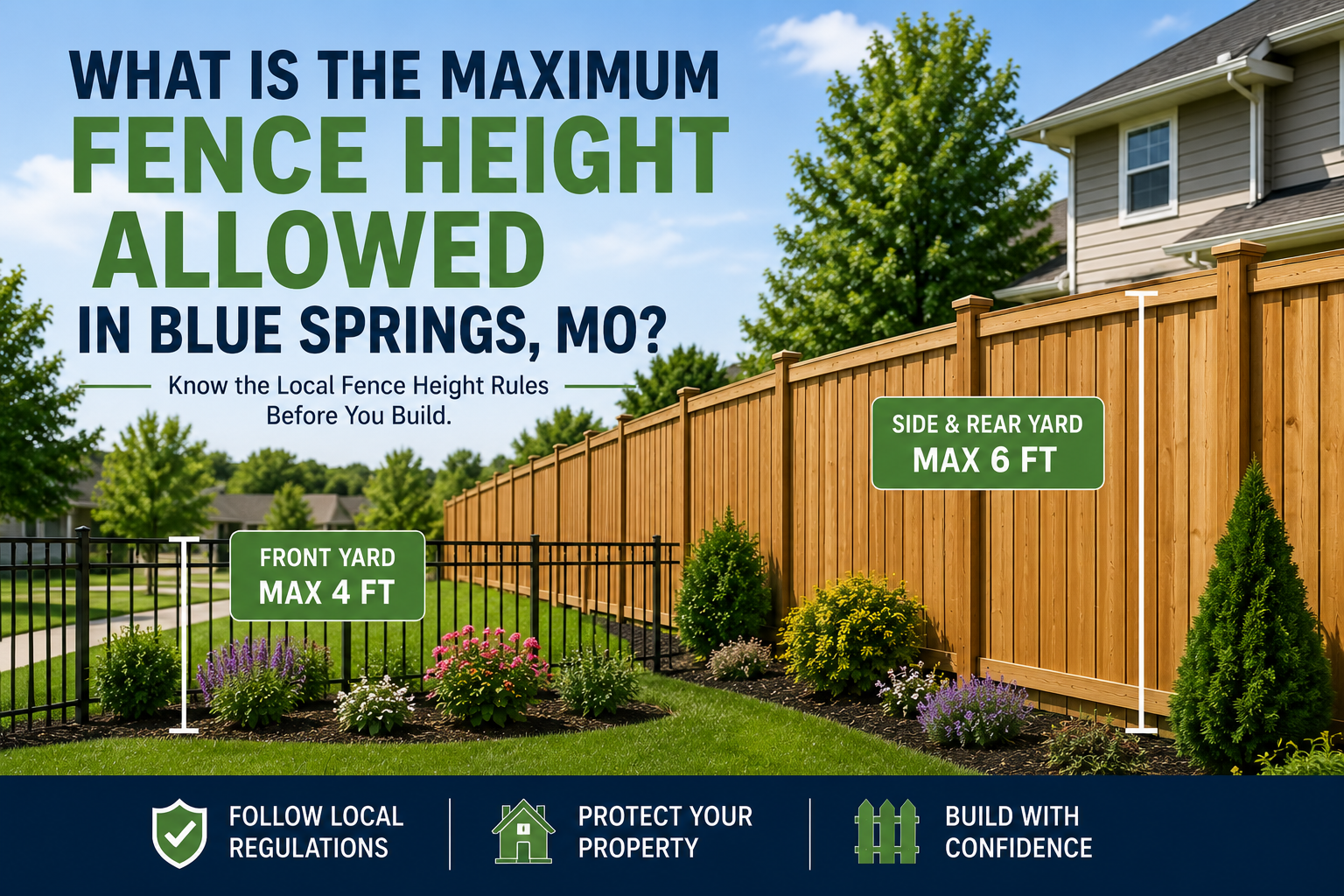
- Fence height
- Fence style
- Gate locations
- Decorative upgrades
- Colors and finishes
Examples of popular upgrades include:
Cedar Fence Upgrades
- Picture frame borders
- French Gothic posts
- Decorative caps
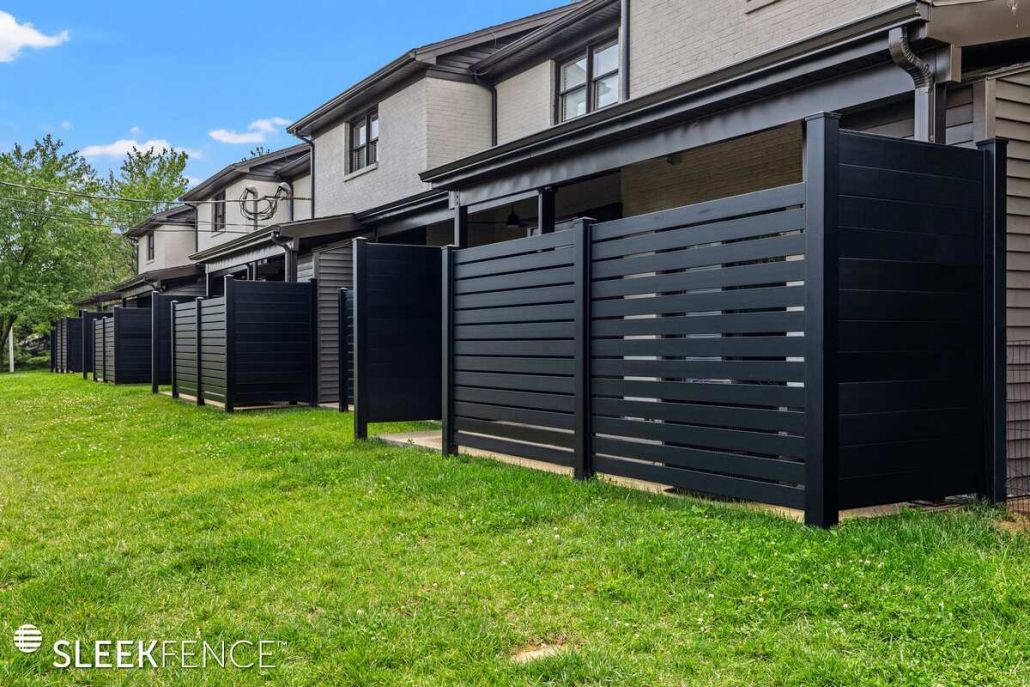
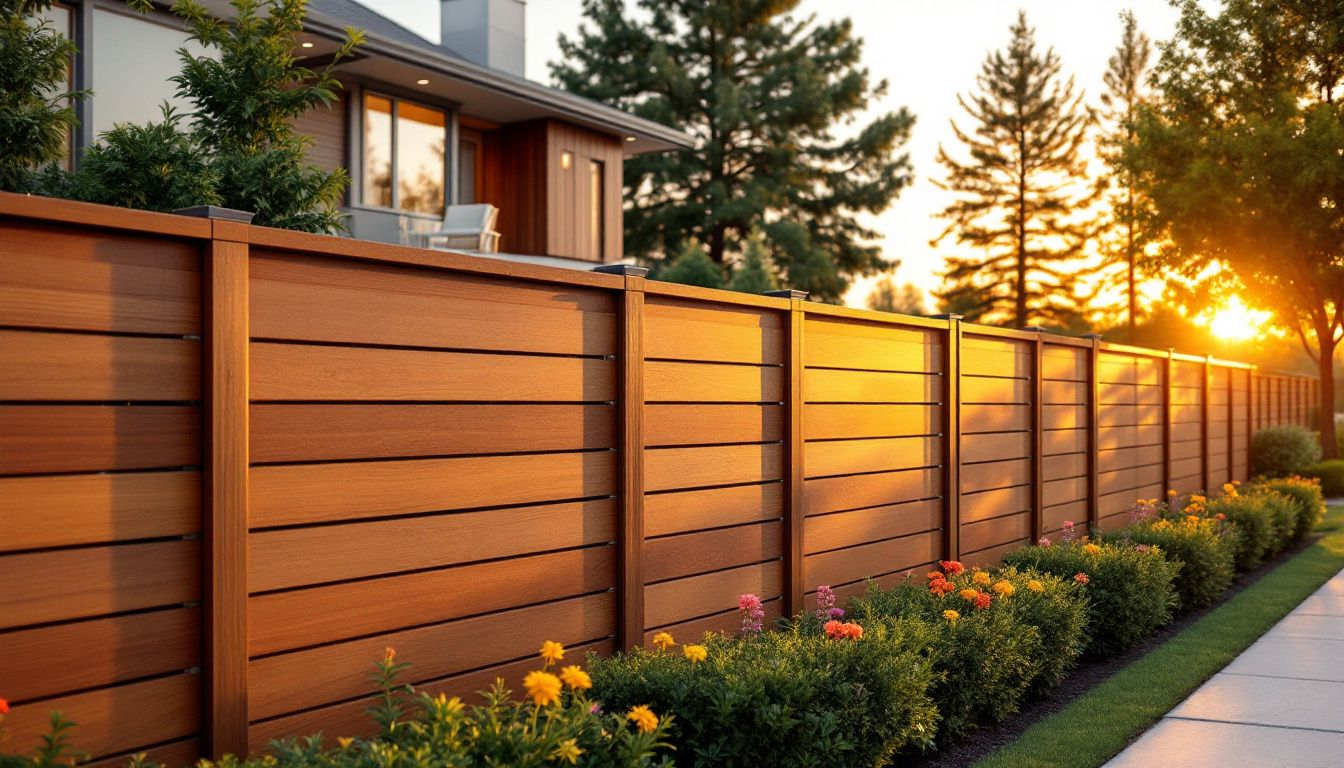
- Horizontal boards
- Steel post upgrades
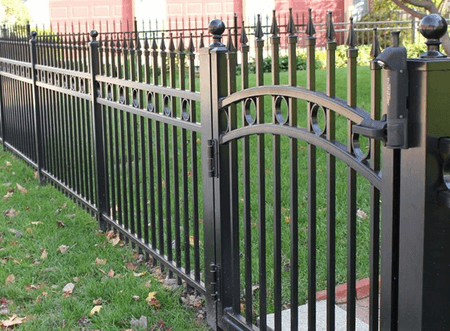
Aluminum Fence Upgrades
- Decorative finials
- Spear tops
- Custom gates
- Pool-safe hardware
Vinyl Fence Upgrades
- Privacy panels
- Decorative tops
- Specialty colors
Taking time during this stage helps avoid changes after materials are ordered.
Step 3: Permit and HOA Approval Process
Typical Timeline: 1–4 Weeks
Depending on your city and neighborhood, approval requirements may vary.
Some communities require:
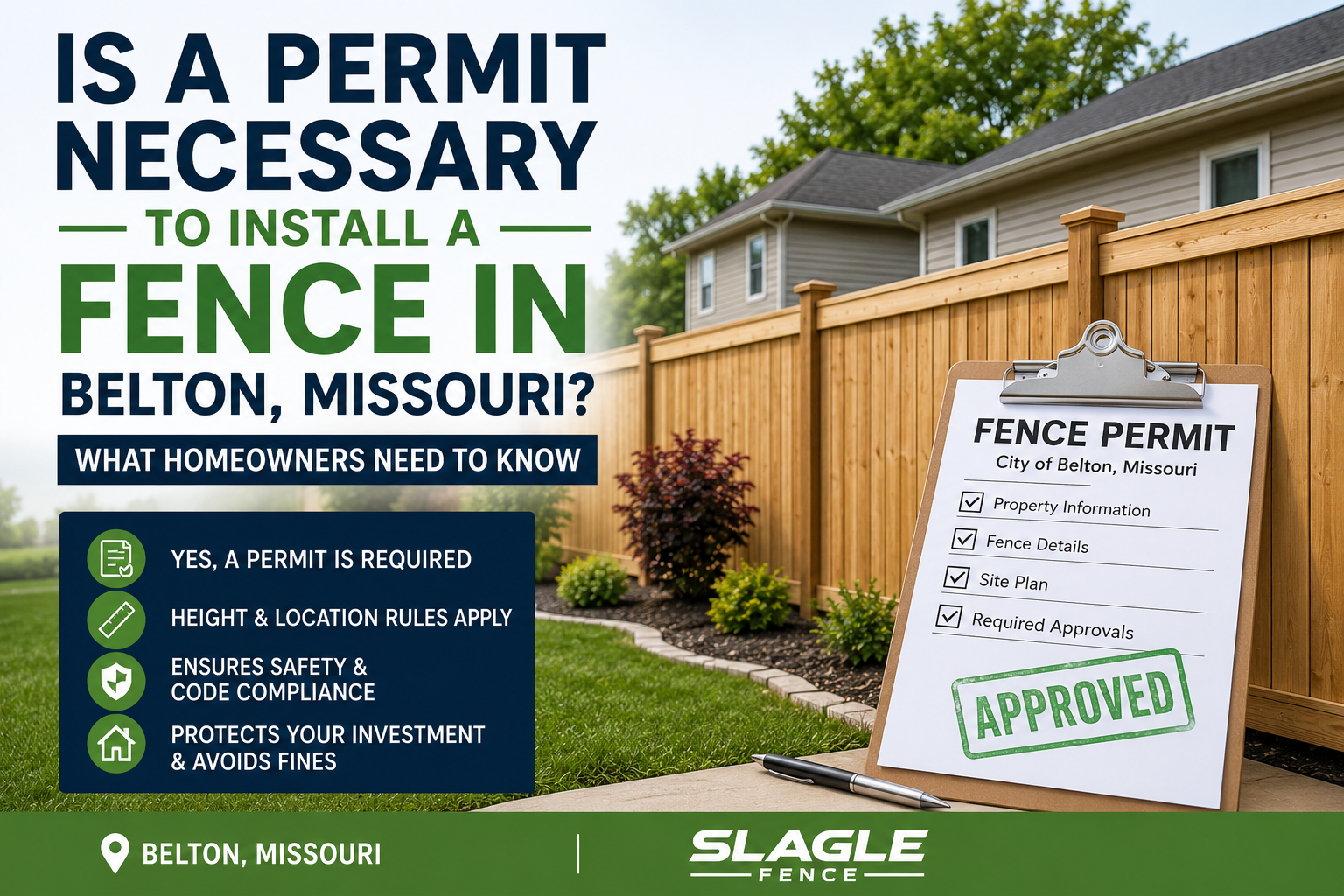
- Fence permits
- Site plans
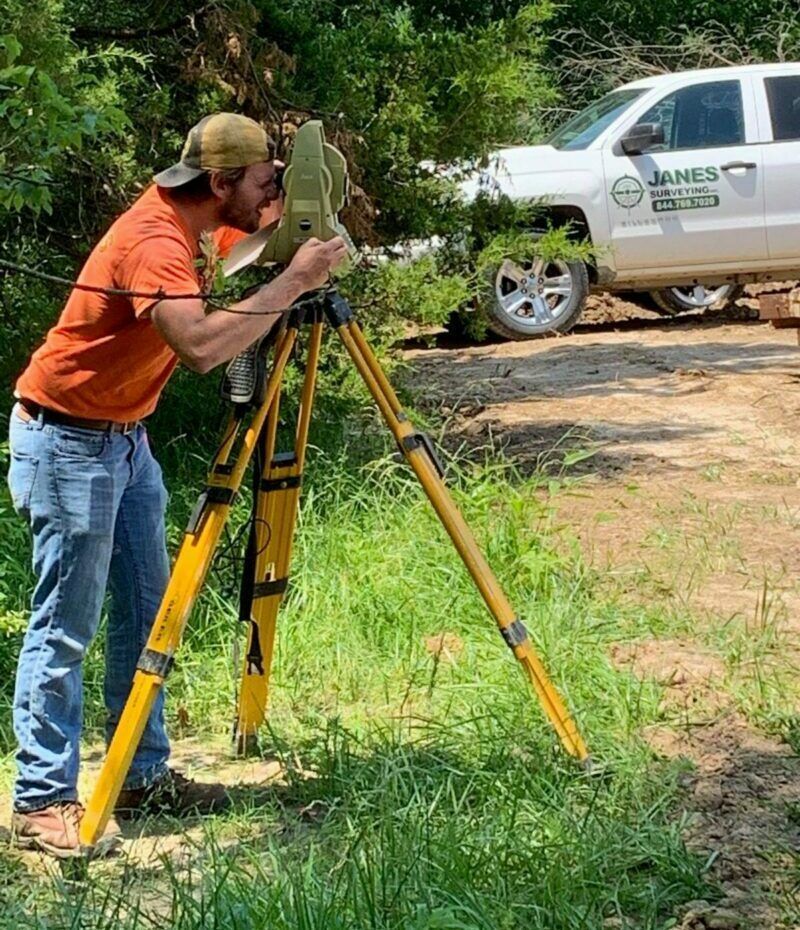
- Property surveys
- HOA approval
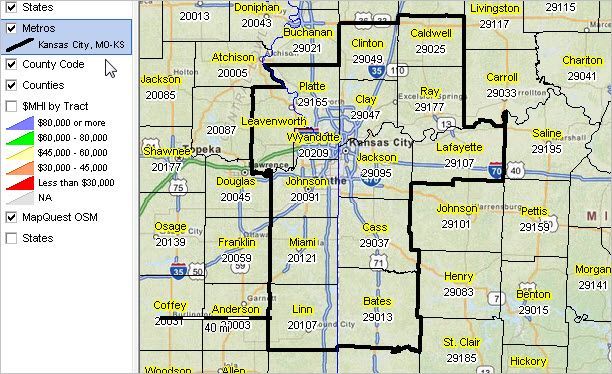
Common Kansas City area cities with fence regulations include:
- Independence
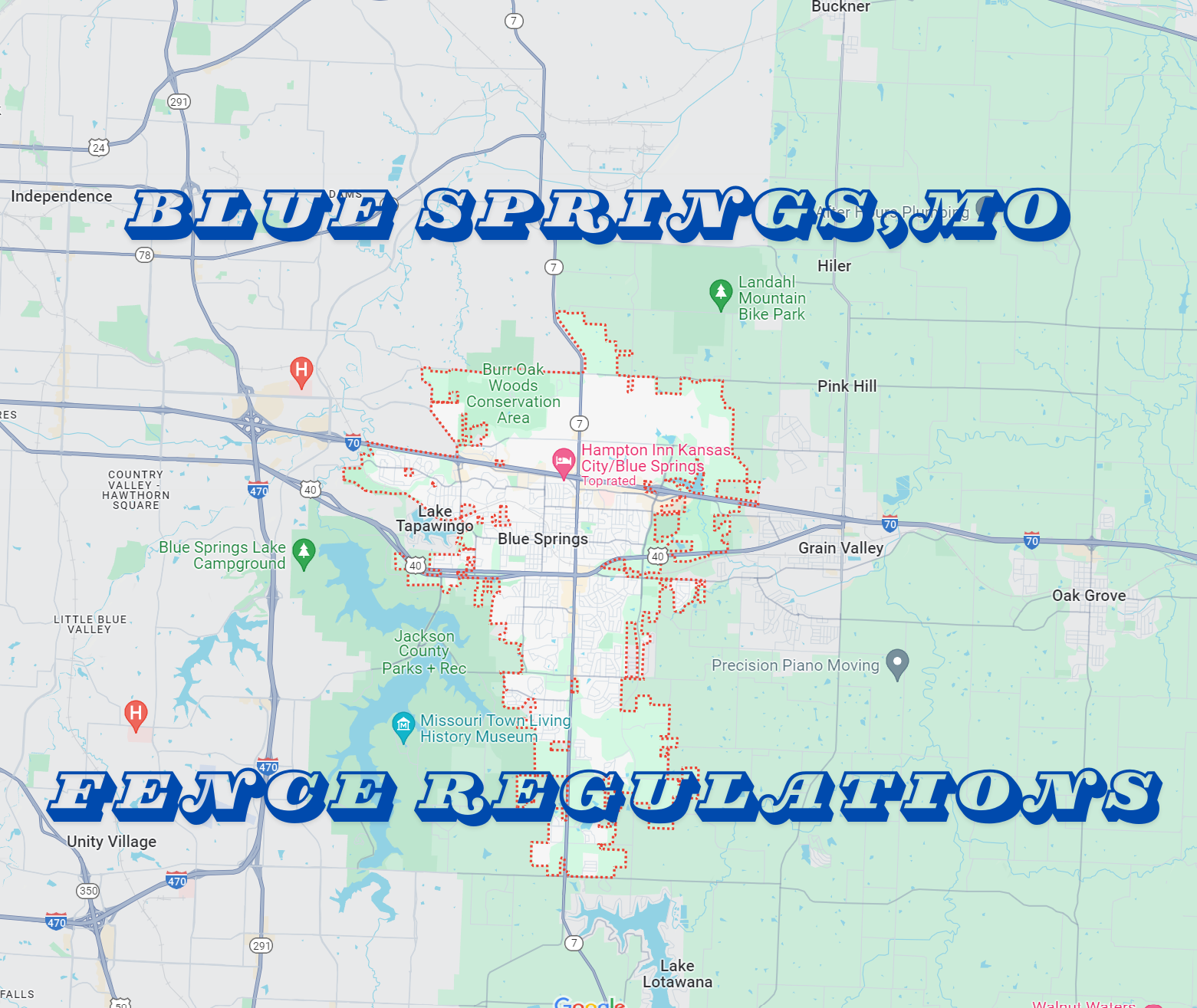
- Blue Springs
- Lee’s Summit
- Grandview
- Greenwood
- Liberty
- Olathe
- Overland Park
Approval timelines vary depending on:
- City workload
- Project complexity
- Whether revisions are needed
What Can Delay Fence Approval?
HOA Approval
HOAs may review:
- Fence style
- Height
- Color
- Materials
- Placement
Some HOAs meet only once or twice per month, which can extend timelines.
Property Line Questions
Before installing a fence, homeowners should confirm:
- Property boundaries
- Easements
- Shared fence agreements
Unclear property lines can delay installation.
Special Circumstances
Projects may require additional review if they involve:
- Corner lots
- Retaining walls
- Drainage areas
- Pool fencing
- Commercial properties
Step 4: Utility Marking and Final Preparation
Typical Timeline: Several Days
Before digging begins, underground utilities must be identified.
This helps locate:
- Gas lines
- Electric lines
- Water lines
- Communication lines
Professional fence companies typically coordinate utility marking before installation.
Homeowners can help by:
- Removing obstacles
- Unlocking gates
- Clearing landscaping near fence lines
- Confirming access areas
Step 5: Fence Installation
Typical Timeline: 1–5 Days
The actual fence installation is often the fastest part of the process.
Installation time depends on:
- Fence length
- Terrain
- Material
- Number of gates
- Weather
How Long Does Each Fence Type Take to Install?
Cedar Privacy Fence
Typical timeline:
2–5 days
Installation includes:
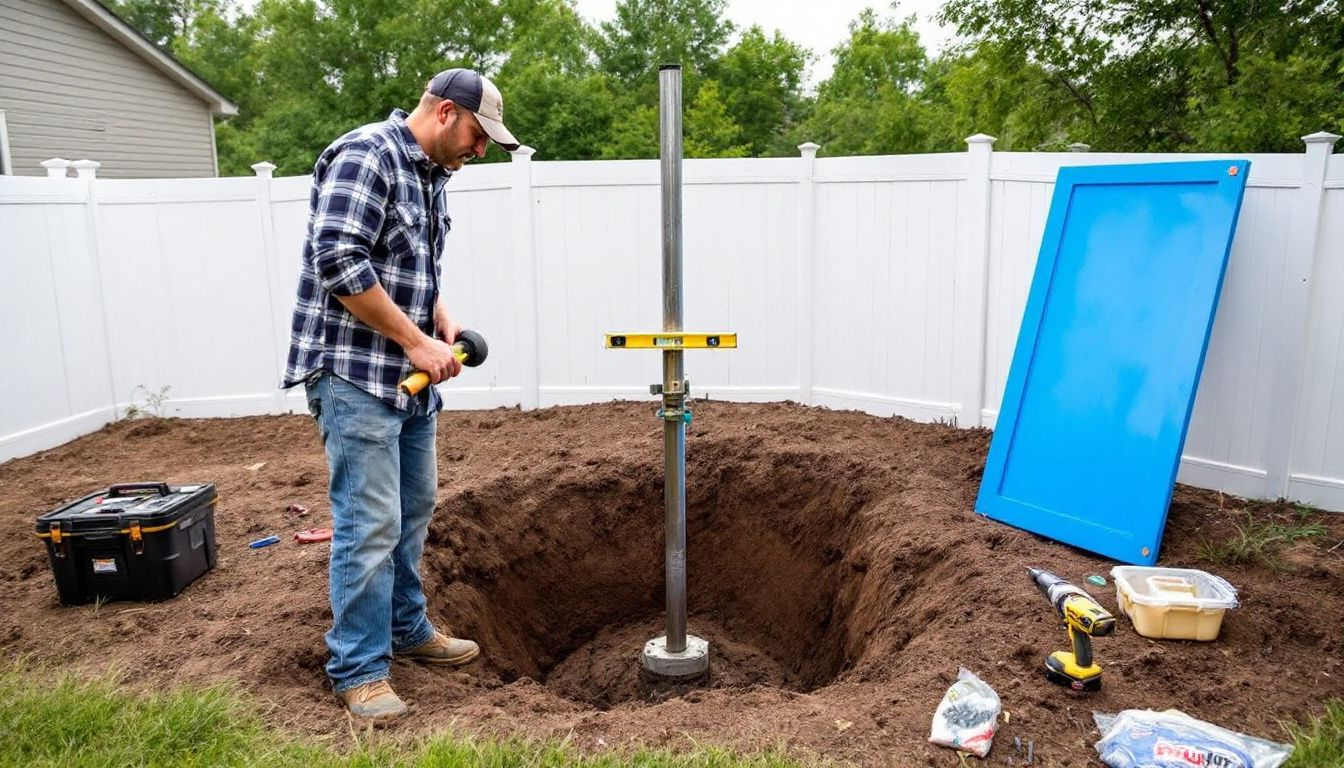
- Setting posts
- Installing rails
- Installing pickets
- Building gates
- Cleanup
Vinyl Privacy Fence 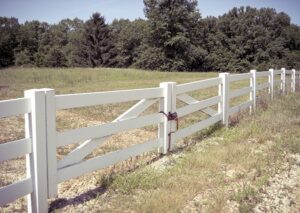
Typical timeline:
2–5 days
Vinyl requires careful alignment to ensure:
- Straight panels
- Proper spacing
- Secure connections
Aluminum Fence
Typical timeline:
1–4 days
Aluminum is often quicker because panels are pre-manufactured.
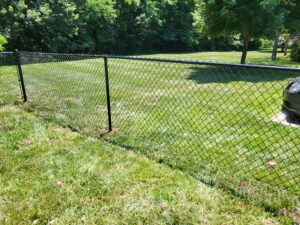 Chain Link Fence
Typical timeline:
1–4 days
Time depends on:
- Fence length
- Terrain
- Gates
- Additional privacy features
Step 6: Final Walkthrough and Completion
Typical Timeline: Same Day
Once installation is complete, your fence contractor should review the project with you.
The final walkthrough should include:
✅ Checking fence alignment
✅ Testing gates
✅ Reviewing hardware
✅ Confirming cleanup
✅ Answering maintenance questions
A quality installation should leave your property clean and your fence ready to use.
Factors That Can Affect Your Fence Timeline
Weather
Midwest weather can impact fence schedules.
Rain can delay:
- Digging
- Concrete installation
- Material delivery
Winter conditions may also affect installation.
Peak Fence Season
Fence companies are often busiest during:
- Spring
- Early summer
- After severe storms
If you want your fence completed before summer, it is best to start planning early.
Fence Material Availability
Some materials have longer lead times.
Potential delays may occur with:
- Custom aluminum designs
- Specialty vinyl colors
- Composite fencing
- Custom gates
How Can I Speed Up My Fence Project?
Homeowners can help avoid delays by:
1. Decide Your Fence Style Early
Know whether you prefer:
- Cedar
- Vinyl
- Aluminum
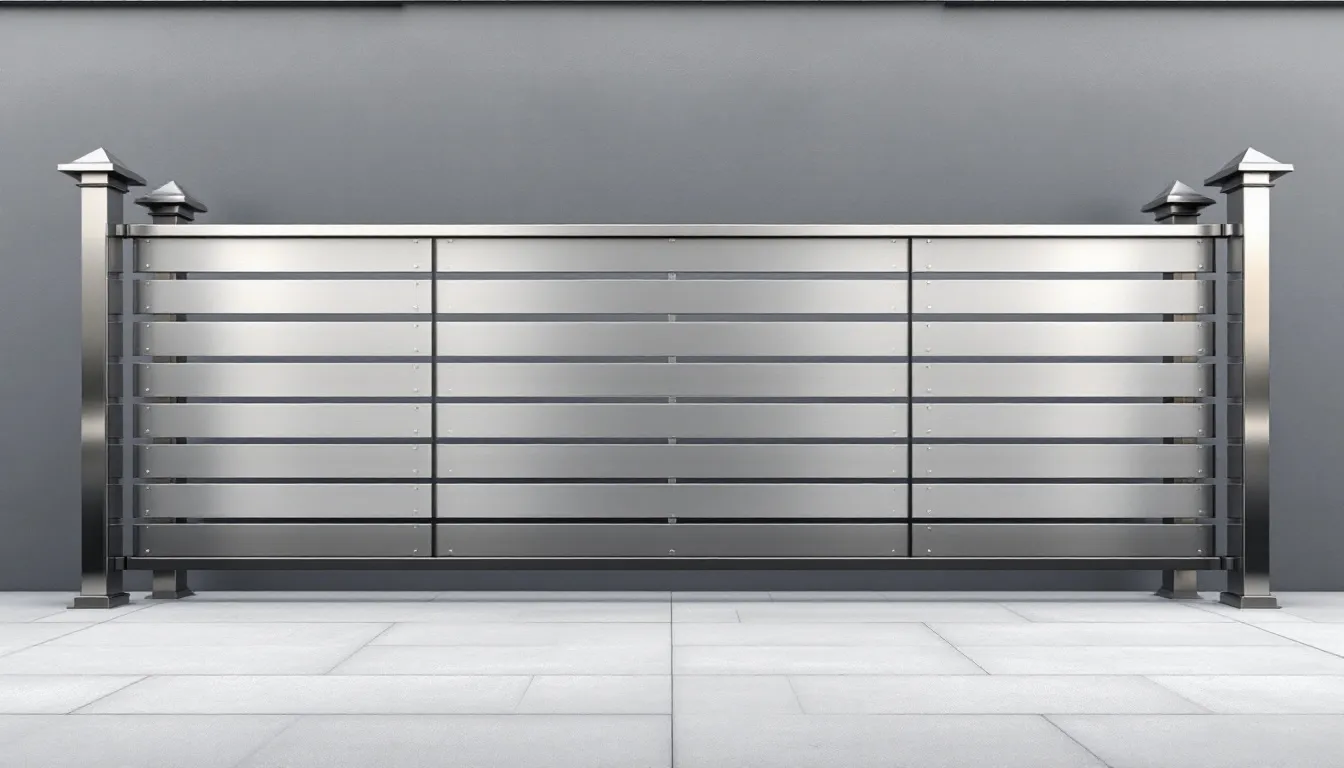
- Steel
- Chain link
before scheduling.
2. Check City Requirements
Before installation, confirm:
- Fence height limits
- Permit requirements
- Placement rules
3. Get HOA Approval Early
If you live in an HOA neighborhood, submit plans as soon as possible.
4. Plan During Less Busy Seasons
Fall and winter can sometimes provide more scheduling flexibility compared to peak spring demand.
Example Fence Installation Timeline
Week 1:
- Schedule consultation
- Receive estimate
- Choose fence style
Week 2:
- Approve project
- Submit permits or HOA paperwork
Weeks 3–5:
- Materials prepared
- Installation scheduled
Installation Week:
- Posts installed
- Fence built
- Gates completed
- Final walkthrough
Final Thoughts: How Long Does a Fence Project Take?
For most homeowners, the fence process typically takes:
2–8 weeks from initial consultation to completion
The actual installation may only take a few days, but approvals, scheduling, materials, and preparation determine the total timeline.
The best way to ensure a smooth fence installation is to:
✅ Work with an experienced local fence contractor
✅ Understand your city’s requirements
✅ Choose your materials early
✅ Plan ahead before peak season
A professionally installed fence adds privacy, security, and curb appeal while providing long-term value for your home.