What Type of Maintenance Does Each Fence Type Need?
A new fence is an investment in your home’s privacy, security, and curb appeal. Like any investment, regular maintenance can help it look great and perform well for many years.
One of the most common questions homeowners ask is:
“How much maintenance does each type of fence require?”
The answer depends on the material you choose. Some fences need periodic staining or sealing, while others only require occasional cleaning and inspections.
At Slagle Fence, we install a variety of fence styles throughout the Kansas City metro. Here’s what you can expect from the most popular fencing materials and how to keep each one in top condition.
Why Fence Maintenance Matters
Routine maintenance helps:
- Extend the life of your fence
- Improve curb appeal
- Prevent expensive repairs
- Protect against weather damage
- Keep gates operating smoothly
- Preserve your property’s value
Even low-maintenance fences benefit from a yearly inspection.
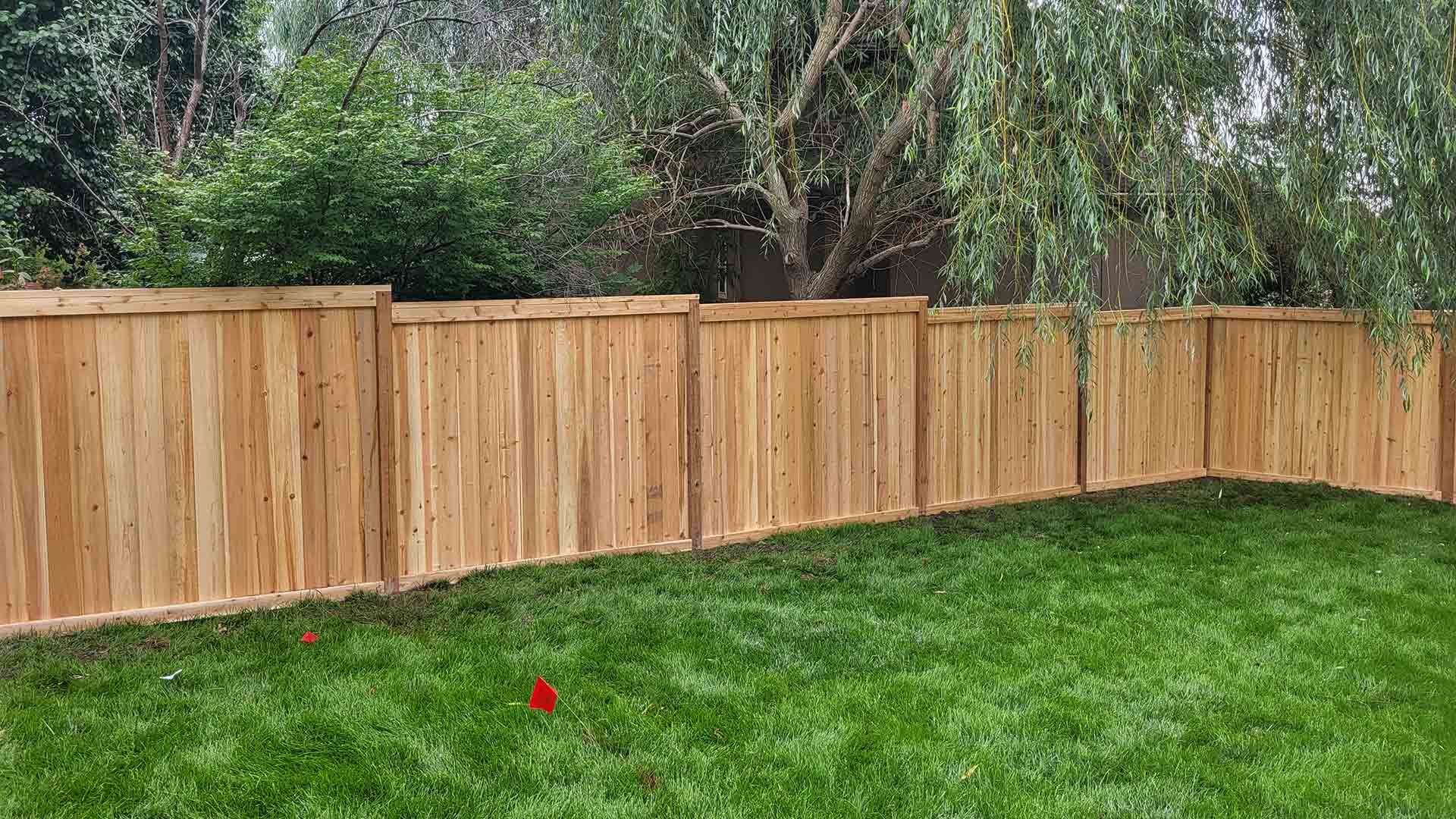
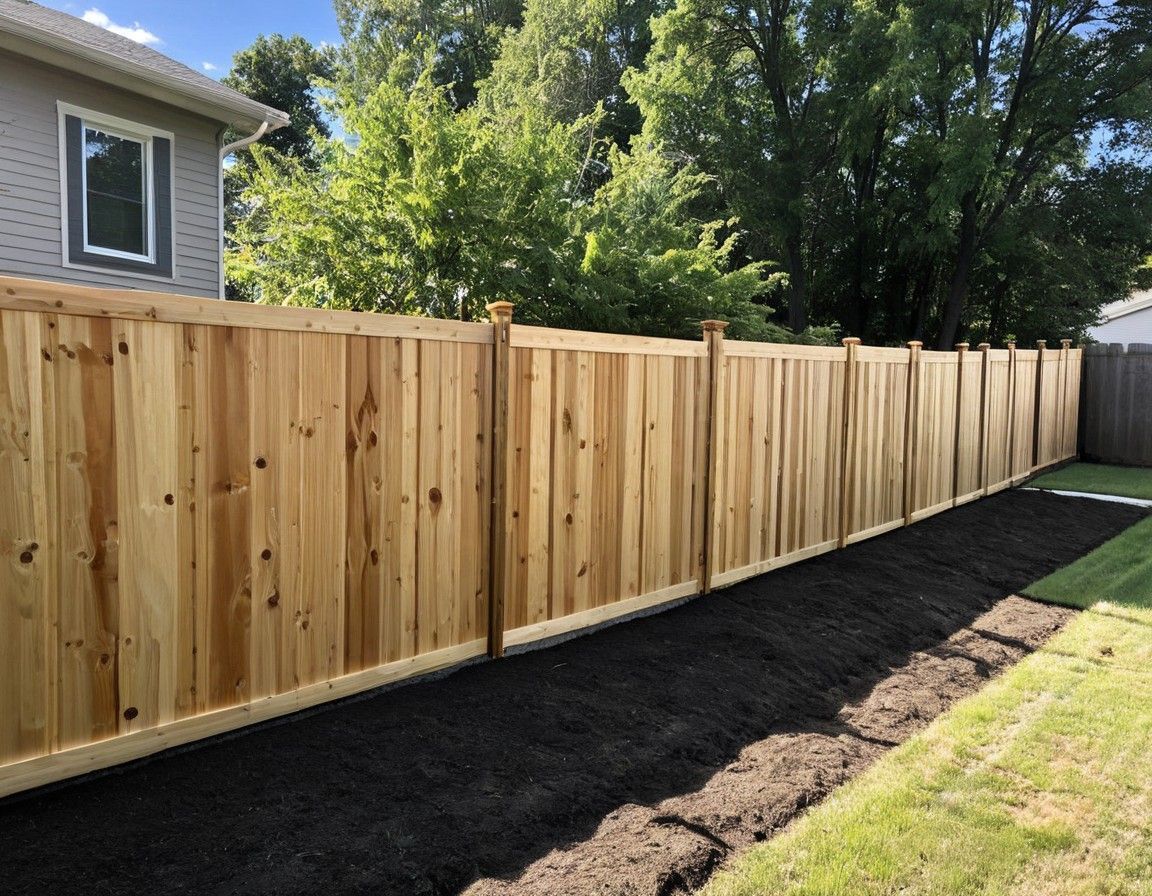
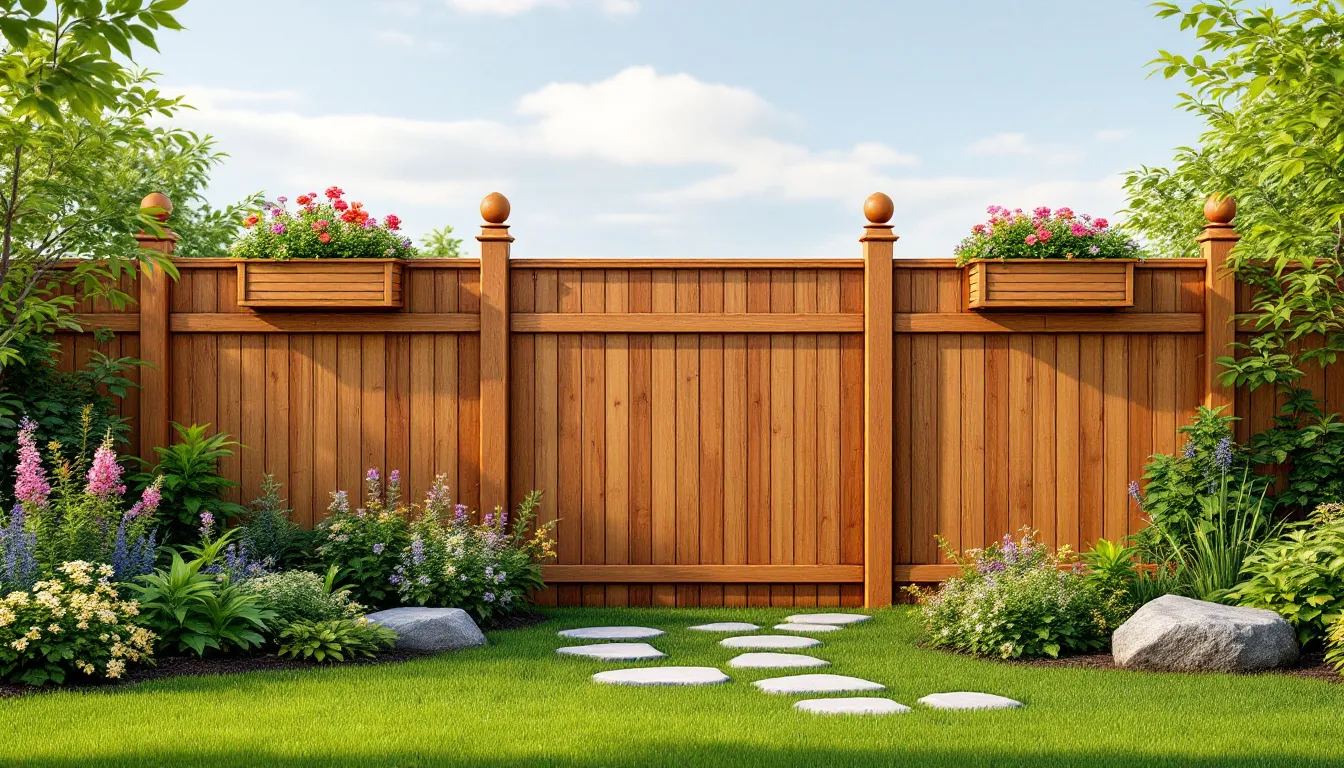
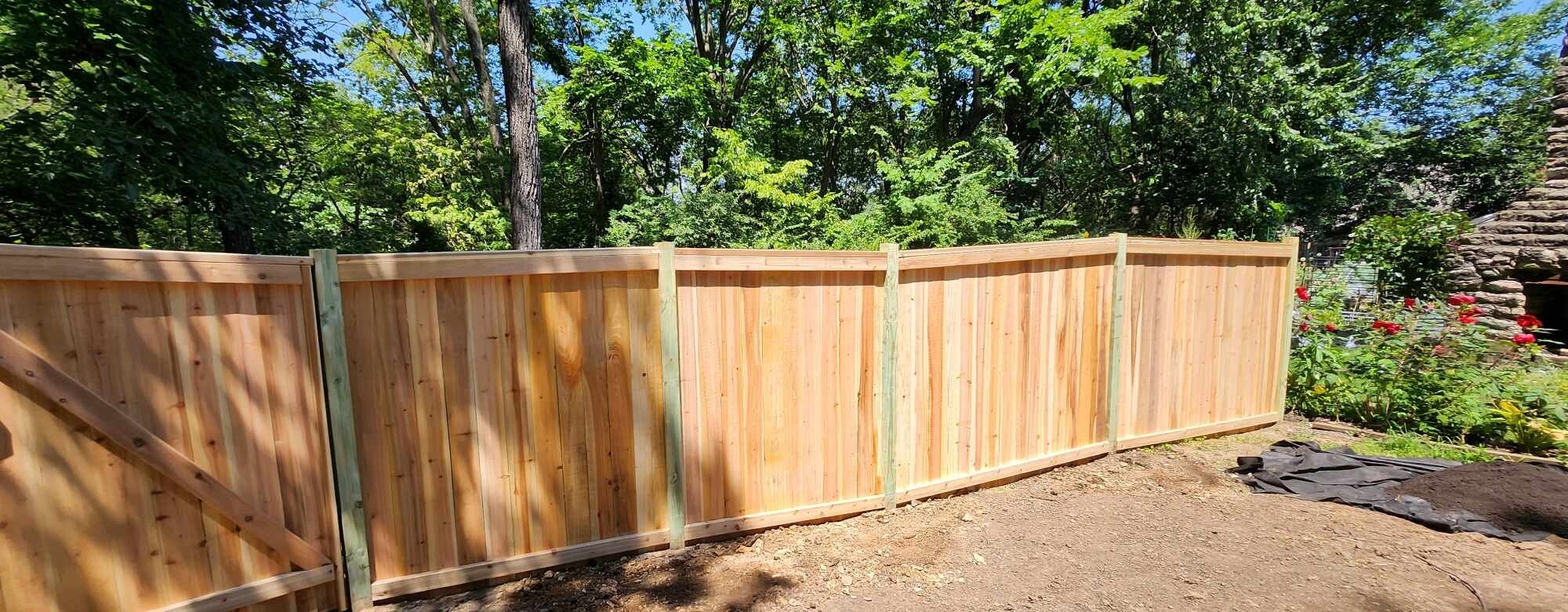
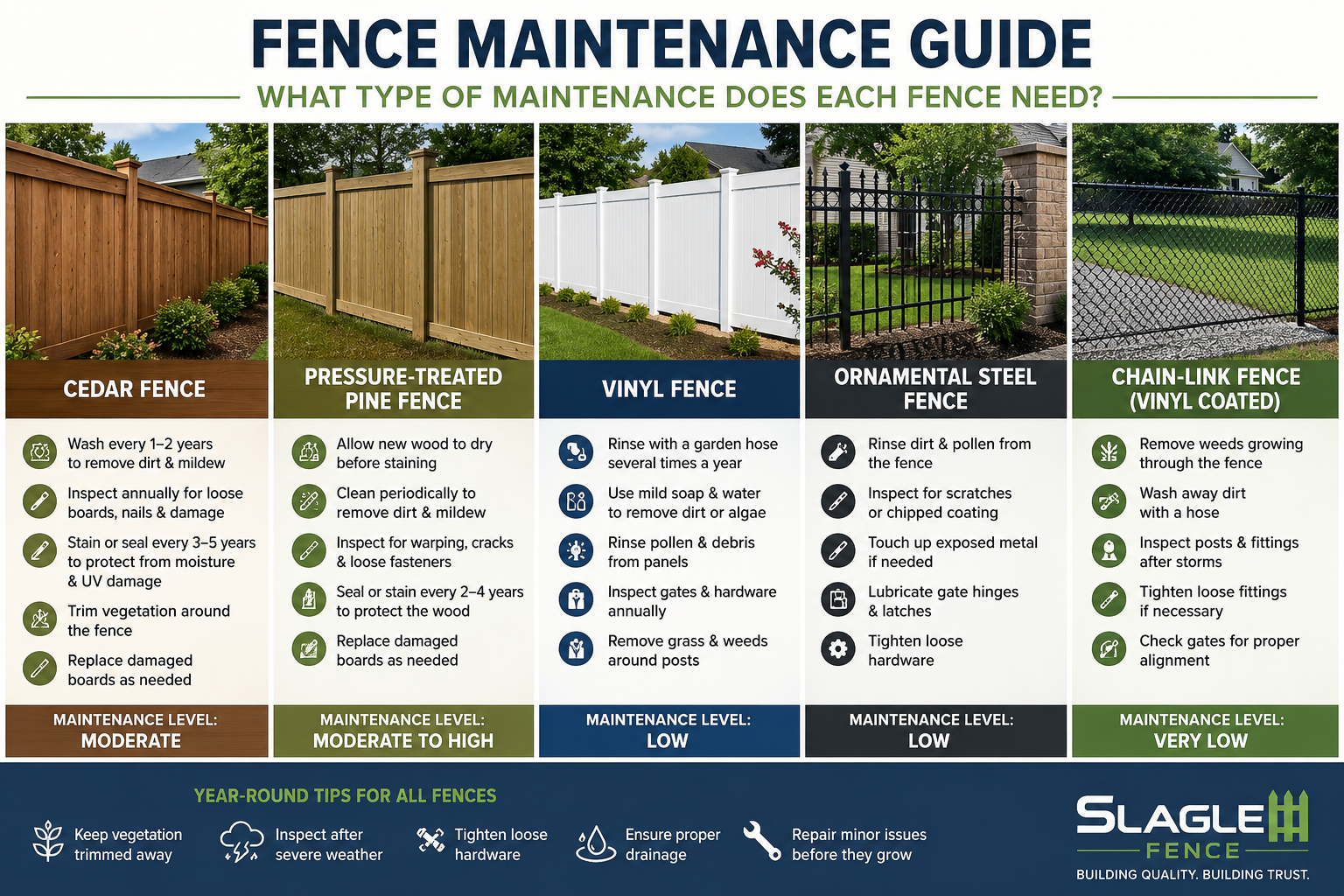
Cedar Fence Maintenance
Cedar remains one of the most popular residential fencing materials because it’s naturally resistant to insects and decay. However, regular care will help maximize its lifespan.
Typical Maintenance
- Wash the fence every 1–2 years to remove dirt, pollen, and mildew.
- Inspect for loose boards or fasteners annually.
- Trim grass, shrubs, and vines away from the fence.
- Replace damaged boards as needed.
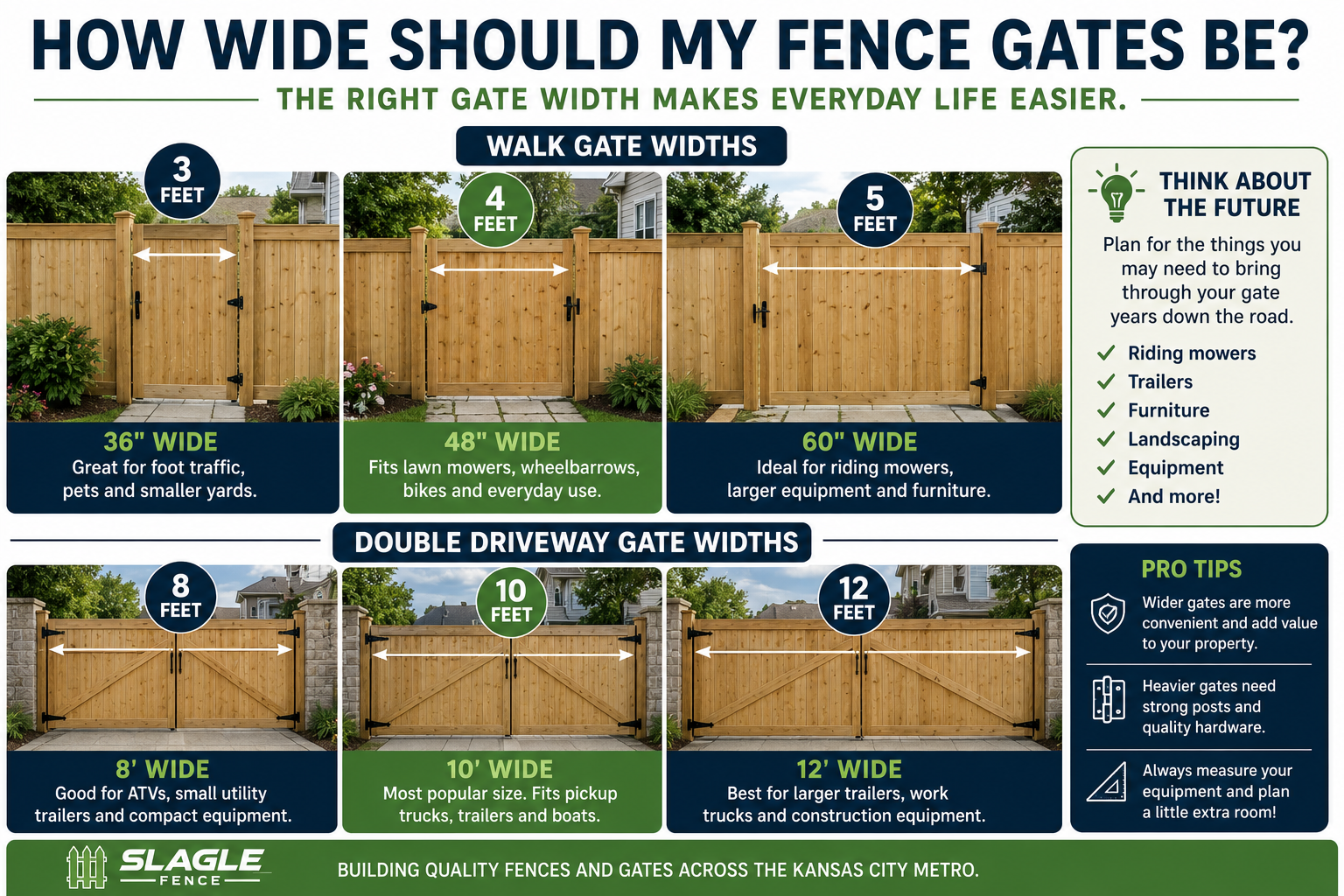
- Check gates for sagging or loose hinges.
Staining and Sealing
Many homeowners choose to stain cedar every 3–5 years, depending on:
- Sun exposure
- Weather conditions
- Type of stain used
A penetrating oil-based stain helps reduce moisture absorption, protect against UV damage, and maintain the wood’s natural beauty.
Average Maintenance Level
Moderate
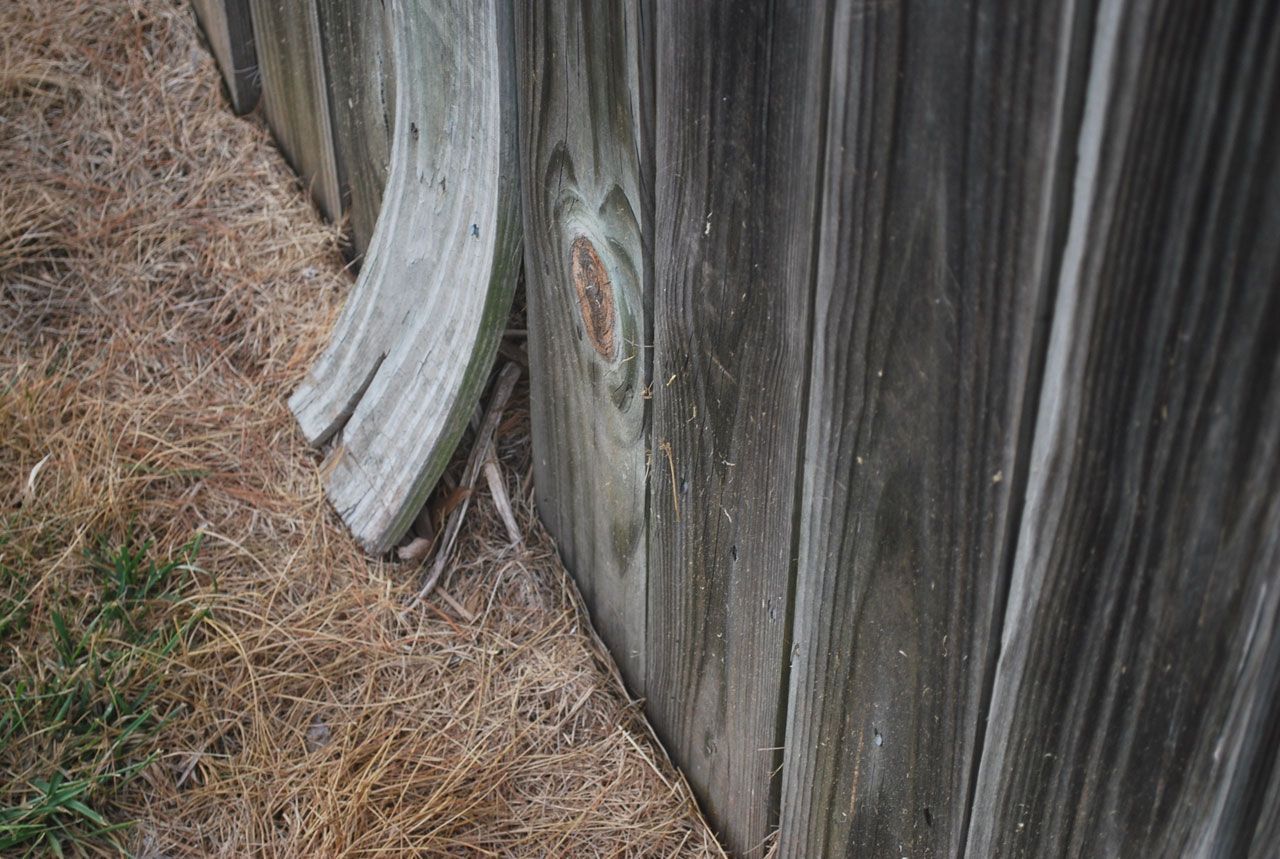
Pressure-Treated Pine Fence Maintenance
Pressure-treated pine is a budget-friendly option, but it generally requires more upkeep than cedar.
Typical Maintenance
- Allow new lumber to dry before staining or sealing.
- Clean periodically to remove dirt and mildew.
- Inspect for warping, twisting, and cracking.
- Replace damaged boards when necessary.
- Check for loose nails or screws.
Staining
Most pressure-treated pine fences benefit from staining or sealing every 2–4 years to reduce moisture damage and weathering.
Average Maintenance Level
Moderate to High
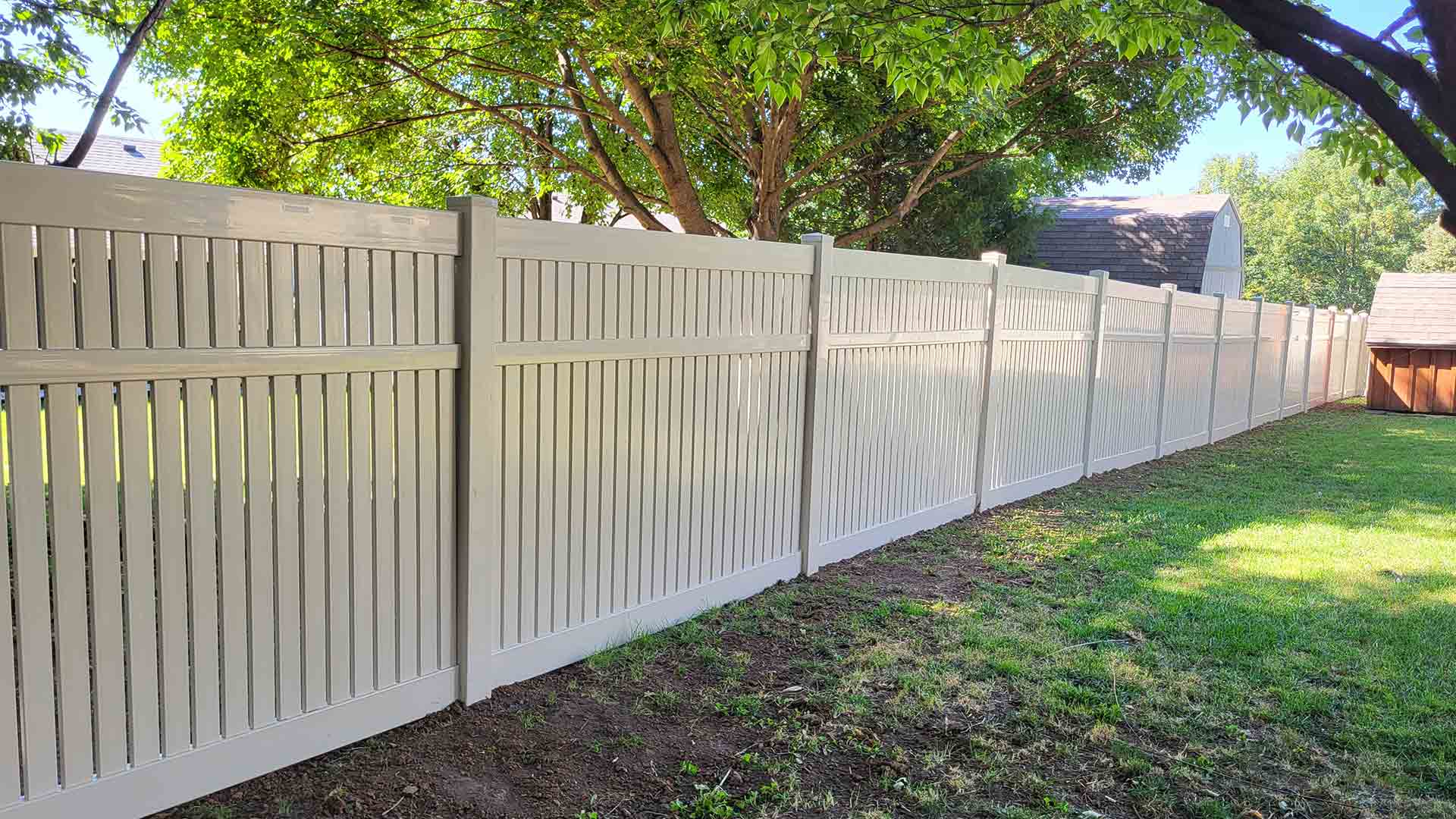
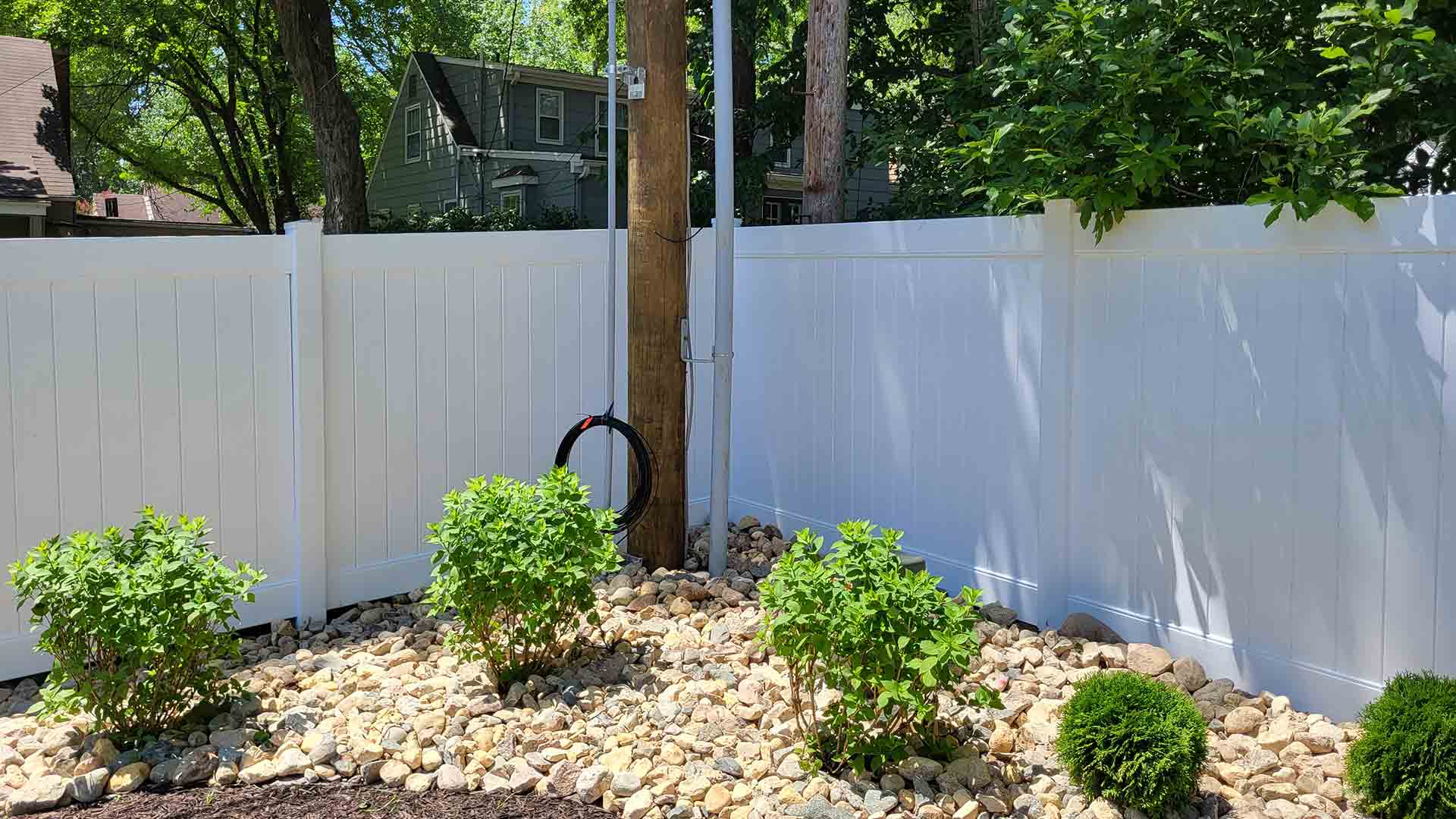
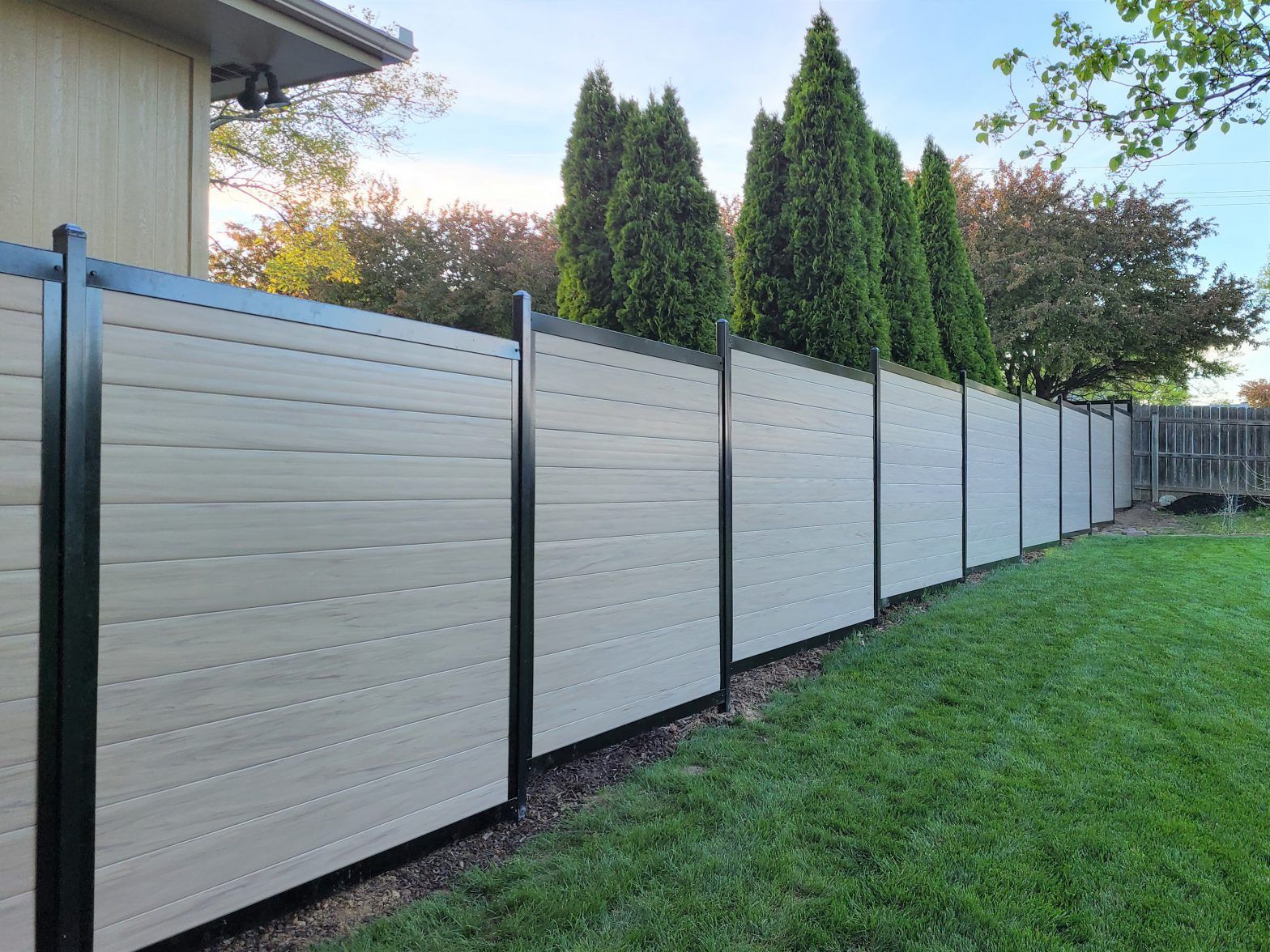
Vinyl Fence Maintenance
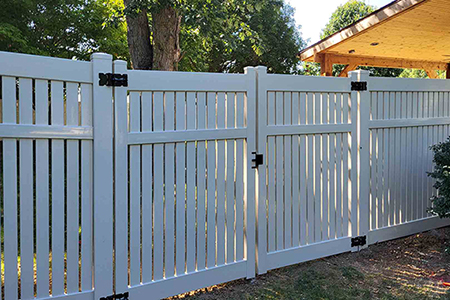
Vinyl fencing is one of the easiest fence materials to maintain. 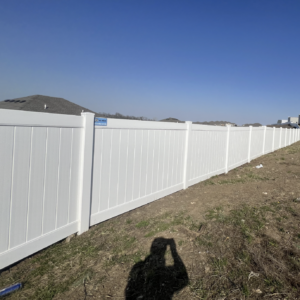
Unlike wood, vinyl won’t:
- Rot
- Attract termites
- Require staining
- Need painting
Typical Maintenance
- Wash with a garden hose several times a year.
- Use mild soap and water to remove dirt or algae.
- Rinse pollen and debris from panels.
- Inspect gates and hardware annually.
- Remove grass and weeds around posts.
Most homeowners can keep a vinyl fence looking great with only occasional cleaning.
Average Maintenance Level
Low
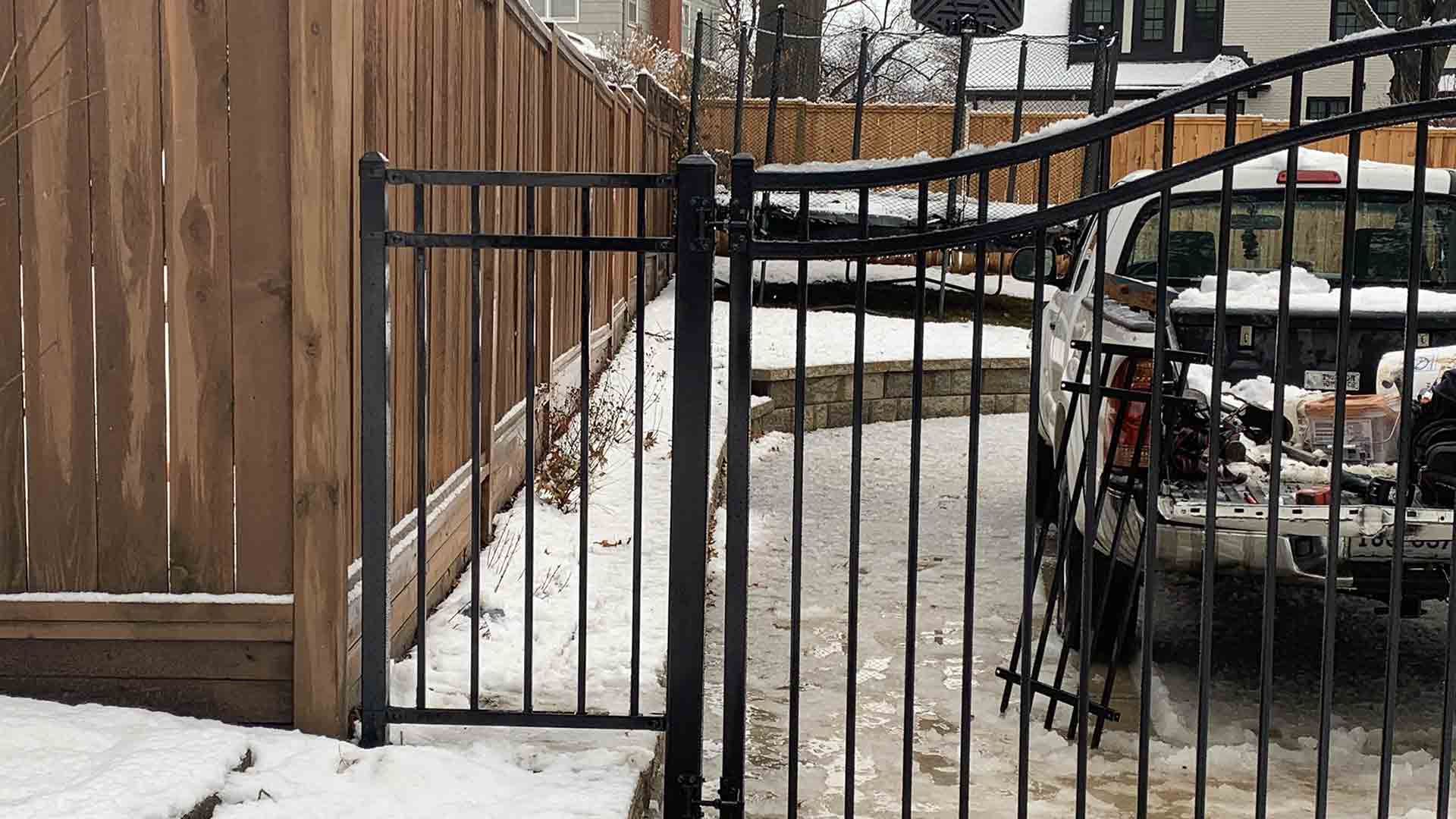
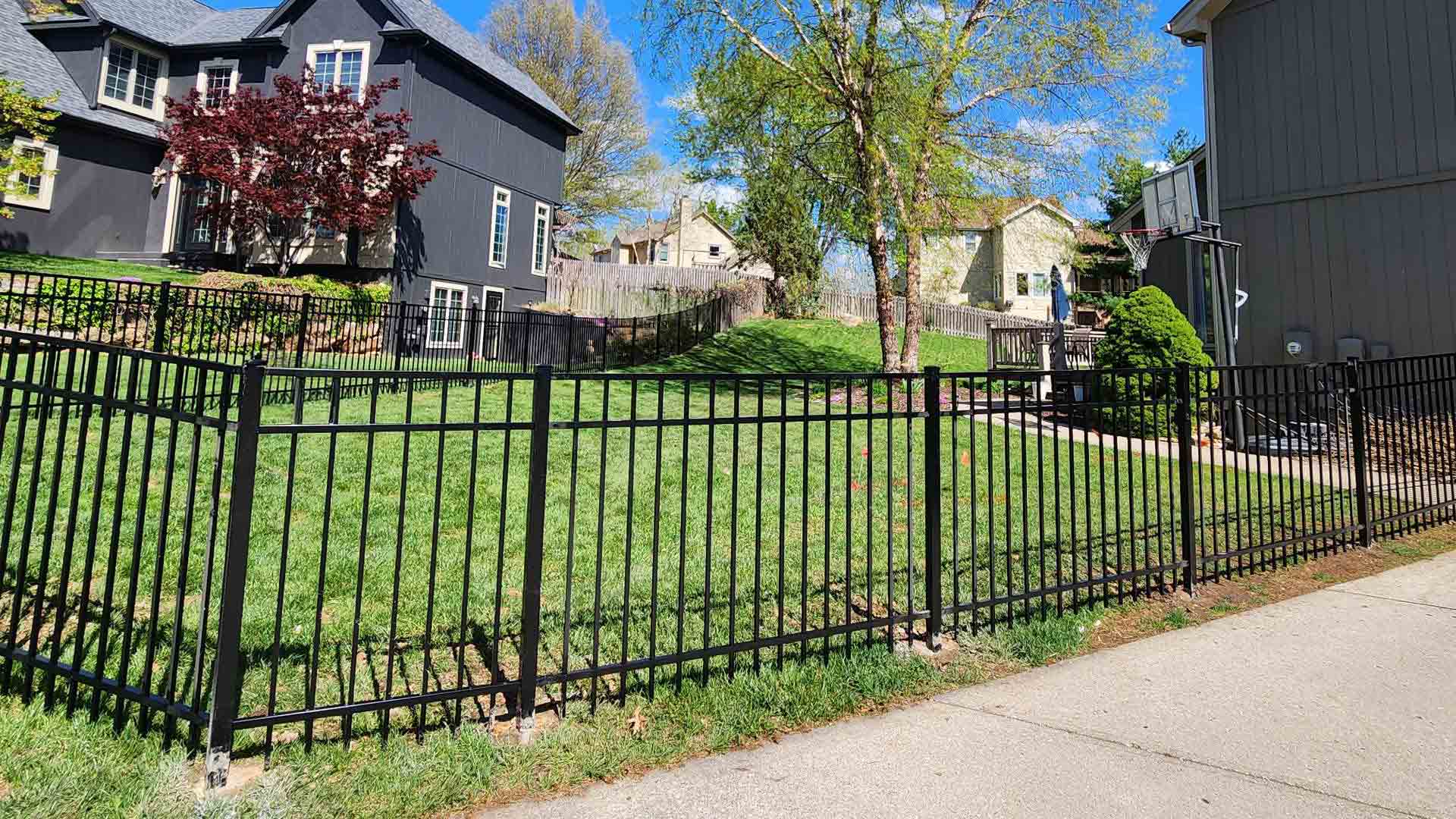
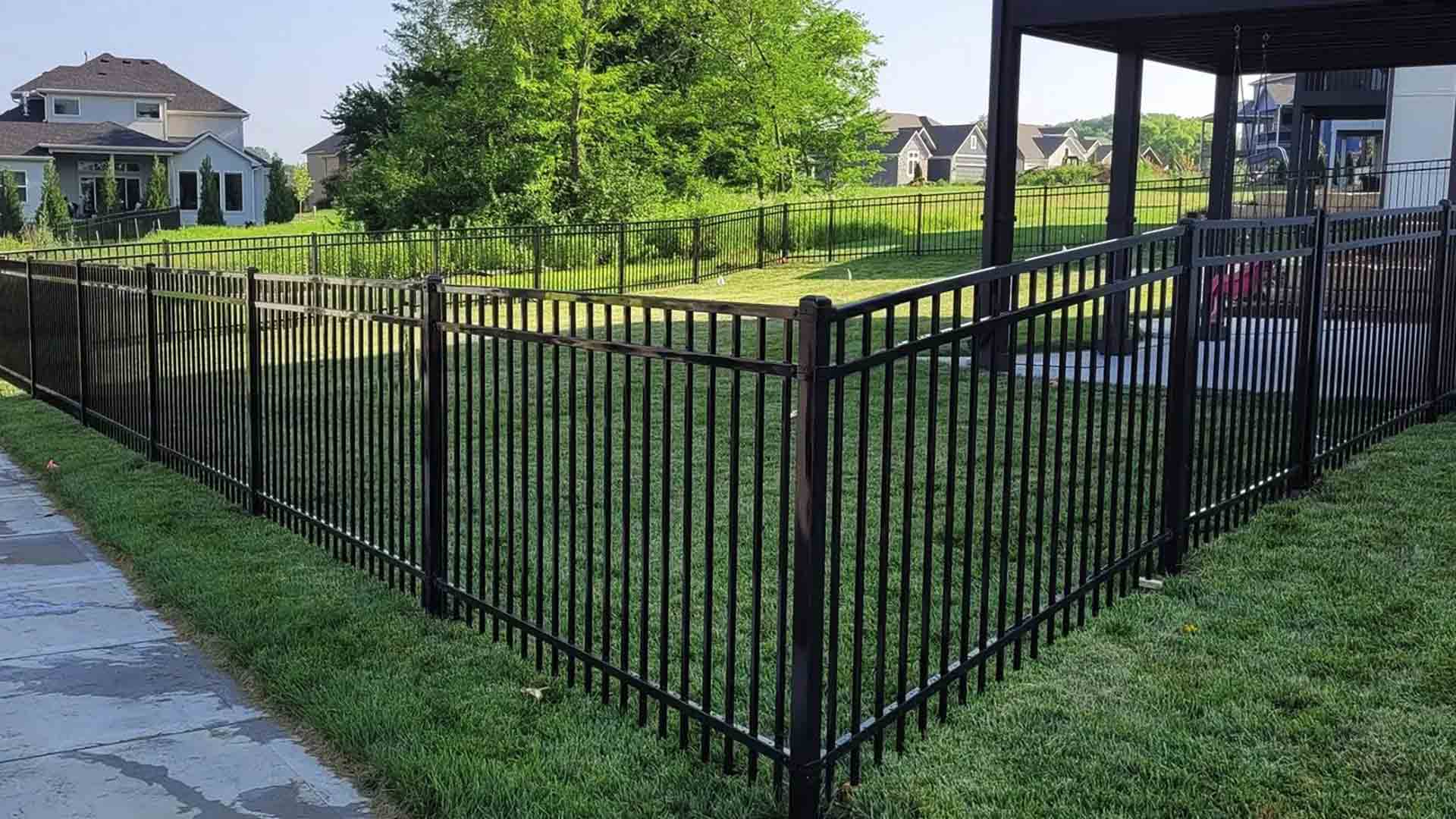
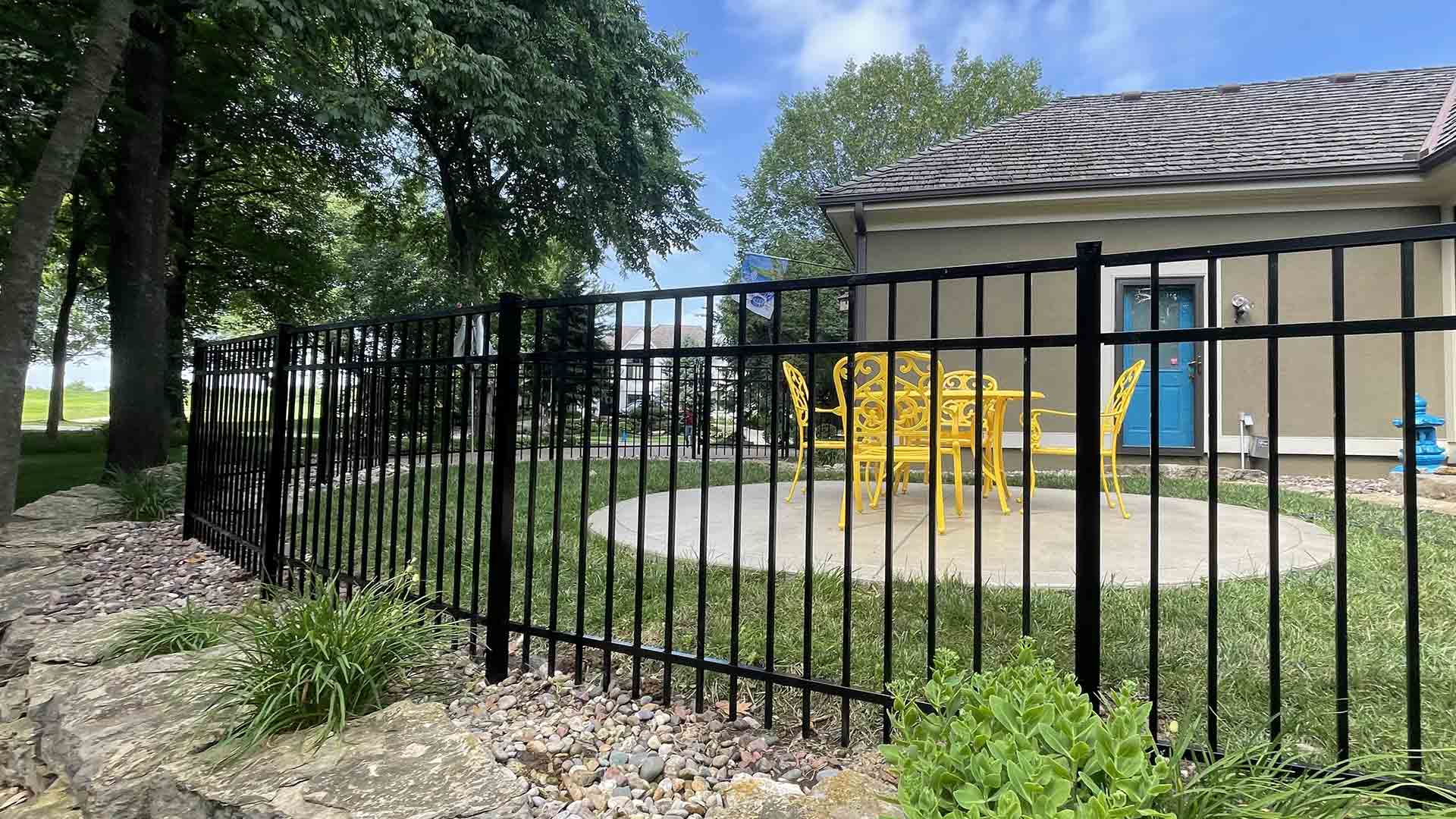
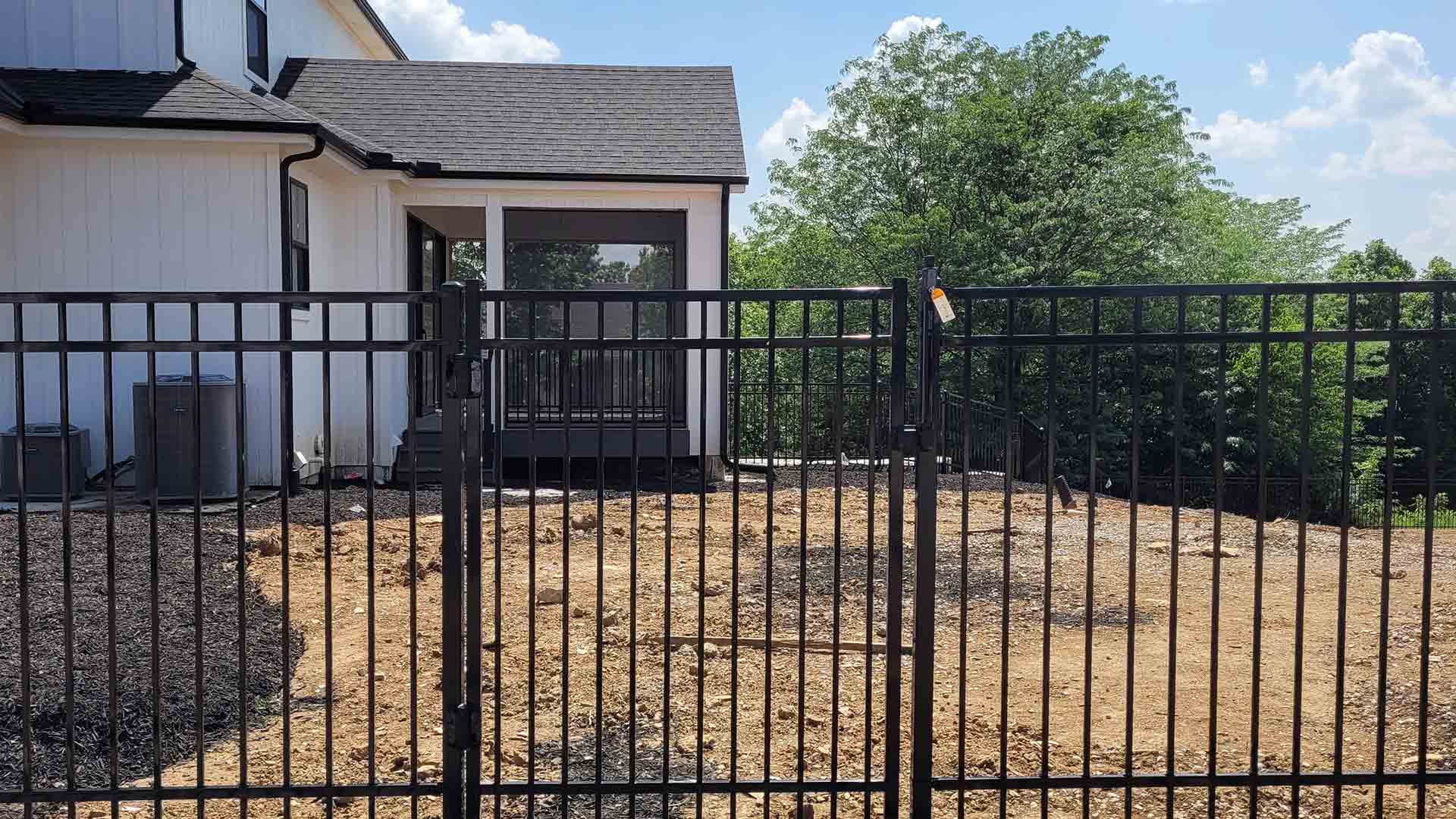
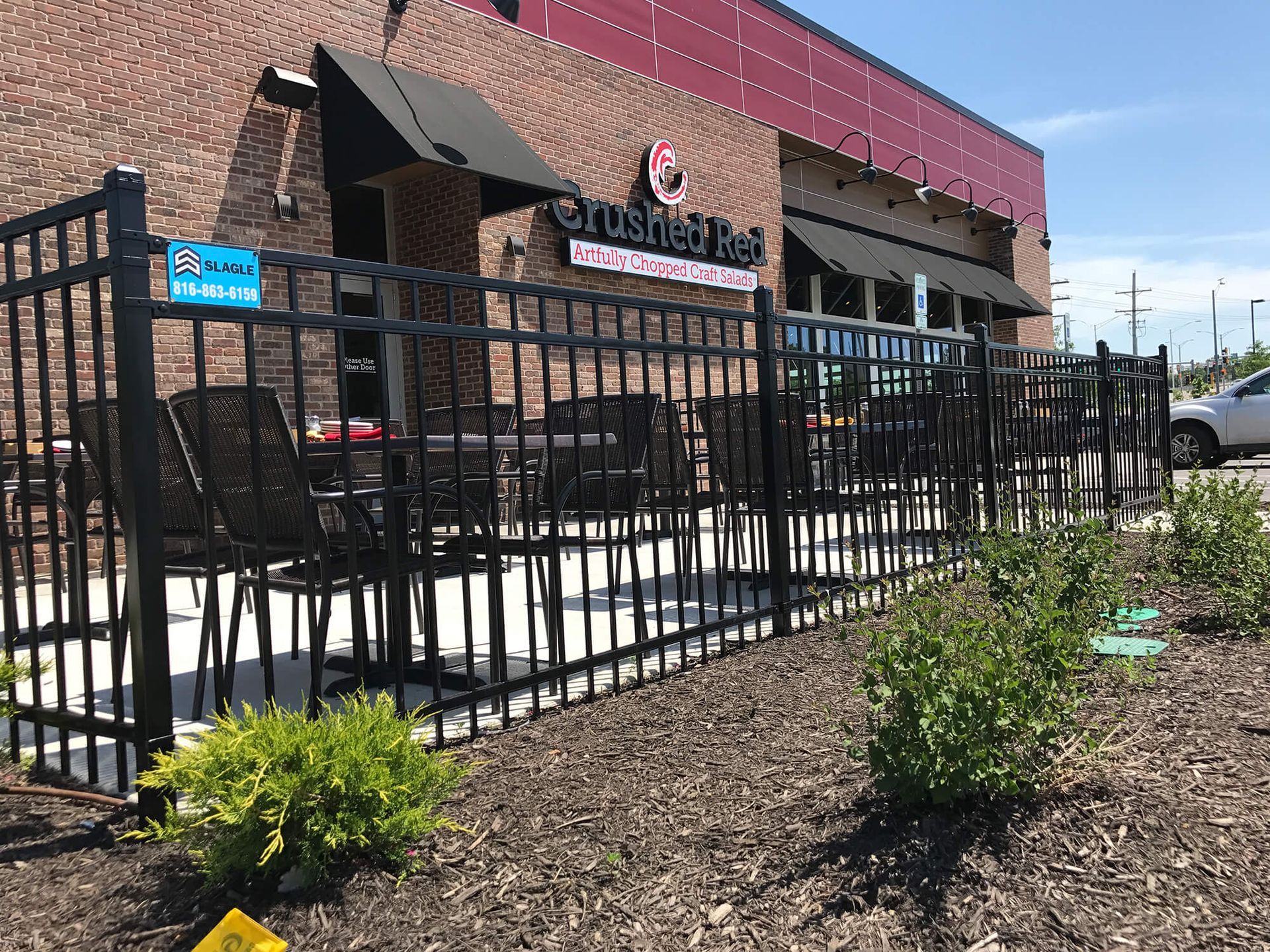
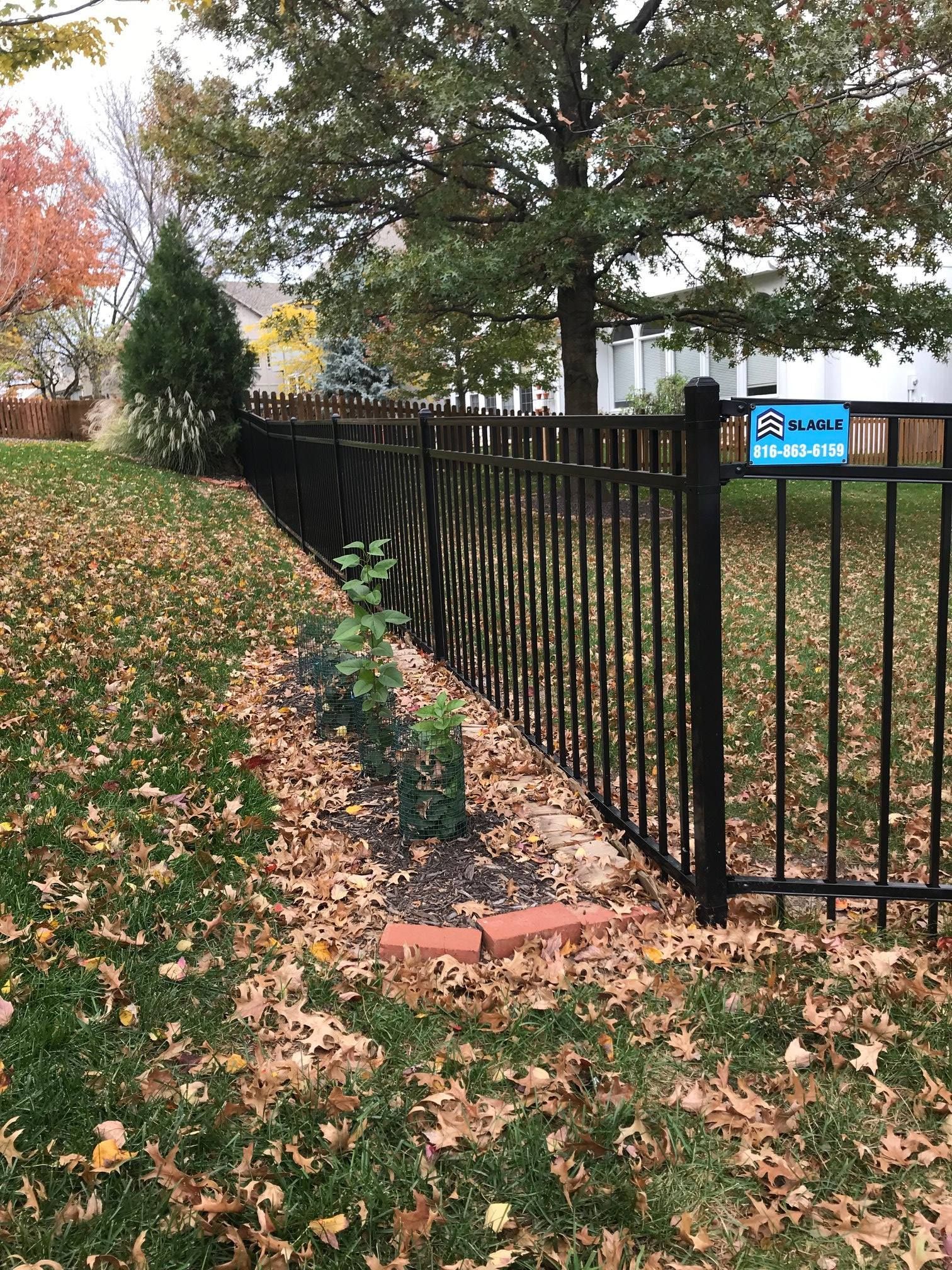
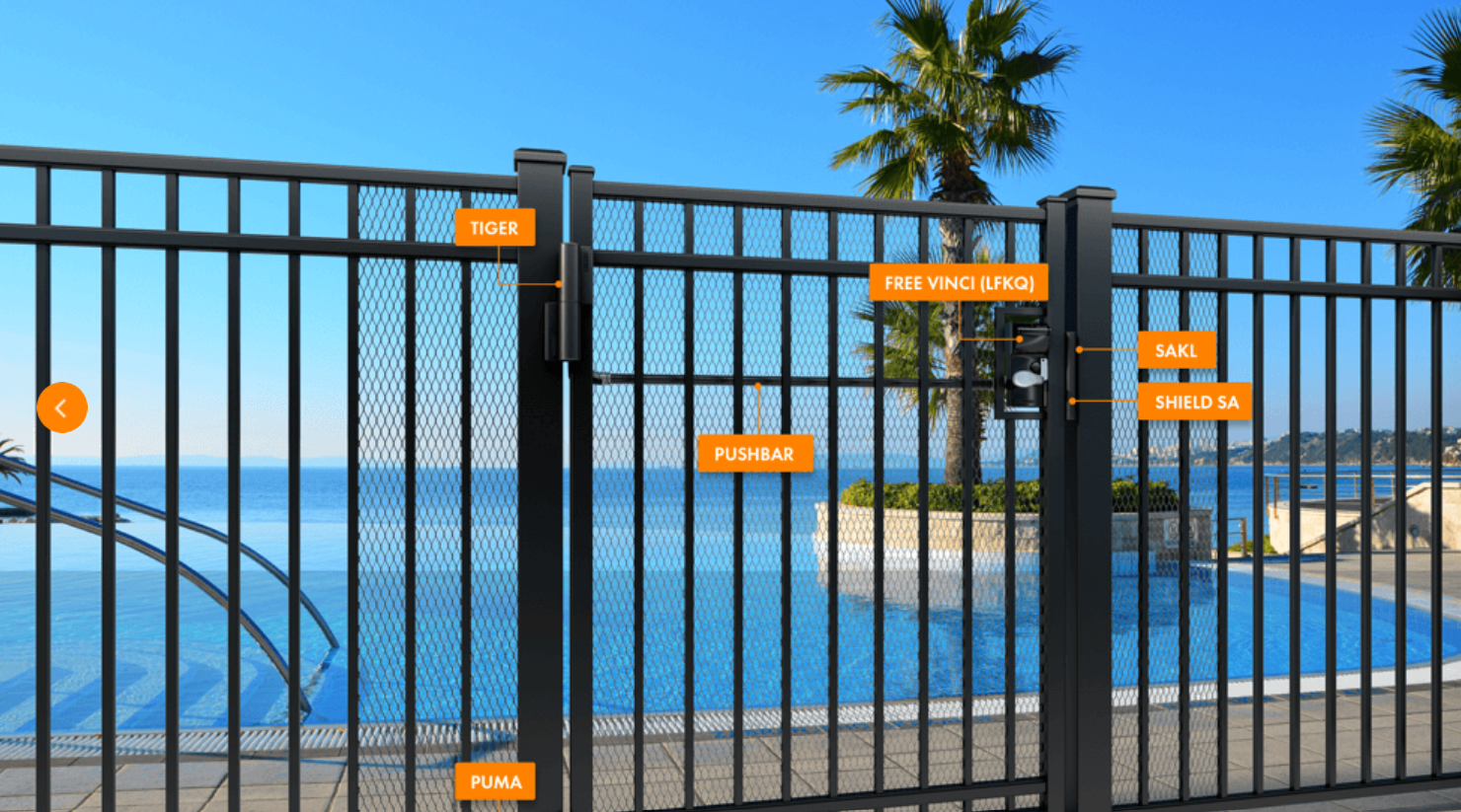
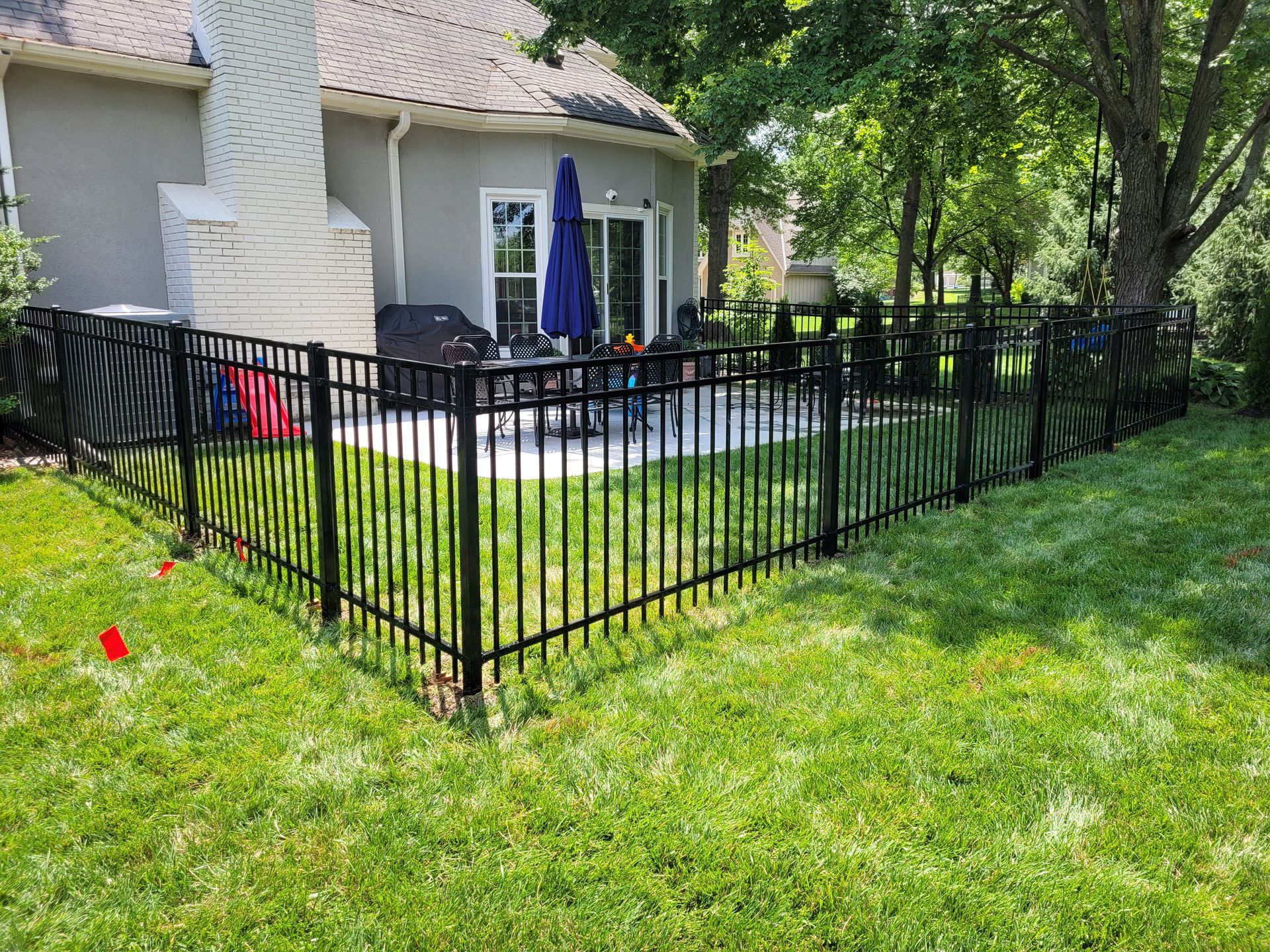
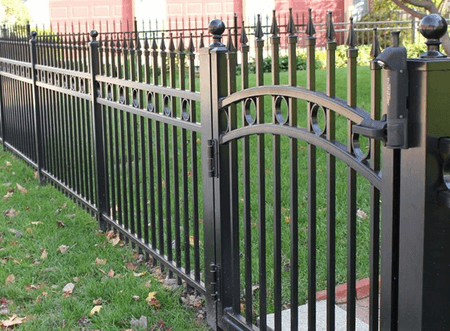
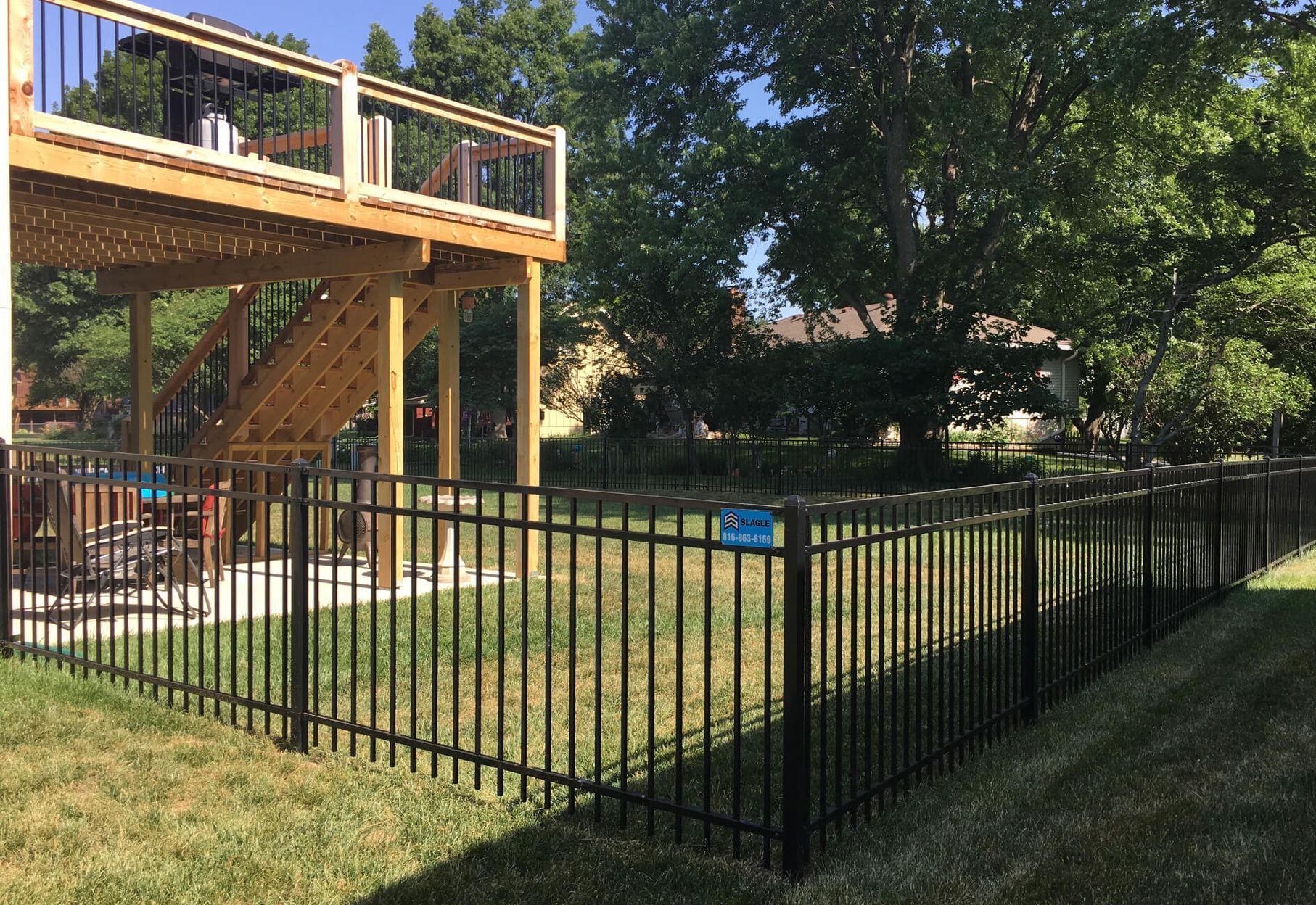
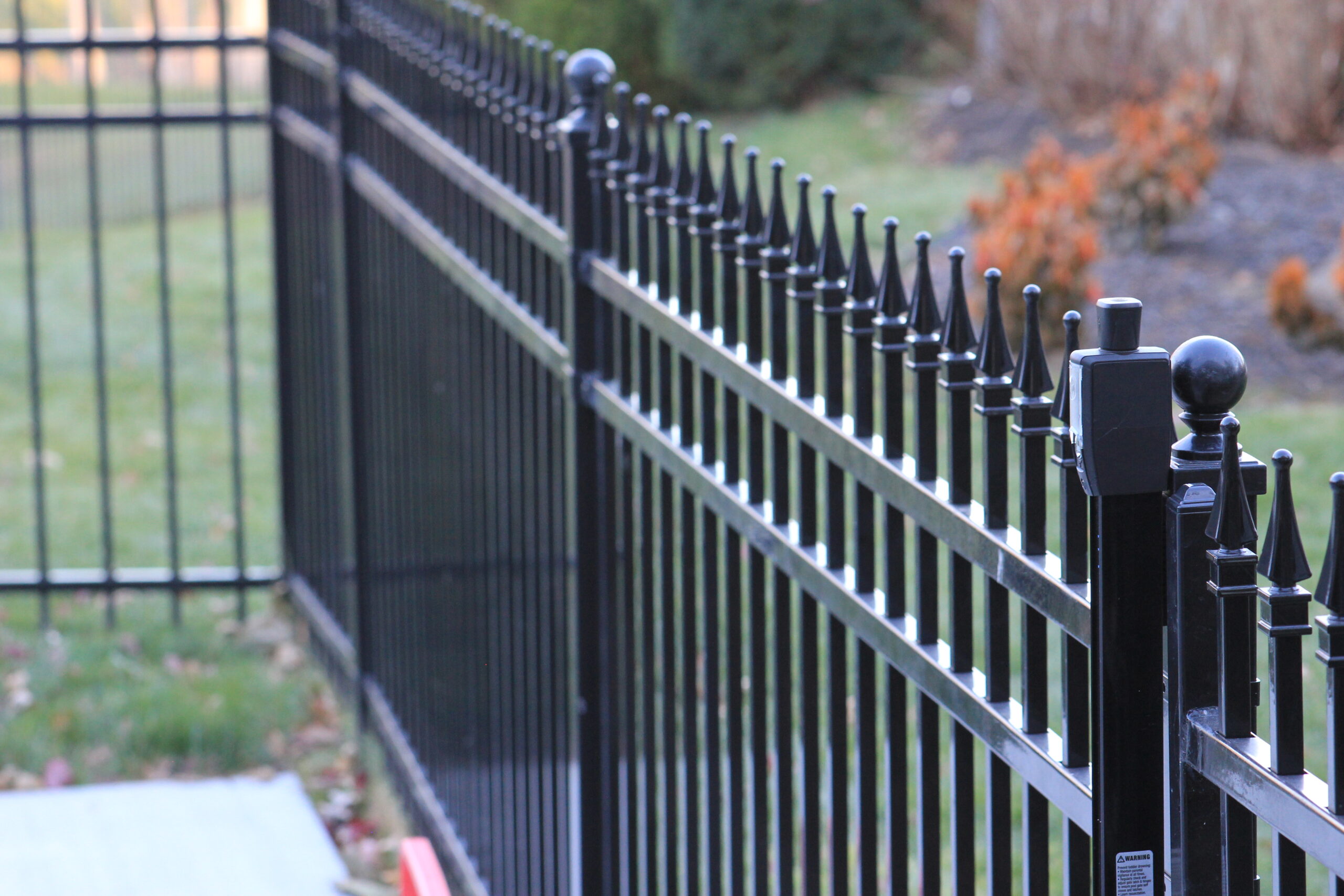
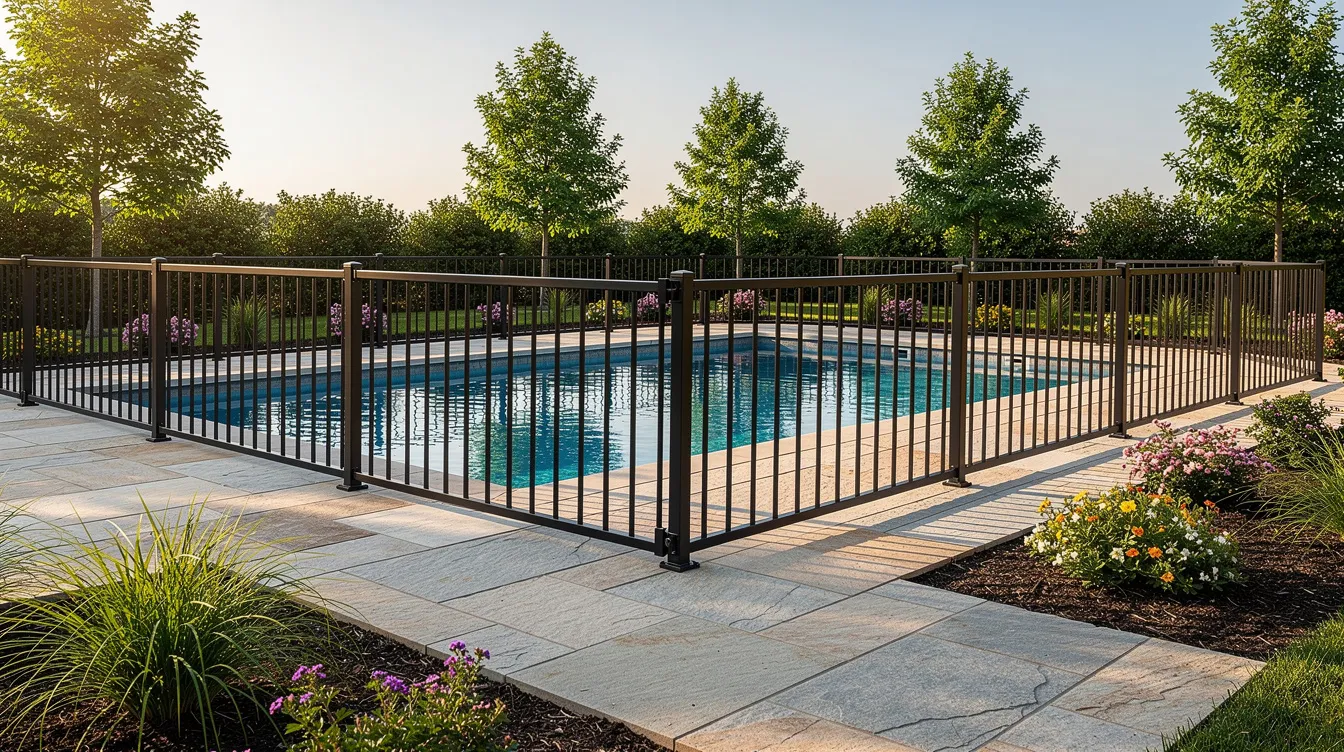
Ornamental Steel Fence Maintenance
Modern ornamental steel fences are protected with durable powder-coated finishes that help resist rust and corrosion.
Typical Maintenance
- Rinse dirt and pollen from the fence.
- Inspect for scratches or chipped coating.
- Touch up exposed metal if recommended by the manufacturer.
- Lubricate gate hinges and latches.
- Tighten loose hardware.
Regular inspections help prevent small issues from becoming larger repairs.
Average Maintenance Level
Low
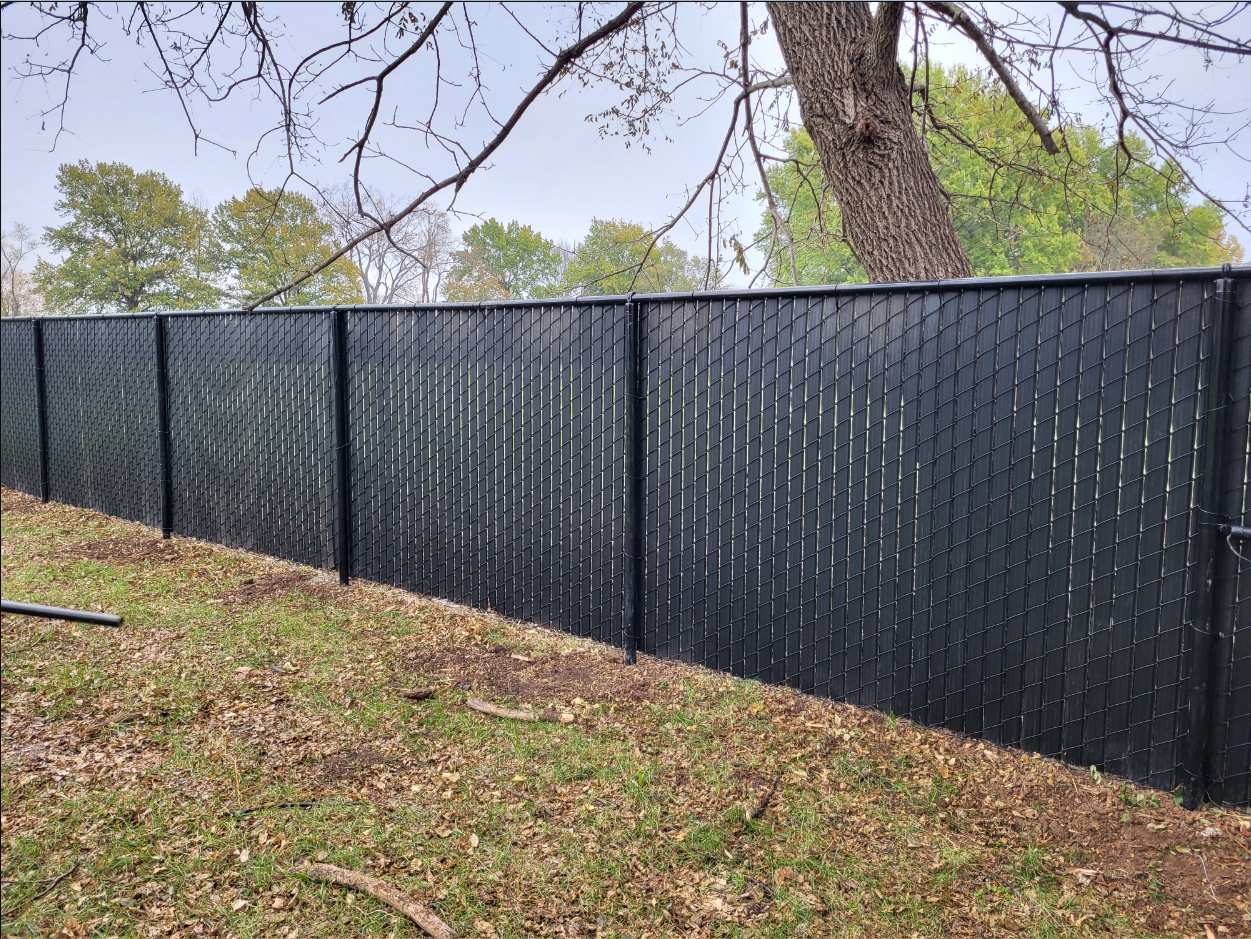
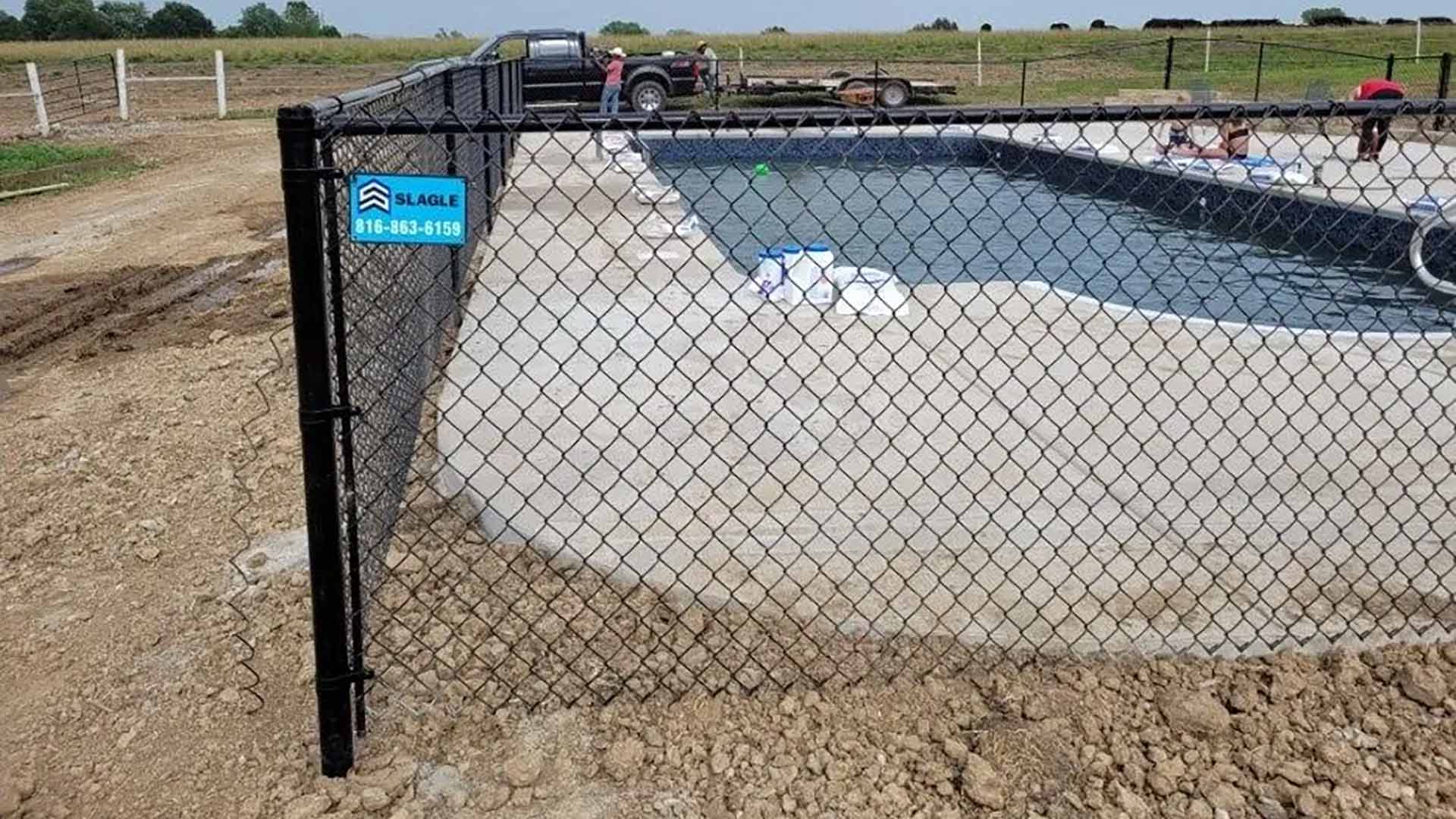
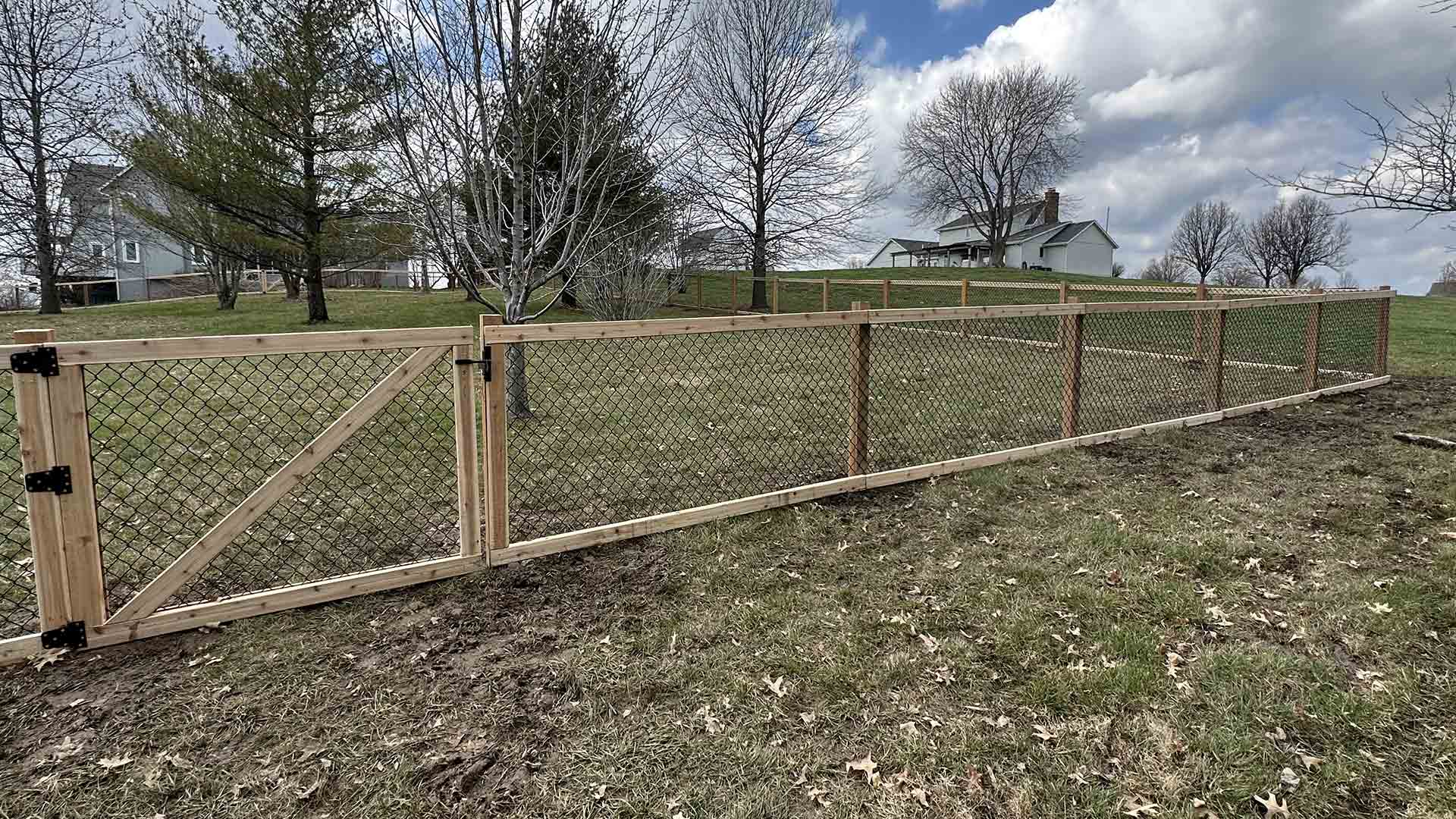
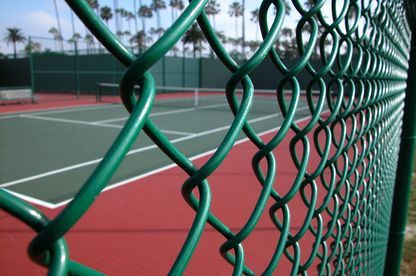
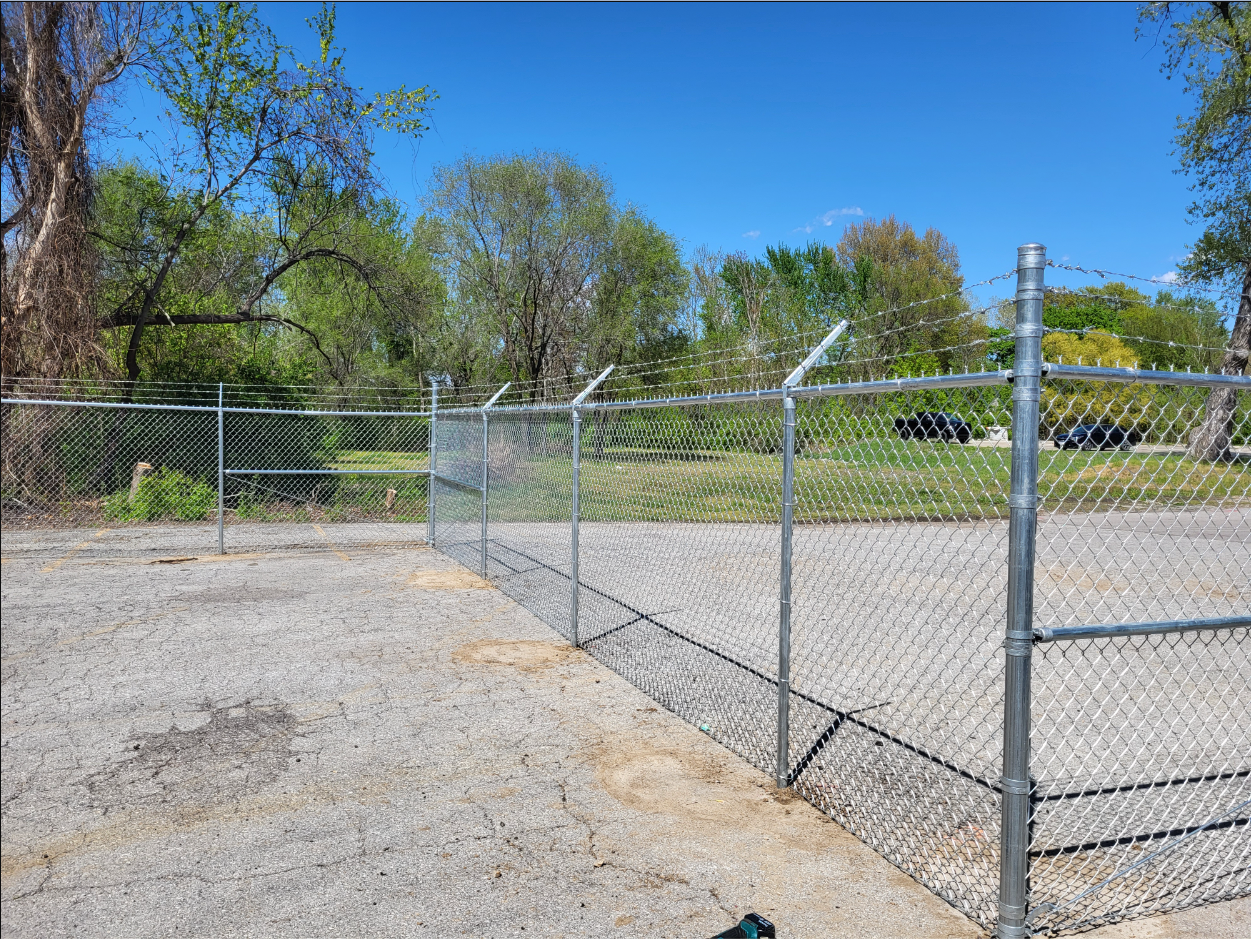
Chain-Link Fence Maintenance
Chain-link fencing is known for its durability and minimal upkeep.
Typical Maintenance
- Remove weeds growing through the fence.
- Wash away dirt with a hose.
- Inspect posts after severe storms.
- Tighten loose fittings if necessary.
- Check gates for proper alignment.
Black vinyl-coated chain-link typically requires even less maintenance because the protective coating helps resist corrosion.
Average Maintenance Level
Very Low
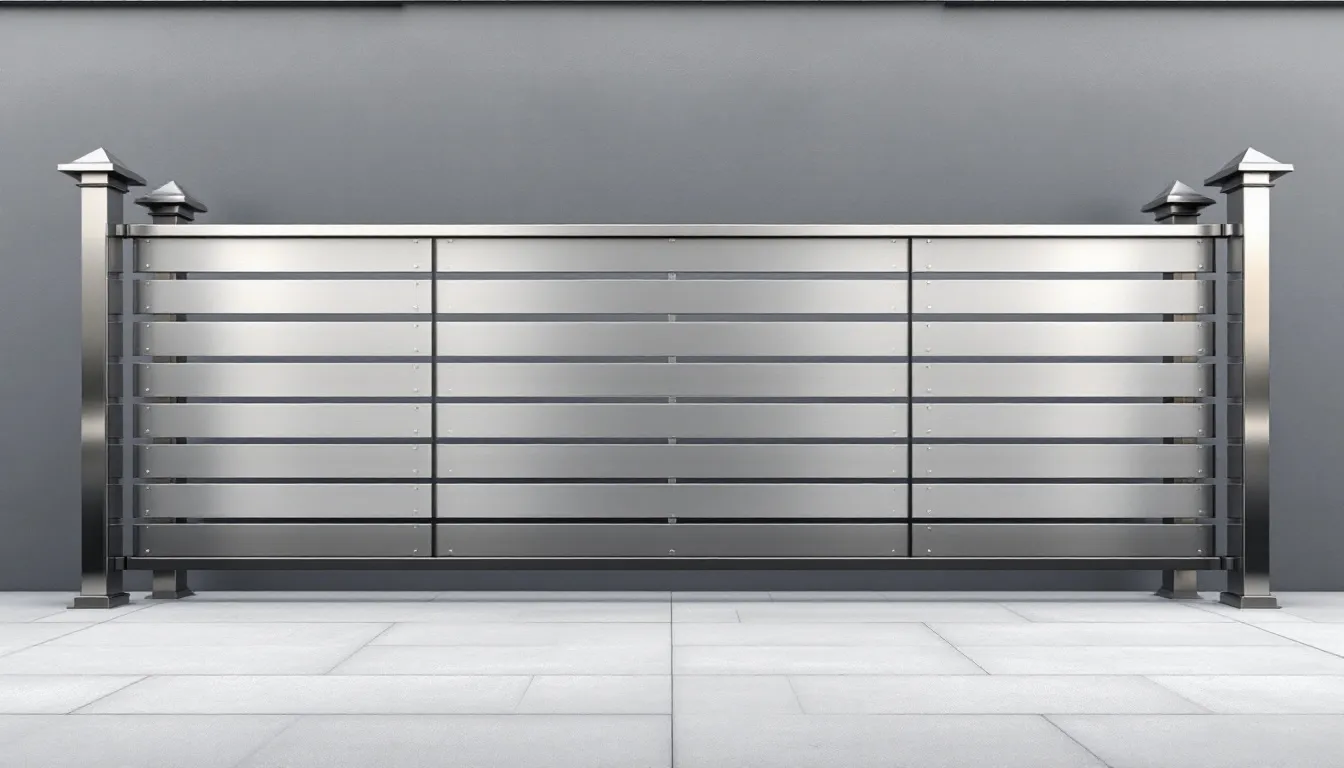
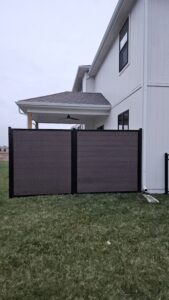
Composite Fence Maintenance
Composite fencing combines recycled wood fibers and plastics to create a durable, low-maintenance product.
 Typical Maintenance
- Wash with soap and water as needed.
- Remove leaves and debris from the base.
- Inspect gates and hardware.
- Avoid prolonged contact with standing water.
Composite fences generally do not require staining or painting.
Average Maintenance Level
Low
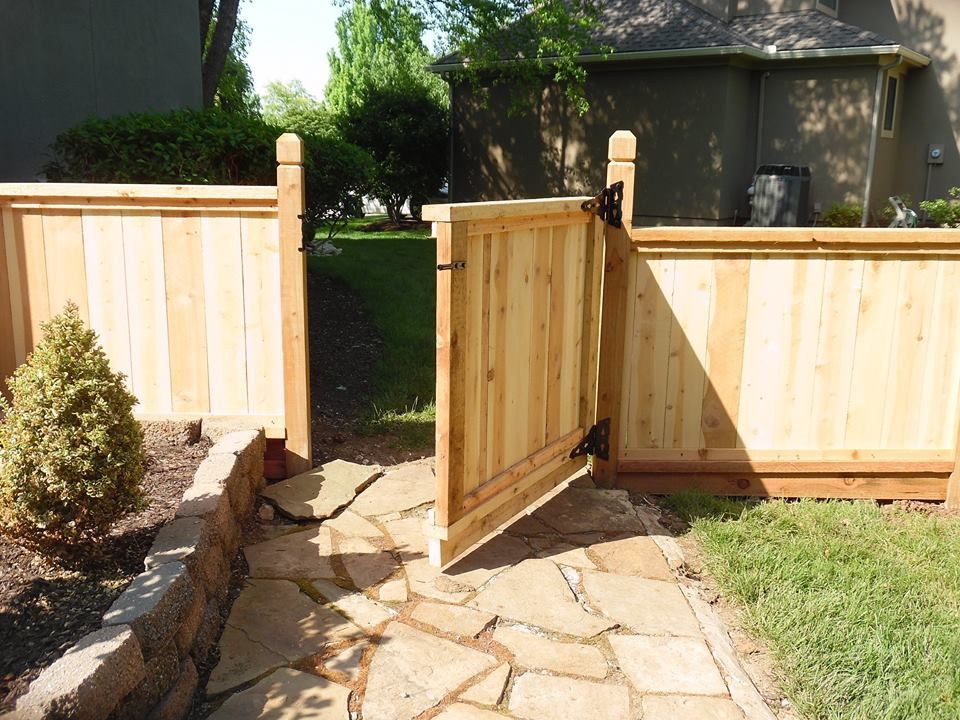
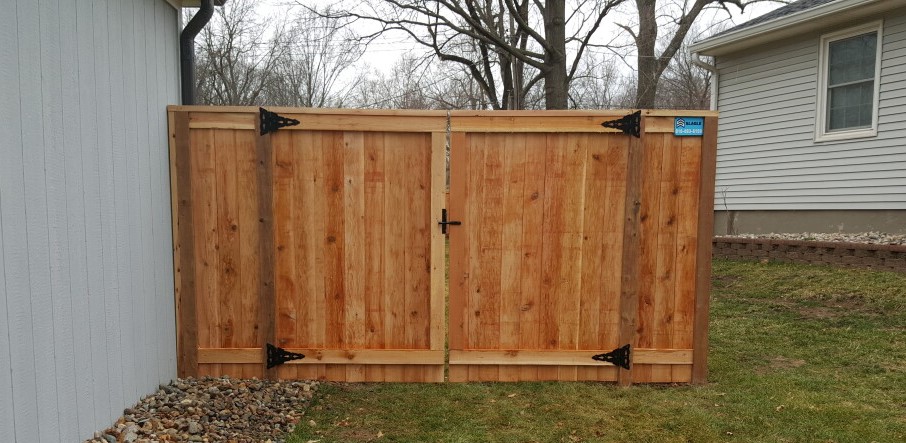
Gate Maintenance
Regardless of the fence material, gates should be inspected regularly.
Check for:
- Loose hinges
- Sagging gates
- Worn latches
- Damaged hardware
- Proper alignment
- Smooth opening and closing
Routine gate adjustments can prevent premature wear and extend the life of your fence.
Seasonal Fence Maintenance Checklist
Spring
- Inspect for winter damage.
- Clean dirt and mildew.
- Tighten hardware.
- Check gate operation.
Summer
- Trim vegetation.
- Inspect for sun damage.
- Monitor stain condition on wood fences.
Fall
- Remove leaves from around posts.
- Check drainage near the fence.
- Inspect before winter weather arrives.
Winter
- Avoid piling snow against the fence.
- Remove heavy tree branches after storms.
- Inspect for damage following high winds or ice.
Which Fence Requires the Least Maintenance?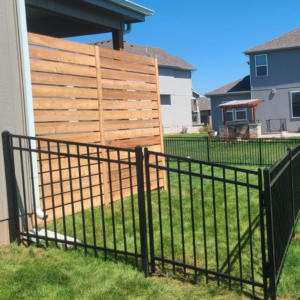
If minimizing upkeep is your priority, here’s how common fence materials compare:
| Fence Material | Maintenance Level |
|---|---|
| Vinyl | Very Low |
| Black Vinyl-Coated Chain-Link | Very Low |
| Ornamental Steel | Low |
| Composite | Low |
| Cedar | Moderate |
| Pressure-Treated Pine | Moderate to High |
Tips to Extend the Life of Any Fence
No matter which material you choose, these habits can help maximize its lifespan:
- Keep sprinklers from constantly soaking the fence.
- Trim bushes and vines away from fence boards.
- Inspect after severe storms.
- Repair loose boards promptly.
- Clean the fence regularly.
- Ensure water drains away from posts.
- Address minor issues before they become major repairs.
Why Professional Installation Makes Maintenance Easier
A properly installed fence is less likely to develop problems over time.
Professional installation includes:
- Correct post spacing
- Deep concrete footings
- Straight fence lines
- Proper drainage
- Secure gates
- High-quality hardware
These details help reduce future maintenance and improve long-term durability.
Why Homeowners Choose Slagle Fence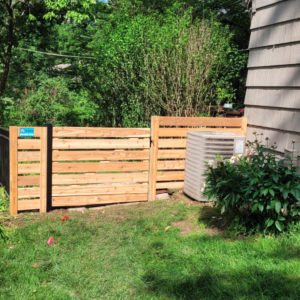
Slagle Fence proudly installs residential fencing throughout the Kansas City metro.
We specialize in:
- Cedar privacy fences
- Pressure-treated wood fences
- Vinyl fencing
- Ornamental steel fencing
- Chain-link fencing
- Custom gates
- Fence repairs
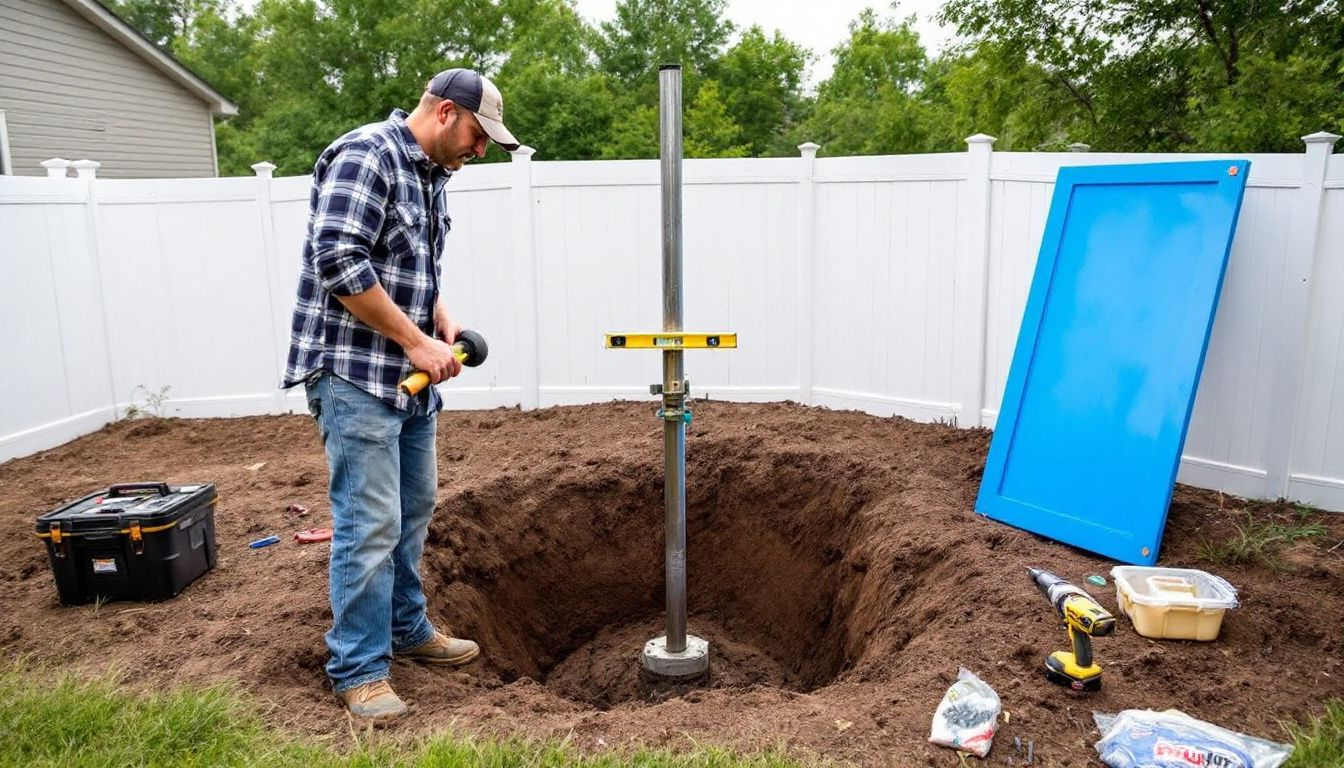
- PostMaster® steel post systems
Our experienced team can help you choose a fence that matches your budget, maintenance preferences, and long-term goals.
Frequently Asked Questions
Which fence requires the least maintenance?
Vinyl and black vinyl-coated chain-link fences are among the easiest to maintain because they don’t require staining or painting.
Does cedar need to be stained?
While cedar can naturally weather to a silver-gray color, staining every 3–5 years helps preserve its color and protect it from moisture and UV exposure.
Do steel fences rust?
Modern ornamental steel fences are powder coated to resist rust. Regular inspections and touch-ups of damaged areas can help maintain that protection.
Is pressure-treated pine harder to maintain than cedar?
Generally, yes. Pressure-treated pine often requires more frequent sealing or staining and may be more prone to shrinking or warping over time.
Final Thoughts
Choosing the right fence isn’t just about appearance—it’s also about selecting a material that fits your lifestyle and maintenance expectations.
- Vinyl and chain-link are excellent choices for homeowners seeking minimal upkeep.
- Ornamental steel combines durability with low maintenance.
- Cedar offers timeless beauty with moderate care.
- Pressure-treated pine is an economical option that benefits from more regular maintenance.
By understanding the maintenance needs of each fence type and following a simple yearly care routine, you can protect your investment and enjoy a beautiful, long-lasting fence for years to come.