How Deep Should Fence Posts Be Installed in Kansas Clay Soil?
One of the biggest factors in determining how long your fence will last isn’t the pickets or rails—it’s how the fence posts are installed.
Kansas homeowners face unique challenges because much of the region has dense clay soil, which expands when wet, contracts during dry periods, and experiences freeze-thaw cycles throughout the year. A fence that’s installed too shallow can lean, shift, or fail long before the fence material itself wears out.
If you’re installing a fence in Kansas or the Kansas City metro, proper post depth is one of the most important investments you can make.
What Is the Recommended Fence Post Depth?
While the exact depth depends on the fence type, soil conditions, and local building practices, a common guideline is:
- At least one-third of the total post length should be below ground.
For most residential fences, that typically means:
| Fence Height | Typical Post Length | Typical Burial Depth |
|---|---|---|
| 4-foot fence | 6-foot post | 24 inches |
| 5-foot fence | 8-foot post | 30–36 inches |
| 6-foot fence | 8-foot post | 36 inches |
| 8-foot fence | 10–12-foot post | 42–48 inches |
Many professional fence contractors in Kansas install 6-foot privacy fence posts approximately 36 inches deep, and taller privacy fences may require 42–48 inches or more depending on engineering requirements.
Why Does Kansas Clay Soil Require Proper Depth?
Clay soil behaves differently than sandy or rocky soils.
During wet seasons it:
- Expands
- Holds water
- Places pressure on fence posts
During dry summers it:
- Shrinks
- Leaves gaps around posts
- Allows movement
In winter:
- Freeze-thaw cycles can slowly push improperly installed posts upward.
A deeper, properly braced post is much more resistant to these seasonal changes.
Frost Line Considerations
In much of eastern Kansas and the Kansas City region, the frost depth is commonly around 30–36 inches.
Installing fence posts near or below the frost line helps reduce movement caused by freezing soil.
This is one reason many professional installers choose a 36-inch post depth for standard residential privacy fences.
Is Deeper Always Better?
Not necessarily.
The goal is to install posts:
- Deep enough for stability
- Correctly sized for the fence
- Properly spaced
- Installed with appropriate concrete
Simply digging deeper without considering post size, spacing, and soil conditions doesn’t always improve performance.
Should Fence Posts Be Set in Concrete?
For most residential fences in Kansas, yes.
Concrete helps:
- Secure the post
- Reduce movement
- Improve wind resistance
- Extend fence life
Proper installation also includes:
- Correct hole diameter
- Proper drainage where appropriate
- Adequate curing time
What Size Hole Should Be Dug?
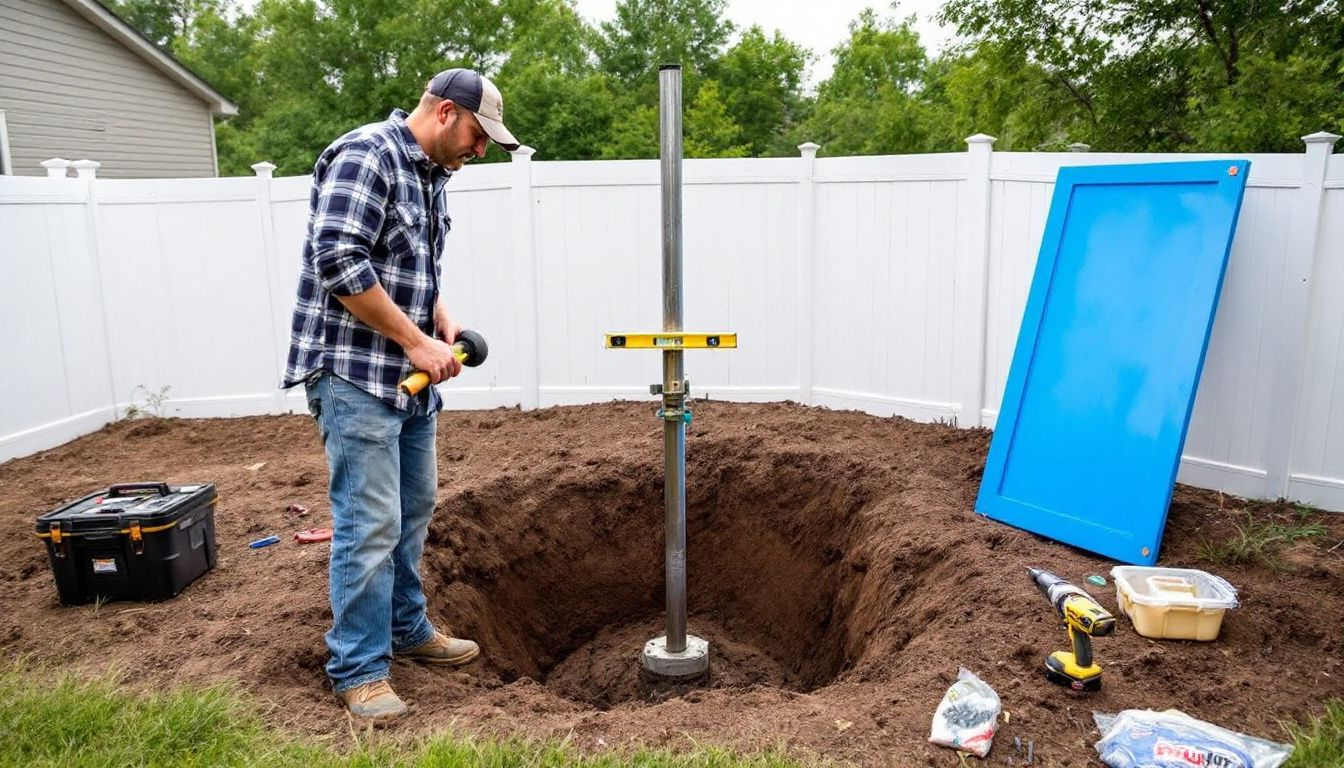
A common rule is that the hole diameter should be about three times the width of the post.
For example:
- A 4×4 wood post is often installed in a hole around 10–12 inches in diameter.
- Larger structural posts may require wider holes.
Hole size may also increase for:
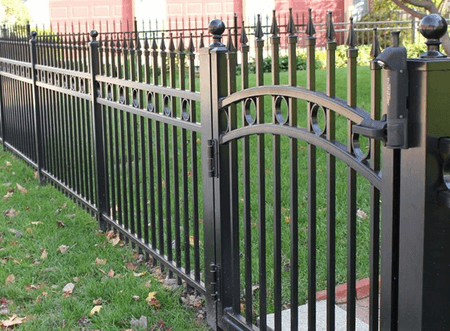
- Gates
- Tall privacy fences
- Wind-exposed properties
Why Gate Posts Need Extra Attention
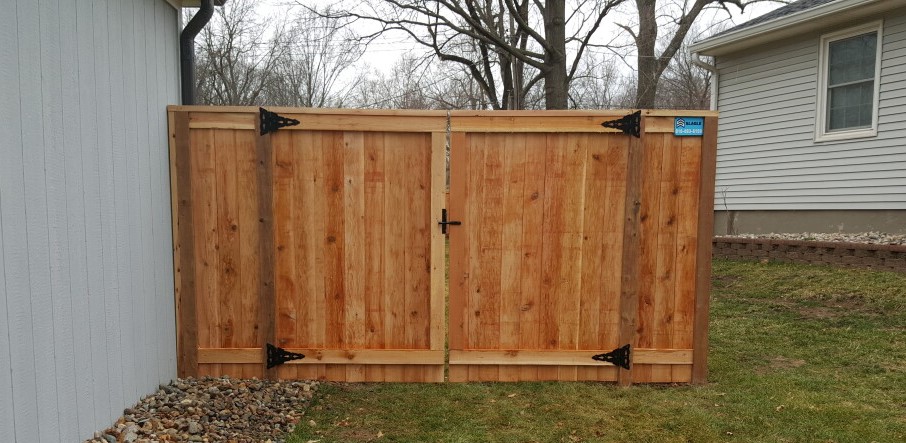
Gate posts support much more weight than standard fence posts.
They must handle:
- Opening and closing
- Wind loads
- Heavy hardware
- Sagging forces
Many professional installers use:
- Larger posts
- Deeper footings
- Additional concrete
for gate openings.
How Does Wind Affect Fence Post Depth?
Kansas is known for:
- Strong spring storms
- Thunderstorms
- Straight-line winds
- Occasional tornadoes
A tall privacy fence acts like a sail during high winds.
That’s why proper installation includes:
- Correct post depth
- Proper post spacing
- High-quality concrete
- Strong framing
- Quality fasteners
Does Fence Material Change the Post Depth?
Different fence materials place different loads on the posts.
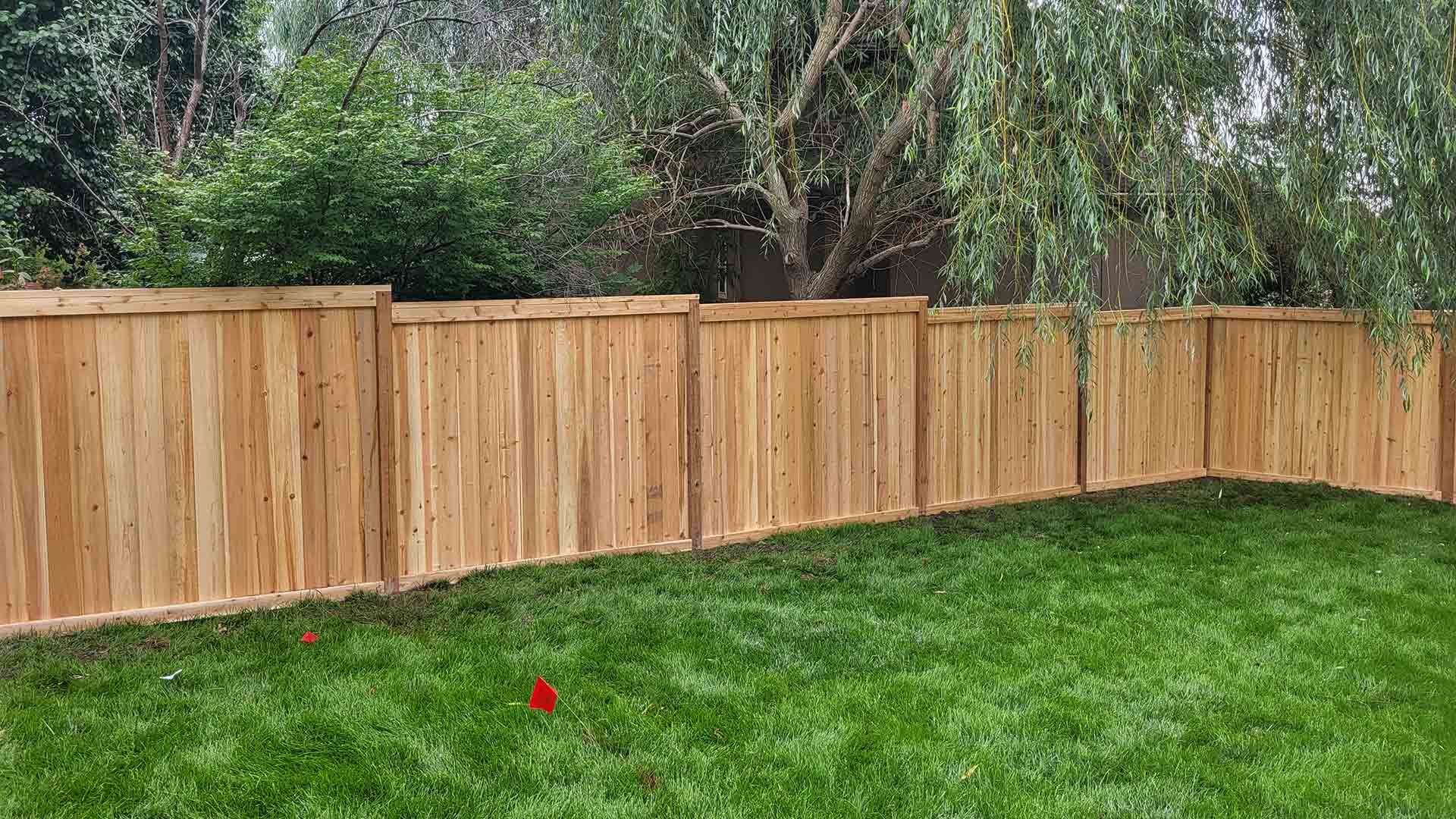
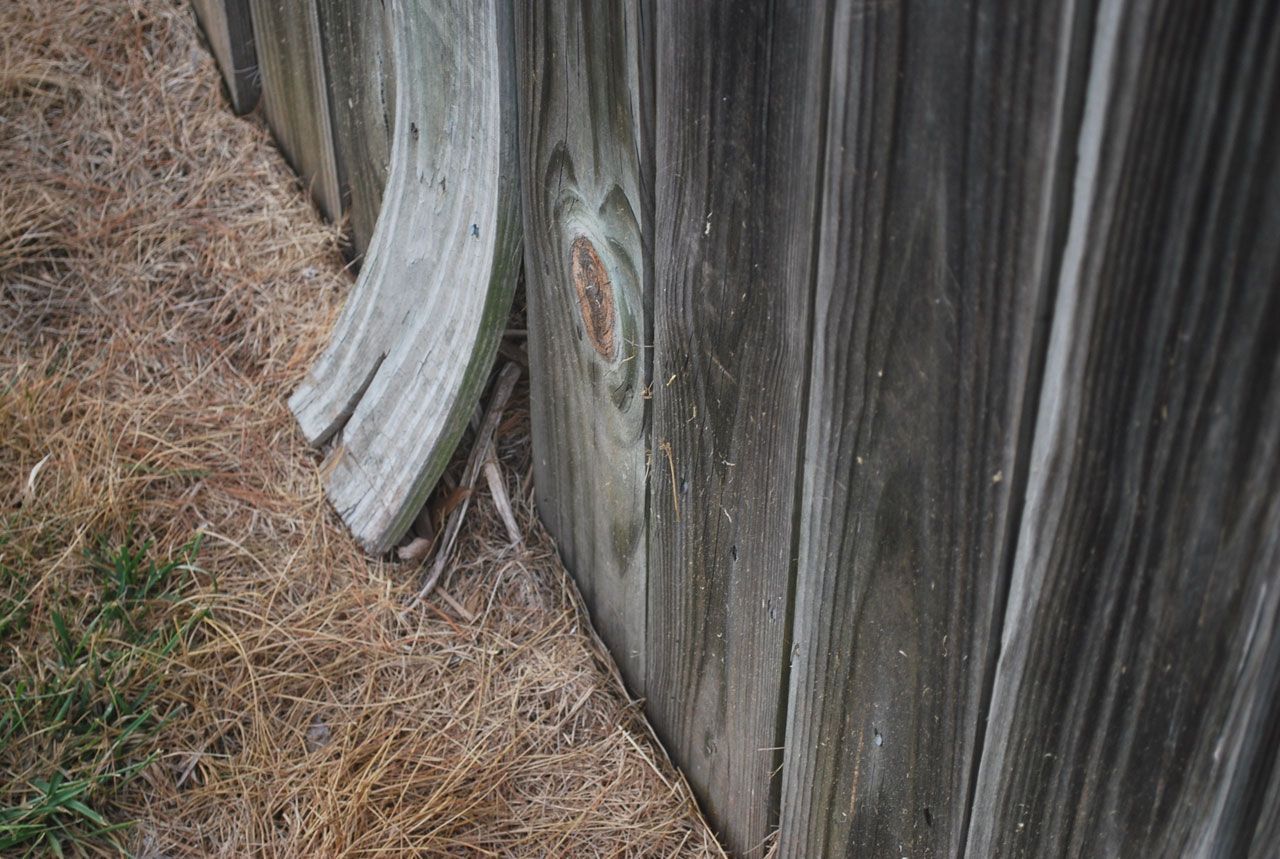
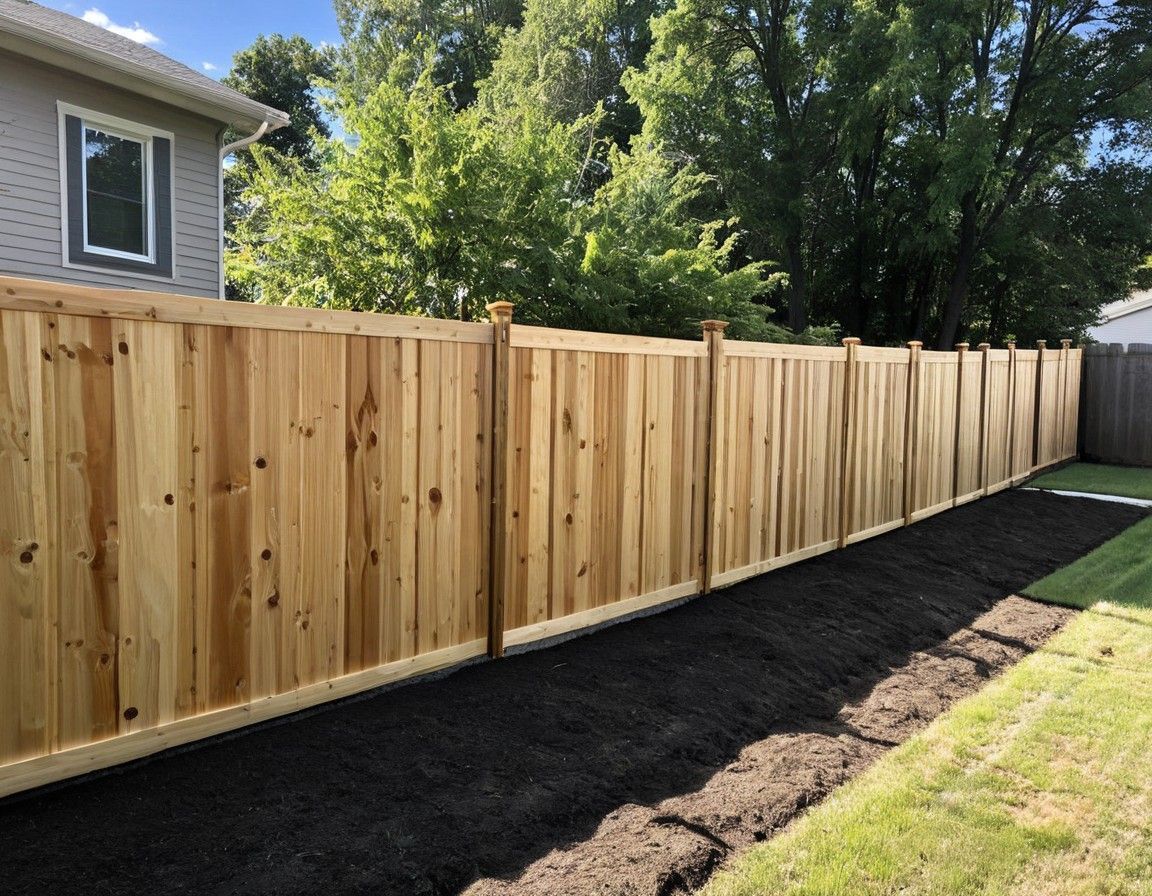
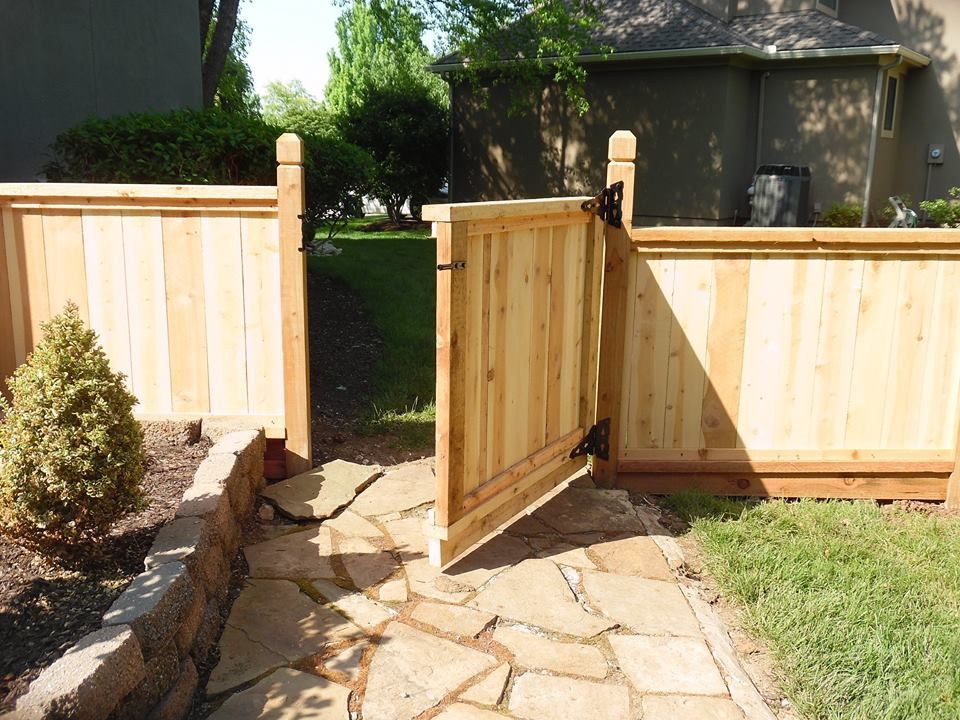
Cedar Privacy Fence
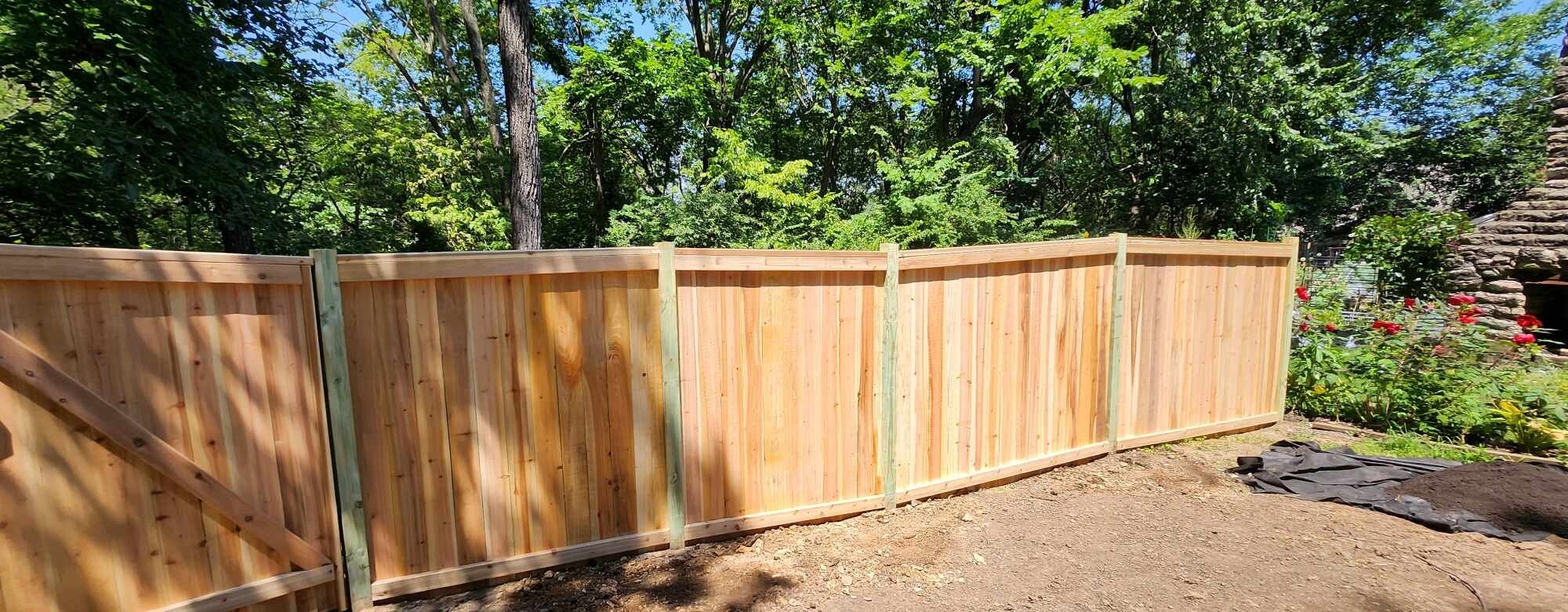
Often installed around 36 inches deep for a typical 6-foot fence.
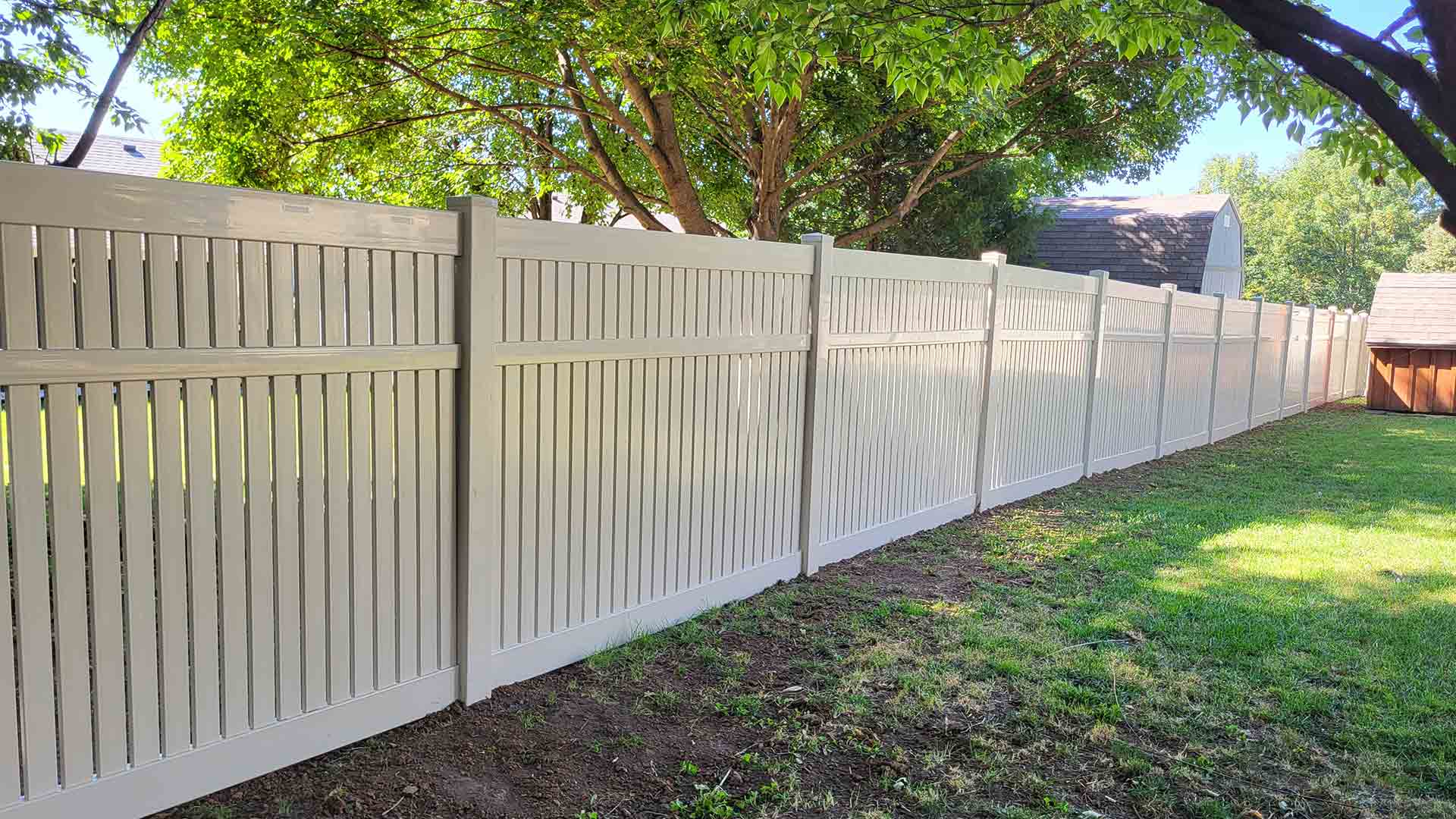
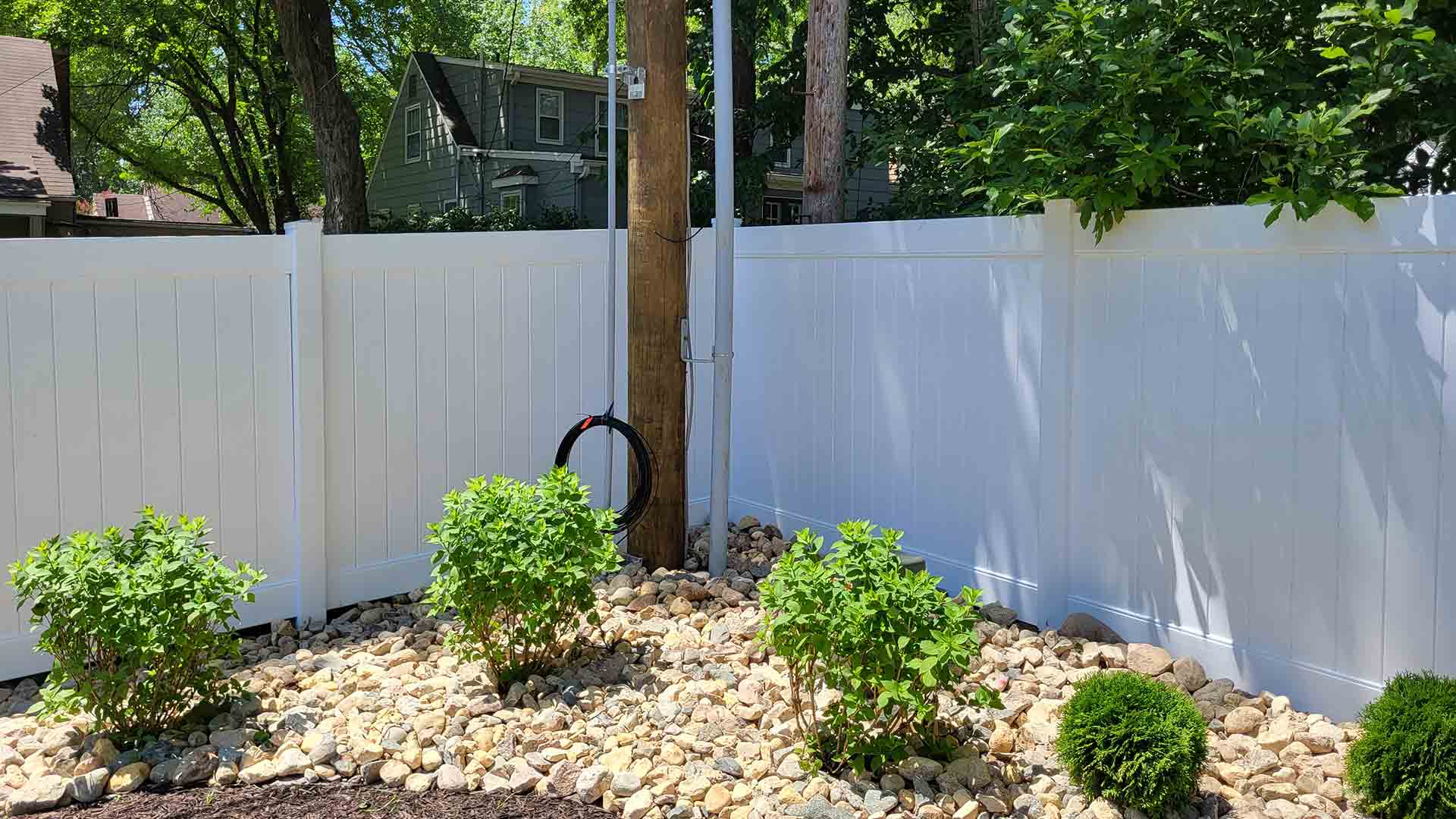
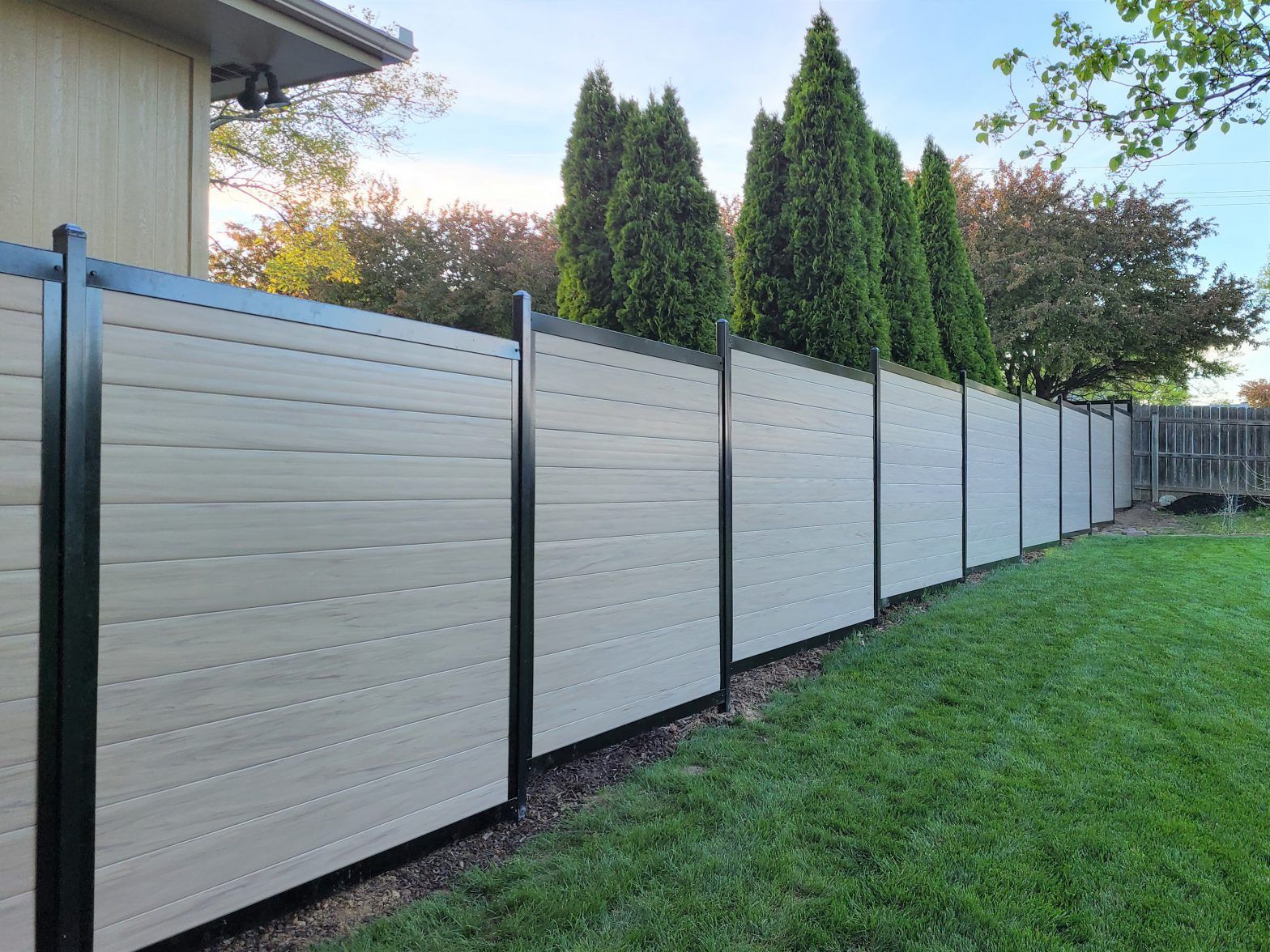
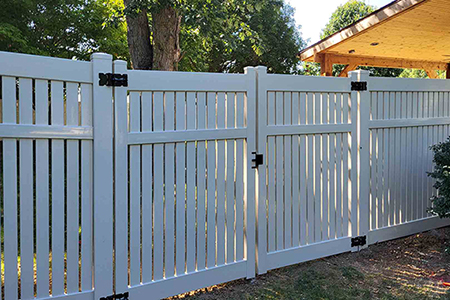
Vinyl Privacy Fence
Vinyl panels can catch significant wind, so manufacturers often have specific installation requirements that may include deeper or reinforced posts.
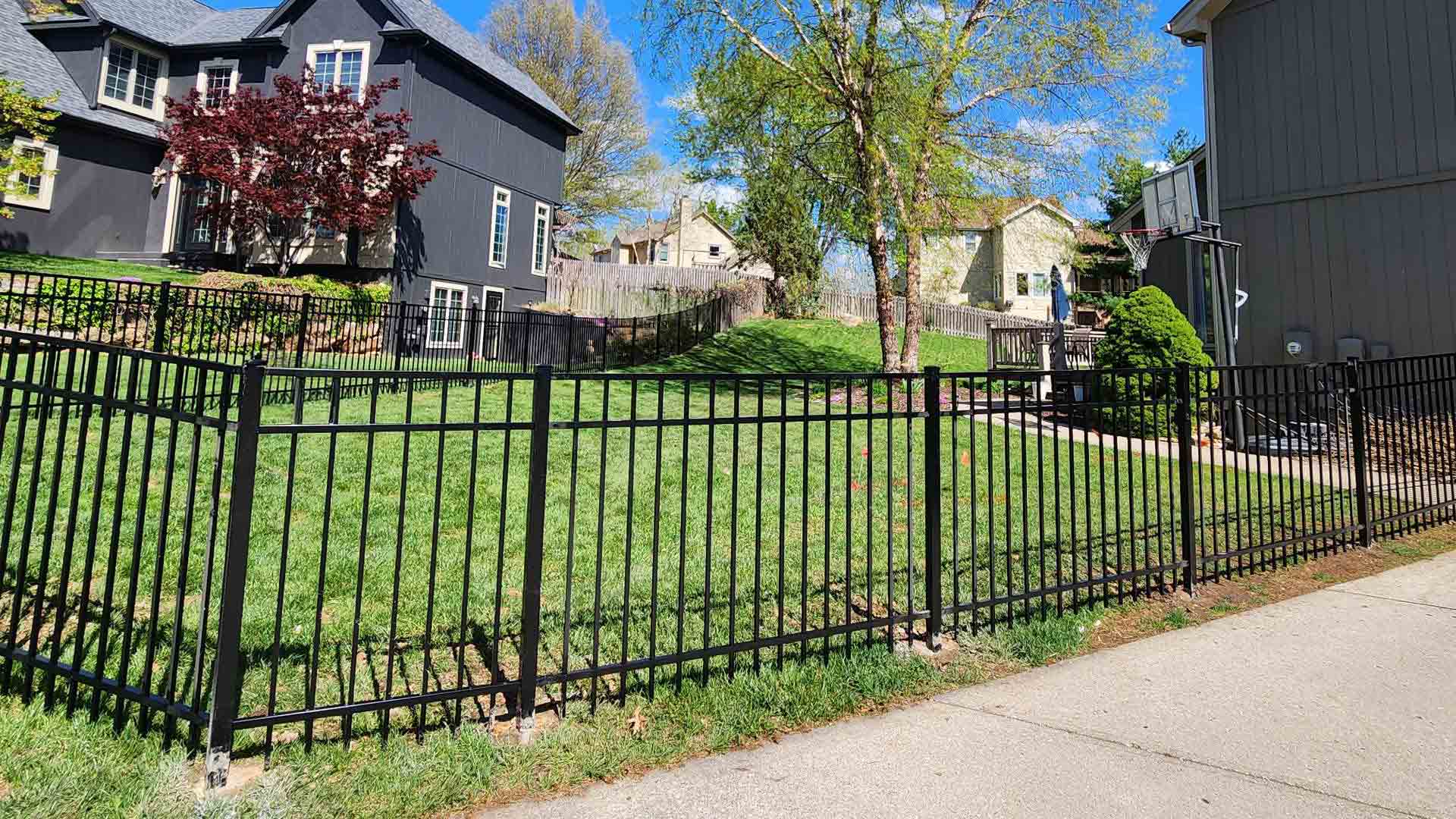
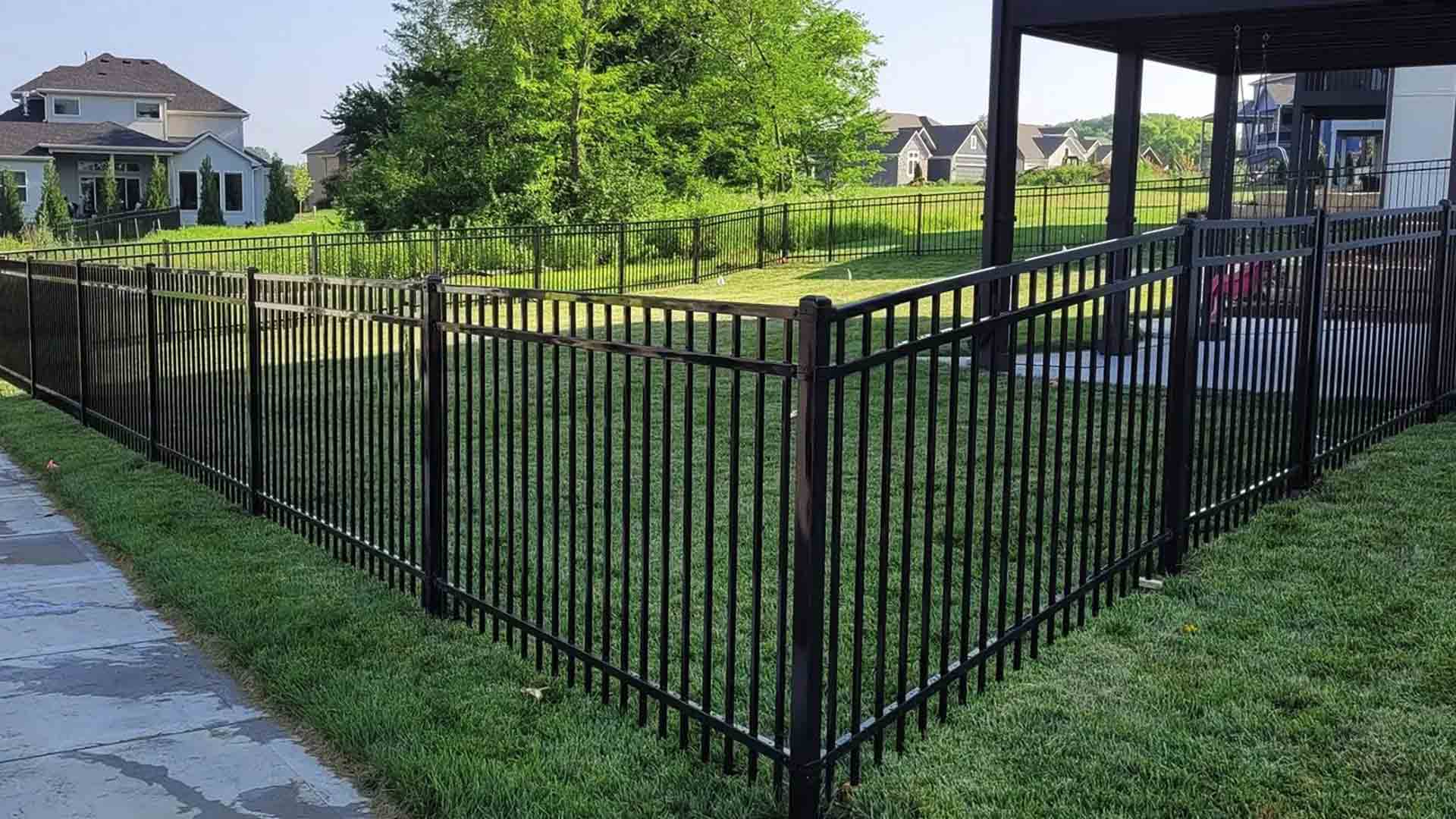
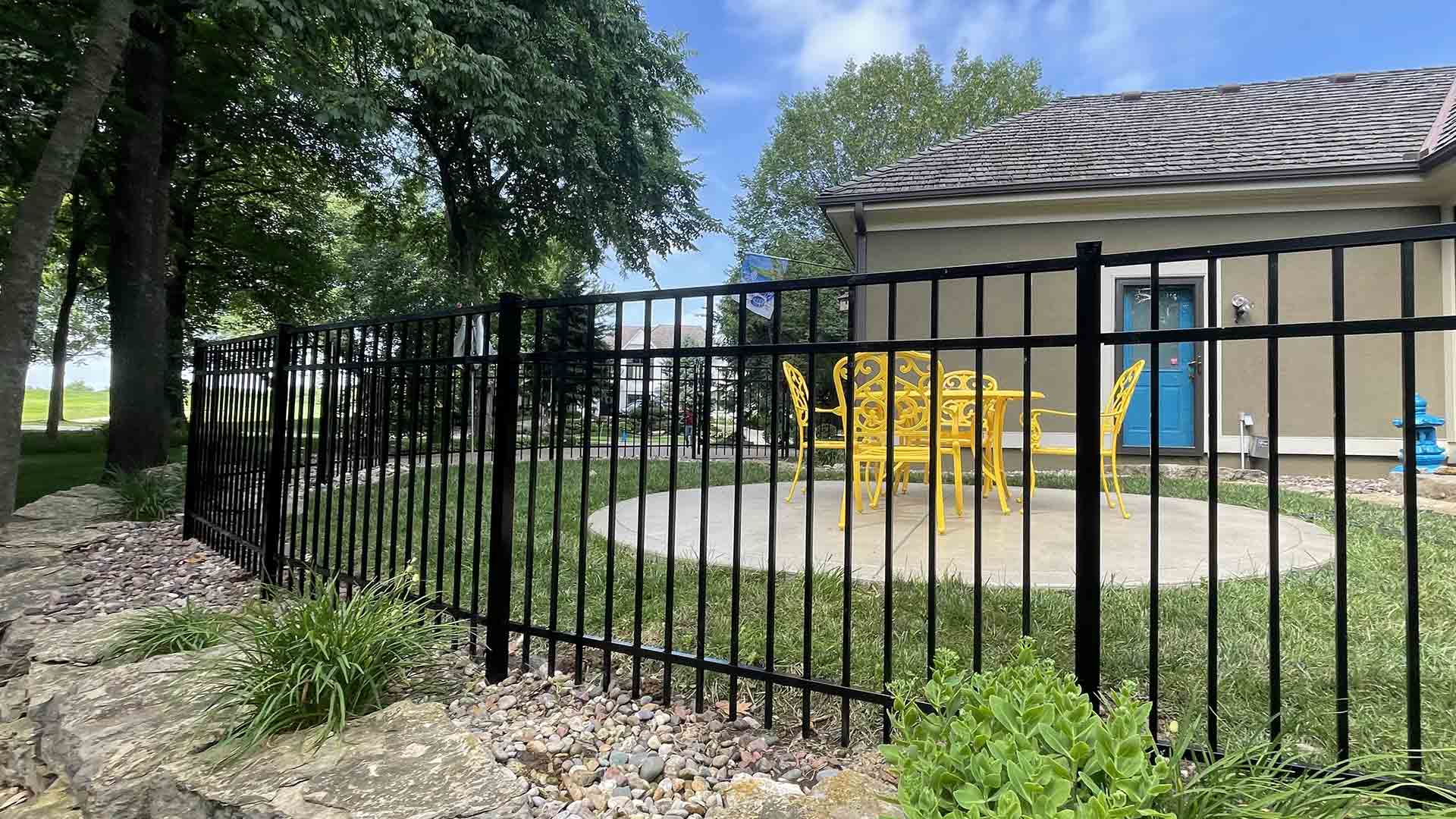
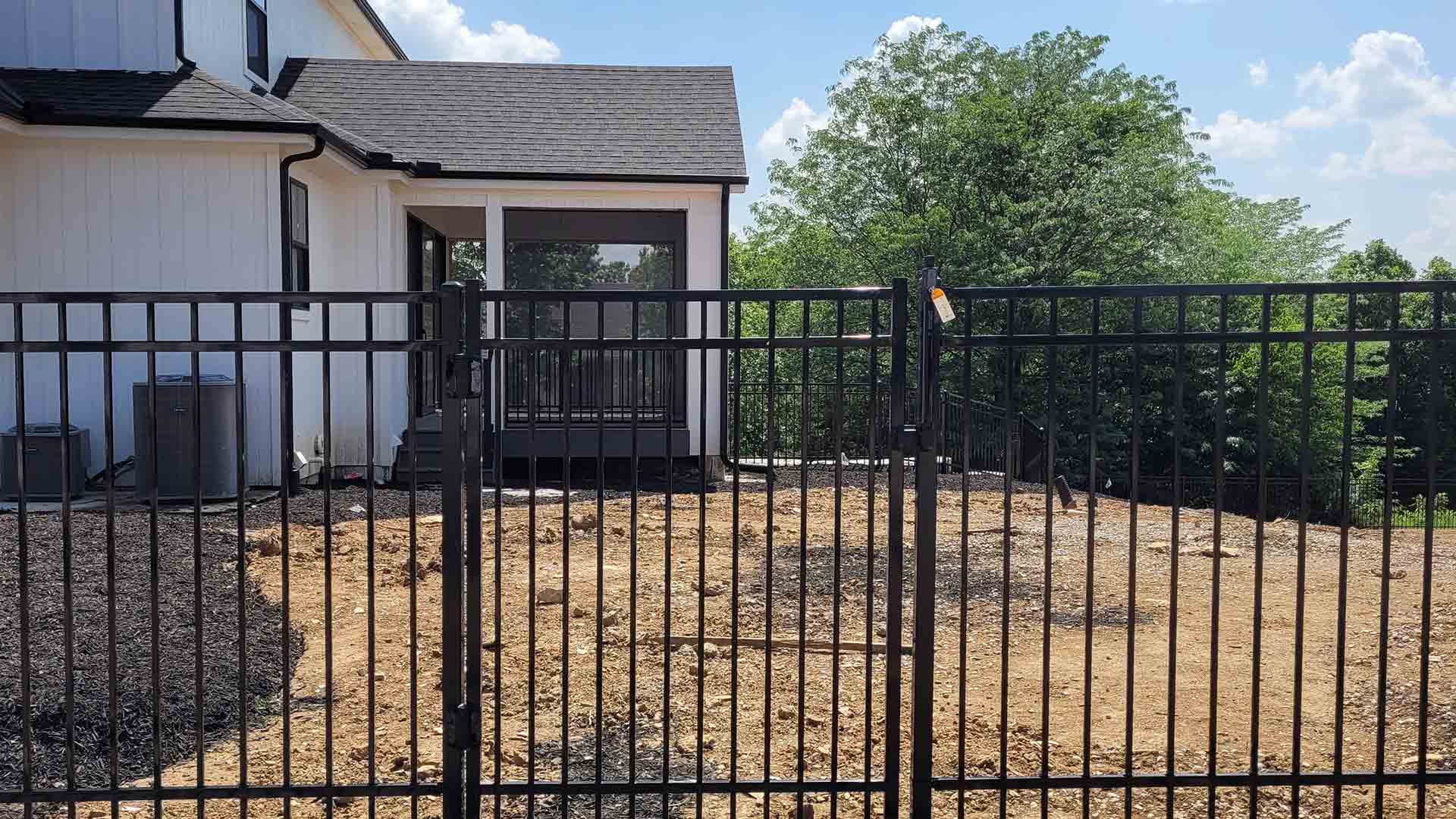
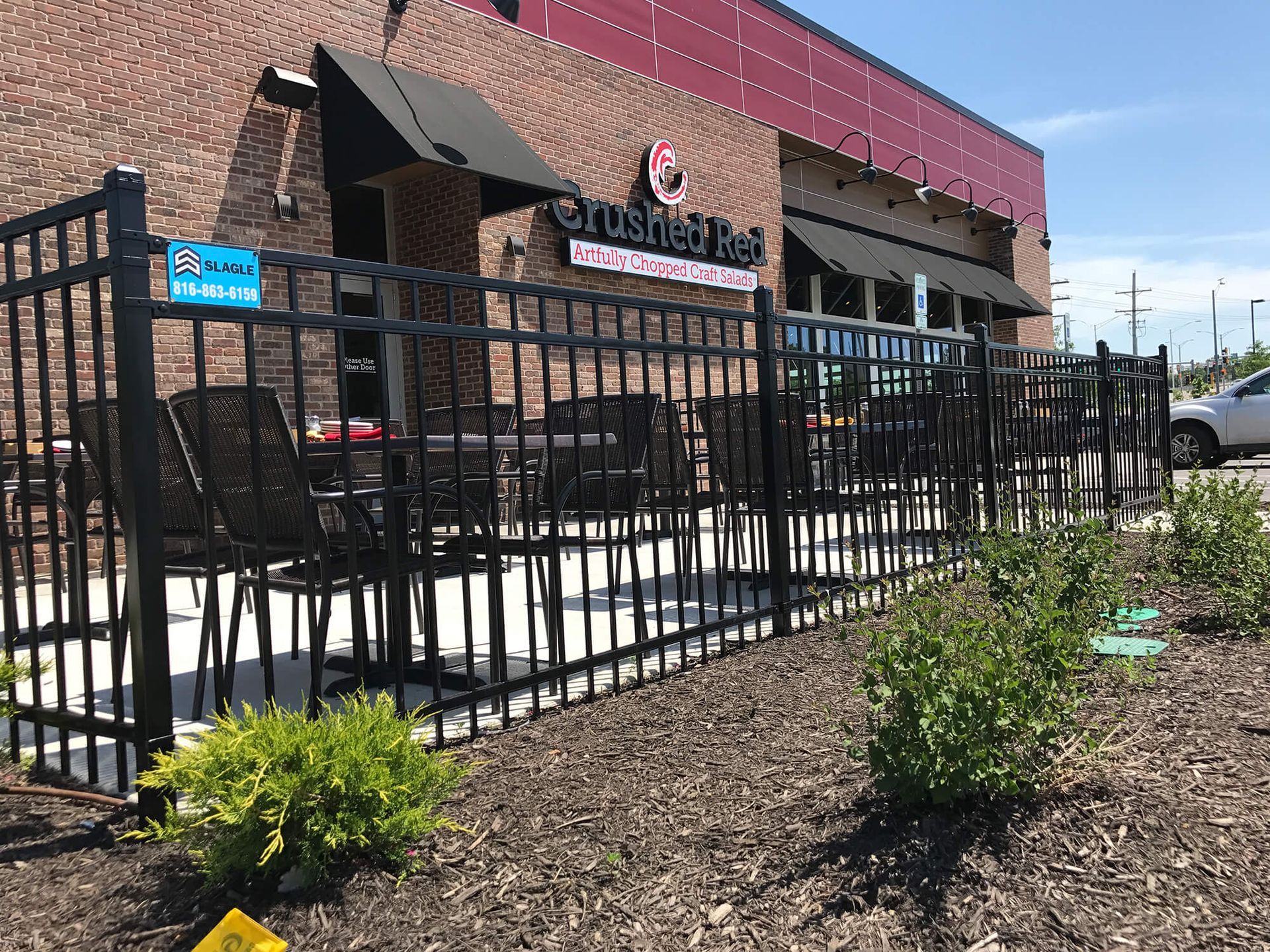
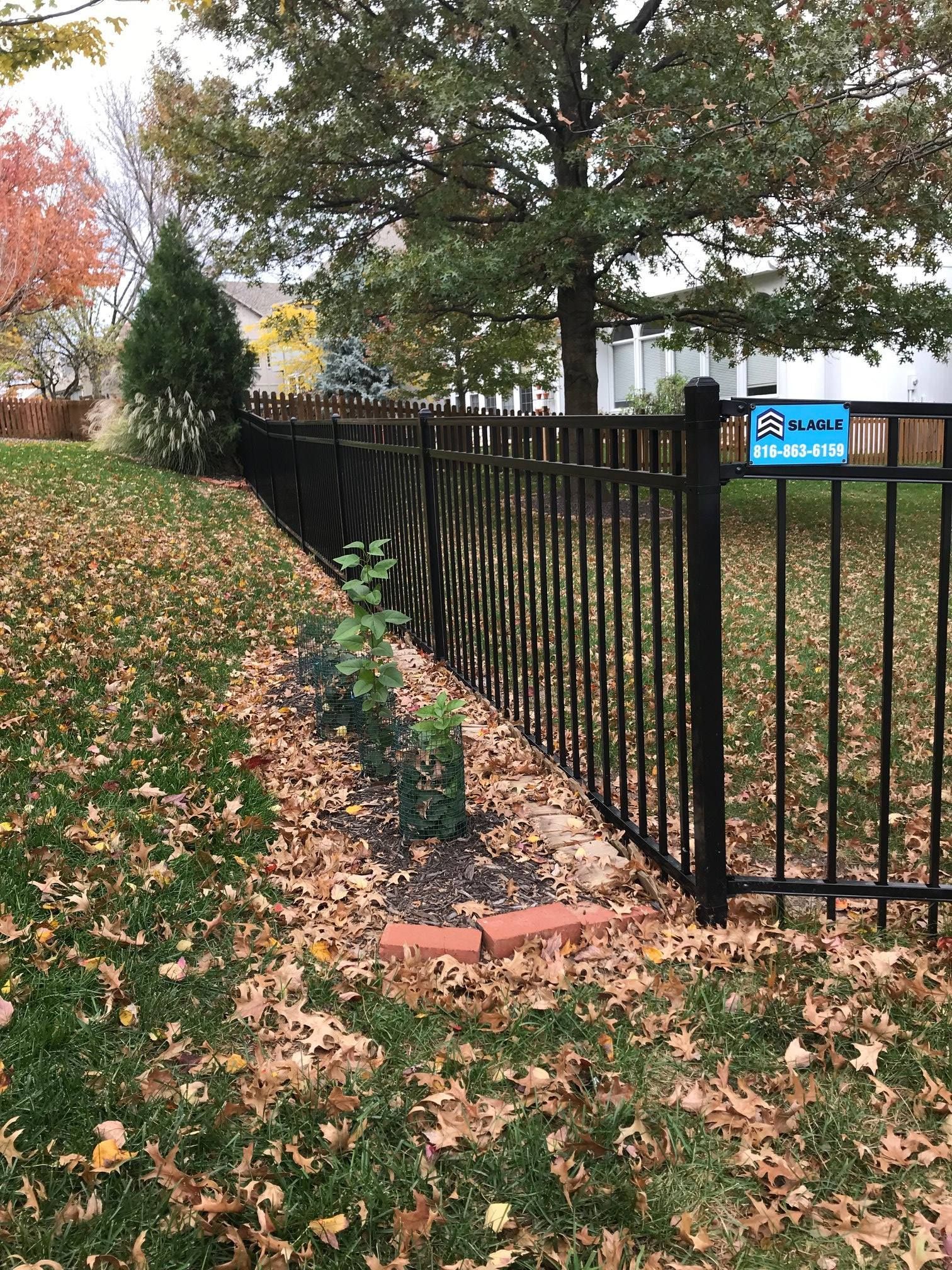
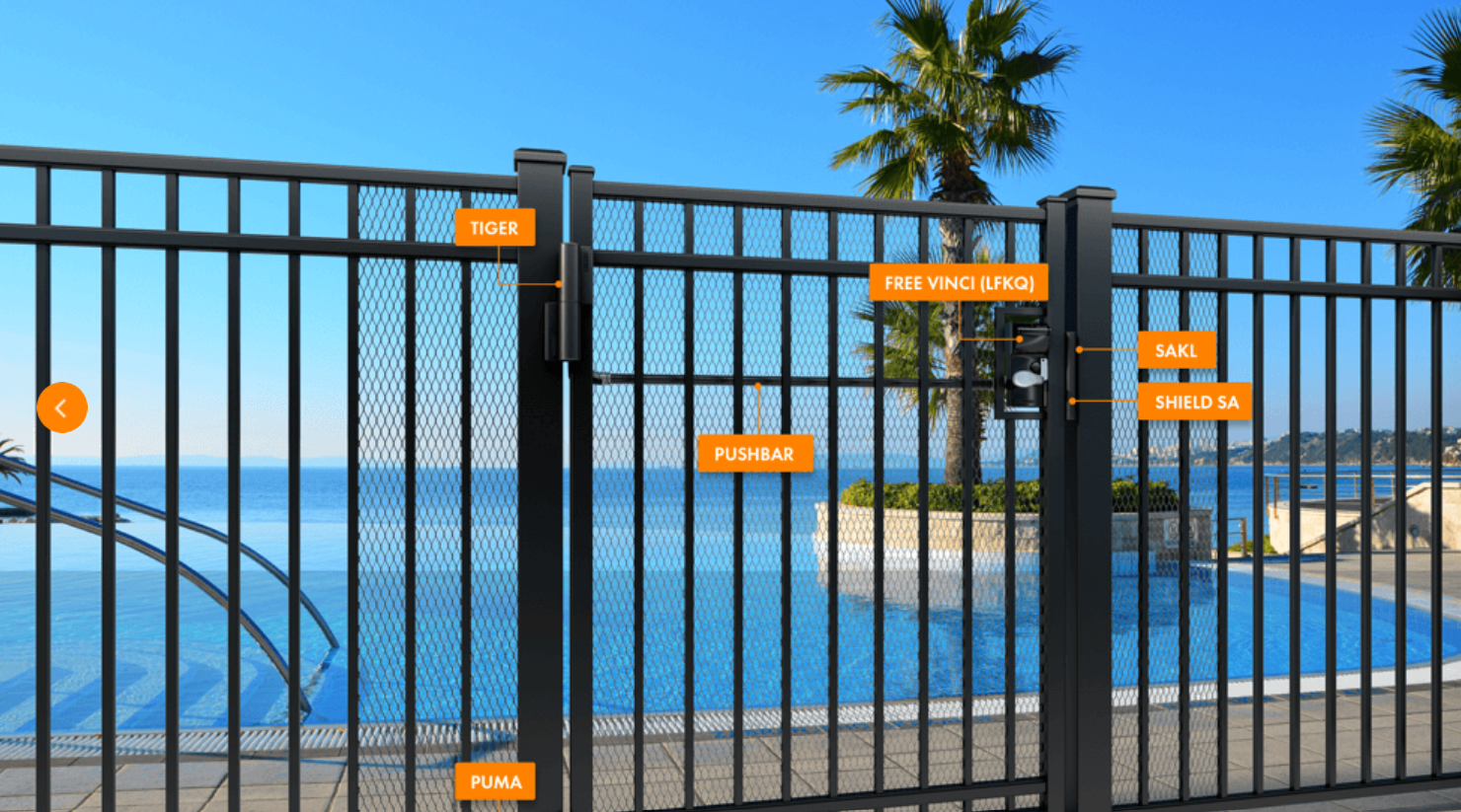
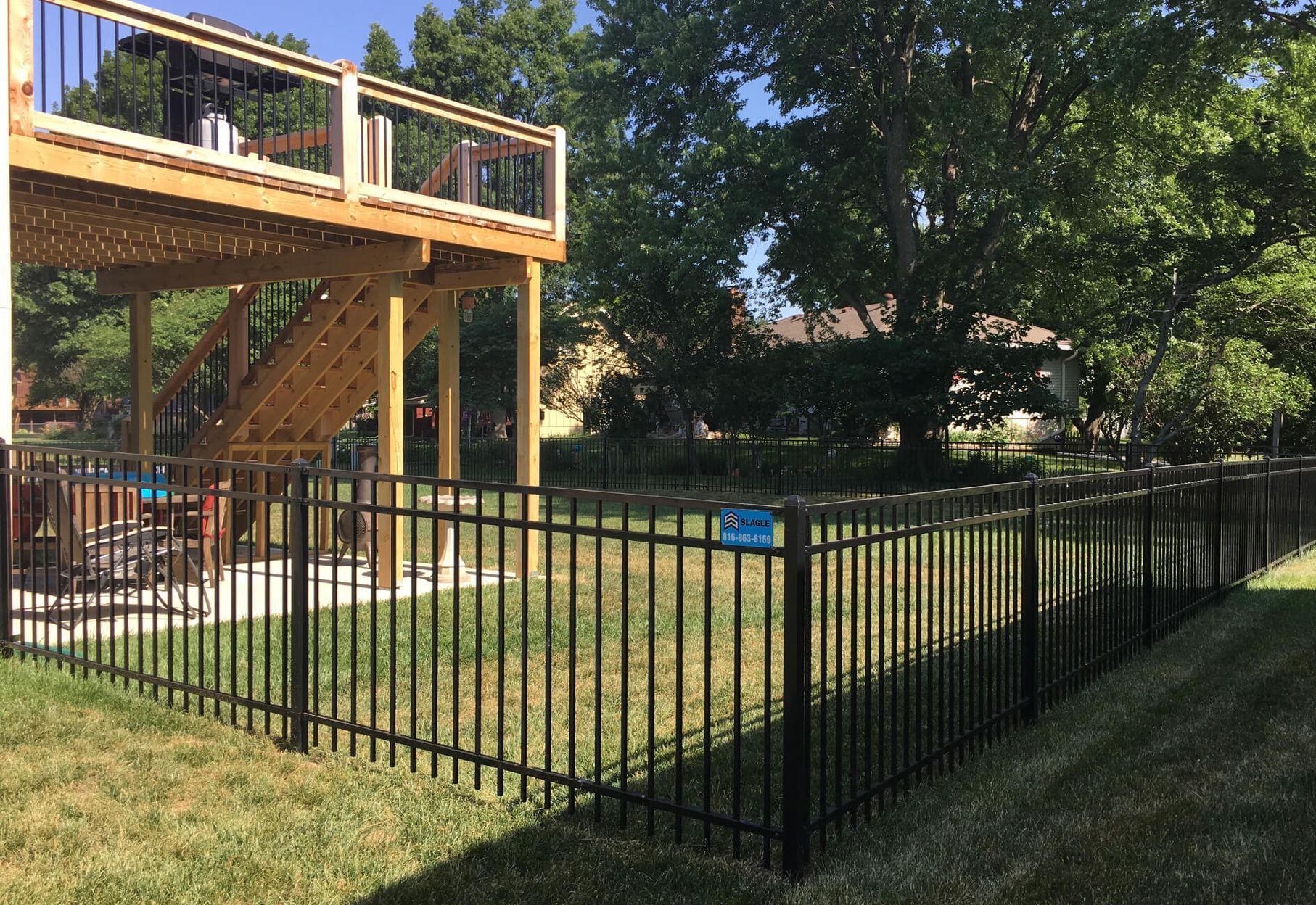
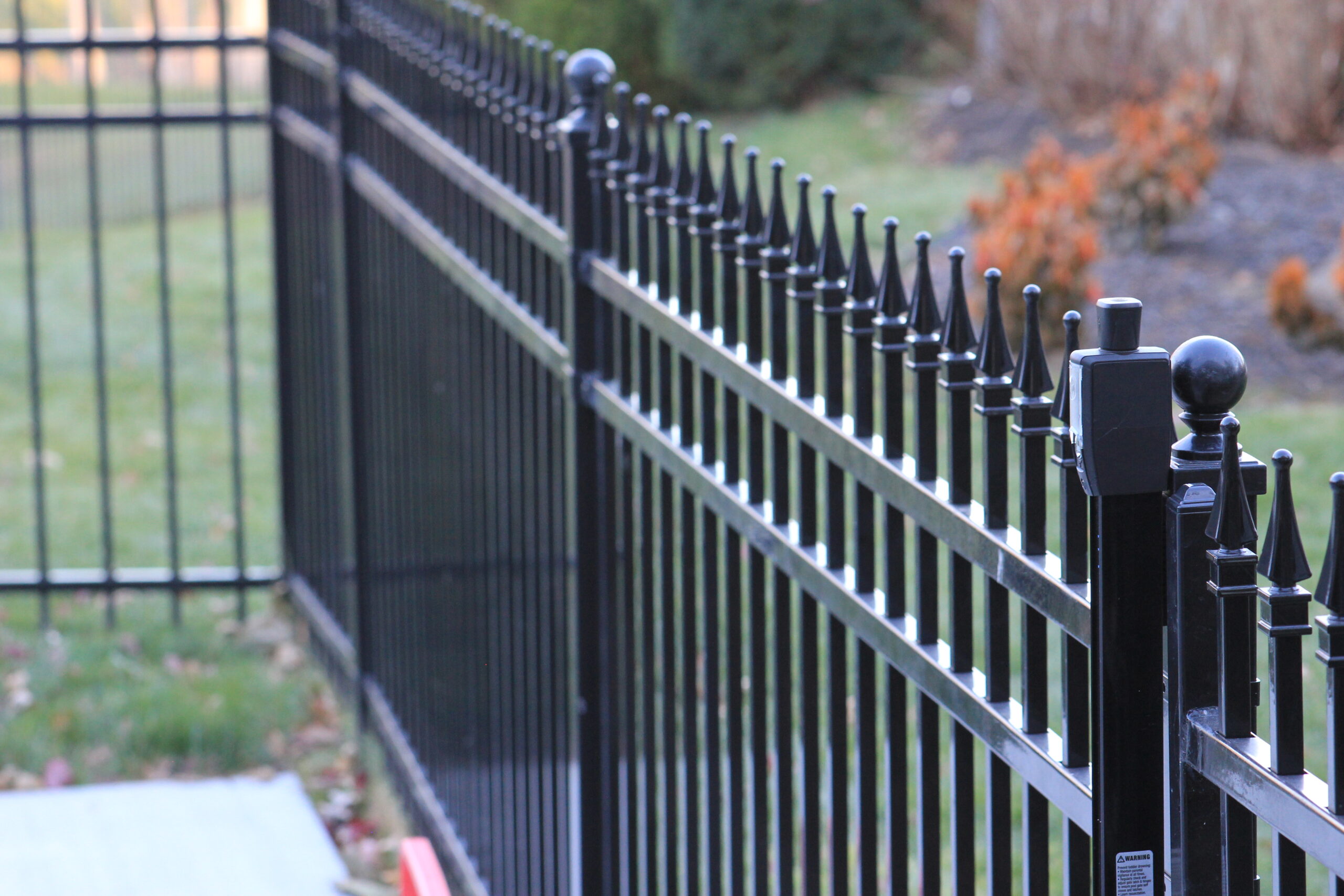
Aluminum Fence
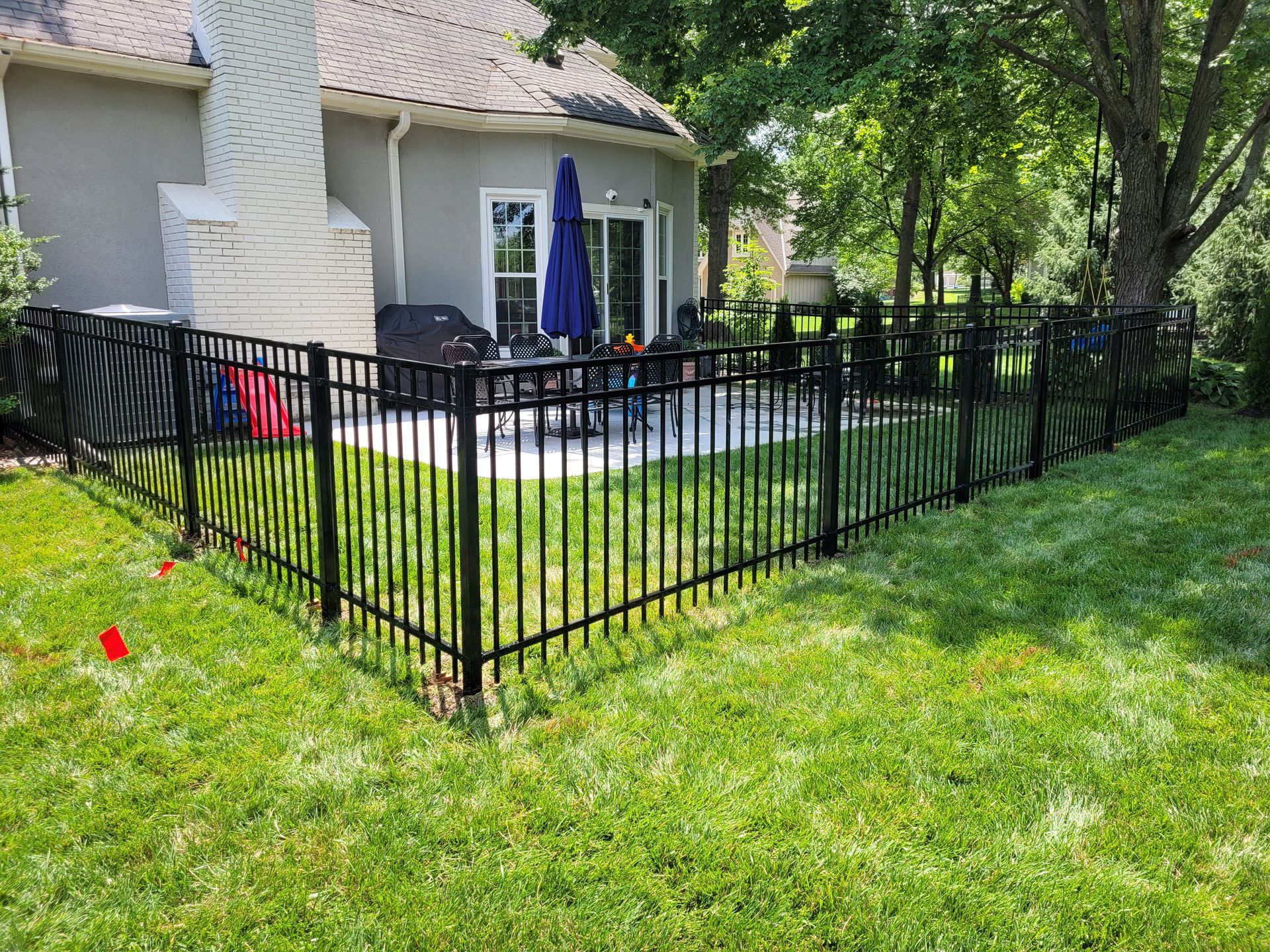
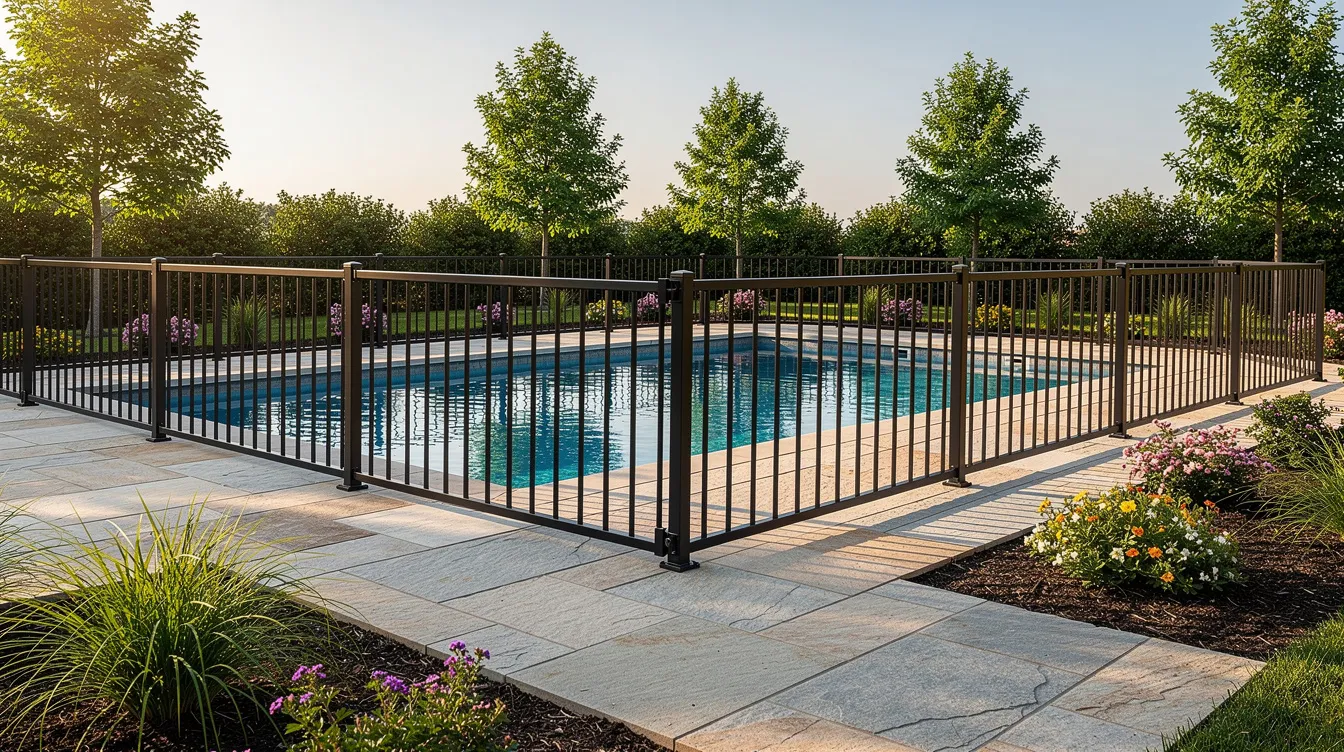
Because aluminum is lighter, post requirements may differ, but proper footing depth remains important.
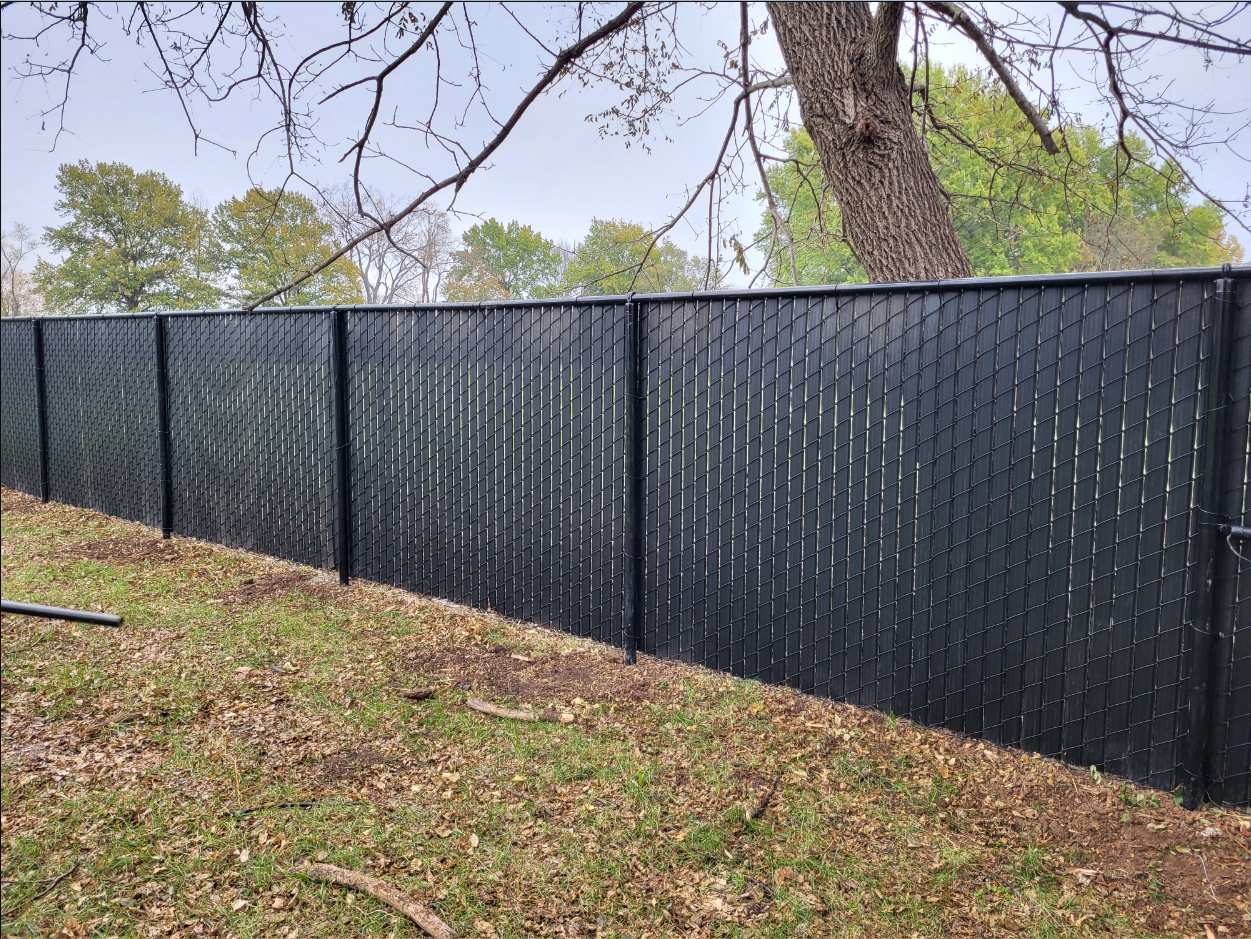
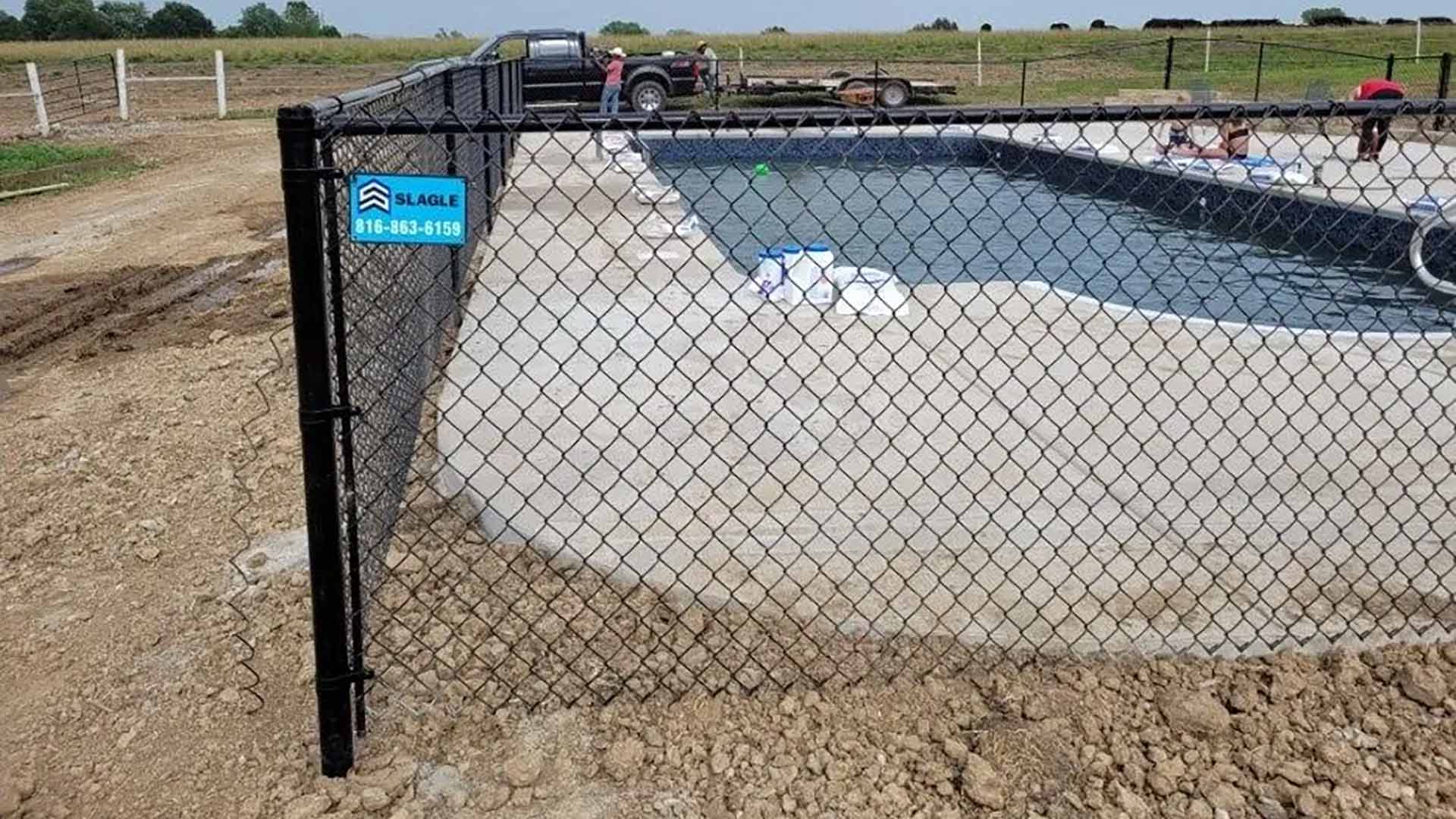
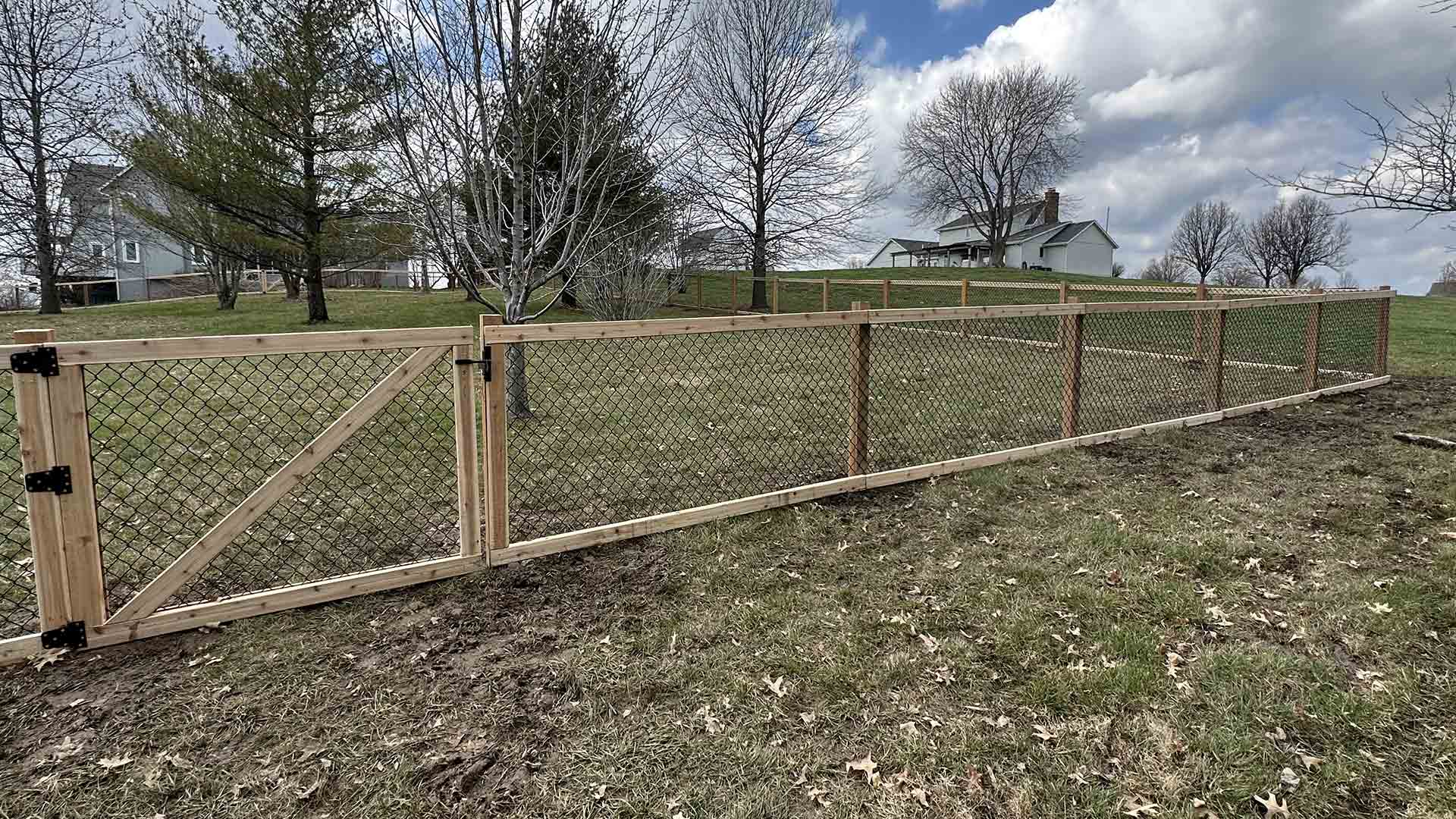
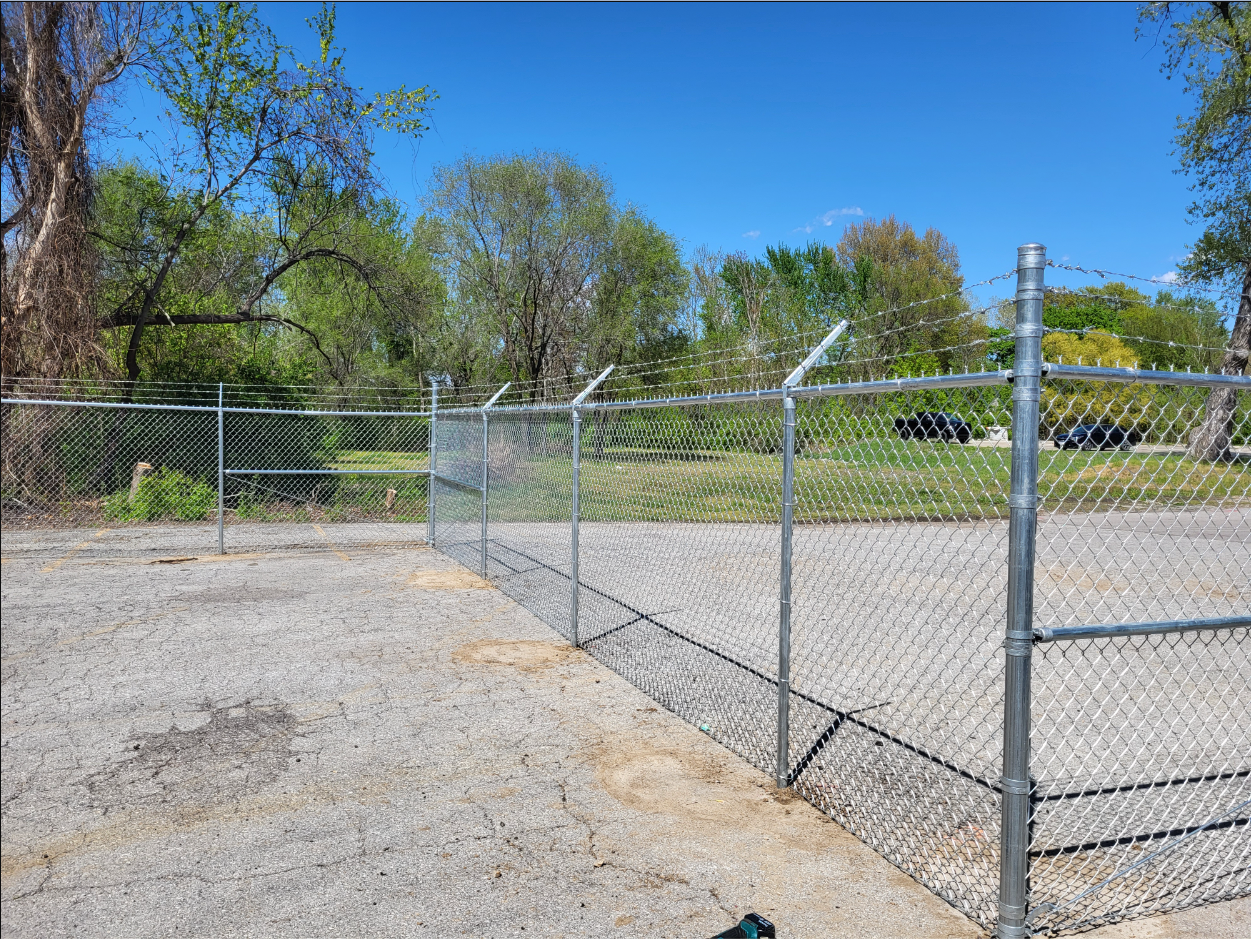
Chain Link Fence
Corner and terminal posts often require deeper and larger footings than line posts.
Common Mistakes to Avoid
Digging Posts Too Shallow
Shallow posts are one of the leading causes of leaning fences.
Not Accounting for Clay Soil
Clay expands and contracts much more than many homeowners realize.
Skipping Concrete
In many Kansas installations, omitting concrete can reduce long-term stability.
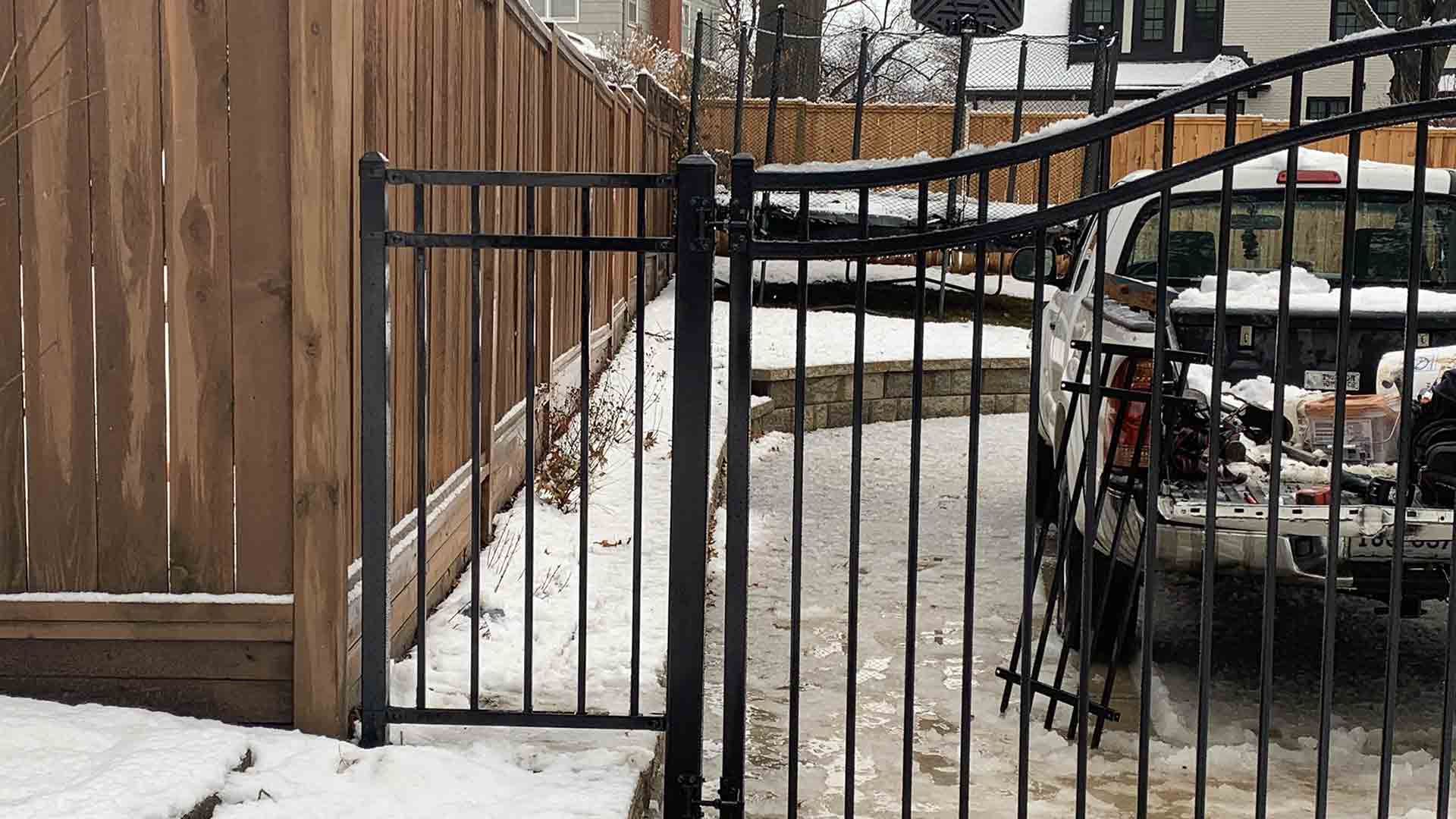
Improper Gate Support
Gate posts often need additional reinforcement beyond standard line posts.
How Can You Tell If a Fence Was Installed Correctly?
Signs of a quality installation include:
- Straight fence lines
- Plumb posts
- Smooth gate operation
- Even spacing
- Solid footing with no noticeable movement
If a new fence begins leaning within the first few years, improper installation is often a contributing factor.
Why Professional Installation Matters
A professionally installed fence takes into account:
- Soil conditions
- Frost depth
- Wind exposure
- Drainage
- Fence height
- Material specifications
Experienced fence contractors understand how Kansas clay soil behaves throughout the seasons and adjust installation methods accordingly.
Final Thoughts
Kansas clay soil presents unique challenges, but a properly installed fence can provide decades of dependable service.
For most 6-foot residential privacy fences, posts are commonly installed around 36 inches deep, while taller fences and gate posts often require deeper footings. The right depth, quality materials, proper concrete installation, and experienced workmanship all contribute to a fence that stands strong against Kansas weather.
If you’re planning a new fence, ask your contractor about:
- Post depth
- Concrete installation methods
- Gate reinforcement
- Wind-resistant construction
- Experience working with Kansas clay soils
Choosing the right installer today can help you avoid costly repairs in the future.