How Do I Know If Someone Built on My Property?
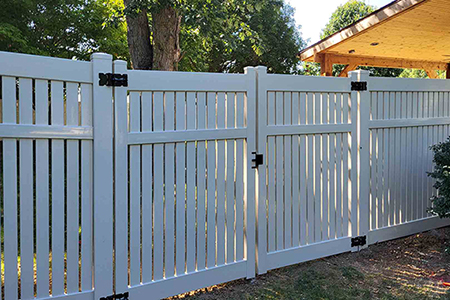
You walk into your backyard and notice your neighbor’s new fence seems a little closer than before. Or maybe they recently added a shed, retaining wall, or driveway that doesn’t look quite right.
It’s a common question homeowners ask:
“How do I know if someone built on my property?”
The truth is, you can’t rely on appearances alone. A fence, structure, or landscaping may look like it’s crossing the property line, but the only way to know for sure is to verify the legal property boundaries.
Here’s how to determine whether a neighbor has built on your property—and what to do if they have.
 1. Find Your Property Survey
The best place to start is with a property survey.
A survey is a legal document prepared by a licensed land surveyor that identifies:
- Property corners
- Boundary lines
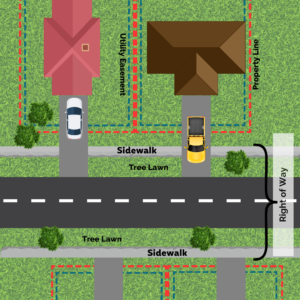
- Easements
- Lot dimensions
- Existing improvements
If you received a survey when you purchased your home, review it carefully. If you don’t have one, your title company, county records, or mortgage paperwork may have a copy.
2. Locate Your Property Pins
Most residential lots have metal survey pins (also called monuments) marking the corners of the property.
These are often:
- Buried just below the soil
- Covered by grass
- Near sidewalks
- Close to curbs
- At rear property corners
If you can locate the pins, you can compare the location of the fence or structure to your legal boundary.
Avoid moving or disturbing survey pins, as they are legal property markers.
3. Look for Signs of an Encroachment
An encroachment occurs when a structure extends onto someone else’s property.
Common examples include:
- A fence built across the property line
- A shed partially on a neighboring lot
- A retaining wall crossing boundaries
- A driveway extending onto another property
- Landscaping features installed over the line
Sometimes the encroachment is only a few inches—but even small encroachments can become significant over time.
4. Don’t Assume the Existing Fence Is on the Property Line
One of the biggest misconceptions is that an existing fence always marks the property line.
In reality, fences may have been installed:
- Several inches inside the owner’s property
- Several feet inside the owner’s property
- Before a survey was completed
- Based on incorrect assumptions
- Years before current owners moved in
A fence’s location is not legal proof of the boundary.
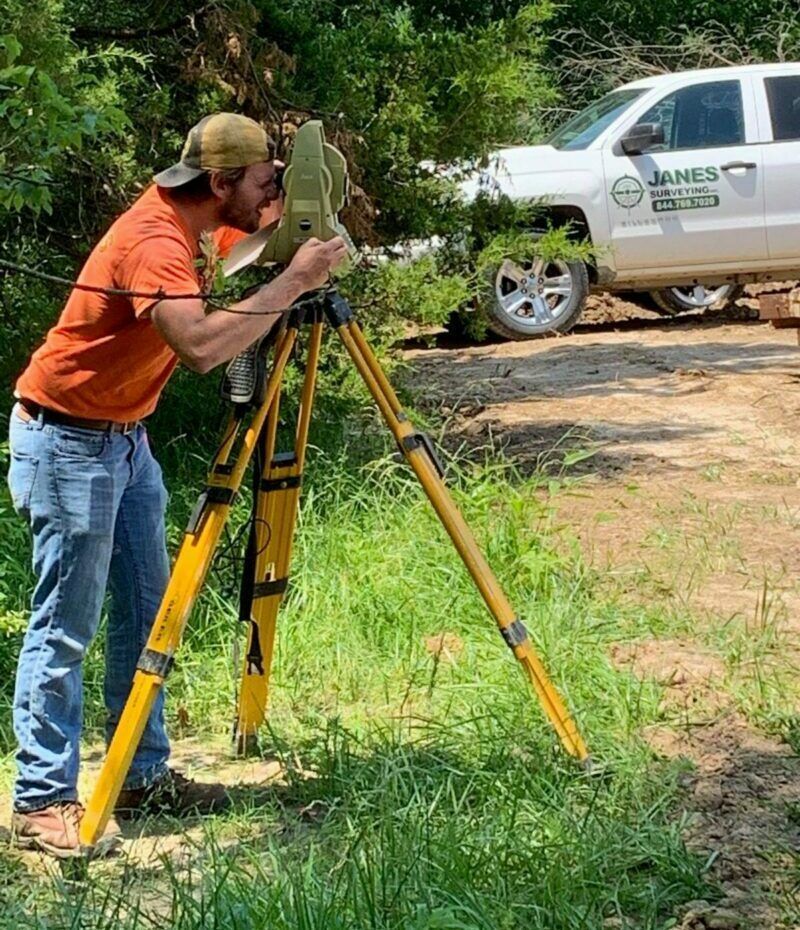
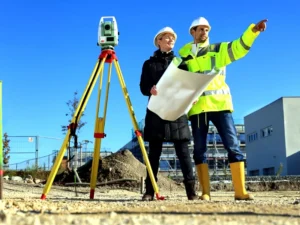
5. Hire a Licensed Surveyor
If you’re uncertain, hiring a licensed land surveyor is the most accurate way to determine property boundaries.
A surveyor can:
- Verify property corners
- Mark boundary lines
- Identify encroachments
- Prepare legal documentation if needed
This is often the best first step before discussing the issue with your neighbor.
6. Check for Easements
Sometimes a structure isn’t on your neighbor’s property—or yours.
It may be located within a utility or drainage easement.
Common easements include:
- Utility easements
- Drainage easements
- Shared access easements
These areas often have restrictions on what can be built there.
7. Talk to Your Neighbor
If you believe there may be an issue, start with a friendly conversation.
Many encroachments are honest mistakes, especially if:
- The previous owner installed the fence.
- A contractor relied on an old fence instead of a survey.
- Property pins were difficult to locate.
Approaching the situation respectfully often leads to a quicker resolution.
What If My Neighbor’s Fence Is on My Property?
If a survey confirms the fence crosses onto your property, your options may include:
- Asking the neighbor to relocate the fence.
- Agreeing on a written boundary solution.
- Sharing relocation costs, if appropriate.
- Seeking legal advice if an agreement cannot be reached.
Every situation is different, so it’s important to understand your local property laws before taking action.
Can I Just Move the Fence?
Usually, no.
Even if you believe the fence is on your property, removing or relocating it without first confirming ownership and discussing the matter with your neighbor can create additional legal and financial issues.
Start with:
- A survey.
- A conversation.
- Legal guidance if necessary.
How to Prevent Property Line Problems Before Installing a Fence
 If you’re planning a new fence yourself:
- Have a current survey if property lines are unclear.
- Locate your property pins.
- Discuss the project with neighbors.
- Verify local setback requirements.
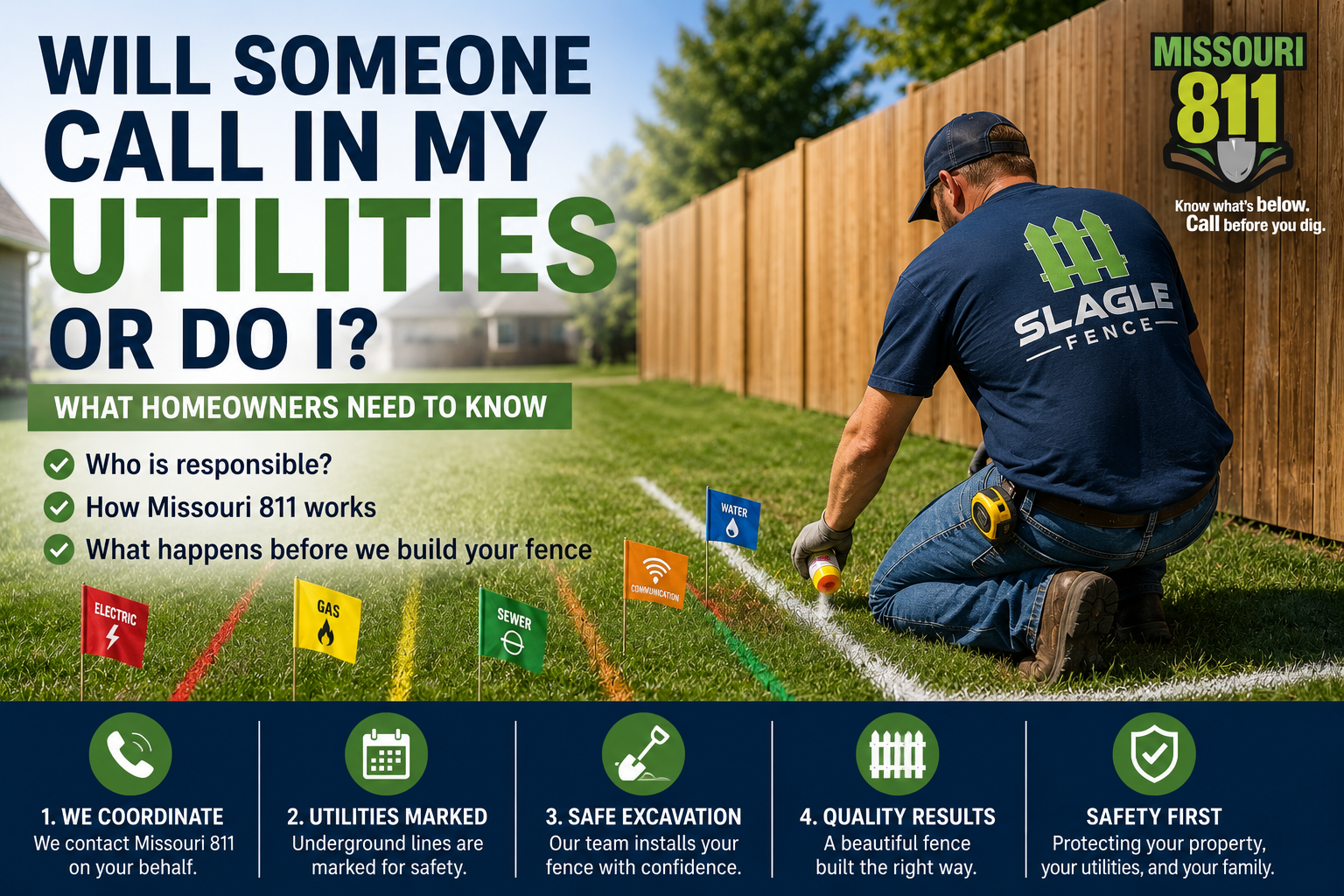
- Call 811 before digging.
- Work with an experienced fence contractor.
These steps can help prevent disputes before construction begins.
Signs You Should Get a Survey
A survey is especially worthwhile if:
- You can’t locate your property corners.
- You’re replacing an old fence.
- The property is irregularly shaped.
- You’re on a corner lot.
- Your neighbor recently built a structure near the property line.
- There has been a disagreement about boundaries.
Final Thoughts
If you think someone has built on your property, don’t rely on assumptions or old fence lines. The best way to protect your investment is to verify your property boundaries with a licensed survey.
By confirming your property lines before taking action, you can avoid unnecessary disputes and ensure any solution is based on accurate information.
Whether you’re dealing with an existing fence, a new shed, or another structure, taking the time to verify the facts is the smartest first step.