How Often Should I Stain My Fence in Kansas?
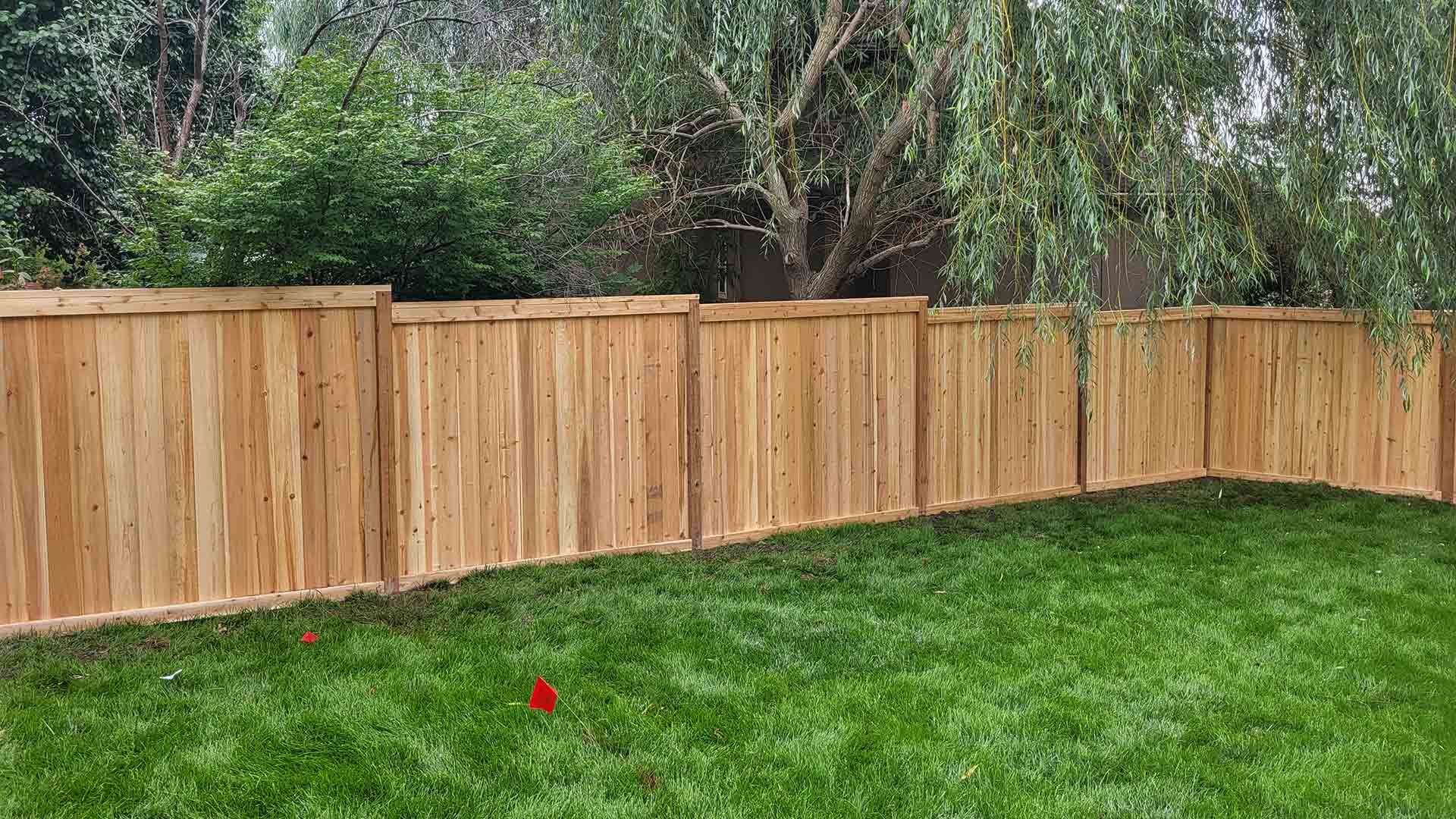
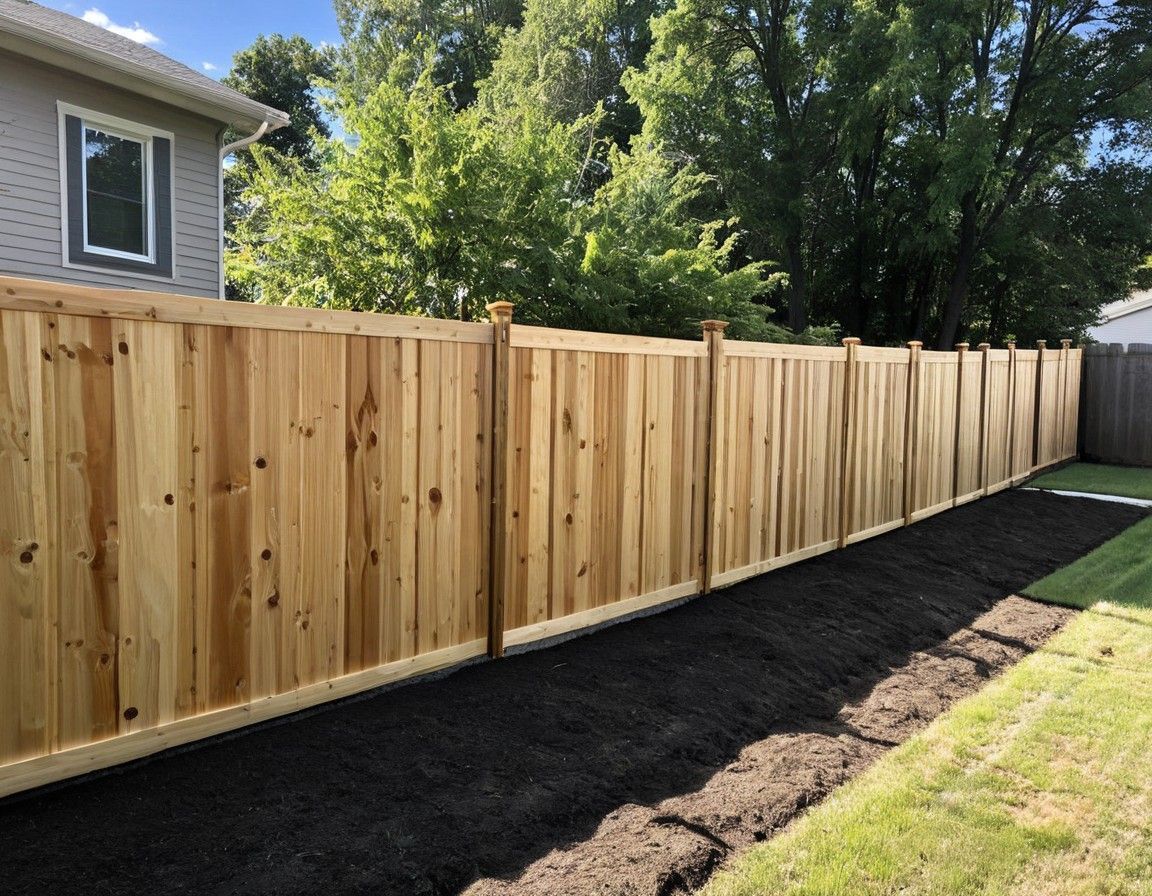
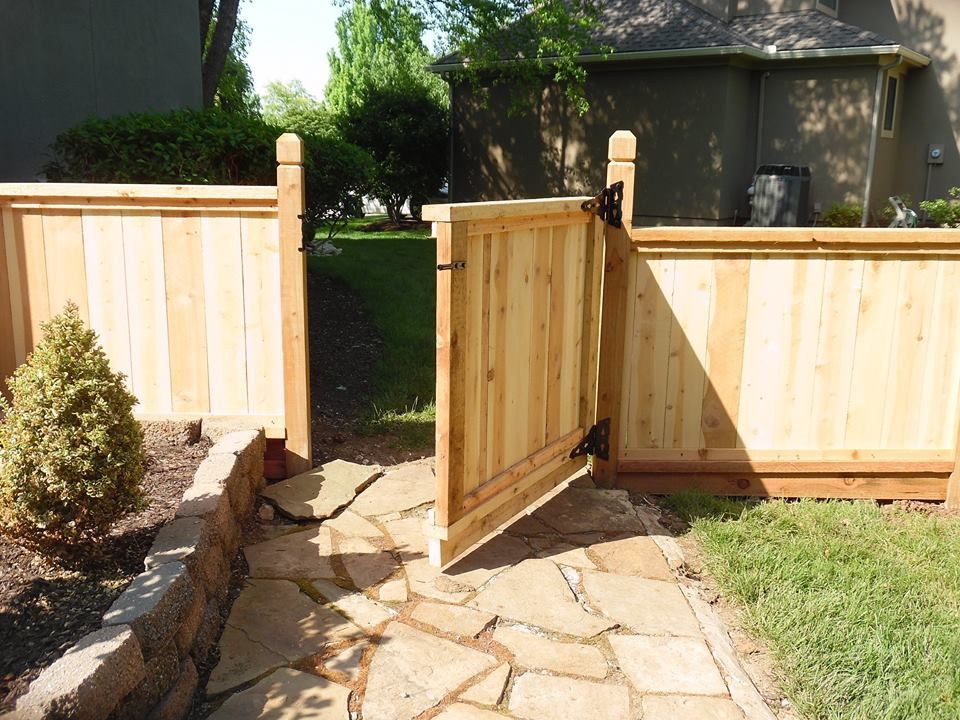
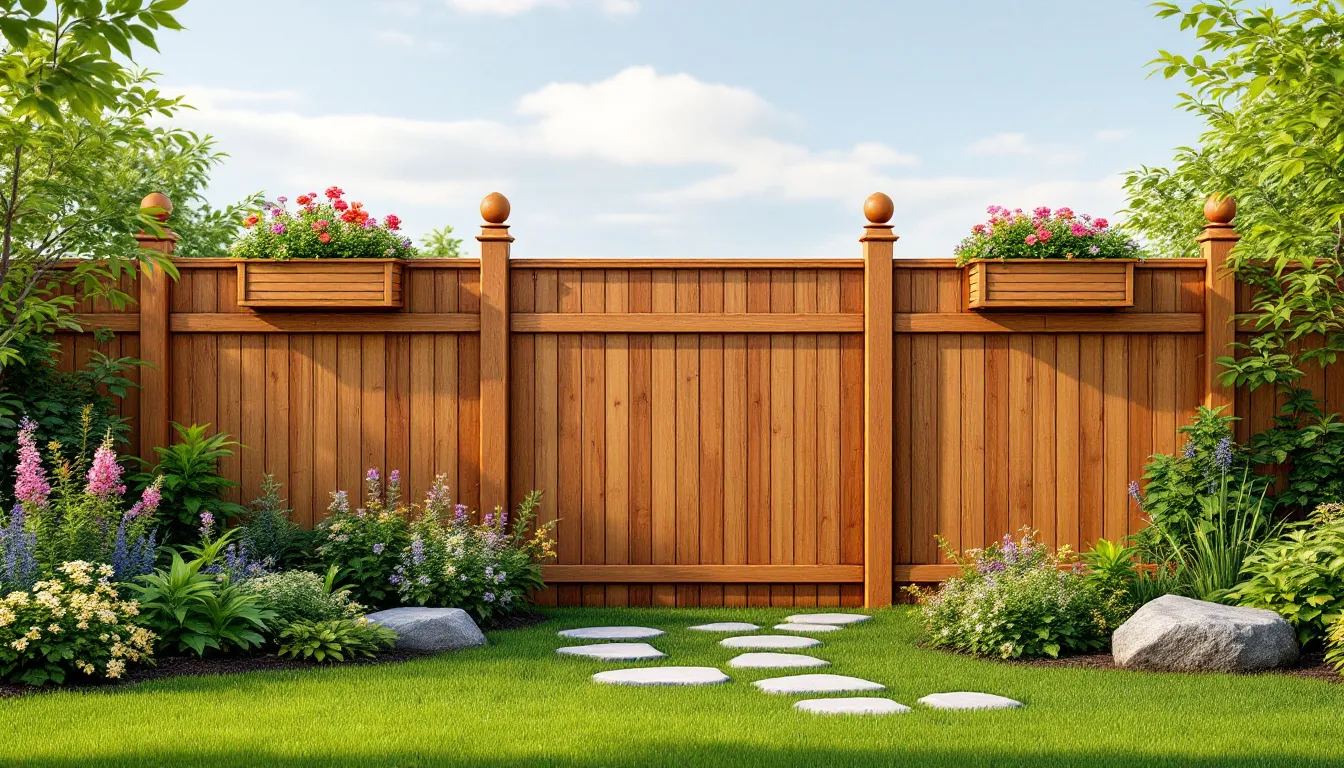
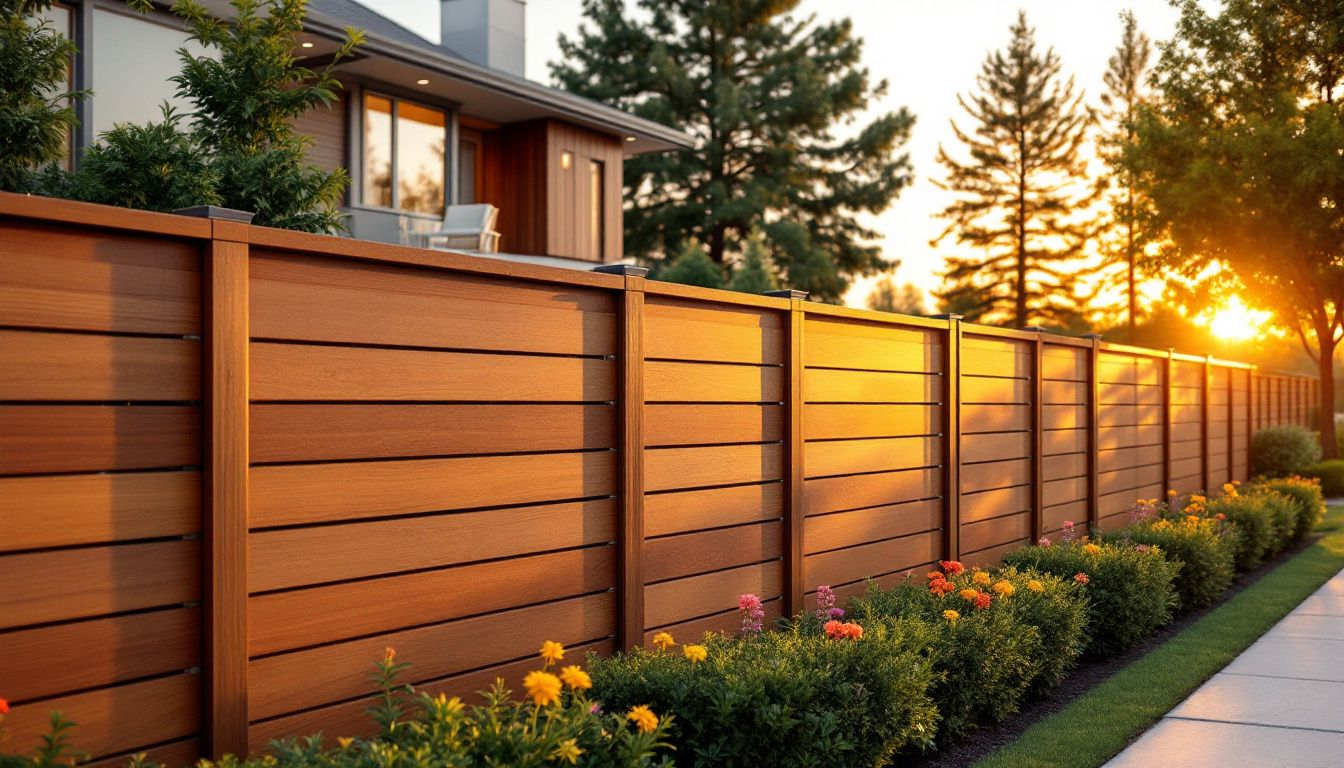
 A beautiful cedar fence is one of the best investments you can make for your home. It adds privacy, security, curb appeal, and value—but like any outdoor wood structure, it needs proper maintenance to look its best.
One of the most common questions homeowners ask is:
“How often should I stain my fence in Kansas?”
For most cedar fences in Kansas, you should plan to apply a new coat of stain every 3 to 5 years. However, the exact timing depends on several factors, including sun exposure, weather conditions, the type of stain used, and how well the fence has been maintained.
At Slagle Fence, we’ve installed hundreds of cedar fences throughout the Kansas City area, and we’ve seen firsthand how regular staining can dramatically extend the life of a wood fence.
Why Kansas Weather Is Tough on Wood Fences
Kansas experiences some of the most challenging weather conditions in the Midwest.
Throughout the year, your fence may be exposed to:
- Hot summer temperatures
- Intense UV rays
- Heavy spring rains
- High humidity
- Strong winds
- Snow and ice
- Freeze-thaw cycles
- Severe thunderstorms
These conditions cause wood to repeatedly expand and contract, which can lead to:
- Fading
- Cracking
- Splitting
- Warping
- Moisture damage
Applying stain helps protect your fence from these elements.
How Often Should You Stain a Cedar Fence?
As a general guideline:
| Fence Condition | Recommended Staining Schedule |
|---|---|
| Full Sun Exposure | Every 2–3 years |
| Partial Shade | Every 3–4 years |
| Mostly Shaded | Every 4–5 years |
Every fence is different, so regular inspections are more important than following a strict calendar.
When Should a New Cedar Fence Be Stained?
If you’ve recently installed a cedar fence, don’t stain it immediately. 
Fresh cedar contains natural moisture that should be allowed to evaporate before stain is applied.
In most cases, homeowners should wait:
- Approximately 4–8 weeks after installation
- Or until the wood passes a simple “water test”
To perform the water test:
- Sprinkle a few drops of water onto the fence.
- If the water beads up, wait longer.
- If the wood absorbs the water within a few seconds, it’s generally ready for stain.
Signs Your Fence Needs to Be Restained
Your fence will usually tell you when it’s time for another coat.
Look for:
- Faded color
- Dry appearance
- Water soaking into the wood
- Surface cracks
- Rough texture
- Areas exposed to direct sunlight becoming noticeably lighter
If rain no longer beads on the surface, your stain is likely wearing off.
Why Staining Is So Important
Quality stain does much more than improve appearance.
It also helps:
- Repel moisture
- Reduce UV damage
- Minimize cracking
- Slow weathering
- Prevent premature aging
- Extend the fence’s lifespan
Routine staining can add years to the life of a cedar fence.
Oil-Based vs. Water-Based Stains
Oil-Based Stains
Many fencing professionals recommend oil-based penetrating stains because they:
- Soak deep into the wood
- Provide excellent moisture protection
- Highlight cedar’s natural grain
- Fade gradually instead of peeling
Water-Based Stains
Water-based products offer:
- Faster drying times
- Easier cleanup
- Lower odor
- Good color retention
The best choice depends on your goals and the product manufacturer’s recommendations.
Best Time of Year to Stain a Fence in Kansas
The ideal time to stain a fence is during mild, dry weather.
Spring and fall are often the best seasons because temperatures are moderate and humidity is generally lower.
For best results:
- Avoid rainy days.
- Avoid extremely hot afternoons.
- Choose temperatures between approximately 50°F and 85°F.
- Allow enough drying time before rain is expected.
How to Prepare Your Fence Before Staining
Proper preparation is just as important as the stain itself.
Before staining:
- Remove dirt and debris.
- Wash away mildew or algae.
- Allow the fence to dry completely.
- Replace damaged boards.
- Tighten loose hardware.
- Protect nearby landscaping.
A clean surface helps the stain penetrate evenly.
Simple Maintenance Between Staining
To keep your fence looking its best between stain applications:
- Rinse dirt and pollen with a garden hose.
- Trim shrubs and vines away from the fence.
- Keep sprinklers from constantly wetting the boards.
- Inspect annually for loose boards or hardware.
- Repair storm damage promptly.
Small maintenance tasks help maximize your fence’s lifespan.
Can You Wait Too Long?
Yes.
Waiting too long can allow:
- Moisture penetration
- Surface checking
- UV damage
- Wood discoloration
- Premature deterioration
It’s much easier—and less expensive—to maintain a fence than to replace damaged boards or rebuild sections.
Why Professional Staining Can Be Worth It
While many homeowners stain their own fences, professional staining offers several advantages.
Professionals know:
- When wood is ready to stain
- How to apply stain evenly
- Which products perform best in Midwest weather
- How much stain is needed
- How to protect landscaping and nearby surfaces
A professionally stained fence often provides a more consistent finish and longer-lasting protection.
Why Homeowners Choose Slagle Fence
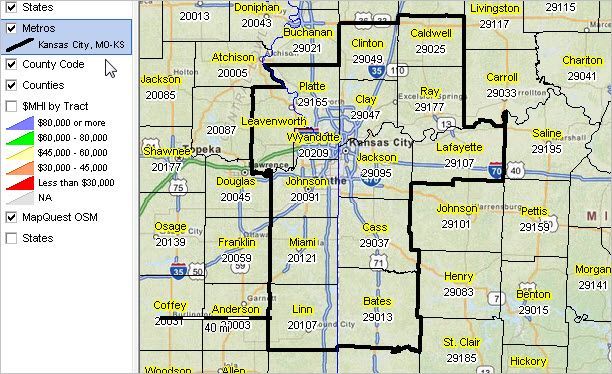
Slagle Fence proudly serves homeowners throughout Kansas and the Kansas City metro.
We specialize in:
- Cedar privacy fences
- Horizontal cedar fences
- Board-on-board cedar fences
- Fence staining
- Fence repairs
- Vinyl fencing
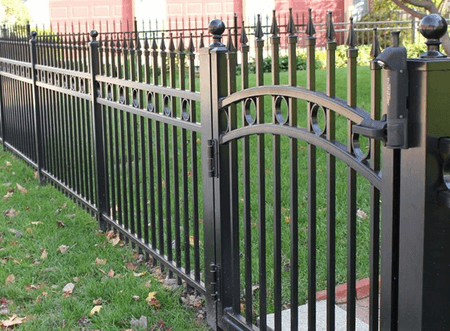
- Ornamental steel fencing
- PostMaster® steel post systems
Whether you need a brand-new cedar fence or want to extend the life of your existing one, our team is here to help.
Frequently Asked Questions
How often should I stain my cedar fence?
Most cedar fences in Kansas benefit from staining every 3 to 5 years, though fences in full sun may need attention every 2 to 3 years.
Should I stain both sides of my fence?
Yes. Staining both sides helps protect the wood from moisture and weather exposure, promoting more even aging.
Can I stain a wet fence?
No. The wood should be clean and completely dry before stain is applied.
Is staining better than painting?
For cedar fences, many homeowners prefer stain because it penetrates the wood, enhances its natural beauty, and won’t peel like paint can.
Final Thoughts
If you’re wondering, “How often should I stain my fence in Kansas?”, the answer for most cedar fences is every 3 to 5 years, with more frequent maintenance for fences exposed to intense sunlight.
Routine staining is one of the best ways to protect your investment from Kansas weather. By keeping your fence clean, applying quality stain at the right time, and performing simple yearly inspections, you can enjoy a beautiful cedar fence for decades.
At Slagle Fence, we’re committed to helping homeowners protect their fences with expert installation, maintenance advice, and quality craftsmanship built to withstand the Midwest.