How Often Should I Stain My Fence?
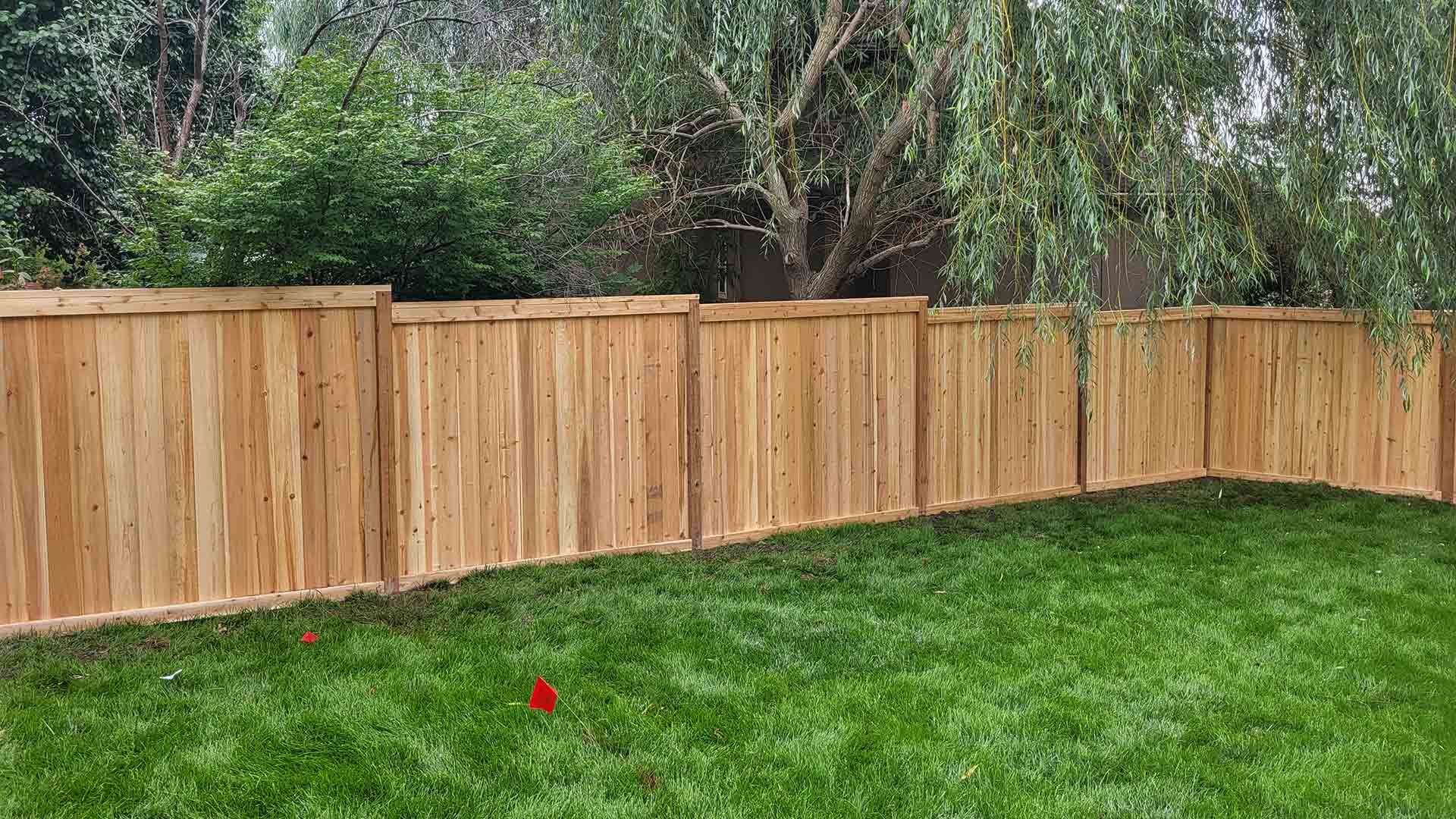
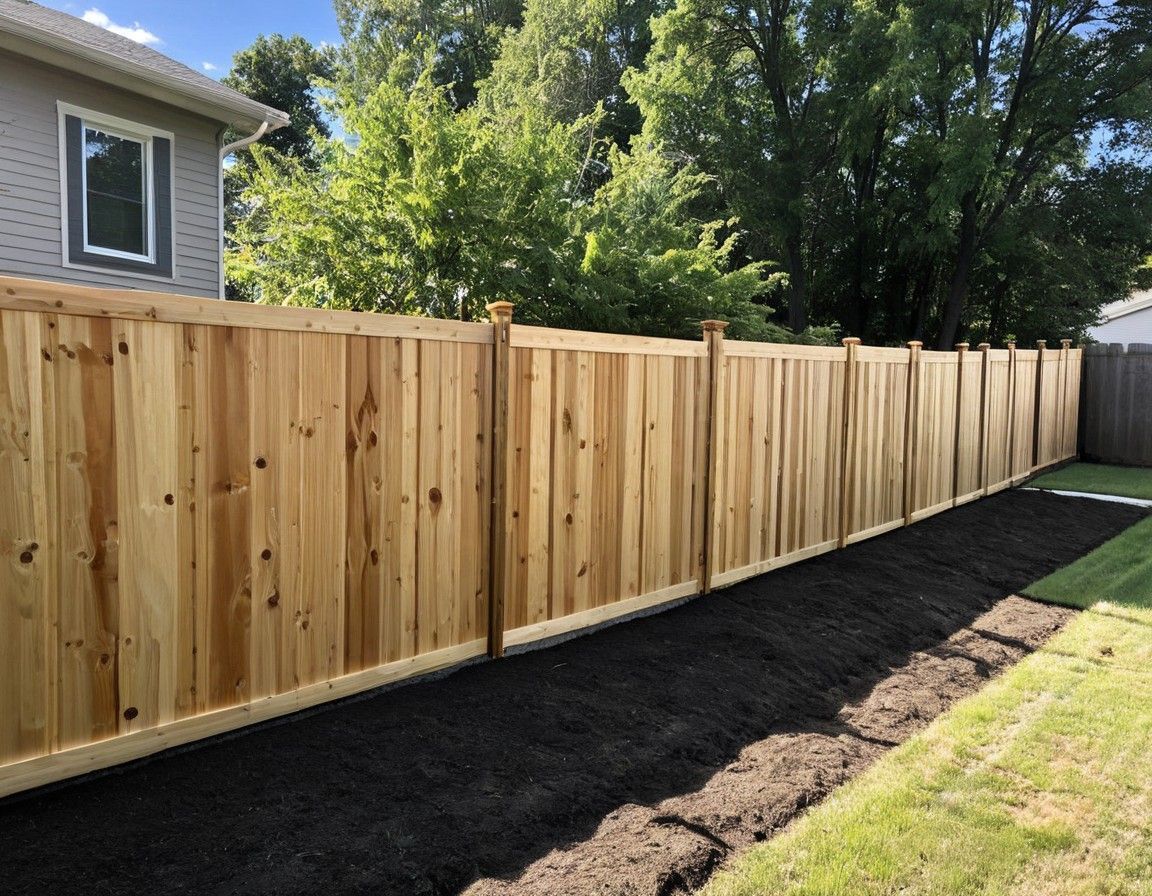
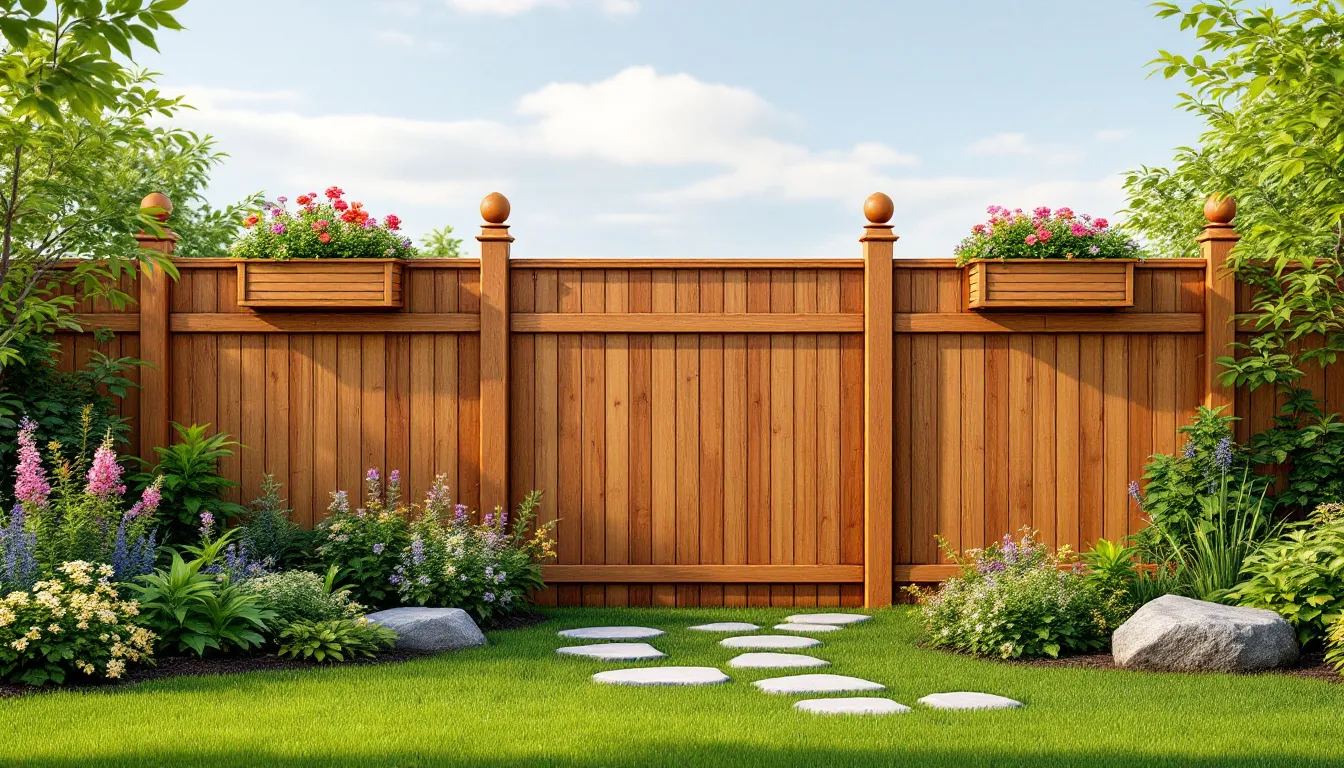
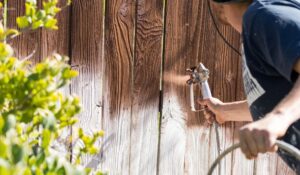 A wood fence is a major investment in your property, adding privacy, security, and curb appeal. However, like any outdoor structure, it requires regular maintenance to stay beautiful and protected.
One of the most important parts of maintaining a wood fence is staining.
For most wood fences, homeowners should plan to stain their fence approximately:
Every 2–4 years
However, the ideal timeline depends on several factors, including:
- Type of wood
- Quality of stain
- Sun exposure
- Weather conditions
- Moisture levels
- Fence location
- Previous maintenance
A properly maintained fence can last significantly longer than a neglected fence.
Why Should I Stain My Fence?
Many homeowners think stain is only about appearance, but it serves a much bigger purpose.
A quality fence stain helps protect your wood from:
Moisture Damage
Water is one of the biggest threats to wood fencing.
Stain helps reduce:
- Water absorption
- Swelling
- Cracking
- Rot
UV Damage
Sunlight breaks down wood fibers over time.
Without protection, your fence can:
- Fade
- Turn gray
- Become brittle
- Crack
A stain helps protect against harmful UV rays.
Mold and Mildew Growth
Kansas and Missouri weather can bring:
- Humidity
- Rain
- Snow
- Temperature changes
A quality stain helps protect against moisture-related issues.
How Often Should I Stain a Cedar Fence?
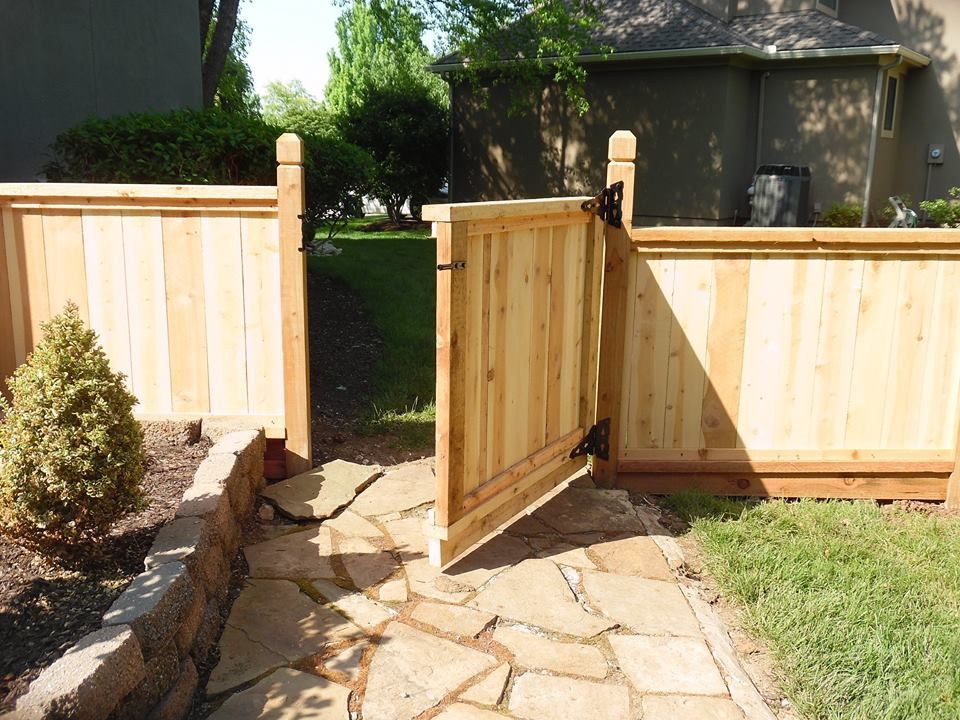
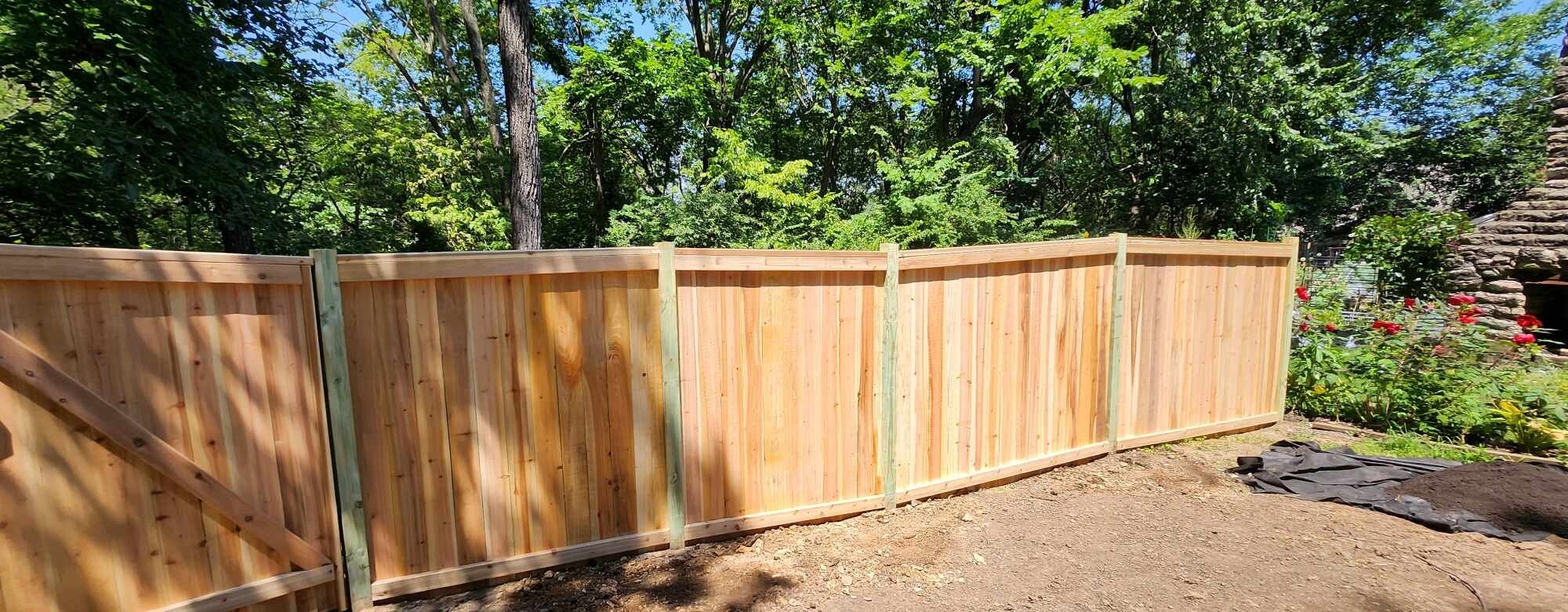
Cedar is one of the most popular fencing materials because it naturally resists decay and insects.
A cedar fence typically needs staining:
Every 2–3 years
However, the timeline depends on your environment.
A cedar fence exposed to:
- Full afternoon sun
- Heavy rain
- Sprinkler systems
- Pool splash-out
may need staining sooner.
A shaded fence with limited exposure may last longer between applications.
Should I Stain a New Fence?
 Yes, but timing matters.
Fresh cedar should be allowed to dry before staining.
Many contractors recommend waiting:
Approximately 4–8 weeks after installation
before applying stain.
This allows the wood to:
- Release excess moisture
- Accept stain properly
- Develop a longer-lasting finish
The exact timing depends on:
- Weather conditions
- Wood moisture levels
- Type of stain being used
What Happens If I Don’t Stain My Fence?
Leaving a wood fence untreated does not mean it will immediately fail, but it can shorten the fence’s lifespan.
An unstained fence may experience:
Fading and Gray Appearance
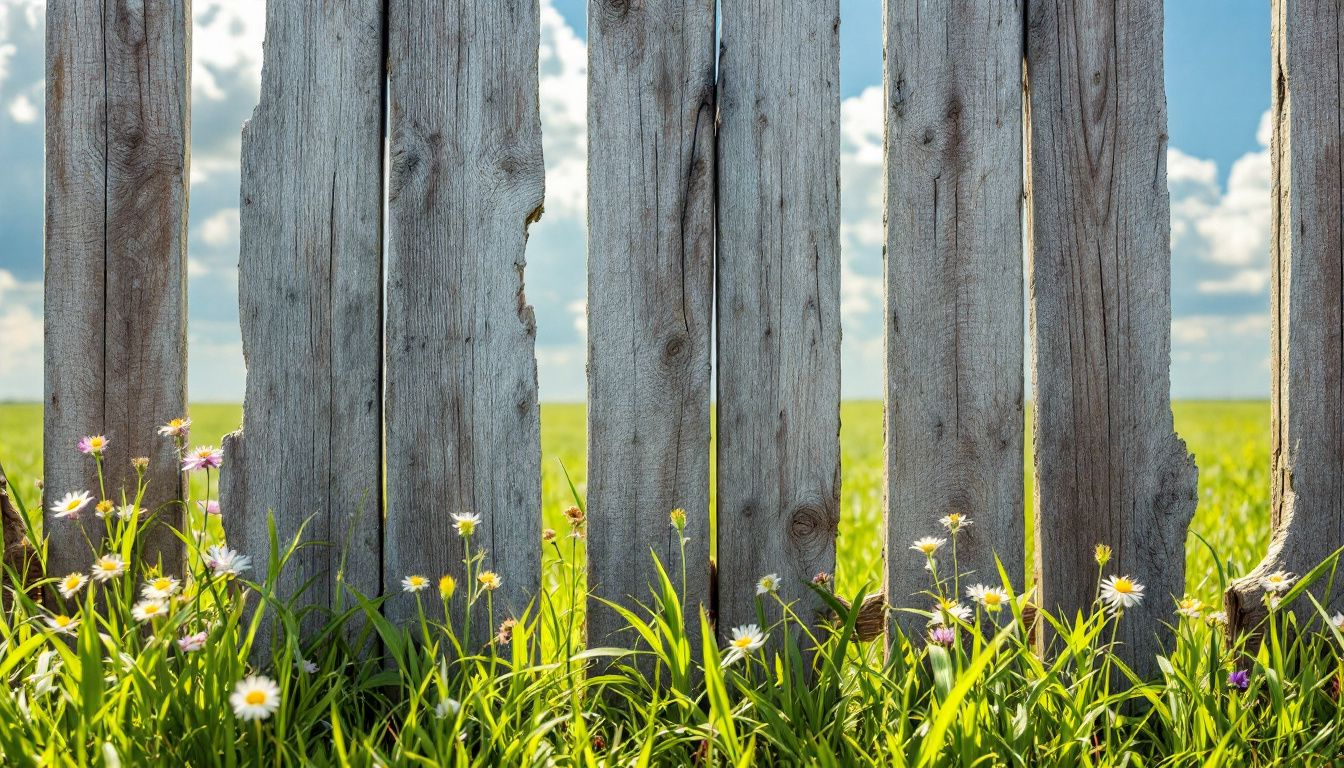
UV exposure causes cedar to naturally weather.
Some homeowners like the gray look, but the wood is less protected.
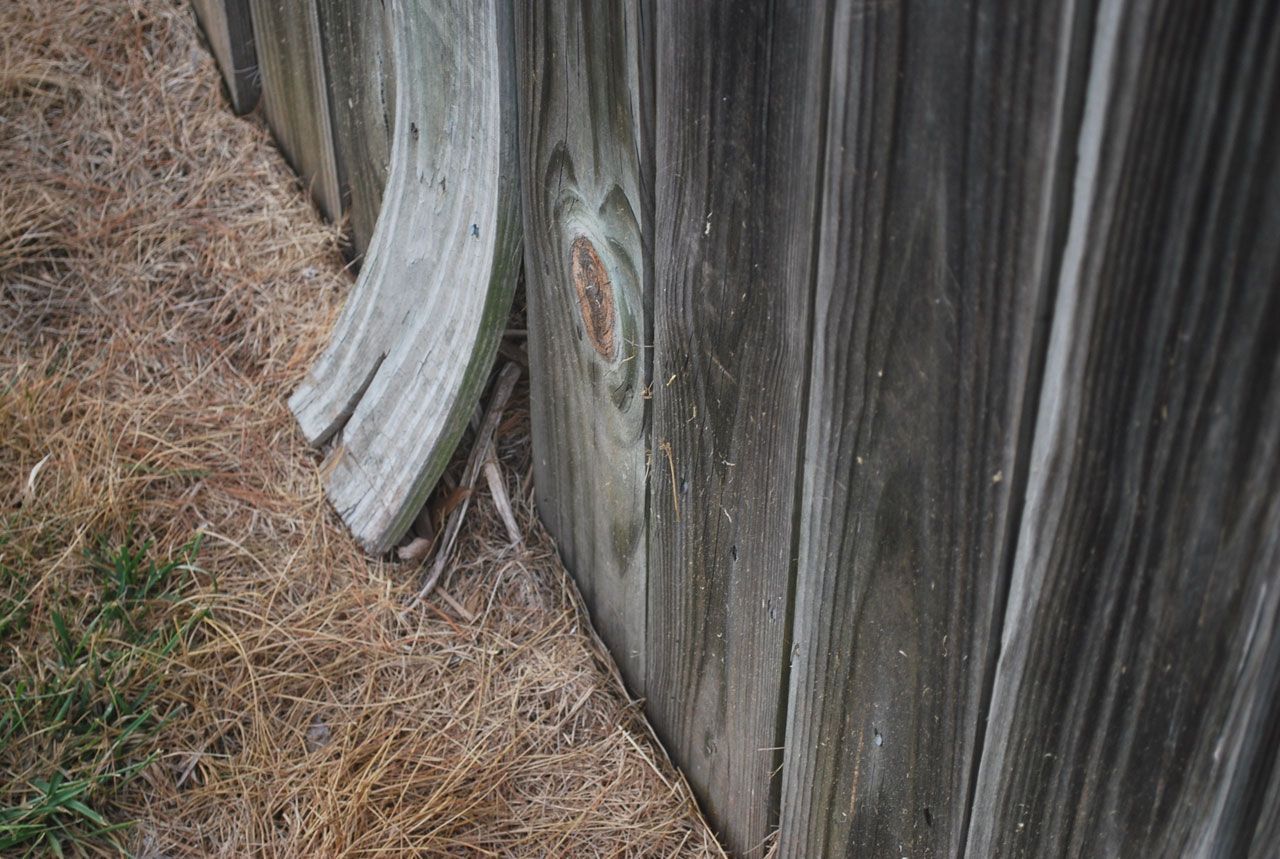
Cracking and Splitting
Dry wood can begin to:
- Crack
- Warp
- Split
Faster Rot
Moisture exposure can cause:
- Soft spots
- Rotting posts
- Damaged pickets
Shorter Fence Lifespan
A properly maintained cedar fence can last decades, while neglected fencing may require repairs much sooner.
What Type of Fence Stain Is Best?
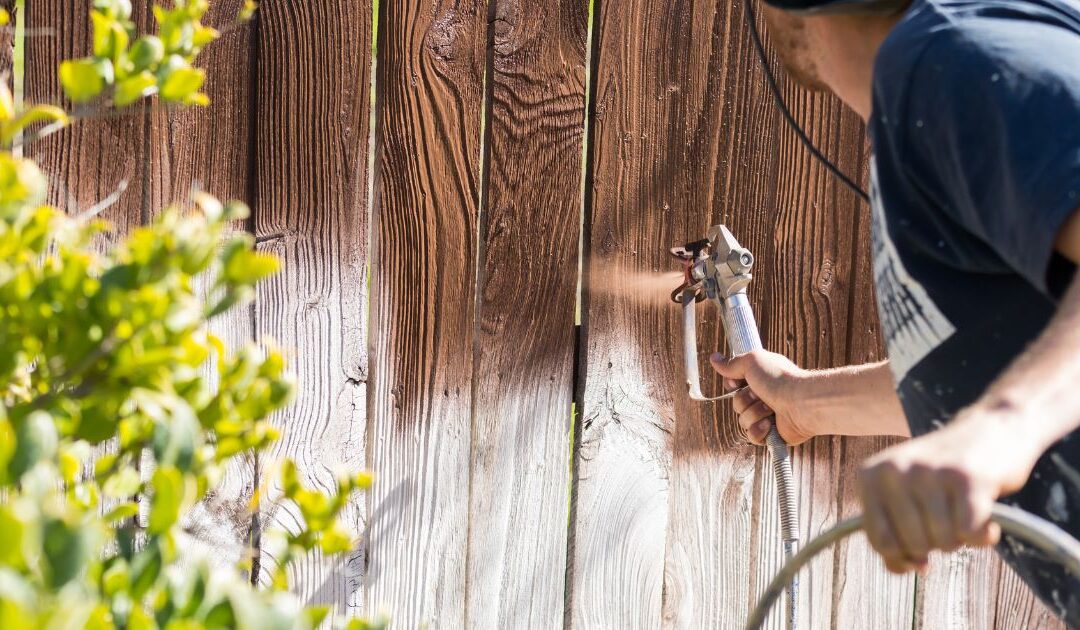
There are many stain options available, but many professional fence contractors recommend high-quality penetrating stains.
Popular choices include:
Oil-Based Stains
Benefits:
- Deep wood penetration
- Natural appearance
- Excellent moisture protection
Common colors:
- Cedar tone
- Redwood
- Pecan
- Walnut
- Natural wood shades
Semi-Transparent Stains
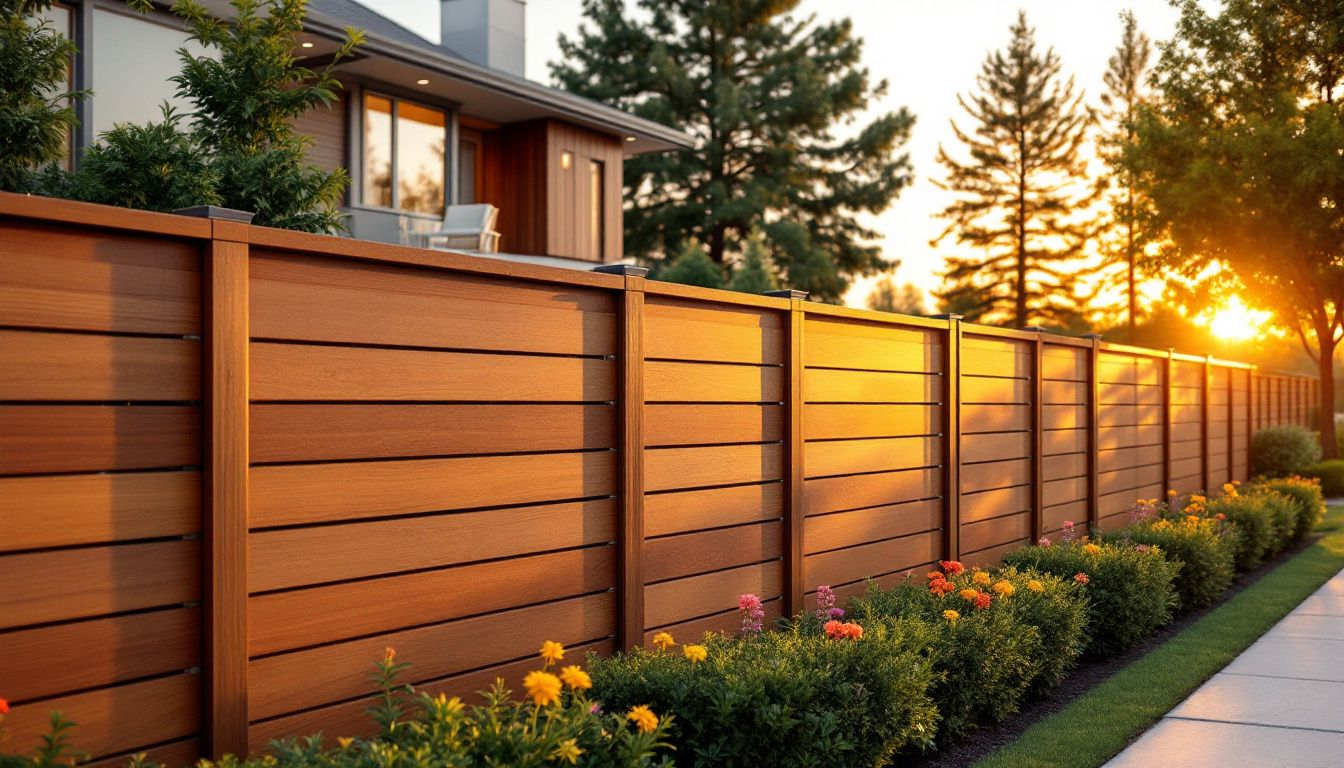
These allow the natural grain of the wood to show while adding color and protection.
Great for:
- Cedar privacy fences
- Shadowbox fences
- Decorative wood fences
Solid Stains
Provide more color coverage but hide more of the natural wood grain.
How Do I Know My Fence Needs Staining?
Your fence may be ready for a new coat if you notice:
1. Water Absorbs Into the Wood
Try a simple test:
- Sprinkle water on the fence.
- If it beads up, the stain is still protecting the wood.
- If it soaks in quickly, it may be time to restain.
2. The Fence Looks Gray or Faded
Fading is one of the most obvious signs.
3. Wood Feels Dry or Rough
A protected fence should feel smoother and healthier.
4. Cracks or Splits Are Appearing
Dry, exposed wood is more vulnerable to damage.
Does Staining Help My Fence Last Longer?
Absolutely.
Regular staining helps protect the biggest enemies of wood fencing:
- Moisture
- Sun exposure
- Temperature changes
- Mold and mildew
A maintenance schedule can help extend the life of your fence and reduce expensive repairs.
Other Ways to Extend the Life of Your Fence
Staining is only one part of fence maintenance.
Additional steps include:
Keep Vegetation Away
Plants and vines can trap moisture against wood.
Keep:
- Grass trimmed
- Bushes away
- Leaves removed
Clean Your Fence Regularly
Remove:
- Dirt
- Mildew
- Organic buildup
A gentle cleaning before staining helps the stain absorb better.
Maintain Proper Drainage
Water pooling around fence posts can accelerate rot.
Make sure:
- Gutters drain properly
- Sprinklers are adjusted
- Water does not collect near posts
Inspect Annually
Check for:
- Loose boards
- Damaged posts
- Gate issues
- Rot
Small repairs are much cheaper than major replacements.
Does Every Wood Fence Need Stain?
Most wood fences benefit from staining, especially:
- Cedar privacy fences
- Pine fences
- Decorative wood fences
Some homeowners prefer the natural weathered appearance of untreated wood, but they should understand that the fence will age faster.
What About Pressure-Treated Pine Fences?
Pressure-treated pine fencing may require a slightly different approach.
Because treated lumber holds moisture longer, it is especially important to allow it to dry before staining.
Depending on conditions, many pine fences are stained:
Every 2–3 years
Final Thoughts
A quality wood fence is an investment, and regular staining is one of the easiest ways to protect that investment.
For most homeowners:
✅ Stain every 2–4 years
✅ Inspect your fence yearly
✅ Use a quality penetrating stain
✅ Address moisture issues early
✅ Maintain gates and posts
For Kansas City area homeowners dealing with sun, humidity, rain, snow, and changing seasons, regular fence maintenance can make the difference between a fence that lasts a few years and one that lasts for decades.
A properly stained fence does more than look great—it helps protect your privacy, your property, and your investment.