Is a Pine Fence a Bad Investment?
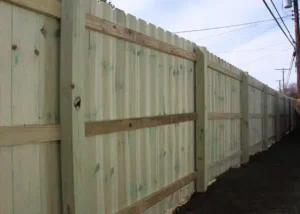 When homeowners begin researching a new fence, one of the biggest decisions is choosing the right type of wood. While cedar is often considered the premium choice, pressure-treated pine fencing remains one of the most common and affordable options available.
This leads many homeowners to ask:
“Is a pine fence a bad investment?”
The answer depends on what you expect from your fence.
A pressure-treated pine fence is not necessarily a bad investment, but it does come with trade-offs. Pine fencing can be a great budget-friendly option when properly installed and maintained, but homeowners should understand the differences between pine and cedar before making a long-term decision.
What Is a Pressure-Treated Pine Fence?
Most residential pine fences are made from pressure-treated pine, meaning the wood has been treated with preservatives designed to help protect against:
- Rot
- Decay
- Insects
- Moisture damage
The treatment process helps extend the lifespan of pine compared to untreated lumber.
Pressure-treated pine is commonly used for:
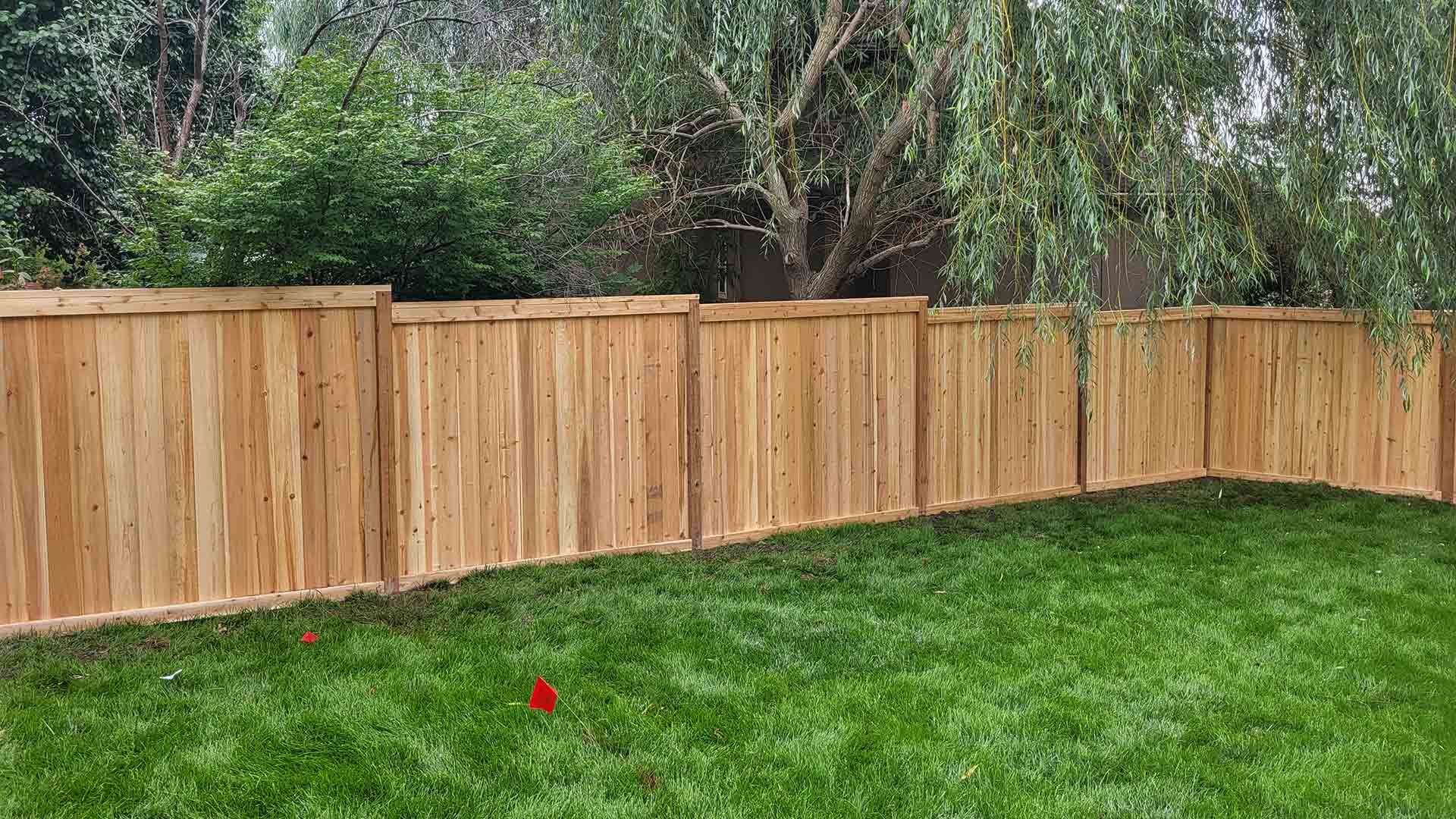
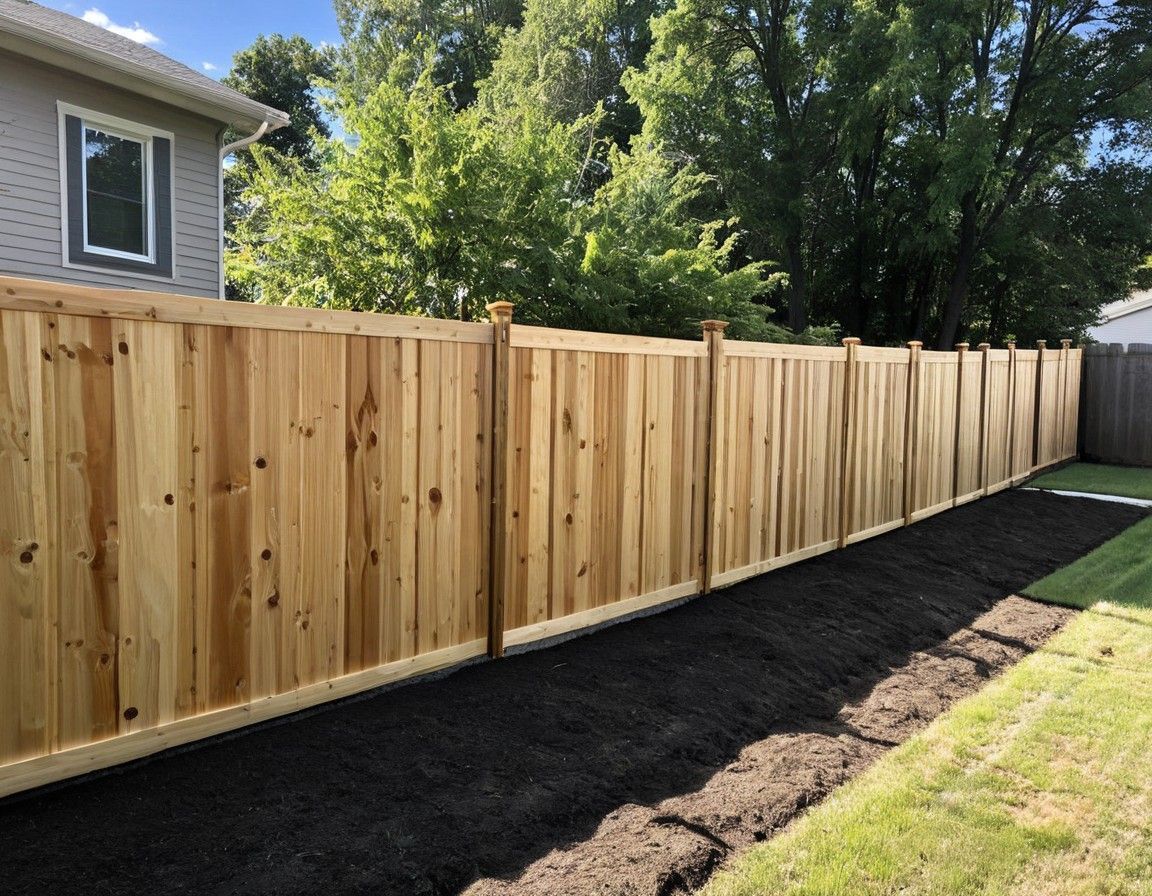
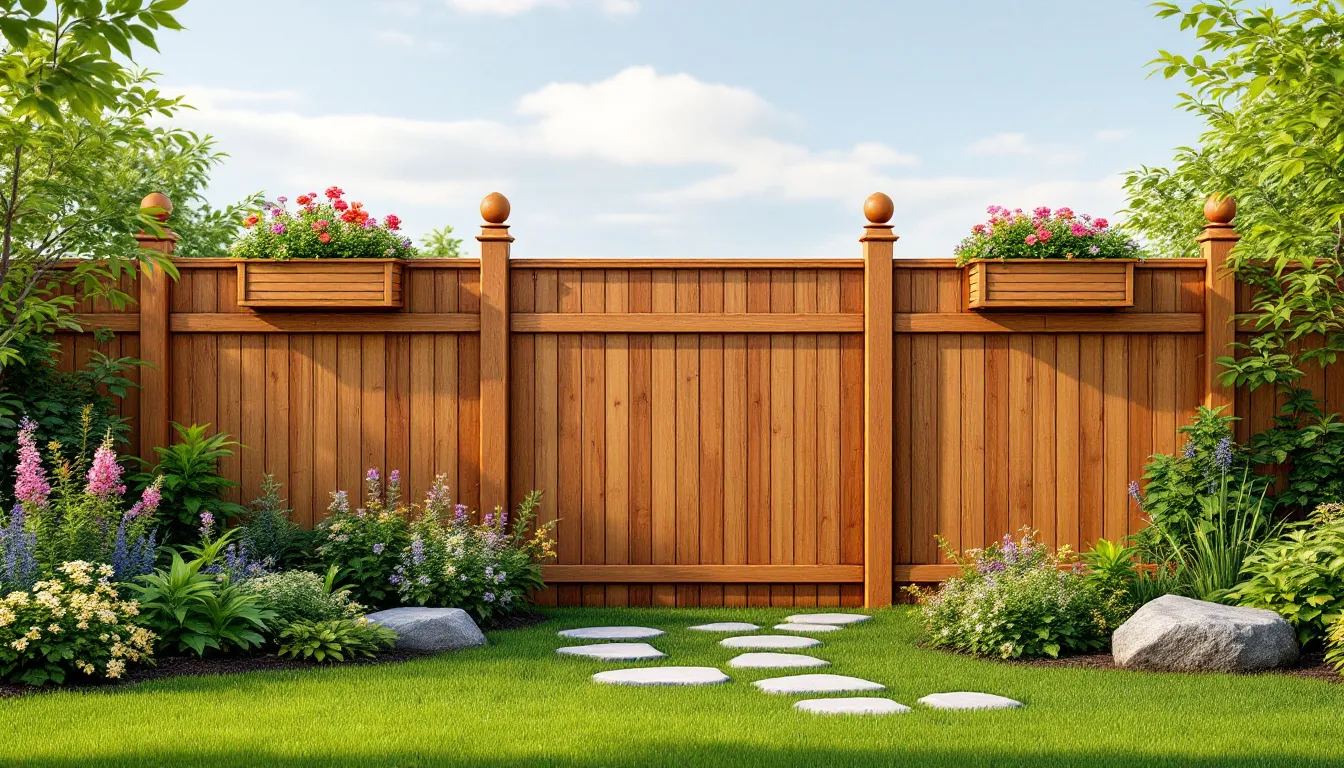
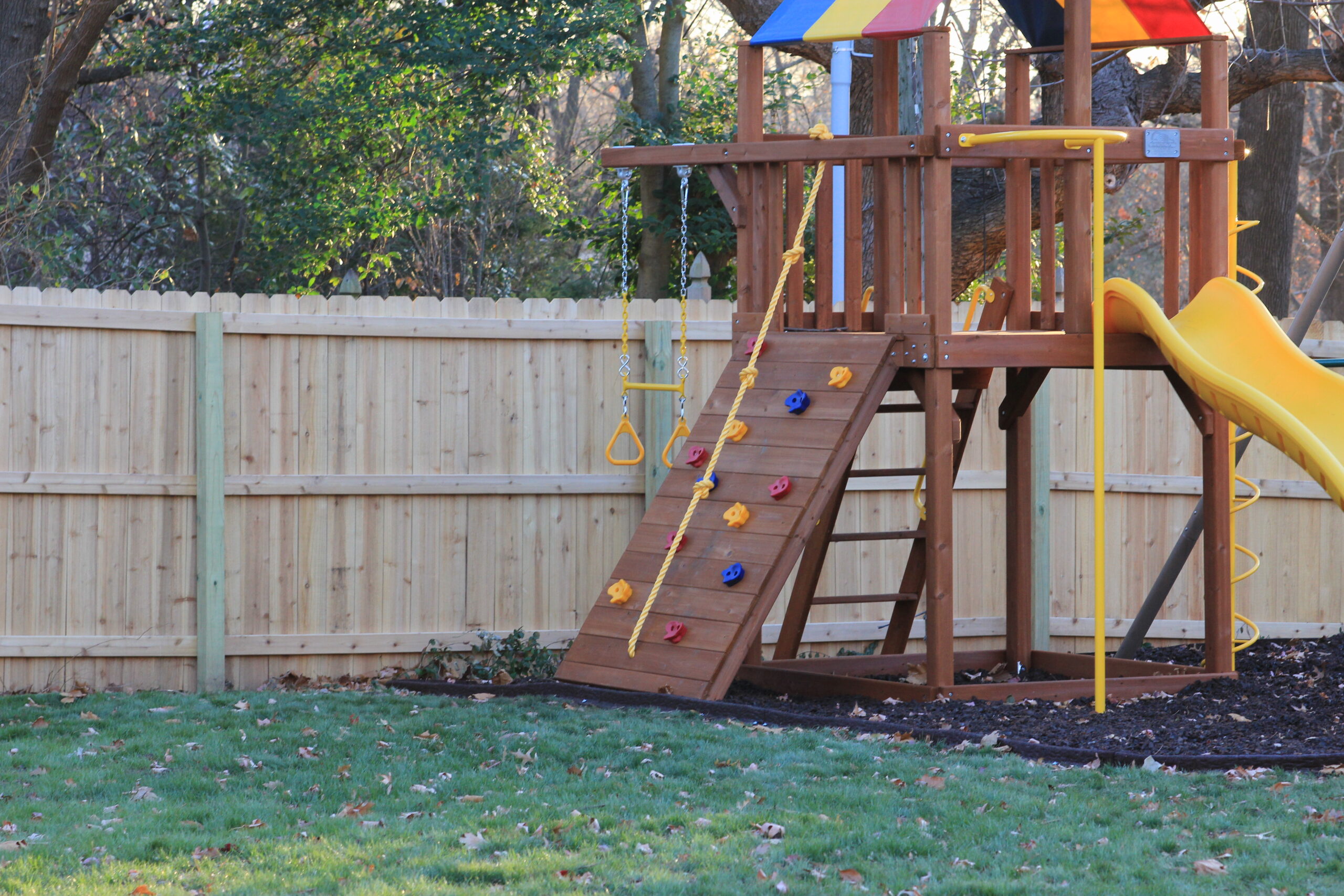
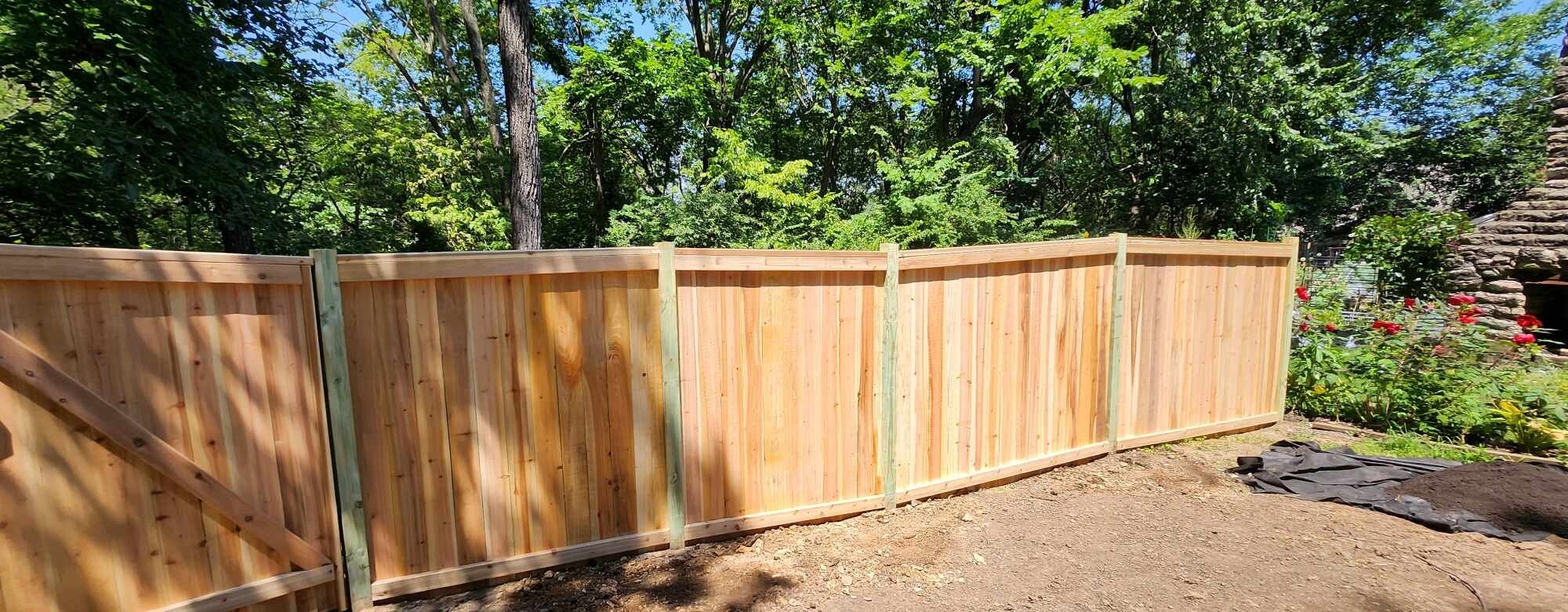
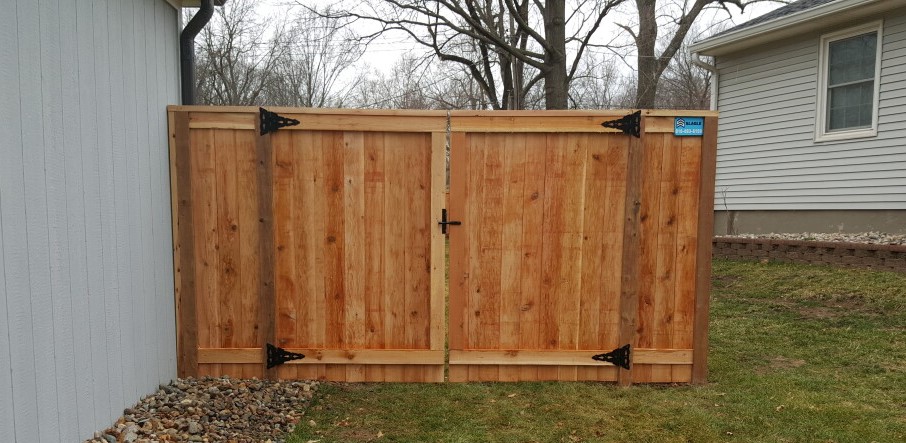
- Privacy fences
- Shadowbox fences
- Board-on-board fences
- Agricultural fencing
Advantages of a Pine Fence
1. Lower Upfront Cost
The biggest advantage of pine fencing is affordability.
Compared to cedar, pressure-treated pine is typically less expensive, making it attractive for homeowners who need to fence larger areas.
A pine fence may be a good choice if you:
✔ Have a large backyard
✔ Need a budget-friendly solution
✔ Want privacy without the premium price
✔ Plan to upgrade later
2. Strong and Structurally Sound
Pressure-treated pine is a strong wood option.
It performs well for:
- Fence posts
- Rails
- Structural components
- Privacy panels
Many professional fence installers use pressure-treated pine for fence components because of its strength and availability.
3. Easy to Customize
Like cedar, pine fencing can be customized with: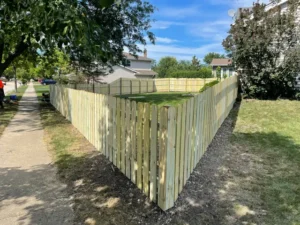
- Different heights
- Fence styles
- Decorative caps
- Stains
- Paint colors
Popular pine fence styles include:
- 6-foot privacy fence
- Shadowbox fence
- Board-on-board fence
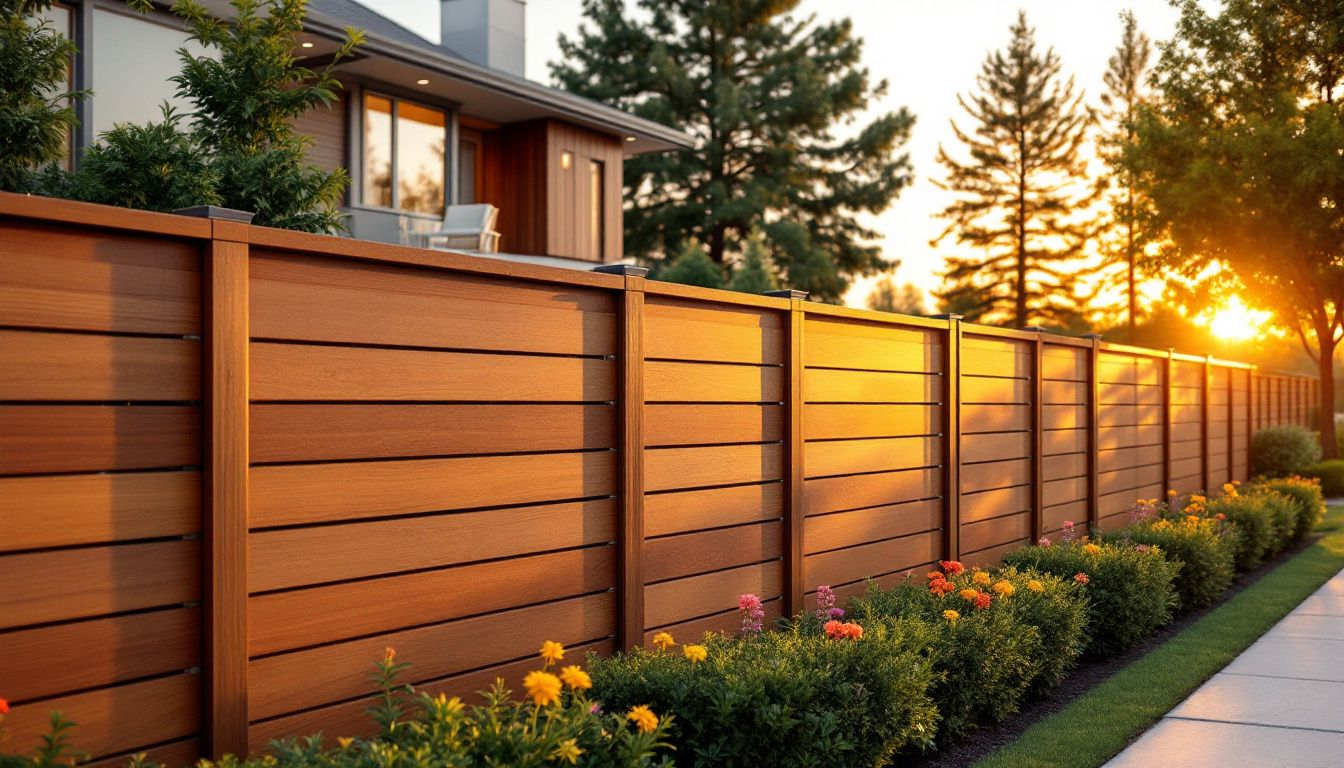
- Horizontal fence designs
Disadvantages of a Pine Fence
While pine has advantages, homeowners should understand the potential drawbacks.
1. Pine Requires More Maintenance Than Cedar
One of the biggest differences between pine and cedar is maintenance.
Pine fencing typically requires: 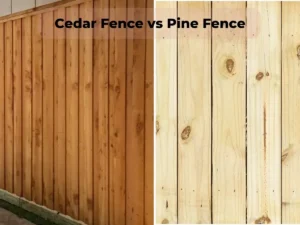
- Regular staining
- Sealing
- Moisture protection
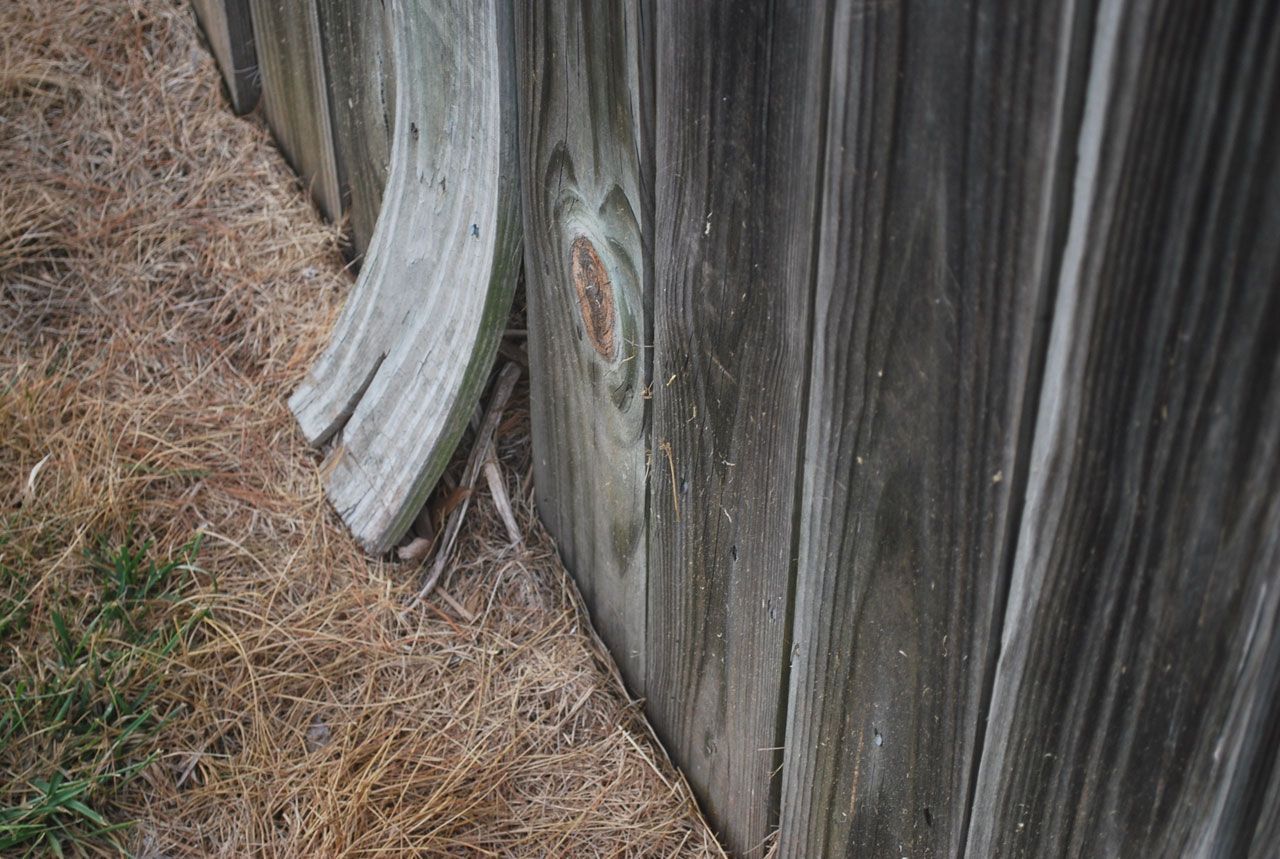
Without proper maintenance, pine is more likely to experience:
- Cracking
- Splitting
- Warping
- Checking
A homeowner who wants a “set it and forget it” fence may prefer another material.
2. Pine Can Be More Prone to Warping
Because pine absorbs moisture more readily than cedar, it can be more vulnerable to:
- Twisting
- Bowing
- Shrinking
- Expanding
This is especially important in Midwest climates where fences experience:
- Hot summers
- Heavy rain
- Freeze/thaw cycles
- Humidity
Proper installation helps reduce these issues.
3. Shorter Lifespan Compared to Cedar
A properly installed and maintained pressure-treated pine fence can last many years.
Typical lifespan:
Pressure-treated pine fence:
➡ Approximately 10–15 years (depending on maintenance and conditions)
Cedar fence:
➡ Approximately 15–25+ years with proper care
Factors affecting lifespan include:
- Soil conditions
- Drainage
- Fence design
- Installation quality
- Maintenance schedule
Pine Fence vs Cedar Fence
| Feature | Pressure-Treated Pine | Cedar |
|---|---|---|
| Cost | Lower | Higher |
| Appearance | Good | Premium natural look |
| Maintenance | Higher | Lower |
| Rot Resistance | Good | Excellent |
| Lifespan | 10–15 years | 15–25+ years |
| Warping Resistance | Moderate | Better |
| Best For | Budget-conscious projects | Long-term investment |
Is Cedar Worth the Extra Cost?
For many homeowners, yes.
Cedar naturally contains oils that help resist:
- Moisture
- Insects
- Decay
Cedar also provides a premium appearance that many homeowners prefer.
Cedar is often the better choice if you:
✅ Plan to stay in your home long-term
✅ Want a higher-end appearance
✅ Prefer less maintenance
✅ Want better resistance to Midwest weather
How to Make a Pine Fence Last Longer
If you choose pine, proper installation and maintenance are extremely important.
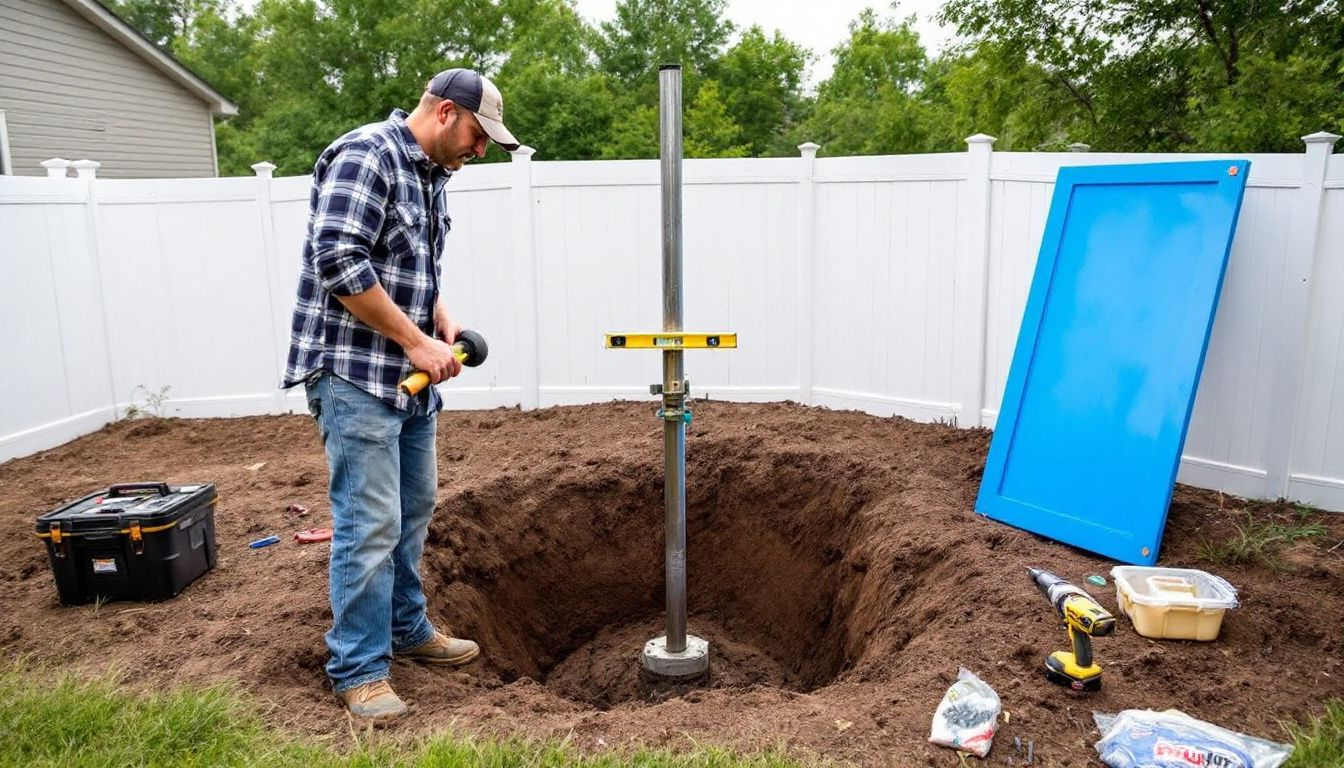
1. Use Quality Posts
Fence posts are the foundation of your fence.
Consider:
- Larger posts
- Proper post depth
- Concrete installation
- Steel post upgrades where appropriate
2. Allow New Wood to Dry Before Staining
Fresh pressure-treated pine often contains moisture.
Waiting until the wood is ready before applying stain helps improve:
- Absorption
- Appearance
- Protection
3. Apply a Quality Stain
A good stain helps protect pine from:
- UV damage
- Moisture
- Weathering
Regular maintenance can significantly extend the life of your fence.
4. Keep Water Away From the Fence
Good drainage matters.
Avoid:
- Soil piled against fence boards
- Sprinklers constantly hitting wood
- Poor drainage near posts
Is Pine a Good Fence Choice for Kansas City and Midwest Weather?
For homeowners in Kansas and Missouri, pine can perform well when installed correctly.
However, Midwest weather creates challenges:
- Summer humidity
- Heavy storms
- Winter freezing
- Spring moisture
Because of these conditions, homeowners should consider:
- Quality materials
- Proper installation
- Maintenance commitment
Who Should Choose a Pine Fence?
A pressure-treated pine fence may be a great fit if you:
✔ Need a lower upfront cost
✔ Want a traditional wood privacy fence
✔ Are comfortable maintaining it
✔ Need to fence a large property
✔ Plan to upgrade or replace in the future
Who Should Choose Cedar Instead?
Cedar may be the better investment if you:
✔ Want a premium look
✔ Prefer less maintenance
✔ Plan to stay long-term
✔ Want better natural durability
✔ Care about maximizing lifespan
Final Thoughts
A pine fence is not a bad investment, but it is a different investment than cedar.
Pressure-treated pine offers:
✅ Lower upfront cost
✅ Strength
✅ Functionality
✅ Customizable designs
However, cedar offers:
✅ Longer lifespan
✅ Better natural resistance
✅ Premium appearance
✅ Less maintenance over time
The best choice depends on your budget, how long you plan to stay in your home, and how much maintenance you want to perform.
For many Midwest homeowners, a properly installed cedar fence with quality posts is the long-term winner—but a well-maintained pine fence can still provide years of privacy, security, and value.