What Is the Maximum Fence Height Allowed in Bonner Springs, KS?
If you’re planning to install a new fence in Bonner Springs, Kansas, one of the first questions you’ll likely ask is:
“What is the maximum fence height allowed?”
Knowing the city’s fence regulations before starting your project can save you time, money, and frustration. Whether you’re installing a cedar privacy fence, vinyl fence, ornamental steel fence, or chain-link fence, Bonner Springs has specific rules regarding fence height and placement.
At Slagle Fence, we help homeowners throughout Bonner Springs and the Kansas City metro build fences that are attractive, durable, and compliant with local codes. Here’s everything you need to know.
 Quick Answer
For most residential properties in Bonner Springs:
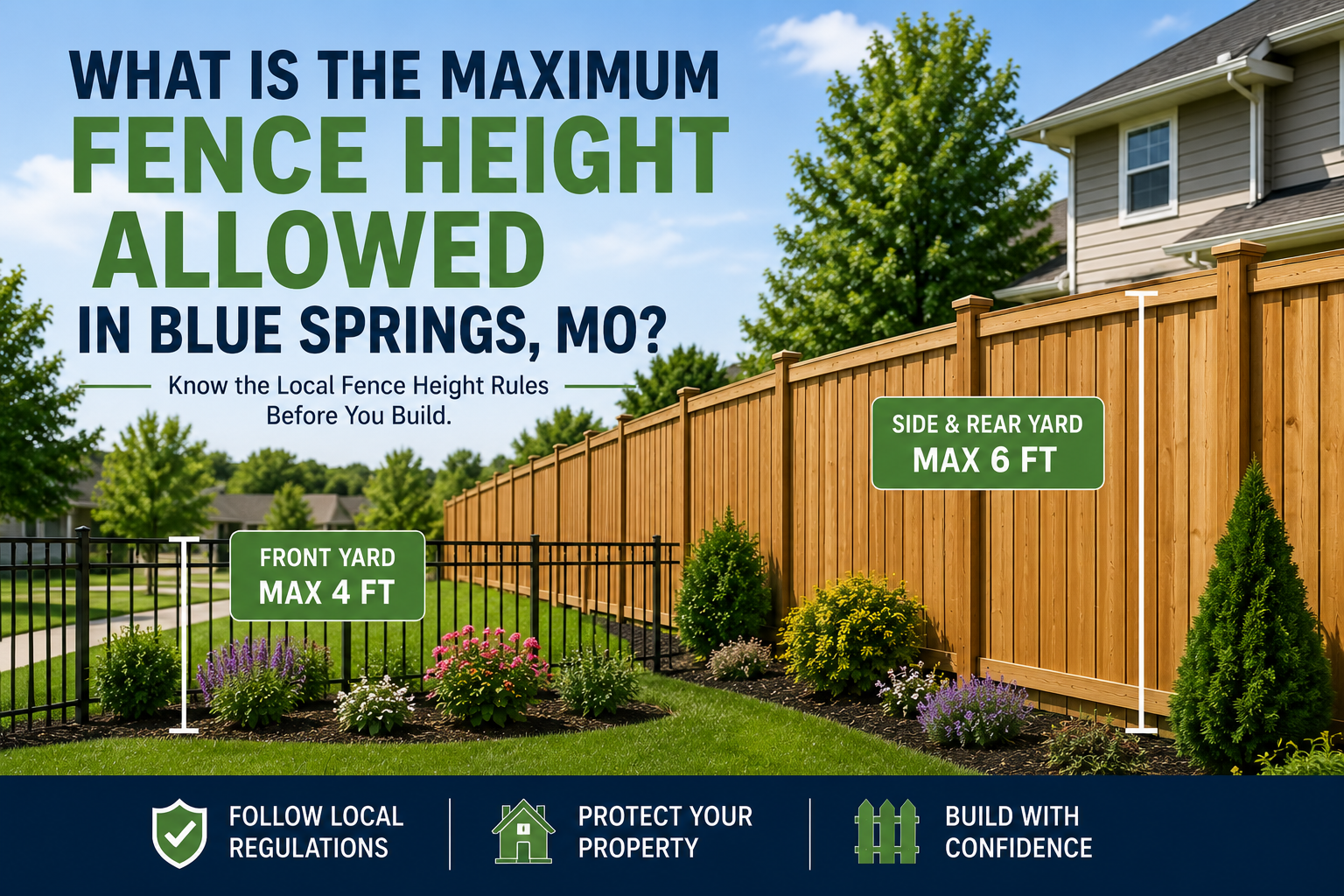
- Front yard fences: Maximum 4 feet tall.
- Side and rear yard fences (behind the required front setback): Maximum 8 feet tall under the City’s current Unified Development Ordinance.
Front Yard Fence Height
Fences located within the required front setback are limited to:
Maximum Height: 4 Feet
Front-yard fences are intended to preserve visibility for drivers and pedestrians while maintaining an open appearance throughout residential neighborhoods.
Many homeowners choose decorative options such as:
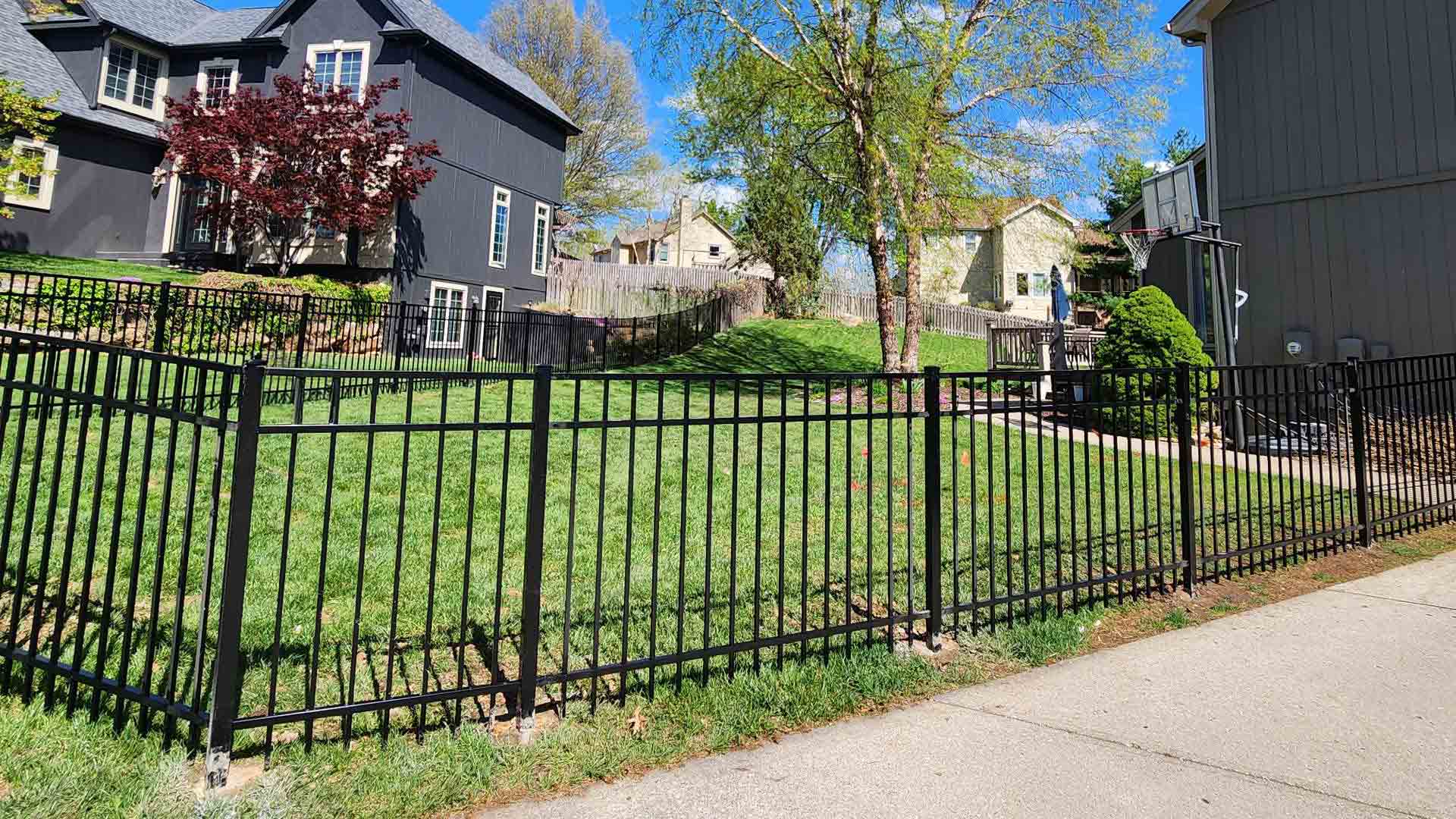
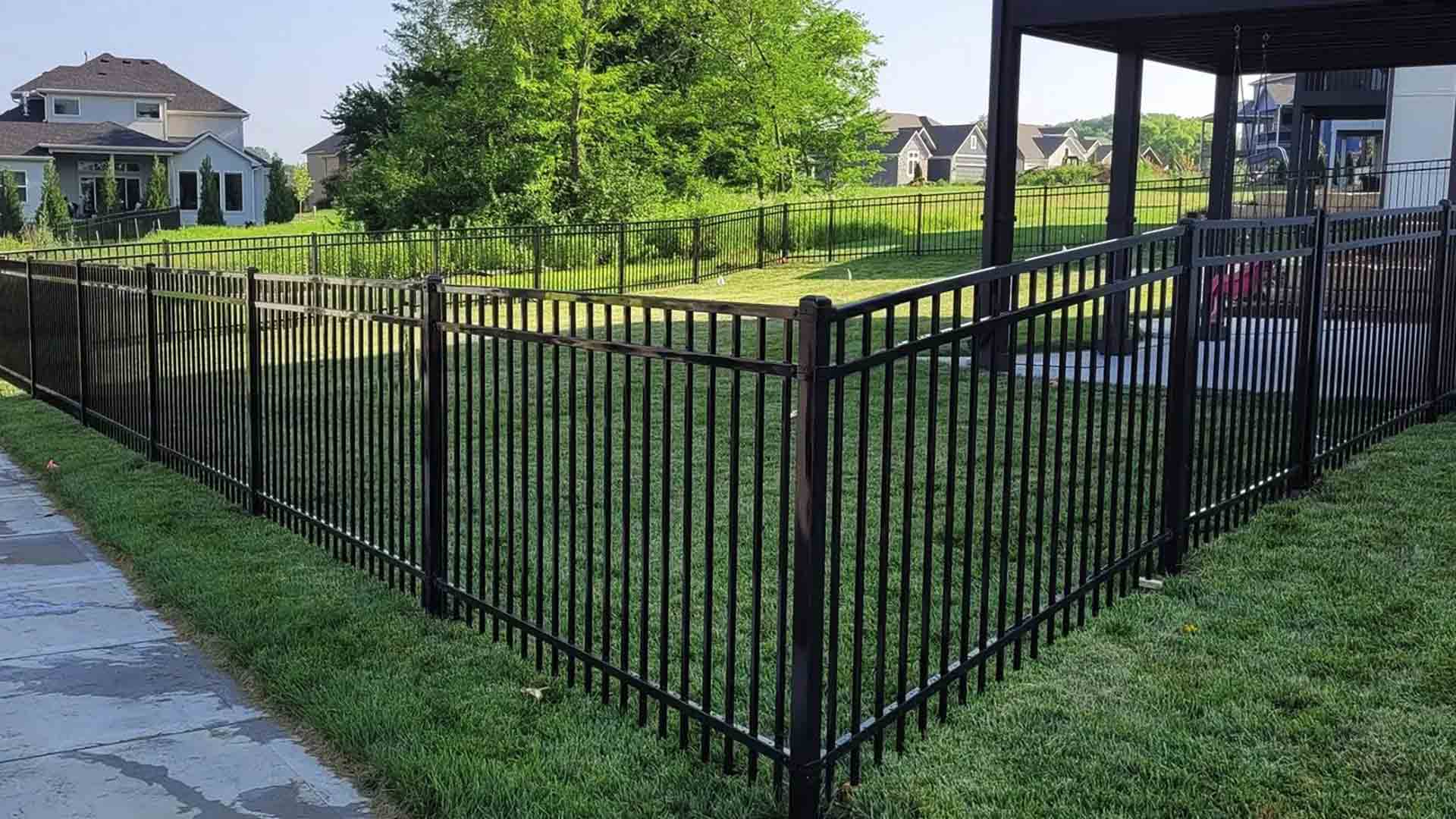
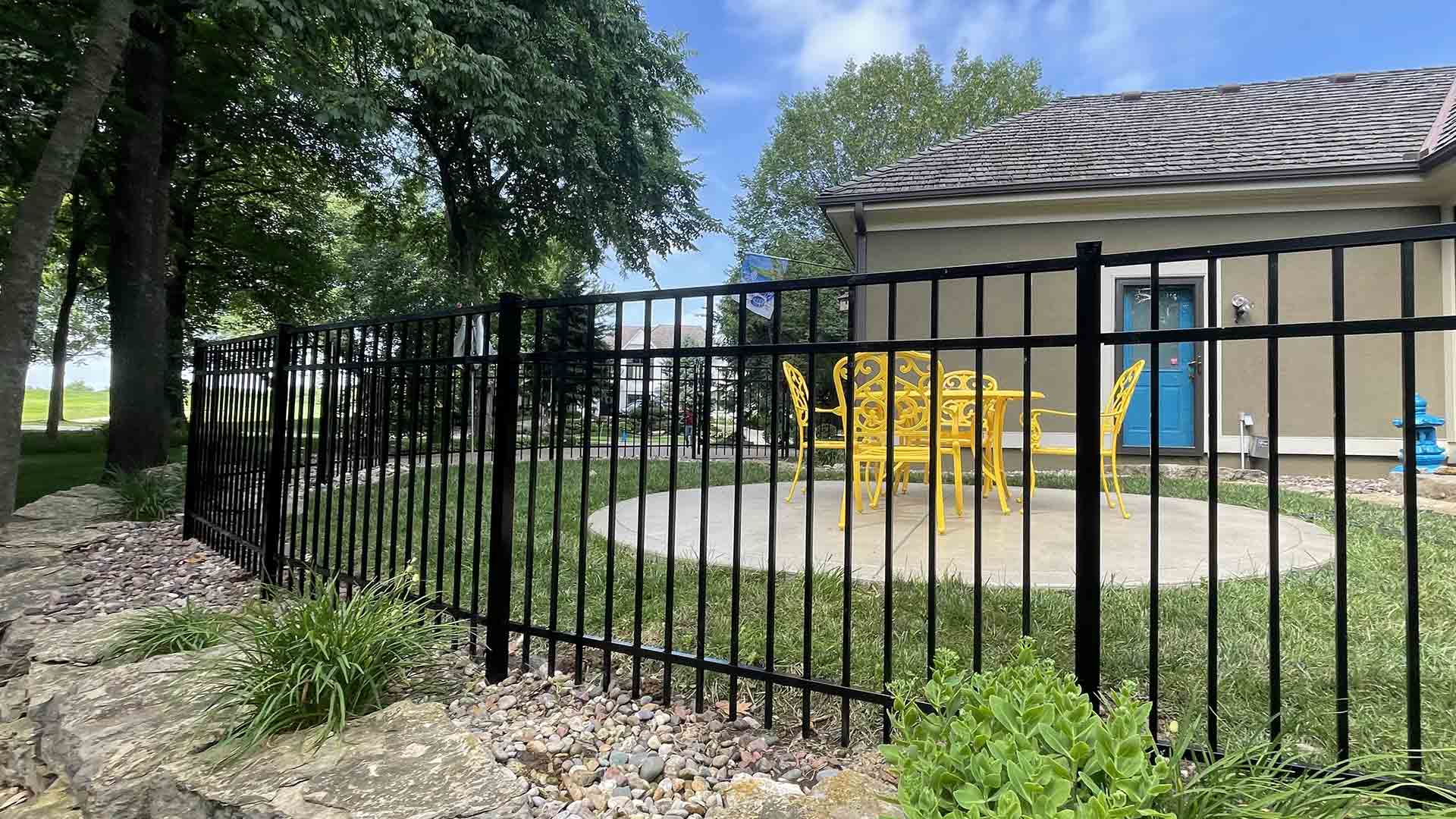
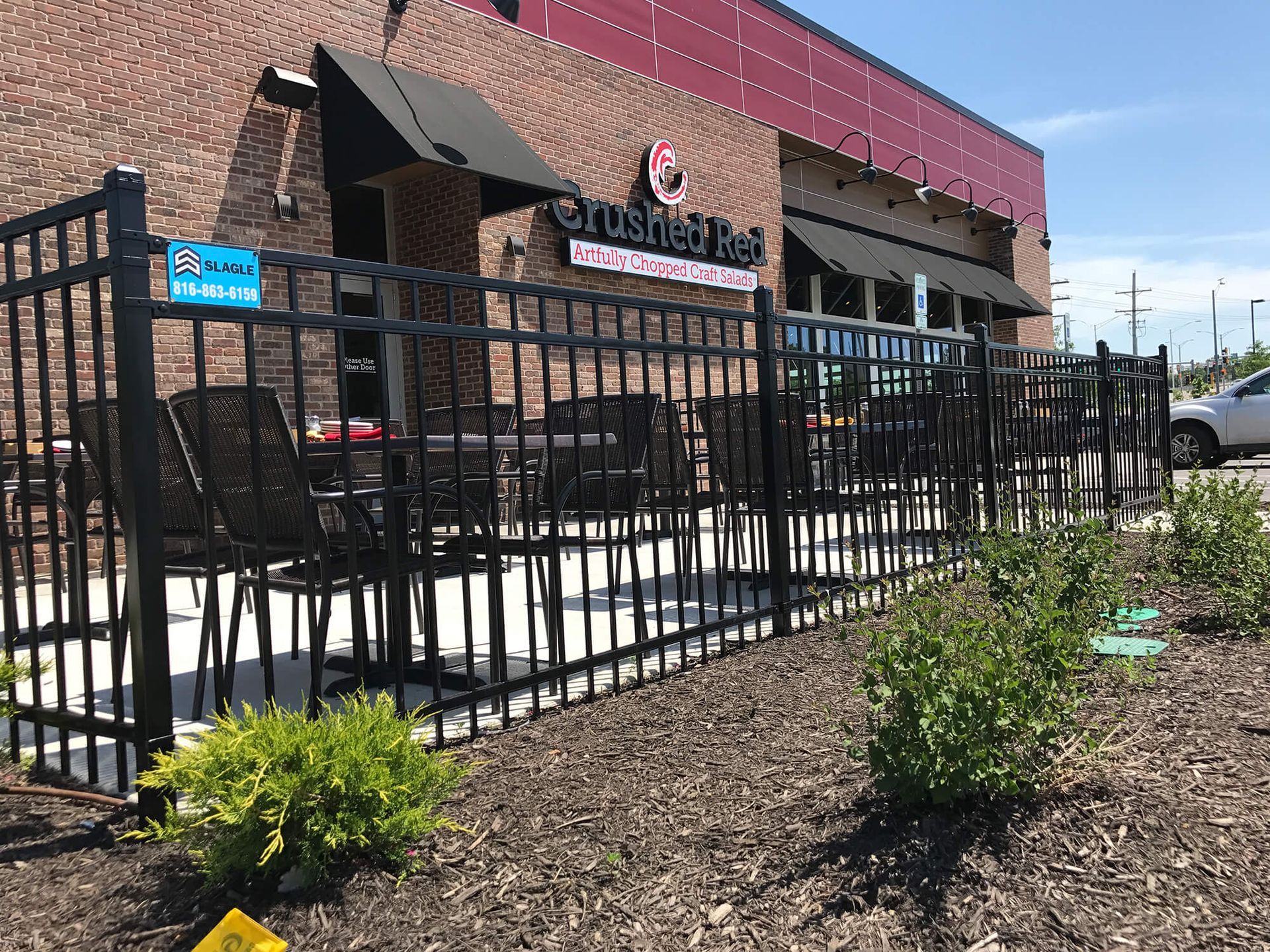
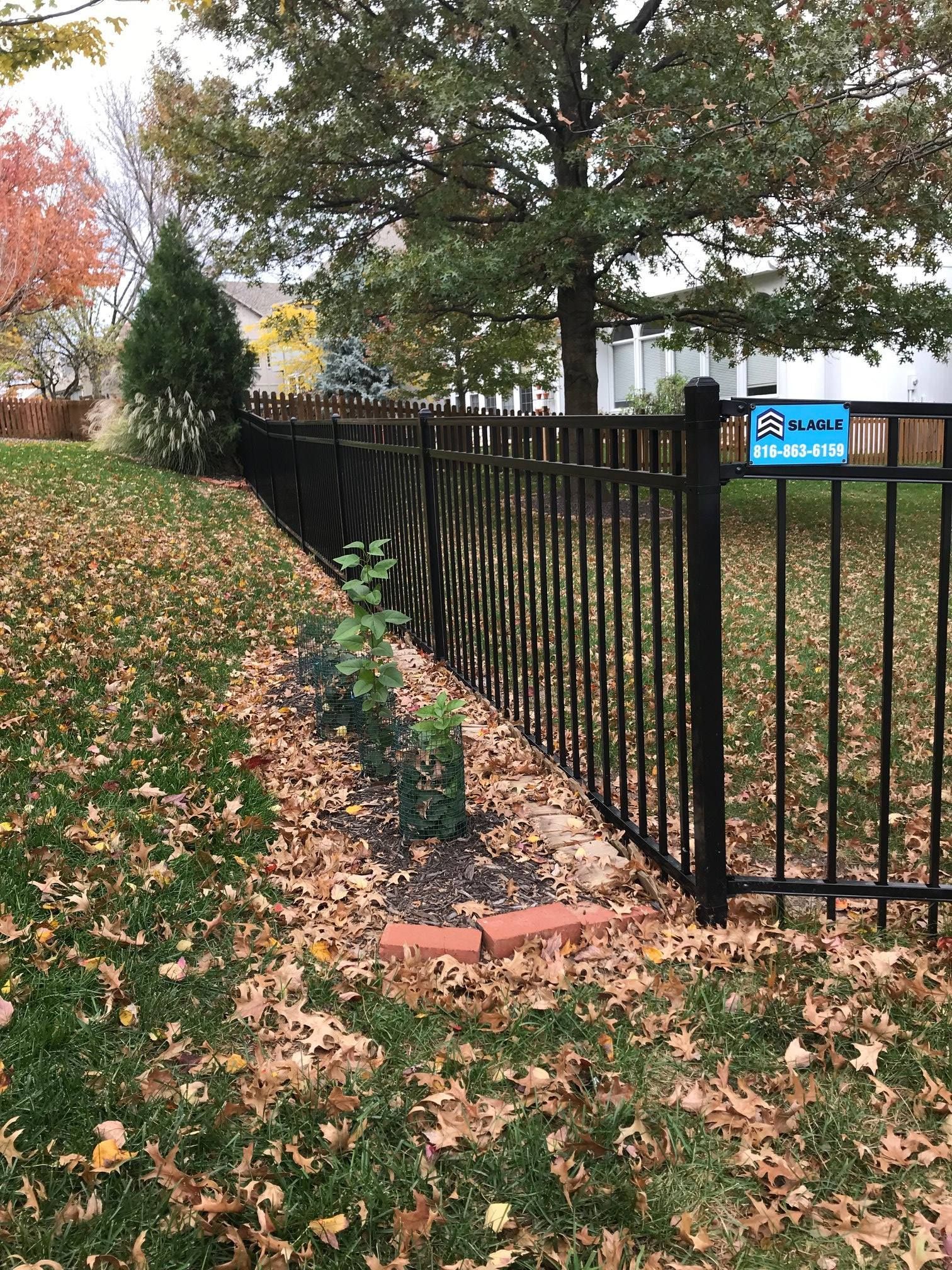
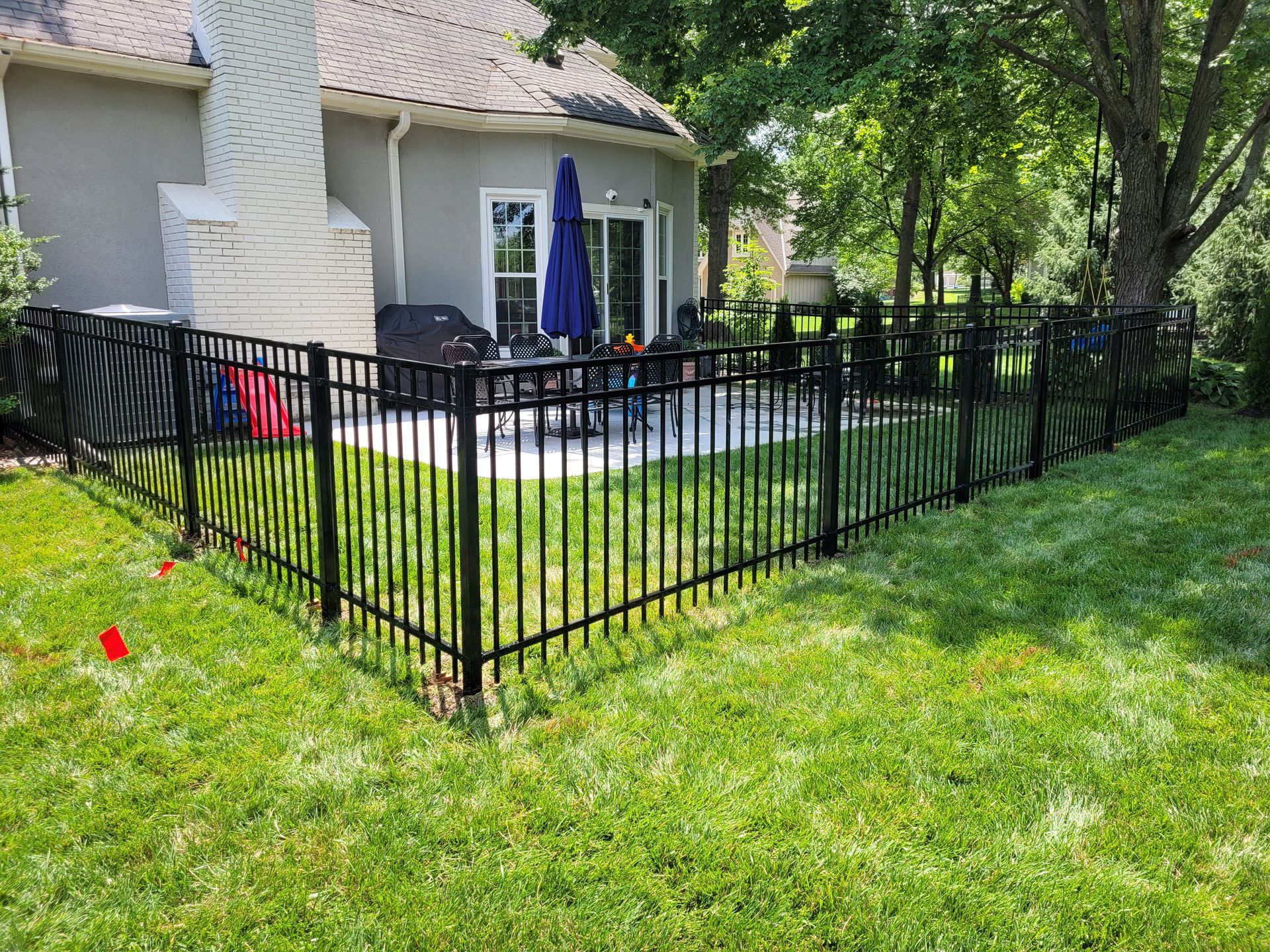
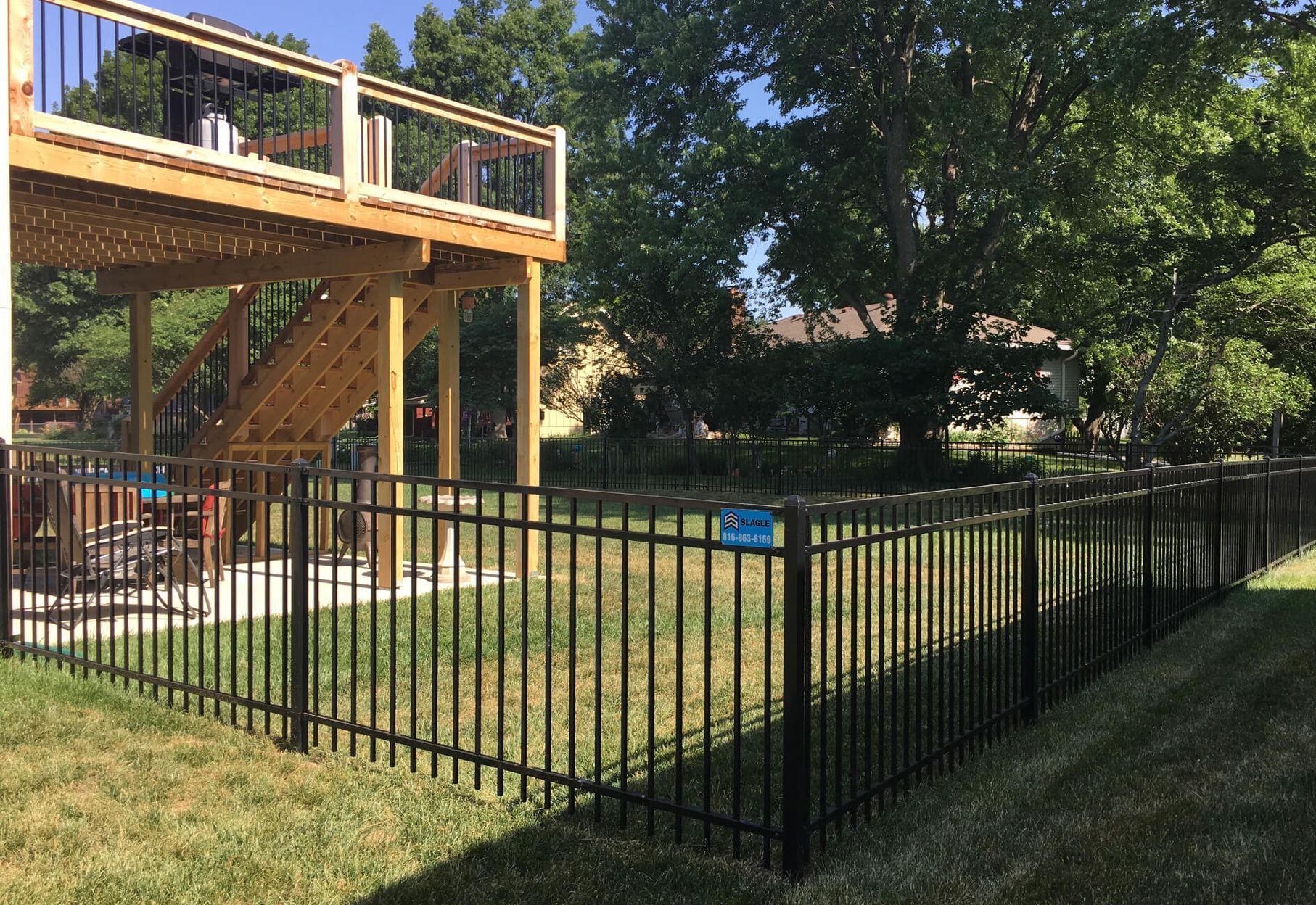
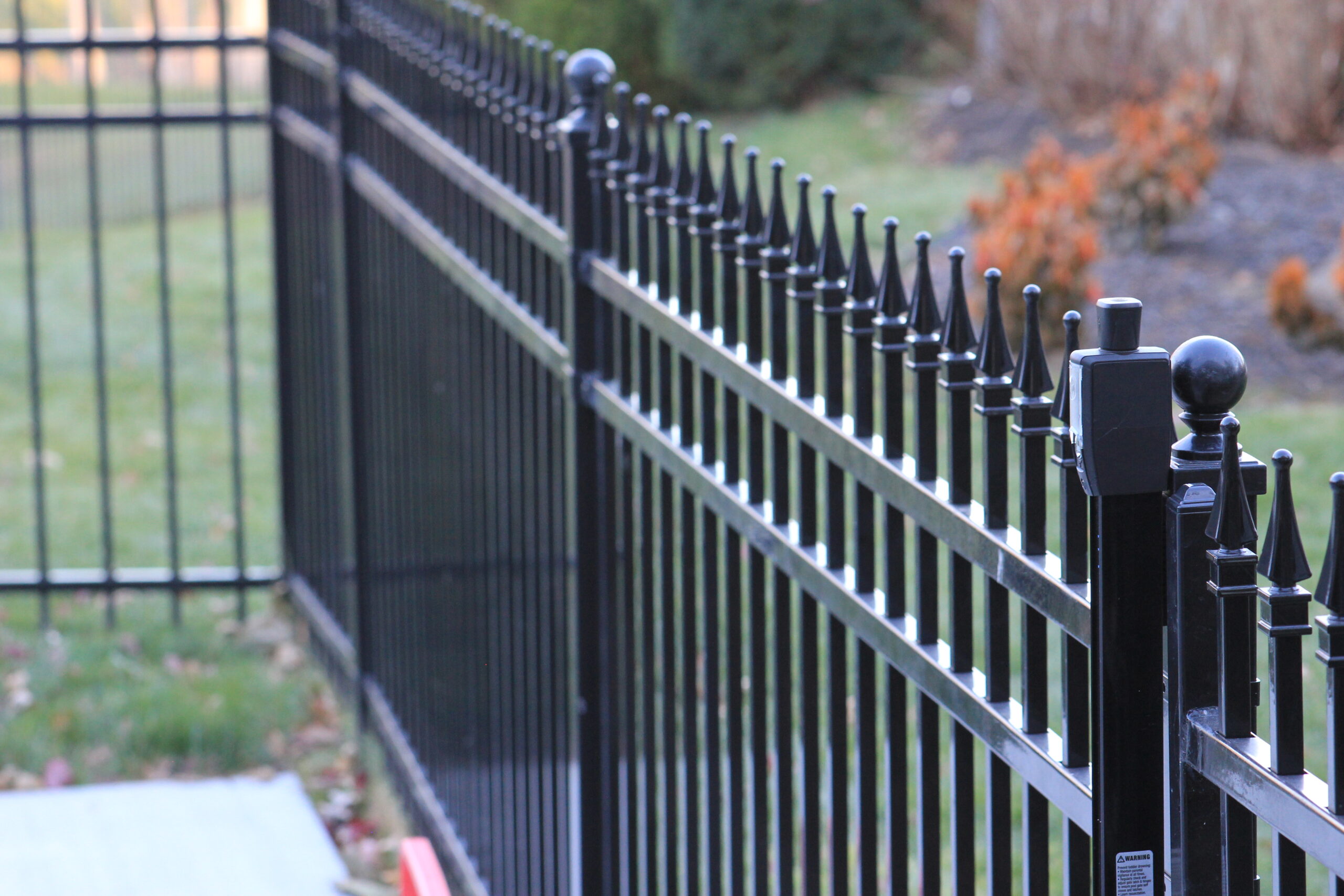
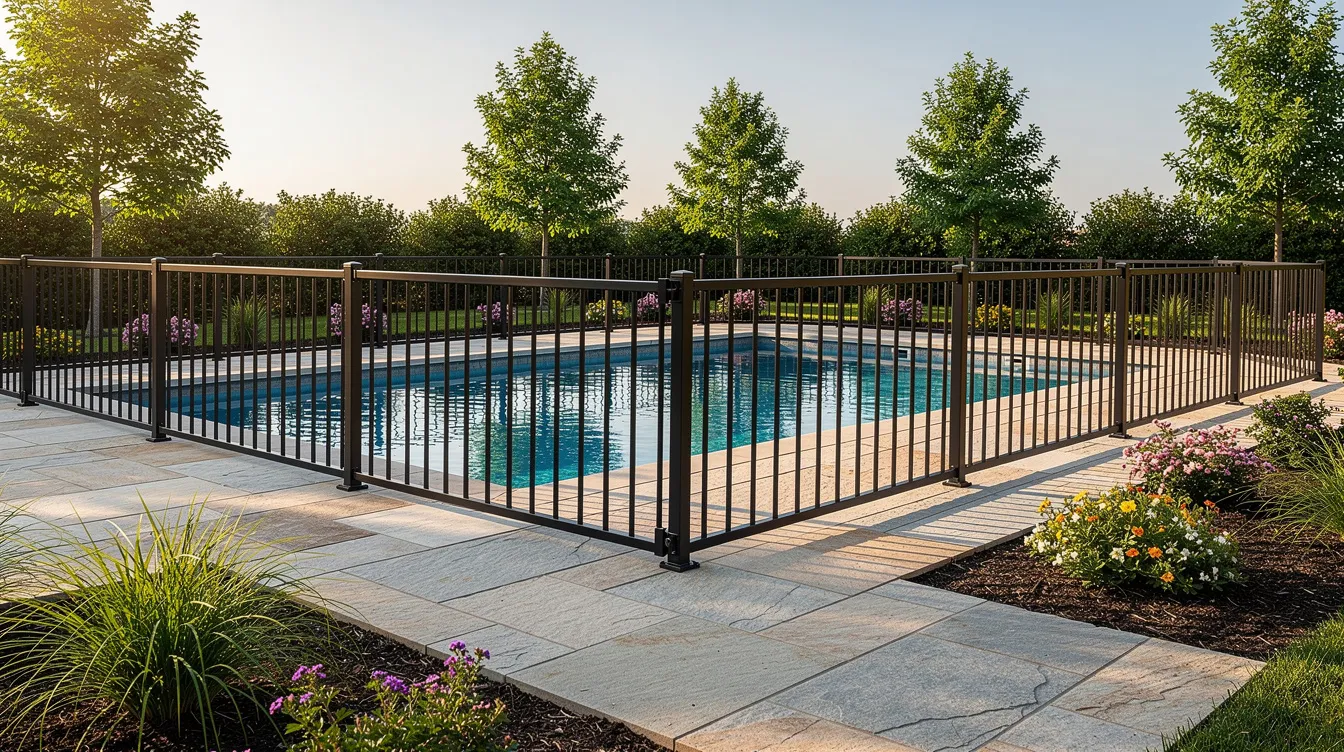
- Ornamental steel fencing
- Aluminum fencing
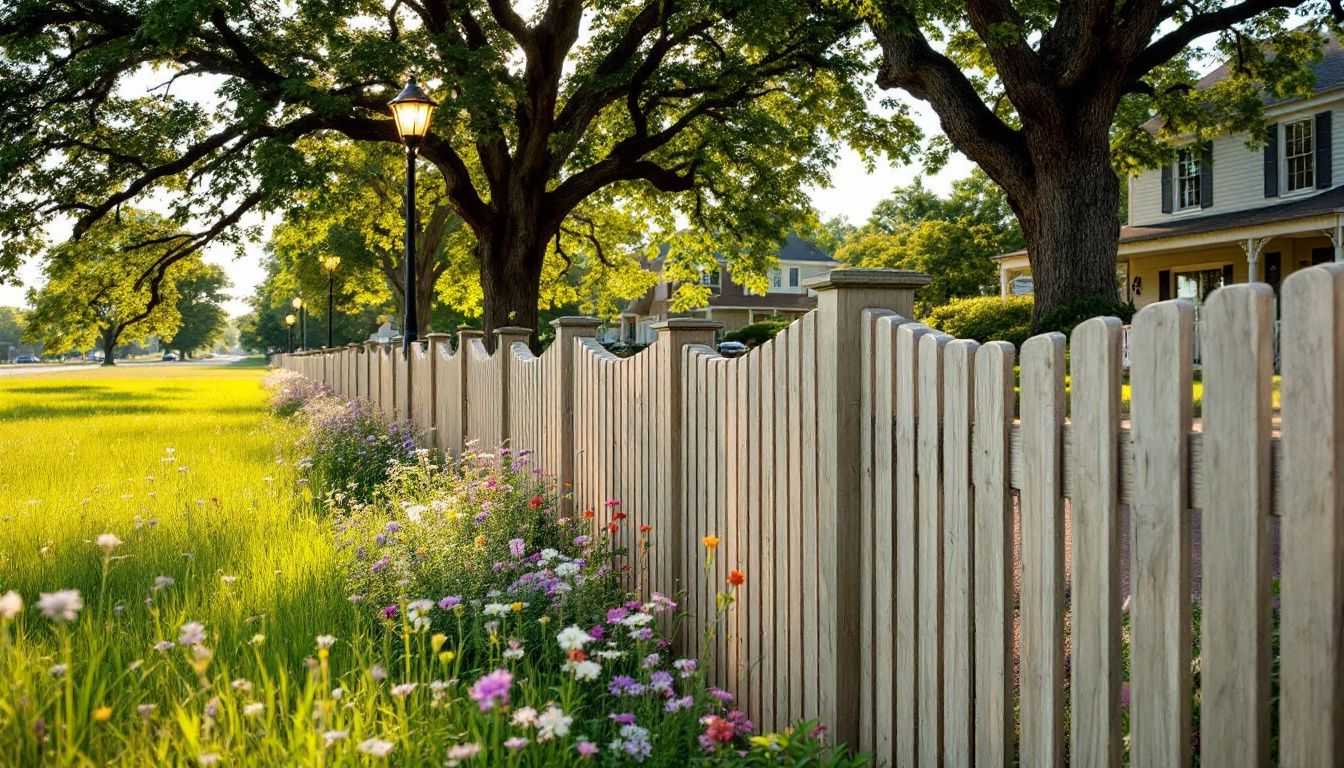
- Decorative picket fencing
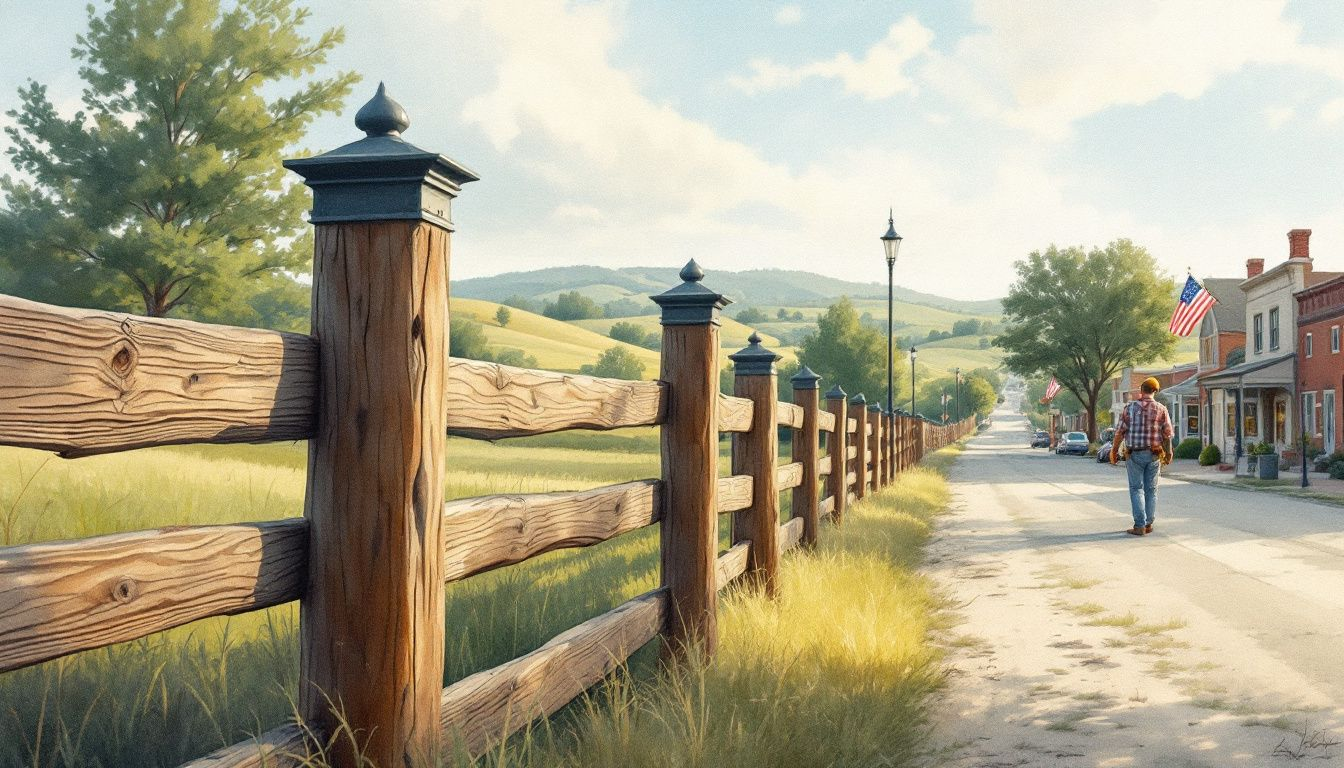
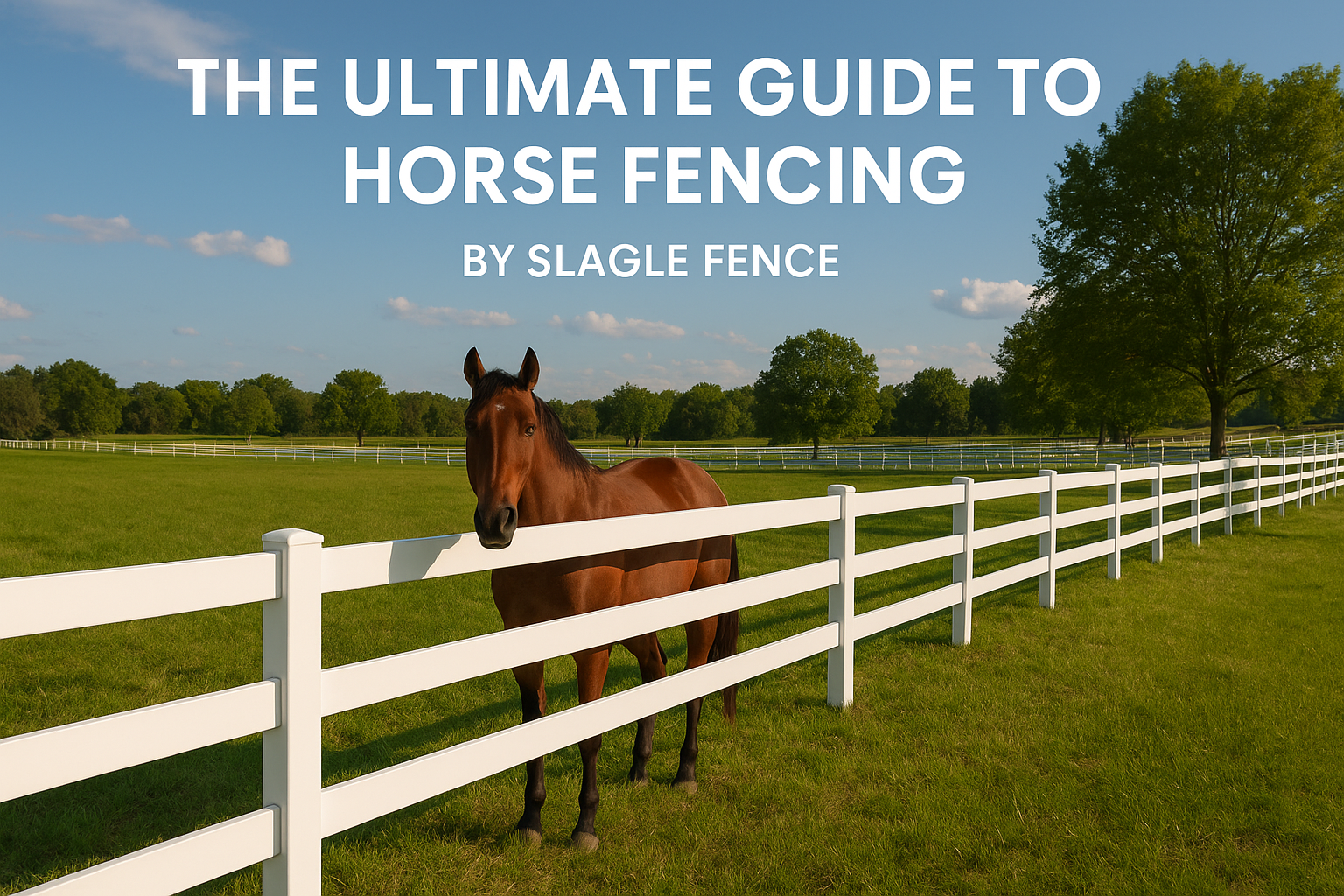
- Split-rail fencing
These styles complement the front of a home while remaining within city requirements.
Side and Backyard Fence Height
If your fence is located behind the required front setback, Bonner Springs allows:
Maximum Height: 8 Feet 
This makes Bonner Springs more flexible than many neighboring cities, where residential fences are often limited to six feet.
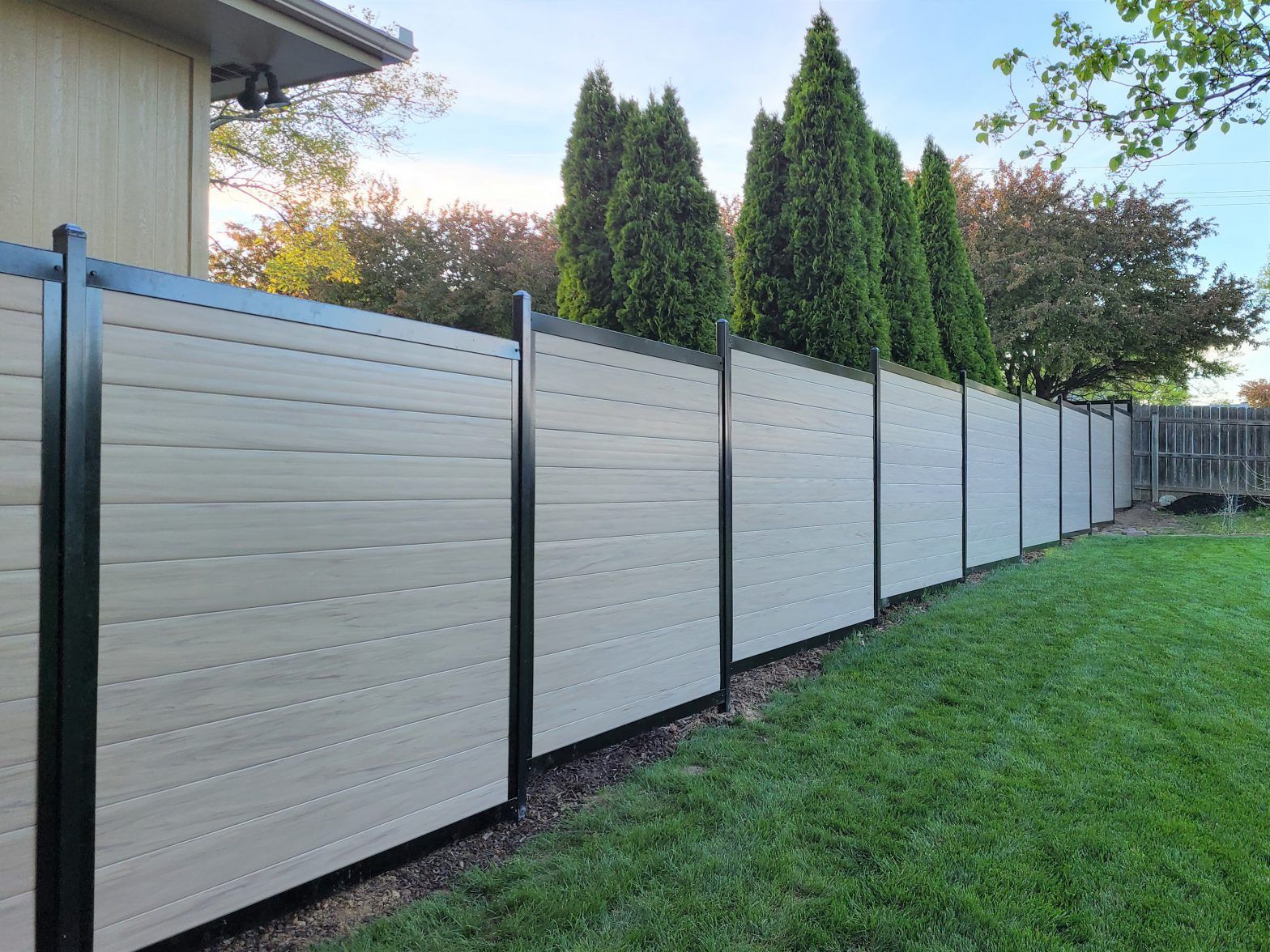
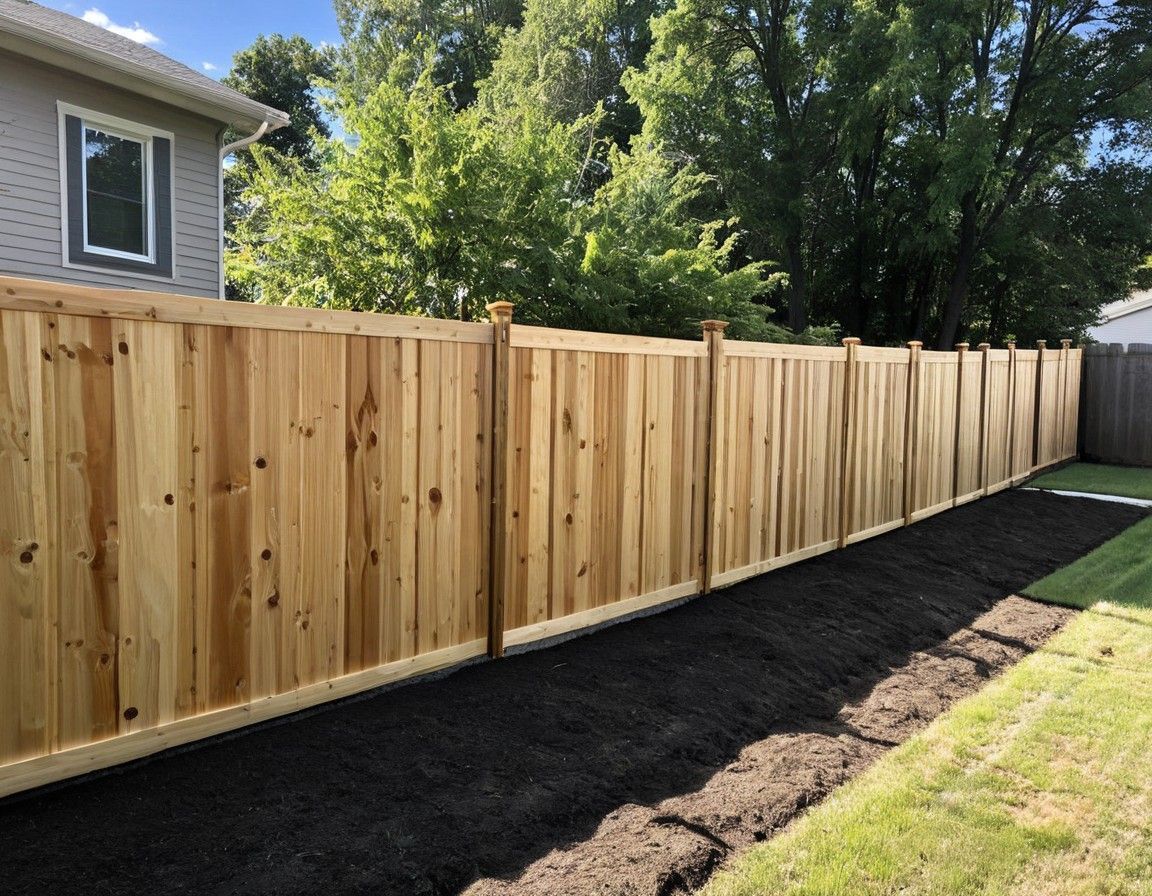
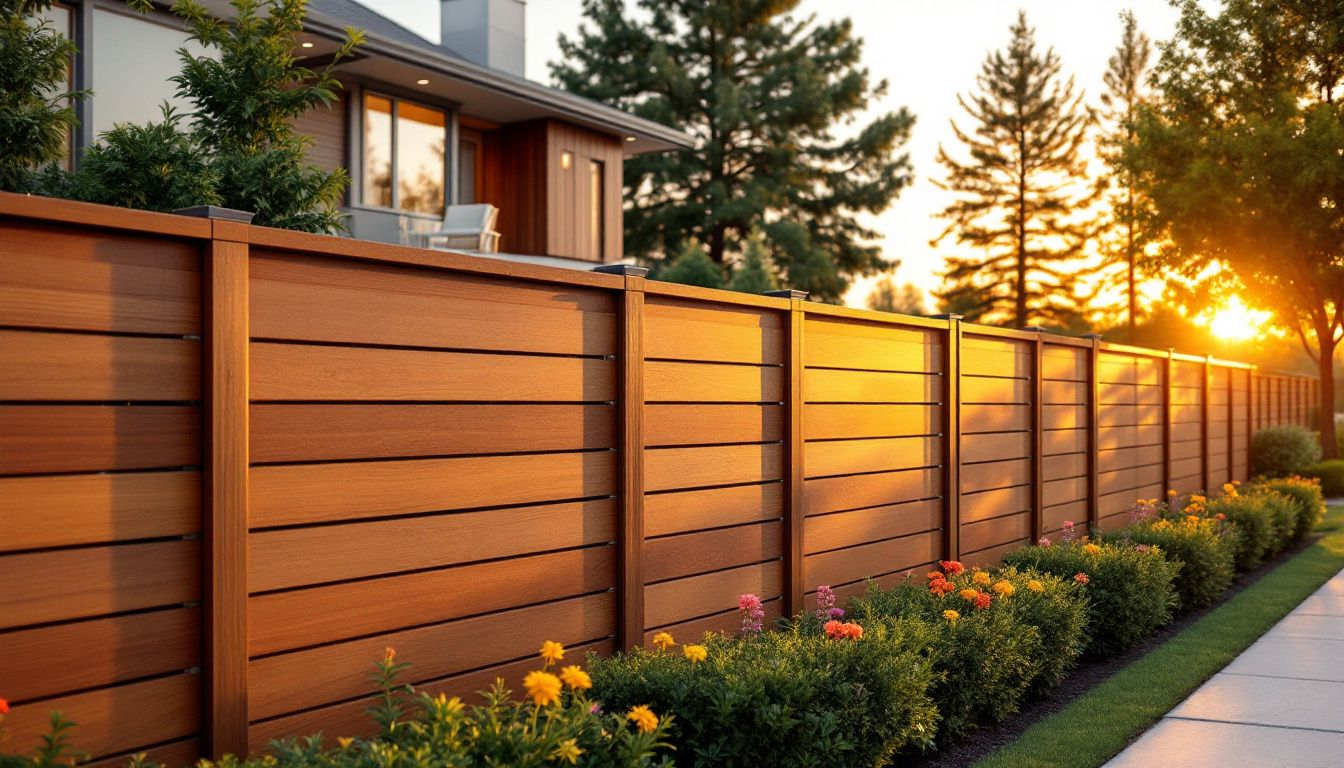
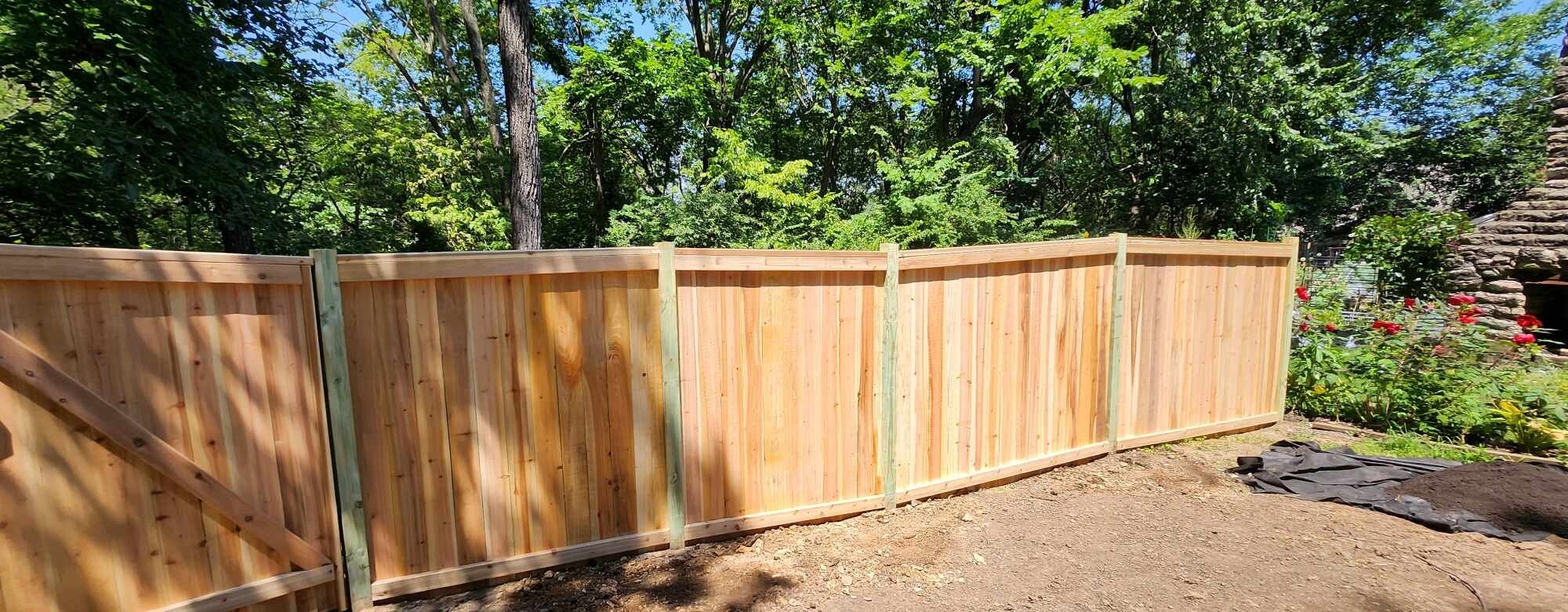
An 8-foot privacy fence can provide:
- Increased backyard privacy
- Better security
- Noise reduction
- Wind protection
- Enhanced outdoor living spaces
This height is especially popular for homeowners with pools, outdoor kitchens, patios, or homes located near busy streets.
Corner Lots Have Additional Restrictions
Corner lots require extra planning because fences cannot obstruct the view of traffic at intersections.
If your property sits on a corner:
- Street-facing fence sections generally must follow front-yard height limits.
- Visibility triangles must remain unobstructed.
If you’re unsure how these rules apply to your property, it’s a good idea to work with an experienced local fence contractor.
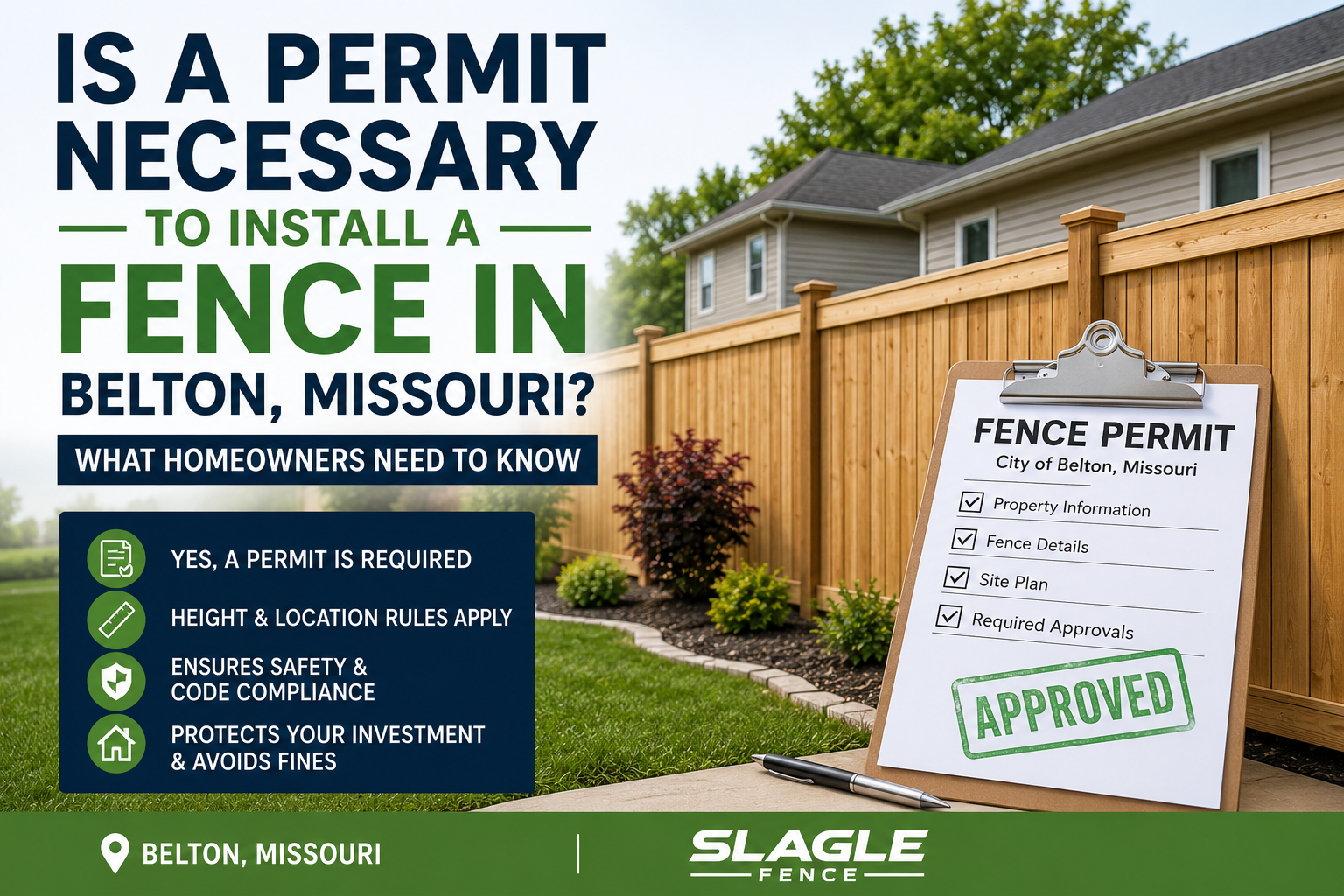
Do You Need a Fence Permit?
Yes.
Bonner Springs requires a fence permit for: 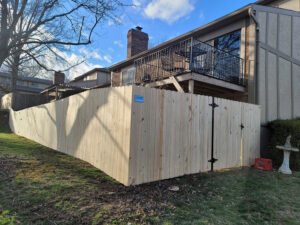
- New fence installations
- Relocating an existing fence
- Replacing 50% or more of an existing fence in many cases
Homeowners typically need to submit:
- A permit application
- A site plan
- Fence location
- Fence height
- Fence type
The city also requires the completed fence to be inspected after installation.
What Fence Materials Are Allowed?
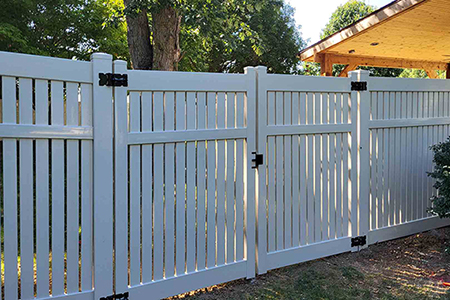
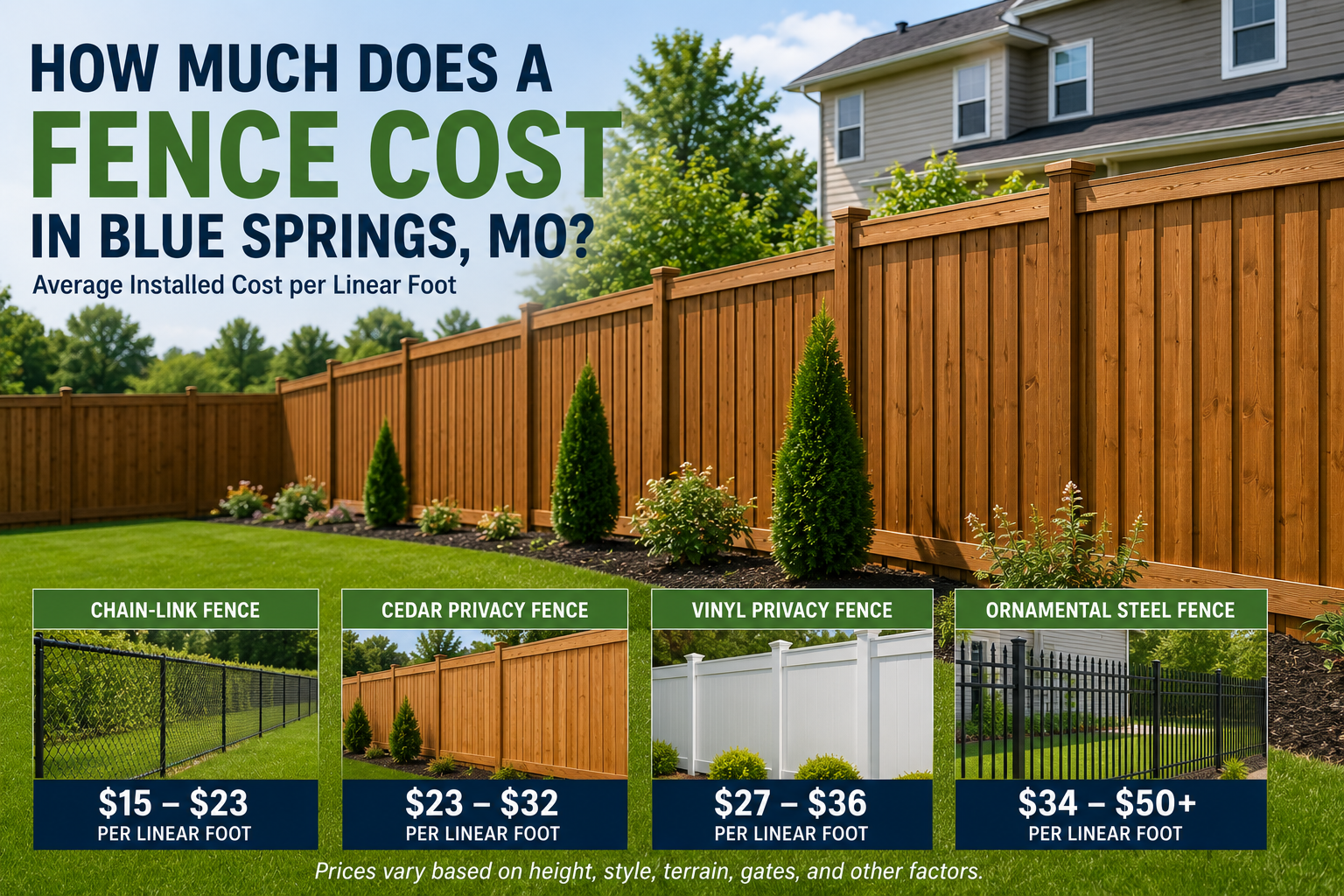
Bonner Springs permits several common residential fencing materials, including:
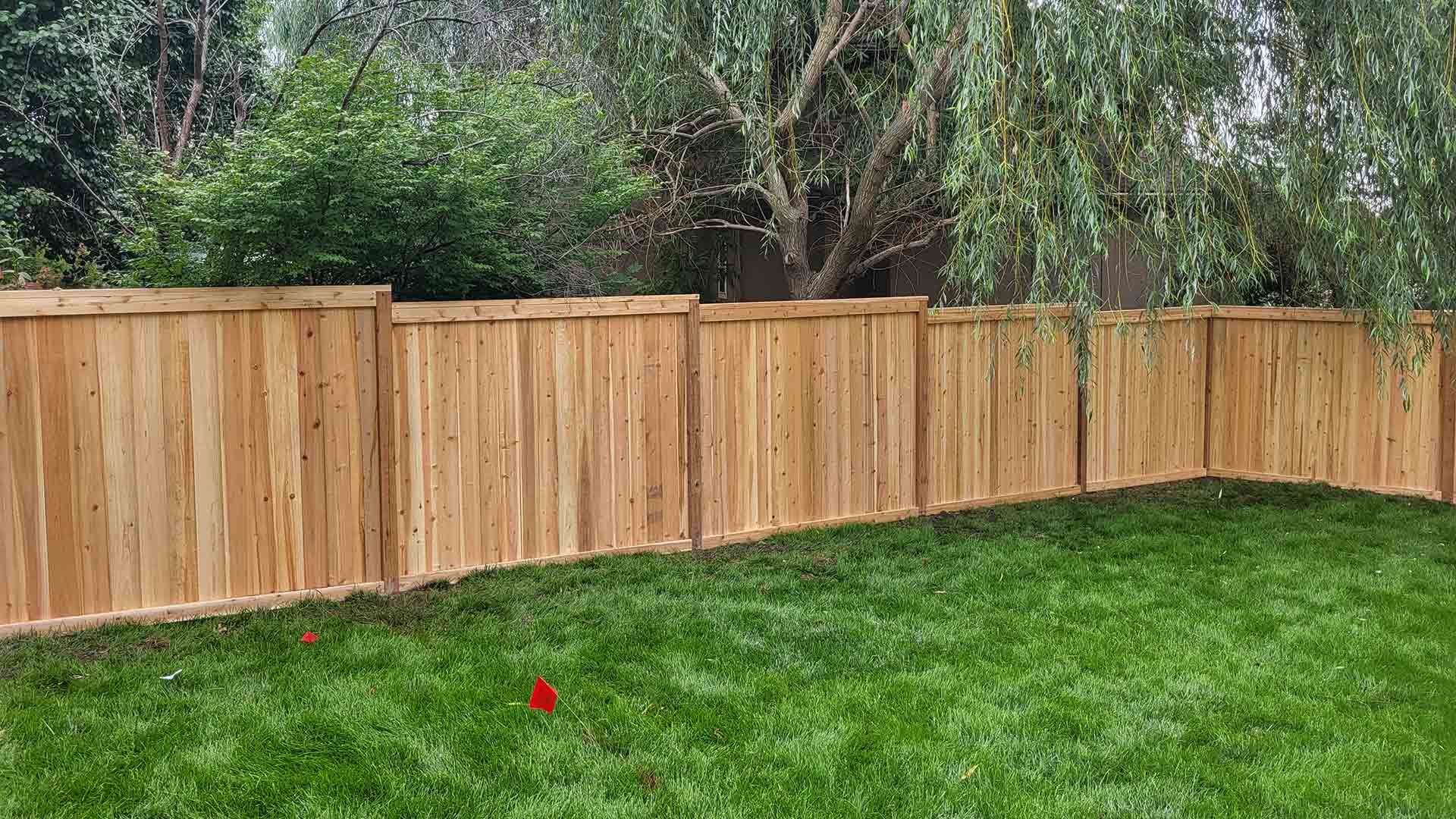
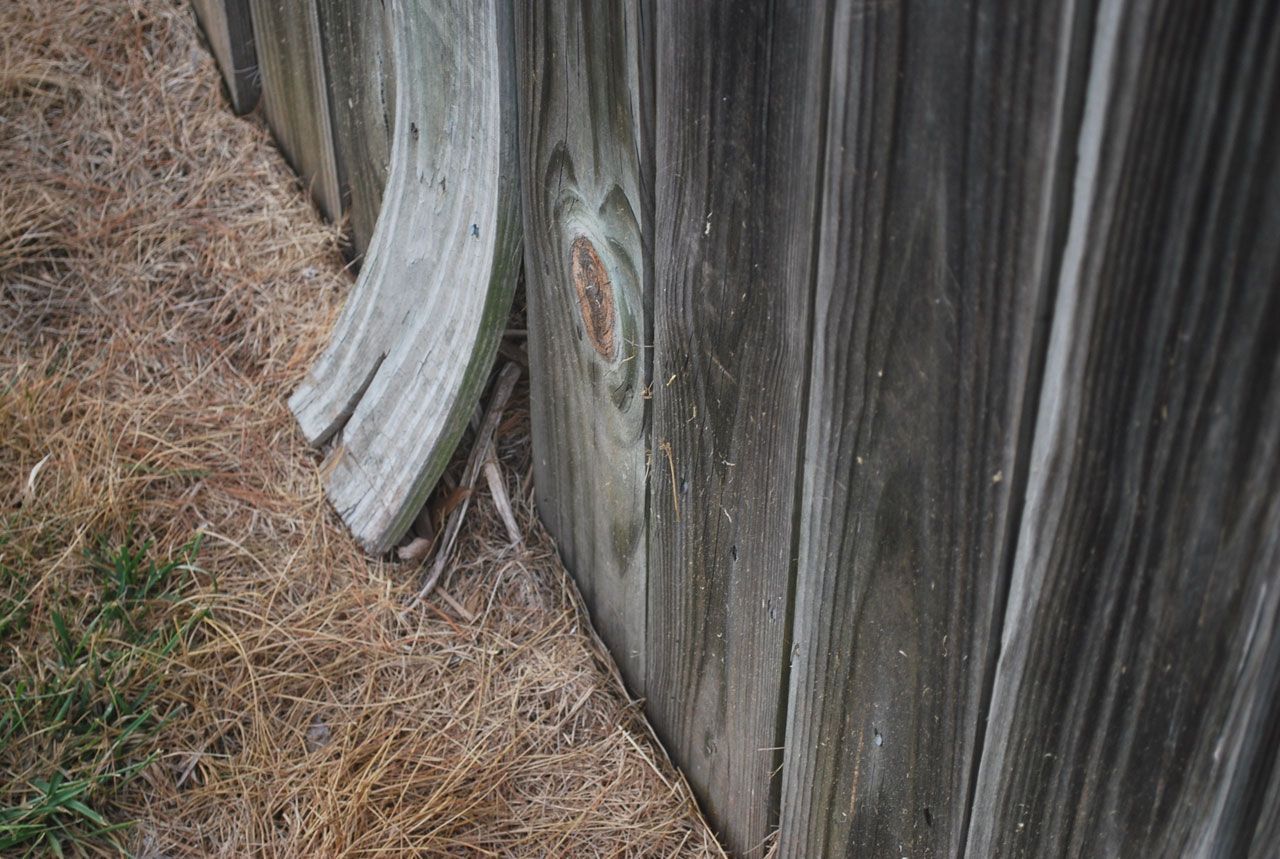
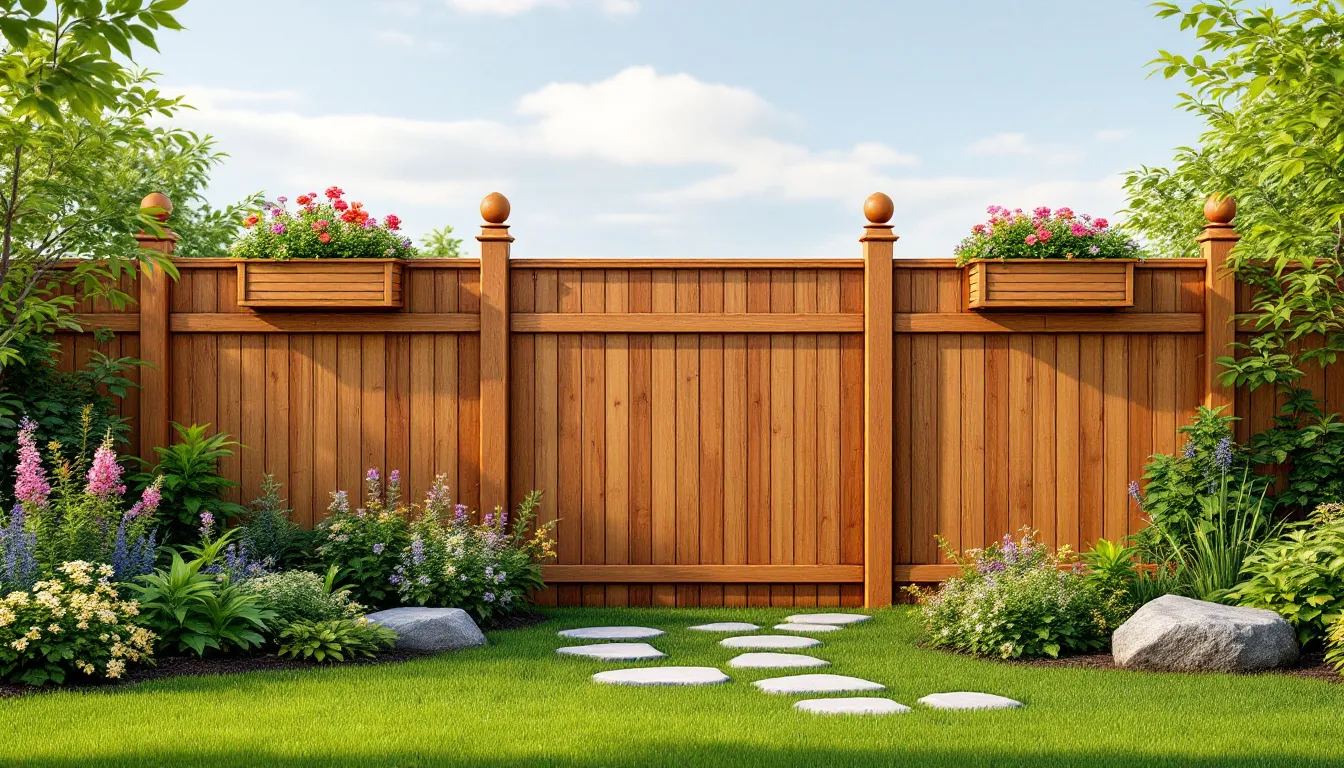
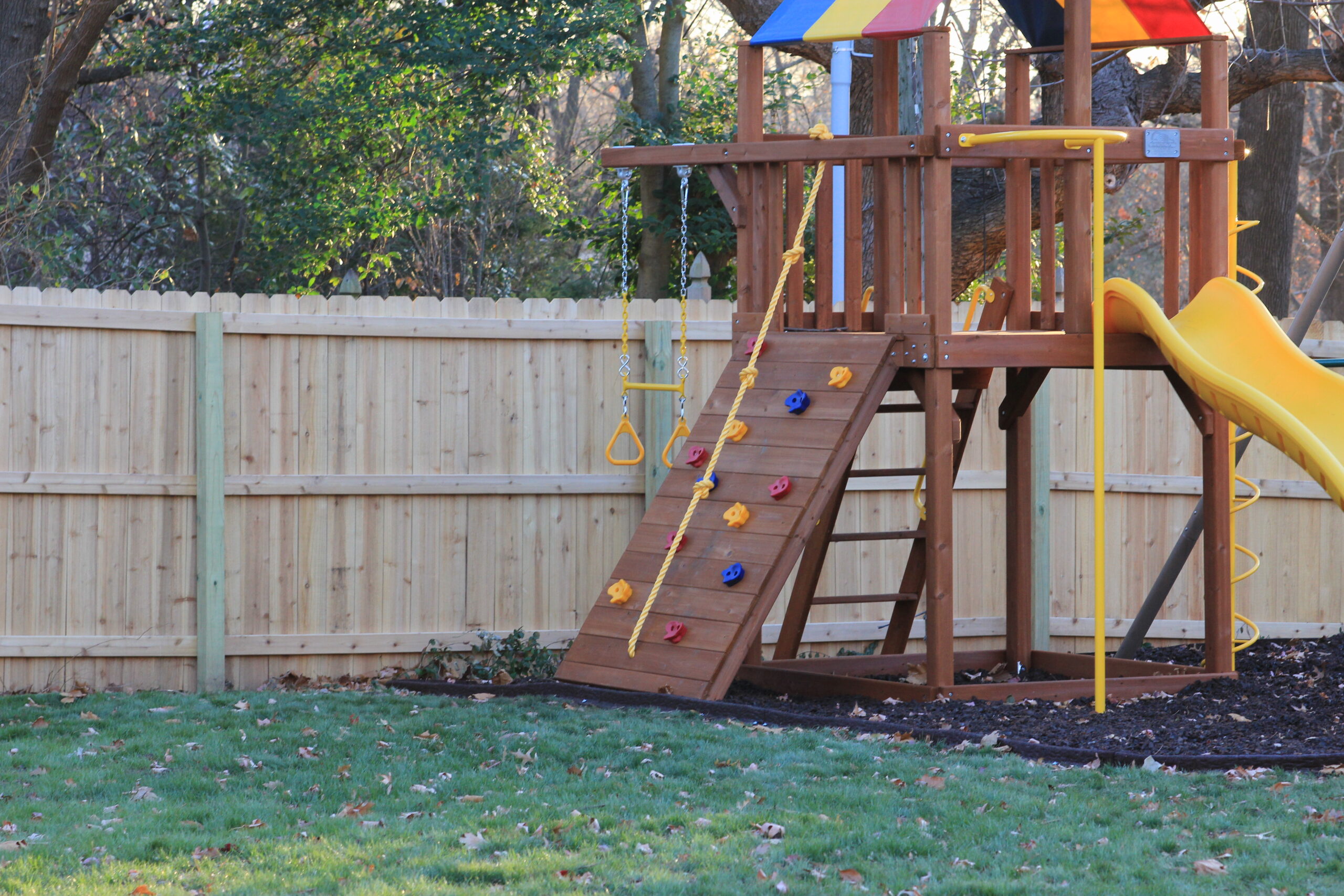
Cedar Wood
One of the most popular choices because it offers:
- Excellent privacy
- Natural beauty
- Long lifespan
- Custom stain options
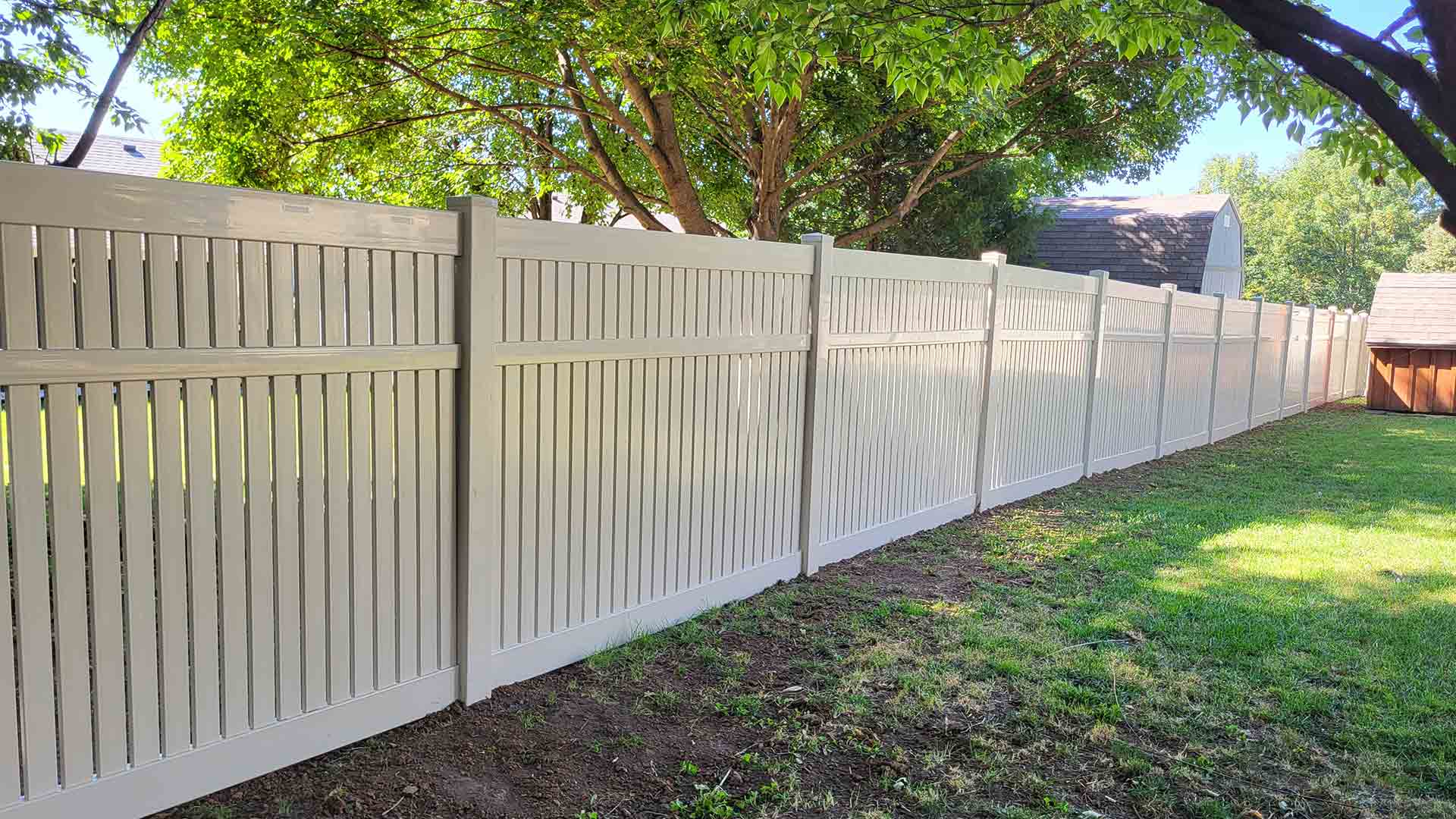
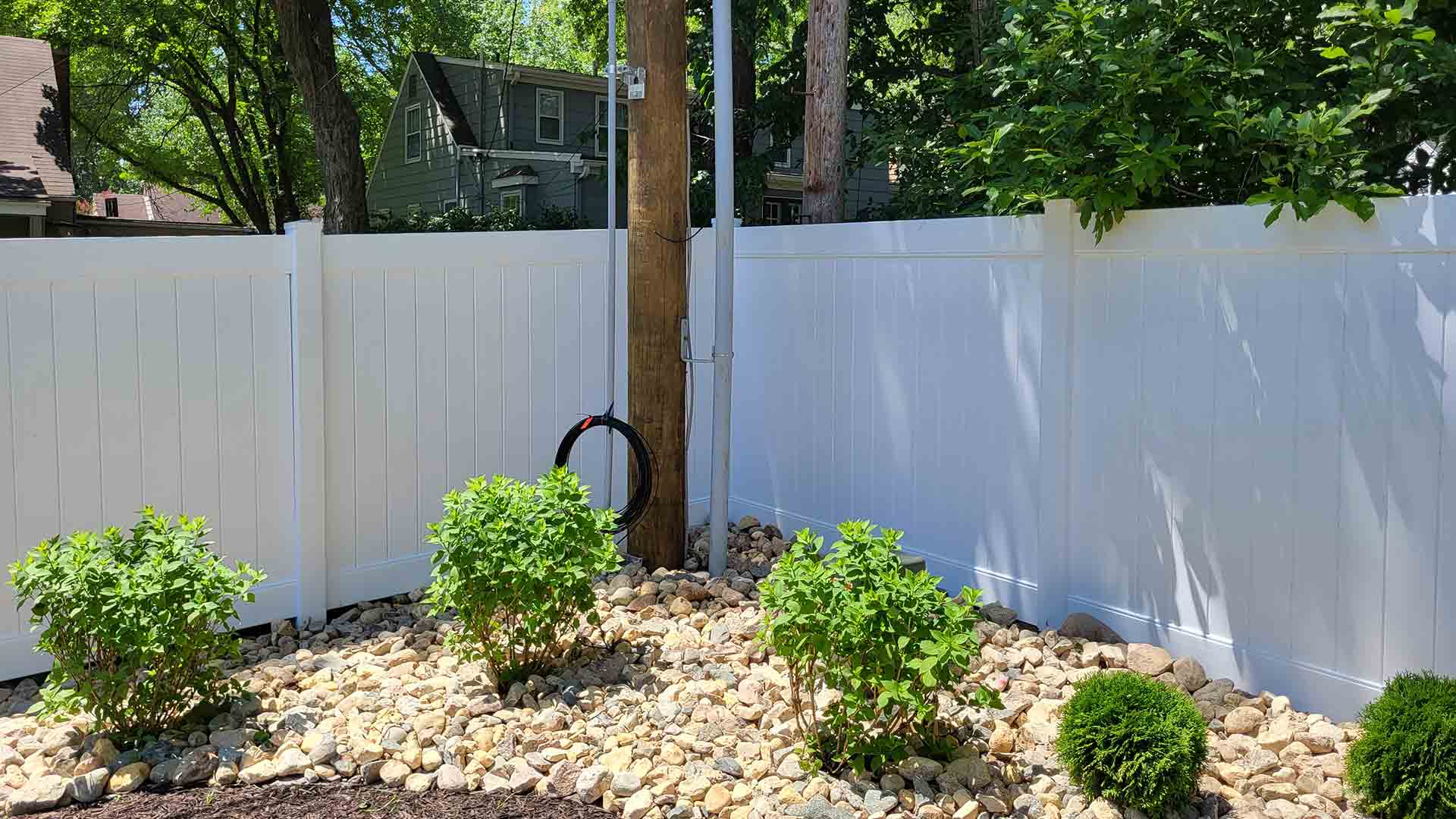
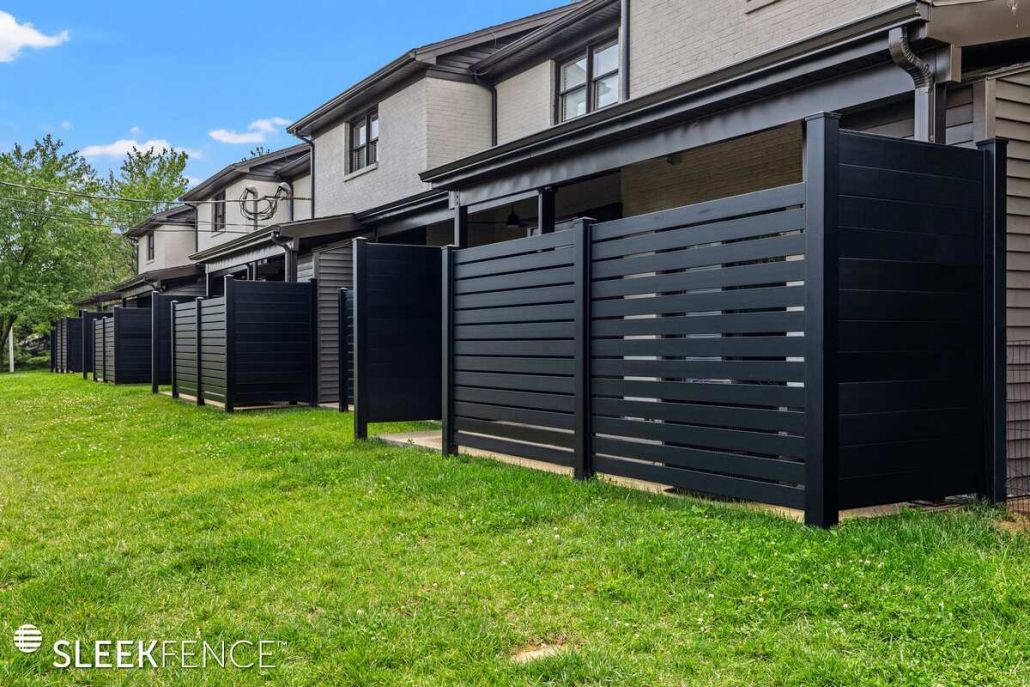
Vinyl
Vinyl fencing provides:
- Minimal maintenance
- Long-lasting appearance
- No painting
- No staining
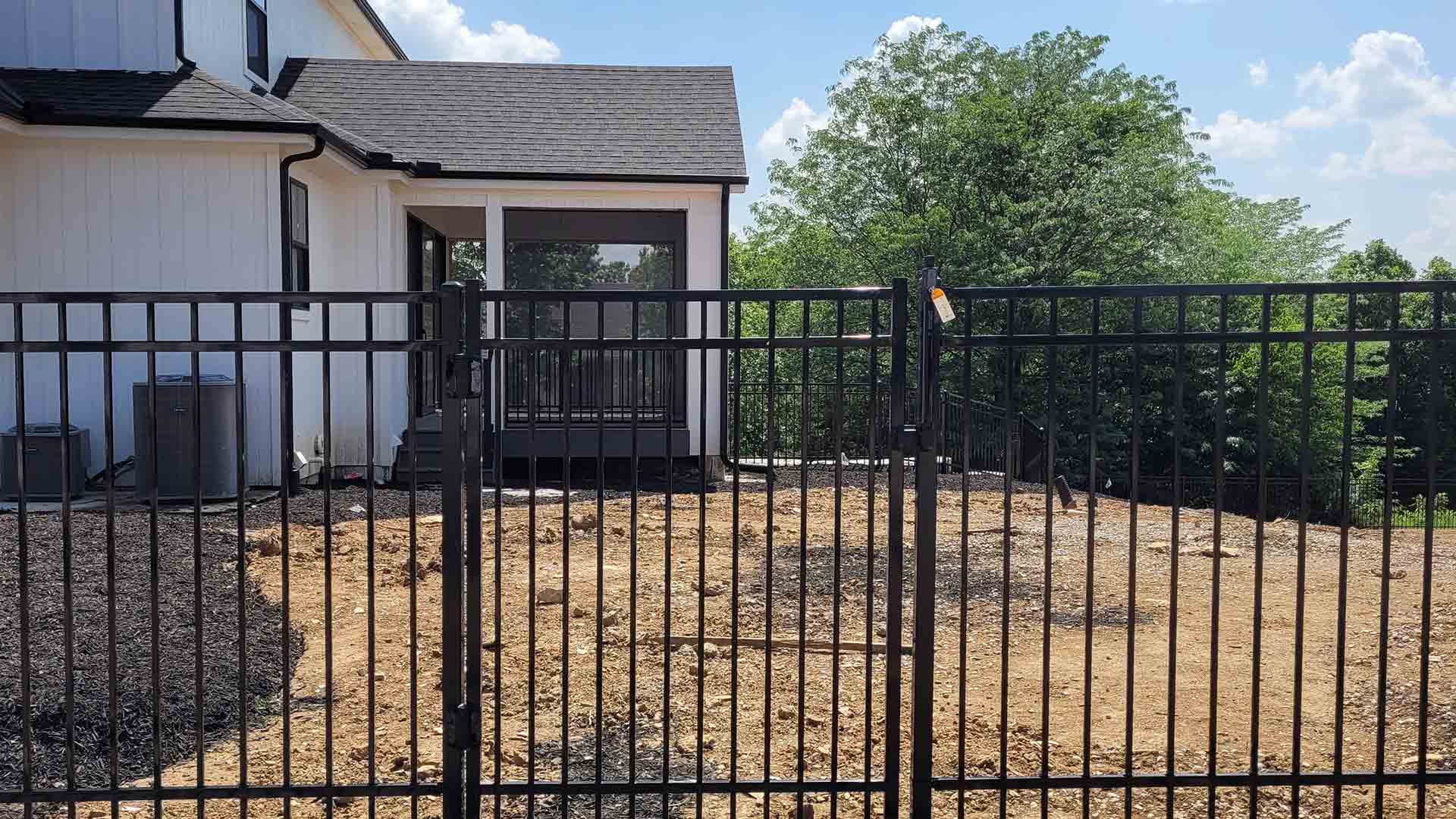
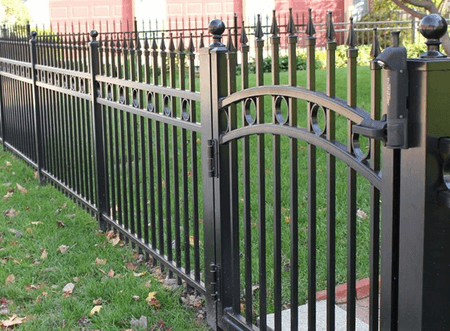
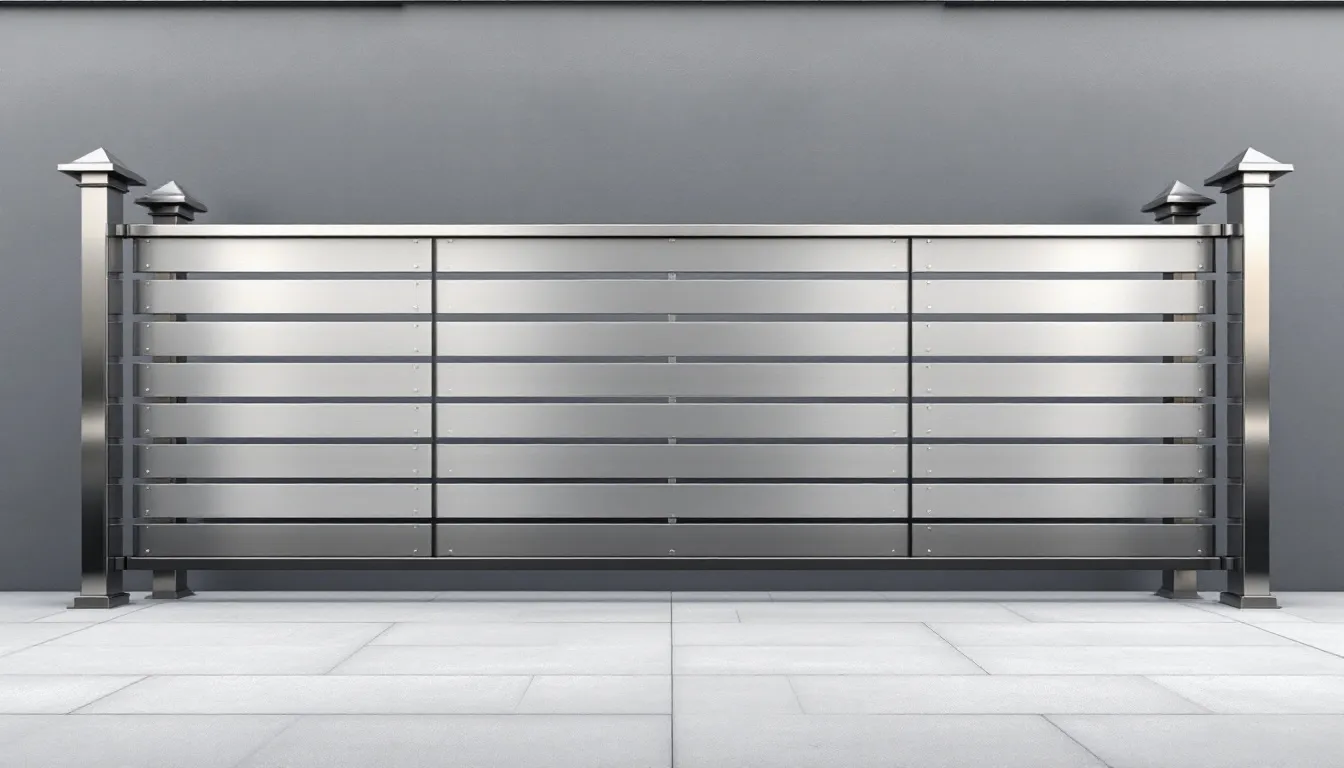
Ornamental Steel 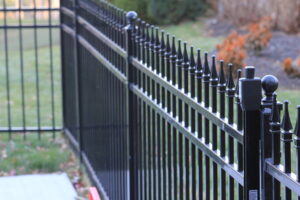
Perfect for:
- Front yards
- Decorative fencing
- Security
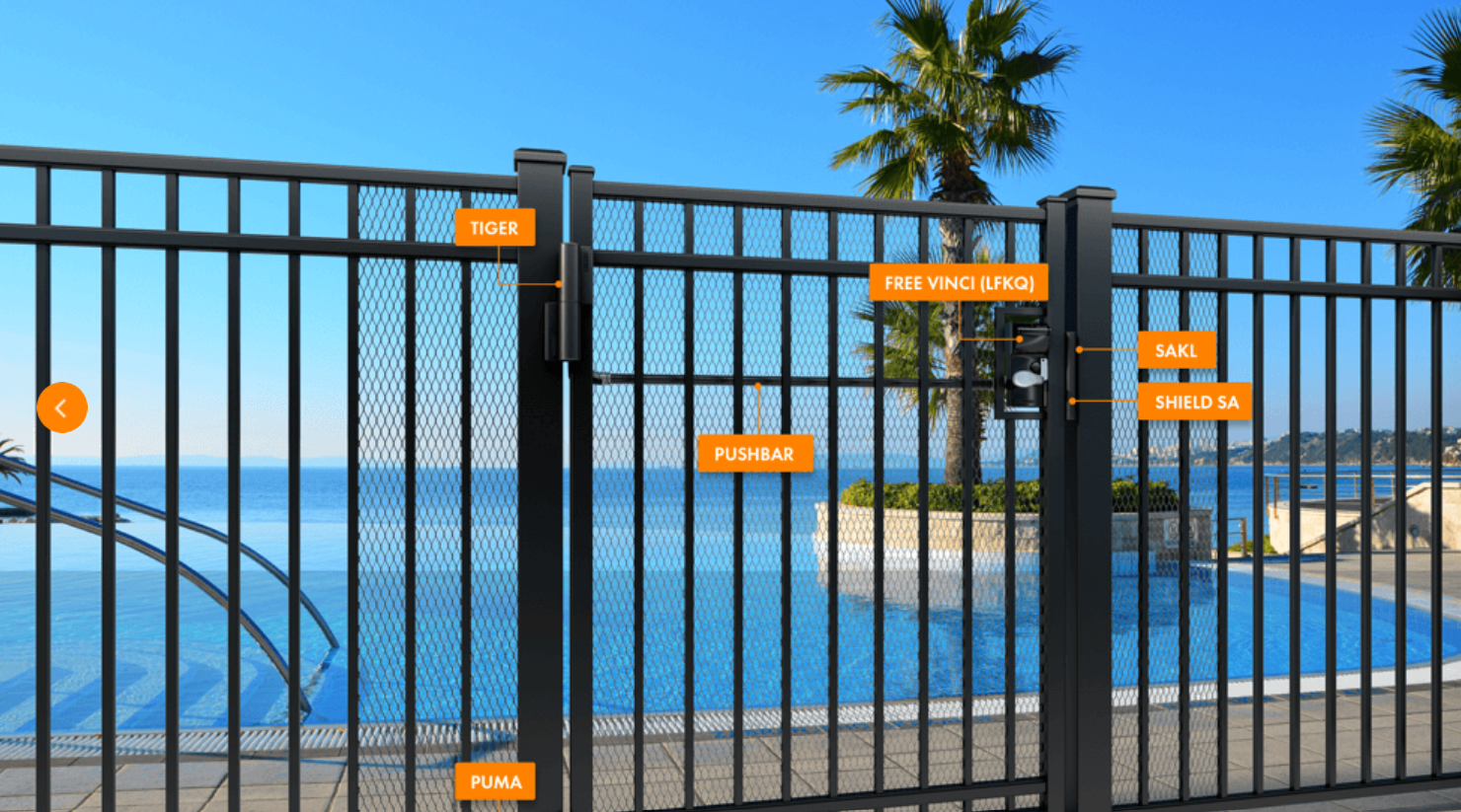
- Pool enclosures
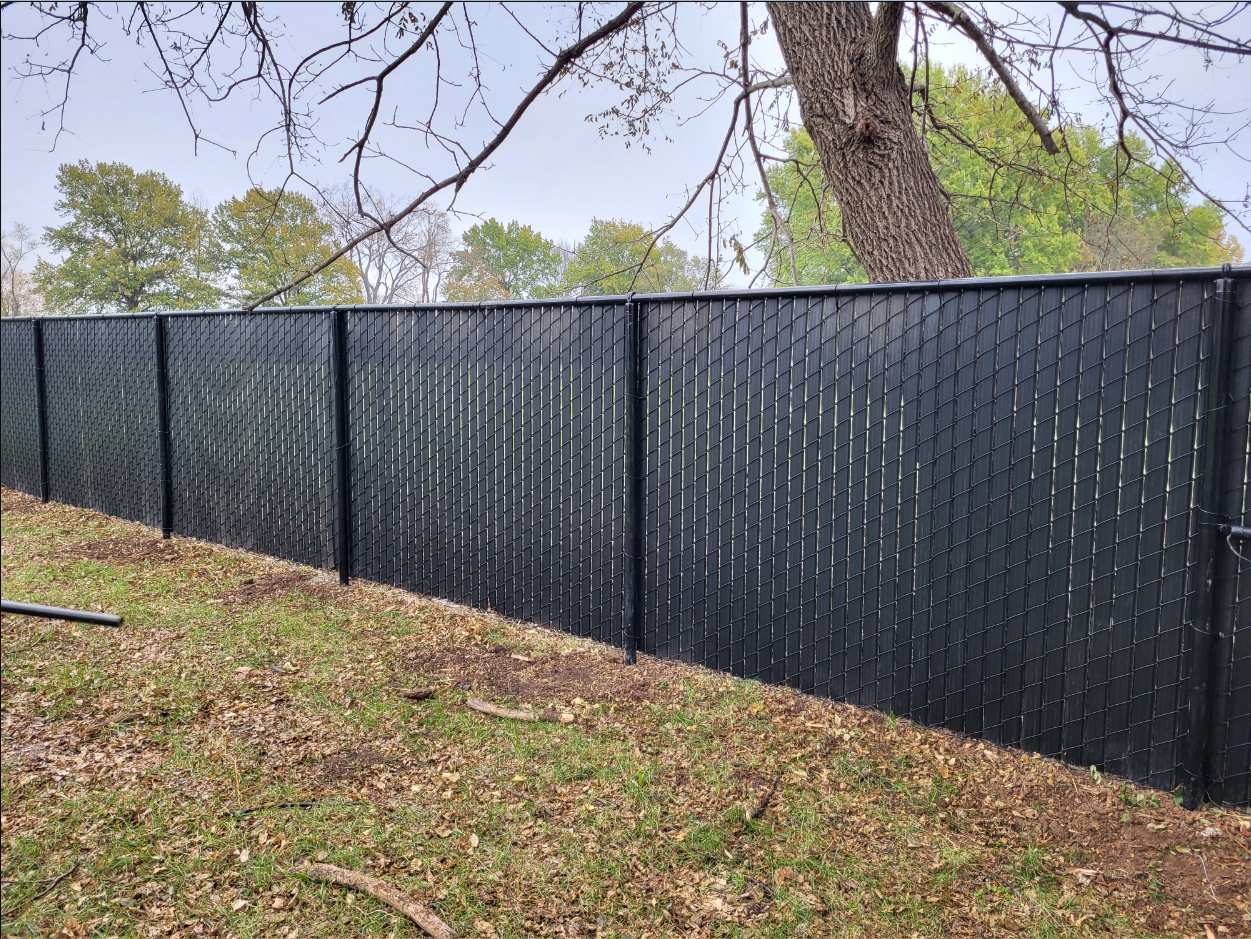
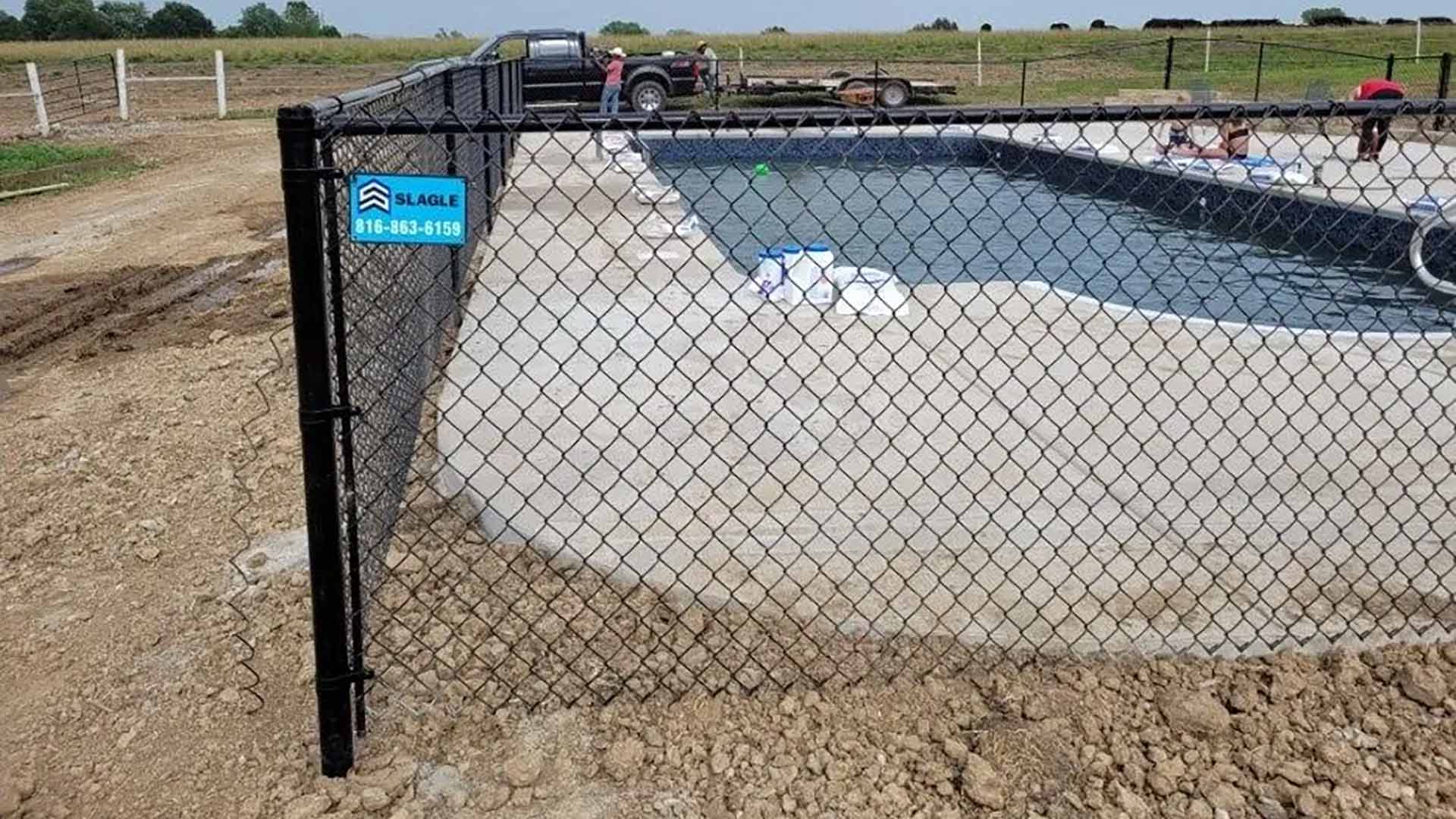
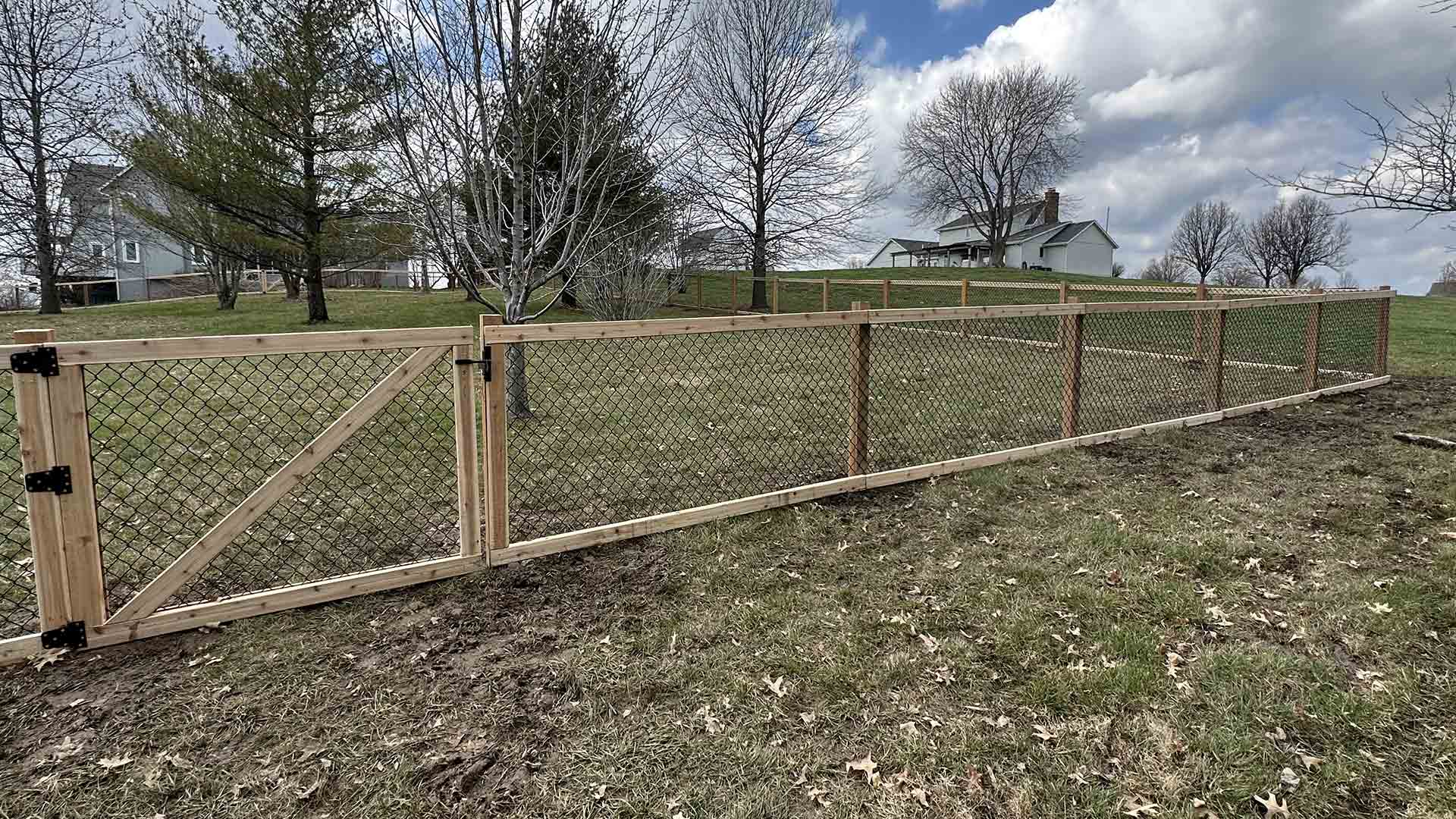
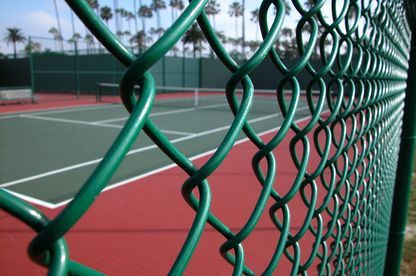
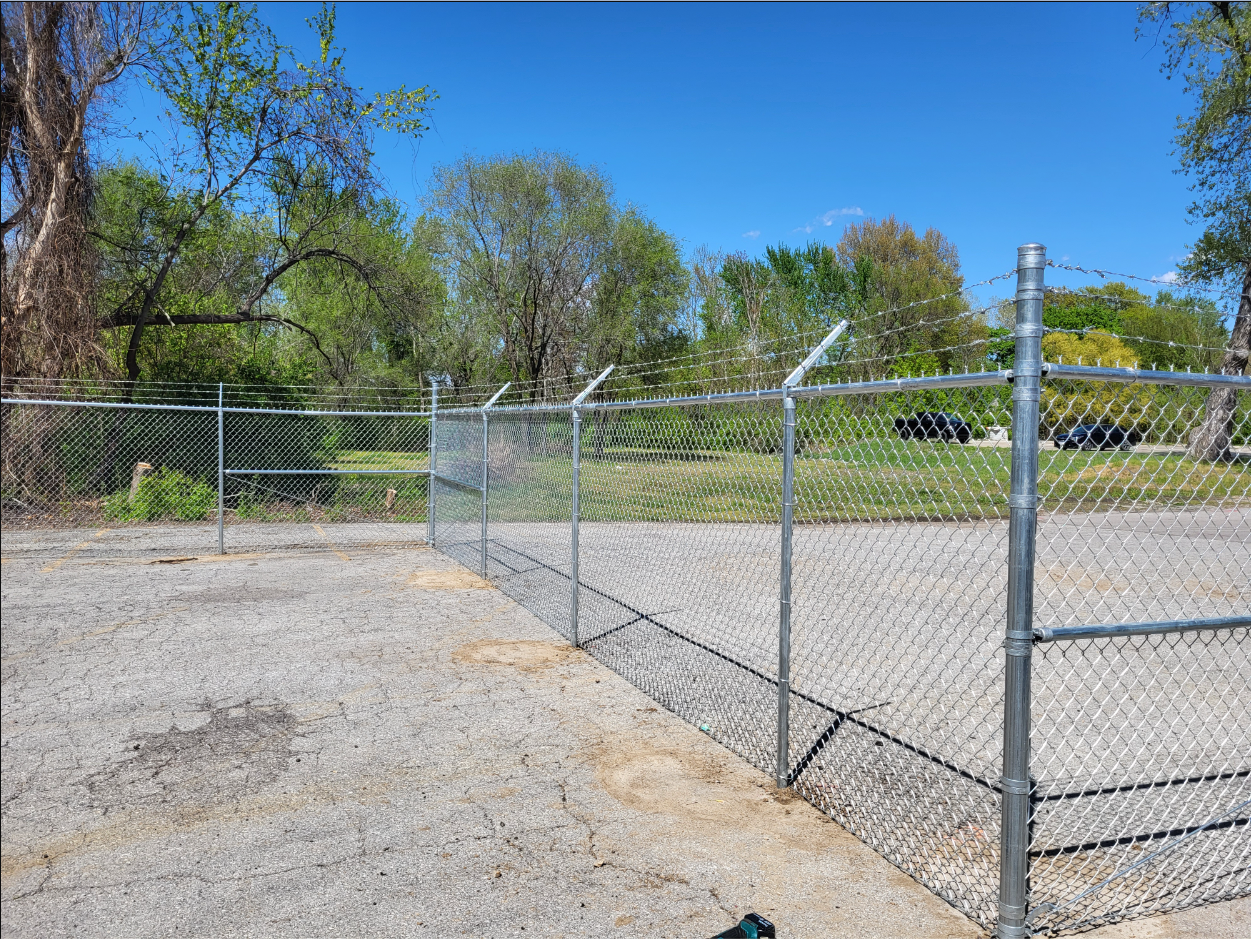
Chain-Link
Chain-link remains an affordable option for:
- Pet owners
- Large backyards
- Commercial properties
- Budget-conscious homeowners
The city permits wood, vinyl, masonry, wrought iron, and similar approved materials for residential fencing.
Utility Locates Are Required
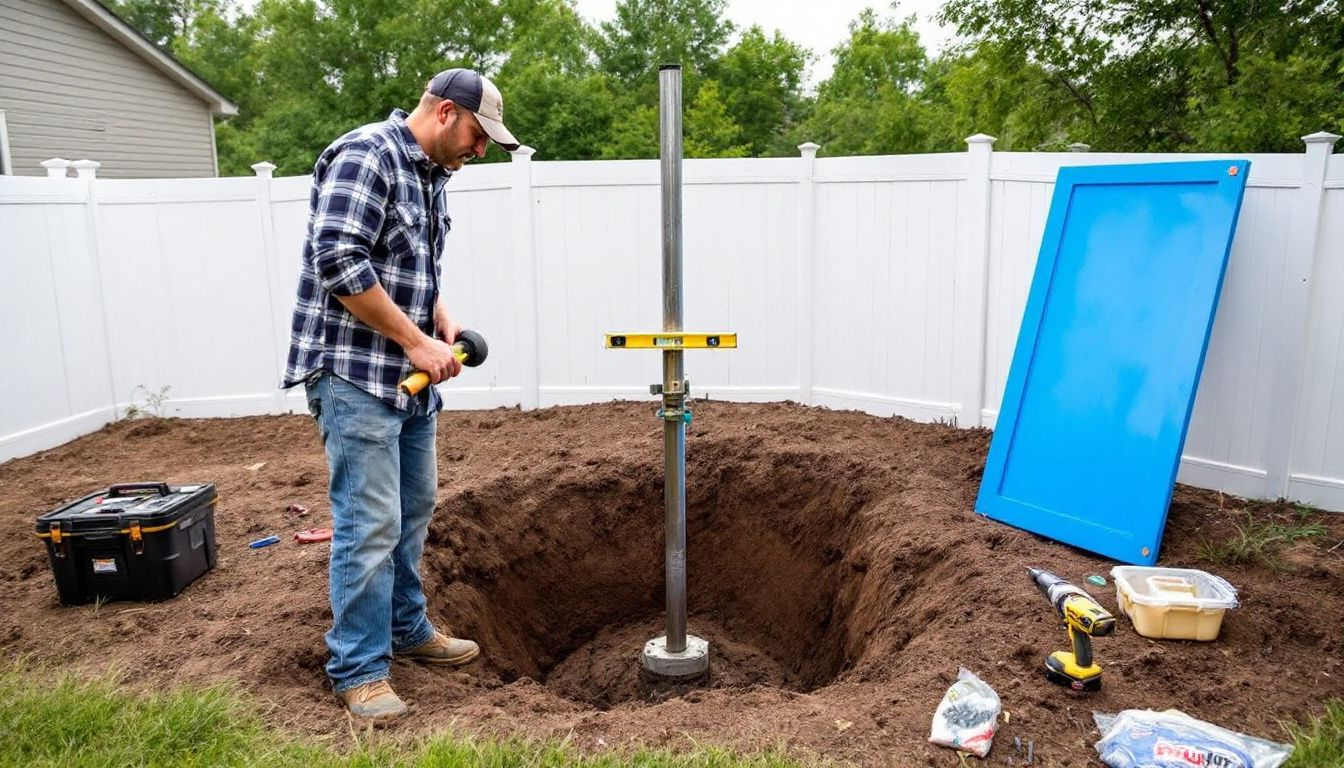
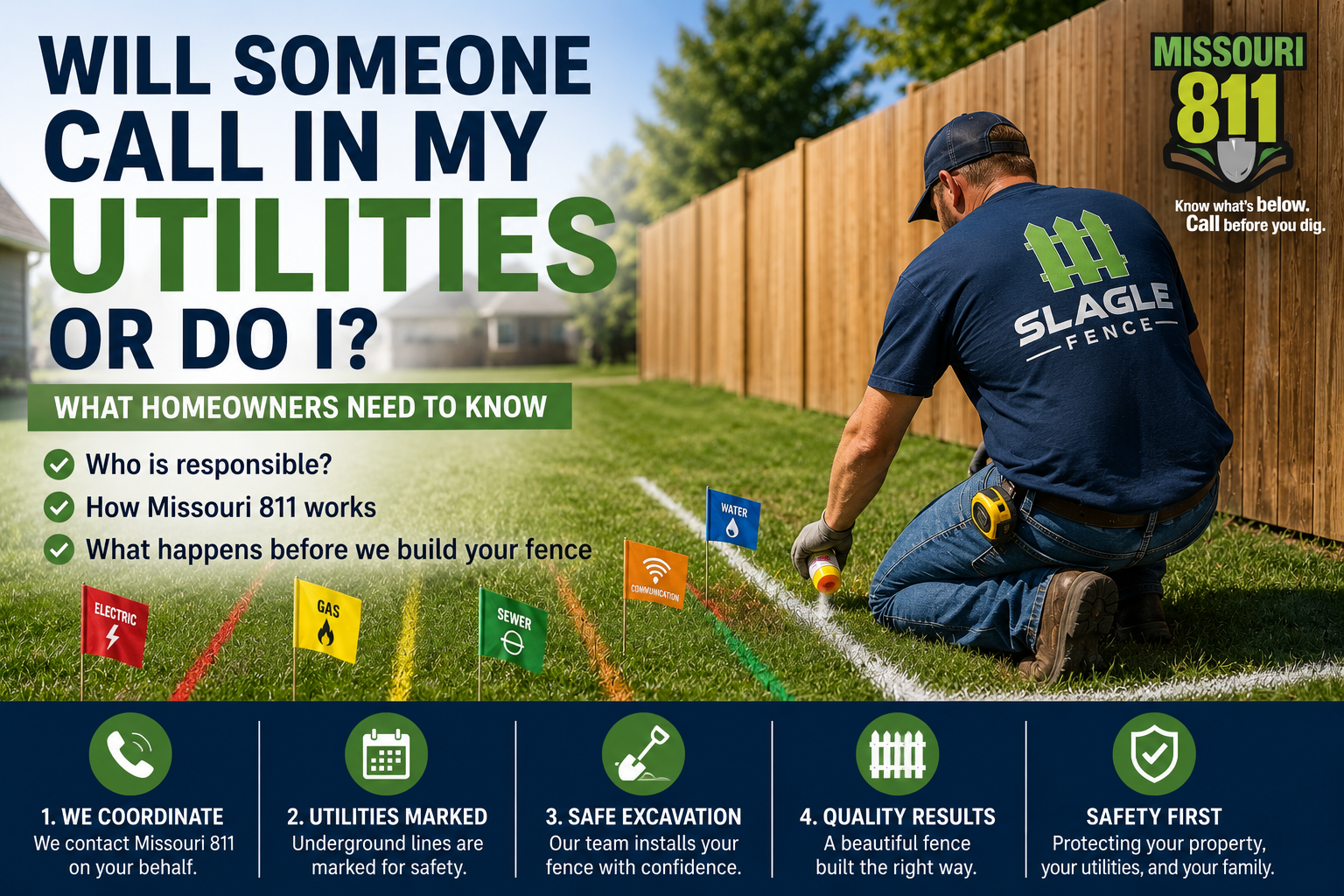
Before digging post holes, homeowners or contractors must contact Kansas 811 (Kansas One Call) to have underground utilities marked.
This helps avoid damaging:
- Gas lines
- Electric lines
- Water service
- Fiber optic cables
- Communication lines
Allow enough time before your installation date for utility locates to be completed.
HOA Rules May Be More Restrictive
If your property is part of a Homeowners Association, your HOA may have additional requirements regarding:
- Fence height
- Fence style
- Approved materials
- Fence colors
- Decorative features
Even if your fence complies with city regulations, you’ll still need to follow any HOA requirements.
Why Most Homeowners Choose Privacy Fencing
Although Bonner Springs allows fences up to 8 feet in many rear and side yard situations, many homeowners still choose 6-foot or 8-foot privacy fencing because it offers an excellent combination of:
- Privacy
- Security
- Noise reduction
- Curb appeal
- Property value
Your contractor can help determine the best height based on your yard, neighborhood, and goals.
Why Professional Installation Matters
Fence height is only one part of a successful project.
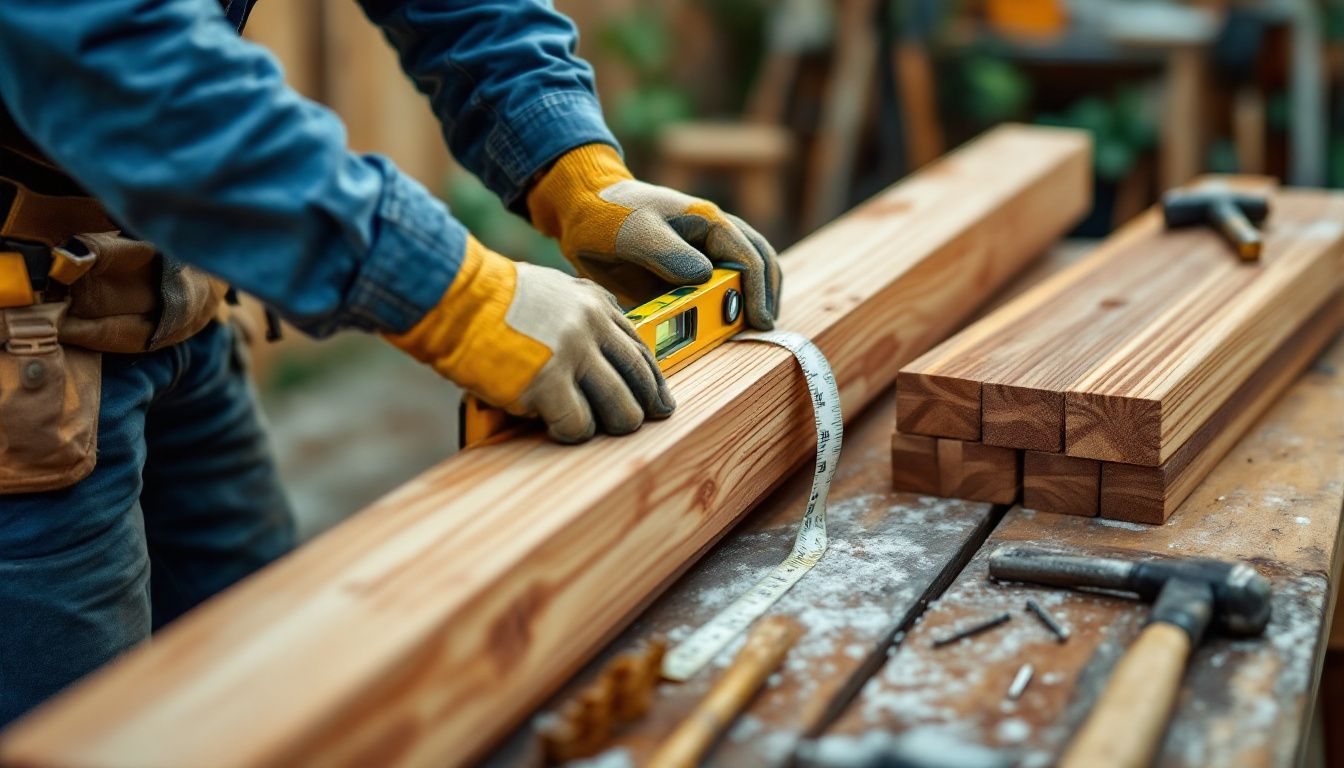
Professional installers ensure:
- Proper post depth
- Straight fence lines
- Secure concrete footings
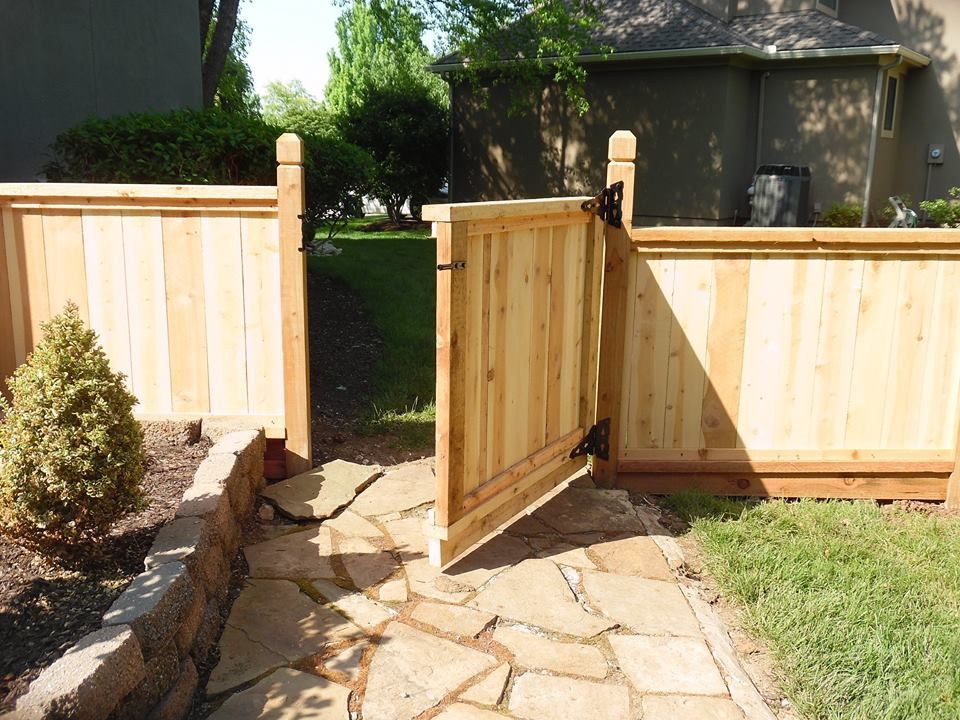
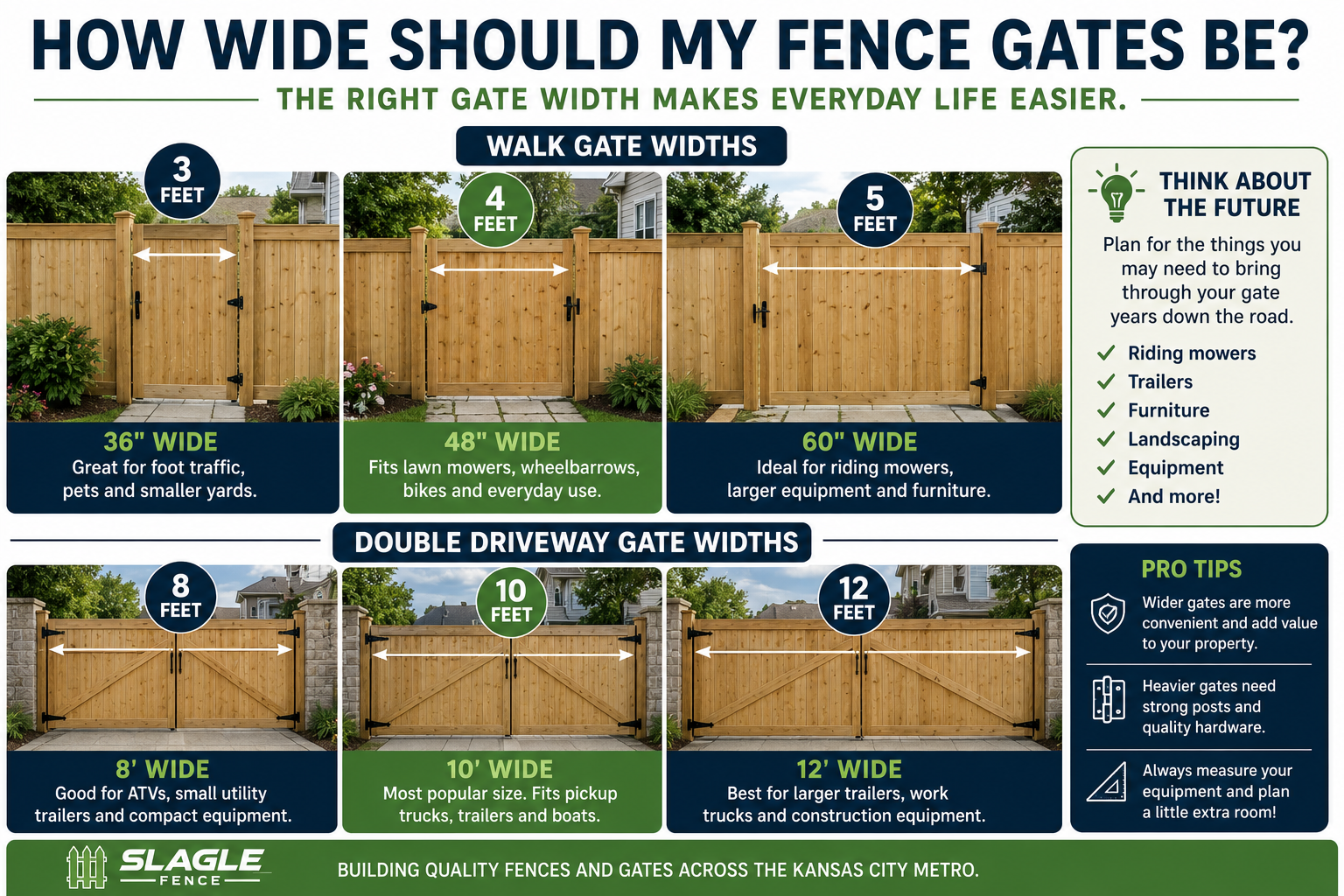
- Smooth gate operation
- Compliance with local regulations
- Long-lasting performance
An experienced contractor also helps you avoid common mistakes involving property lines, easements, and permitting.
Why Homeowners Choose Slagle Fence
Slagle Fence proudly serves Bonner Springs and the surrounding Kansas City area with professional residential and commercial fencing.
We specialize in:
- Cedar privacy fencing
- Vinyl fencing
- Ornamental steel fencing
- Chain-link fencing
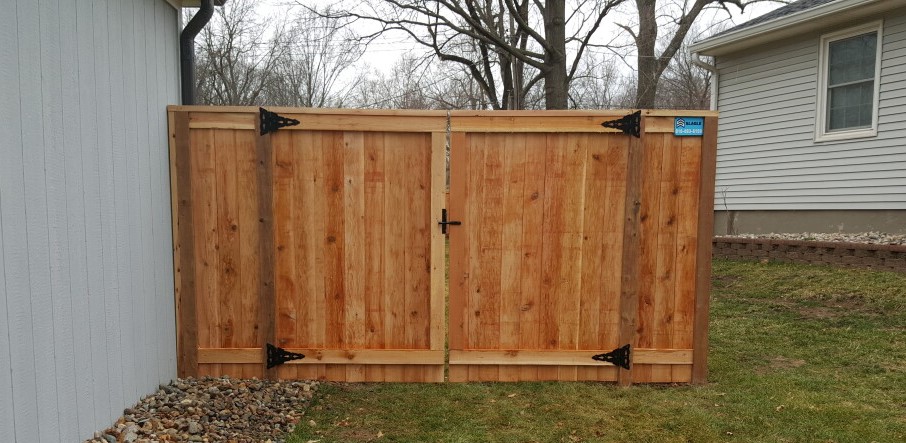
- Custom gates
- Fence repairs
Our team stays current on local building requirements and can help you choose a fence that meets both your needs and Bonner Springs regulations.
Frequently Asked Questions
Can I build an 8-foot privacy fence?
Yes. In most residential situations, fences located behind the required front setback may be up to 8 feet tall.
Can I install an 8-foot fence in my front yard?
No. Front-yard residential fences are generally limited to 4 feet.
Do I need a permit?
Yes. Bonner Springs requires a fence permit before most new fence installations.
Should I call Kansas 811?
Absolutely. Underground utilities should always be located before digging begins.
Final Thoughts
If you’re wondering what the maximum fence height allowed in Bonner Springs, KS is, the current residential standards are generally:
- Front yard: Maximum 4 feet
- Side and rear yard (behind the required front setback): Maximum 8 feet
Because every property is different, it’s always wise to verify permit requirements, property lines, easements, and HOA rules before construction begins. Working with an experienced local contractor like Slagle Fence can help ensure your project is completed safely, professionally, and in compliance with local regulations.