What Happens If Someone’s Fence Is on My Property?
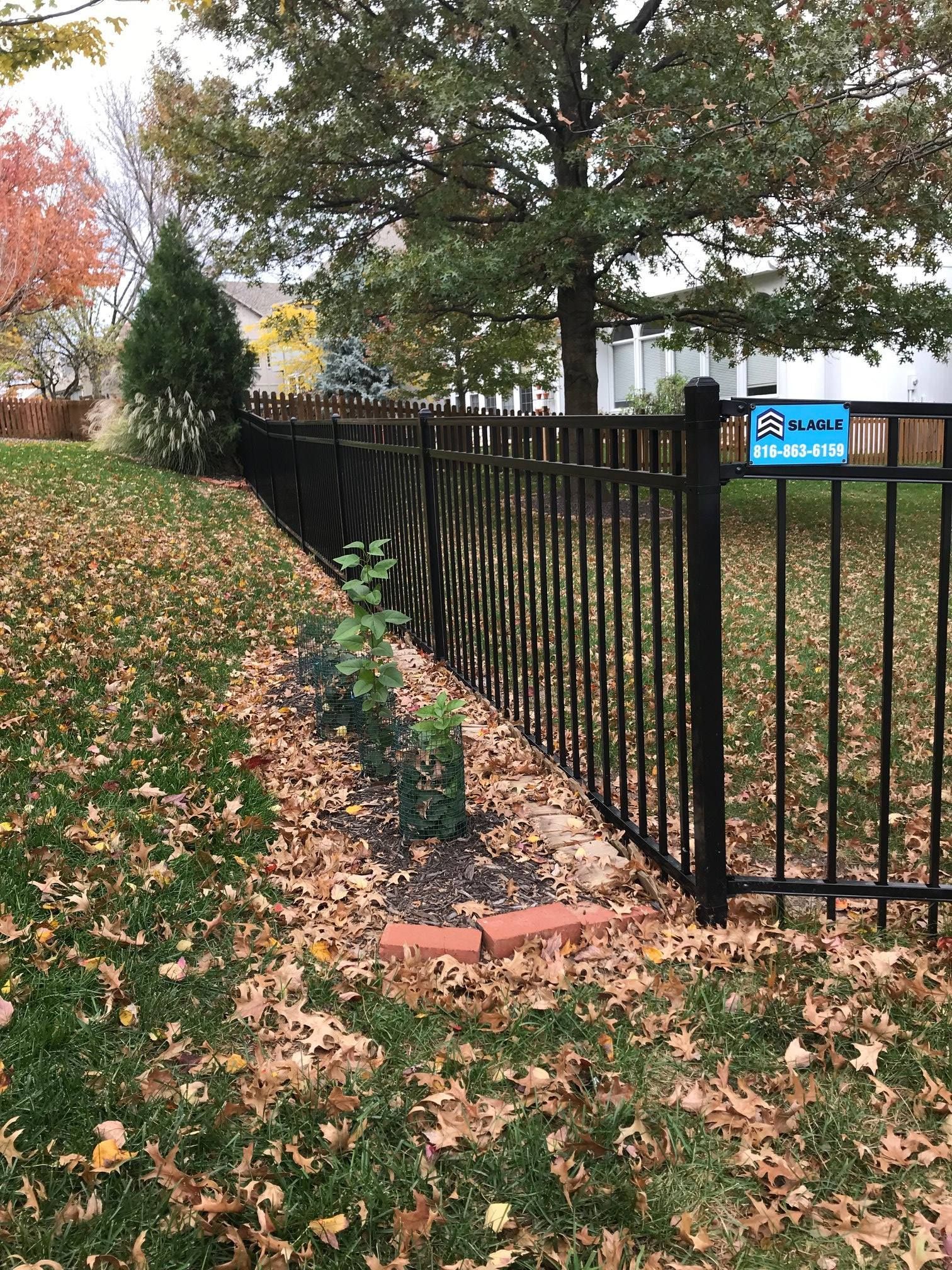
Few things create more stress between neighbors than discovering a fence may have been built on the wrong side of the property line.
Whether you’re replacing an old fence, purchasing a home, or simply questioning where your property ends, it’s natural to wonder:
“What happens if my neighbor’s fence is actually on my property?”
The good news is that most property line issues can be resolved professionally when both homeowners understand the facts. The first step is determining whether the fence is truly on your property—not just assuming it is.
What Is a Fence Encroachment?
A fence encroachment occurs when a fence crosses a legal property boundary and extends onto someone else’s land.
Encroachments may involve:
- A fence installed several inches over the property line
- Fence posts crossing onto neighboring property
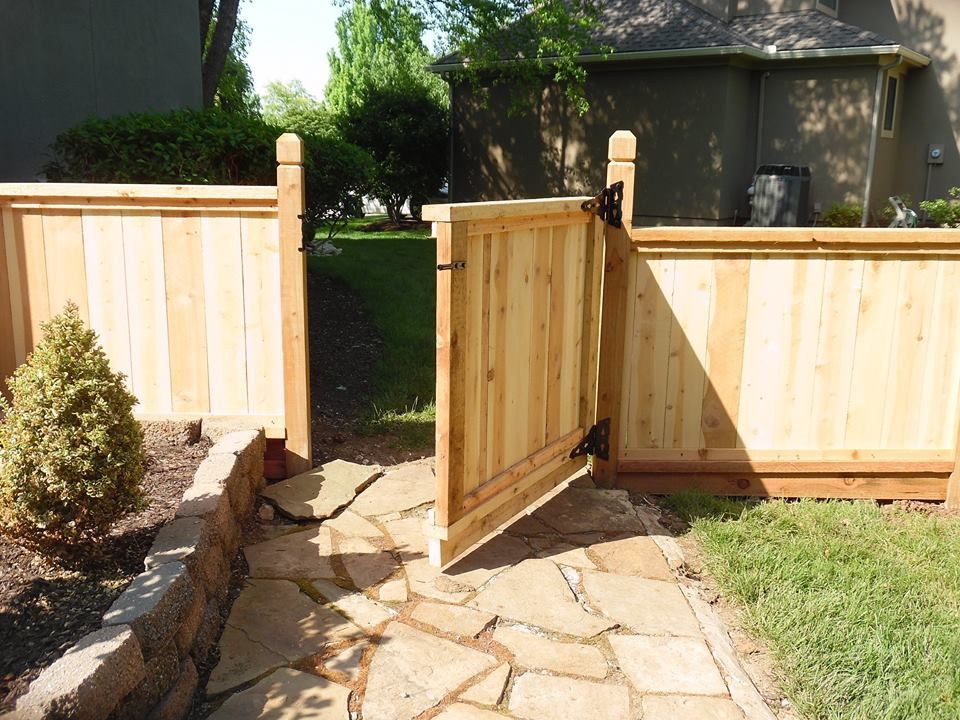
- Gates extending onto another lot
- Retaining walls built across boundaries
- Landscaping installed beyond the legal property line
Some encroachments are only a few inches, while others may extend several feet.
Even a small encroachment can create legal and financial complications if it isn’t addressed.
Don’t Assume the Fence Marks the Property Line
One of the biggest misconceptions among homeowners is that the existing fence automatically represents the legal property line.
In reality:
- A previous owner may have intentionally installed the fence inside their property.
- The fence may have been built decades ago without a survey.
- Property corners may have been estimated instead of measured.
- The original installer may have made an honest mistake.
A fence’s location is not legal proof of ownership.
Step 1: Verify Your Property Line
 Before confronting your neighbor or making plans to move the fence, verify where the legal property boundary actually is.
Start by:
- Reviewing your property survey
- Looking for iron survey pins at each property corner
- Checking your closing documents
- Contacting your county if you need recorded plats
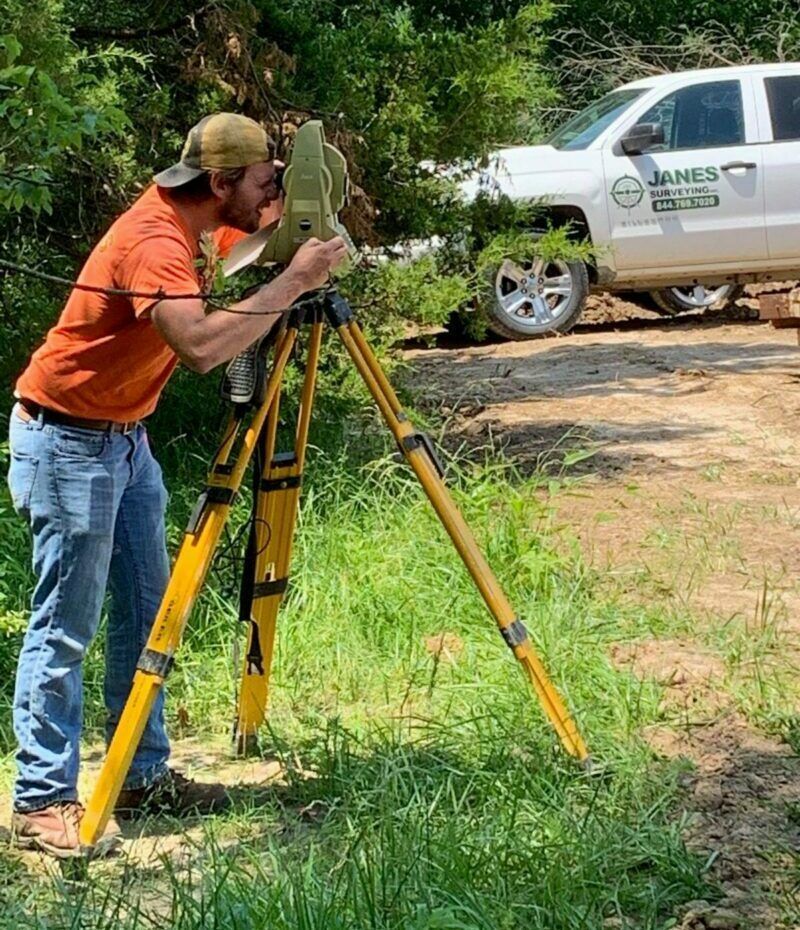
If you’re still uncertain, hire a licensed land surveyor to locate and mark the property boundaries.
A professional survey provides the most accurate information and can help avoid unnecessary disputes.
Step 2: Determine Whether an Encroachment Exists
Once the property line has been established, compare it to the fence location.
If the fence crosses the boundary, you’ve confirmed an encroachment.
Your surveyor can often identify:
- How far the fence extends onto your property
- Whether only the posts or the entire fence crosses the line
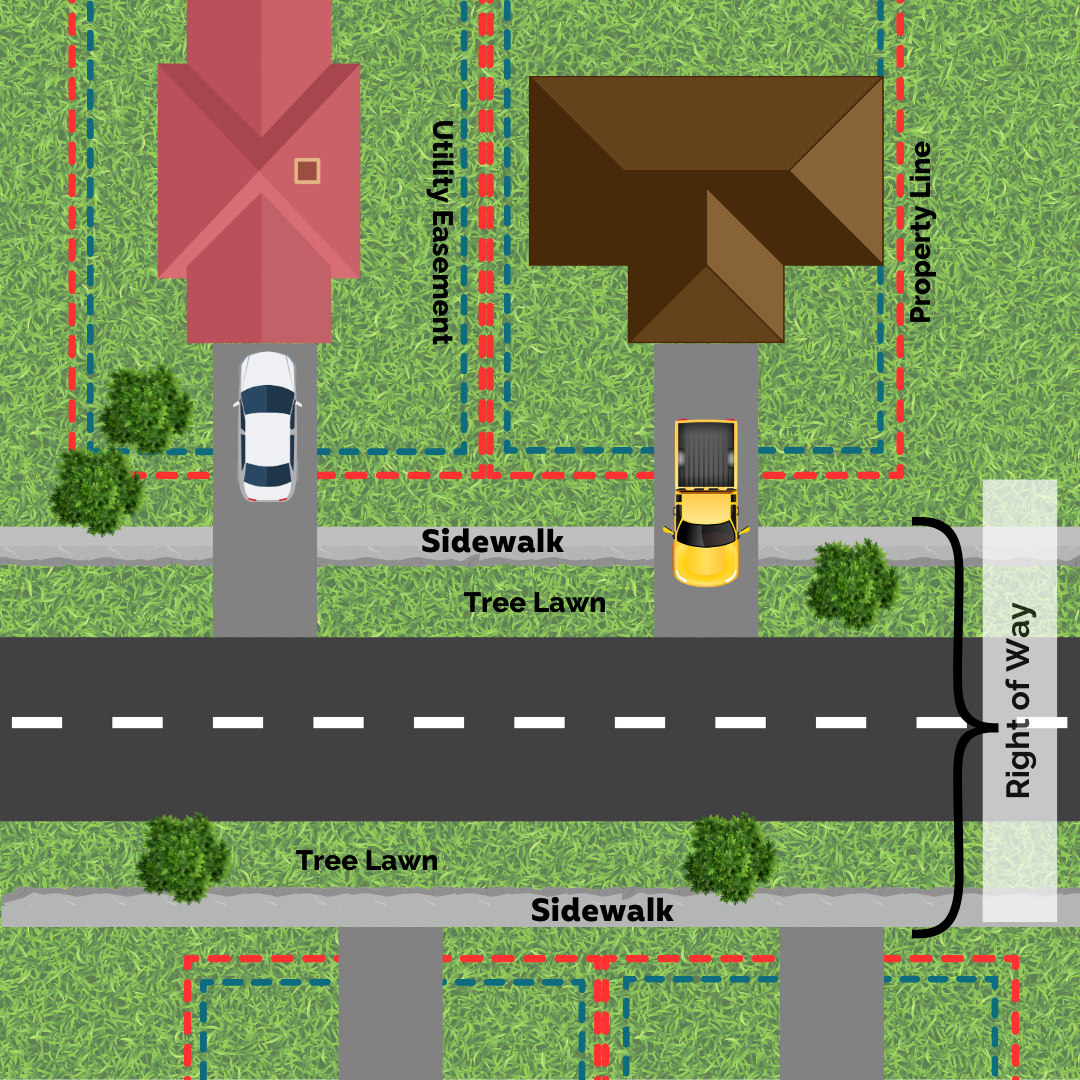
- Any easements affecting the property
- Existing improvements near the boundary
What If the Fence Has Been There for Years?
 This is one of the most common questions homeowners ask.
Even if a fence has existed for many years, that does not automatically change ownership of the land. However, in some situations, long-standing boundary issues can involve more complex legal doctrines, such as adverse possession or boundary by acquiescence, which vary significantly by state and depend on specific facts.
If an older fence appears to be on your property, it’s wise to speak with a local real estate attorney before making assumptions about your legal rights.
Should You Talk to Your Neighbor?
Yes—and it’s often the best next step.
Many fence encroachments happen because:
- A contractor relied on an existing fence instead of a survey.
- The previous homeowner installed it incorrectly.
- Property markers were missing or buried.
- There was a misunderstanding about the property line.
Approach the conversation respectfully.
Instead of saying:
“Your fence is on my property.”
Try:
“I recently had a survey completed, and it appears the fence may cross the property line. I wanted to share the information and see if we can figure out the best solution together.”
A calm, cooperative discussion often prevents unnecessary conflict.
What Are My Options?
If the survey confirms the fence is on your property, there are several possible solutions.
Option 1: Move the Fence
This is the most common resolution.
The fence is relocated entirely onto the correct property.
This option is often chosen when:
- The fence is relatively new.
- Both homeowners agree.
- The encroachment is significant.
Option 2: Create a Written Agreement
Some neighbors decide the fence can remain where it is.
In that case, an attorney may recommend preparing a written agreement that clearly documents each owner’s rights and responsibilities.
This can help prevent future misunderstandings if either property is sold.
Option 3: Replace the Fence Together
If the existing fence is old or nearing the end of its lifespan, both neighbors may decide to:
- Remove the old fence.
- Verify the property line.
- Install a new fence in the correct location.
- Share construction costs.
Many neighbors find this to be a practical long-term solution.
Option 4: Seek Legal Guidance
If you cannot reach an agreement, consult a qualified real estate attorney familiar with your state’s property laws.
They can explain your options and help protect your legal rights.
Can I Remove My Neighbor’s Fence Myself?
Generally, no.
Even if you believe the fence is on your property, removing or damaging it without first confirming the boundary and attempting to resolve the issue can expose you to legal liability.
It’s almost always better to:
- Obtain a survey.
- Talk with your neighbor.
- Consult an attorney if necessary.
What If I’m Installing a New Fence?
If you’re replacing or installing a fence, take steps to avoid future disputes.
Before construction:
- Verify your property lines.
- Locate survey monuments.
- Check for utility easements.
- Review local fence regulations.
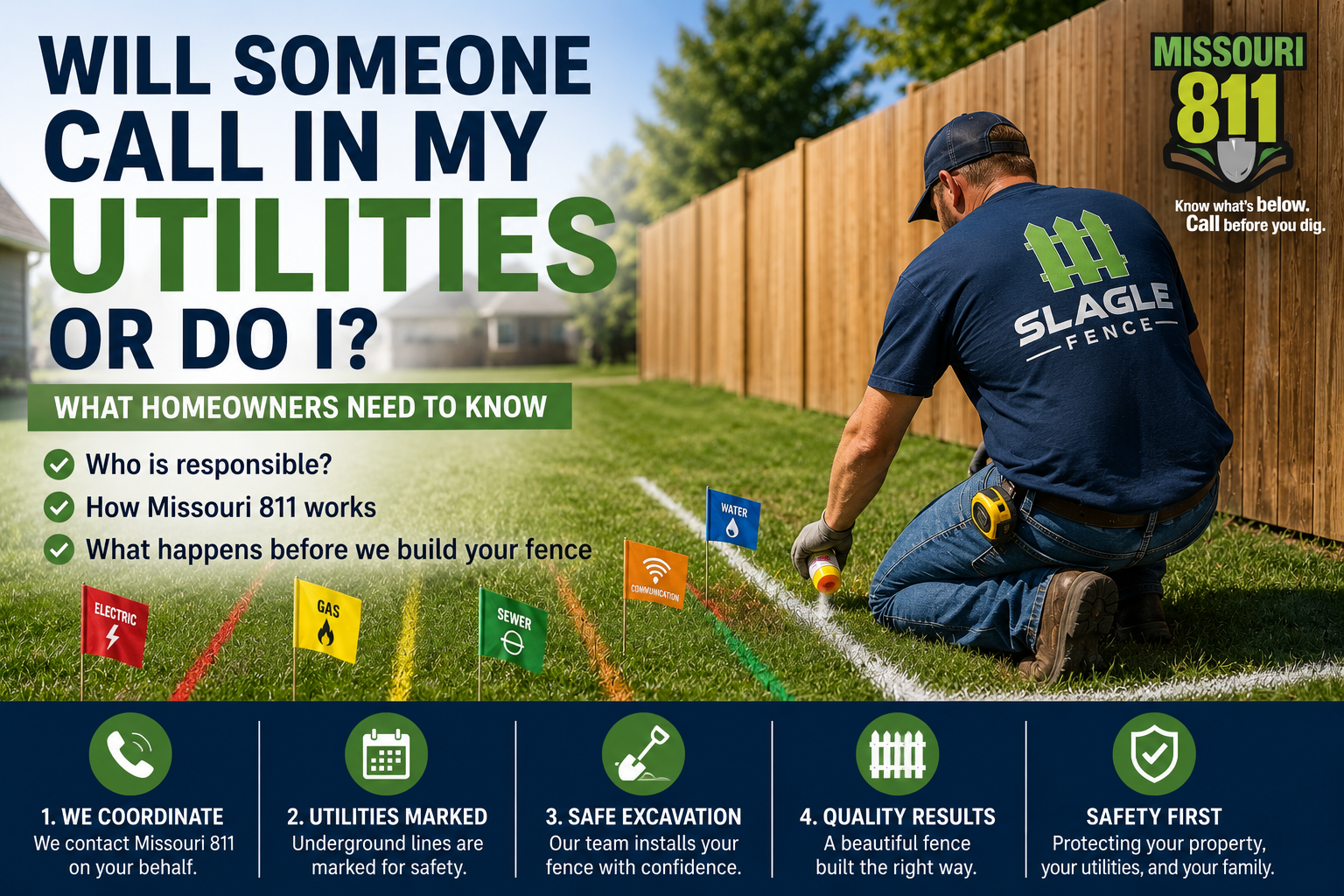
- Call 811 before digging.
- Discuss the project with neighboring property owners.
Working with an experienced fence contractor can also help ensure your fence is installed in the correct location.
Common Signs There May Be a Property Line Issue
You may want to investigate further if:
- Your fence doesn’t line up with neighboring fences.
- A new survey conflicts with the existing fence.
- A gate crosses onto your property.
- A retaining wall appears over the boundary.
- You discover missing survey pins.
- You’re buying or selling a home and questions arise during the inspection.
Frequently Asked Questions
Can my neighbor build directly on the property line?
In many cities, yes—but local ordinances, HOA rules, and easements may affect where a fence can be placed. Always verify local regulations before construction.
Is a property survey worth the cost?
Absolutely.
A survey can prevent thousands of dollars in future disputes, relocation costs, or legal fees by accurately identifying your property boundaries before a fence is installed.
What if we both thought the fence was in the right place?
This is very common.
Many boundary disputes result from honest mistakes rather than intentional actions. A survey provides an objective starting point for resolving the issue.
Final Thoughts
Discovering that a neighbor’s fence may be on your property can be frustrating, but it’s a situation that should be handled with patience and accurate information—not assumptions.
The most important steps are to verify the property line with a licensed surveyor, have a respectful conversation with your neighbor, and work toward a practical solution. In many cases, a simple discussion and a shared understanding of the survey are enough to resolve the issue.
If you’re planning a new fence, taking the time to verify your property boundaries before construction is one of the smartest investments you can make. It helps protect your property, preserves good neighbor relationships, and gives you confidence that your new fence is built exactly where it belongs.