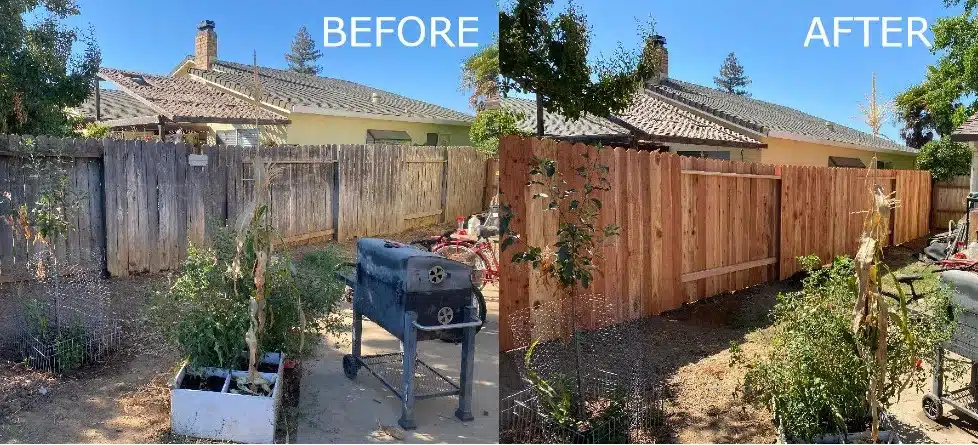
Should I Repair or Replace My Fence?
A damaged fence can leave homeowners wondering:
“Should I fix what I have, or is it time for a full replacement?”
This is one of the most common questions homeowners face after years of weather exposure, storm damage, aging materials, or changing needs.
While a simple repair can sometimes extend the life of your fence, there are situations where investing in a complete replacement makes more financial sense.
The right choice depends on: 
- Age of your fence
- Amount of damage
- Type of material
- Cost of repairs
- Desired appearance
- Future maintenance
- Safety concerns
A fence is a major part of your property’s function and appearance, so understanding when to repair versus replace can help you make a smarter investment.
When Should I Repair My Fence?
Fence repairs are usually the best option when the damage is localized and the overall structure is still strong.
Repair may be the right choice if:
✅ Only a few boards are damaged
✅ One or two posts are leaning
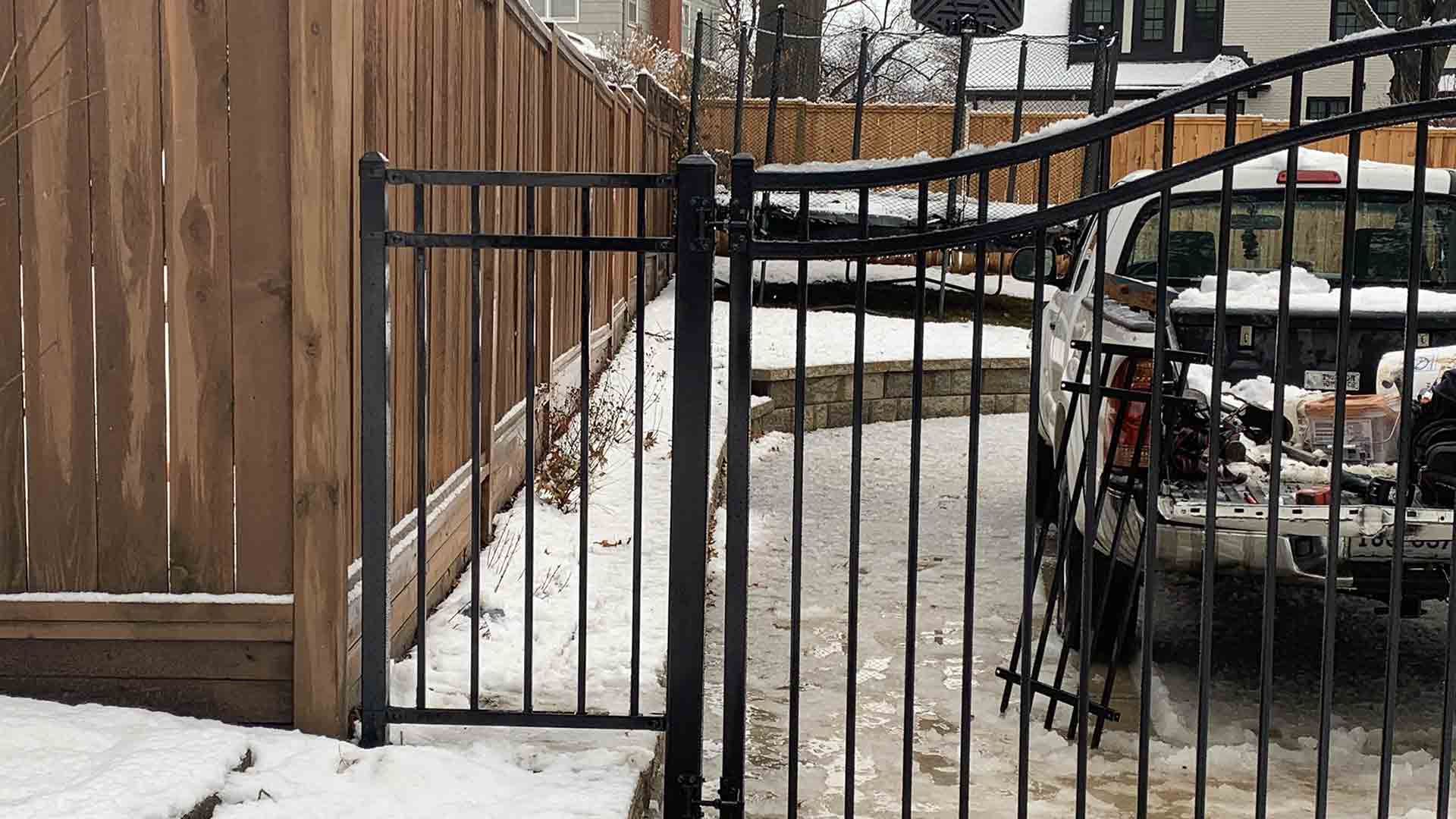
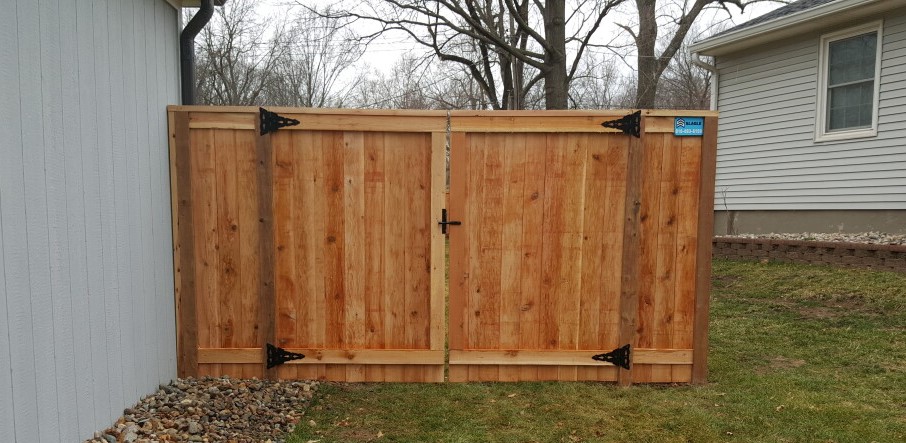
✅ A gate needs adjustment
✅ A small section was damaged by weather
✅ The fence is relatively new
✅ The foundation is still solid
Common Fence Problems That Can Be Repaired
1. Damaged or Broken Fence Boards
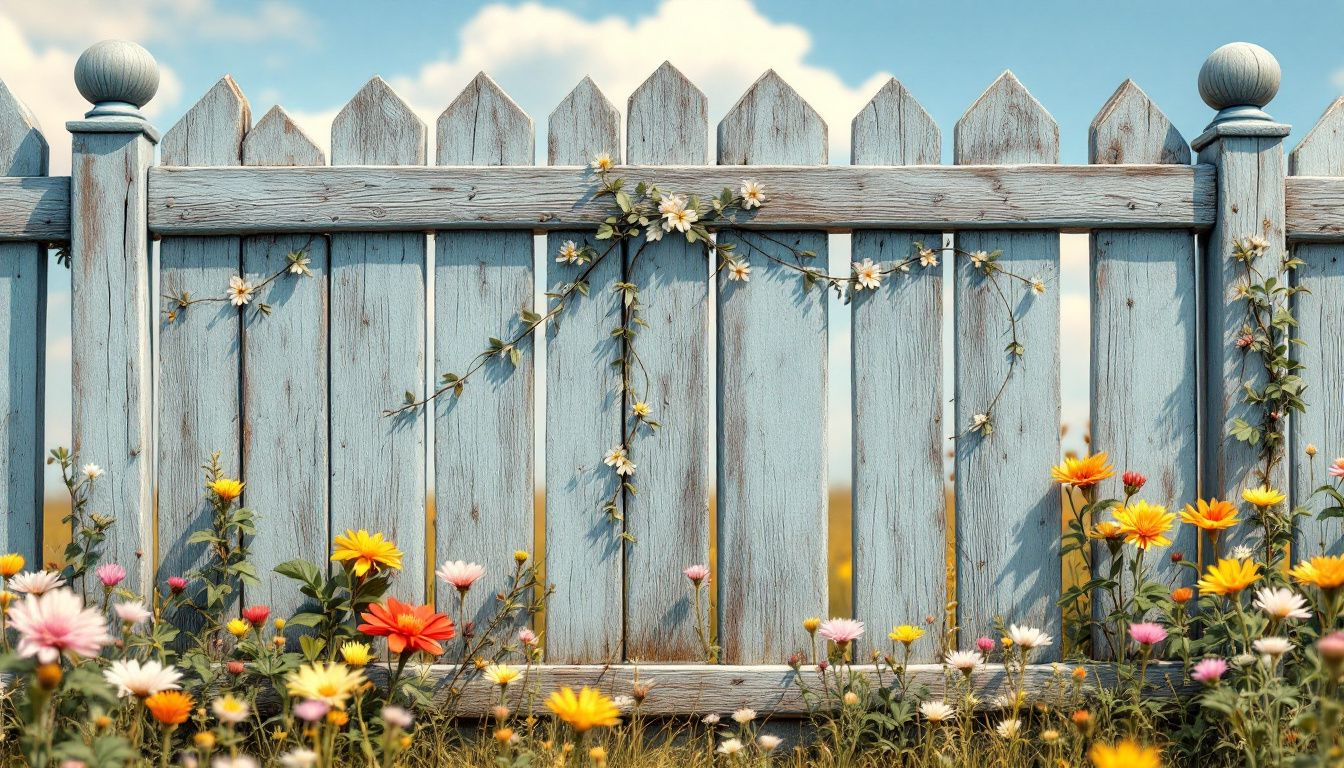
For wood fences, replacing individual pickets or boards is one of the most common repairs.
Examples:
- Cracked cedar boards
- Warped pickets
- Broken sections
- Storm damage
If the rest of the fence is healthy, replacing damaged boards can restore the appearance without replacing the entire fence.
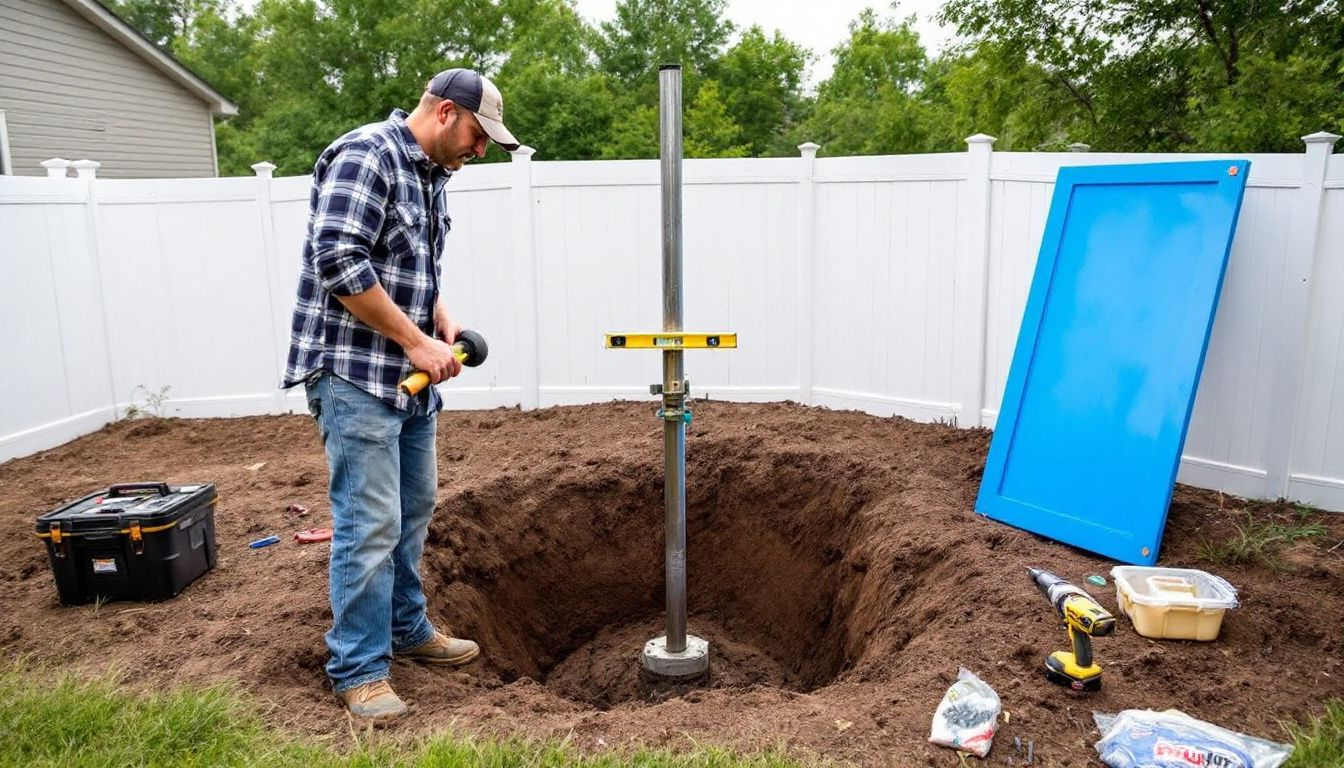
2. Leaning Fence Posts
A leaning fence does not always mean the entire fence needs replacement.
A professional may be able to:
- Reset the post
- Replace damaged concrete
- Reinforce the post
However, multiple leaning posts may indicate a larger structural problem.
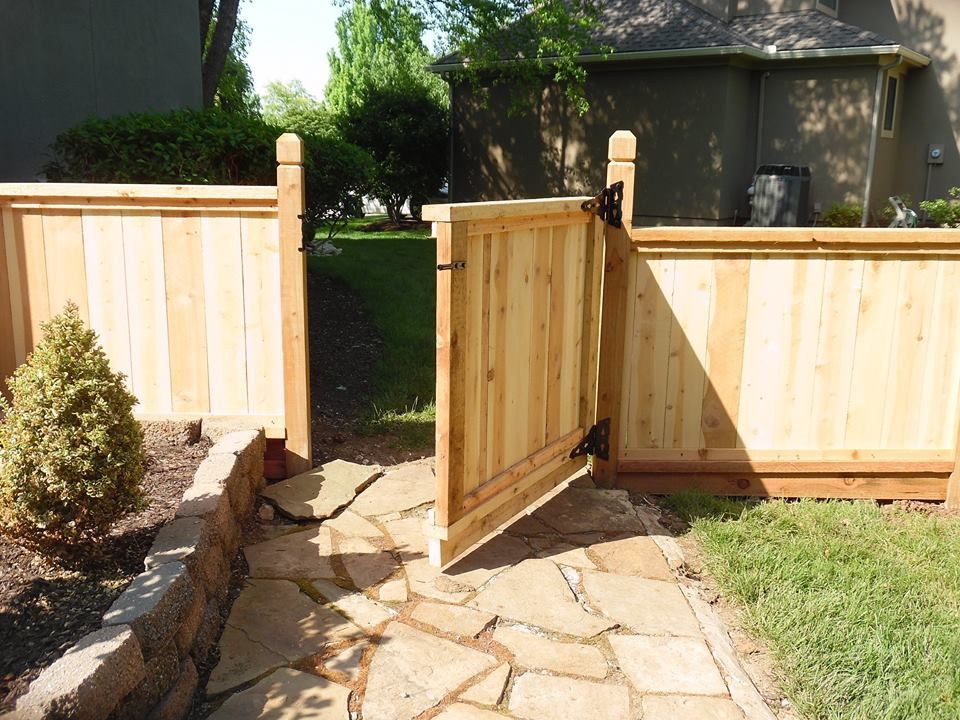
3. Gate Problems
Gates are one of the most frequently repaired parts of a fence.
Common issues include:
- Sagging gates
- Broken hinges
- Faulty latches
- Misalignment
A gate repair may be all your fence needs to function properly again.
4. Small Storm Damage
Midwest storms can cause:
- Fallen branches
- Wind damage
- Broken sections
- Loose panels
If damage is limited to one area, repair is often the most cost-effective option.
When Should I Replace My Fence?
A full replacement is usually the better option when the fence has reached the end of its useful life or repairs are becoming frequent.
Consider replacement if:
❌ Multiple sections are failing
❌ Posts are rotting
❌ Fence is leaning throughout the yard
❌ Repairs cost nearly as much as replacement
❌ The fence no longer meets your needs
❌ You want a different style or material
Signs Your Fence May Need Replacement
1. Rotting Wood Posts
The posts are the foundation of your fence.
If posts are:
- Soft
- Cracked
- Rotting at the base
- Loose in the ground
replacement is often the better solution.
Replacing individual boards while keeping failing posts usually only delays the problem.
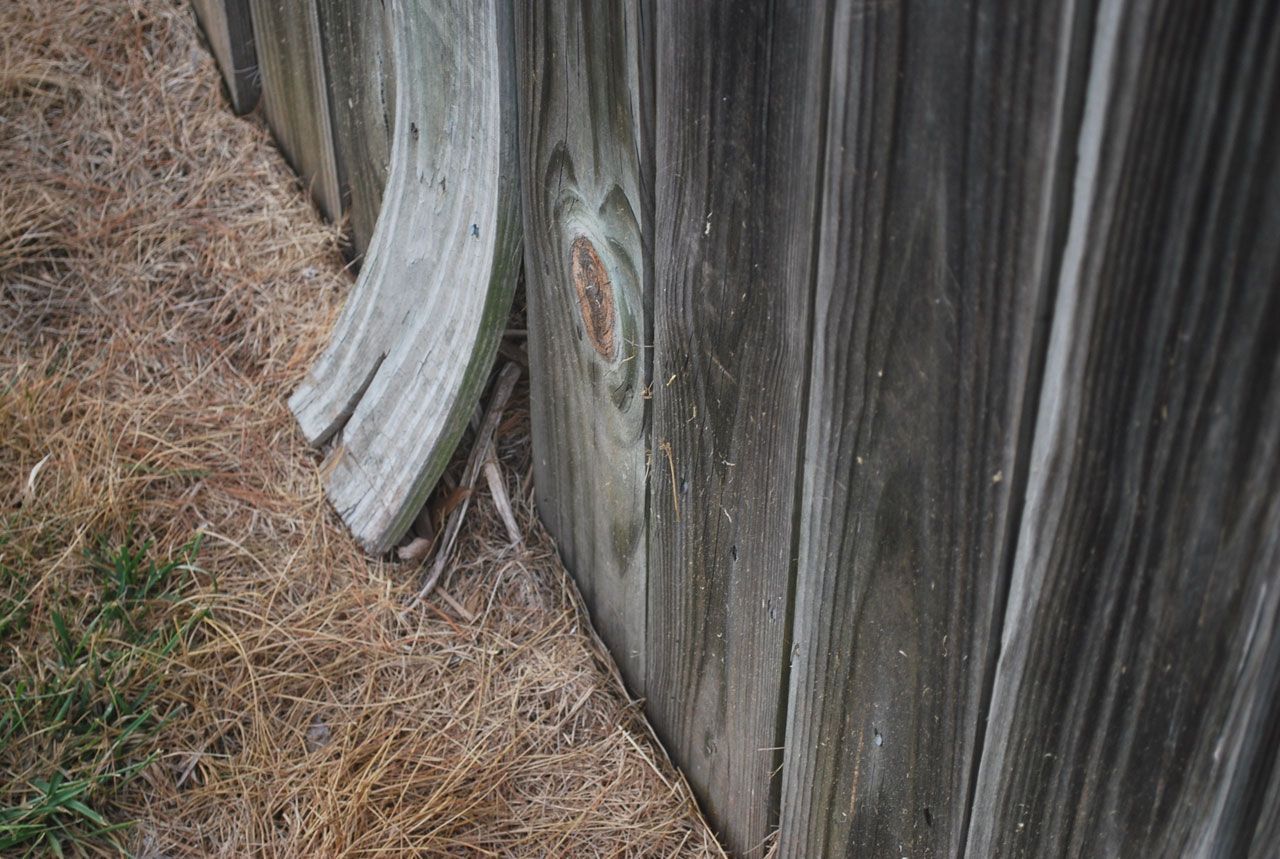
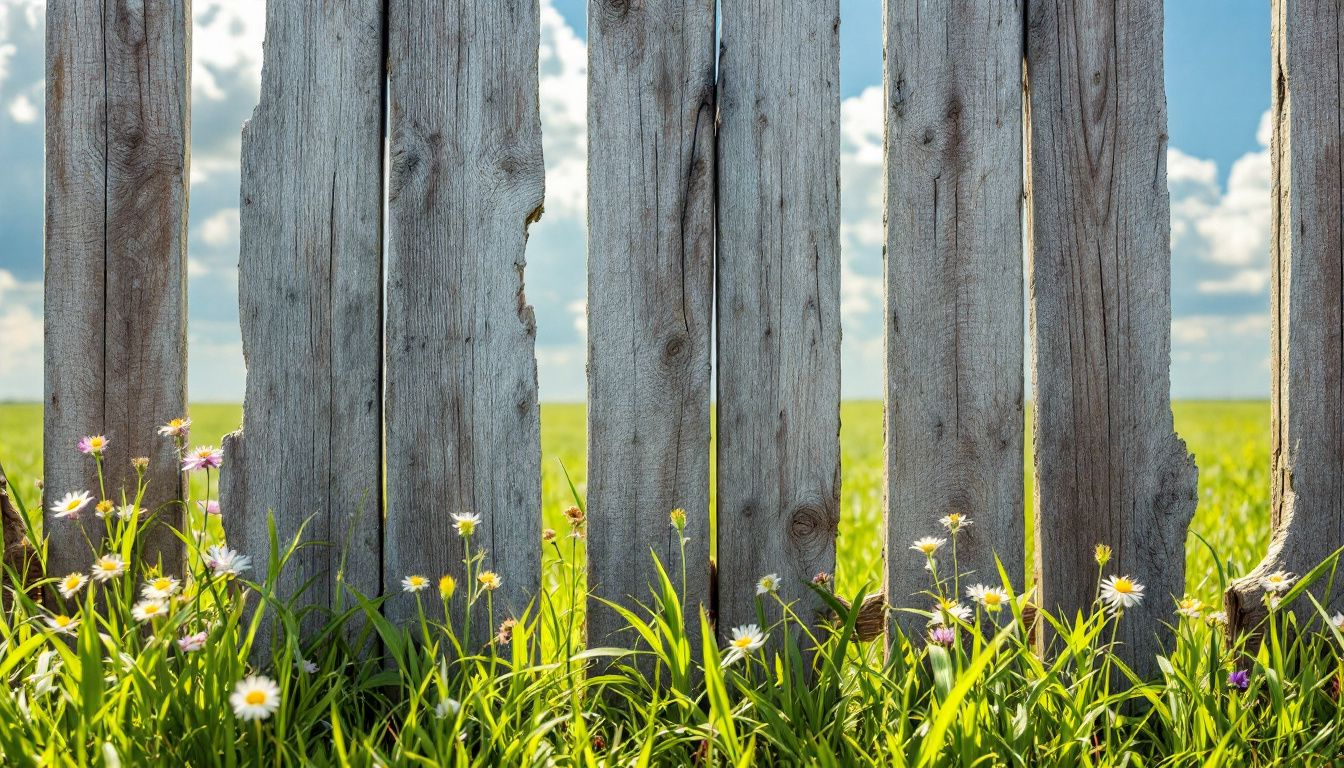
2. Extensive Wood Damage
Wood fences naturally age over time.
Signs include:
- Widespread cracking
- Warping
- Splitting
- Rot
- Discoloration
If large portions of the fence are damaged, replacement often provides better long-term value.
3. Frequent Repairs
If you find yourself repairing your fence every year, it may be time to replace it.
Repeated repairs can add up quickly.
Ask yourself:
“Am I putting money into a fence that is nearing the end of its lifespan?”
4. Your Fence No Longer Meets Your Needs
Sometimes replacement is not about damage.
Homeowners replace fences because they want:
- More privacy
- Better curb appeal
- Pet safety
- Pool compliance
- Updated style
Examples:
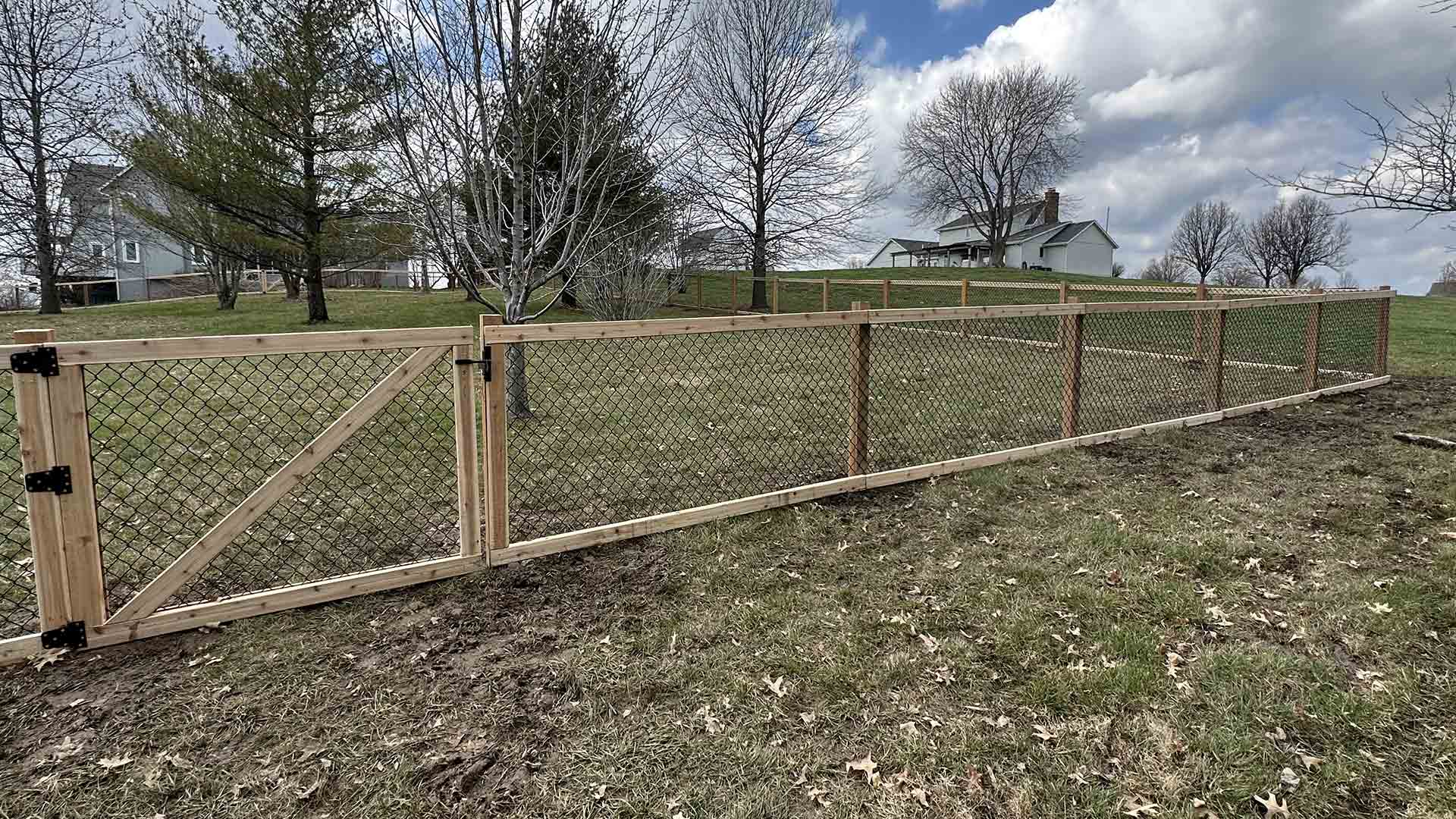
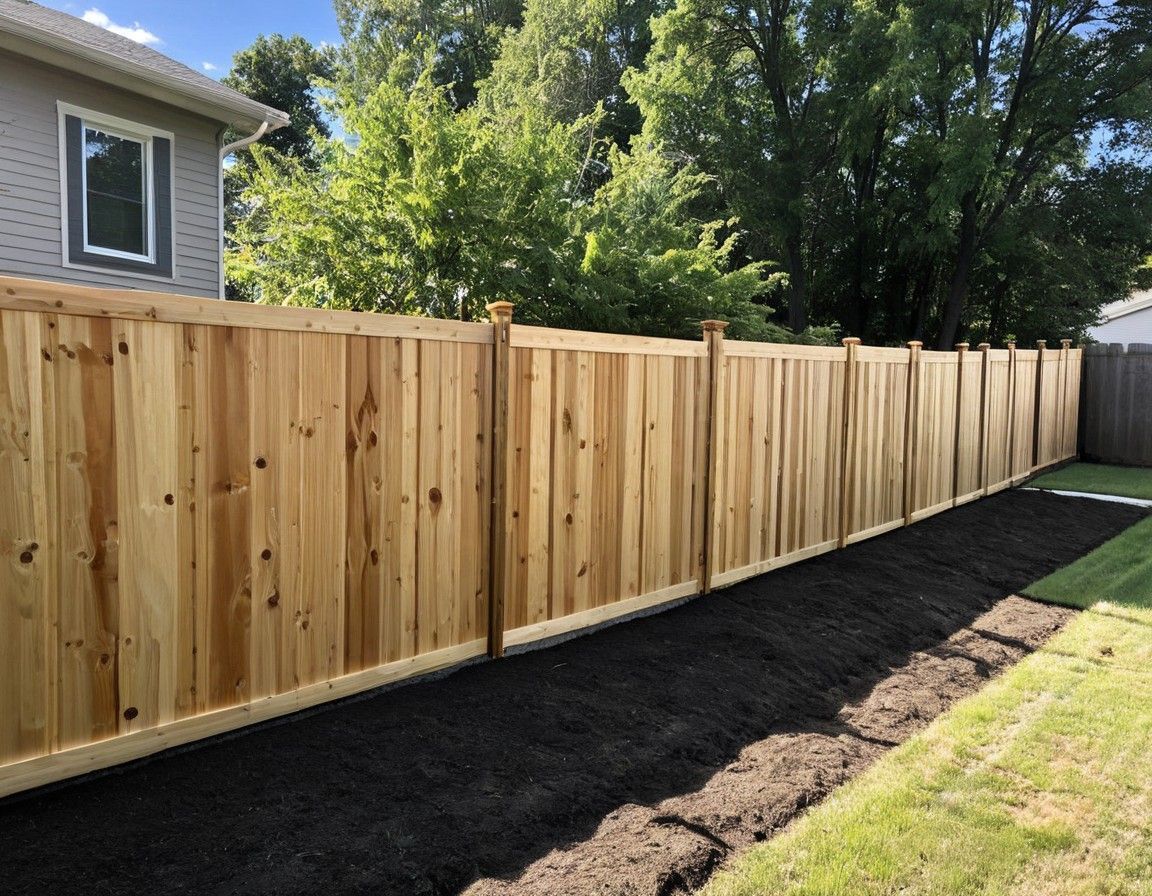
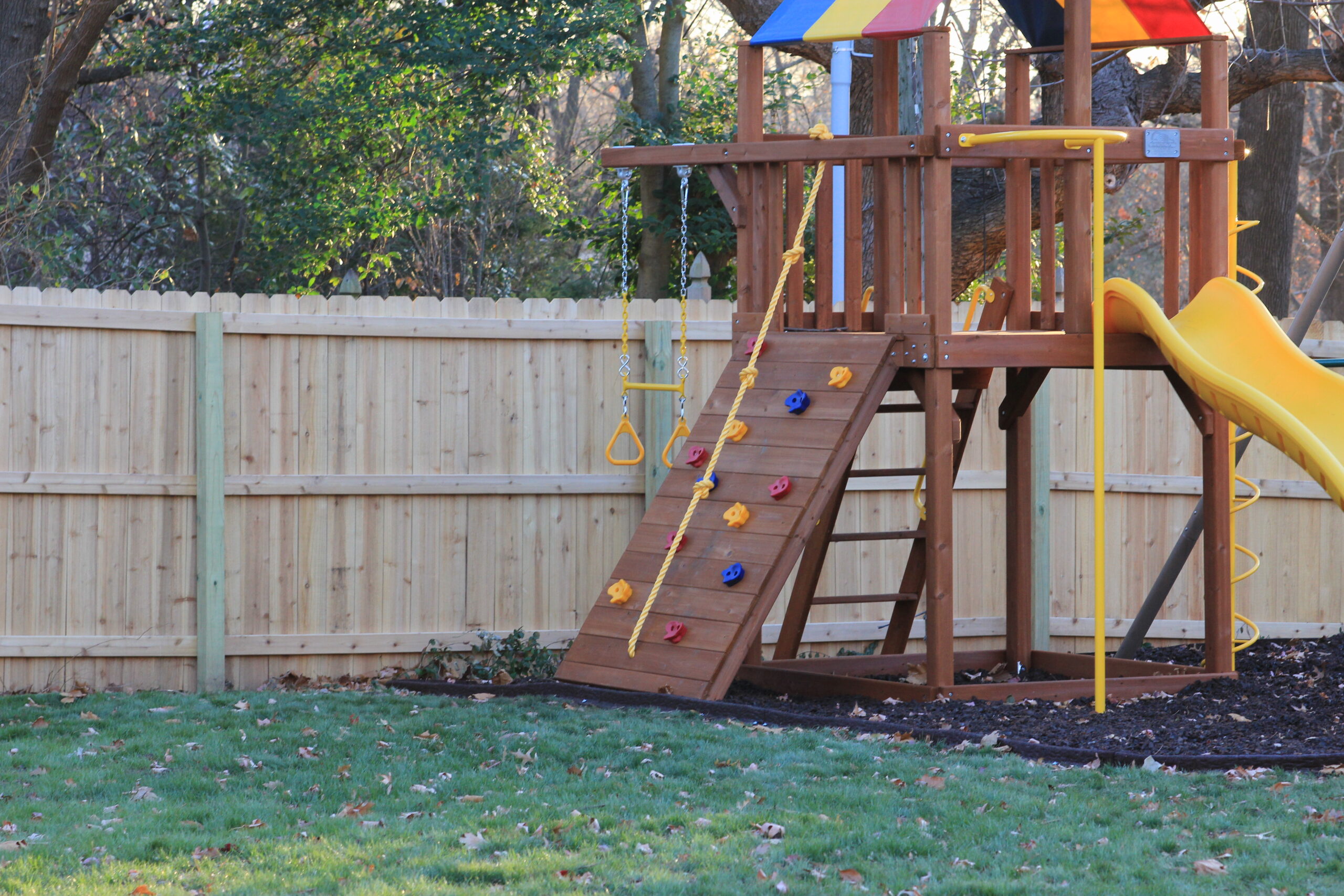
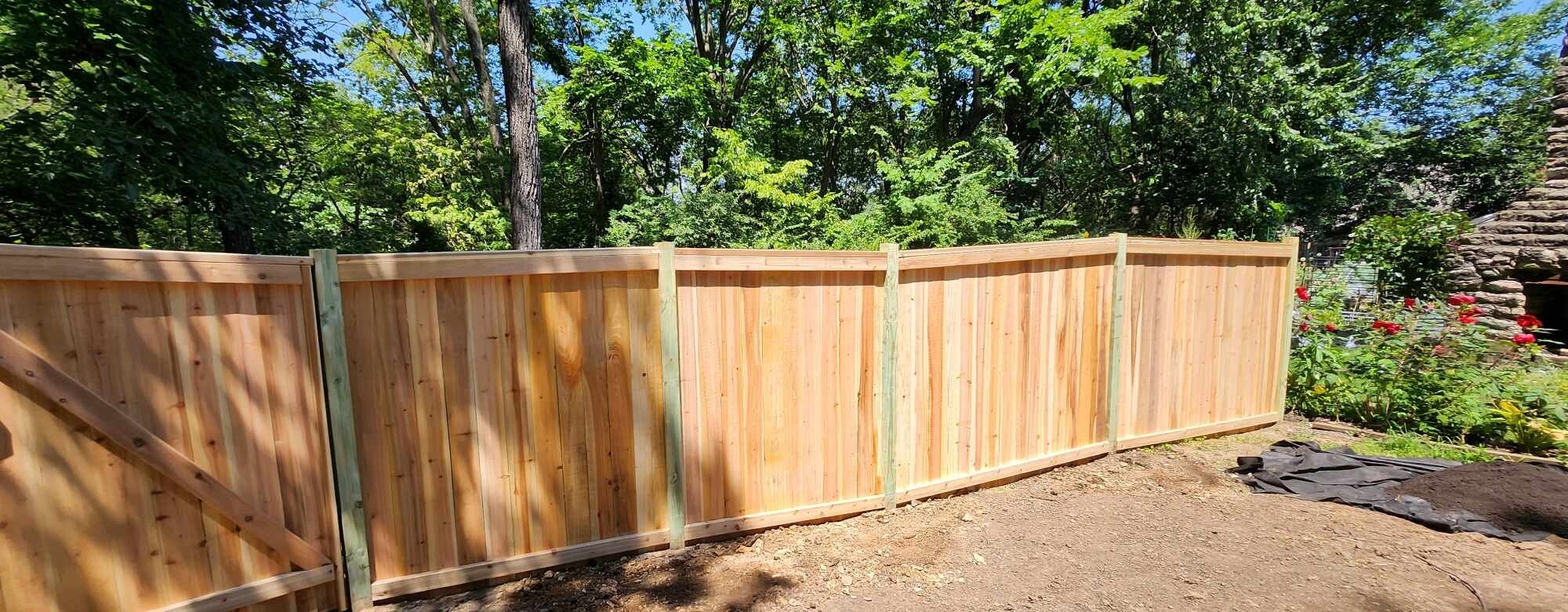
Replacing a 4-foot chain link fence with a 6-foot cedar privacy fence.
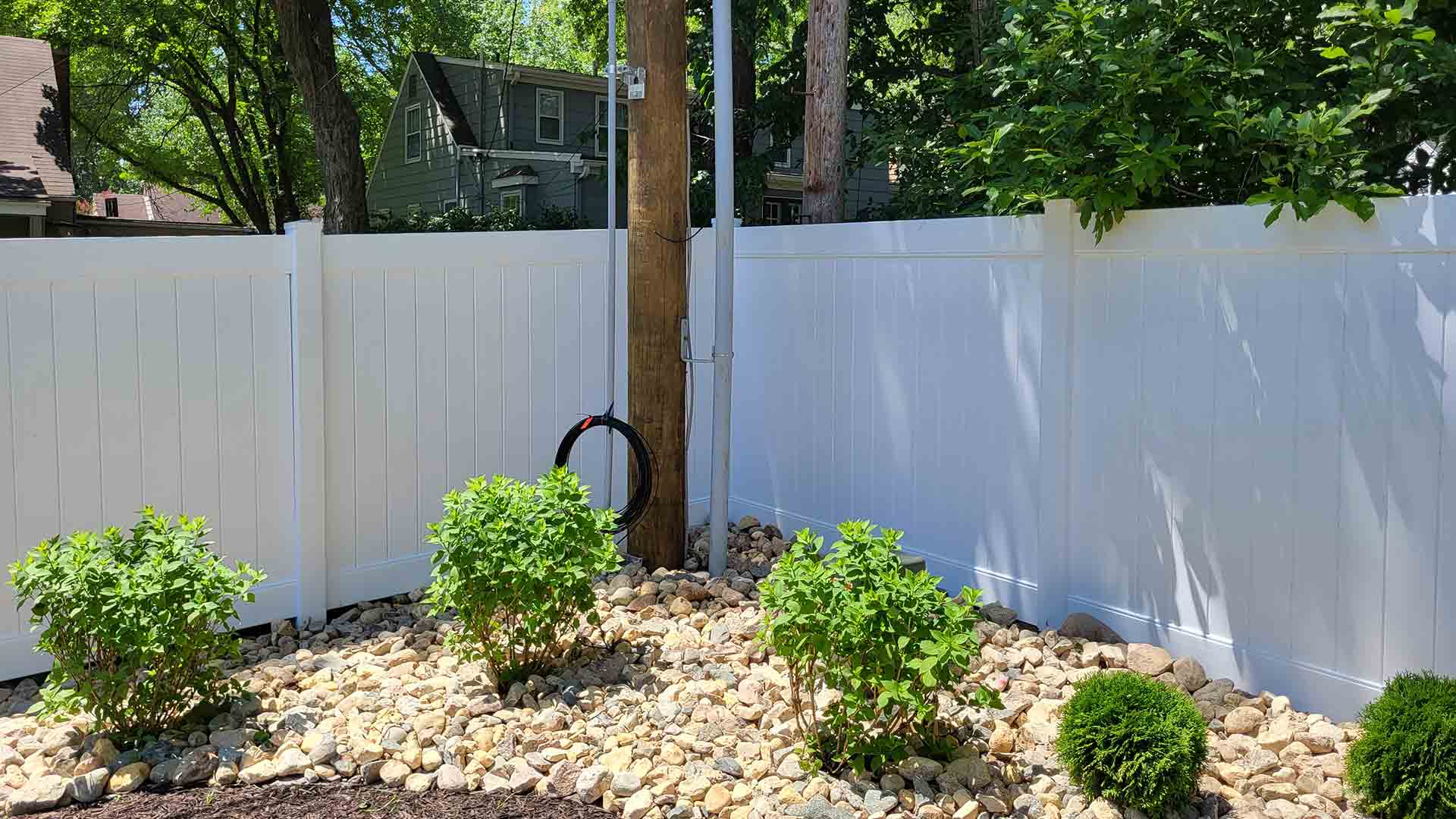
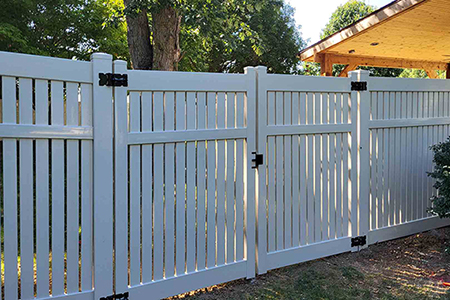
Replacing an old wood fence with low-maintenance vinyl.
Repair vs Replacement: Cost Considerations
The cheapest option today is not always the most affordable option long-term.
Fence Repair
Best when:
✔ Damage is limited
✔ Fence is structurally sound
✔ You need a short-term solution
Fence Replacement
Best when:
✔ Fence is aging
✔ Damage is widespread
✔ You want improved durability
✔ You want a new style
Compare the Long-Term Value
Repair Example
You spend money replacing:
- Several boards
- A few posts
- Gate hardware
But the remaining fence is still aging.
More repairs may be needed later.
Replacement Example
A new fence provides:
- Updated appearance
- Stronger materials
- New posts
- Better installation
- Lower maintenance
A replacement may cost more initially but can provide better value over decades.
How Long Do Different Fence Types Last?
Average fence lifespans:
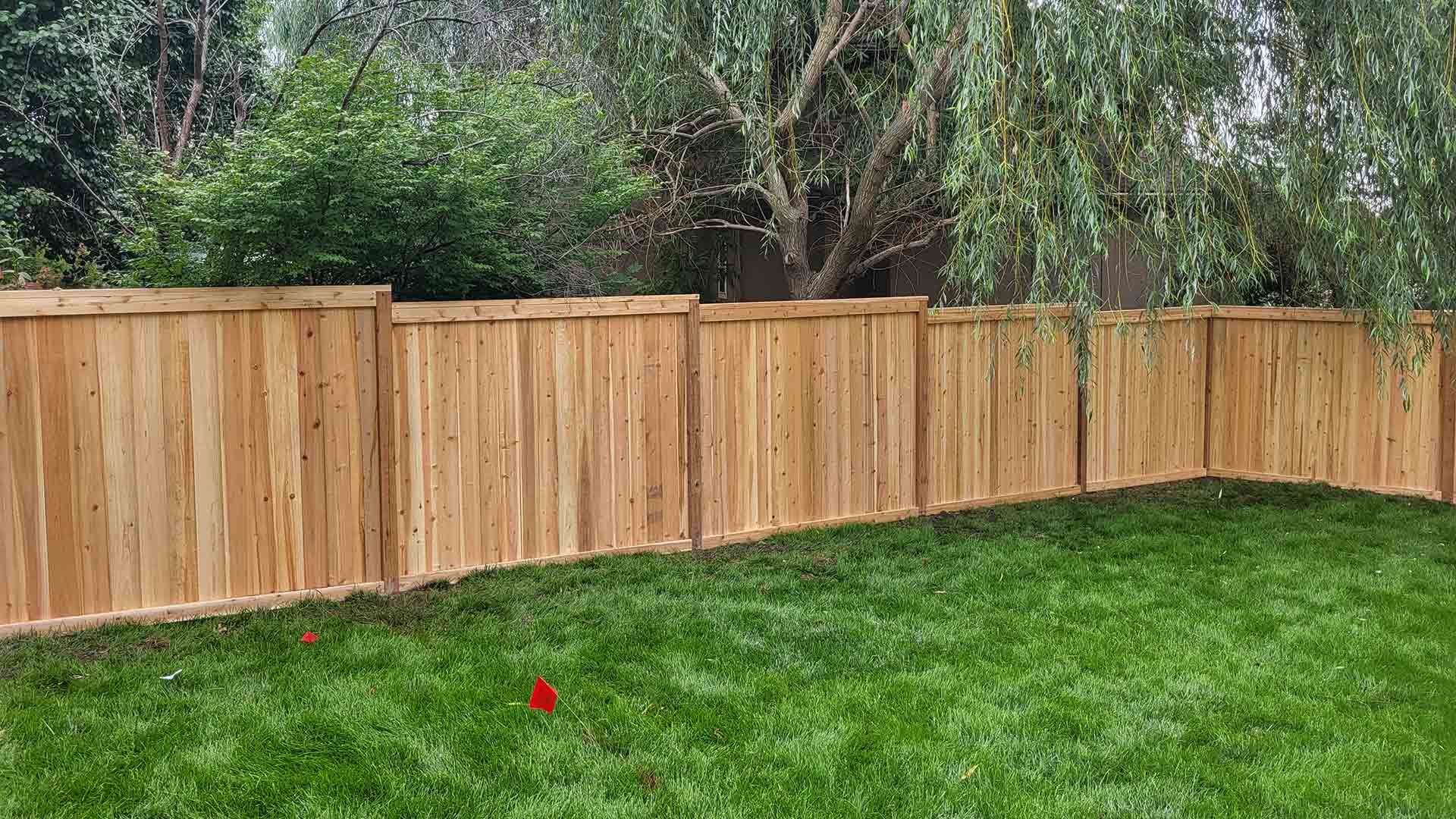
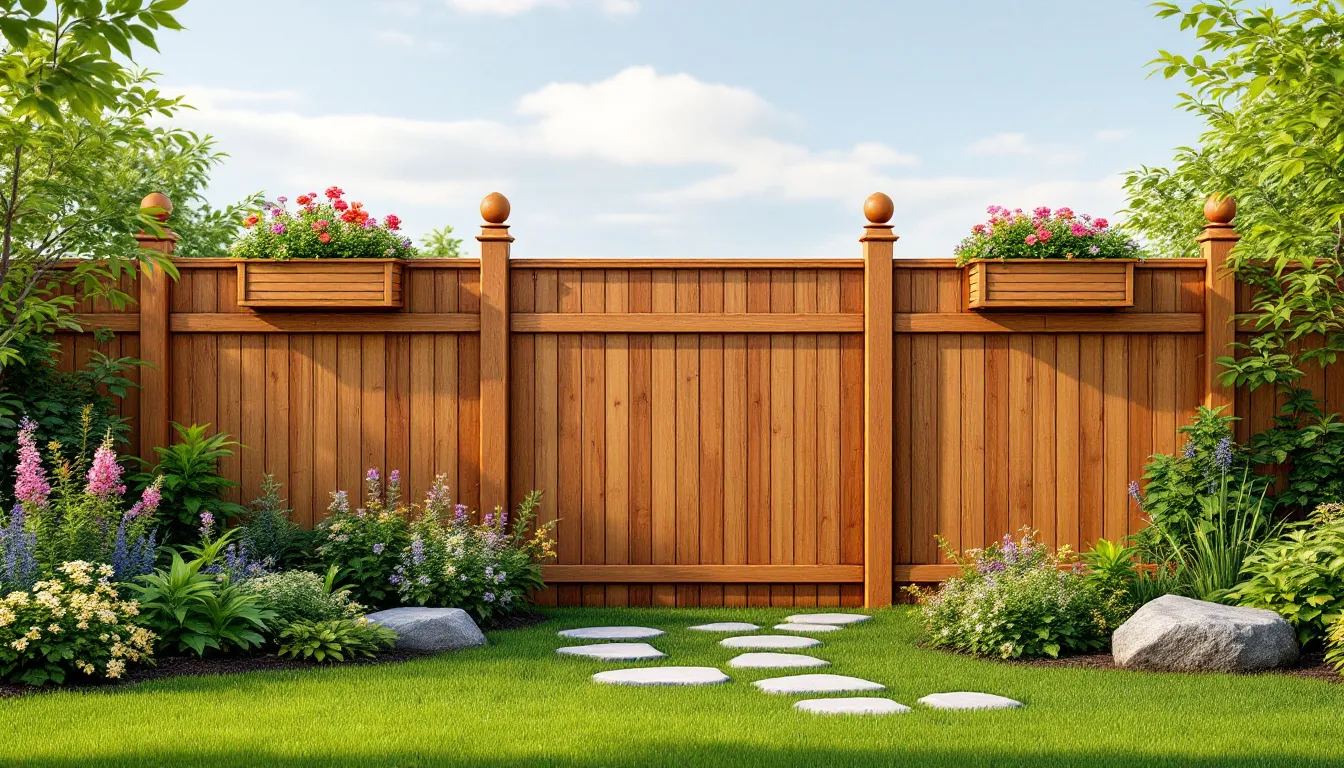
Cedar Fence
15–25+ years
With proper staining and maintenance, cedar can provide decades of service.
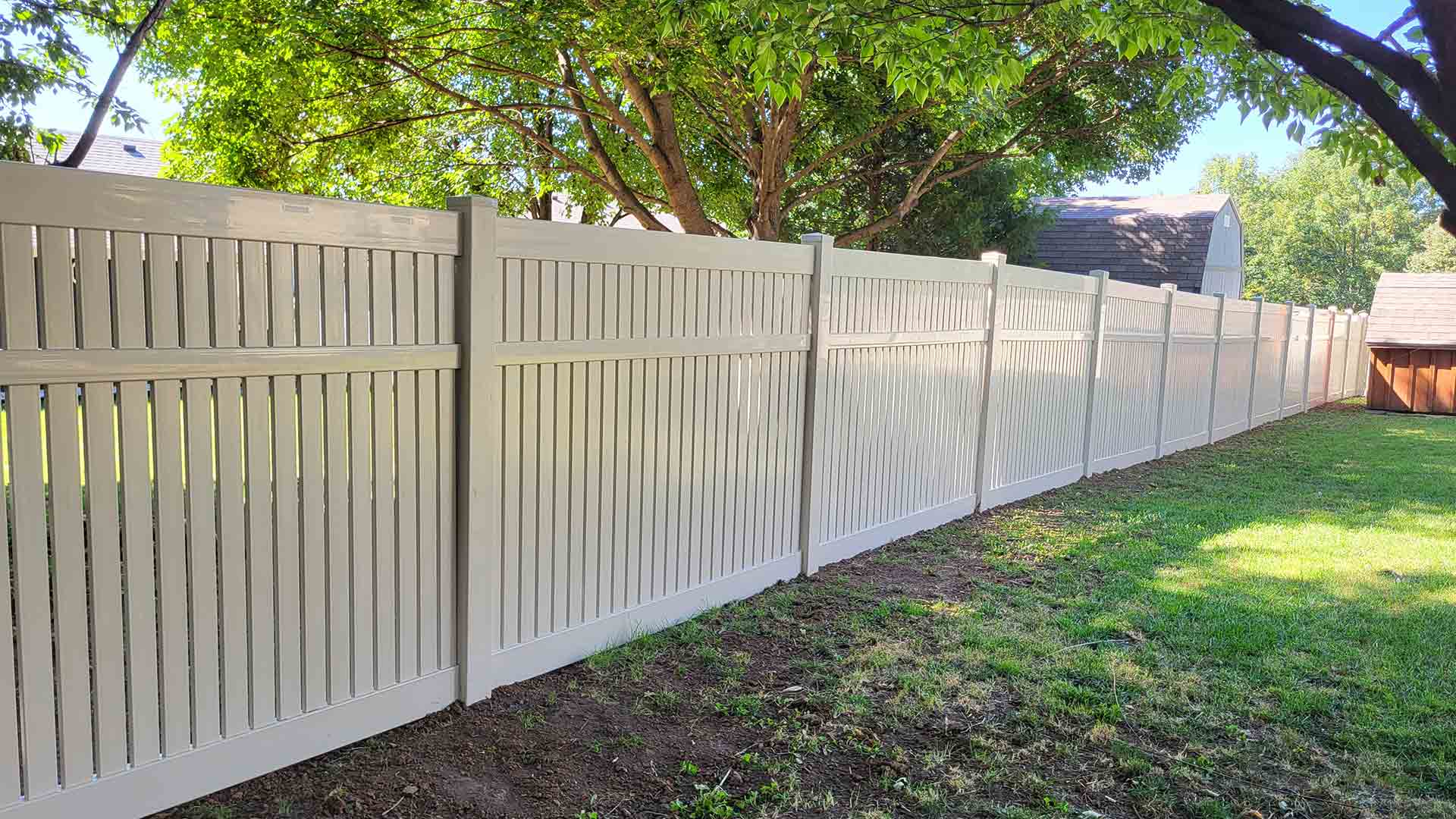
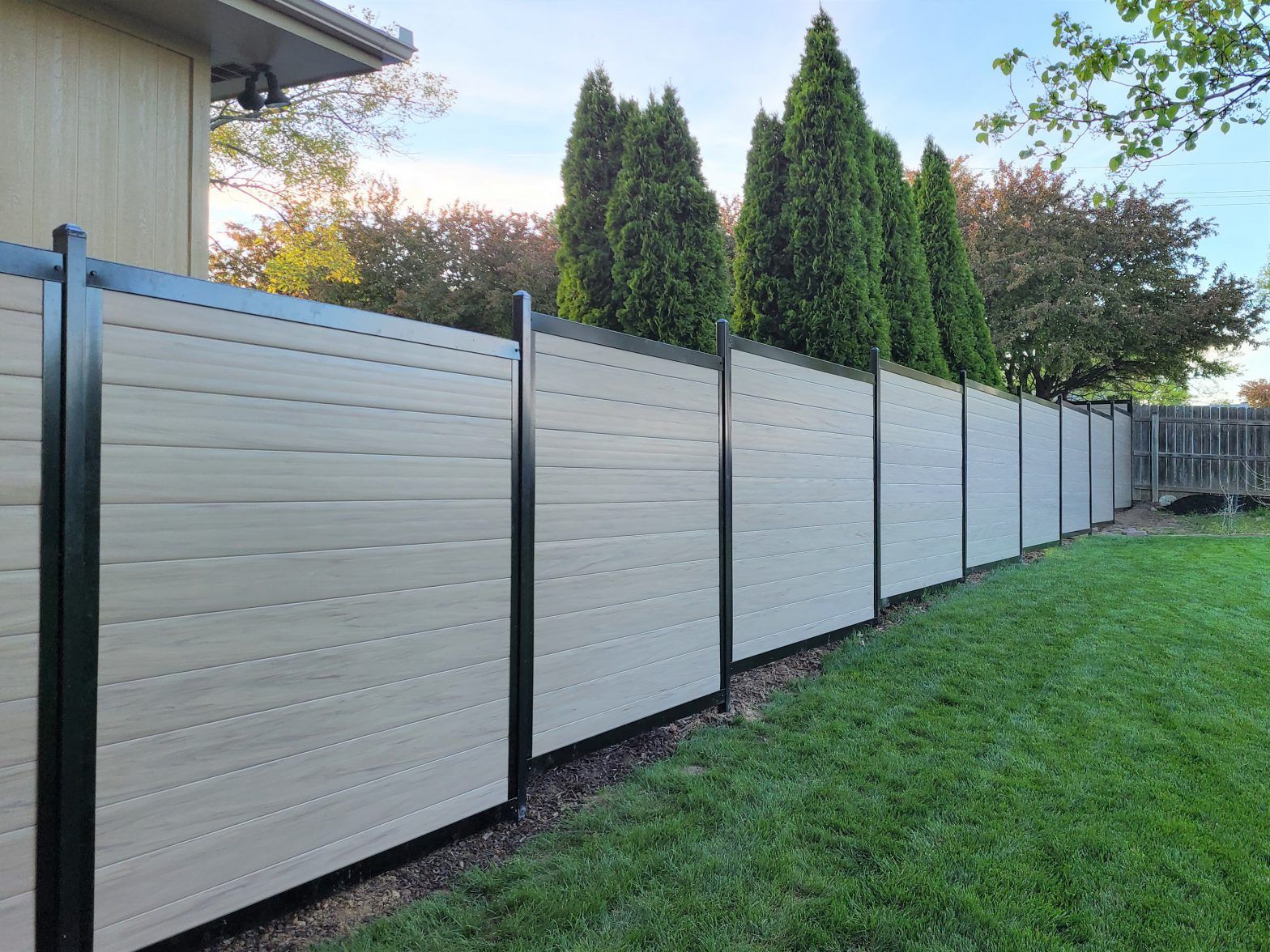
Vinyl Fence
25–50+ years
Vinyl is popular for homeowners wanting minimal maintenance.
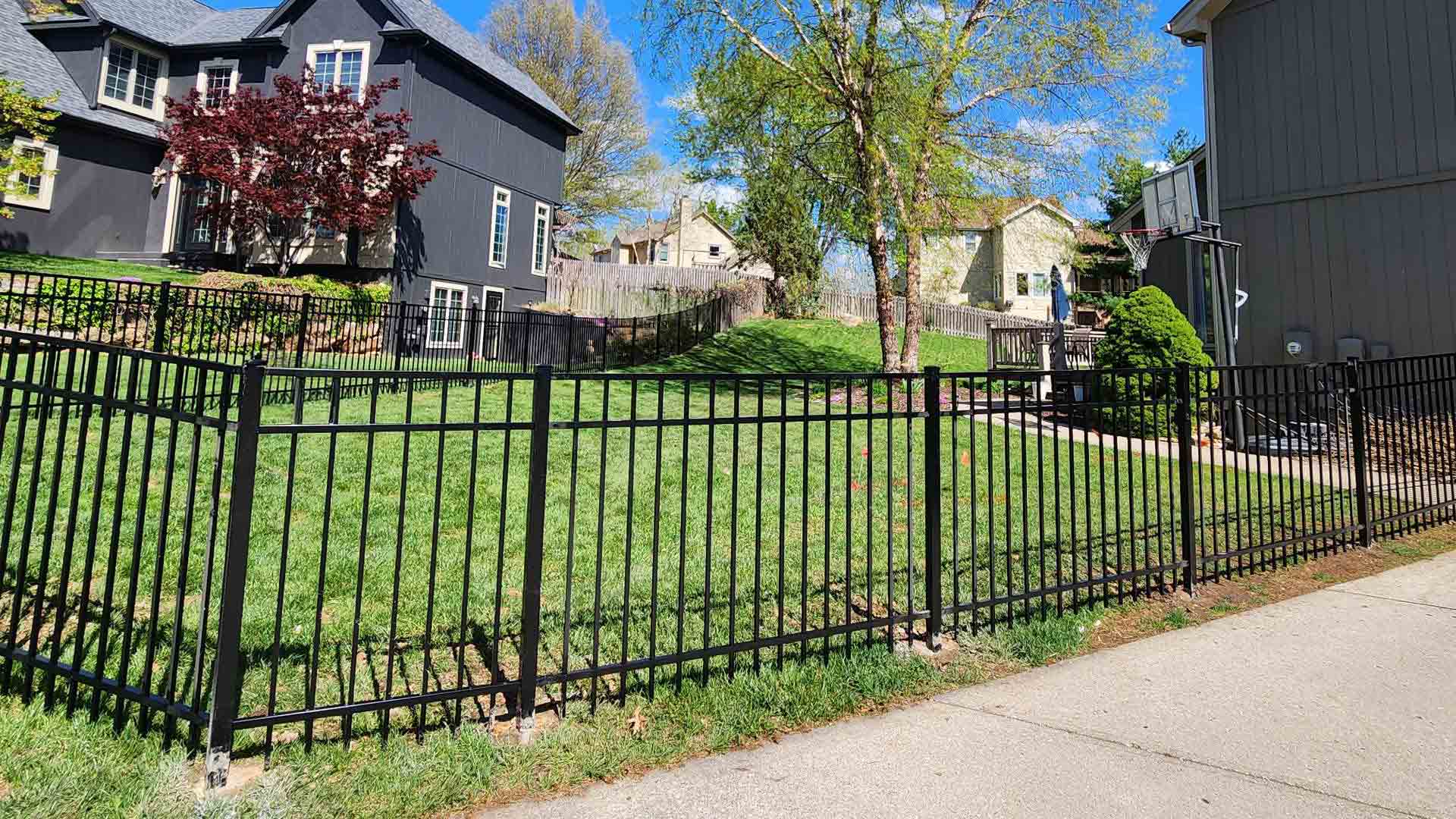
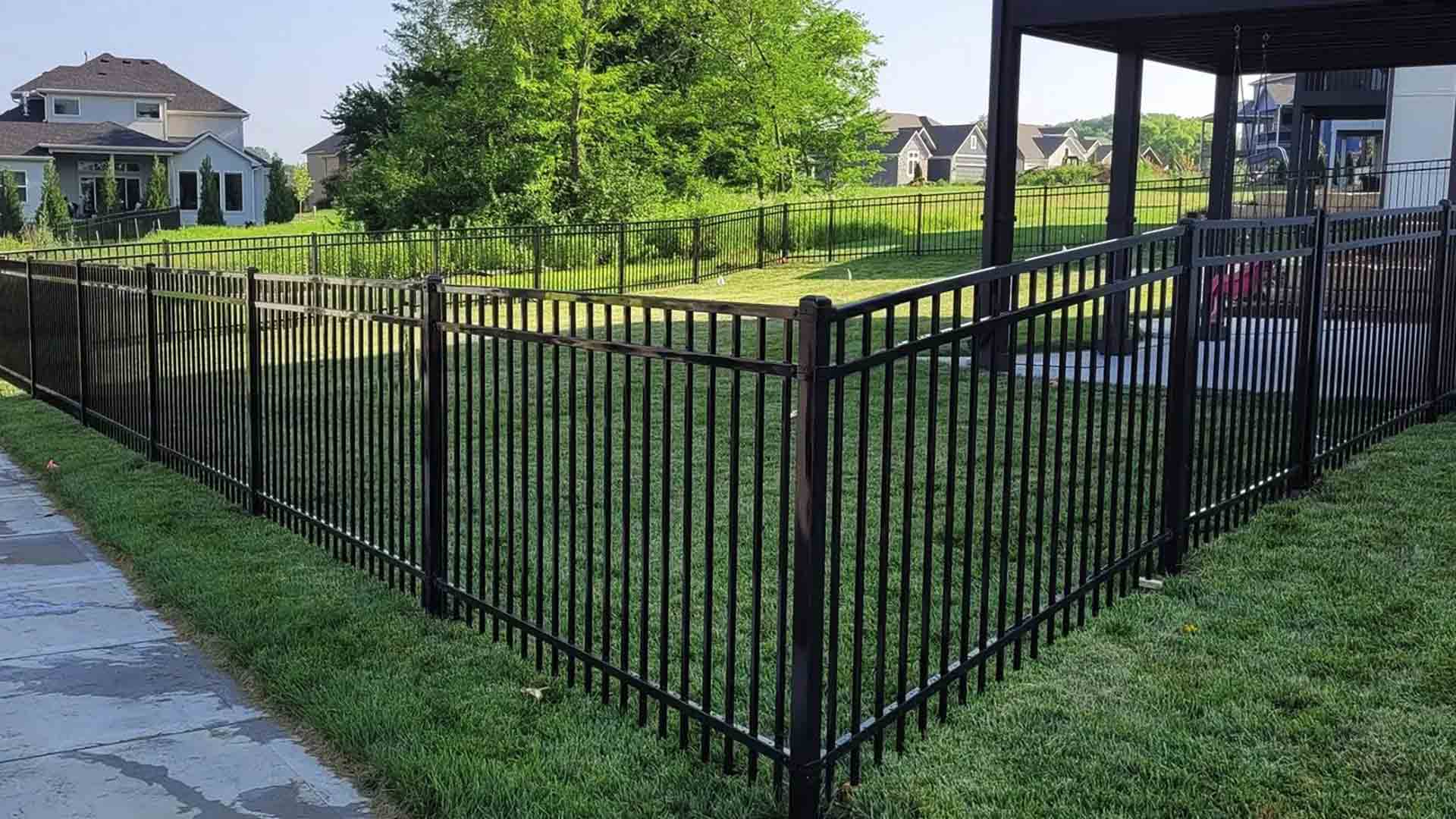
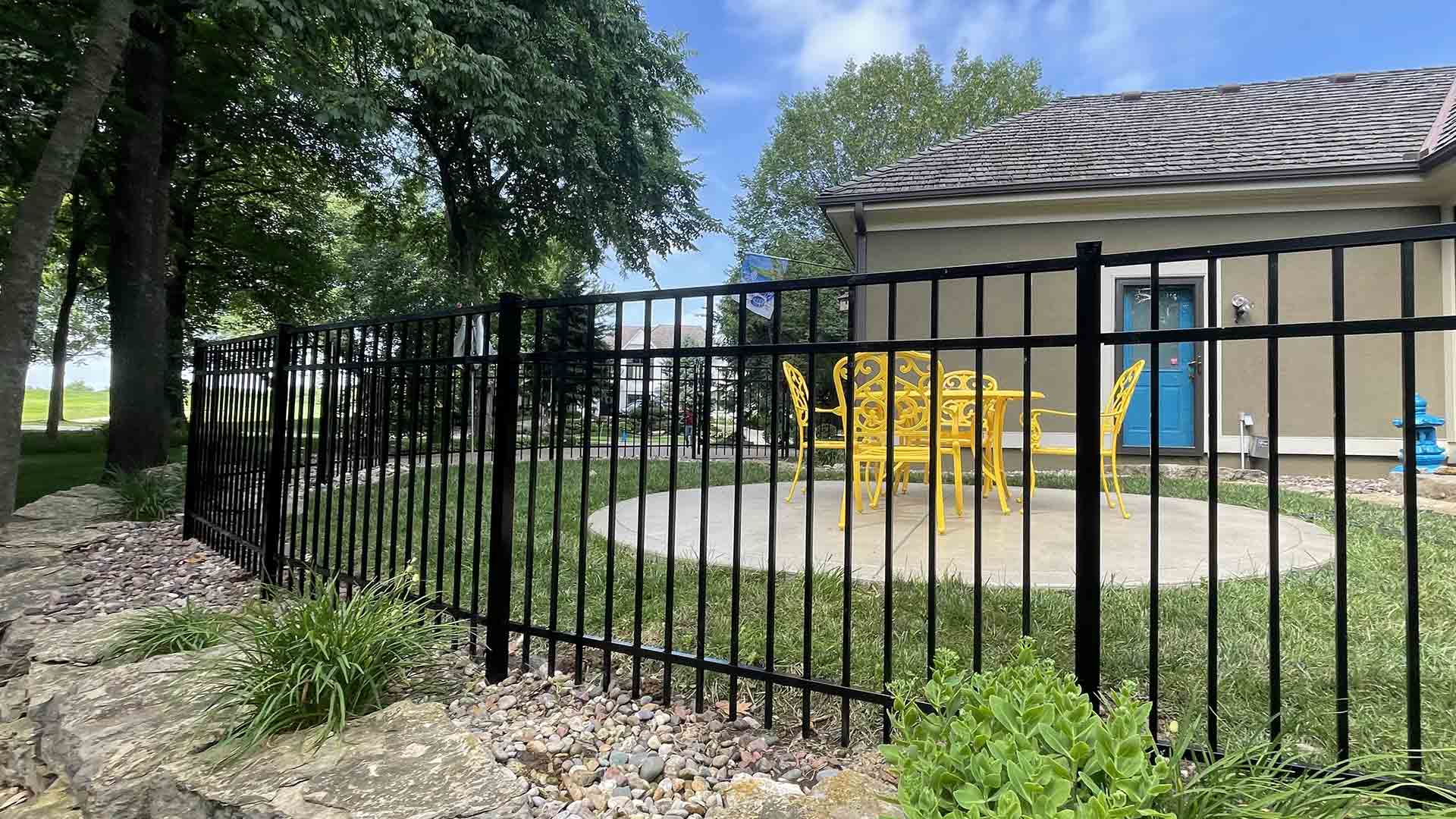
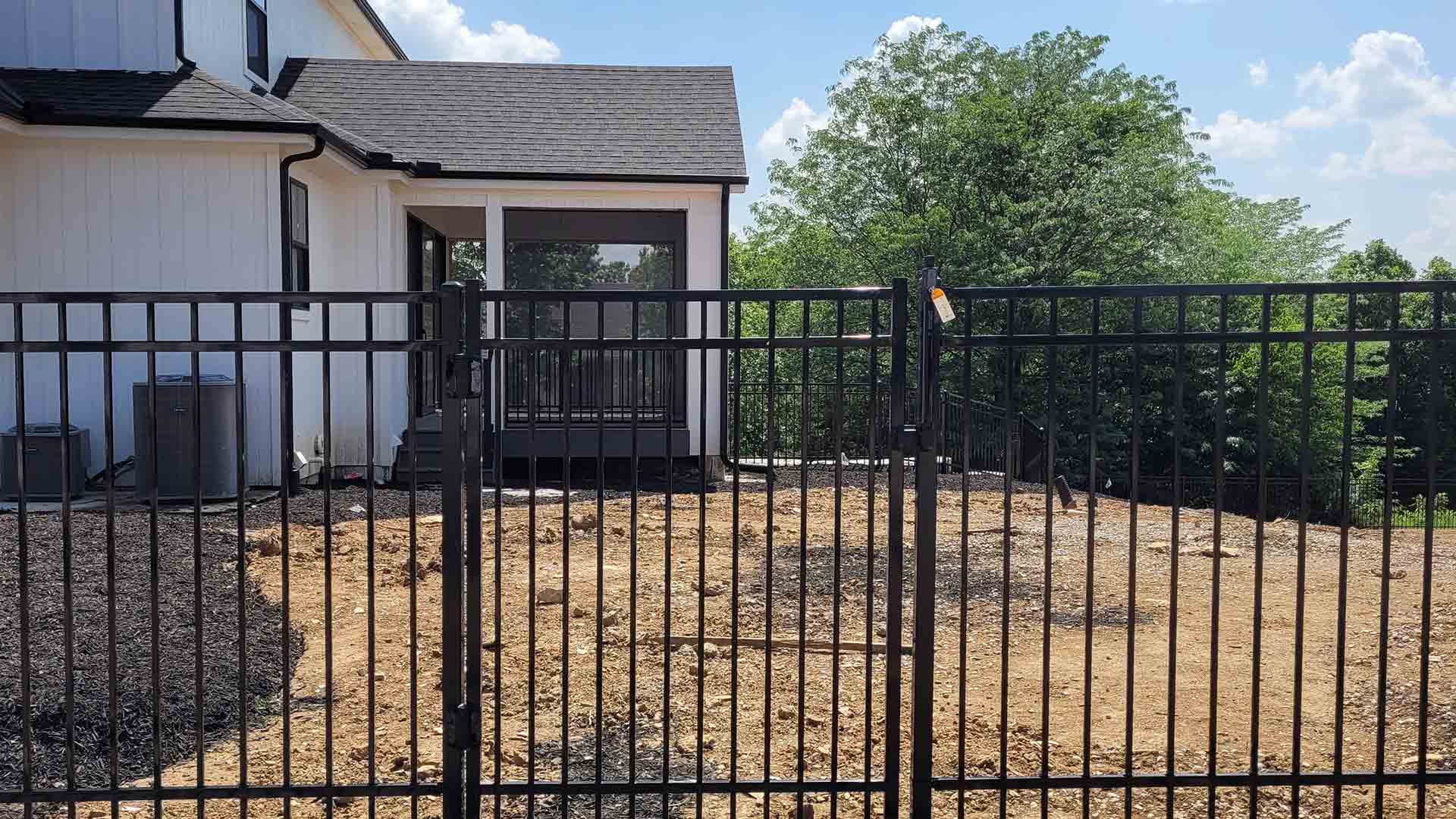
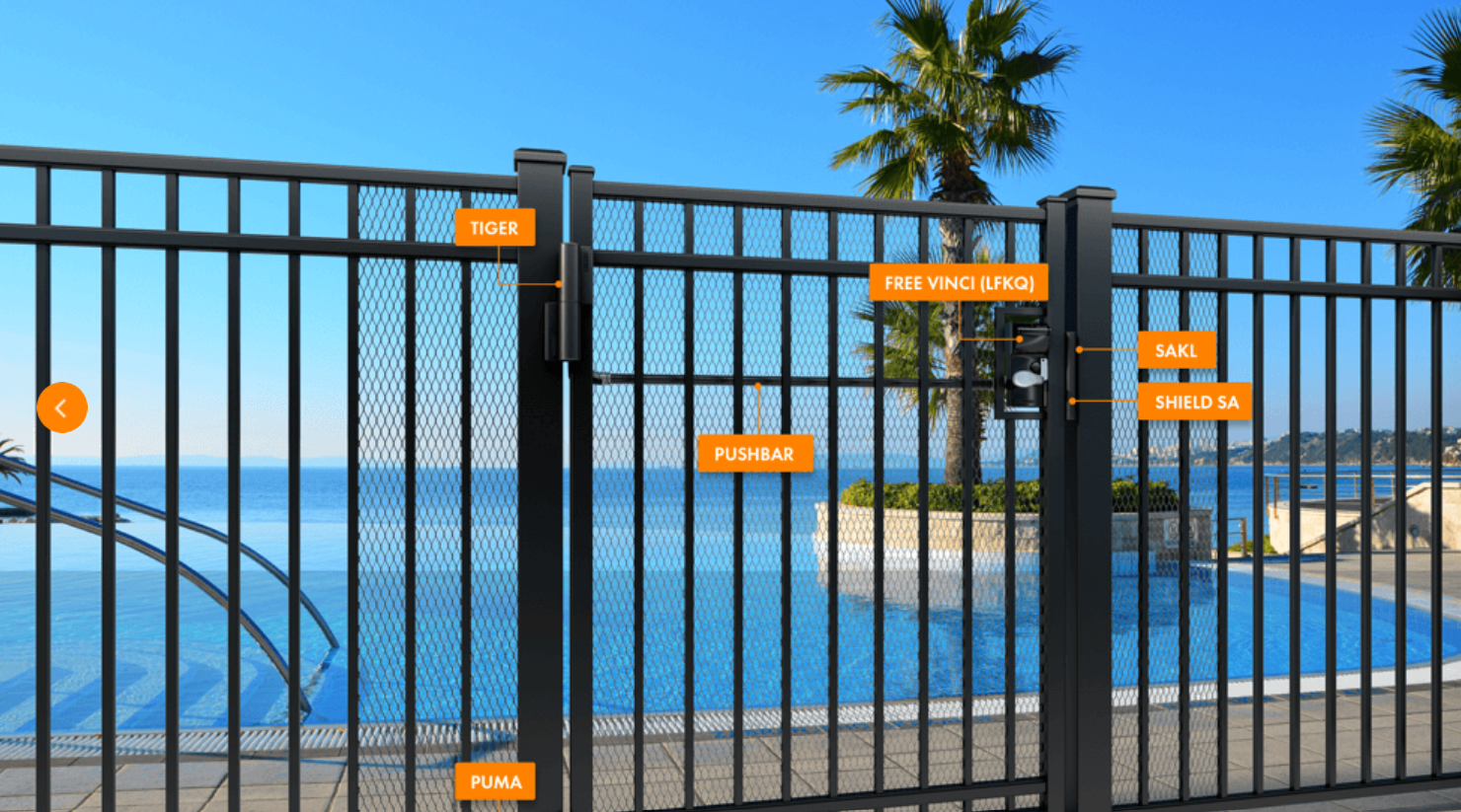
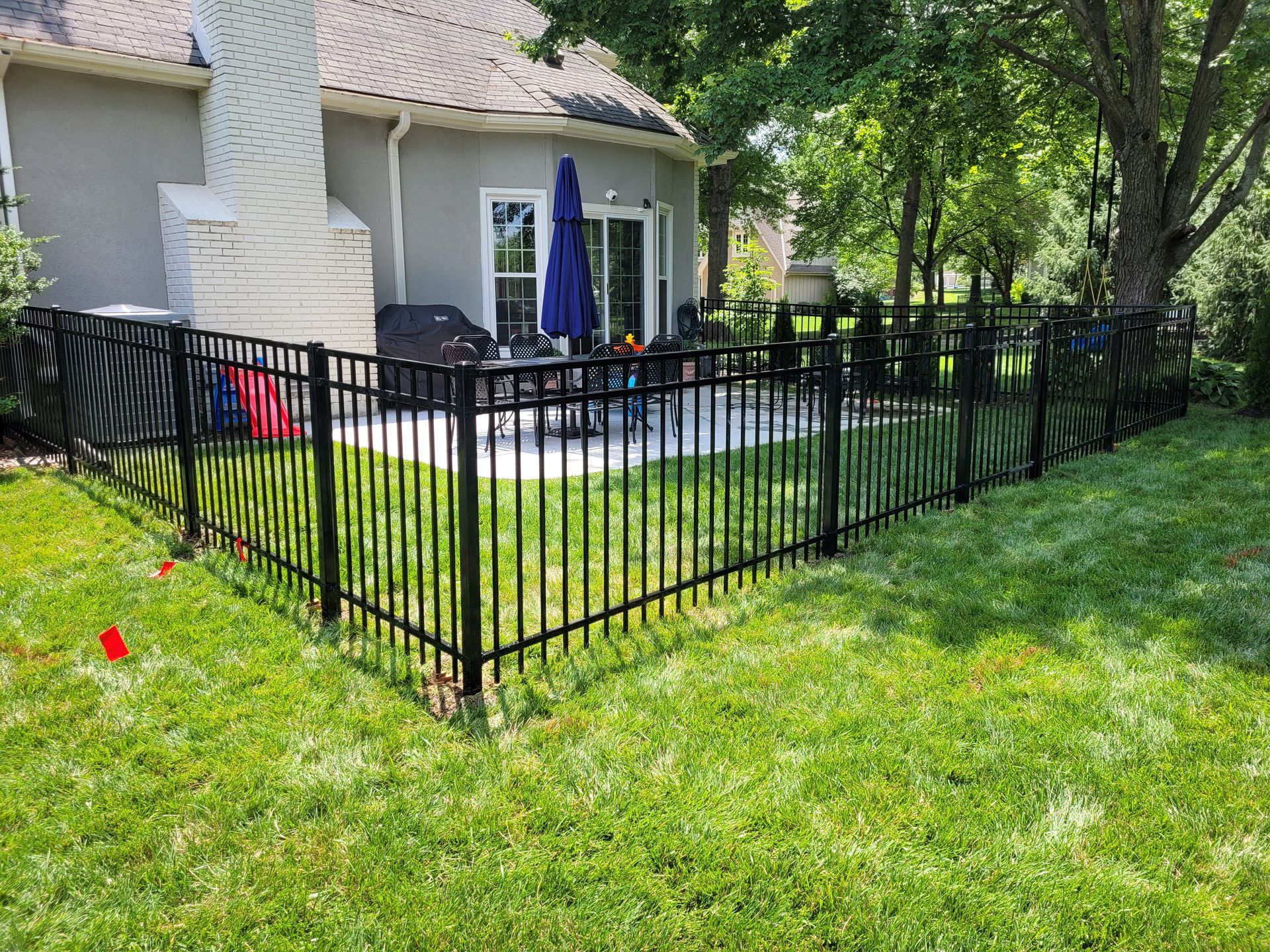
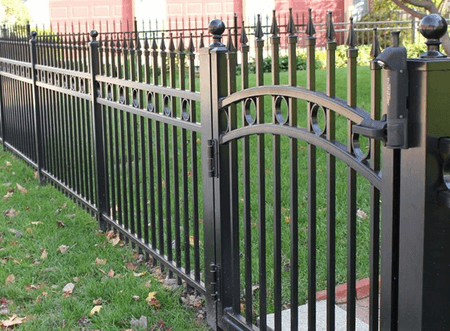
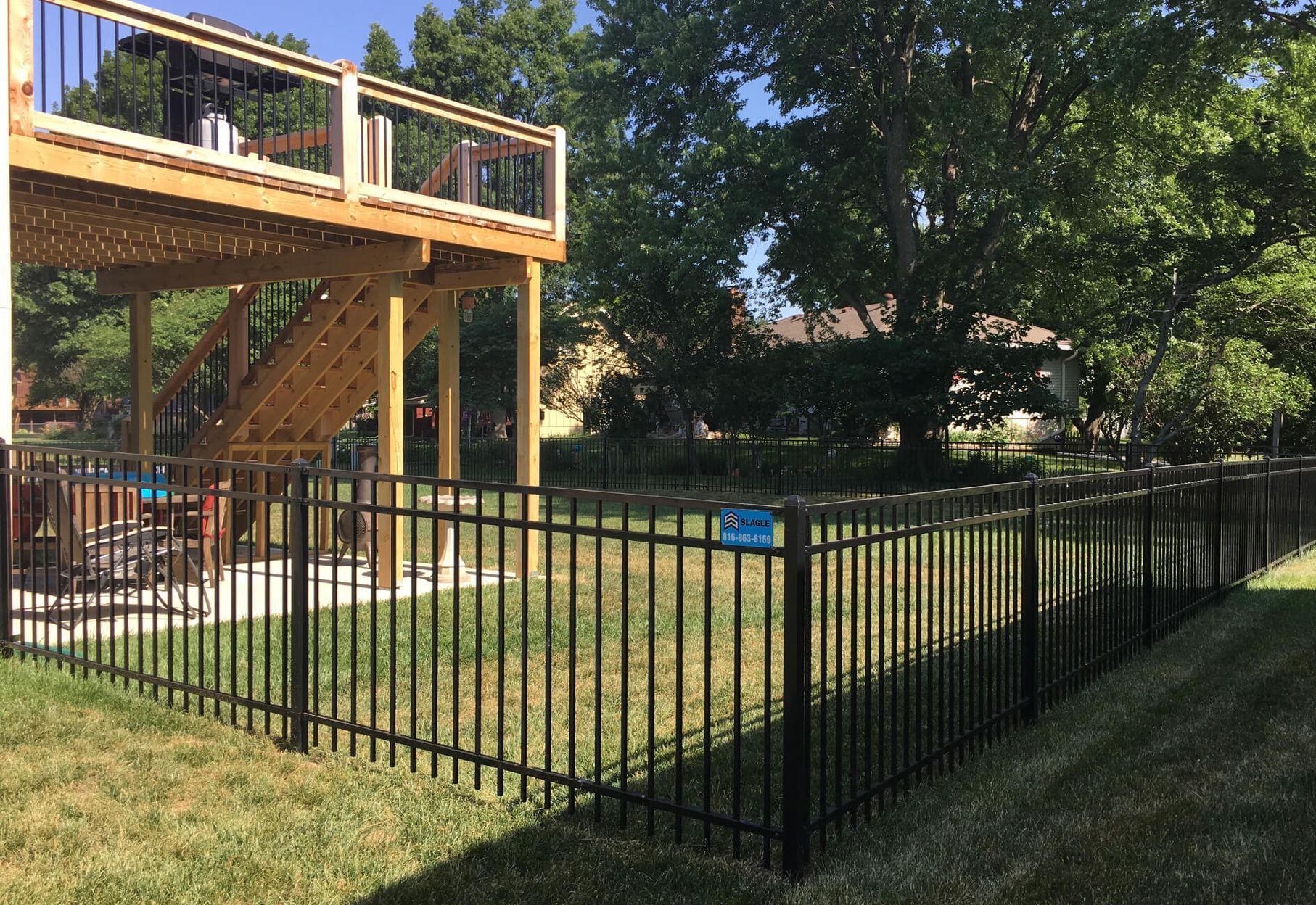
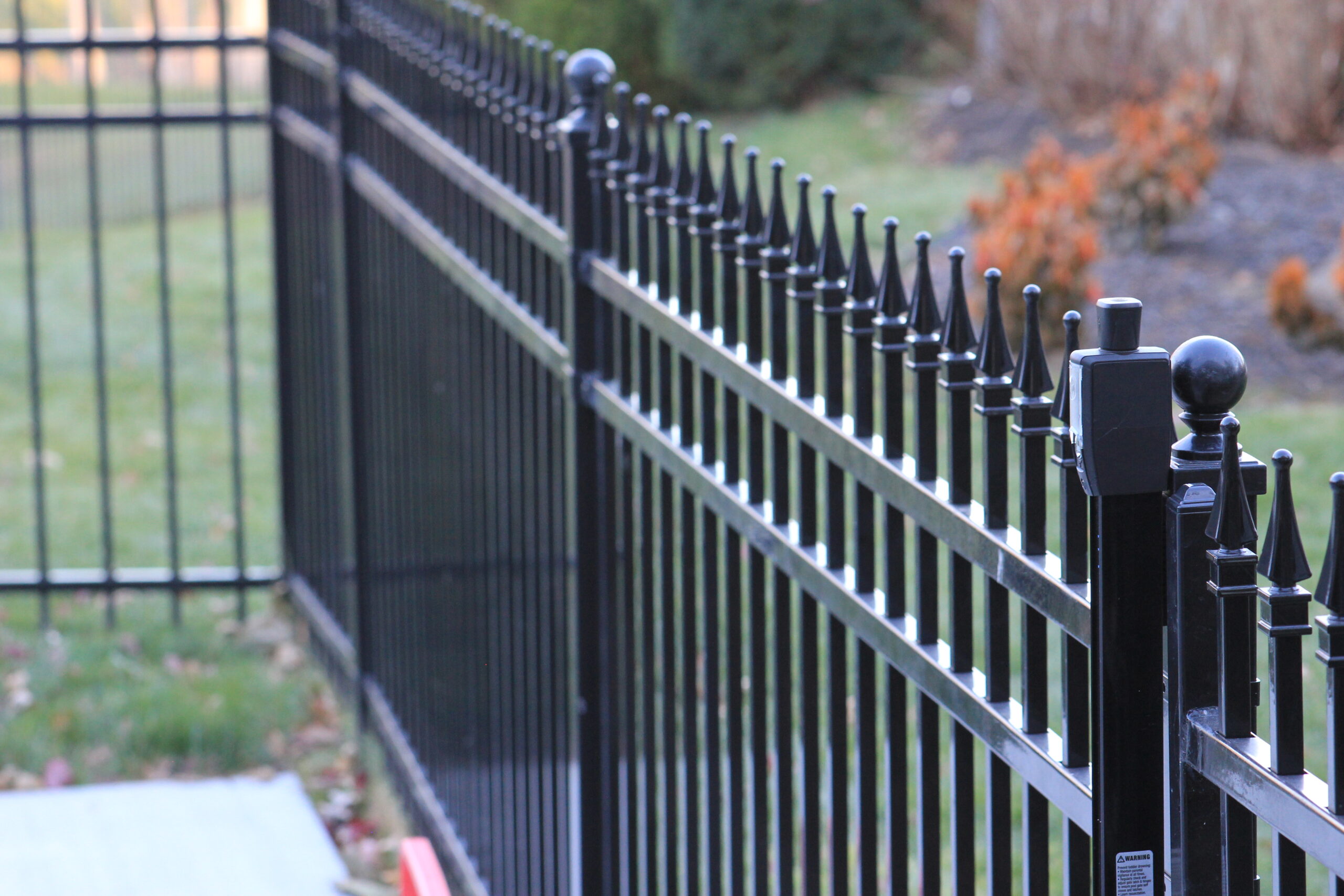
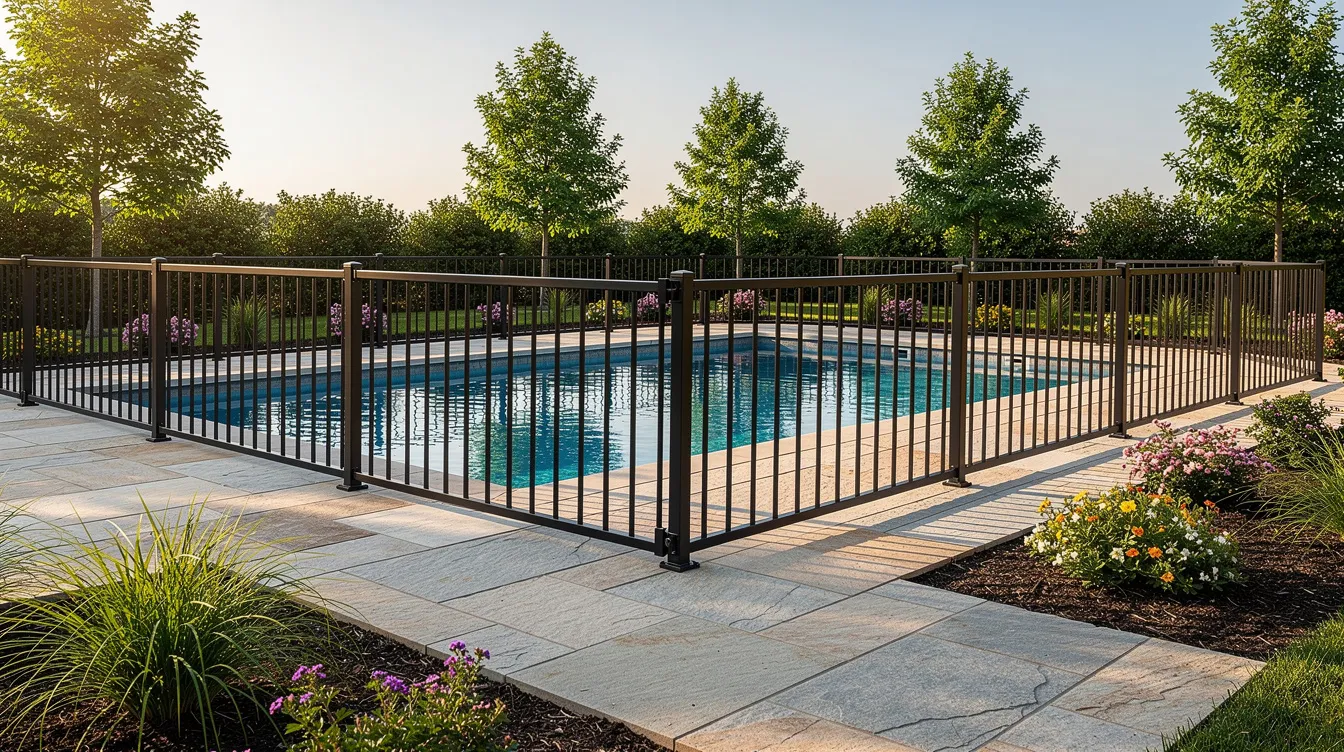
Aluminum Fence
30+ years
Aluminum provides excellent durability and weather resistance.
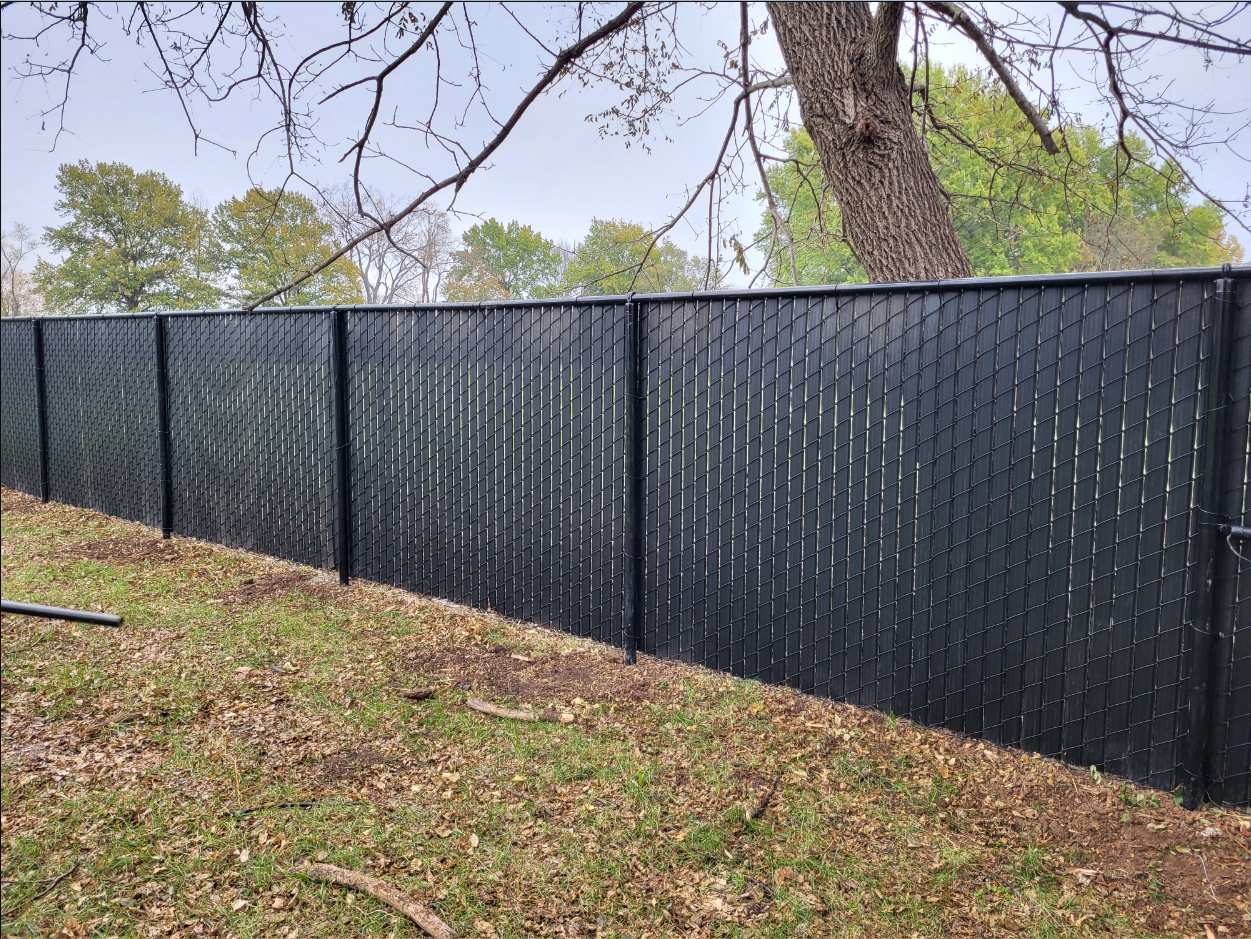
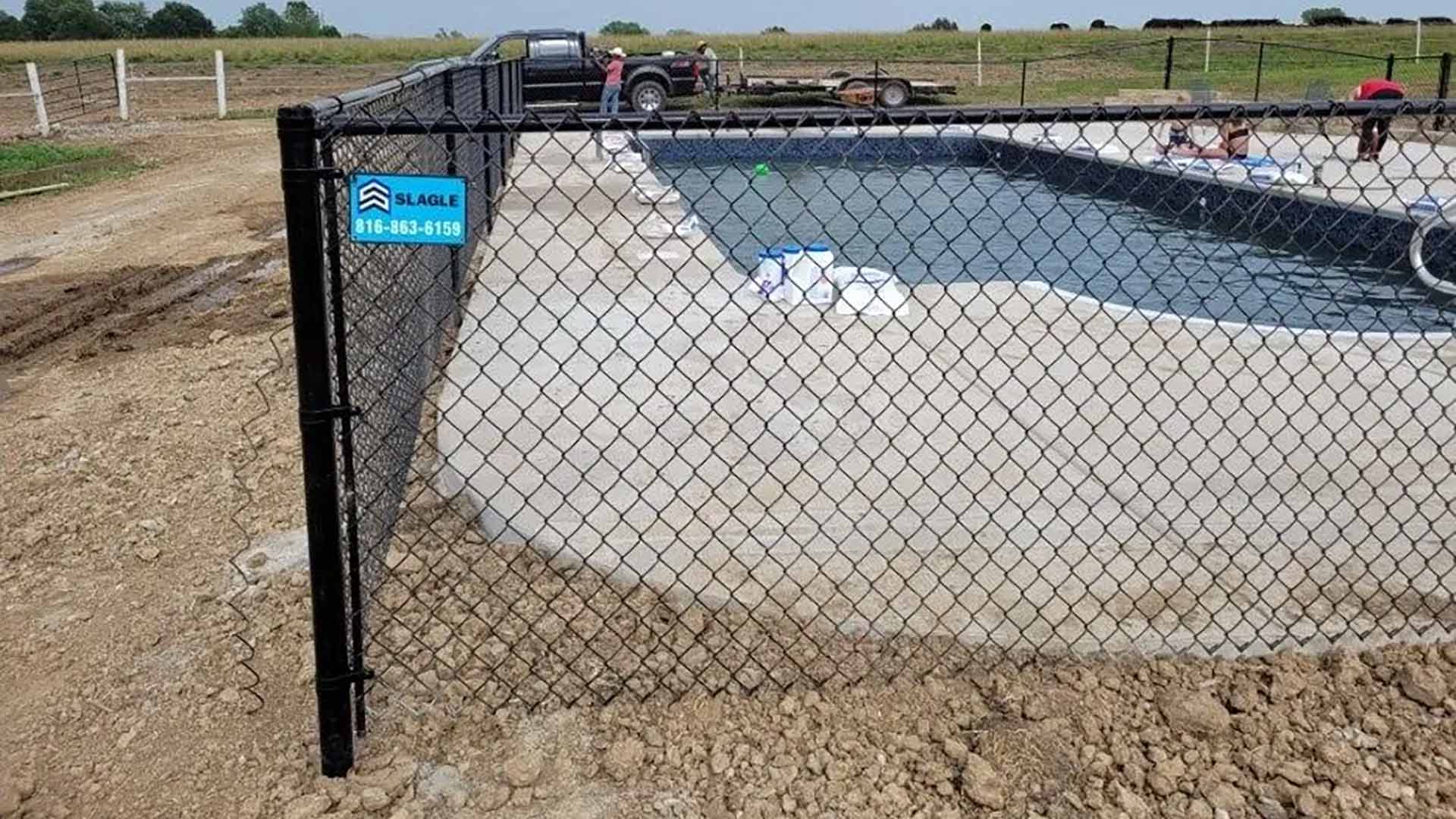
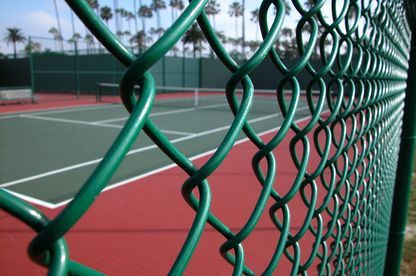
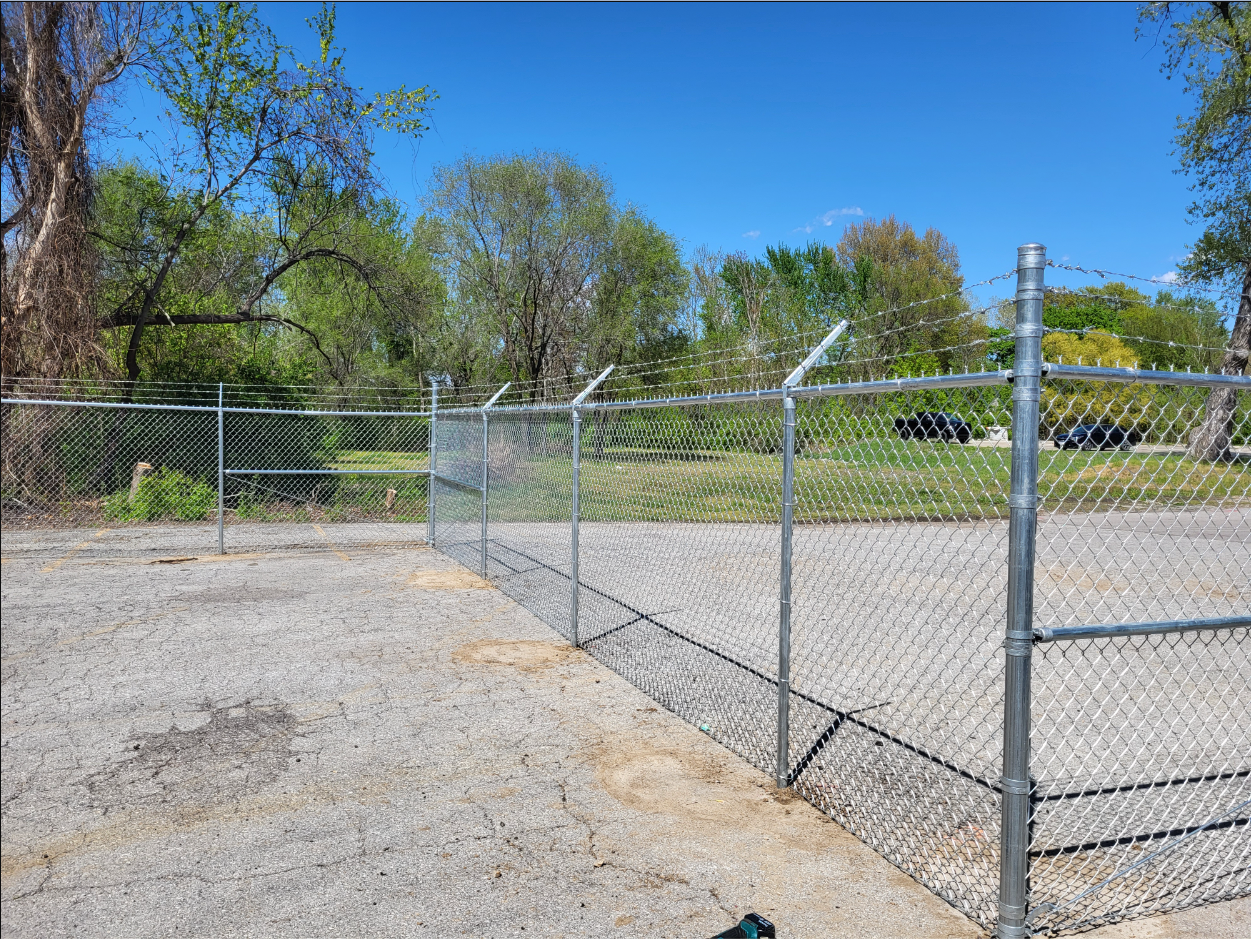
Chain Link Fence
15–30+ years
Chain link can last a long time with proper installation.
Should I Replace My Fence With a Different Material?
A fence replacement is a great opportunity to upgrade.
Many homeowners choose:
Cedar → Vinyl
Why?
- Less maintenance
- No staining
- Long lifespan
Chain Link → Cedar Privacy
Why?
- More privacy
- Better appearance
- Improved backyard enjoyment
Wood → Aluminum
Why?
- Modern curb appeal
- Low maintenance
- Great for pools and landscaping
What About Storm Damage?
Kansas and Missouri homeowners know storms can be tough on fences.
After severe weather, inspect:
- Fence posts
- Gates
- Large sections
- Underground stability
A fence that looks damaged above ground may also have hidden structural issues.
If only one area is damaged, repair may be enough.
If the fence is already older, storm damage may be the deciding factor for replacement.
Questions to Ask Before Deciding
Before choosing repair or replacement, ask:
How old is my fence?
A 3-year-old fence with storm damage is different from a 25-year-old fence.
How much of the fence is damaged?
One section?
Or the entire perimeter?
Are the posts still strong?
Strong posts can make repairs worthwhile.
Failing posts usually point toward replacement.
Do I still like this fence style?
If your needs have changed, replacement may be the better investment.
Final Recommendation: Repair or Replace?
Choose repair when:
✅ Damage is small
✅ Structure is strong
✅ Fence is relatively new
✅ Cost is reasonable
Choose replacement when:
✅ Fence is aging
✅ Posts are failing
✅ Damage is widespread
✅ Repairs are adding up
✅ You want improved privacy, style, or durability
The best fence decision is not always the cheapest immediate option. It is the option that gives you the best value, appearance, and performance for years to come.
A professional fence contractor can evaluate your current fence and help determine whether a repair will extend its life or whether replacement is the smarter investment.