 Steel vs. Aluminum Fences: Which One Is Better?
If you’re looking for an elegant, low-maintenance fence, you’ve probably narrowed your options to steel or aluminum. Both materials offer excellent curb appeal, long lifespans, and minimal maintenance, but they aren’t identical.
So, is a steel fence better than an aluminum fence?
The answer depends on what matters most to you. If you prioritize maximum strength and security, steel usually comes out on top. If your focus is low maintenance and corrosion resistance, aluminum is often the better fit.
Let’s compare the two to help you choose the right fence for your home.
Steel vs. Aluminum at a Glance
| Feature | Steel Fence | Aluminum Fence |
|---|---|---|
| Strength | ⭐⭐⭐⭐⭐ | ⭐⭐⭐⭐ |
| Rust Resistance | ⭐⭐⭐⭐ | ⭐⭐⭐⭐⭐ |
| Maintenance | ⭐⭐⭐⭐ | ⭐⭐⭐⭐⭐ |
| Security | ⭐⭐⭐⭐⭐ | ⭐⭐⭐⭐ |
| Weight | Heavy | Lightweight |
| Cost | Higher | Moderate |
| Lifespan | 30–50+ years | 30–50+ years |
| Curb Appeal | Excellent | Excellent |
Strength: Steel Wins
Steel is significantly stronger than aluminum.
Because of its higher tensile strength, steel fencing:
- Better resists impacts
- Handles heavy gates with less flex
- Performs well in high-wind areas
- Offers enhanced security
For homeowners seeking a fence that can withstand years of use and harsh Midwest weather, steel is an excellent choice.
Corrosion Resistance: Aluminum Has the Edge
Aluminum naturally forms a protective oxide layer, making it highly resistant to rust.
Benefits include:
- Ideal for humid climates
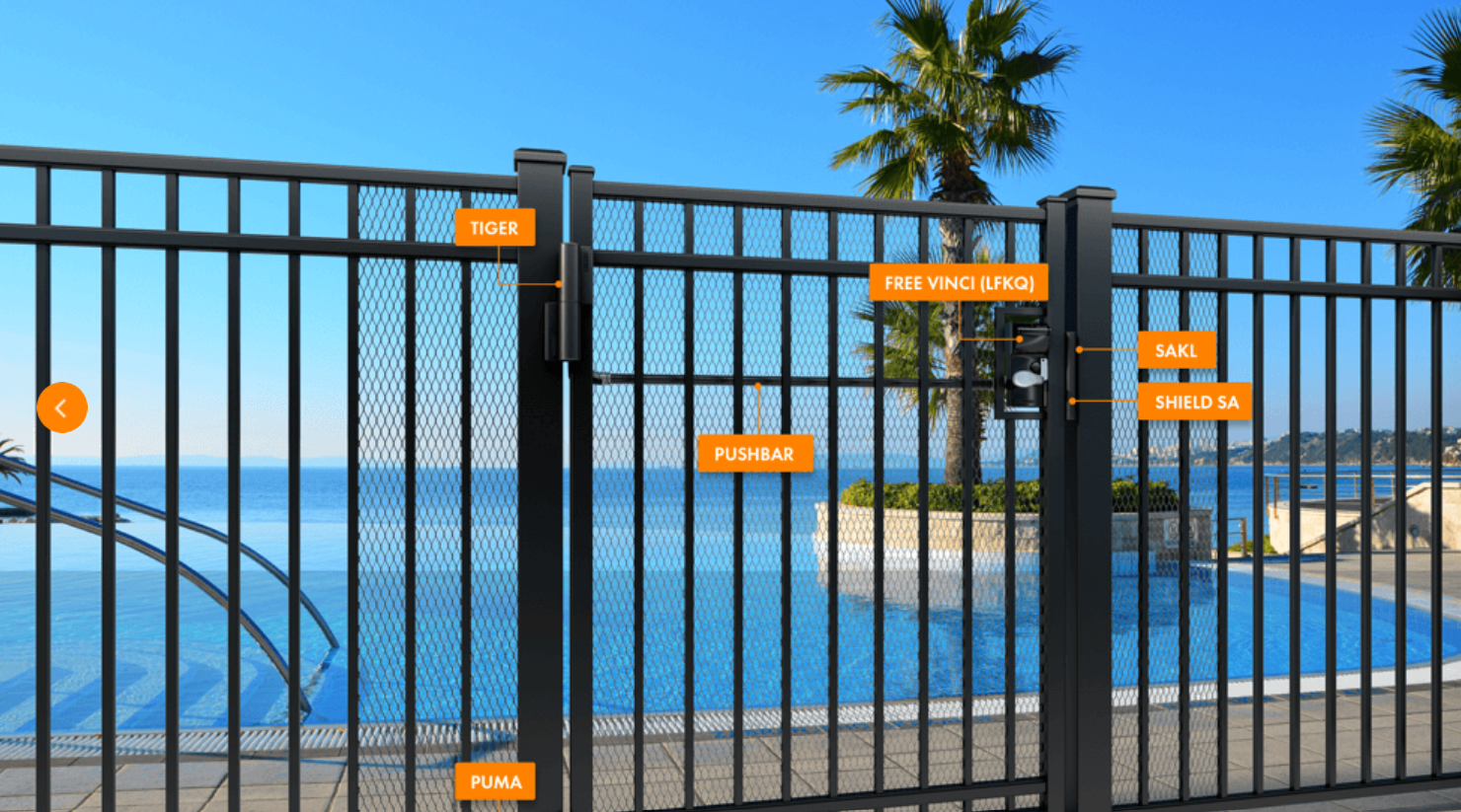
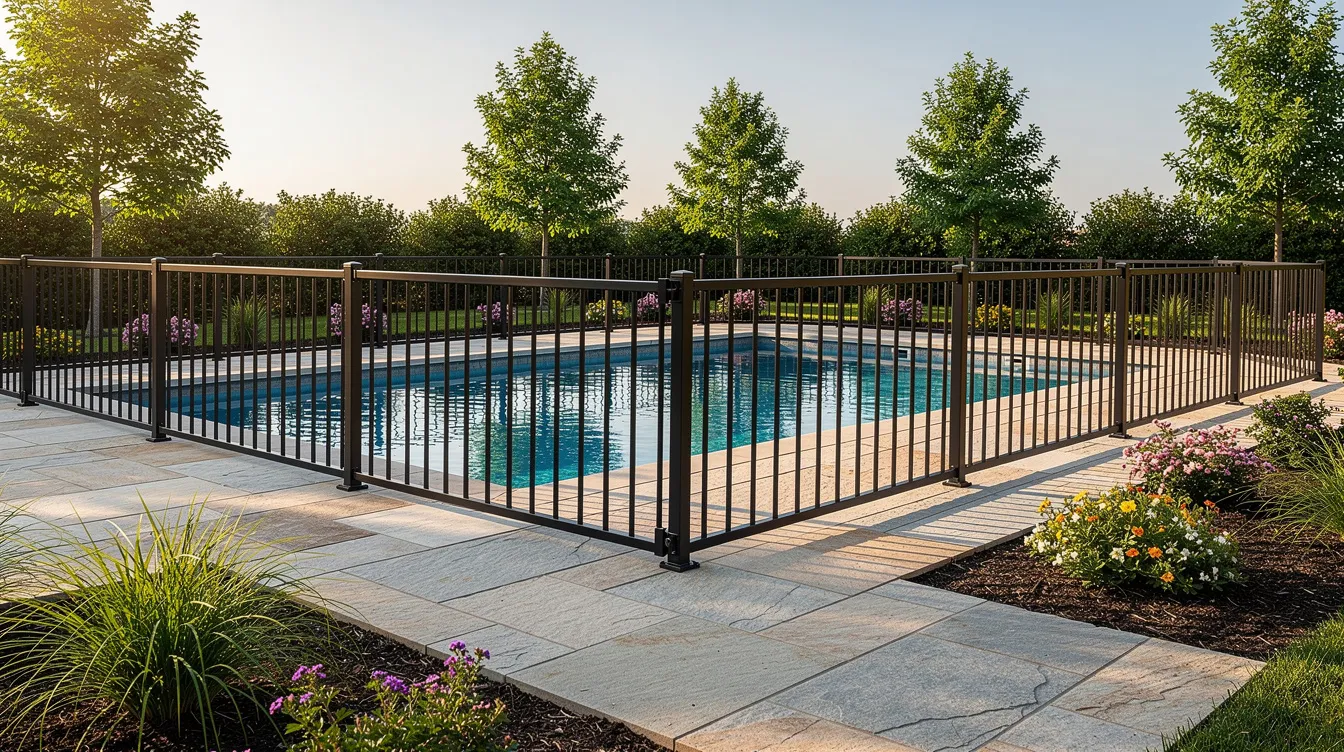
- Excellent around pools
- Great for waterfront properties
- Minimal risk of corrosion
Modern powder-coated steel fences are also highly durable, but if the protective coating is damaged and left unrepaired, steel can eventually rust.
Maintenance
Both fence types require very little maintenance.
Steel
Maintenance typically includes:
- Occasional washing
- Touching up damaged powder coating if needed
- Inspecting gates and hardware
Aluminum
Maintenance is even simpler:
- Wash occasionally with mild soap and water
- Inspect hardware periodically
No painting or staining is required for either material.
Durability in Midwest Weather
Kansas and Missouri weather can be demanding.
Your fence needs to withstand:
- Strong winds
- Heavy rain
- Snow and ice
- Freeze-thaw cycles
- Hot summers
Both steel and aluminum perform well, but steel’s additional strength gives it an advantage in areas exposed to frequent high winds or where large gates are used.
Which Fence Is Better for Security?
If security is a top priority, steel is the stronger choice.
Steel fences:
- Resist bending
- Support heavier gate systems
- Provide greater rigidity
- Are commonly used around schools, businesses, and government facilities
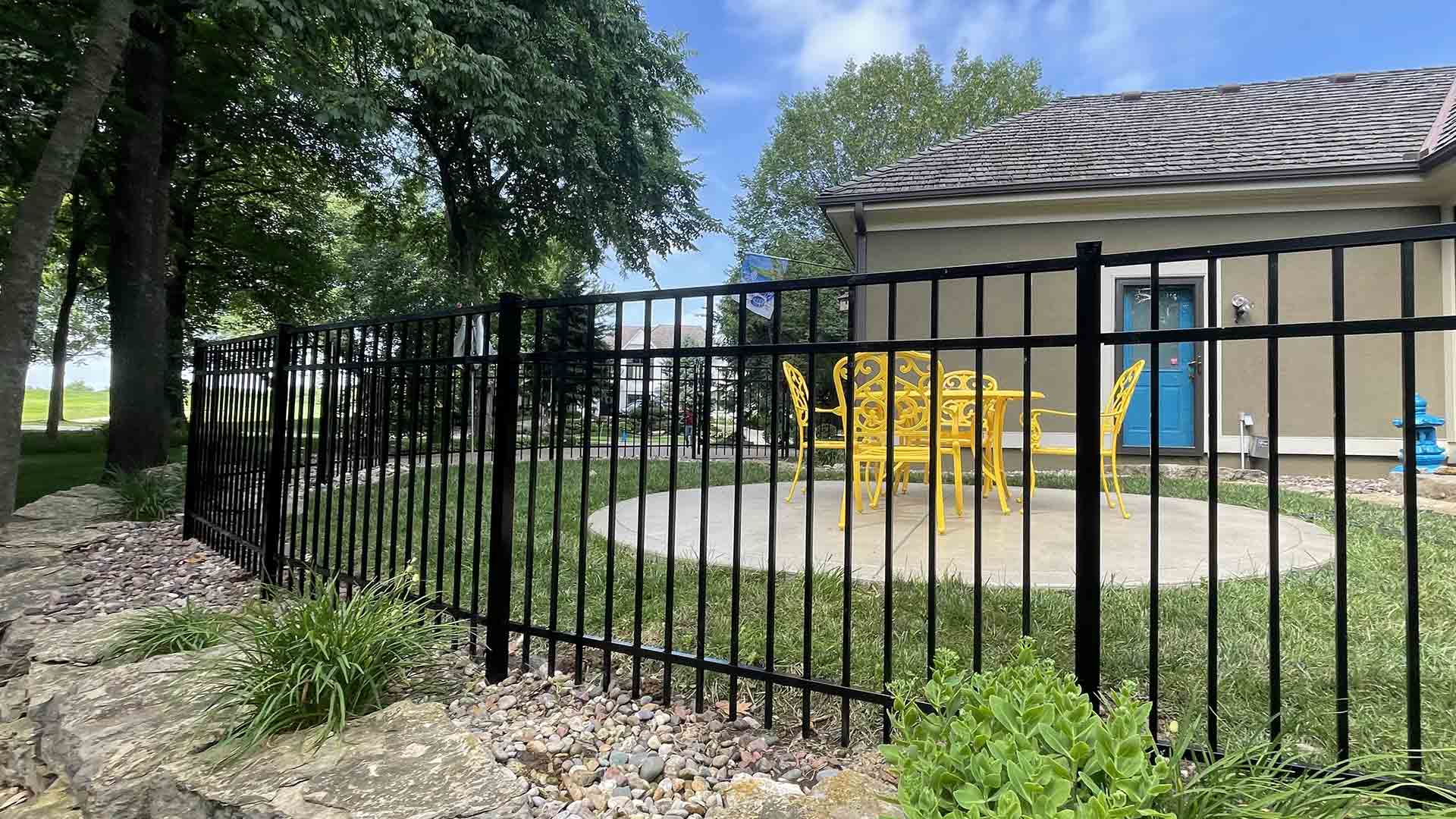
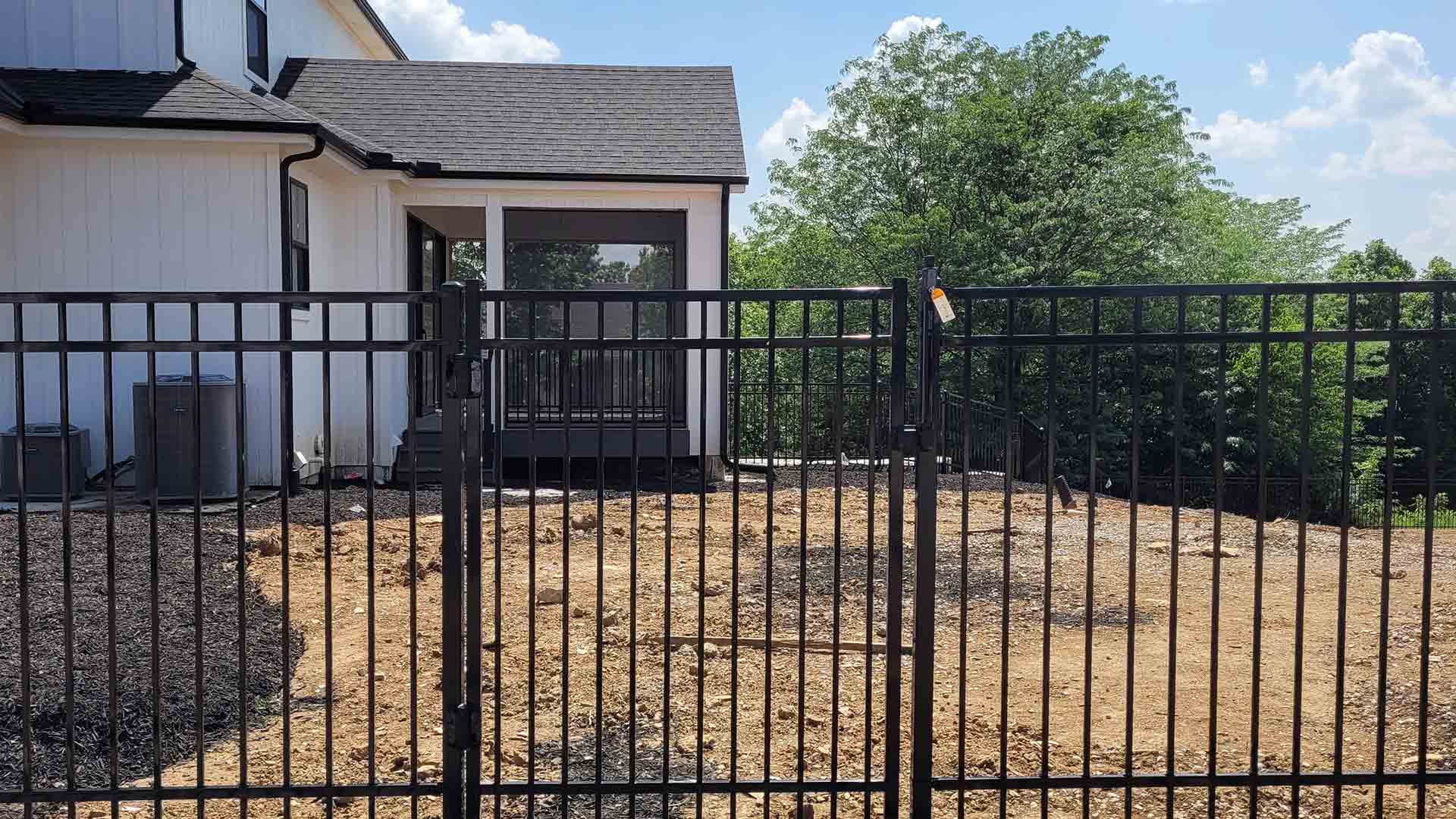
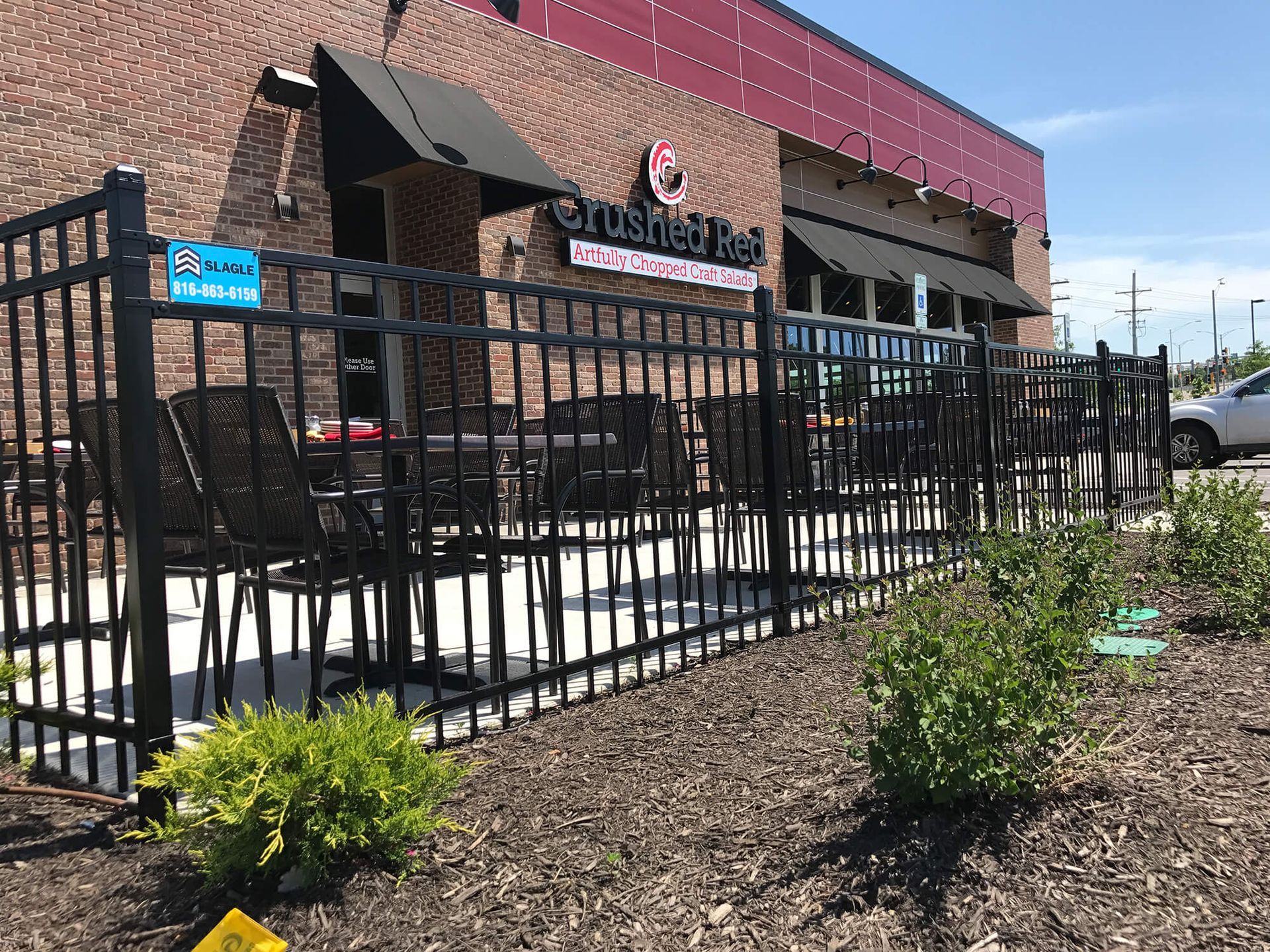
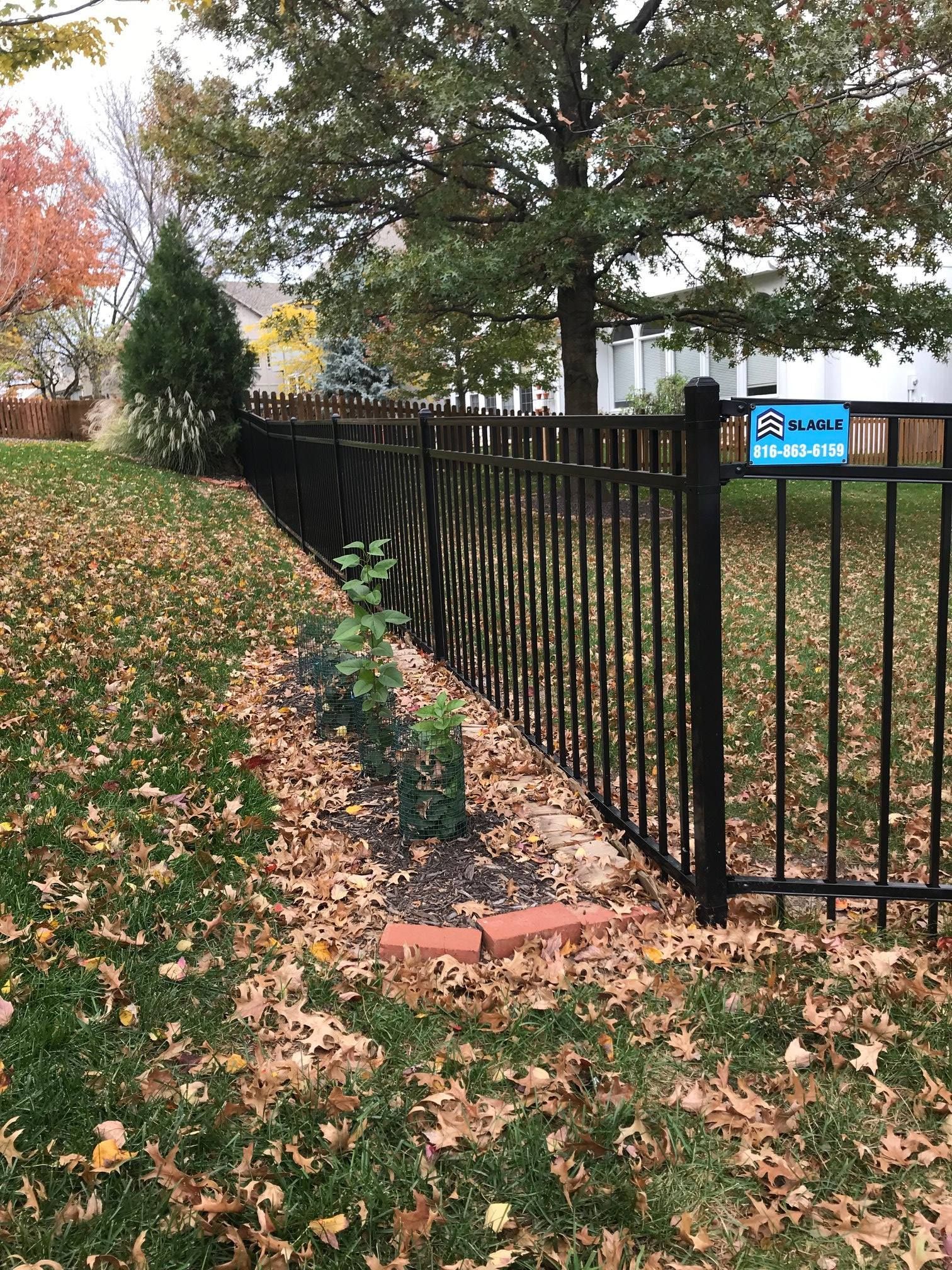
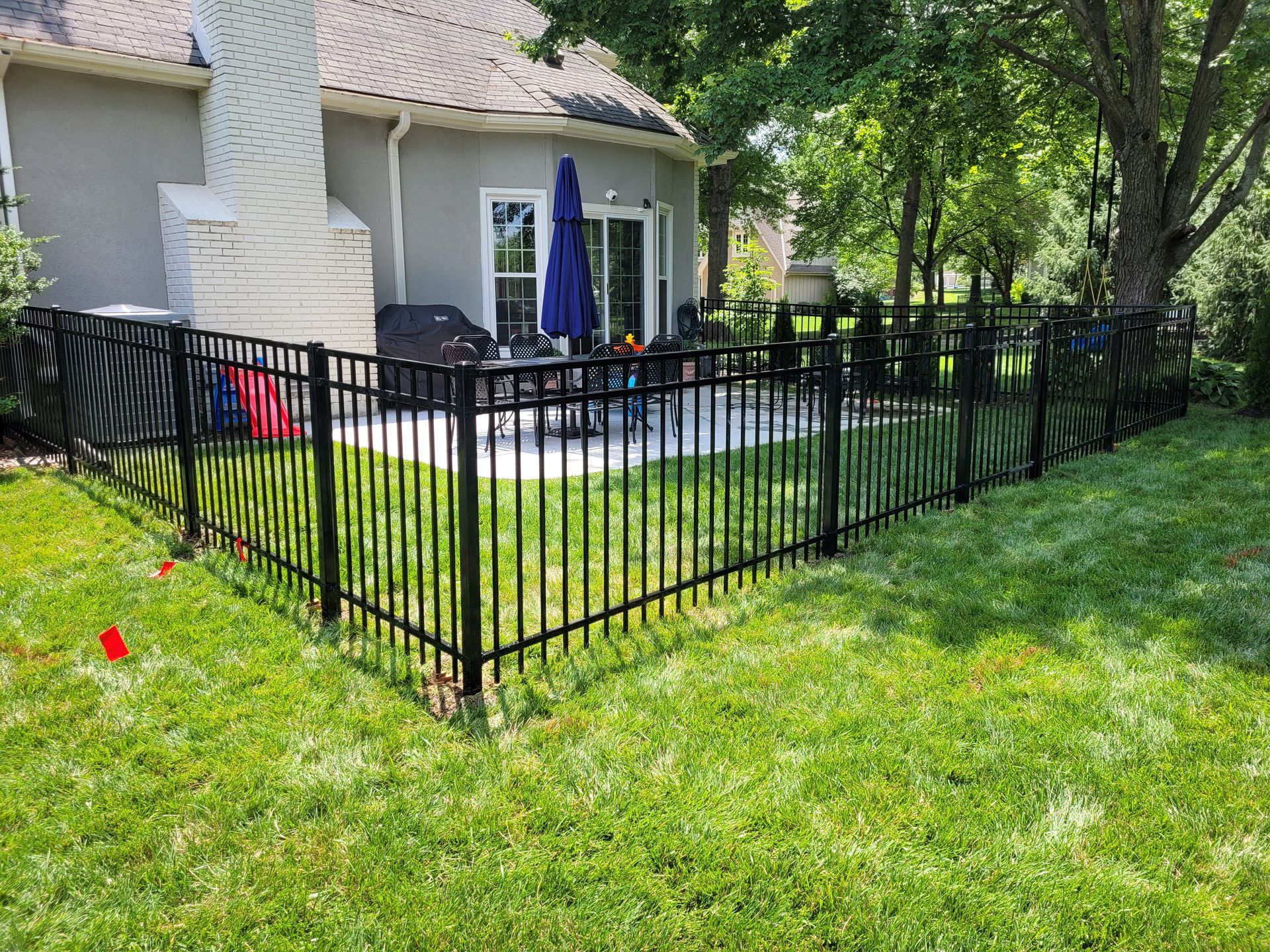
For residential properties, ornamental steel fencing offers both security and an upscale appearance.
Which Looks Better?
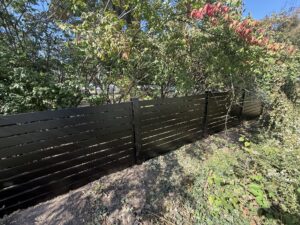 This one is a tie.
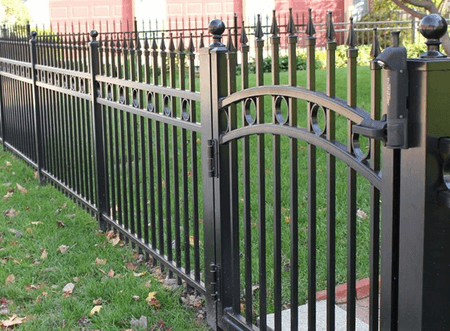
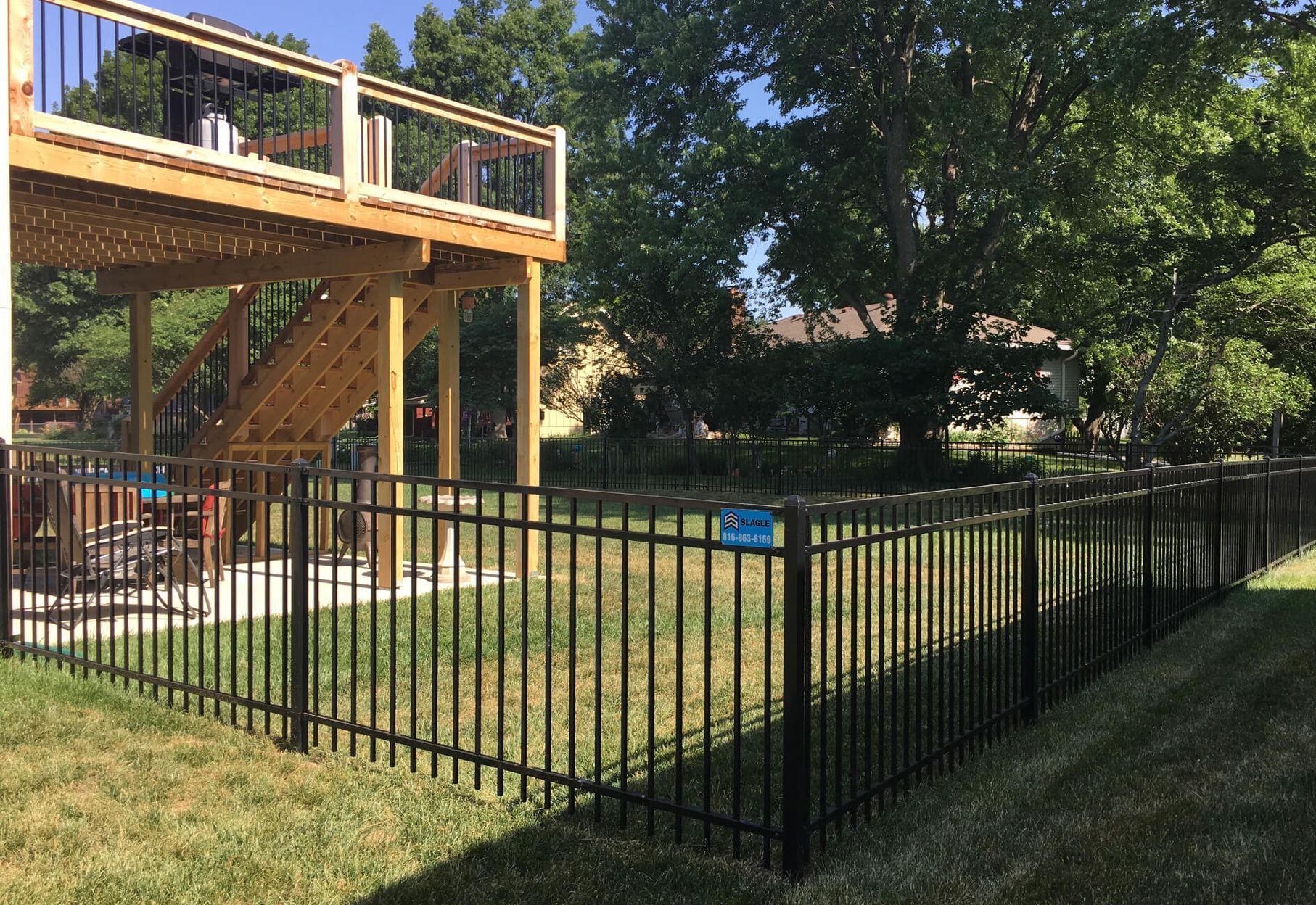
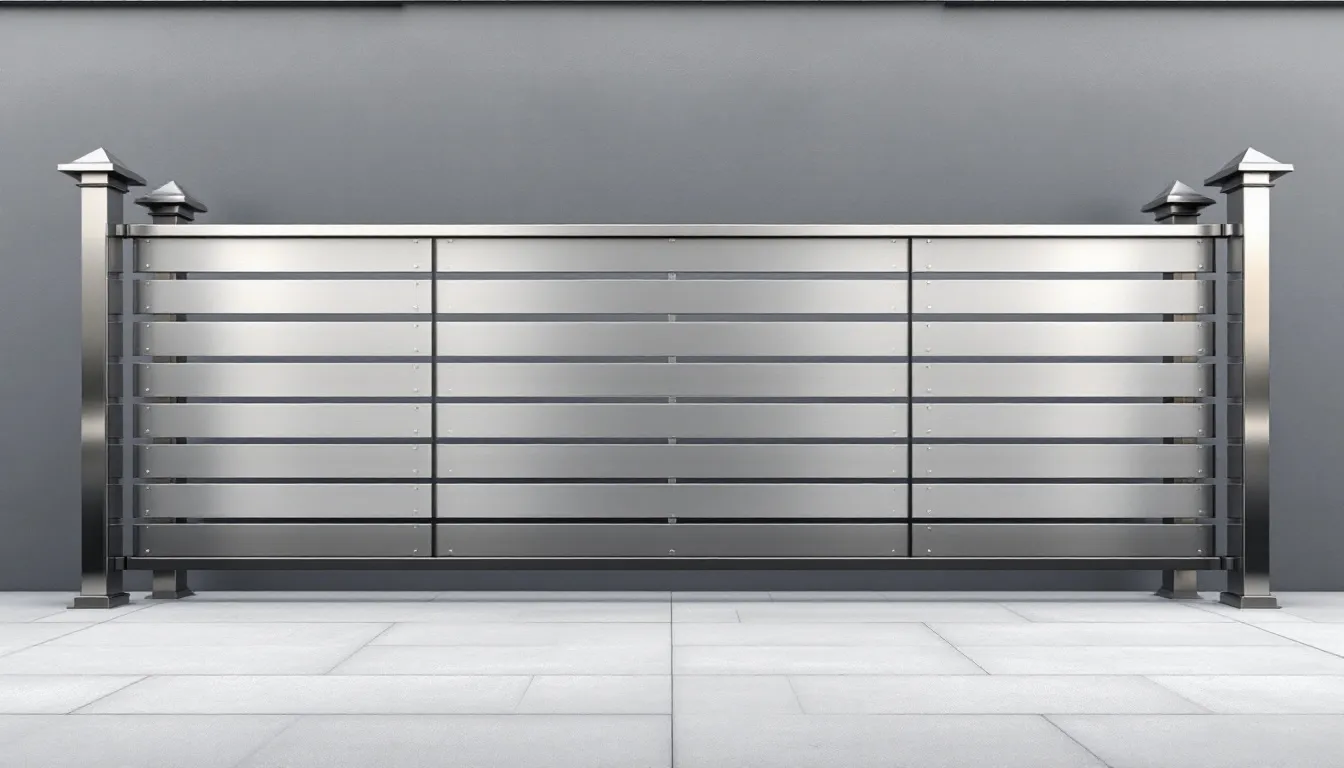
Modern steel and aluminum fences are available in similar styles, including:
- Flat-top designs
- Spear-top pickets
- Extended pickets
- Decorative finials
- Estate gates
From a distance, many homeowners can’t tell the difference.
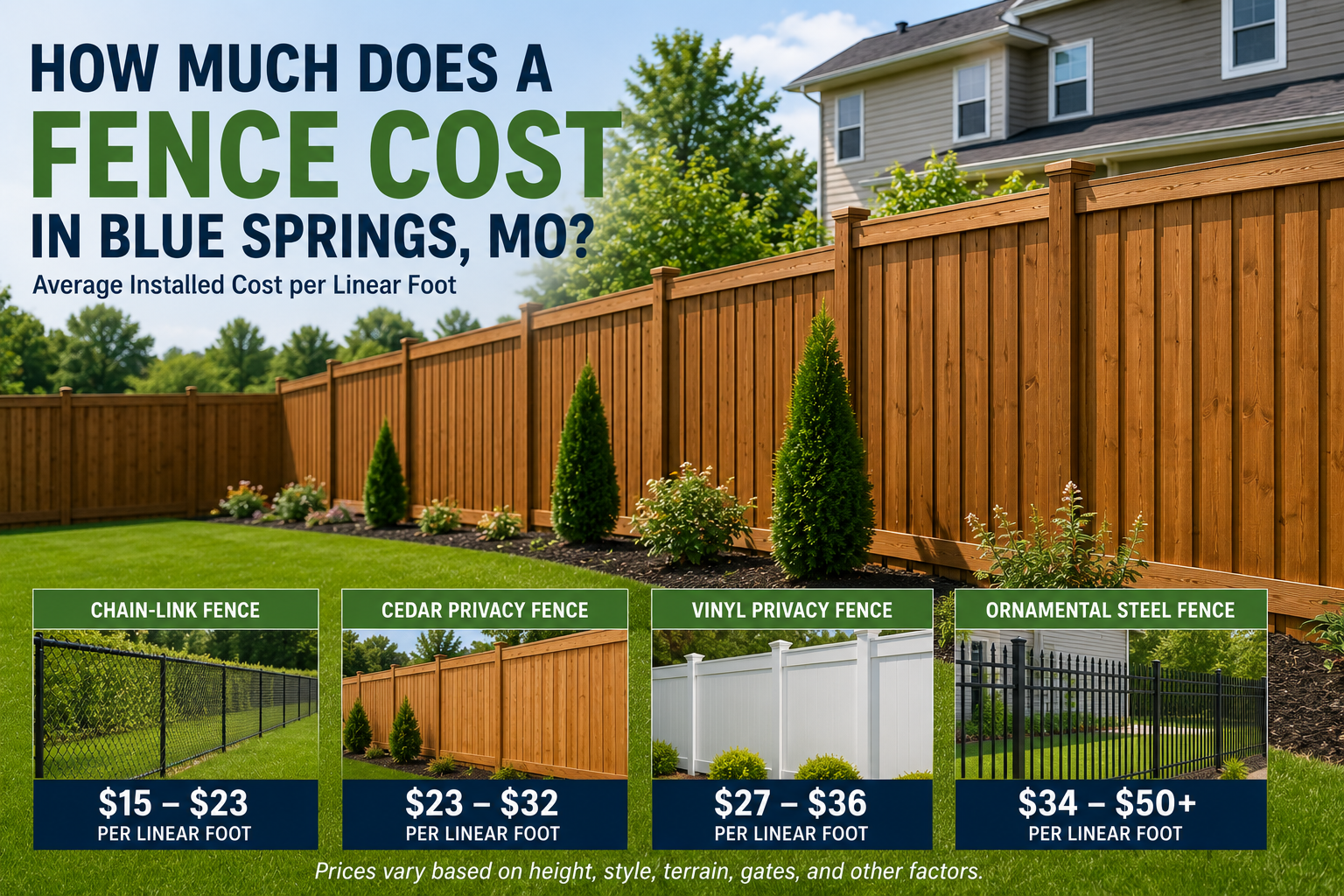
Which Costs More?
Generally:
- Aluminum fencing has a lower upfront cost.
- Steel fencing costs more because of the material’s strength, weight, and manufacturing process.
Installation costs may also be higher for steel due to its heavier components.
However, for homeowners prioritizing strength and longevity, the additional investment may be worthwhile.
Best Uses for Steel Fencing
Steel is an excellent choice for:
- Luxury homes
- Estate properties
- Security fencing
- Commercial buildings
- Schools
- HOAs
- Homes with large gates
- High-wind locations
Best Uses for Aluminum Fencing
Aluminum is ideal for:
- Pools
- Front yards
- Decorative boundaries
- Homes with scenic views
- Low-maintenance lifestyles
- Waterfront properties
Its corrosion resistance makes it particularly popular around swimming pools and areas with frequent moisture.
Can You Customize Either Fence?
Absolutely.
Both materials offer options such as:
- Multiple heights
- Decorative finials
- Arched gates
- Puppy pickets
- Custom colors
- Double-drive gates
- Estate entrances
These customization options allow homeowners to match the fence to their home’s architectural style.
Which Fence Adds More Value?
Both steel and aluminum can enhance curb appeal and property value when professionally installed.
A quality ornamental fence:
- Defines property boundaries
- Improves landscaping
- Creates a polished appearance
- Appeals to future buyers
The best choice depends on your home’s style and your long-term goals.
Which Fence Should You Choose?
Choose Steel If You Want:
- Maximum strength
- Enhanced security
- Heavy-duty gate support
- A premium, substantial feel
- Superior wind resistance
Choose Aluminum If You Want:
- Lower maintenance
- Excellent rust resistance
- A lighter-weight material
- Great pool fencing
- A more budget-friendly option
Final Thoughts
Both steel and aluminum are outstanding fencing materials, but they excel in different areas.
If you’re looking for the strongest, most durable ornamental fence, steel is the clear winner. Its rigidity, impact resistance, and ability to support larger gates make it an excellent investment for homeowners seeking premium performance.
If you want a fence that’s virtually maintenance-free, naturally rust-resistant, and ideal for pools or decorative applications, aluminum is hard to beat.
For homeowners in the Kansas City area, either option can provide decades of beauty and reliability when professionally installed. An experienced fence contractor can help you choose the material that best fits your property, budget, and lifestyle.