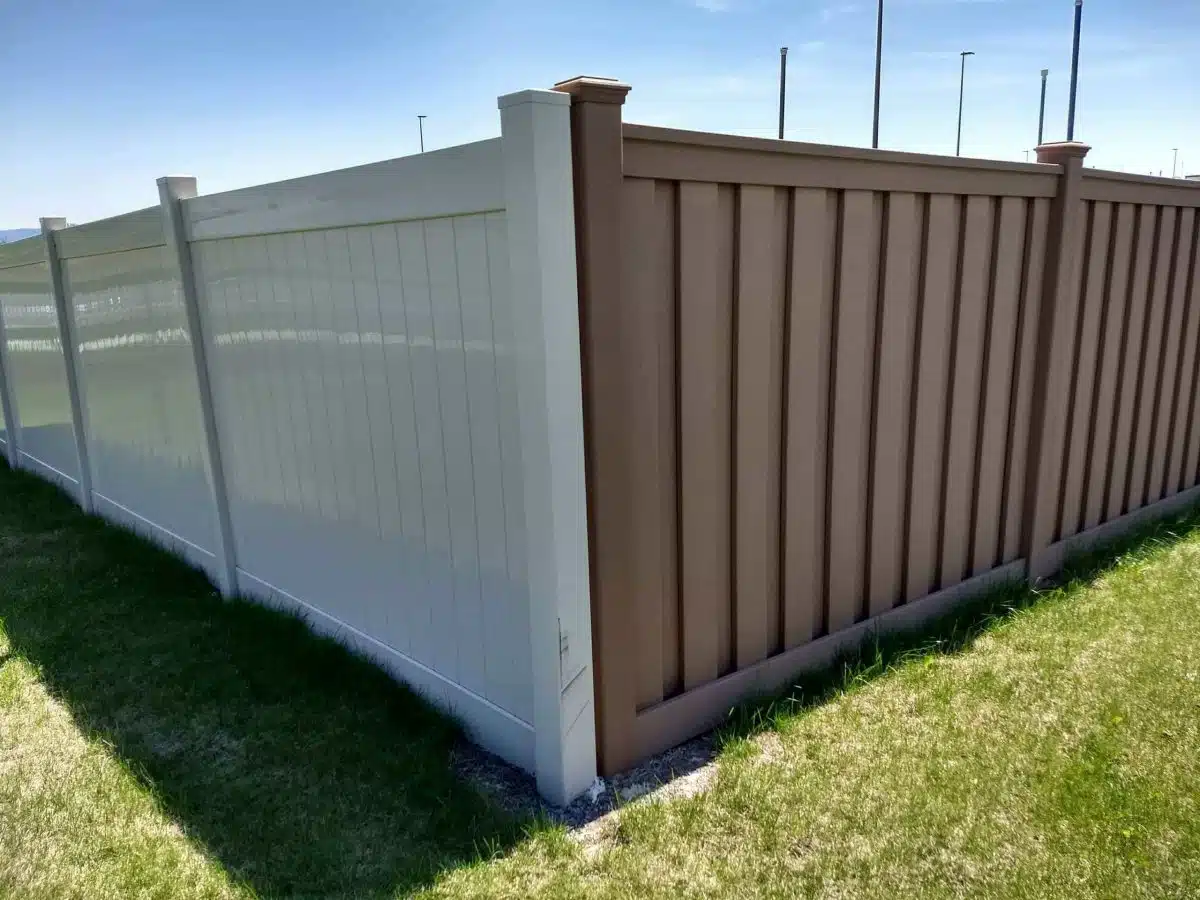
Vinyl Privacy Fence vs. Composite Fence: Which Is Best for Your Home?
 When homeowners start researching a new privacy fence, two popular low-maintenance options often stand out:
Vinyl privacy fencing and composite fencing.
Both options offer homeowners a clean appearance, long-lasting performance, and less maintenance compared to traditional wood fencing. However, they have some important differences that can affect your decision.
Choosing between vinyl and composite comes down to more than just appearance. You should consider:
- Upfront cost
- Long-term value
- Durability
- Maintenance requirements
- Weather resistance
- Appearance
- Repairability
- Your home’s style
For homeowners in the Midwest, where fences face extreme temperatures, strong winds, humidity, storms, and seasonal changes, choosing the right material is especially important.
Quick Comparison: Vinyl vs. Composite Fence
| Feature | Vinyl Privacy Fence | Composite Fence |
|---|---|---|
| Initial Cost | Lower | Higher |
| Maintenance | Very Low | Very Low |
| Appearance | Clean, uniform | More natural wood look |
| Durability | Excellent | Excellent |
| Wind Resistance | Good with proper installation | Excellent with quality framing |
| Wood-Like Appearance | Moderate | High |
| Color Options | Many | Many |
| Rot Resistance | Excellent | Excellent |
| Staining Required | No | No |
| Lifespan | 25+ years | 25-50+ years |
What Is a Vinyl Privacy Fence?
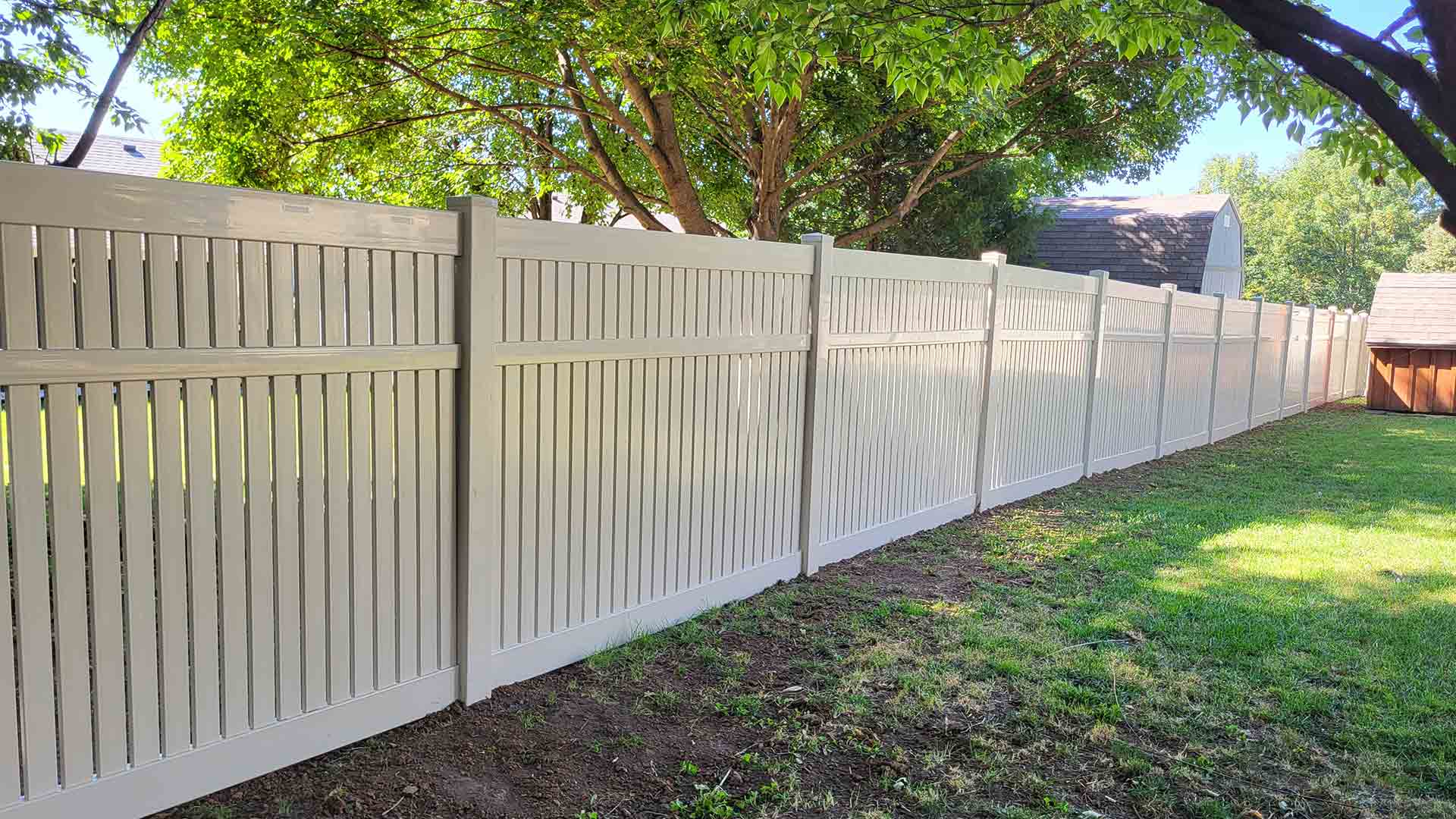
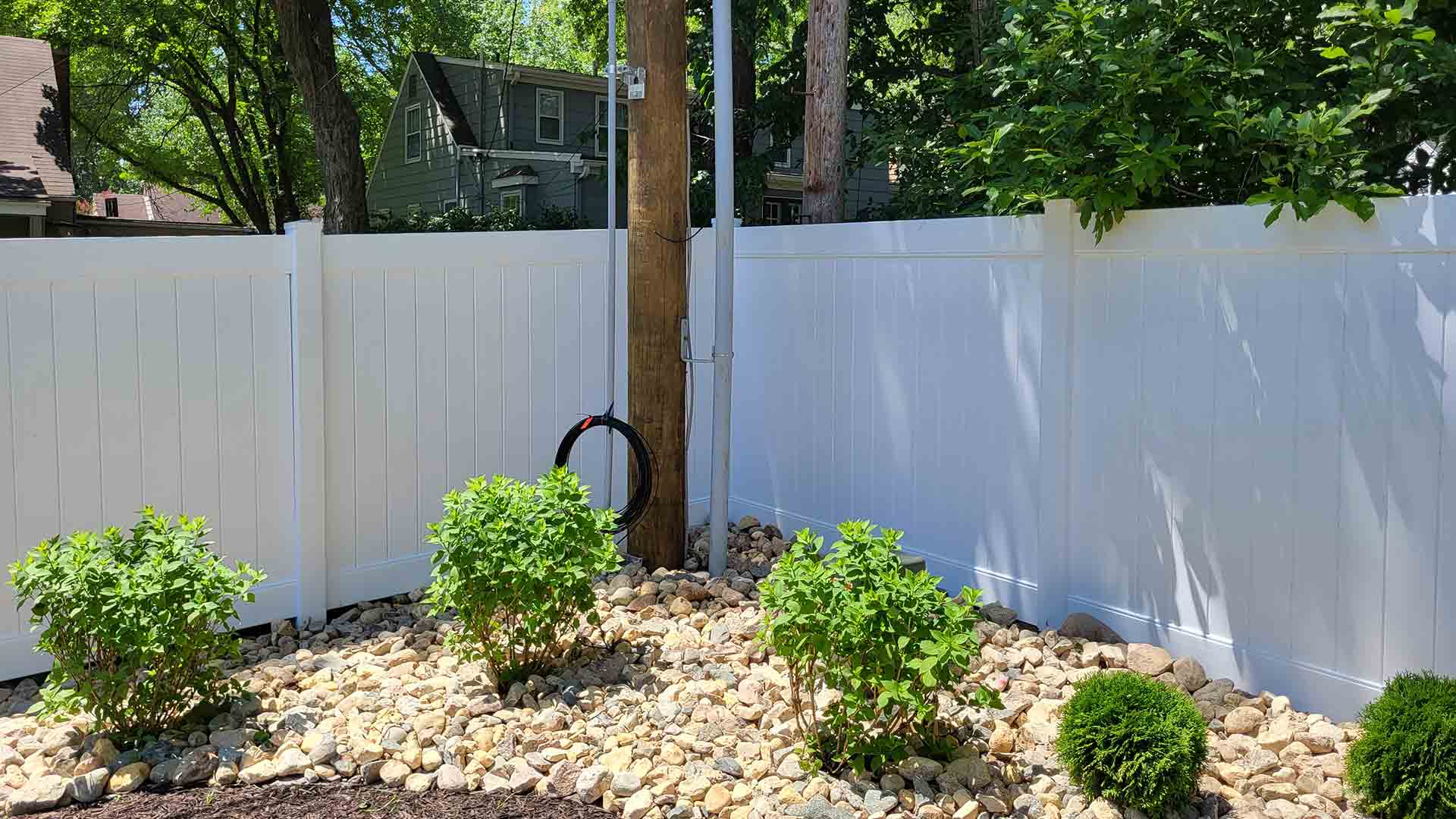
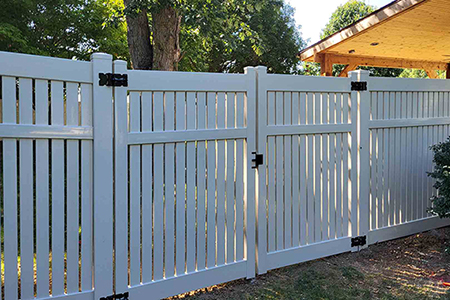
Vinyl fencing is made from PVC (polyvinyl chloride), a synthetic material designed to withstand outdoor conditions.
Vinyl privacy fences have become popular because they provide the look of a traditional privacy fence without the maintenance requirements of wood.
Common vinyl fence styles include:
- Solid privacy panels
- Semi-private fencing
- White vinyl fencing
- Tan vinyl fencing
- Decorative vinyl fencing
Advantages of Vinyl Privacy Fencing
1. Low Maintenance
One of the biggest reasons homeowners choose vinyl is the lack of maintenance.
Unlike wood, vinyl does not require:
❌ Staining
❌ Painting
❌ Sealing
❌ Regular weather treatment
Most vinyl fences only need occasional cleaning with:
- Soap and water
- A garden hose
- Mild household cleaners
2. Excellent Moisture Resistance
Midwest weather can be hard on fencing.
Vinyl performs well against:
- Rain
- Humidity
- Snow
- Ice
- Moisture exposure
Because vinyl does not absorb water like wood, it will not:
- Rot
- Warp
- Split
- Develop insect damage
3. Great Privacy
Vinyl privacy fences provide a consistent barrier.
Benefits include:
✔ Blocked views
✔ Backyard privacy
✔ Pet containment
✔ Cleaner appearance
This makes vinyl popular for:
- Neighborhood backyards
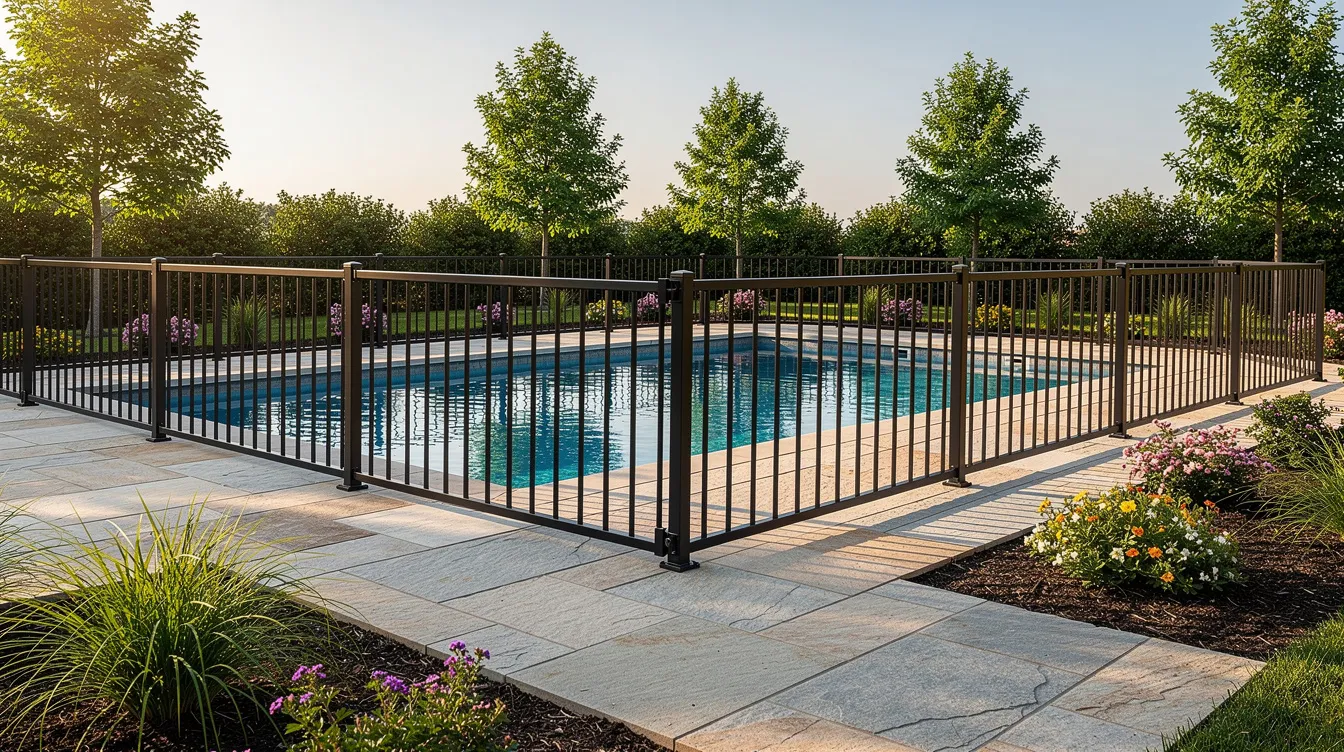
- Pools
- Outdoor entertaining areas
Potential Drawbacks of Vinyl Fence
While vinyl is an excellent option, homeowners should consider a few disadvantages.
1. Higher Upfront Cost Than Wood
Vinyl typically costs more than basic wood fencing.
However, the reduced maintenance can help offset the cost over time.
2. Less Natural Appearance
Some homeowners prefer the authentic look of real wood.
Vinyl has a very clean appearance, but it does not have:
- Natural grain
- Organic texture
- Aged wood character
3. Extreme Temperature Considerations
Vinyl can expand and contract with temperature changes.
A quality installation is important, especially in areas with Midwest temperature swings.
What Is a Composite Fence?
Composite fencing is made from a combination of recycled materials and synthetic components, often including:
- Recycled wood fibers
- Plastic polymers
- Binding materials
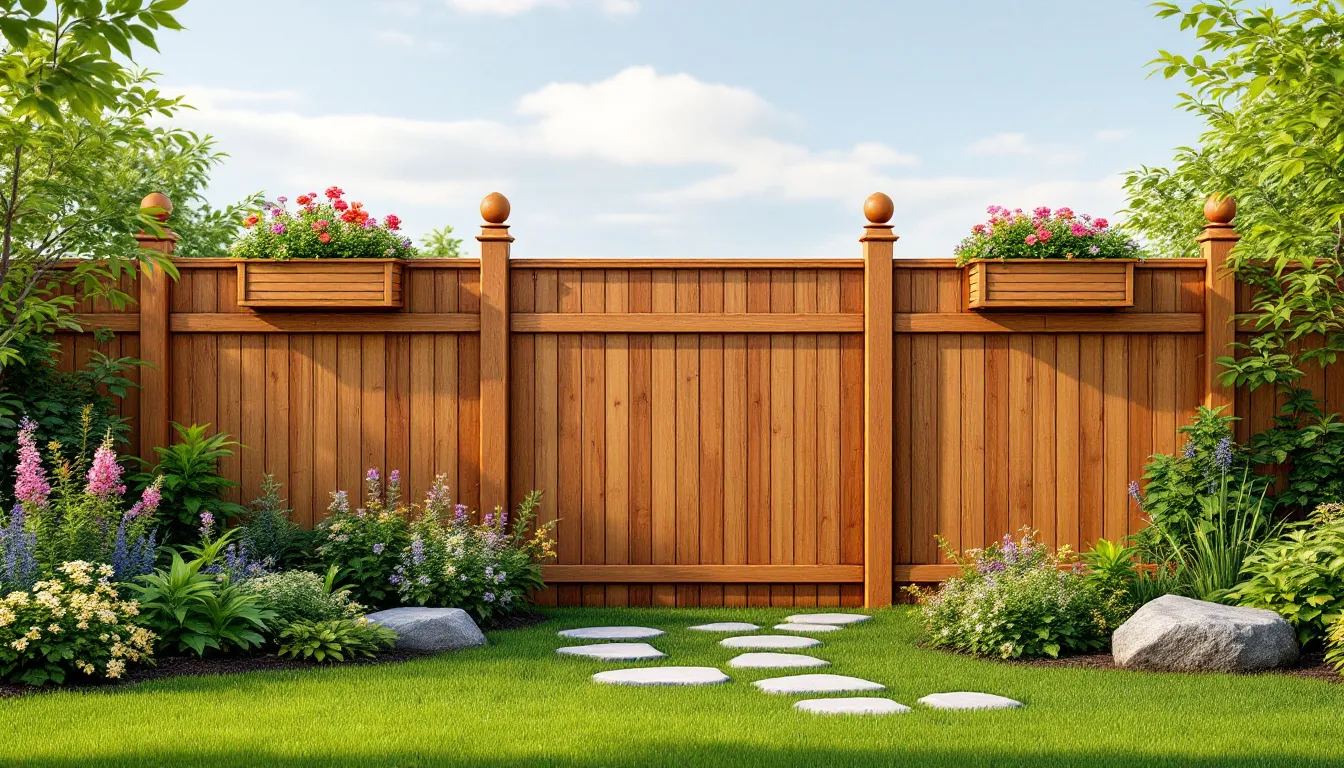
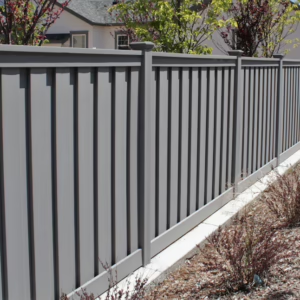
Composite fencing was designed to provide the appearance of wood while reducing maintenance.
Many composite fences use a wood-grain finish to create a more natural look.
Advantages of Composite Fencing
1. Premium Wood Appearance
One of the biggest advantages of composite fencing is appearance.
Composite can provide:
✔ Realistic wood textures
✔ Modern colors
✔ High-end appearance
✔ Contemporary designs
It is especially popular with homeowners wanting a luxury look.
2. Exceptional Durability
Composite fencing is designed to withstand years of outdoor exposure.
Benefits include:
- Rot resistance
- Insect resistance
- Moisture resistance
- Color retention
Composite is often chosen for homeowners who want a fence that looks great for decades.
3. Minimal Maintenance
Like vinyl, composite does not require:
- Staining
- Painting
- Sealing
Maintenance typically includes occasional cleaning.
 Potential Drawbacks of Composite Fence
1. Higher Cost
Composite fencing is usually one of the more expensive privacy fence options.
The higher price comes from:
- Premium materials
- Manufacturing process
- Long-term durability
2. Heavier Material
Composite boards are often heavier than vinyl.
This means:
- Strong installation is important
- Proper posts and framing matter
- Labor costs may be higher
3. Repairs Can Be More Complicated
If a board is damaged, matching replacement material may be more difficult depending on the manufacturer and product line.
Which Fence Handles Midwest Weather Better?
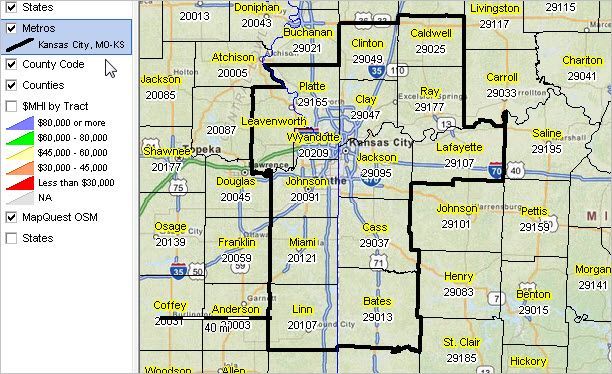
Kansas and Missouri homeowners deal with:
- Strong winds
- Severe thunderstorms
- Heavy rain
- Freeze/thaw cycles
- Hot summers
- Winter ice
Both vinyl and composite can perform well, but installation quality matters.
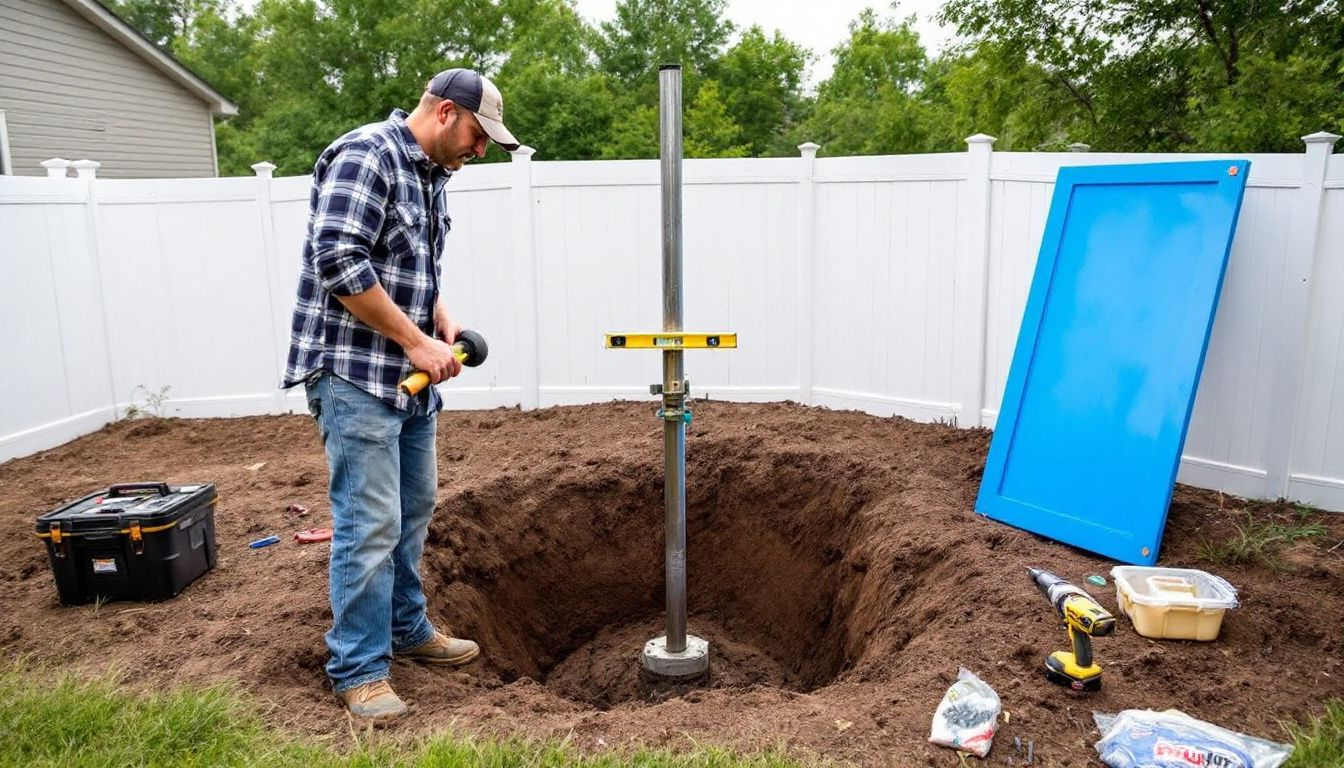
Best Practices for Midwest Fence Installation:
✔ Proper post depth
✔ Strong concrete footing
✔ Correct spacing
✔ Quality hardware
✔ Professional installation
A premium fence installed incorrectly will not perform as well as a properly installed fence.
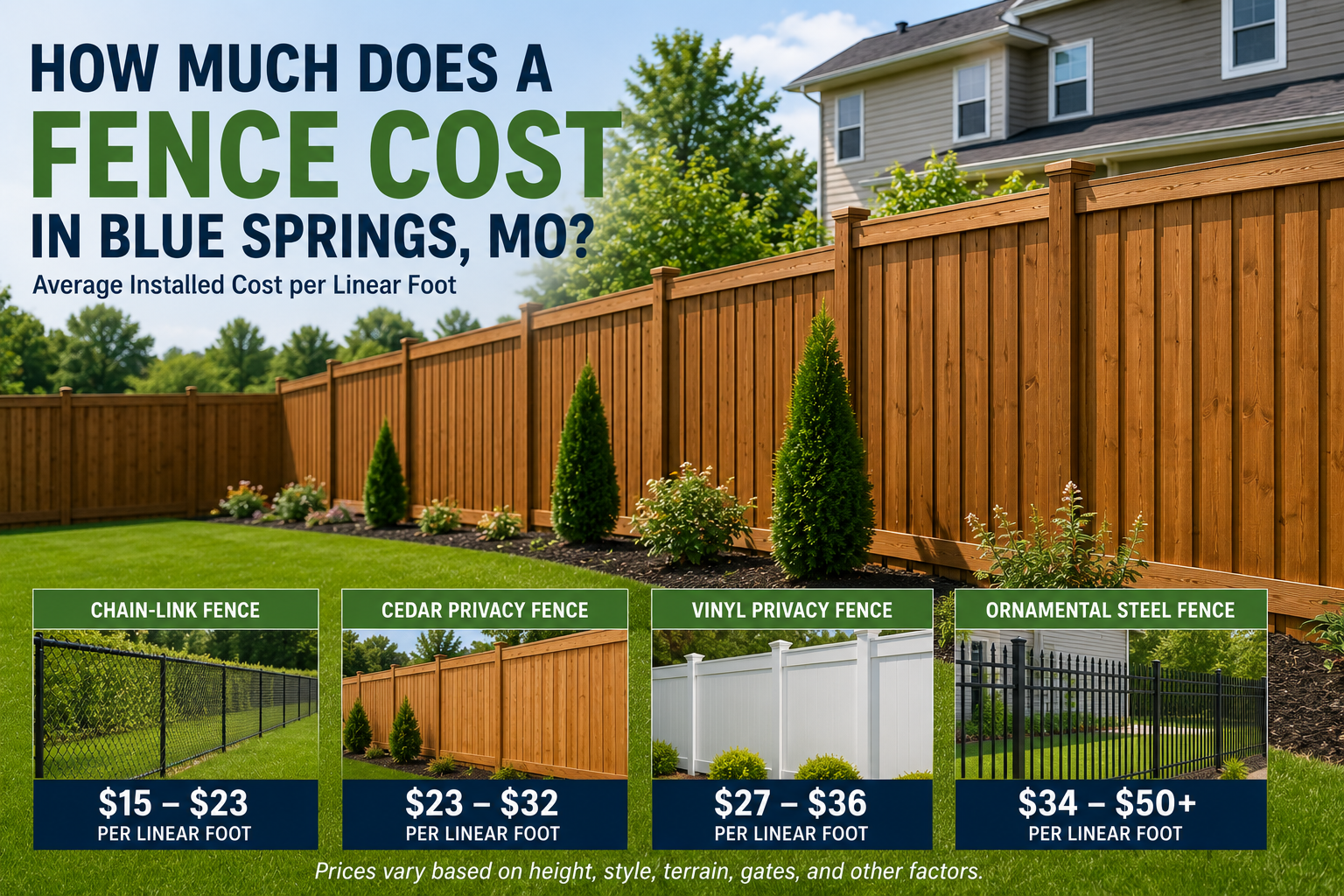
Which Fence Is More Affordable?
Generally:
Vinyl Fence:
💲💲💲
Composite Fence:
💲💲💲💲
Vinyl usually has the advantage for homeowners looking for:
- Privacy
- Low maintenance
- Better upfront pricing
Composite is often chosen by homeowners willing to invest more for:
- Premium appearance
- Long-term durability
- A luxury finish
Which Fence Looks Better?
This depends on your home’s style.
Choose Vinyl If You Like:
- Clean lines
- Modern appearance
- Traditional white privacy fencing
- Low-maintenance simplicity
Best for:
- Suburban homes
- New construction
- Pool areas
Choose Composite If You Like:
- Natural wood appearance
- Modern designs
- Premium finishes
- Contemporary landscaping
Best for:
- High-end homes
- Modern architecture
- Custom outdoor spaces
Which Fence Adds More Curb Appeal?
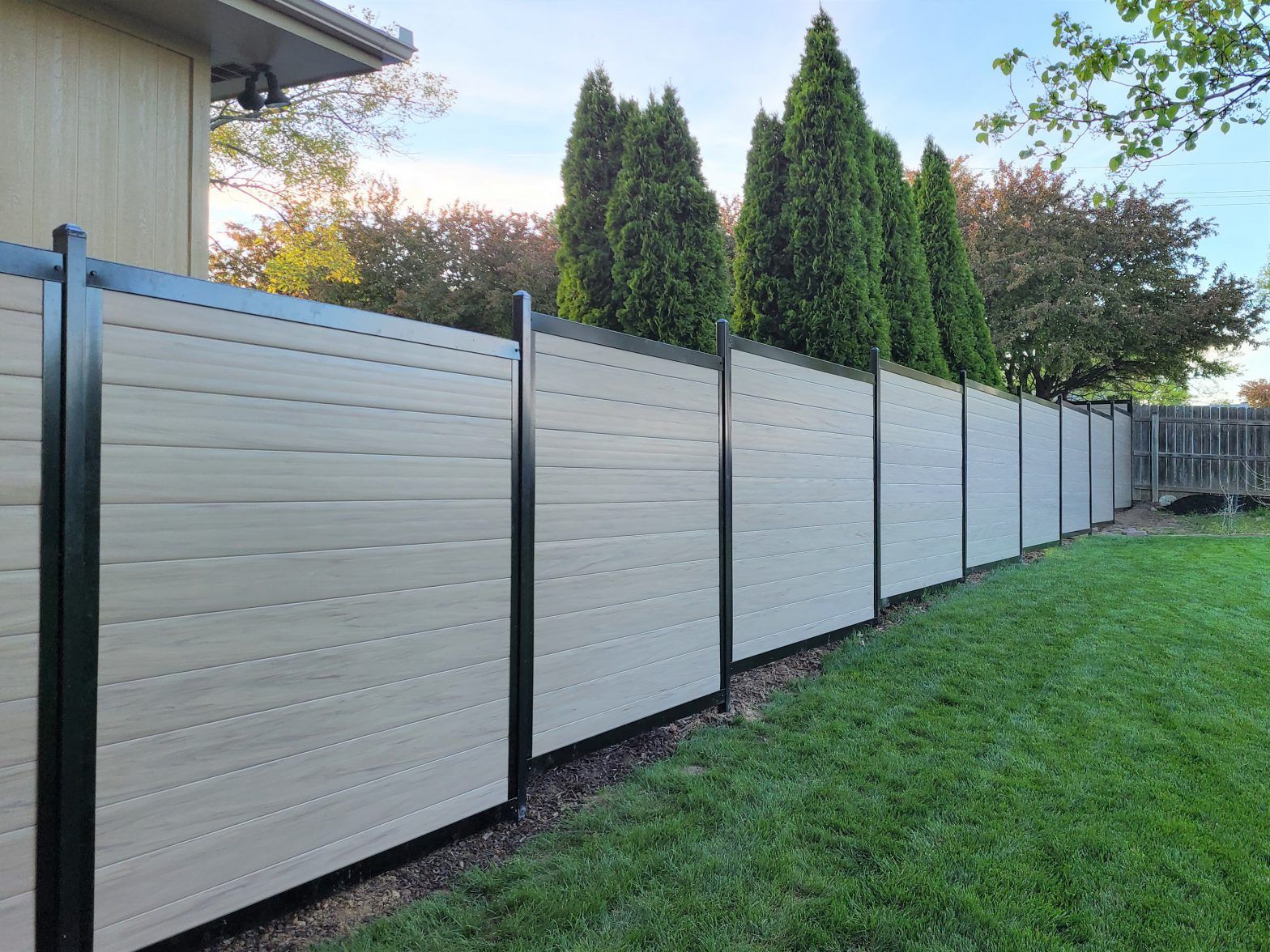
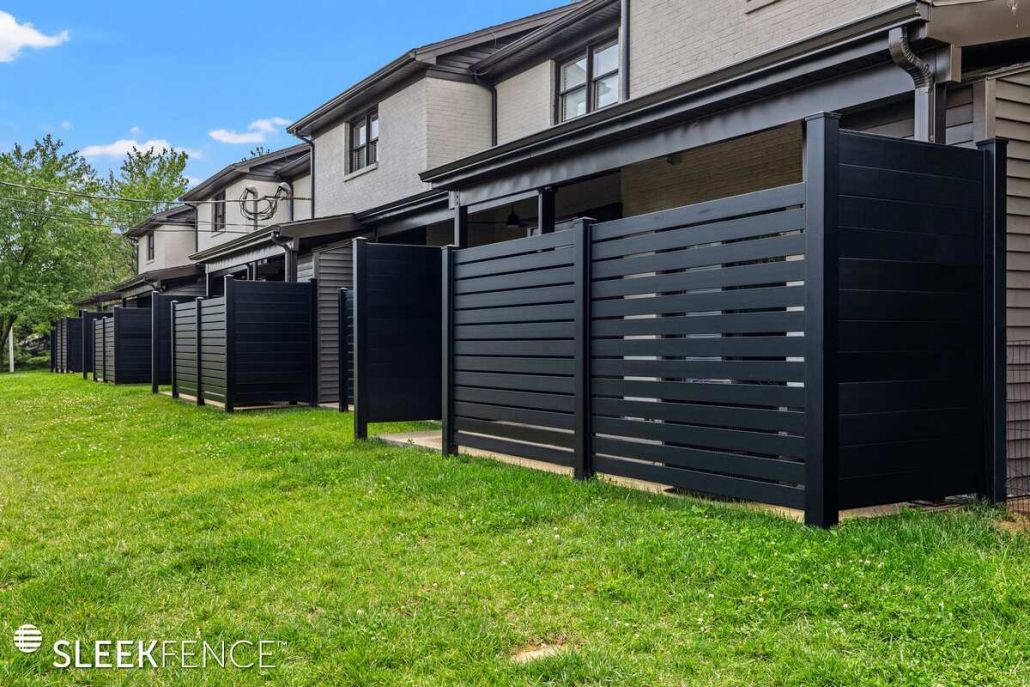
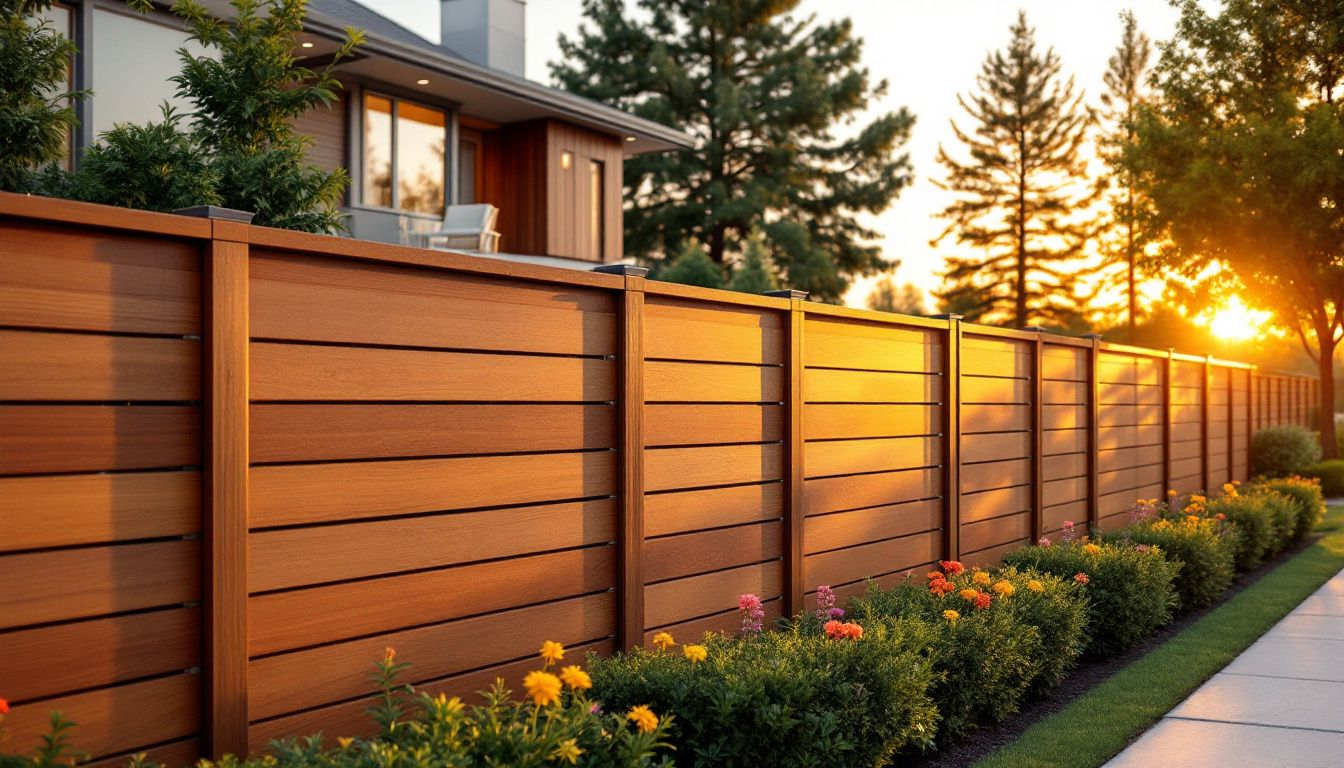
Composite generally has an advantage when homeowners want a premium appearance.
Popular composite fence looks include:
- Dark wood tones
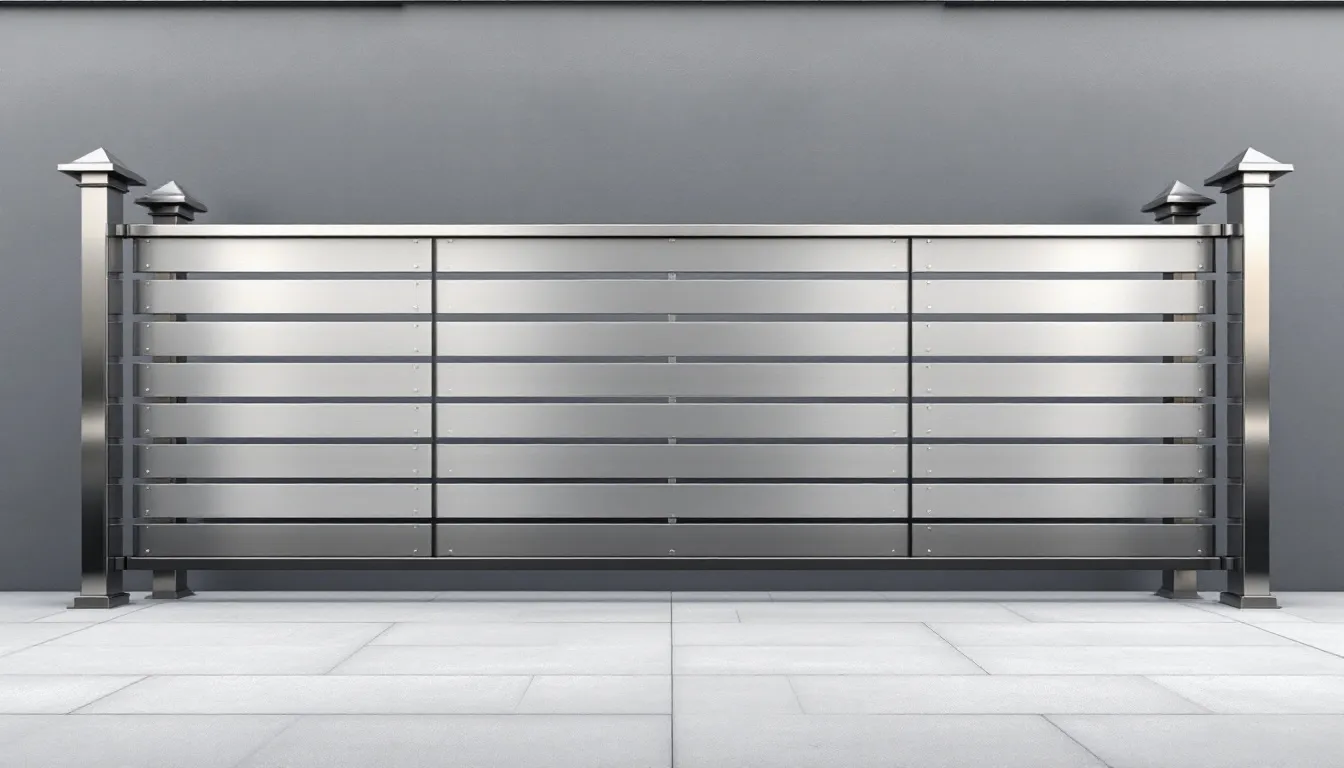
- Horizontal designs
- Modern privacy panels
Vinyl provides a clean and timeless appearance but typically looks more traditional.
Which Fence Is Better for Privacy?
Both options provide excellent privacy.
Vinyl Privacy Fence:
Best for:
✔ Maximum privacy
✔ Traditional backyard enclosure
✔ Budget-conscious homeowners
Composite Fence:
Best for:
✔ Premium privacy
✔ Designer outdoor spaces
✔ Modern homes
Vinyl vs Composite: Which Should You Choose?
Choose Vinyl Privacy Fence If You Want:
✅ Lower upfront cost
✅ Easy maintenance
✅ Reliable privacy
✅ Clean appearance
✅ Long lifespan
Choose Composite Fence If You Want:
✅ Premium appearance
✅ Wood-like texture
✅ Maximum durability
✅ Modern design
✅ Long-term investment
Final Recommendation: Vinyl or Composite Fence?
For most Midwest homeowners:
🏆 Best overall value: Vinyl privacy fence
🏆 Best premium option: Composite fence
🏆 Best natural appearance: Composite fence
🏆 Best budget-friendly low maintenance: Vinyl fence
Both materials are excellent choices. The best option depends on whether your priority is saving money upfront or investing in a premium fence that delivers a high-end look for decades.
Before choosing your fence, consider your home’s style, neighborhood requirements, maintenance preferences, and long-term goals.
Slagle Fence helps homeowners throughout Kansas and Missouri choose the right fencing solution — from vinyl privacy fences to premium composite fence systems built for Midwest weather.