Will a Wood Fence Rot or Warp Fast at My Lakehouse?
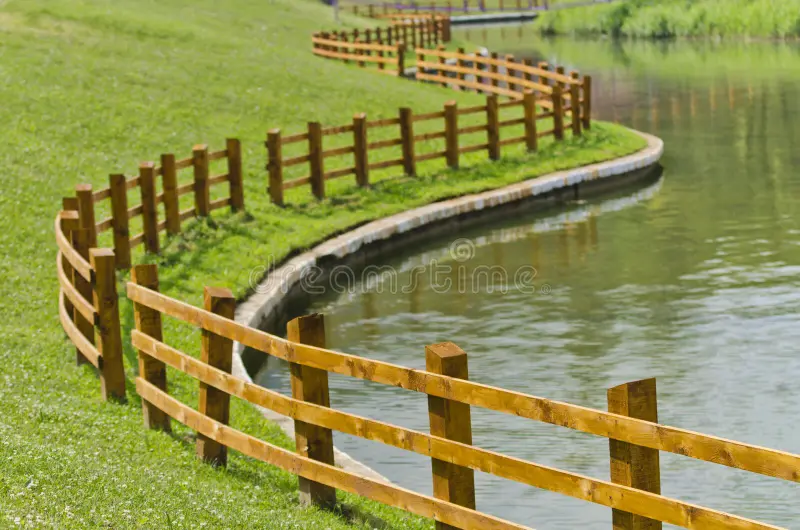
A lakehouse is the perfect place to relax, entertain, and enjoy the outdoors—but waterfront properties create unique challenges when it comes to choosing and maintaining a fence.
Many lake homeowners ask:
“Will a wood fence rot or warp faster at my lakehouse?”
The answer is: it can, but proper material selection, installation, and maintenance can greatly extend the life of a wood fence.
A wood fence near a lake is exposed to more moisture, humidity, changing temperatures, and sometimes poor drainage compared to a typical suburban yard. However, a properly installed cedar or treated wood fence can still be an excellent choice for lake properties.
Why Are Lakehouse Fences Harder on Wood?
Waterfront properties often experience environmental conditions that can accelerate wood deterioration.
1. Increased Moisture Exposure
Wood naturally absorbs moisture, and lake properties often have:
- Higher humidity
- Morning dew
- Rain runoff
- Wet soil conditions
- Splashing near shorelines
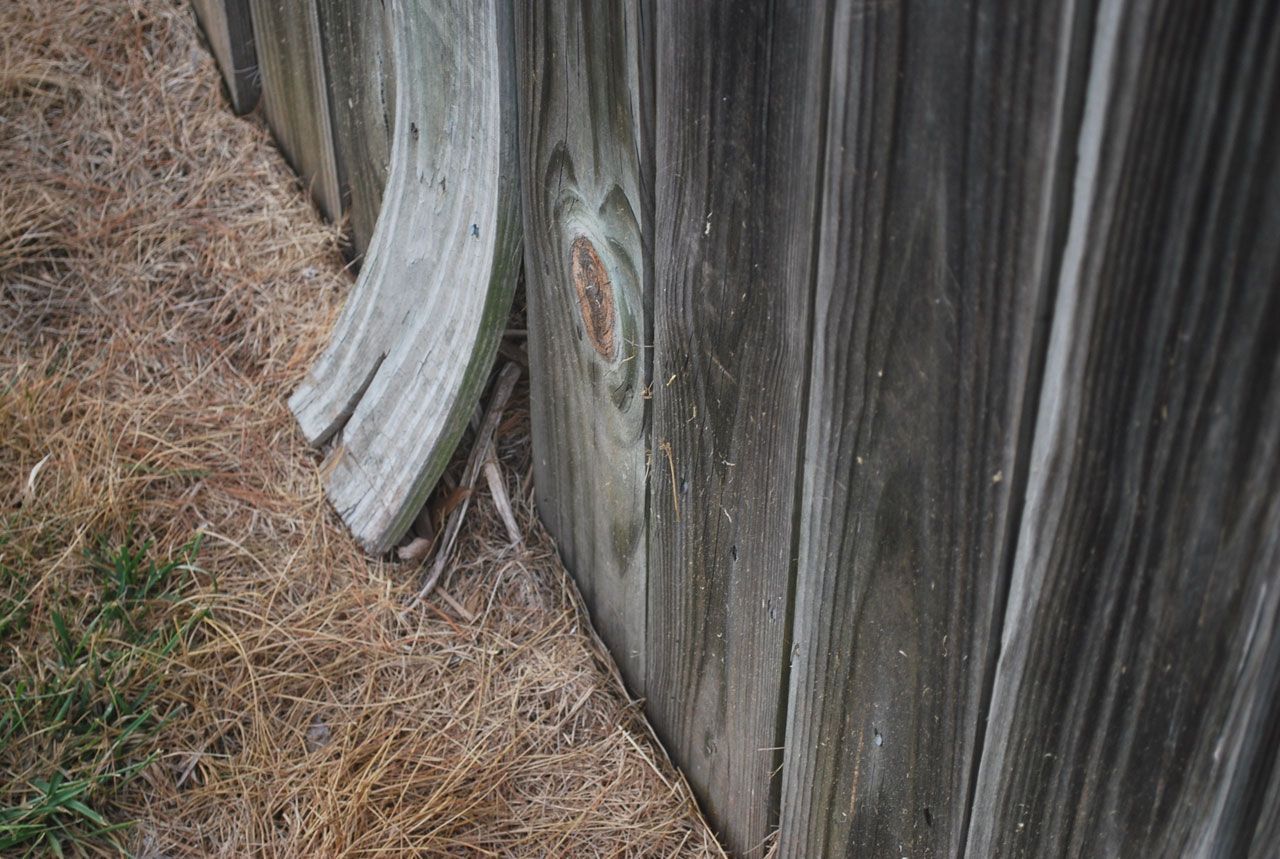
Repeated moisture exposure can contribute to:
- Rot
- Mold growth
- Softening wood fibers
- Premature aging
The key is not avoiding moisture completely—it is choosing materials and installation methods that allow the fence to dry properly.
2. Poor Drainage Can Damage Fence Posts
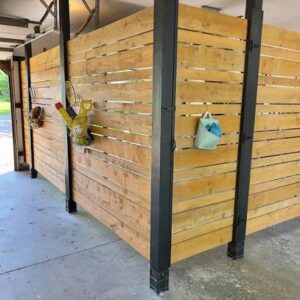 Fence posts are often the first area to show problems.
When posts sit in constantly wet soil, they may experience:
- Rot at ground level
- Soil movement
- Leaning
- Reduced structural strength
Lake properties often have:
- Lower areas
- Sloped lots
- Clay soils
- Areas affected by runoff
Proper drainage and installation are critical.
3. Wind Exposure Near the Water
Many lake homes experience stronger wind conditions than protected neighborhoods.
Wind can put additional stress on:
- Fence posts
- Gate hardware
- Fence panels
A wood fence at a lakehouse may benefit from:
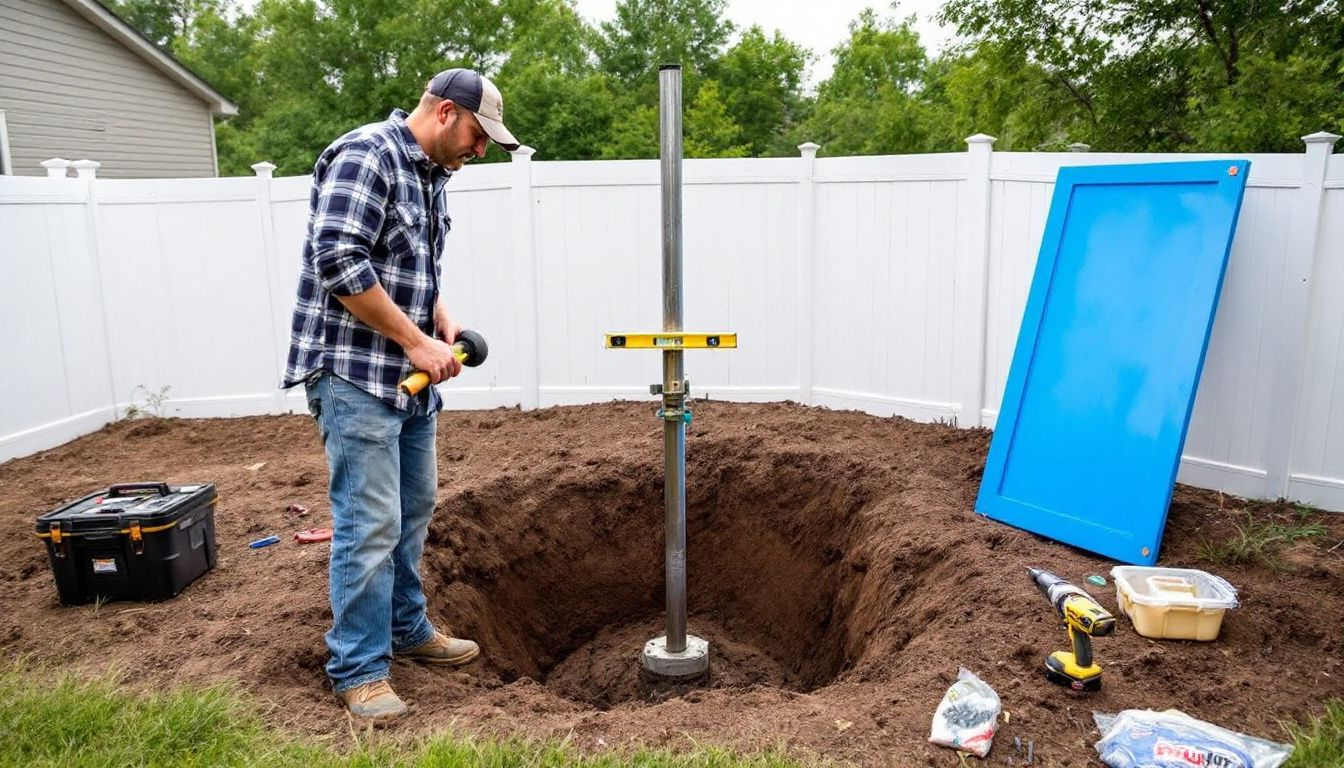
- Larger posts
- Deeper post holes
- Stronger hardware
- Steel post upgrades
Cedar vs Pressure-Treated Pine at a Lakehouse
Choosing the right wood matters.
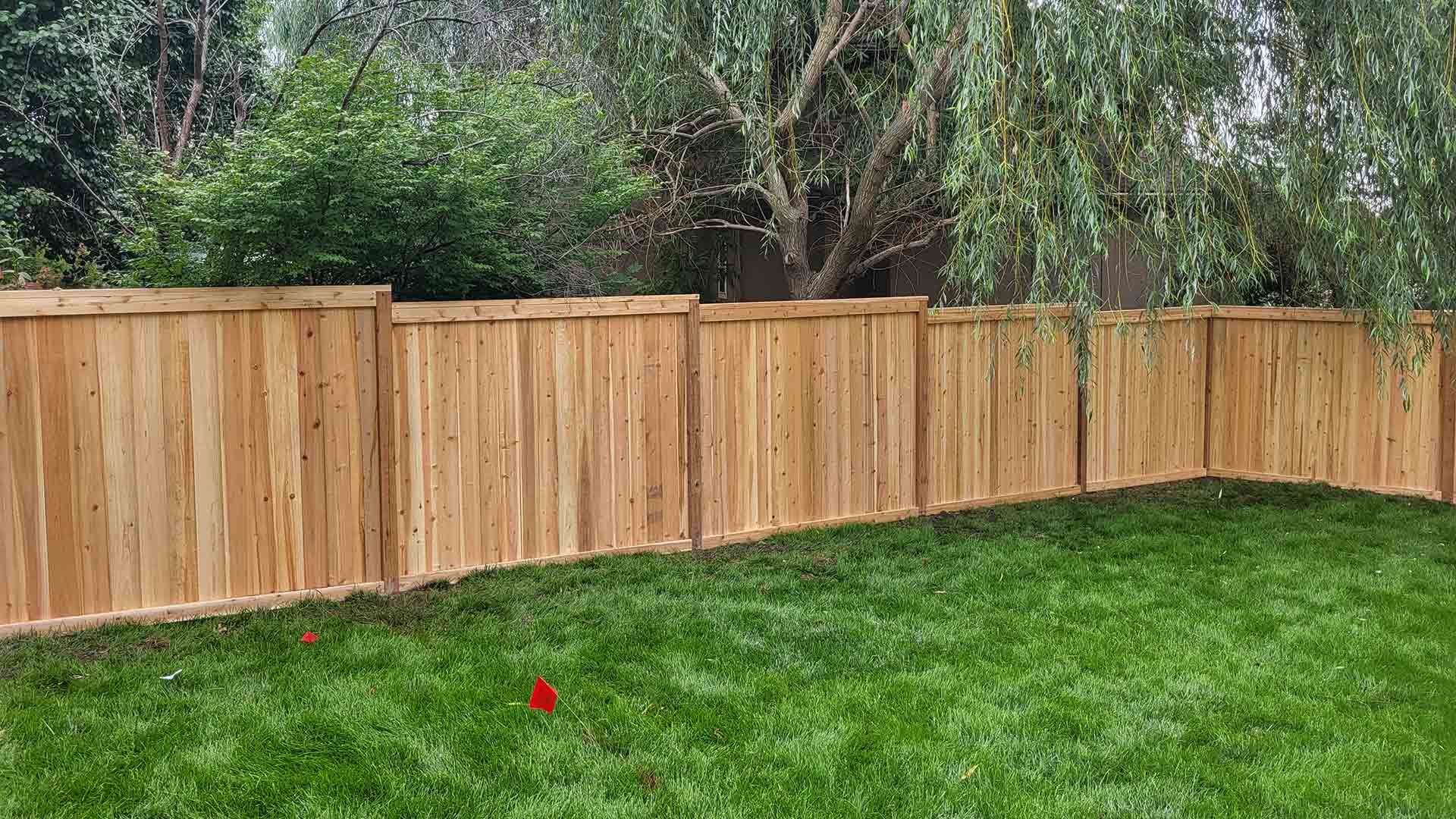
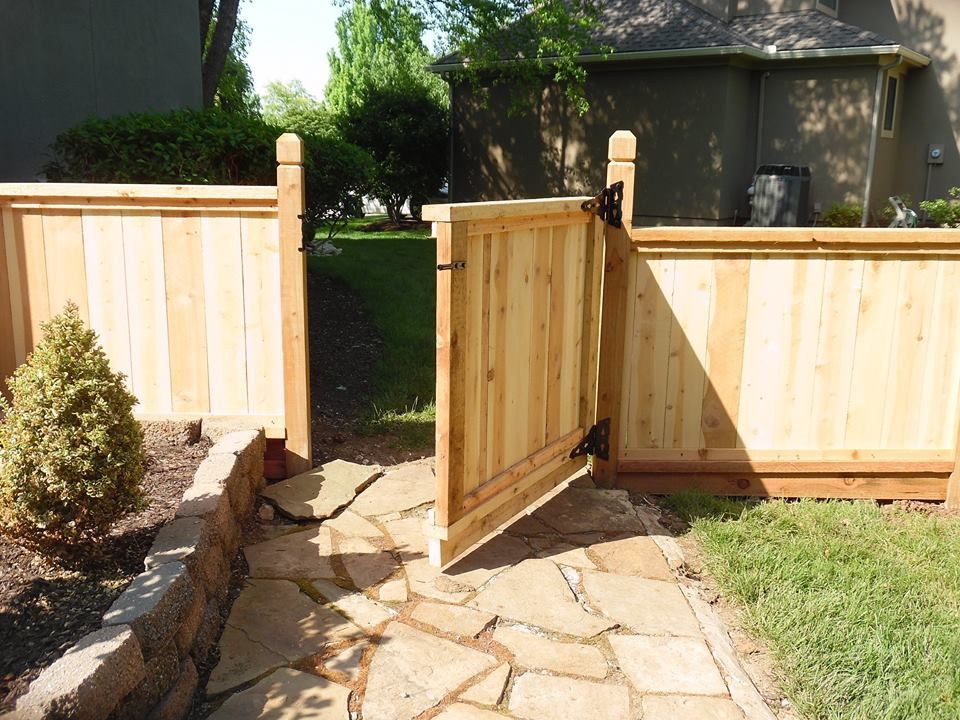
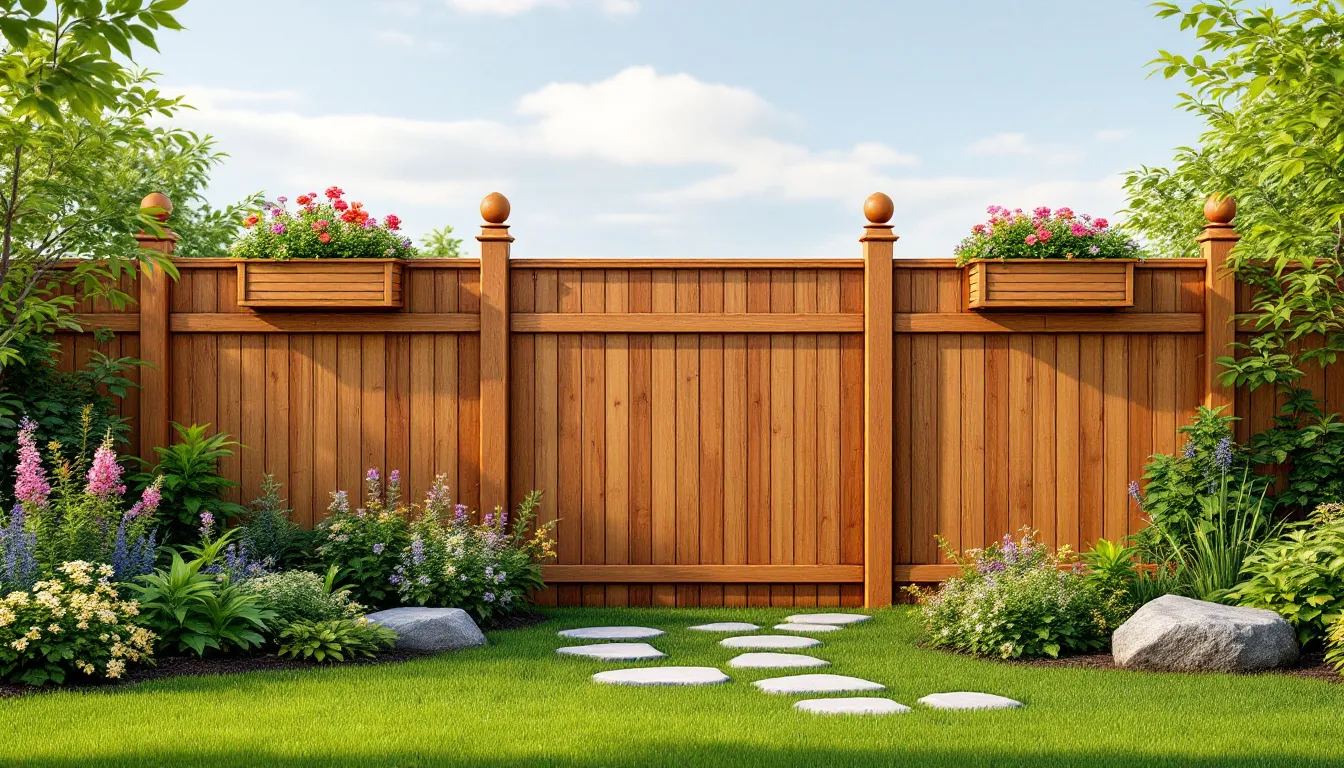
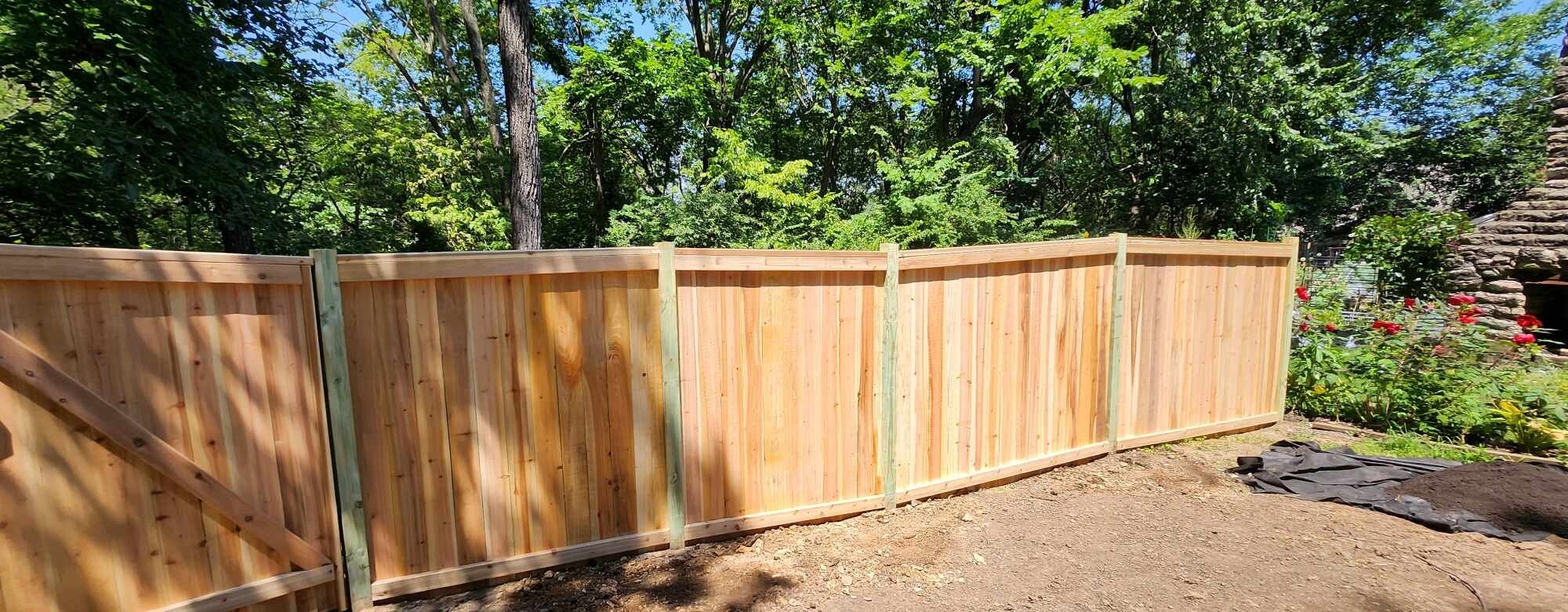
Cedar Fence
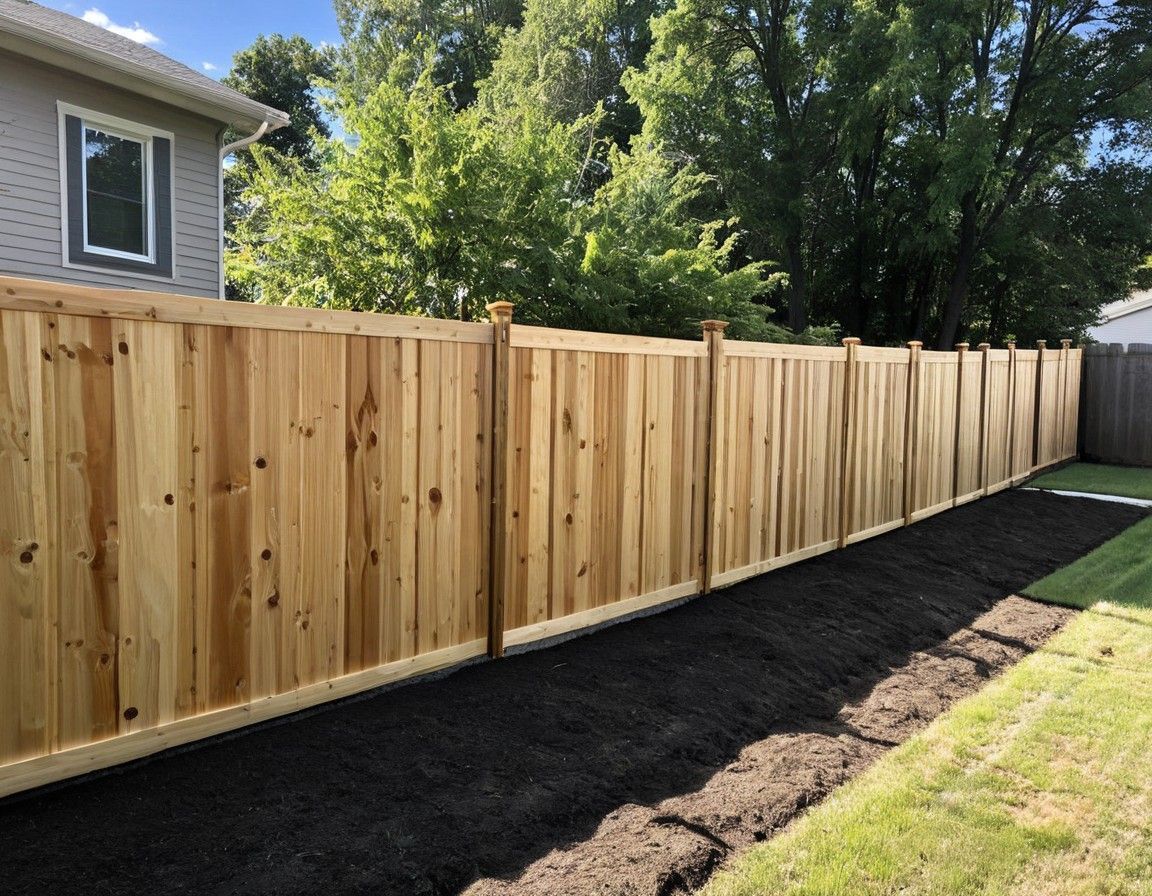
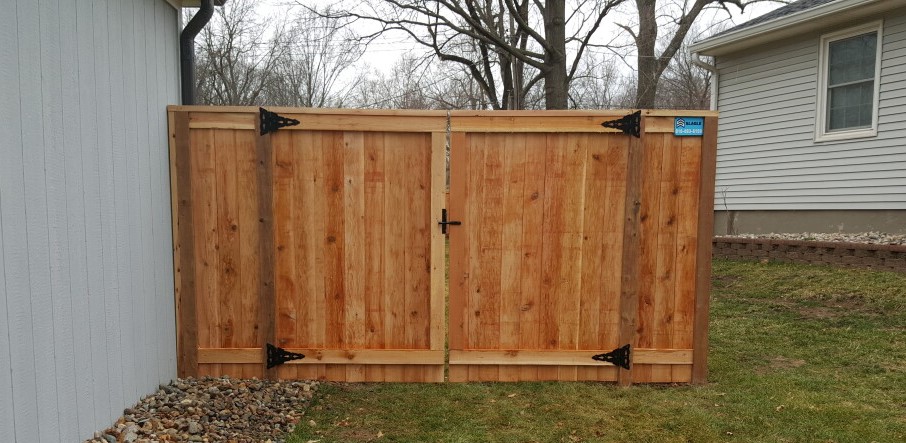
Cedar is often considered the premium choice for waterfront properties.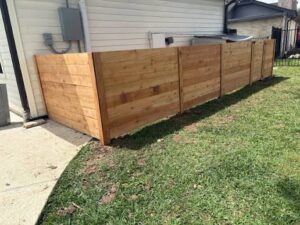
Benefits:
✅ Naturally resistant to moisture
✅ Naturally insect resistant
✅ Less likely to warp than many wood species
✅ Beautiful appearance
✅ Ages well with proper care
Cedar is a popular choice for:
- Lake homes
- Luxury properties
- Vacation homes
- Outdoor entertaining spaces
Pressure-Treated Pine Fence
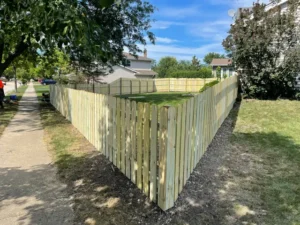 Pressure-treated pine is another common option.
Benefits:
✅ Lower upfront cost
✅ Strong structural material
✅ Widely available
However, compared to cedar, pine generally:
- Absorbs more moisture
- Requires more maintenance
- Can be more prone to warping
A pine fence can still perform well, but it requires proper sealing and upkeep.
How Long Will a Wood Fence Last at a Lakehouse?
The lifespan depends on:
- Wood type
- Installation quality
- Maintenance
- Drainage
- Sun exposure
- Soil conditions
Typical expectations:
Cedar Fence:
15–25+ years with proper maintenance
Pressure-Treated Pine Fence:
10–15 years with proper maintenance
A neglected fence near water may fail much sooner, while a properly maintained fence can provide decades of service.
How to Prevent Wood Fence Rot at a Lake Property
1. Choose Quality Fence Posts
The posts are the foundation of your fence.
Consider:
- Larger posts
- Proper depth
- Quality concrete installation
- Steel post upgrades
Steel posts paired with cedar fence panels are becoming increasingly popular because they improve long-term durability.
2. Keep Wood Away From Constant Moisture
Avoid:
- Soil touching fence boards
- Standing water near posts
- Sprinklers constantly hitting wood
- Vegetation trapping moisture
A fence needs airflow to dry.
3. Apply a Quality Wood Stain
Staining is one of the best ways to protect a wood fence.
A quality stain helps protect against:
- UV rays
- Rain
- Humidity
- Color fading
- Surface cracking
For lake properties, regular maintenance is especially important.
4. Choose the Right Fence Design
Some fence styles perform better in waterfront environments.
Good Options:
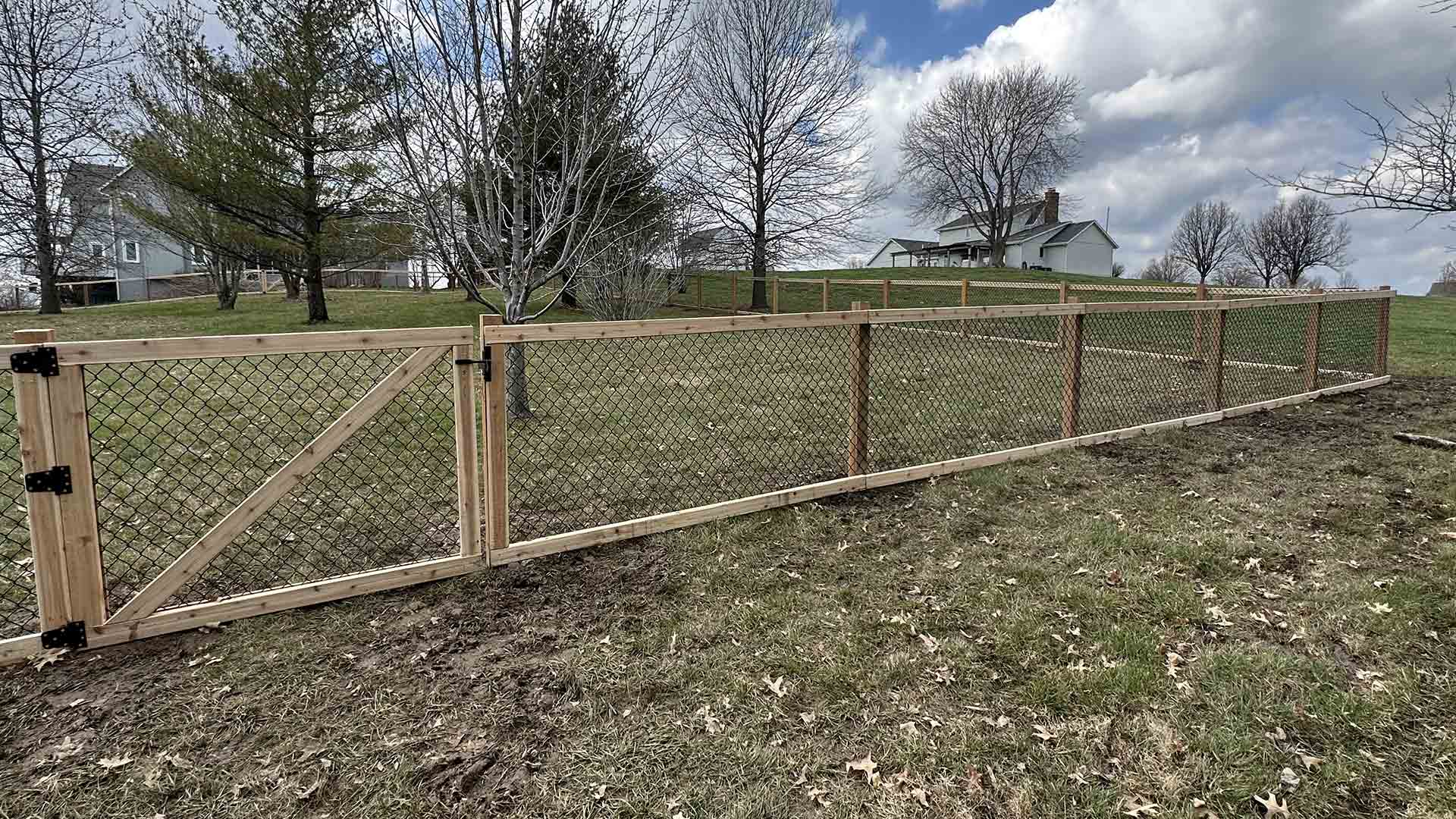
Cedar Privacy Fence
Great for:
- Privacy
- Wind protection
- Outdoor spaces
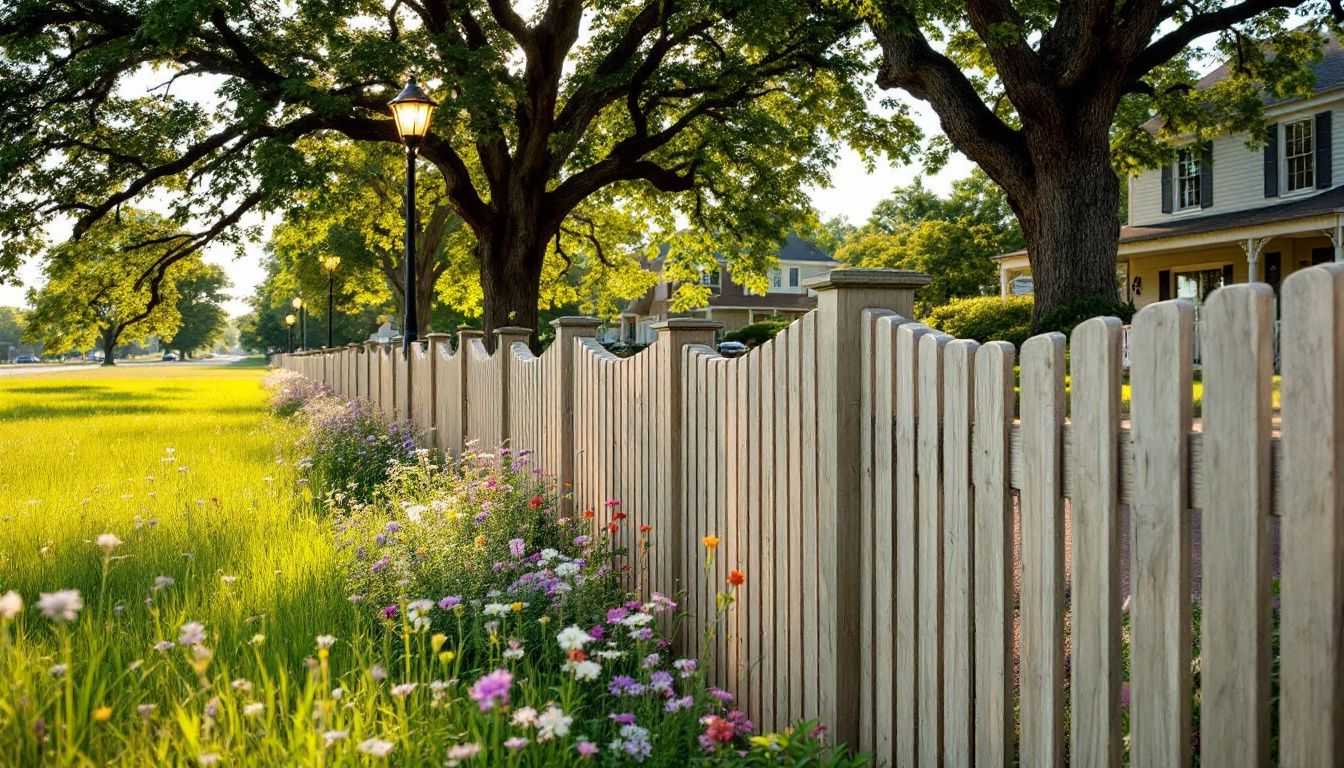
Cedar Shadowbox Fence
Great for:
- Better airflow
- Both-side appearance
- Wind exposure
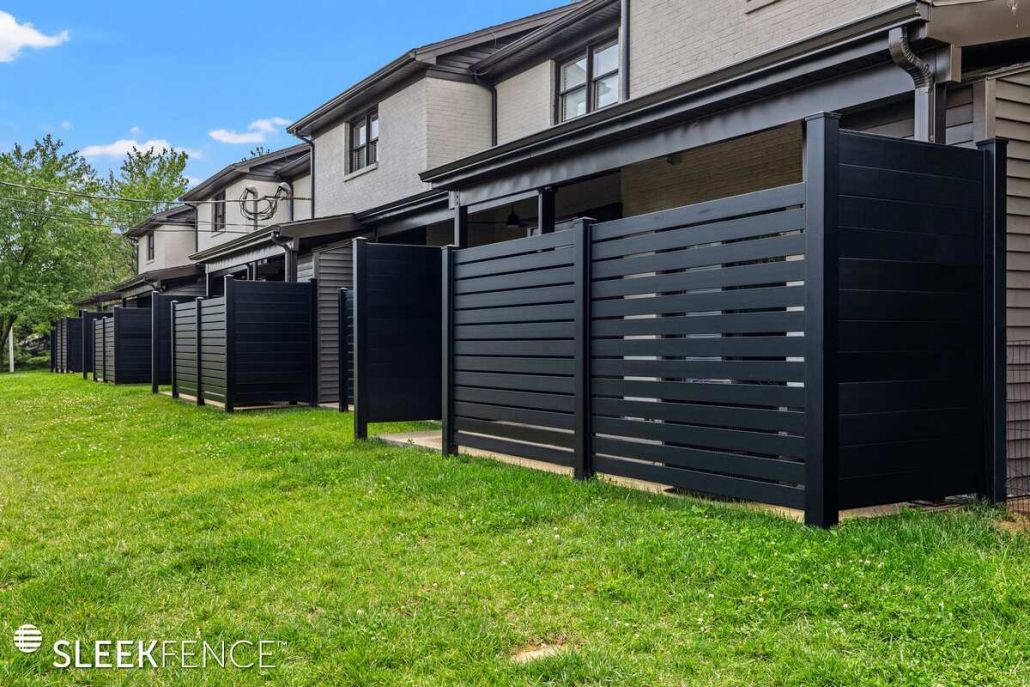
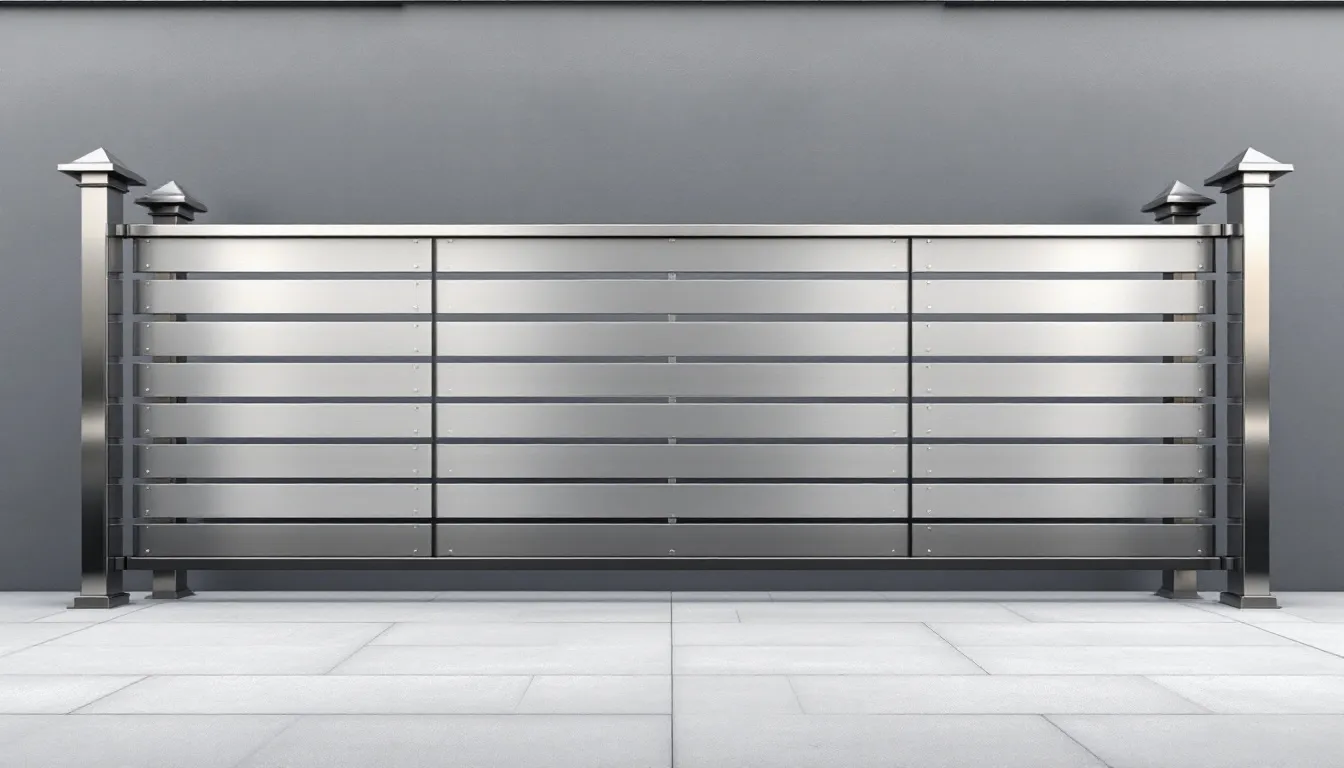
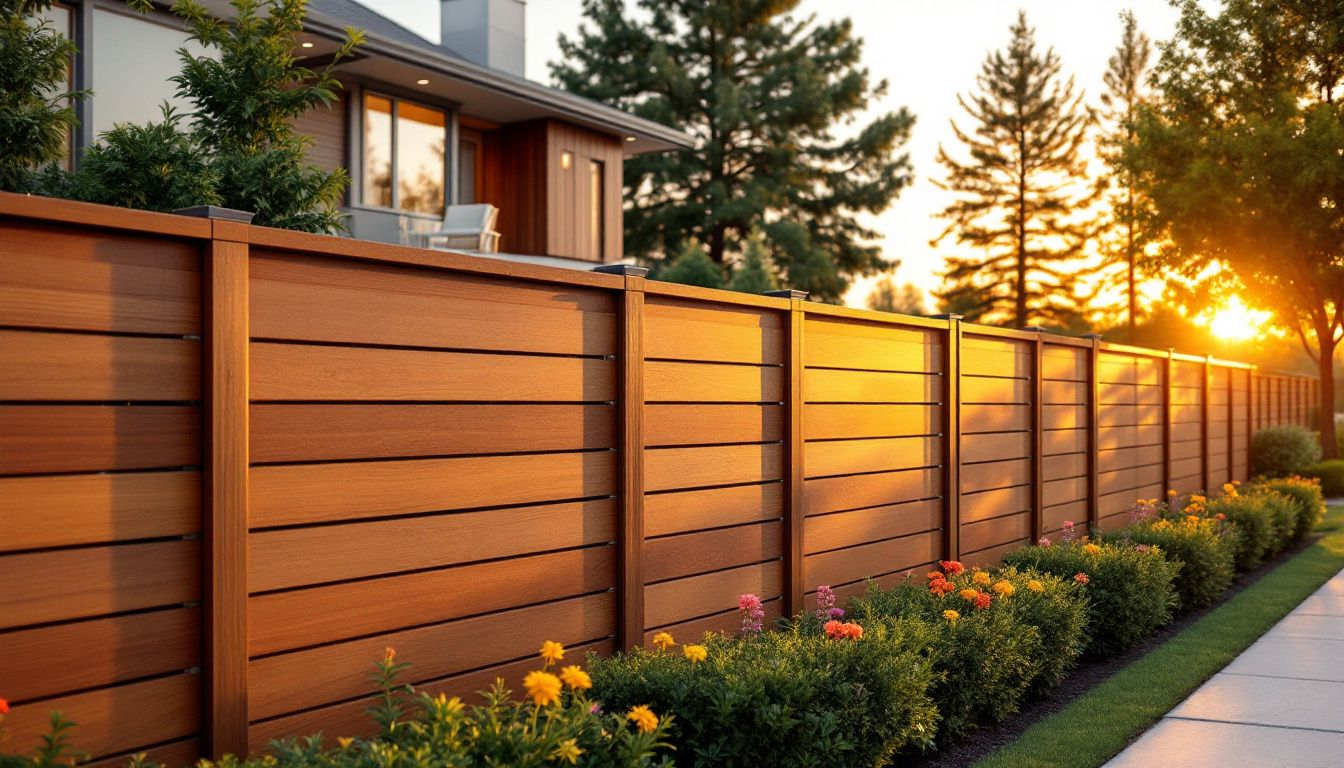
Horizontal Cedar Fence
Great for:
- Modern lake homes
- Custom designs
However, proper installation is important because horizontal boards can hold moisture if not designed correctly.
Are There Better Fence Options for a Lakehouse?
Wood is not your only option.
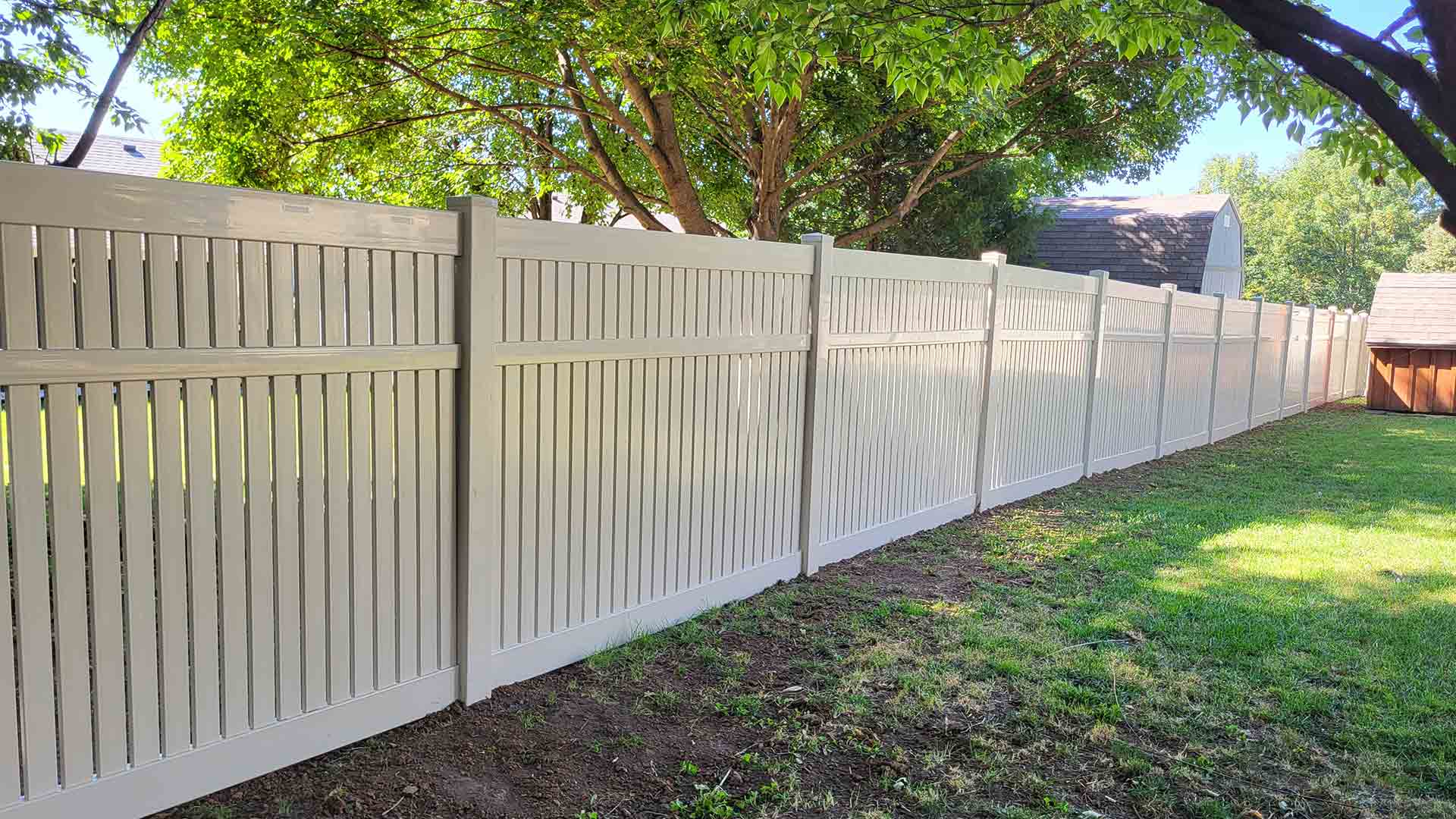
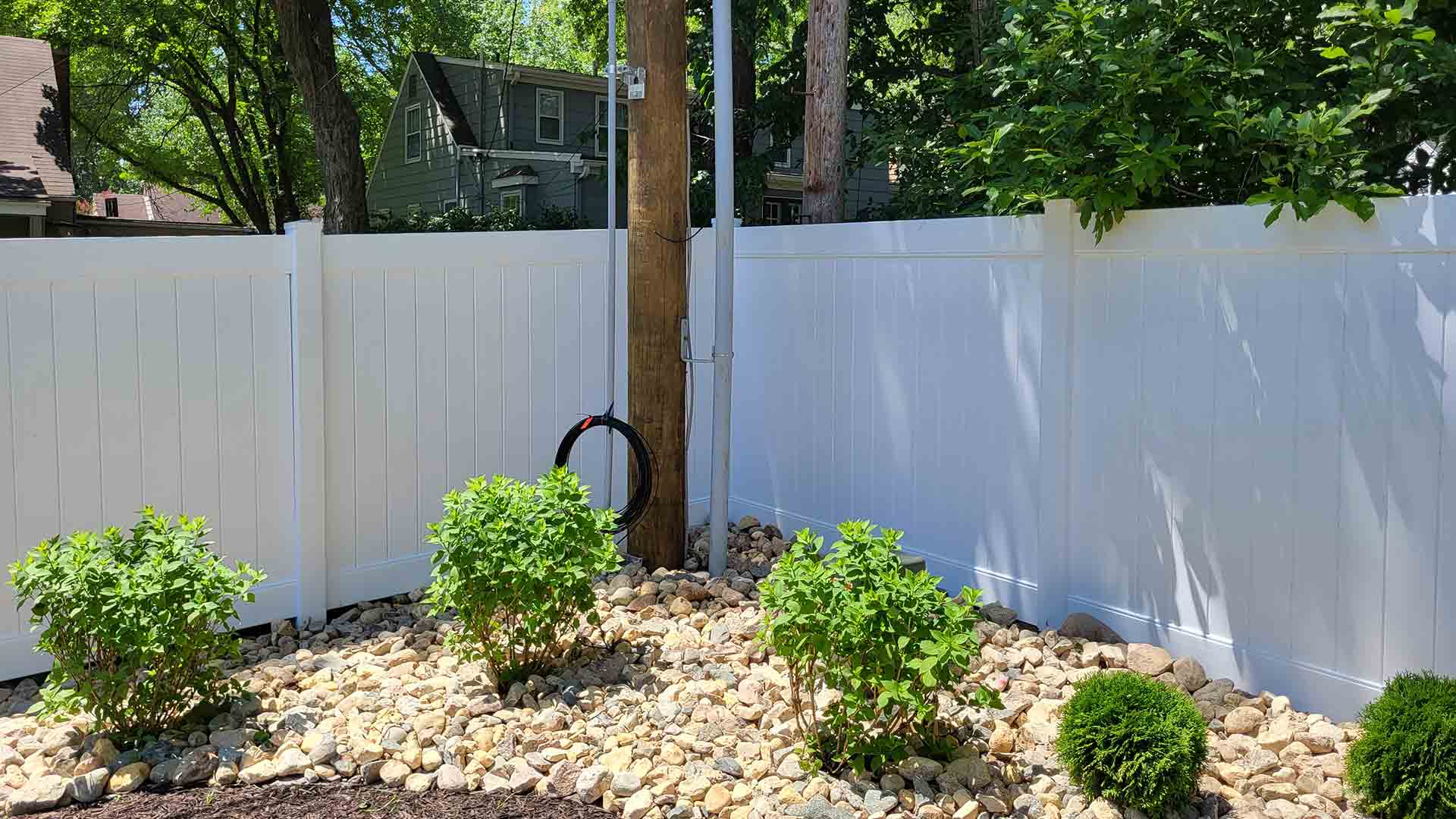
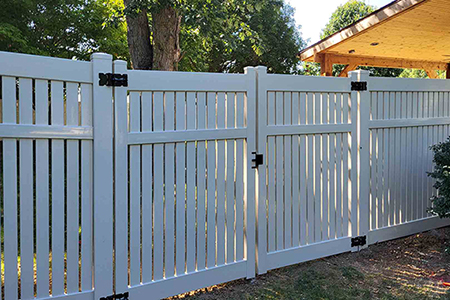
Vinyl Privacy Fence
Benefits:
✔ Won’t rot
✔ No staining
✔ Moisture resistant
✔ Easy maintenance
Great for homeowners who want a low-maintenance lake property fence.
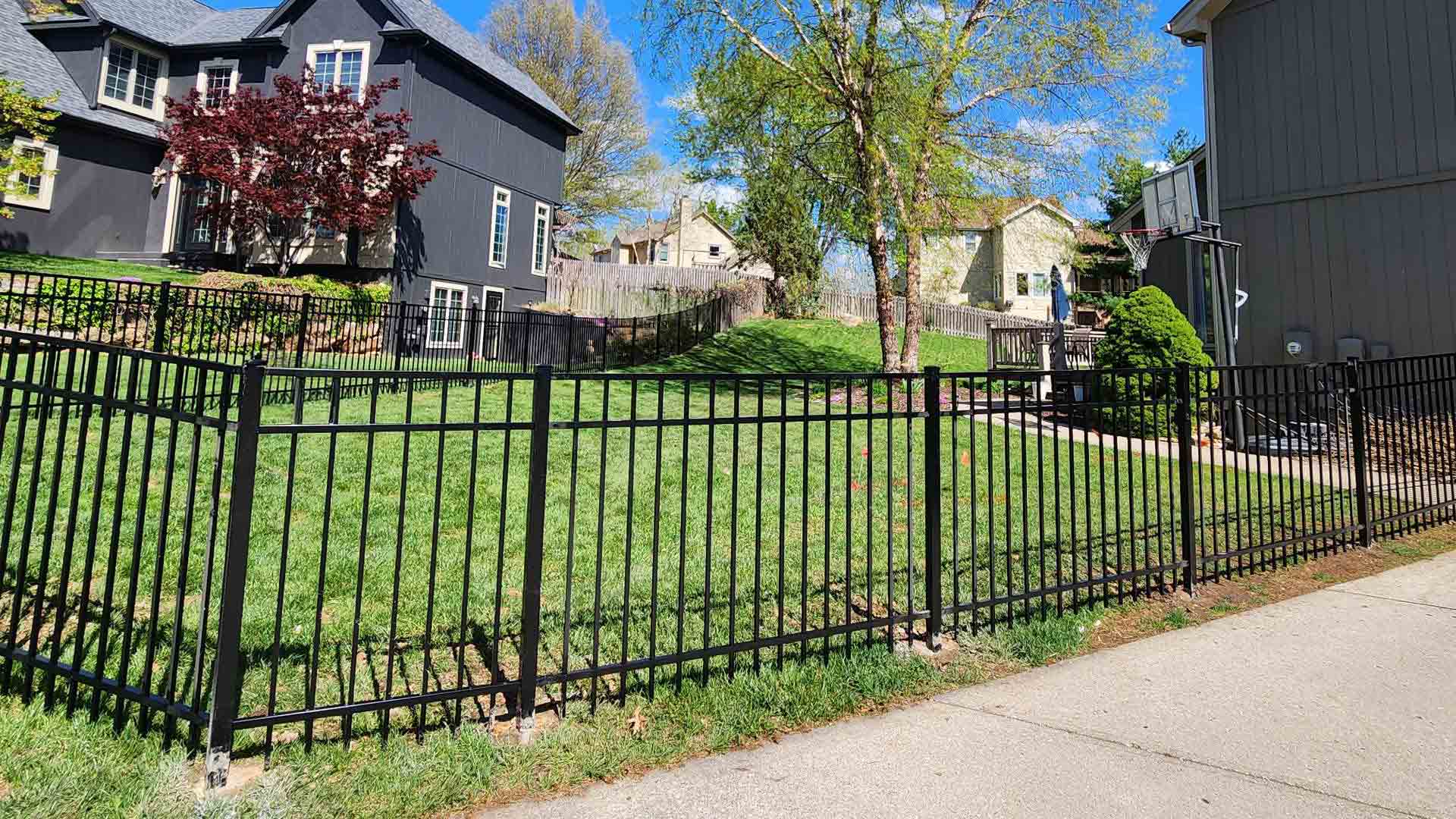
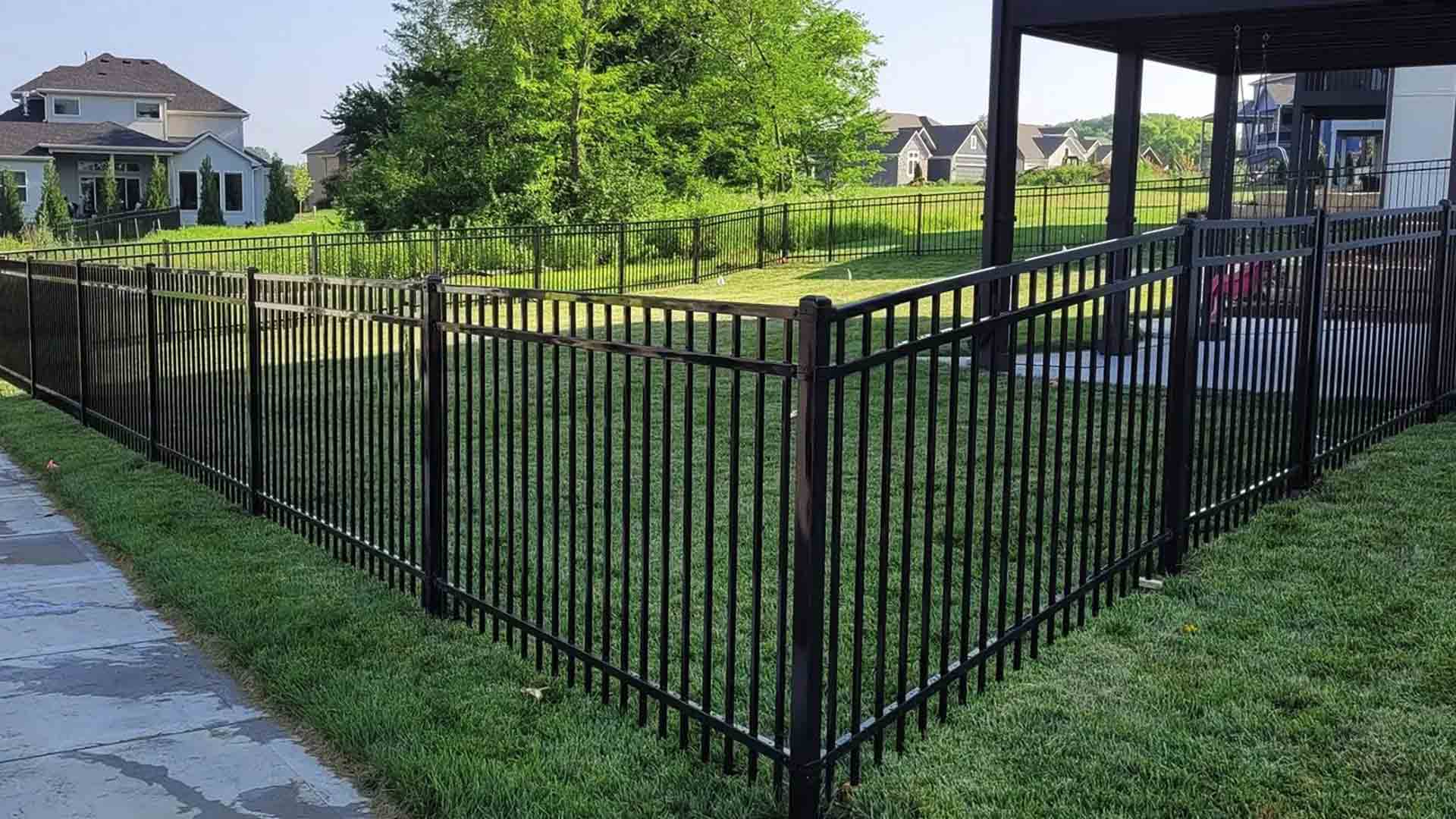
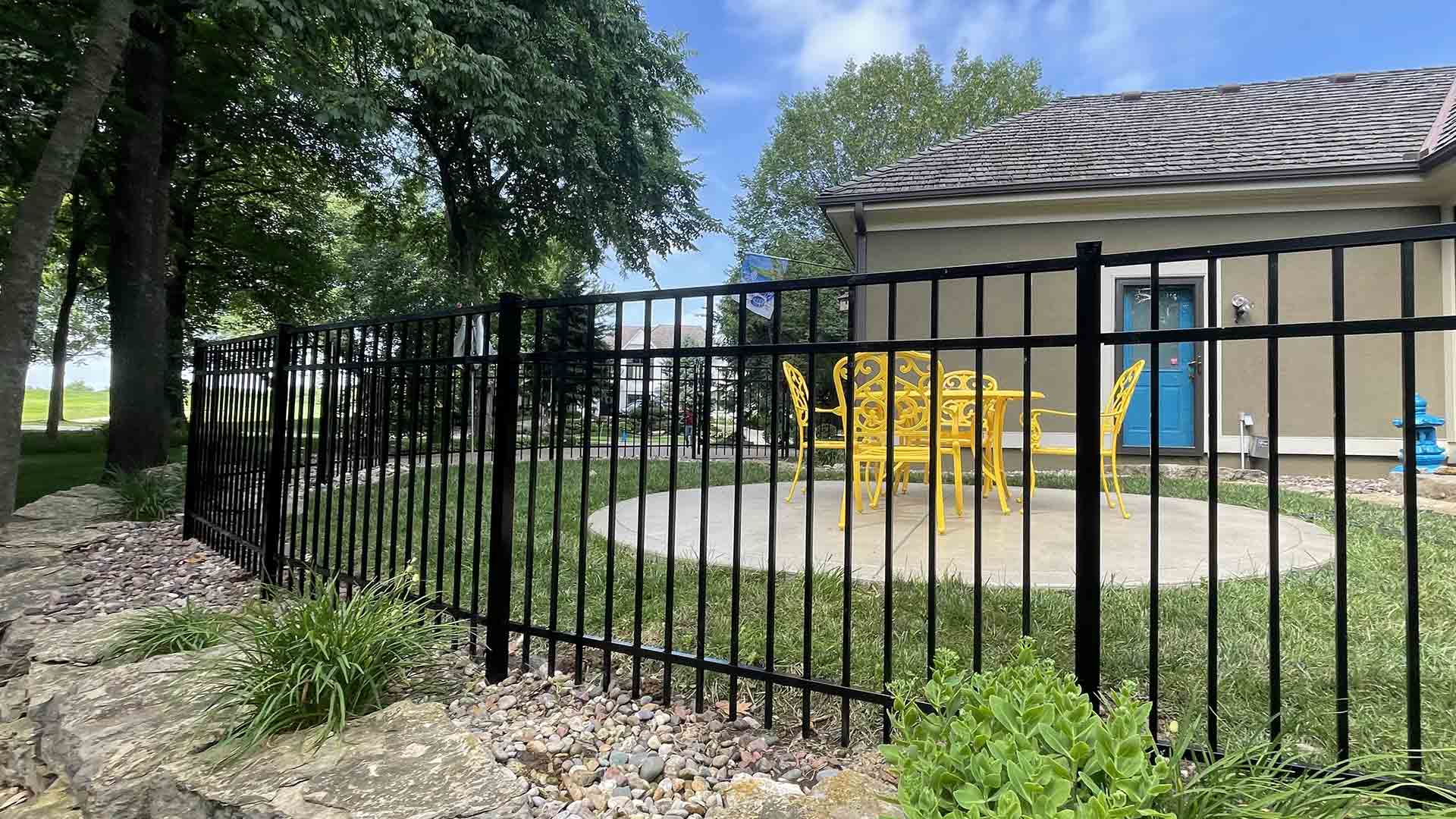
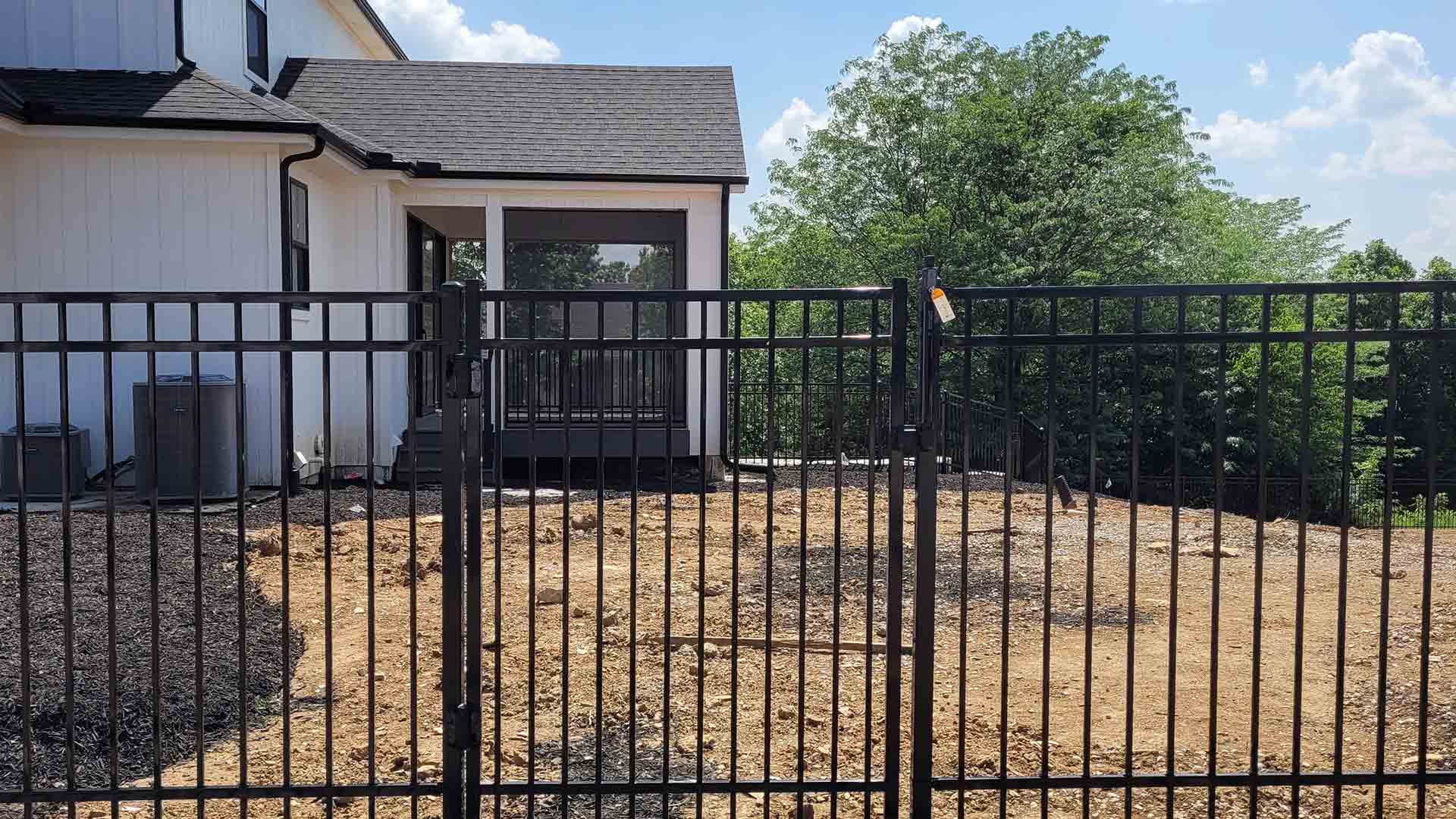
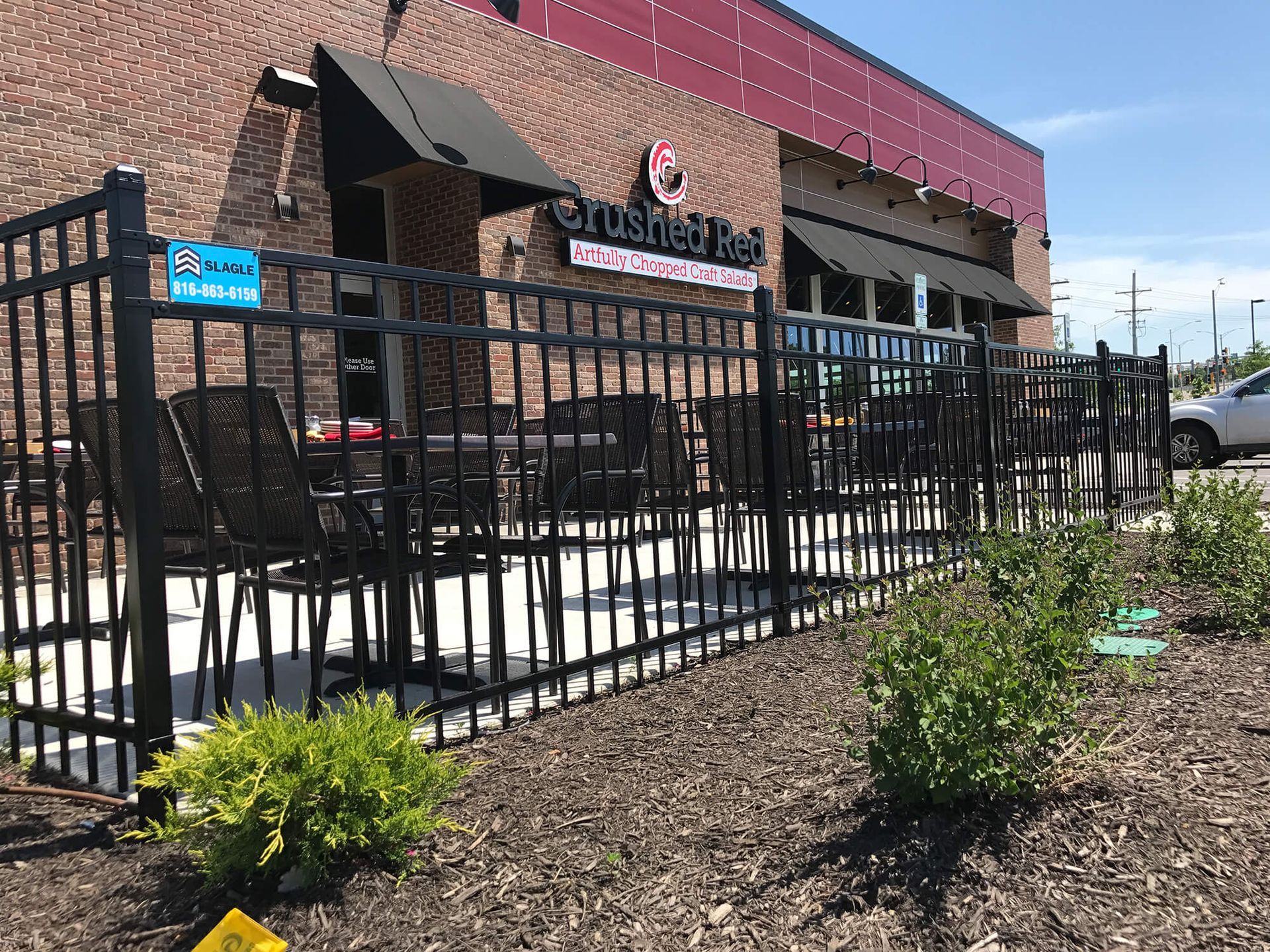
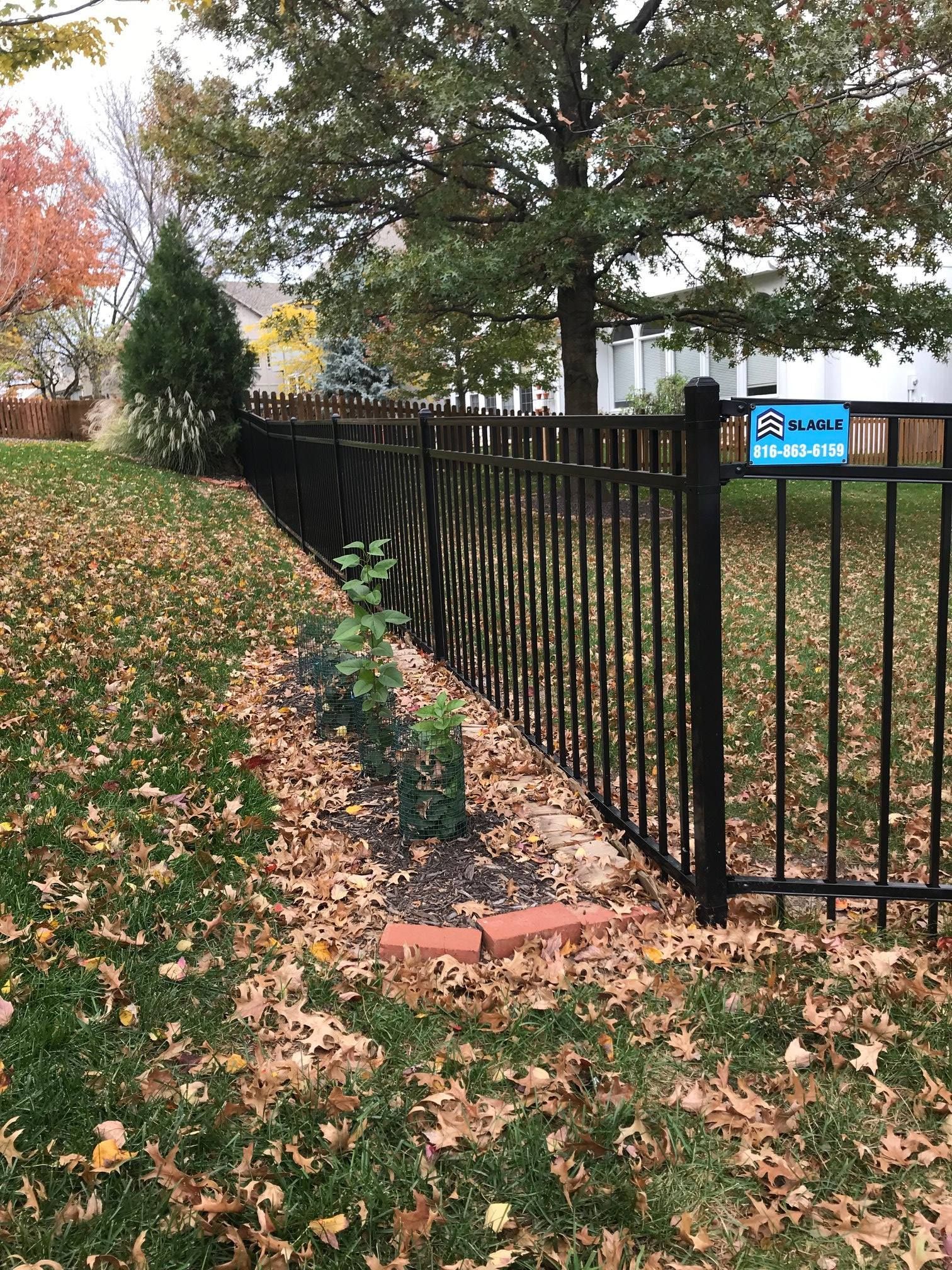
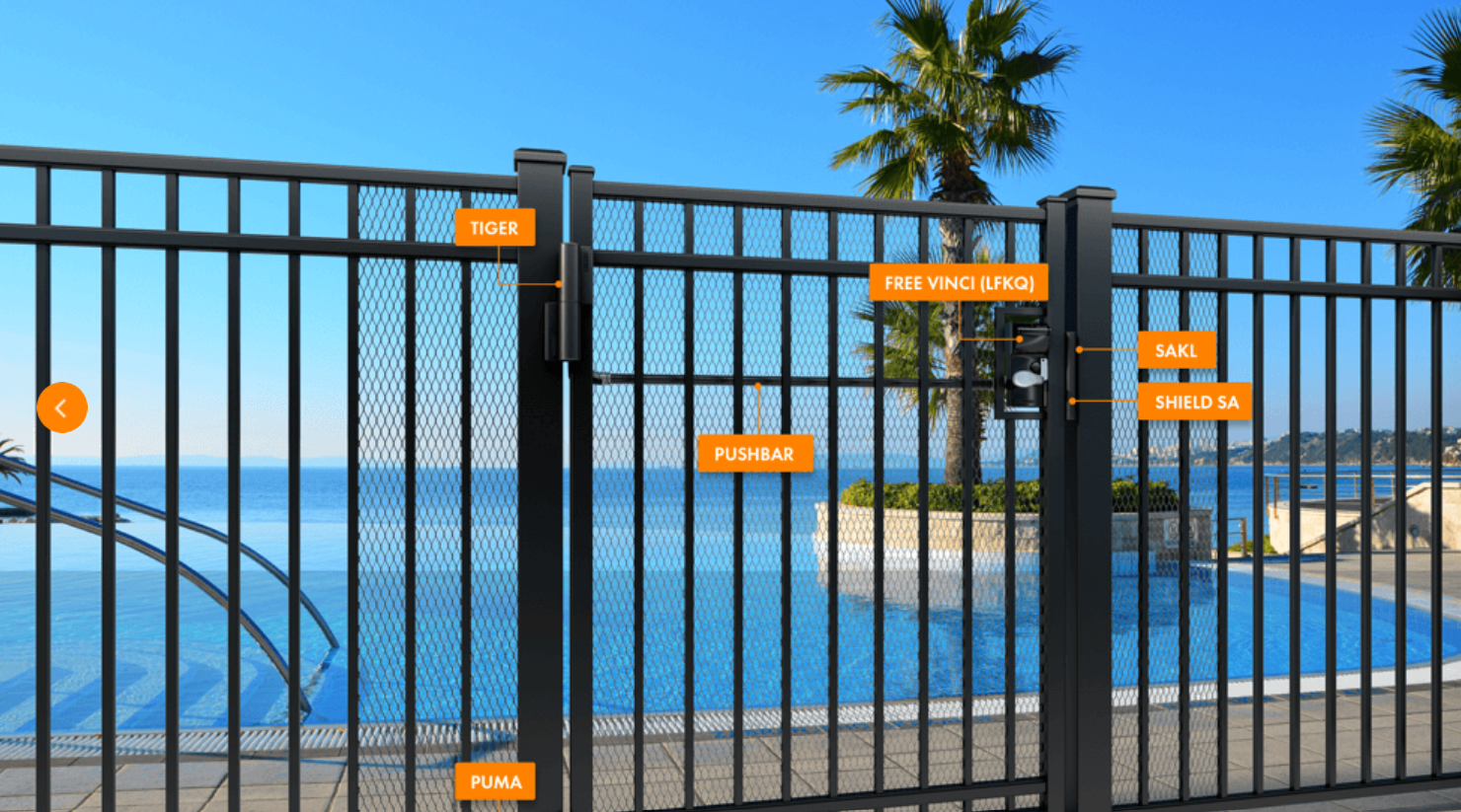
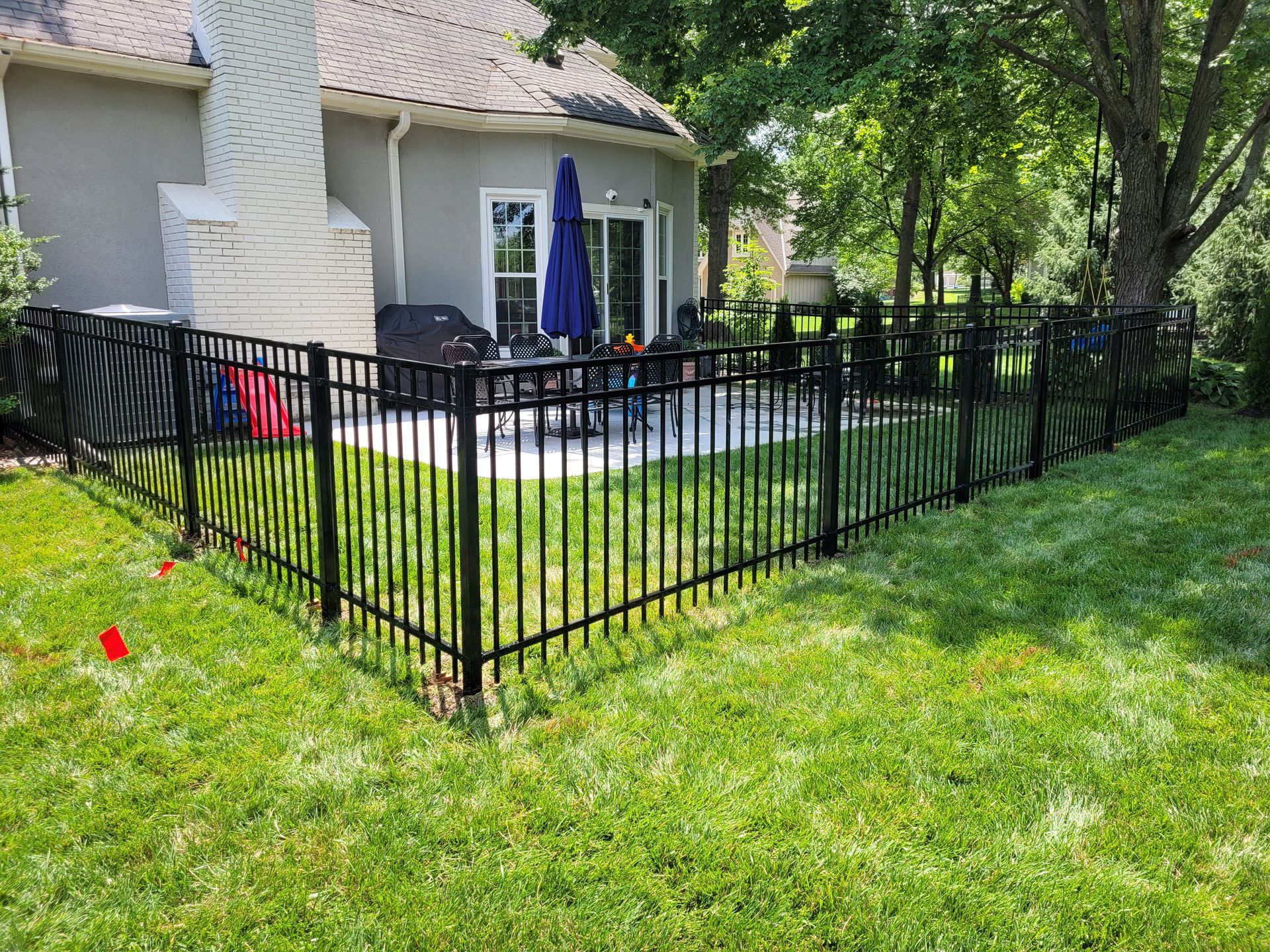
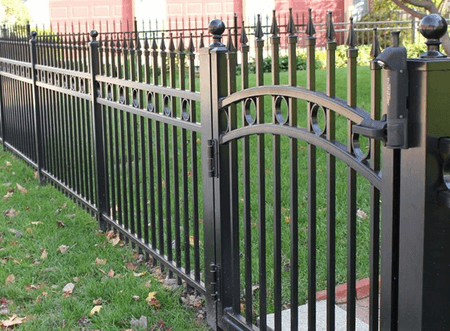
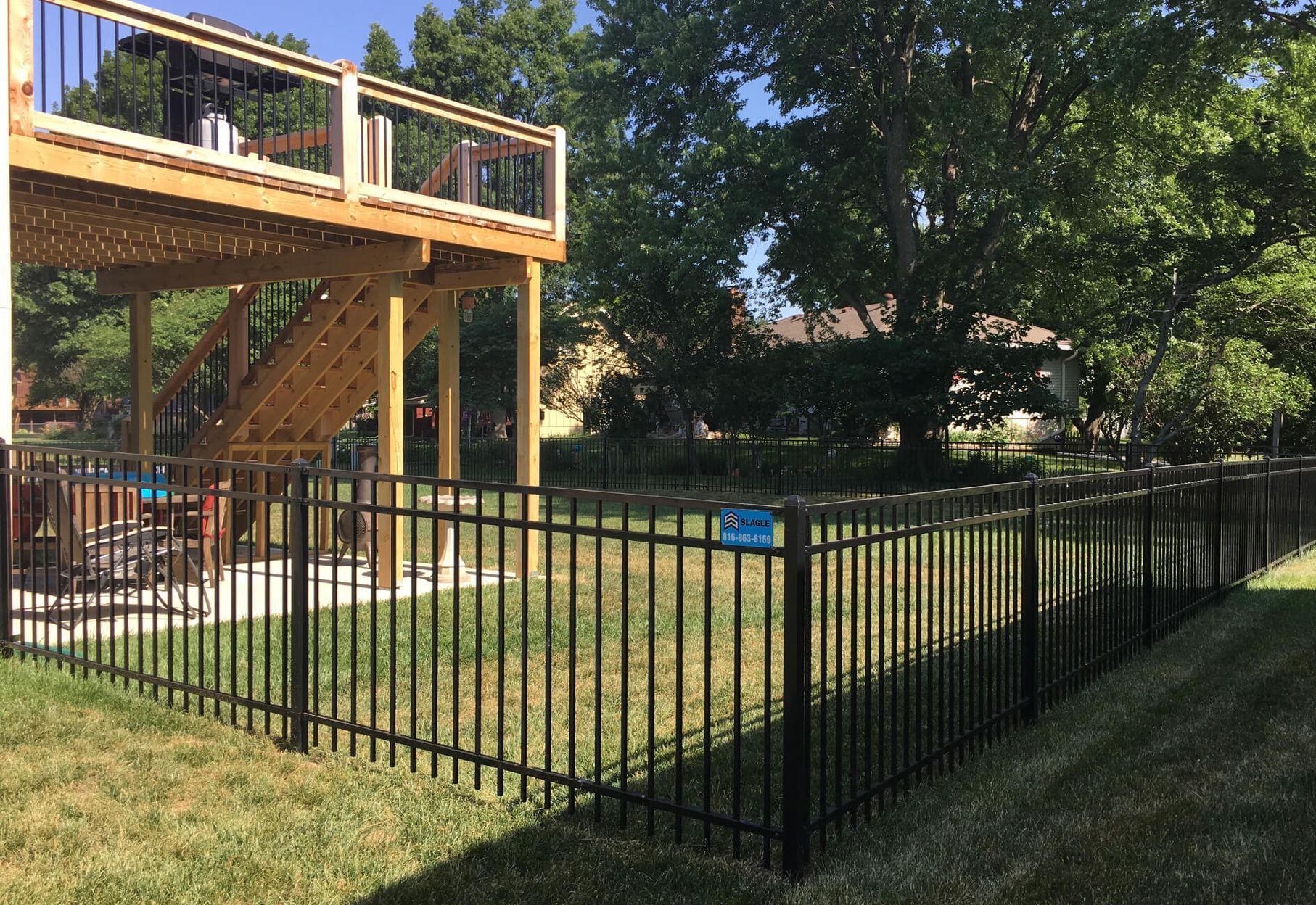
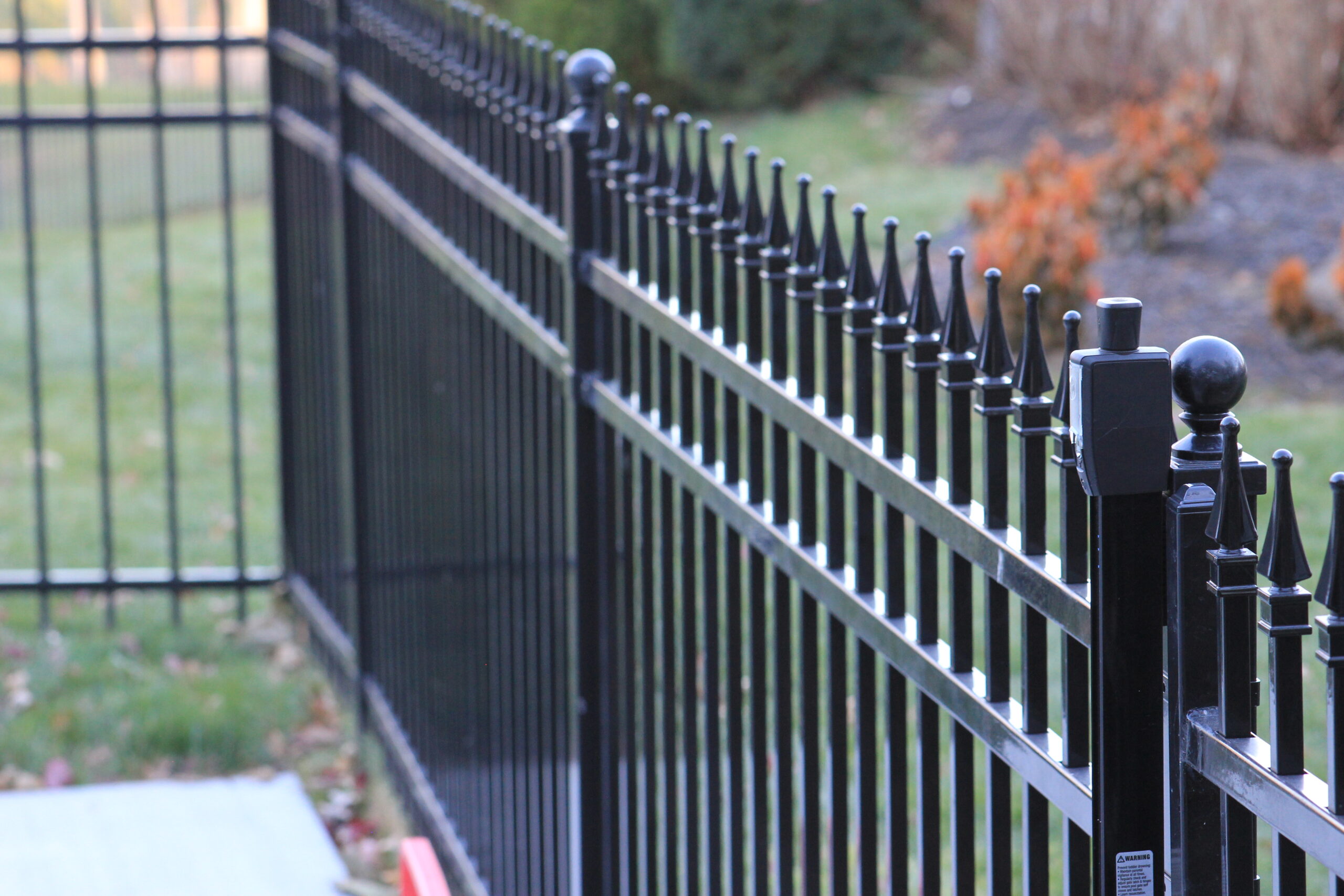
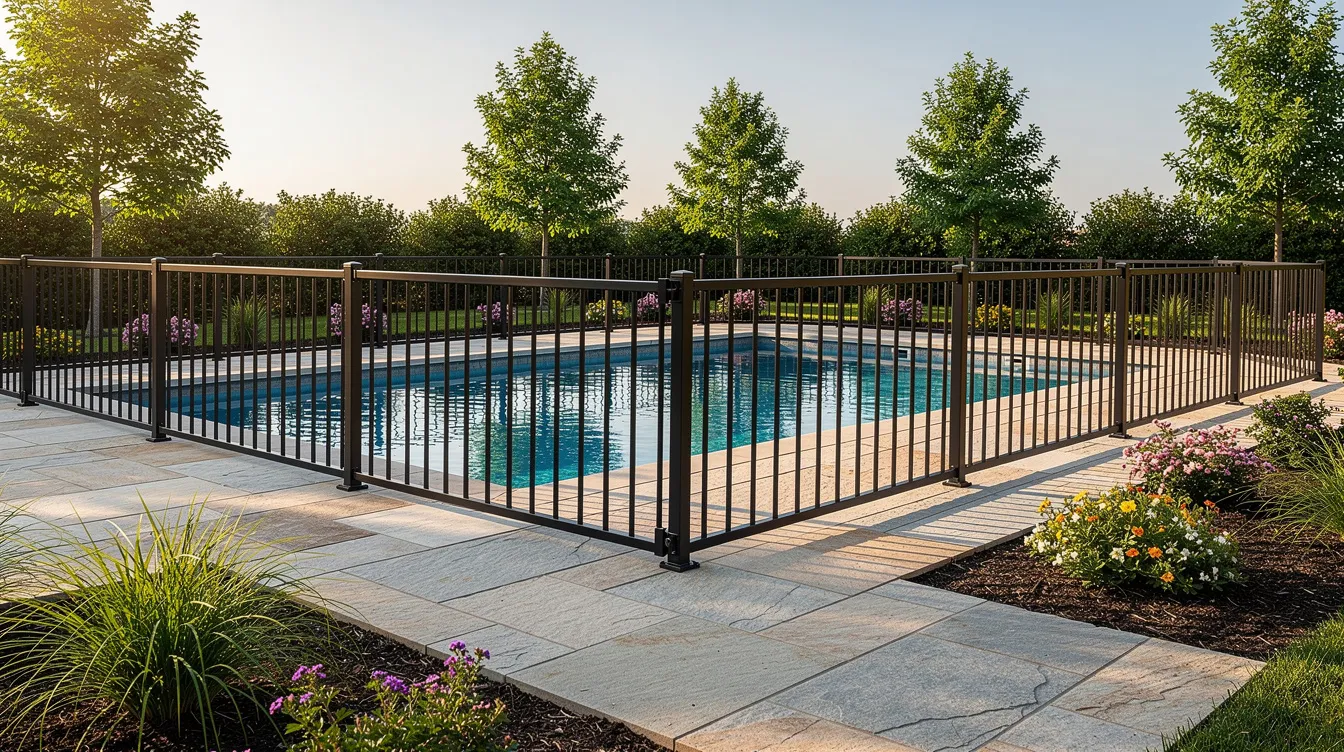
Aluminum Fence
Benefits:
✔ Rust resistant
✔ Excellent near water
✔ Minimal maintenance
✔ Elegant appearance
Great for:
- Waterfront views
- Pool areas
- Decorative boundaries
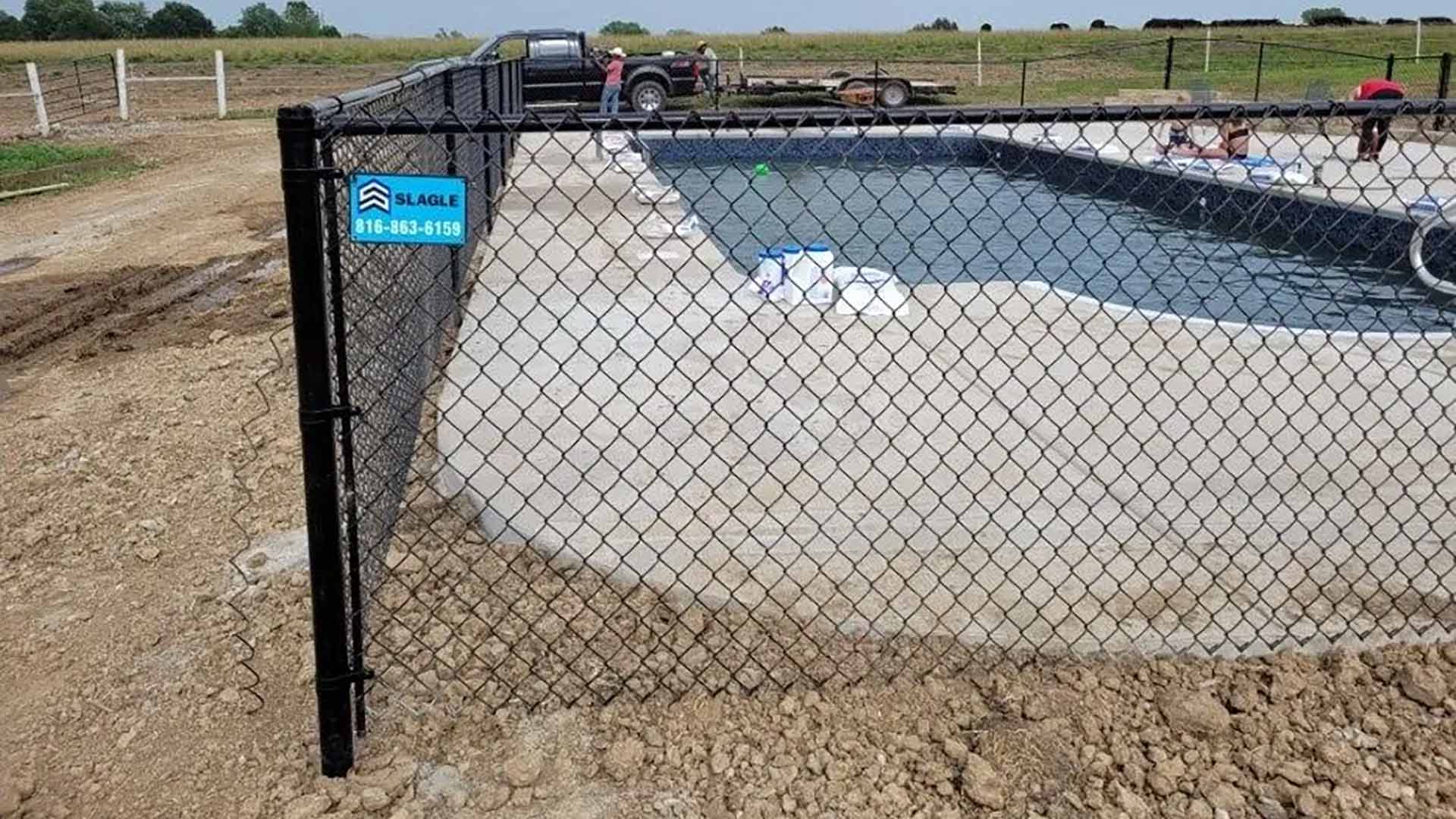
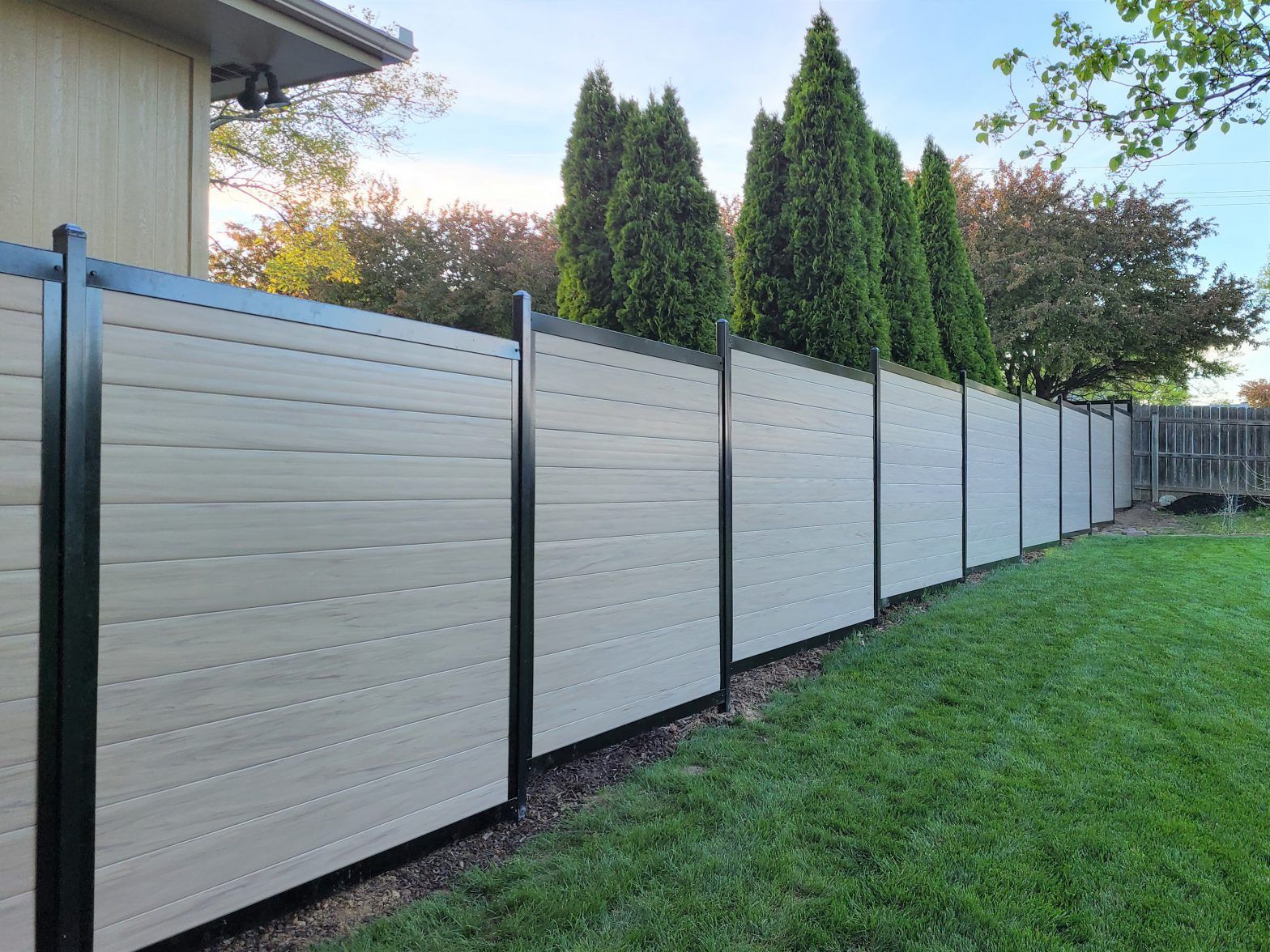
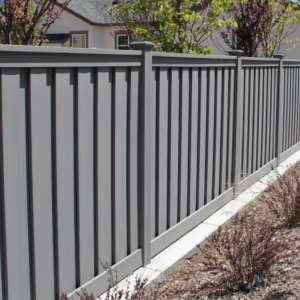 Composite Fence
Benefits:
✔ Wood appearance
✔ Moisture resistant
✔ Long lifespan
✔ Minimal maintenance
Composite fencing can be a great fit for homeowners who want the look of wood without the upkeep.
What Should Lake Homeowners Consider Before Installing a Fence?
Before installing a fence at your lakehouse, consider:
1. Do You Need Privacy or Visibility?
A privacy fence is great for:
- Entertaining
- Outdoor spaces
- Neighbor separation
An open fence may be better if you want to preserve:
- Lake views
- Landscaping
- Open sightlines
2. Are There HOA or Lake Association Rules?
Many lake communities have restrictions regarding:
- Fence height
- Fence placement
- Materials
- Colors
- Shoreline areas
Always check before installation.
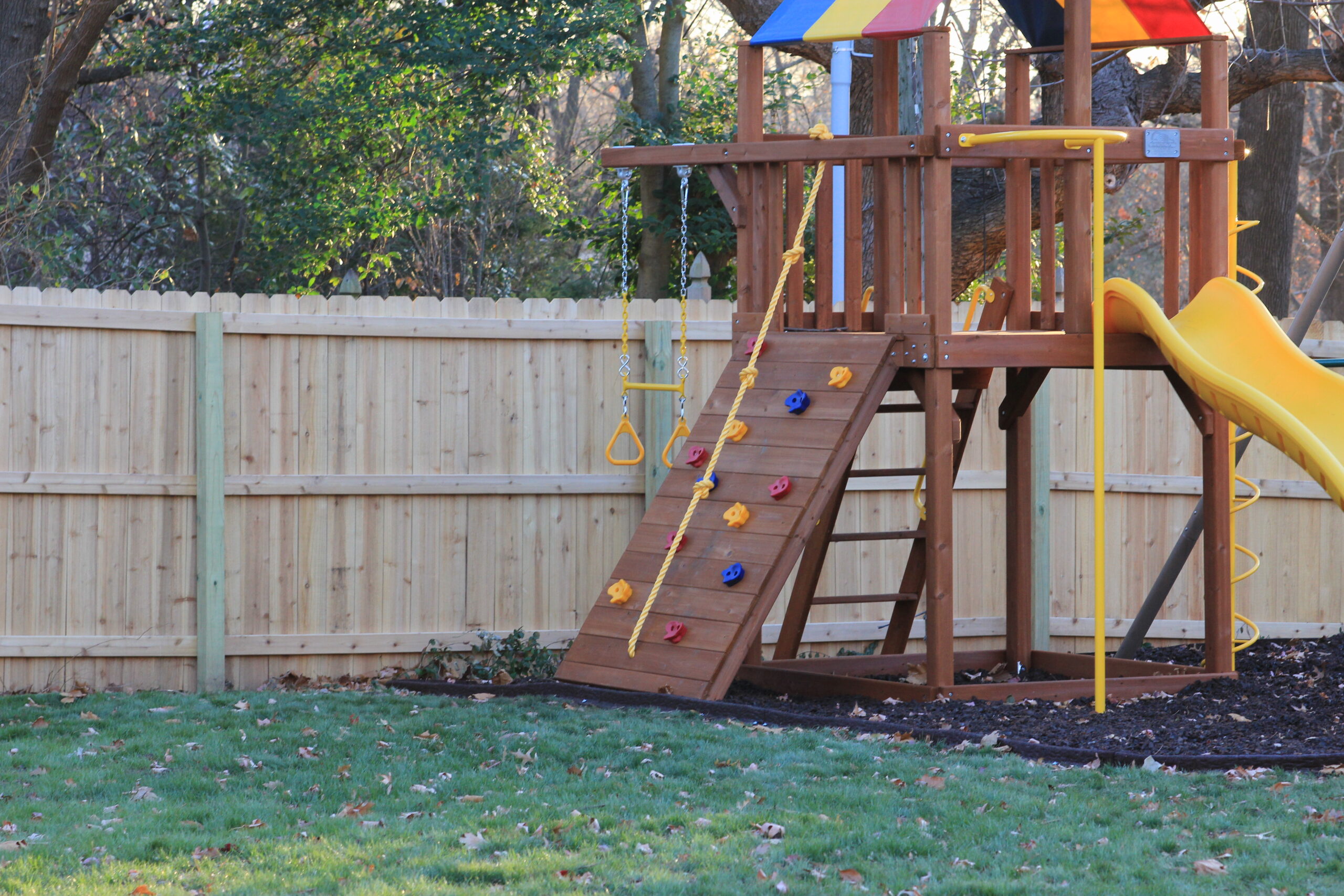
3. Are You Protecting Pets?
Lake properties can be challenging for pets because of:
- Water access
- Wildlife
- Larger lots
A secure fence may require:
- Smaller gaps
- Pet-friendly gates
- Dig prevention
- Strong latches
Final Thoughts
A wood fence can be a great choice for a lakehouse, but it requires more planning than a typical residential fence.
The biggest factors affecting your fence’s lifespan are:
✅ Choosing the right wood
✅ Proper drainage
✅ Quality installation
✅ Strong posts
✅ Routine maintenance
For many waterfront homeowners, cedar fencing with upgraded posts and a quality stain offers the best combination of beauty and durability.
If you want the look of wood without worrying about moisture, rot, and yearly upkeep, vinyl, aluminum, or composite fencing may be worth considering.
A lakehouse fence should not only look beautiful—it should be built to handle the unique conditions that come with waterfront living.